
10 Rare Coastal Plants That Flower in Spring and Cling to the Dunes
As the weather warms, coastal dunes come alive with flowers that seem to thrive in the harshest conditions. These plants have adapted to survive salty winds and shifting sands, proving nature’s ability to persist. Their colorful blooms are a testament to resilience and beauty. If you’re curious about how these hardy plants manage to thrive, you’re in the right place. Dive deeper into the world of coastal flora and learn about these springtime gems.
This post may contain affiliate links, which helps keep this content free. Please read our disclosure for more info.
Beach Strawberry (Fragaria chiloensis)
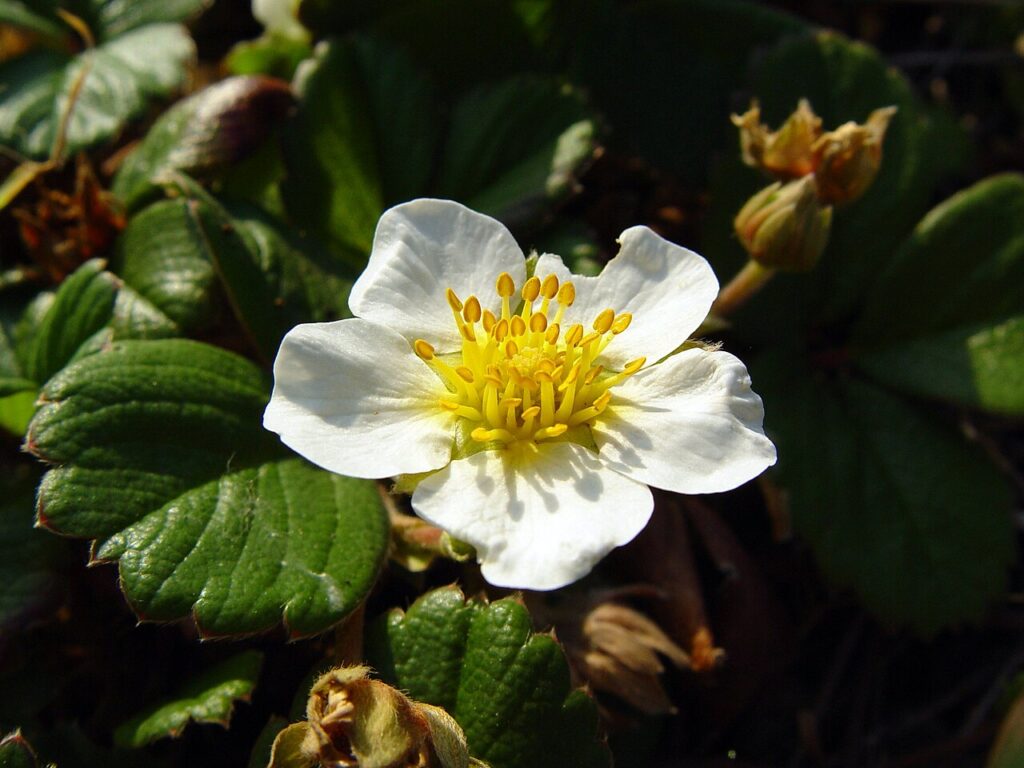
The beach strawberry is a small, creeping plant that grows on coastal dunes, often forming low ground cover. It produces delicate white flowers in the spring, followed by sweet, red berries that are a favorite of wildlife. The plant is well-adapted to sandy, nutrient-poor soils, making it a crucial player in dune stabilization. Its spreading growth pattern helps bind the sand together, preventing erosion from the relentless coastal winds.
This hardy plant thrives in areas with plenty of sunlight and coastal breezes. Though small in size, its vibrant flowers brighten the dunes, offering a touch of color against the otherwise sparse landscape. It is a low-maintenance plant, requiring minimal watering once established. Beach strawberries are often found along the Pacific Coast, where they are an important part of the ecosystem, providing food for birds and small mammals.
Seaside Goldenrod (Solidago sempervirens)
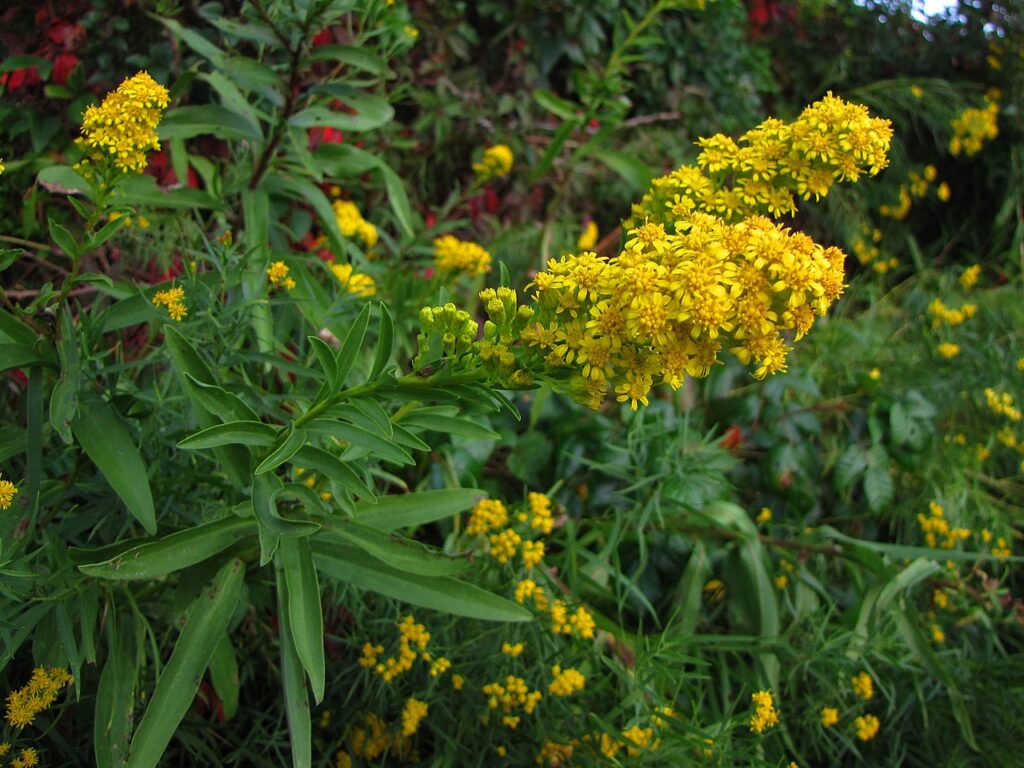
Seaside goldenrod is a robust perennial that blooms in late summer to fall, but its striking green foliage can be seen year-round on coastal dunes. Known for its tall, upright growth, this plant produces clusters of small, bright yellow flowers that attract bees, butterflies, and other pollinators. It thrives in sandy soils, where its deep roots help stabilize the dunes, ensuring the area remains intact despite strong winds and waves.
This plant is often found along the East Coast, particularly in saltwater-rich environments where few other plants can survive. In addition to its ecological benefits, seaside goldenrod also adds beauty to coastal landscapes with its showy blooms. It requires little maintenance, growing well in full sun and requiring occasional pruning to keep it healthy. Seaside goldenrod is a resilient addition to any coastal garden, providing both environmental benefits and visual appeal.
Dune Lupine (Lupinus chamissonis)
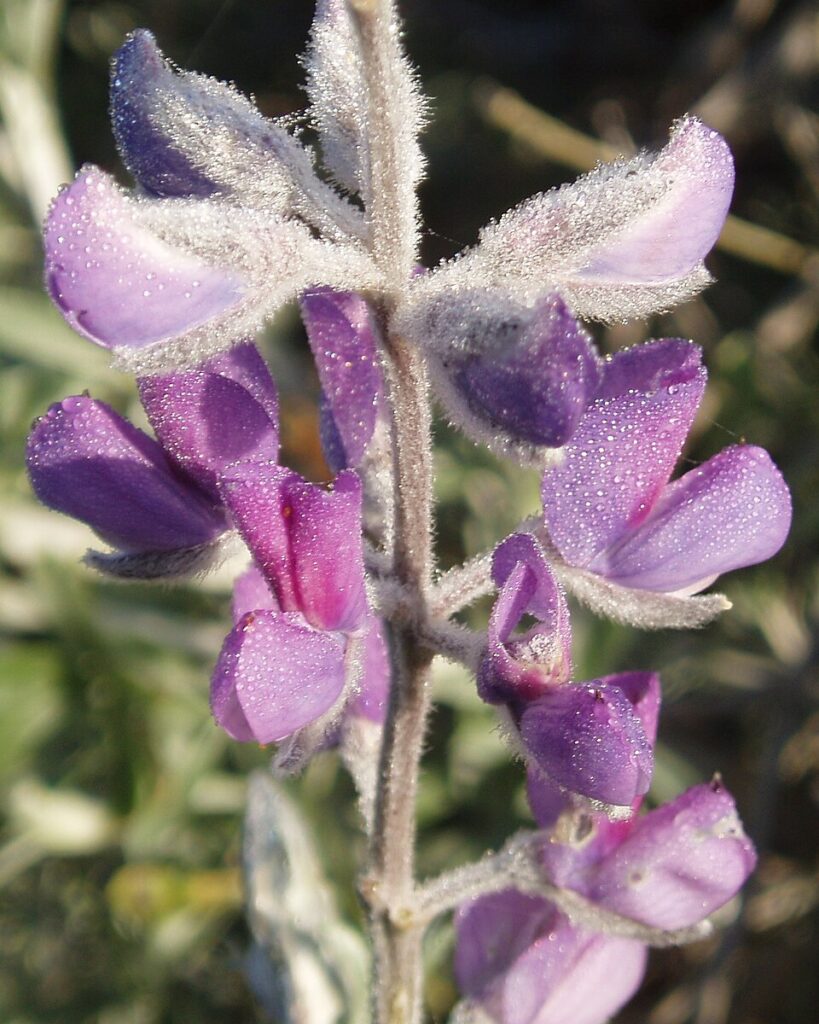
Dune lupine is a unique species of lupine that thrives in the sandy soils of coastal dunes. Its striking purple and blue flowers bloom in early spring, creating a vibrant display along the shoreline. The plant is an excellent stabilizer of loose sand, with its deep taproots helping to anchor the dunes in place. Dune lupine is adapted to coastal conditions, tolerating salt spray and dry soil, which makes it a crucial species for maintaining the integrity of dune ecosystems.
In addition to its ecological benefits, dune lupine is an important host plant for several species of butterflies. It grows well in full sun and sandy, well-drained soils, requiring minimal care once established. Though it prefers the coastal climate, dune lupine can also be found in other areas with similar conditions, such as coastal prairies. Its ability to survive in harsh environments while offering striking color makes it a favorite among gardeners looking to add a coastal touch to their landscapes.
Prickly Pear Cactus (Opuntia spp.)
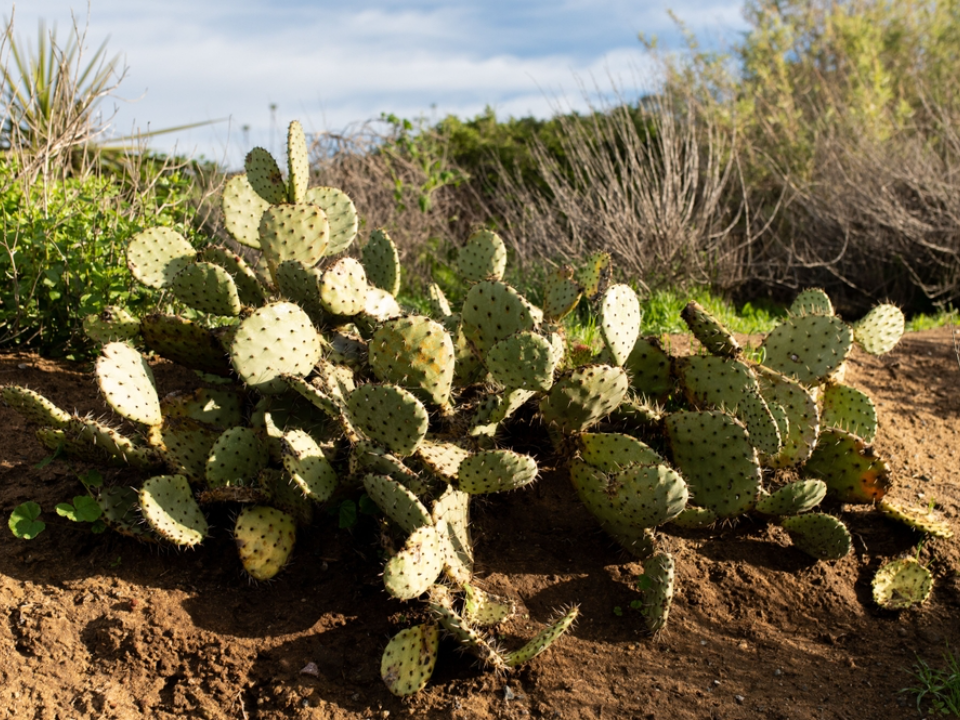
Prickly pear cactus is a drought-tolerant, spiny plant that is often found along coastal dunes, where its tough, fleshy pads help it survive harsh conditions. The cactus blooms in early spring, producing large, vibrant yellow, orange, or red flowers that attract pollinators like bees and hummingbirds. Its ability to thrive in dry, salty environments makes it a crucial plant for dune stabilization, with its roots helping to anchor the shifting sands. The prickly pear cactus also produces edible fruit, known as tunas, which are a food source for wildlife.
The plant’s spiny pads are covered in small, hair-like spines that protect it from herbivores, making it an ideal choice for coastal areas where other plants may struggle to survive. Once established, prickly pear cactus requires little maintenance, thriving in full sun and well-drained, sandy soils. Its ability to withstand both drought and salt exposure makes it a perfect fit for coastal restoration projects. The colorful flowers and unique shape of the cactus also make it a striking addition to any coastal garden.
Sea Oats (Uniola paniculata)
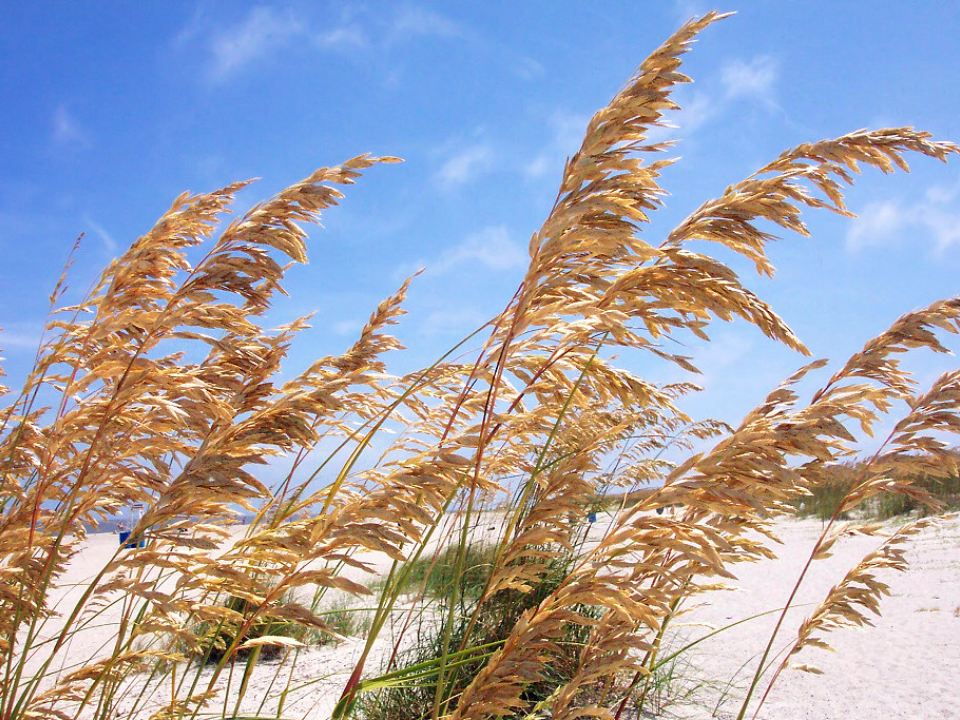
Sea oats are an iconic plant found along coastal dunes, known for their tall, graceful stalks and feathery seed heads that sway in the breeze. This perennial grass produces small, inconspicuous flowers that are followed by clusters of seeds that are vital for dune stabilization. Sea oats’ long, fibrous roots penetrate deep into the sand, helping to prevent erosion and protect the dunes from the effects of wind and water. This plant thrives in sandy soils and is well-suited for the harsh, salty conditions of coastal environments.
In addition to its ecological benefits, sea oats are also an important food source for birds, which feed on the seeds. Sea oats are often used in dune restoration efforts due to their ability to thrive in challenging conditions and their role in maintaining the integrity of coastal ecosystems. This grass prefers full sun and can tolerate drought, making it a low-maintenance plant once established. Its graceful appearance and environmental importance make sea oats a staple plant for coastal landscaping and conservation projects.
Coastal Sea Rocket (Cakile maritima)
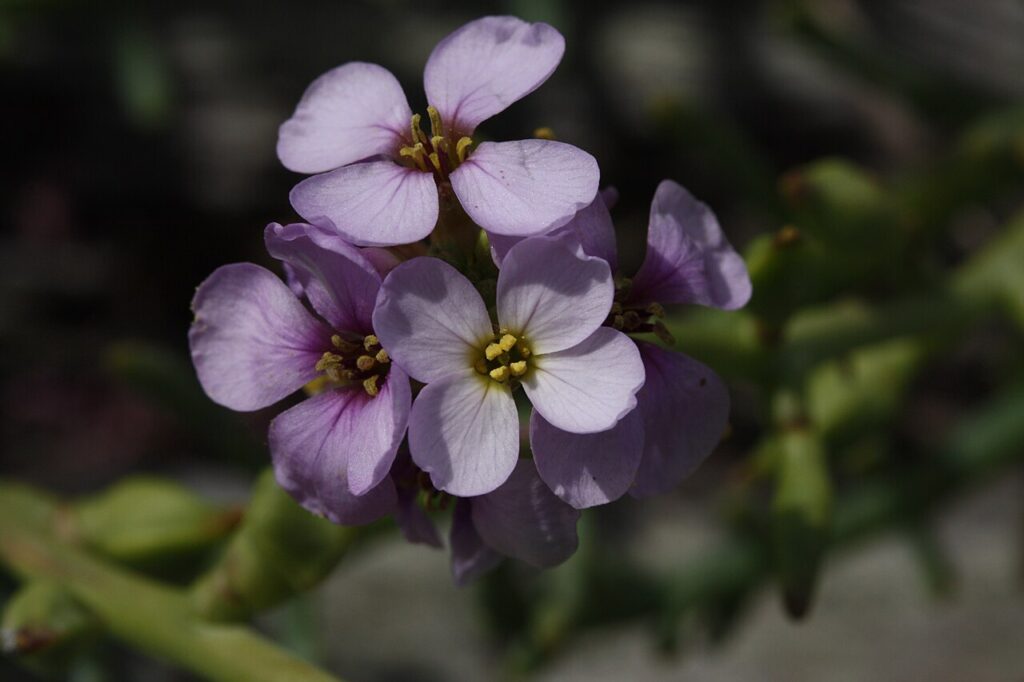
Coastal sea rocket is a hardy, low-growing plant that thrives in the sandy soils of coastal dunes. Its fleshy, succulent leaves and small, four-petaled flowers bloom in early spring, attracting bees and other pollinators. Coastal sea rocket has adapted to the harsh coastal environment, tolerating salt, wind, and drought. Its ability to grow in nutrient-poor soils makes it an essential plant for stabilizing the dunes, with its roots helping to bind the sand together.
This plant is often found along the Atlantic and Pacific coasts, where it thrives in full sun and well-drained soils. Its rapid growth and spreading habit help to prevent erosion and provide ground cover for the dunes. Coastal sea rocket is a low-maintenance plant, requiring little attention once established. Its attractive flowers and ability to withstand harsh coastal conditions make it a valuable addition to any dune restoration project or coastal garden.
Beach Pea (Lathyrus japonicus)
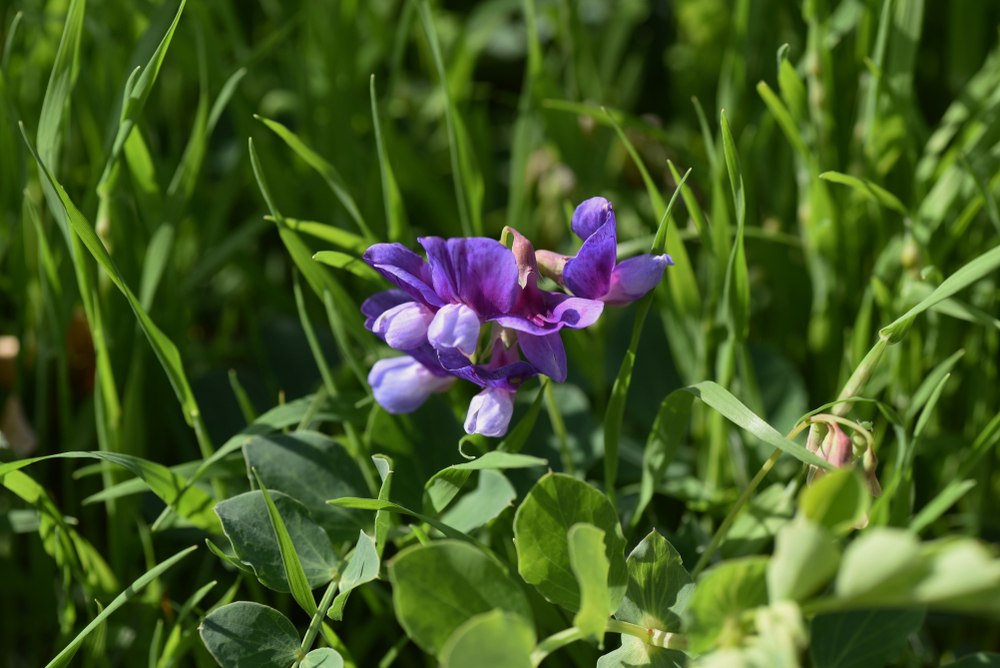
Beach pea is a perennial plant that grows along coastal dunes, producing clusters of purple or pink flowers in early spring. Its trailing vines and delicate blooms add a touch of color to the otherwise sparse landscape. Beach pea thrives in sandy, nutrient-poor soils, where its deep roots help to stabilize the dunes and prevent erosion. The plant is well adapted to the harsh coastal environment, tolerating salt, wind, and drought.
In addition to its ecological benefits, beach pea is also a valuable plant for attracting pollinators. Its flowers provide food for bees and butterflies, which play a critical role in the ecosystem. Once established, beach pea requires little maintenance, making it a great addition to coastal gardens. Its ability to thrive in challenging conditions and its role in stabilizing the dunes make beach pea a valuable plant for conservation and restoration efforts.
Saltbush (Atriplex patula)
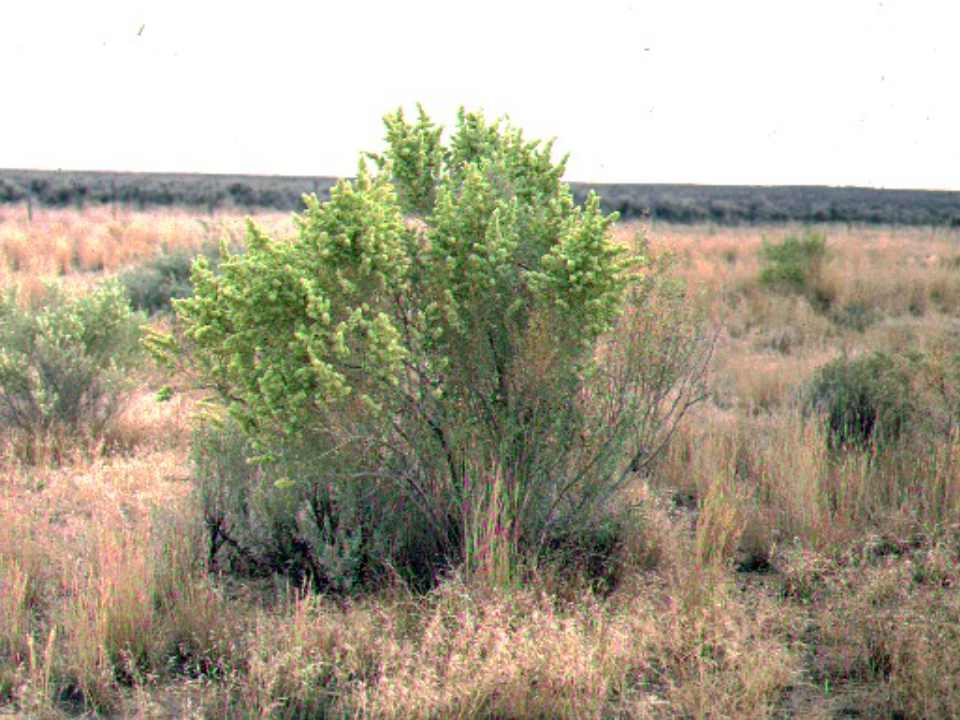
Saltbush is a hardy, drought-tolerant plant that thrives in the salty, sandy soils of coastal dunes. Its silvery-green foliage and small, inconspicuous flowers make it a subtle but important part of the coastal ecosystem. Saltbush is well-suited to the harsh conditions of coastal environments, where it helps to prevent erosion by stabilizing the dunes with its extensive root system. The plant is highly tolerant of salt and wind, making it an essential species for dune restoration projects.
Saltbush also provides shelter and food for wildlife, with its leaves being eaten by some herbivores. The plant grows best in full sun and requires little care once established. Its ability to withstand both drought and salt exposure makes it a low-maintenance addition to coastal gardens. Saltbush is a valuable plant for protecting coastal landscapes and providing habitat for a variety of species.
Sand Verbena (Abronia latifolia)
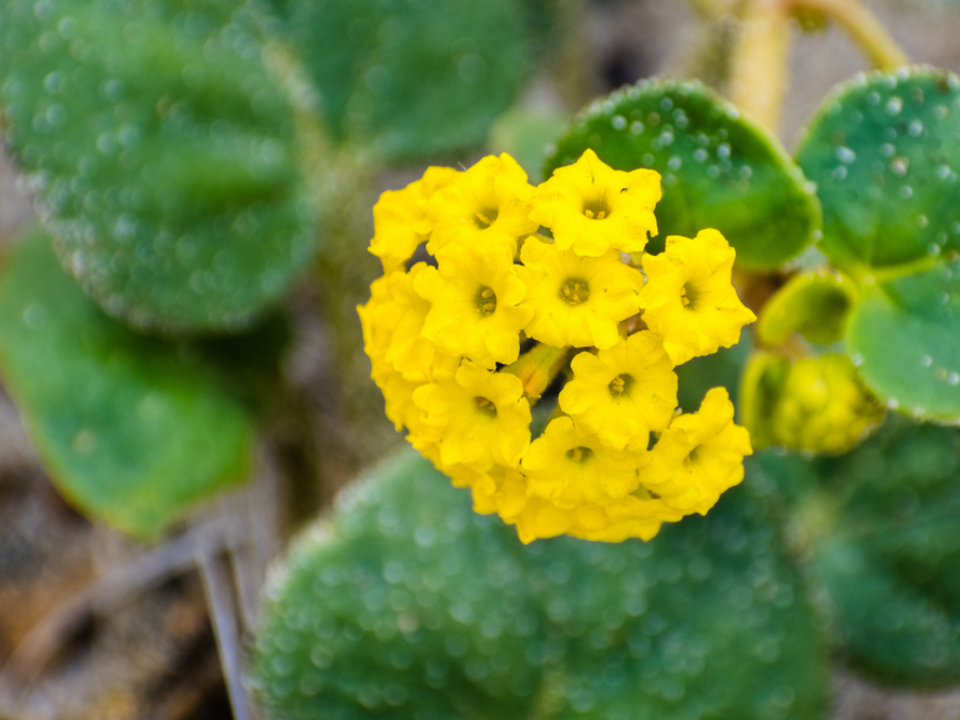
Sand verbena is a hardy, perennial plant that thrives in coastal dune habitats, producing clusters of vibrant purple, pink, or yellow flowers. This plant is well adapted to the dry, salty conditions of the coast, where its thick, fleshy leaves help it conserve moisture. Sand verbena’s spreading growth habit helps stabilize the sand, preventing erosion and protecting the dunes from the effects of wind and water. Its bright flowers attract pollinators, including bees and butterflies, which are essential for the health of the ecosystem.
This plant grows best in full sun and sandy, well-drained soils. Once established, sand verbena is low-maintenance and drought-tolerant, making it a great addition to coastal gardens. Its ability to survive in harsh coastal environments and its role in dune stabilization make it an important plant for coastal restoration projects. The colorful blooms of sand verbena add beauty and ecological value to coastal landscapes.
Dune Grass (Leymus mollis)
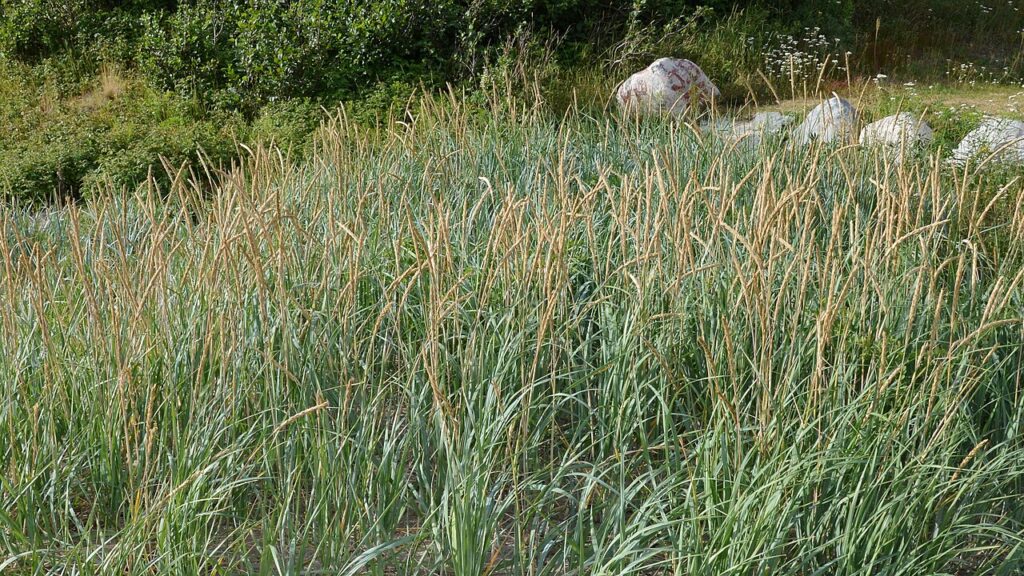
Dune grass is a tough, perennial grass species that grows along coastal dunes, helping to stabilize the sandy soil. Its long, slender blades grow in clumps, creating dense mats of grass that prevent erosion and protect the dunes from wind and water. Dune grass produces small, inconspicuous flowers in early spring, which are followed by seed heads that provide food for birds. This plant thrives in sandy, nutrient-poor soils and is well adapted to the coastal environment.
Dune grass is often used in coastal restoration projects due to its ability to prevent erosion and stabilize the dunes. It grows best in full sun and can tolerate salt and drought once established. Its deep roots help to bind the sand together, preventing it from shifting with the wind. Dune grass is a valuable addition to coastal landscapes, providing both environmental benefits and natural beauty.
This article originally appeared on Avocadu.