
15 Rare Citrus Fruits with Perfume-Like Peels and Bright, Tangy Juice
Citrus fruits are known for their bright, tangy flavors, but some varieties go a step further by offering a perfume-like aroma that fills the air with a refreshing scent. These fruits not only add a burst of flavor to your dishes and drinks but also bring an inviting fragrance that elevates any experience. Whether you’re enjoying them fresh, juicing them for a drink, or using their zest in recipes, these citrus gems offer something unique. Their peels, often fragrant and aromatic, create a sensory experience that goes beyond taste. Many of these fruits are grown in specific regions, making them a rare treat that is worth seeking out.
This post may contain affiliate links, which helps keep this content free. Please read our disclosure for more info.
Yuzu
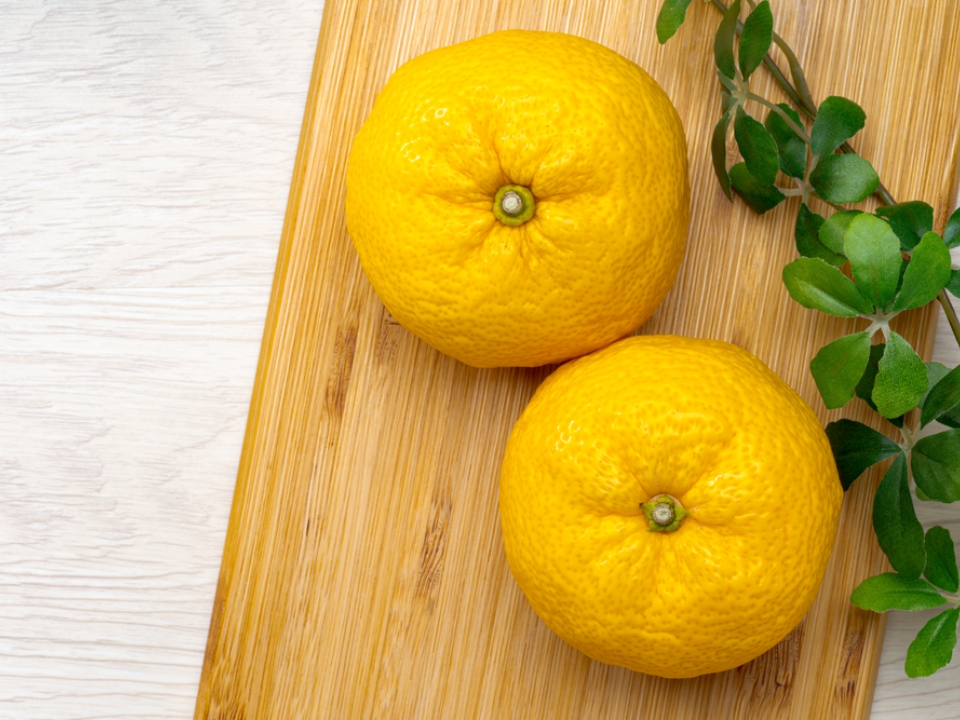
Yuzu is a citrus fruit commonly found in East Asia, known for its fragrant peel and tangy juice. The fruit is often used in Japanese cuisine to add a refreshing, aromatic touch to dishes and beverages. Its yellow skin has a distinct fragrance that blends the sharpness of lemon with the floral scent of grapefruit.
The juice is tart and slightly sour, making it perfect for adding a zesty kick to sauces, dressings, or even cocktails. Yuzu is also used to infuse hot water for a soothing drink during the colder months. The fruit’s versatility extends to sweets and desserts, where its unique flavor brightens up everything from cakes to sorbets. In Japan, yuzu is often paired with honey to create a sweet yet tangy spread. Despite its small size, this fruit’s impact on flavor is immense, making it a favorite in kitchens worldwide.
Buddha’s Hand
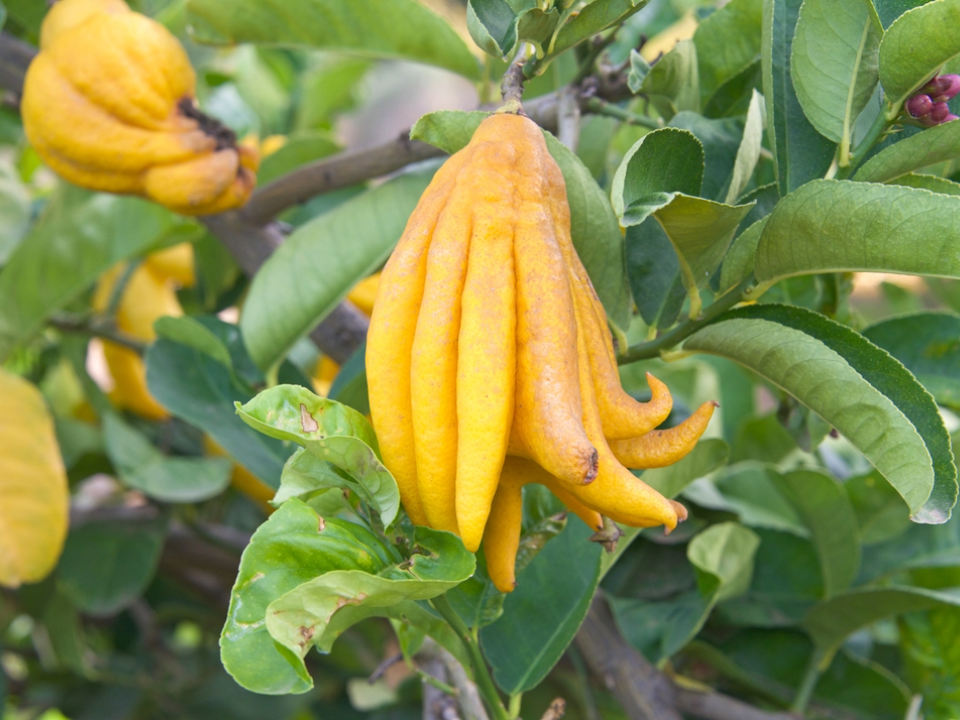
Buddha’s Hand is a striking citrus fruit that resembles elongated fingers reaching out from a central base, resembling the shape of a hand in a prayerful pose. This fruit has a thin, yellow peel with an intensely fragrant aroma that combines floral and citrus notes. Unlike most citrus fruits, Buddha’s Hand is often used for its zest rather than its juice. The peel is packed with essential oils that give off a strong, perfume-like fragrance.
This fruit is often used to infuse alcohol or water, imparting a subtle, aromatic flavor. Buddha’s Hand is also used in cooking to add a layer of citrus aroma to dishes, especially in Asian cuisines. It is commonly grated into salads, sauces, and dressings, giving them a fragrant and tangy twist. The fruit is also a popular gift in various cultures, symbolizing good fortune and happiness.
Kaffir Lime
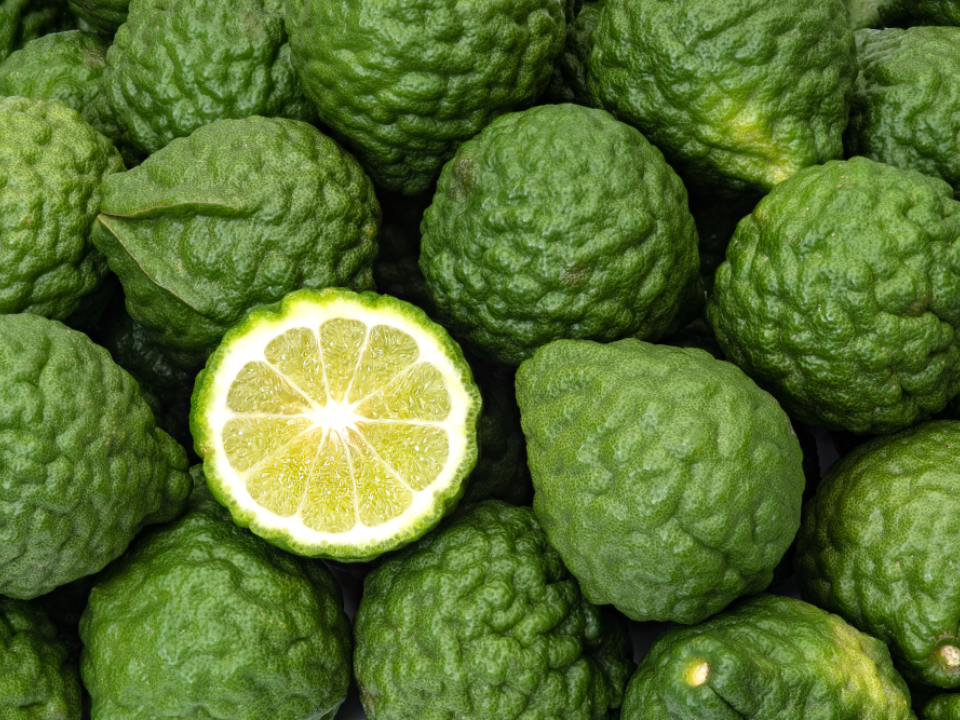
Kaffir lime is a small, wrinkled fruit with a deep green color, known for its fragrant leaves and intense flavor. The fruit’s peel contains oils that emit a strong, sharp citrus scent, while the juice offers a tangy, slightly bitter taste. Kaffir limes are commonly used in Southeast Asian cuisine, where both the fruit and the leaves are utilized.
The leaves are often used to impart flavor to soups, curries, and stir-fries, while the fruit is squeezed over dishes or used in drinks to enhance the flavor. The zest can be grated and added to marinades or dressings, providing a refreshing citrusy fragrance. In addition to culinary uses, kaffir lime is also valued for its aromatic qualities in essential oils. This fruit adds a unique, lively element to any dish or beverage it graces.
Finger Lime
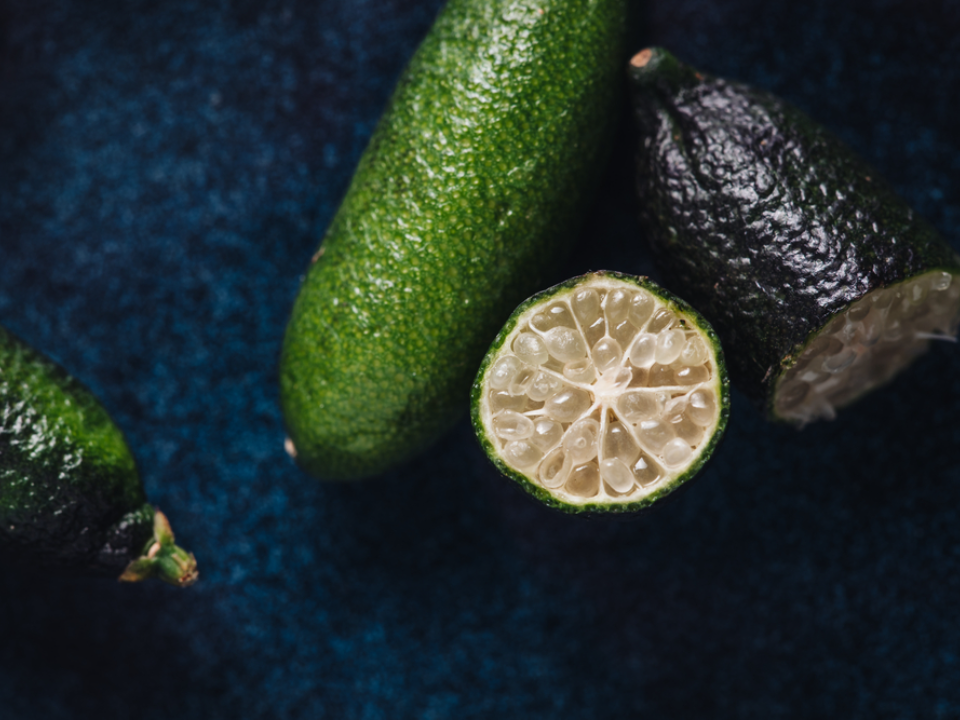
Finger lime, also known as the “caviar lime,” is a small, elongated fruit with a vibrant color and a tangy, citrusy taste. When sliced open, the inside reveals tiny, bead-like pulp segments that burst with juice. The peel of the finger lime has a strong, perfumed aroma, which is more floral than most other citrus fruits. Finger limes are often used in gourmet cooking to add a zesty, citrusy crunch to dishes.
They can be used to garnish seafood, salads, or cocktails, offering a pop of color and flavor. The juice inside is sour and tangy, and the pulp segments provide a burst of freshness with every bite. This fruit is also used in making marmalade and sauces, where its unique texture and flavor are highly valued. Finger lime’s ability to balance tartness with a subtle sweetness makes it an intriguing addition to both savory and sweet dishes.
Sumac
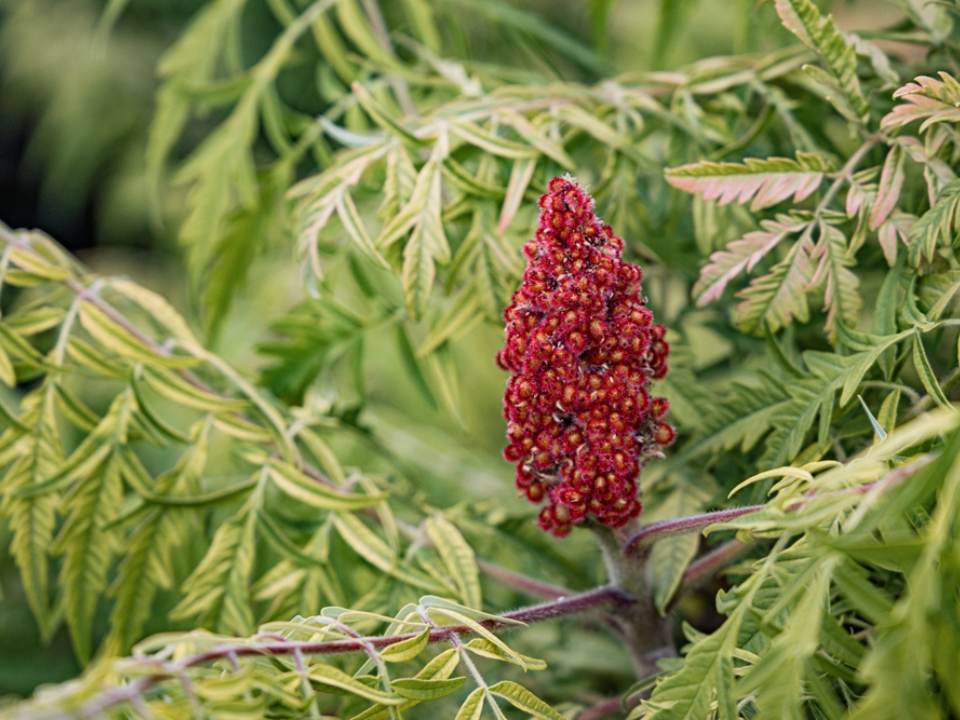
Sumac is a tangy, red fruit that grows on shrubs native to the Middle East and parts of North America. The fruit’s peel is used in the form of dried berries, which have a strong, lemony fragrance with earthy undertones. Sumac’s tart, tangy juice is extracted from the dried berries and used as a seasoning or flavoring agent in various dishes.
The spice is commonly used in Middle Eastern cuisine, where it adds a sour note to salads, dips, and meats. It is often sprinkled over dishes like fattoush and hummus, enhancing their flavor profile with its bright, zesty kick. Sumac is also used to make refreshing drinks by steeping the dried berries in water. Its versatile flavor and refreshing scent make it a unique addition to many cuisines, particularly in regions where citrus fruits are prized for their tangy qualities.
Calamondin
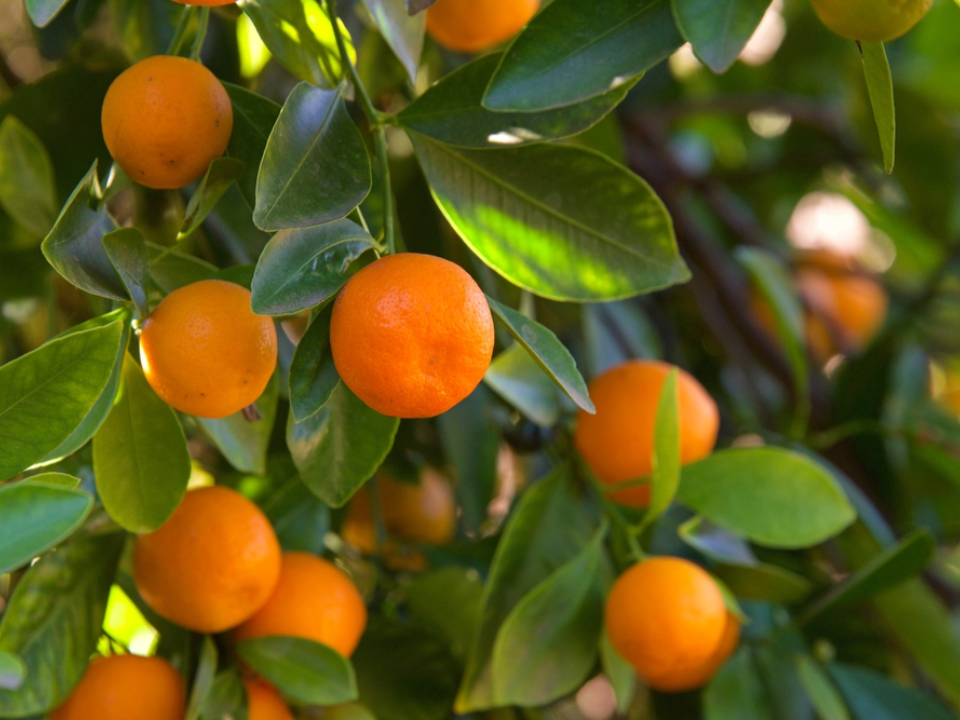
Calamondin, a small, round citrus fruit, is commonly found in Southeast Asia especially in Philippines. It has a bright orange peel that is fragrant and filled with essential oils. The fruit is known for its tart, slightly sweet flavor that combines the tastes of lime and tangerine. Calamondin is often used in cooking to add a burst of citrus flavor to dishes, particularly in Filipino cuisine.
The juice is perfect for making marinades, sauces, and beverages, offering a sour, refreshing taste. Its peel can also be used to infuse oils or make marmalades. Calamondin is often paired with sugar to create a tangy-sweet syrup used in desserts or drinks. This fruit’s strong fragrance and sharp juice make it a great addition to any recipe needing a citrusy boost.
Persian Lime
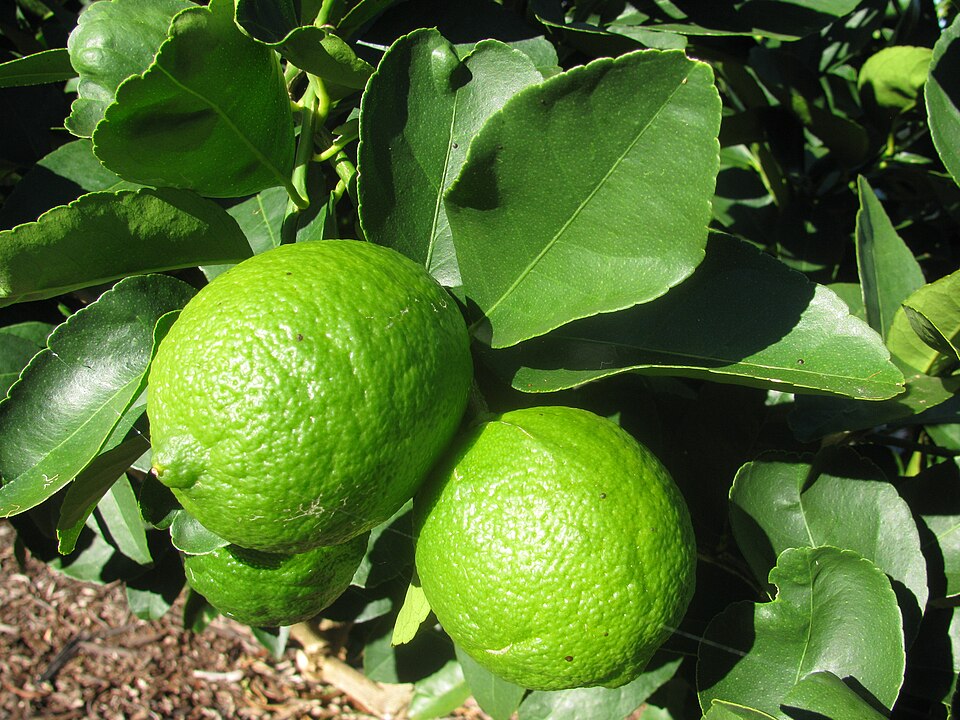
Persian lime, also known as Tahiti lime, is the most common type of lime found in stores around the world. It has a smooth, green peel that emits a refreshing, tangy aroma when grated. The fruit is larger than other lime varieties, with a thicker rind and more juice. Persian limes are known for their tart, tangy flavor that is less bitter than other lime varieties, making them perfect for both savory and sweet dishes.
The juice is used in everything from salsas and marinades to cocktails and desserts, adding a bright, zesty flavor. The peel can be used to create a fragrant zest, perfect for flavoring dishes, cakes, and salads. This lime is a staple in many kitchens due to its versatile flavor and vibrant juice.
Pomelo
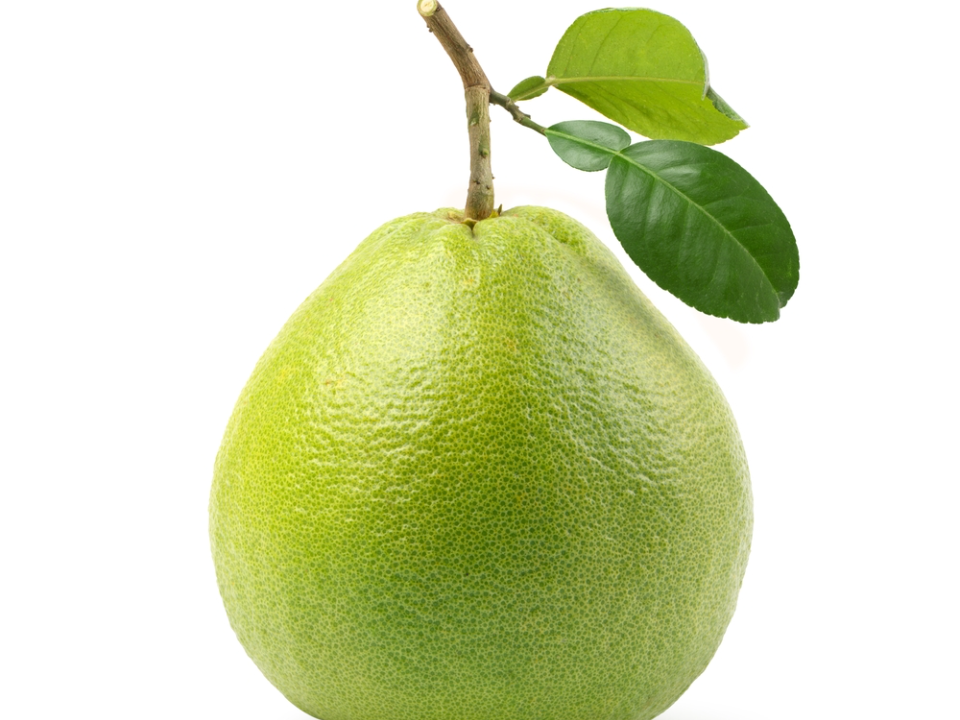
Pomelo is a large citrus fruit closely related to grapefruit, with a thick, green to yellow peel. Its fragrance is mildly floral and citrusy, and the fruit’s flesh is sweet, slightly tangy, and less bitter than a grapefruit. Pomelo is often eaten fresh, segmented into its juicy, tangy wedges, or added to fruit salads for a refreshing twist.
The peel can be used to make marmalade or zest for flavoring, and it’s commonly used in Asian cuisine to add citrus notes to dishes. Pomelo juice is also a popular ingredient in drinks, particularly in tropical cocktails. In addition to its culinary uses, pomelo is sometimes used in traditional medicine for its purported health benefits. This fruit’s mild, sweet flavor and vibrant peel make it a delightful citrus to enjoy on its own or as part of a dish.
Tarocco Orange
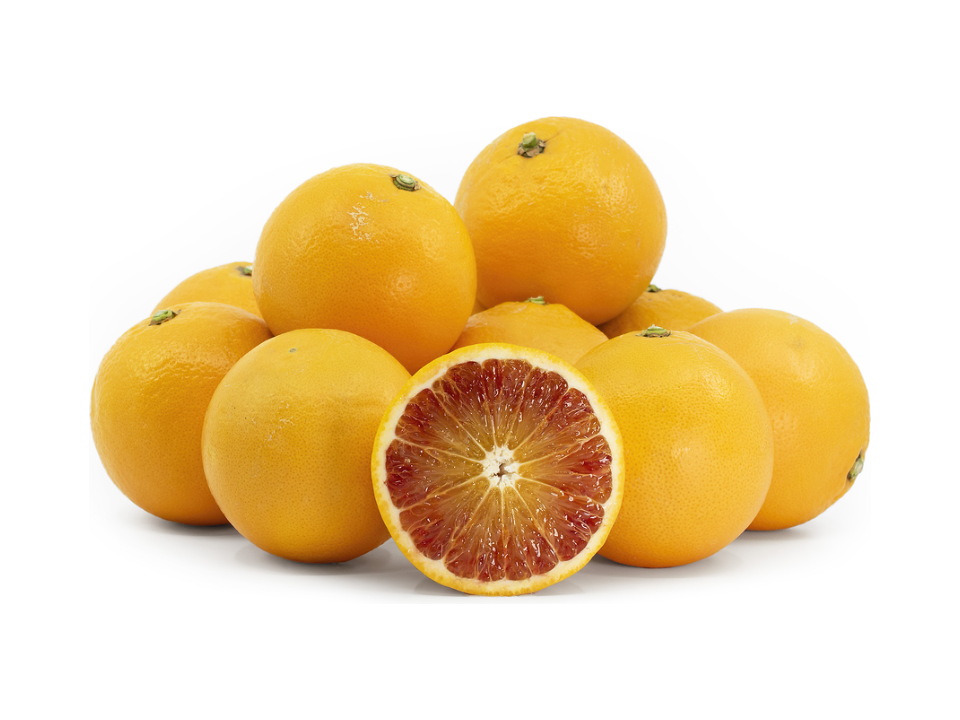
The Tarocco orange is a variety of blood orange grown primarily in Italy, known for its distinctive, deep red flesh and bright, fragrant peel. The fruit’s peel has a floral, sweet scent that hints at its rich flavor profile. The juice is tangy and sweet, offering a complex blend of citrus and berry-like notes. Tarocco oranges are often eaten fresh or juiced, and their juice is used to make refreshing beverages or to enhance the flavor of sauces and dressings.
The fruit is also used in salads, desserts, and even savory dishes, where its vibrant color and juicy texture add depth to the meal. The Tarocco orange’s aromatic peel can be used in making zest or infusions, adding an extra layer of citrusy perfume. This fruit is prized for its delicate balance of sweetness and tanginess, making it a favorite in many kitchens.
Persian Sweet Lemon
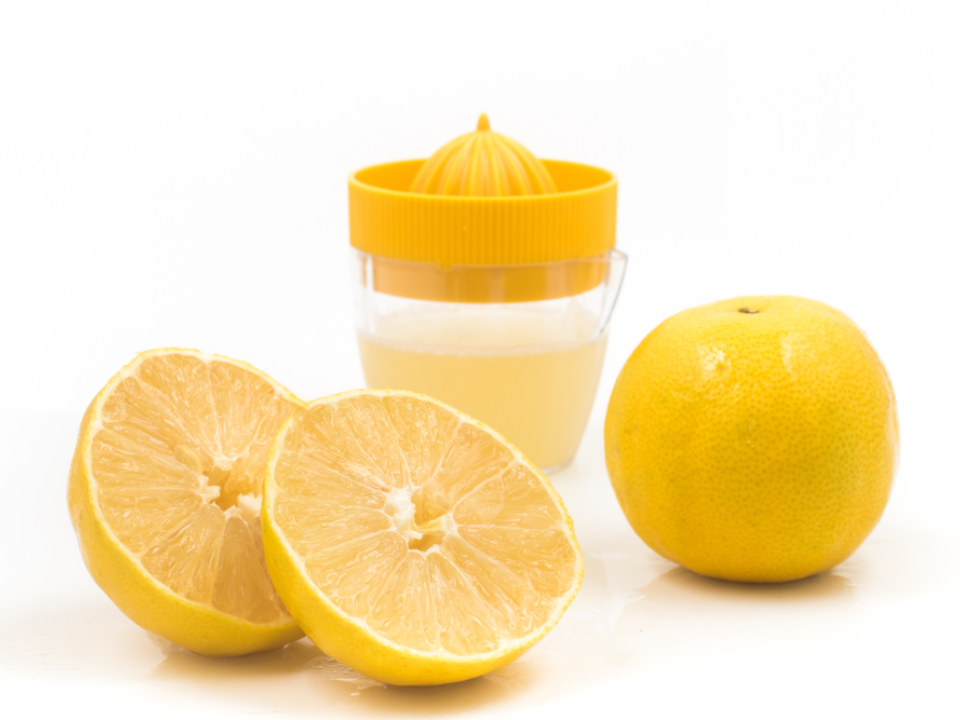
The Persian sweet lemon, also known as the “sweet lime,” is a small, greenish-yellow citrus fruit with a smooth, fragrant peel. Unlike other limes, Persian sweet lemons have a mild, sweet flavor with a slight tartness, making them less sour than typical lemons. The fruit’s juice is refreshing and aromatic, often used in beverages, salads, and marinades. The peel has a delicate, floral scent that complements its mild juice.
Persian sweet lemons are commonly used in Middle Eastern cooking, where they are added to both savory and sweet dishes. The juice can also be used to make refreshing drinks, often combined with sugar or honey for a sweet citrus beverage. This fruit’s subtle sweetness and floral fragrance make it a unique addition to citrus-loving kitchens.
Meiwa Kumquat
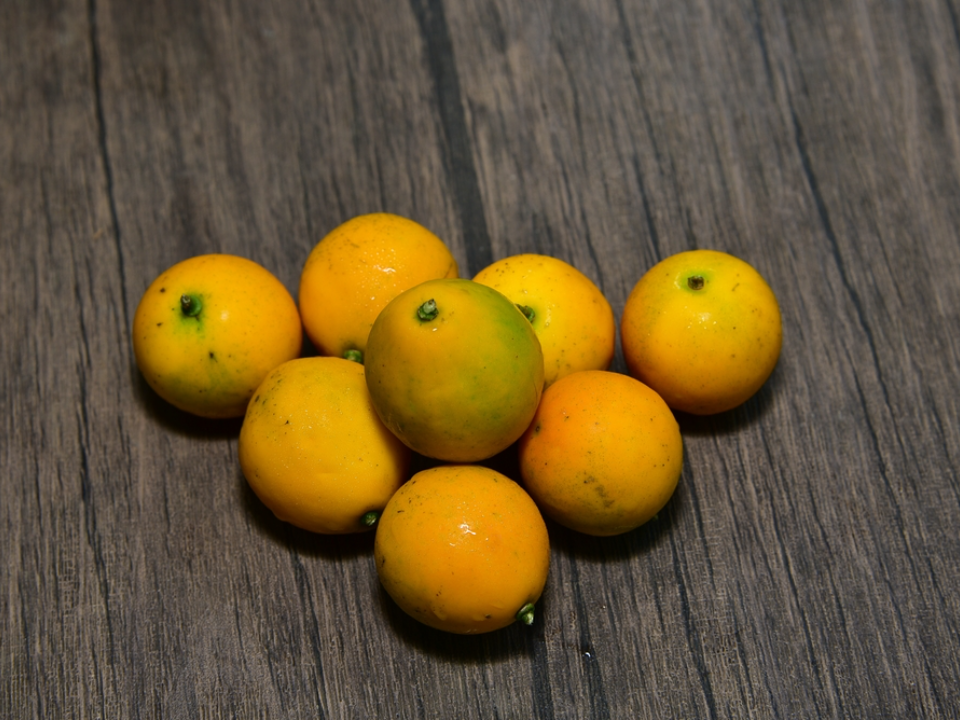
The Meiwa kumquat is a small, round citrus fruit with a bright orange peel that is sweet rather than tart, setting it apart from most other kumquats. Its peel has a fragrant, almost floral aroma that makes it a pleasant addition to various culinary creations. The juice inside the fruit is tangy but not overly sour, and the fruit is often eaten whole, peel and all, providing a unique combination of sweet and sour flavors.
Meiwa kumquats are commonly used in marmalades, jams, and jellies, where their bright citrus flavor is the star. They can also be added to salads, desserts, and beverages, bringing a burst of color and flavor. The fruit’s peel can be grated to make a fragrant zest, perfect for flavoring cakes or pastries. This kumquat is often used to make syrups and sauces, infusing them with its sweet, aromatic citrus flavor.
Sumo Citrus
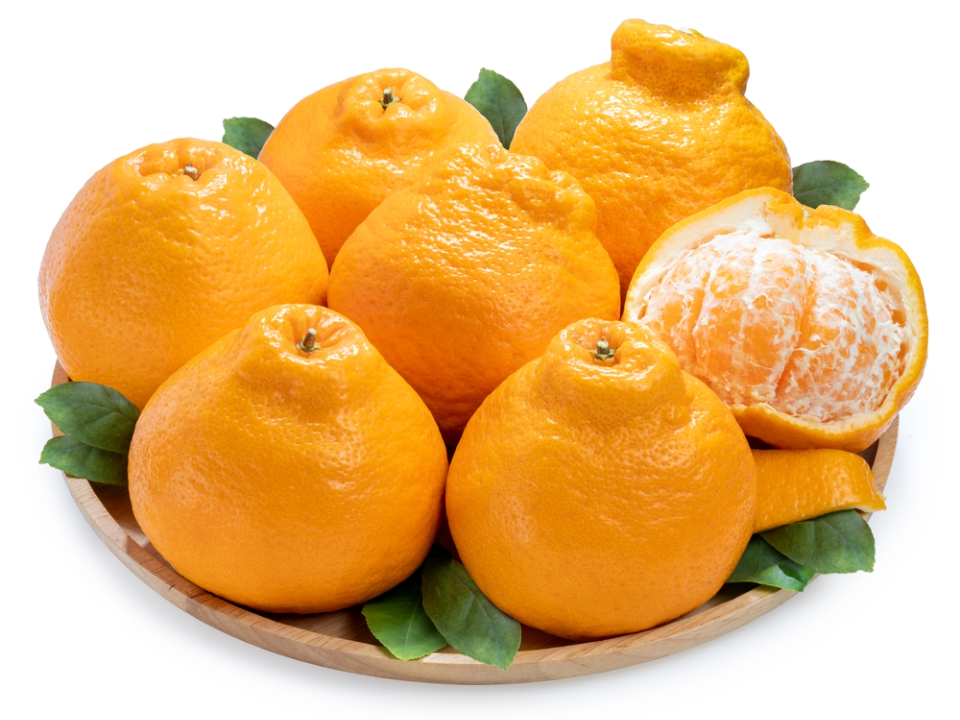
Sumo citrus is a large, easy-to-peel fruit with a distinctive, bumpy rind that gives off a fresh, fragrant citrus scent. Known for its sweetness, Sumo citrus has a tangy juice that is both bold and refreshing. The fruit’s peel is thick, but it is easy to remove, revealing juicy, tender segments inside. Sumo citrus is often eaten fresh as a snack, where its bright, sweet flavor makes it a popular choice for citrus lovers.
The fruit’s zest can be used to add a fragrant, citrusy aroma to baked goods, marinades, and dressings. Sumo citrus is also used to make refreshing beverages and cocktails, where its tangy-sweet juice stands out. With its bold flavor and easy-to-peel nature, Sumo citrus has quickly become a favorite in markets around the world.
Citron
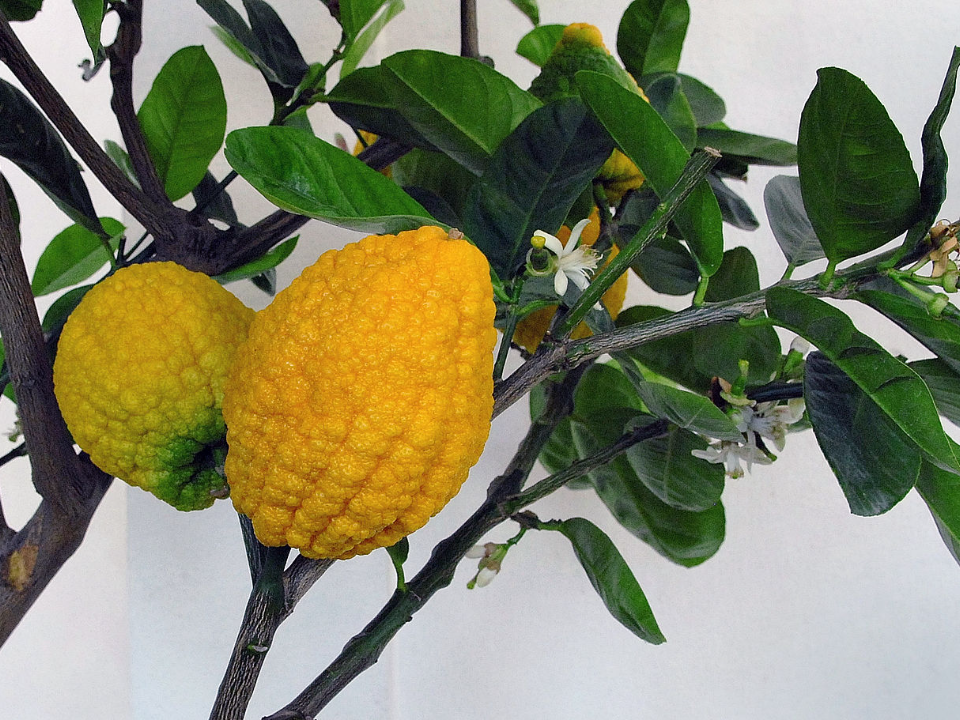
Citron is an ancient citrus fruit with a thick, yellow peel that has a strong, perfume-like fragrance. The fruit’s pulp is minimal, and it is mostly prized for its fragrant peel, which is used to make zest or candied fruit. Citron’s peel contains aromatic oils that make it a popular ingredient in perfumes, essential oils, and cosmetics.
In culinary uses, citron peel is often candied and added to cakes, pastries, and marmalades, where its intense fragrance infuses the dish. The fruit is also used in making liqueurs, particularly in Mediterranean countries, where it adds a unique flavor to cocktails. Citron’s sharp, tangy flavor and floral aroma make it a distinctive addition to both sweet and savory dishes. The fruit is commonly associated with religious ceremonies and celebrations, symbolizing abundance and fertility.
Shiranui Orange
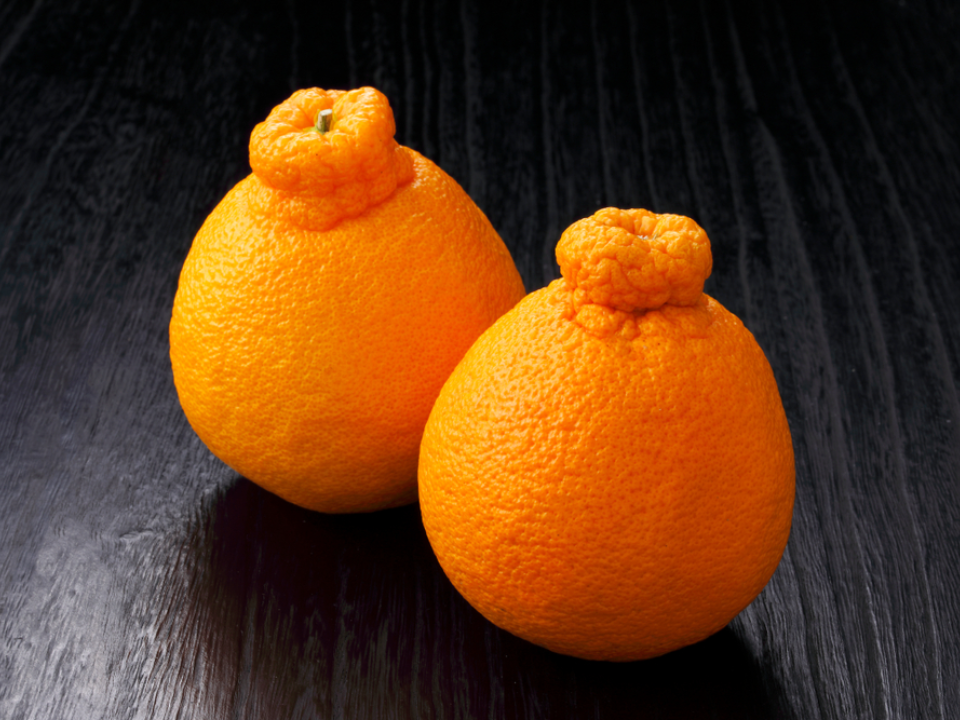
Shiranui orange is a Japanese citrus fruit that is known for its easy-to-peel skin and bright, fragrant aroma. The fruit’s peel is thin and smooth, with a slight, sweet fragrance that hints at its juicy, tangy flesh. Shiranui oranges are often enjoyed fresh, as their segments are juicy and sweet with a slight tang. The fruit’s juice is bright and refreshing, perfect for adding to beverages or using in salad dressings.
Shiranui oranges are also used in desserts, where their sweet citrus flavor enhances cakes, tarts, and sorbets. The peel can be used to make zest, which adds a fragrant, citrusy note to baked goods or marinades. This variety of orange is beloved for its sweetness and fragrance, making it a popular choice for citrus lovers around the world.
Djeruk Bali
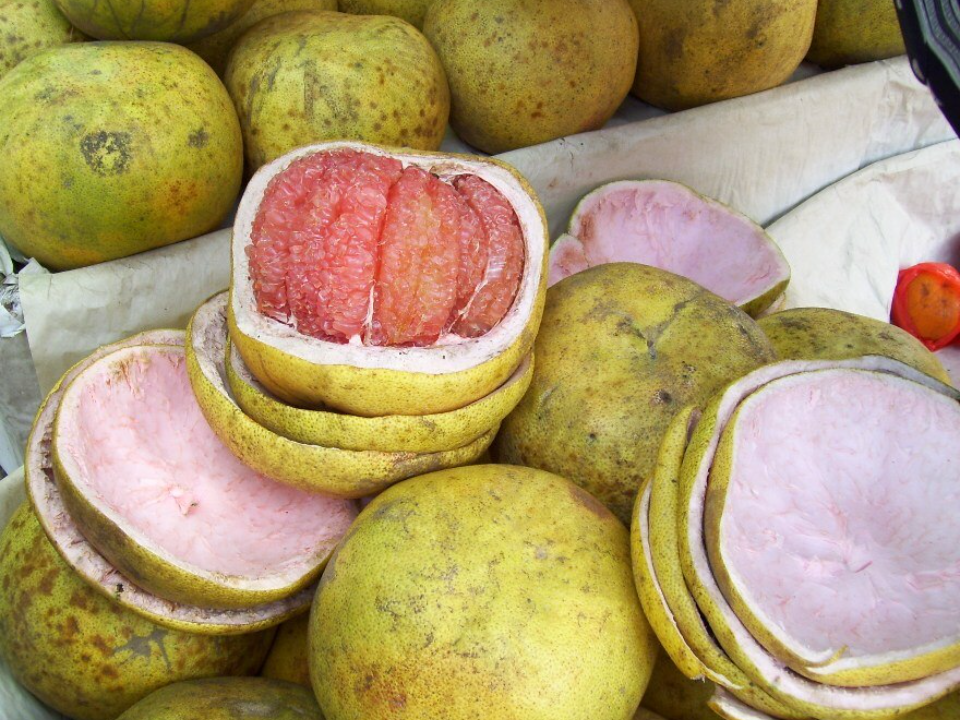
Djeruk Bali, or Bali orange, is a large citrus fruit from Indonesia, known for its sweet, tangy flavor and thick, fragrant peel. The peel has a fresh, floral scent that is more aromatic than most other citrus fruits. Djeruk Bali’s juice is sweet and slightly tangy, with a refreshing taste that makes it perfect for juicing.
The fruit is often enjoyed fresh, with its large segments bursting with juice. Djeruk Bali is also used in Indonesian cuisine, where its juice is added to salads, marinades, and sauces. The peel is used to create zest, which imparts a fragrant citrus note to various dishes. This exotic citrus fruit offers a balance of sweetness and tartness, making it a delightful addition to any recipe or snack.
This article originally appeared on Avocadu.