
15 Rare Chili Pepper Varieties with Famous Heat and Flavor Stories
Chili peppers have long been celebrated for their ability to add heat and flavor to dishes around the world. From the fiery extremes of the hottest peppers to the subtle heat of milder varieties, each pepper carries its own unique story. Some are known for their incredible heat, while others bring unexpected sweetness or fruity notes to the table. For many, the thrill of exploring these peppers goes beyond their spice levels. It is about discovering the depth of their flavors, their origins, and how they have shaped culinary traditions across cultures.
This post may contain affiliate links, which helps keep this content free. Please read our disclosure for more info.
Ghost Pepper (Bhut Jolokia)
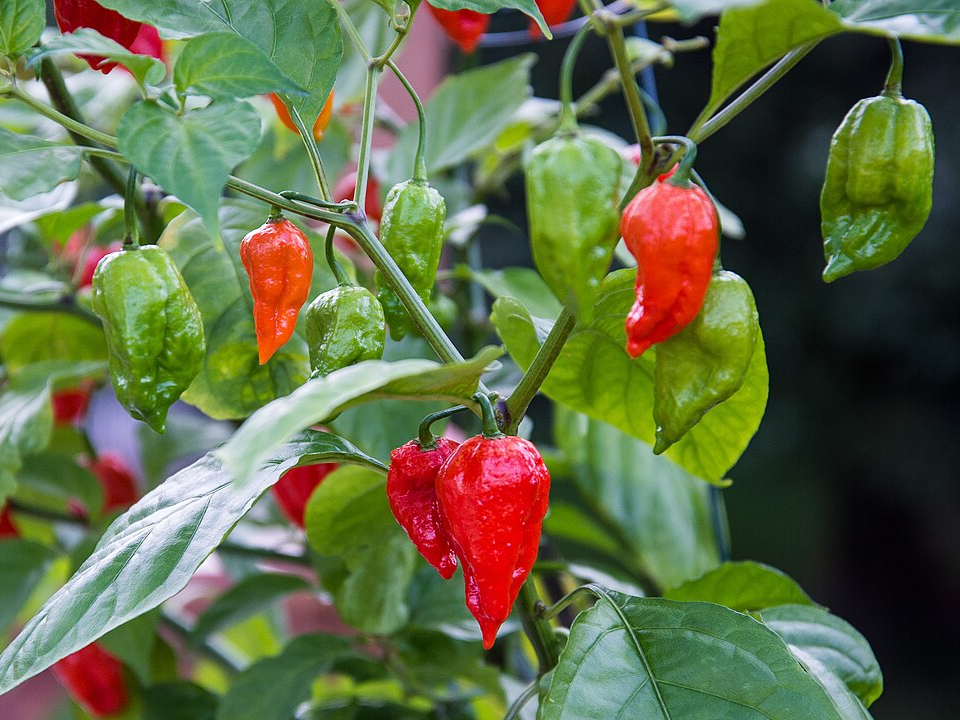
The Ghost Pepper, or Bhut Jolokia, originates from India and was once considered the hottest pepper in the world. It is known for its intense heat, with Scoville ratings reaching over 1 million SHU (Scoville Heat Units). This pepper gained international attention when it was officially recognized by Guinness World Records as the world’s hottest pepper in 2007. Despite its fiery nature, the Ghost Pepper has a unique fruity flavor, making it a favorite in hot sauces and spicy dishes.
The pepper’s heat comes from capsaicin, which can cause intense burning sensations, often lingering long after consumption. It is commonly used in Indian cuisine, particularly in Assam, where it is part of traditional chutneys and pickles. Ghost Pepper also plays a role in folklore, where it is believed to ward off evil spirits due to its powerful characteristics. Over time, its popularity has grown, and it is now found in various products, from chips to seasoning blends.
Carolina Reaper
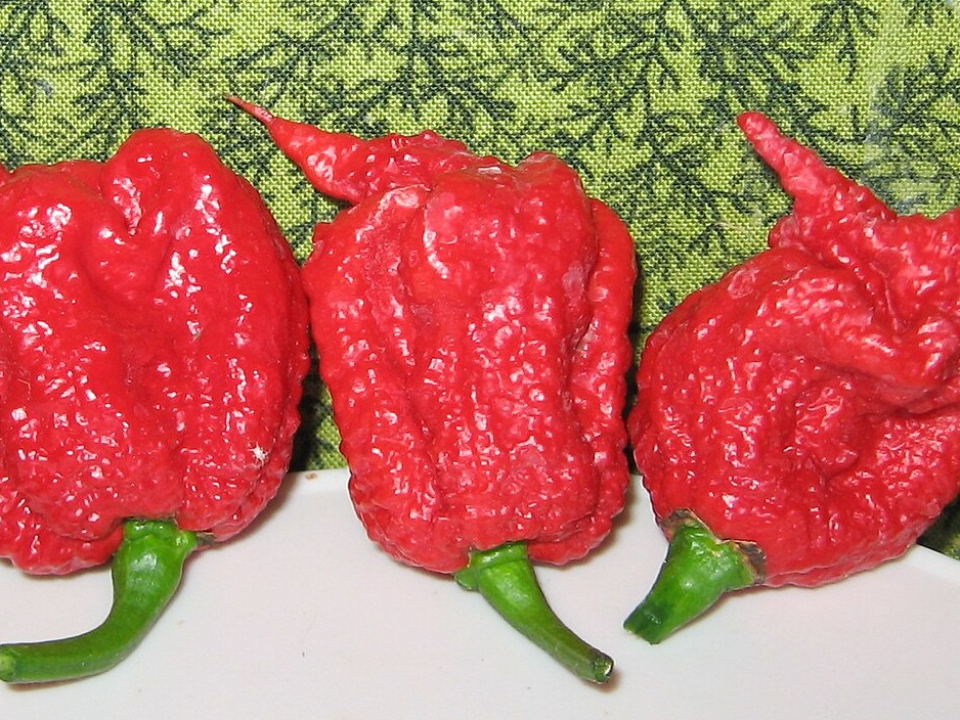
The Carolina Reaper holds the title of the world’s hottest pepper according to the Guinness World Records. Developed by Ed Currie in South Carolina, this pepper is a cross between a Pakistani Naga pepper and a Red Habanero. The Carolina Reaper can reach over 2 million SHU, a number that surpasses the Ghost Pepper. While its heat is extreme, the pepper is also known for its sweet, fruity flavor, which is sometimes described as a mix of cinnamon, chocolate, and citrus.
Its popularity surged after it gained the record for heat, with hot sauce manufacturers quickly adopting it for their spiciest products. The pepper is notorious for its ability to cause intense burning and discomfort, even for experienced chili enthusiasts. Carolina Reapers are often used in small quantities due to their potency, usually in sauces, salsas, and even as flavoring for snacks. It is considered both a challenge and a delicacy for those who seek extreme heat.
Scorpion Pepper
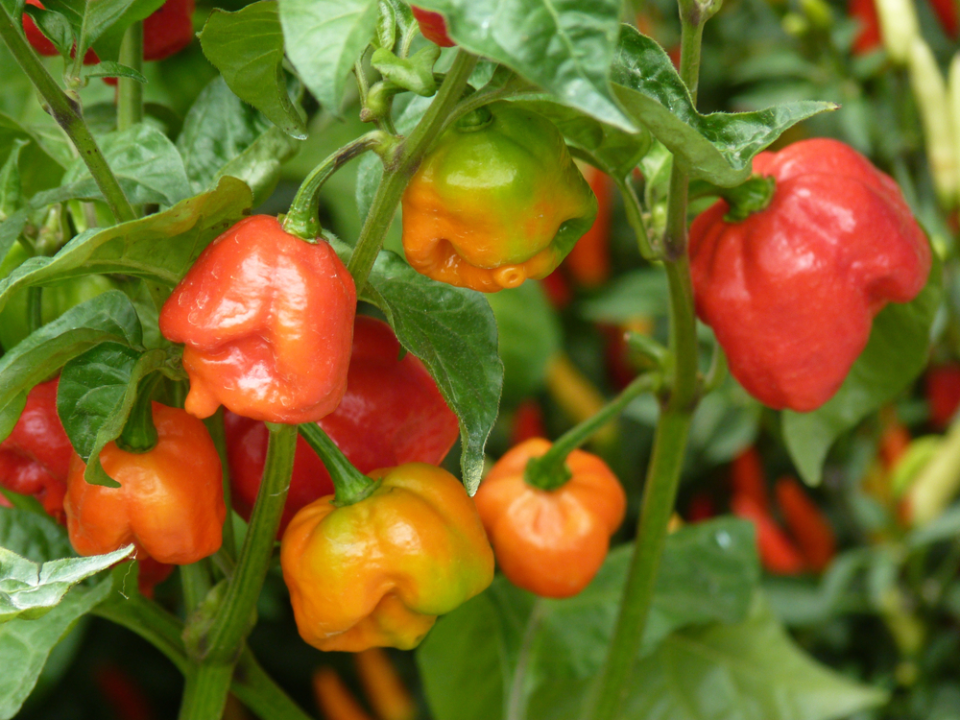
The Scorpion Pepper, particularly the Trinidad Moruga Scorpion, is named for its tail-like shape that resembles a scorpion’s stinger. Known for its searing heat, the Scorpion Pepper has a Scoville rating of over 1.4 million SHU, placing it among the hottest peppers globally. This pepper is native to Trinidad and Tobago and has a distinctive, fruity flavor that contrasts with its intense heat. The pepper became famous after being recognized for its heat and flavor in the early 2000s.
Trinidad Moruga Scorpion peppers are often used in hot sauces, though they can also be found in spice blends and as a garnish in some Caribbean dishes. Despite its fiery heat, the pepper’s sweetness makes it a versatile ingredient in many culinary applications. People who use the Scorpion Pepper often report a sharp, immediate burn that lingers longer than other hot peppers. It is a symbol of both culinary daring and pride for those who are passionate about extreme spice.
7 Pot Douglah
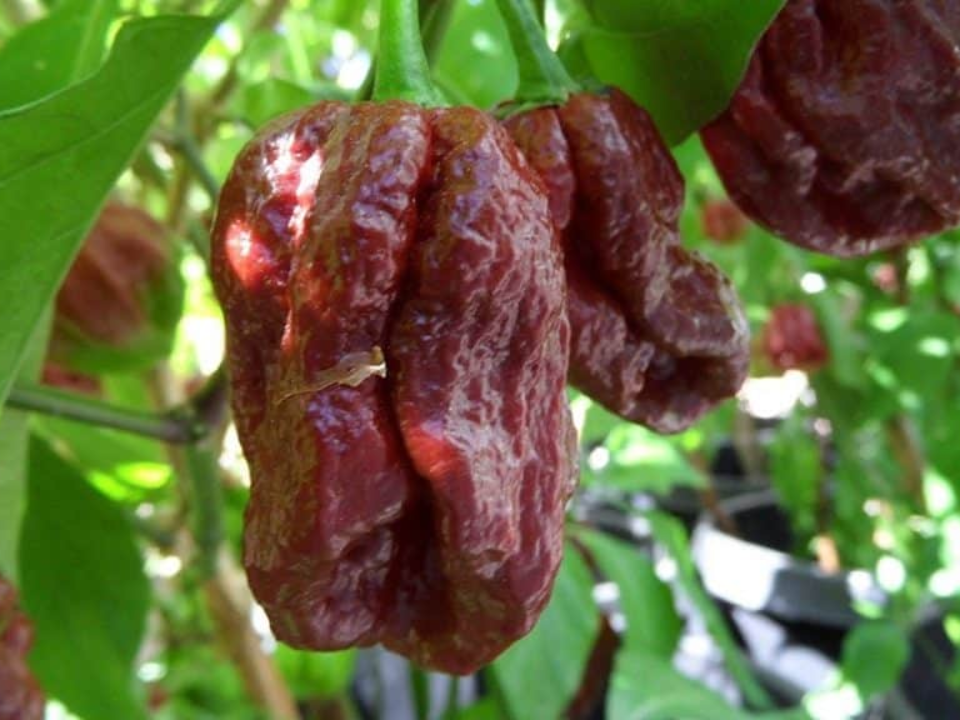
The 7 Pot Douglah, also known as the “Chocolate 7 Pot,” is one of the hottest peppers in the world. With a Scoville rating of up to 1.8 million SHU, this pepper is often used by those seeking extreme heat. The 7 Pot Douglah is unique because of its dark brown color, which is rare among other hot peppers, and its rich, earthy flavor.
It was originally bred in the Caribbean, where it is a popular choice in many traditional hot sauces and spicy dishes. Despite its heat, the pepper’s flavor is slightly sweet with hints of chocolate and fruitiness, making it a favorite in gourmet hot sauce recipes. The name “7 Pot” comes from its ability to heat up seven pots of stew or chili, highlighting its potency. It is a pepper that requires careful handling, as its heat can easily overwhelm those who are not accustomed to it.
Fatalii Pepper
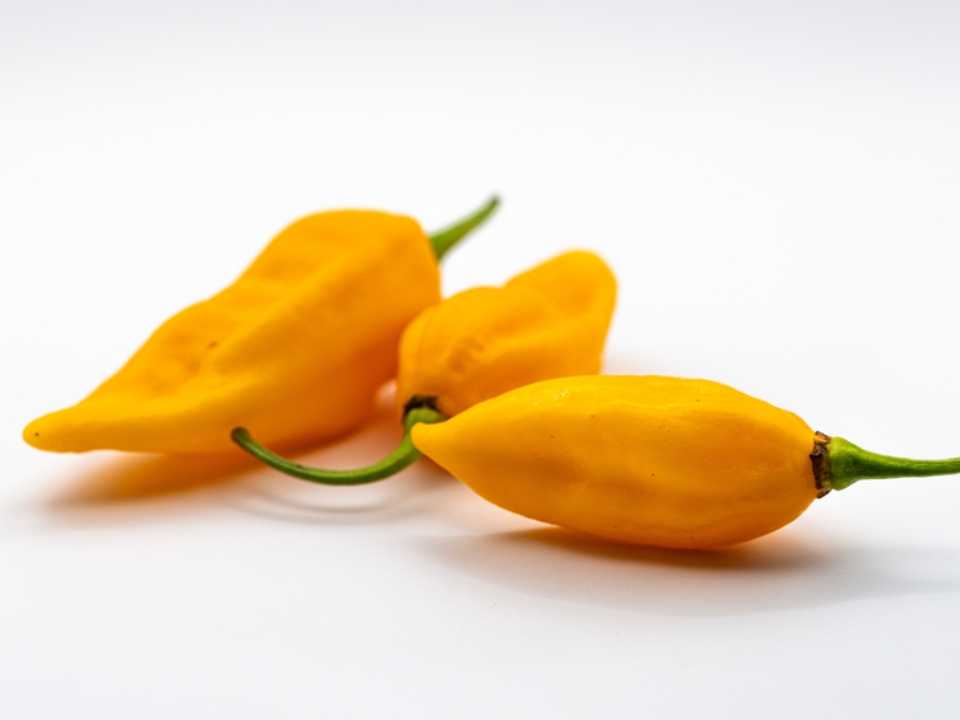
The Fatalii Pepper, native to Central Africa, is a bright yellow chili pepper with a citrus-like flavor. It has a moderate heat level, ranging from 100,000 to 350,000 SHU, making it hotter than a Habanero but not as intense as the Carolina Reaper. Its flavor is unique for a chili pepper, with notes of lemon and lime, which gives it a zesty and refreshing taste. Fatalii peppers are commonly used in African and Caribbean cuisines, where they are featured in hot sauces, marinades, and stews.
This pepper gained popularity in the United States after it was discovered by hot sauce makers, who were drawn to its bold flavor and medium heat. The pepper’s fruity and tangy characteristics make it a great addition to dishes that benefit from both heat and citrus notes. Fatalii peppers are also often used to make flavorful, vibrant sauces that are both spicy and aromatic. They have become a staple in many kitchens for those who appreciate a pepper with a complex flavor profile.
Aji Amarillo
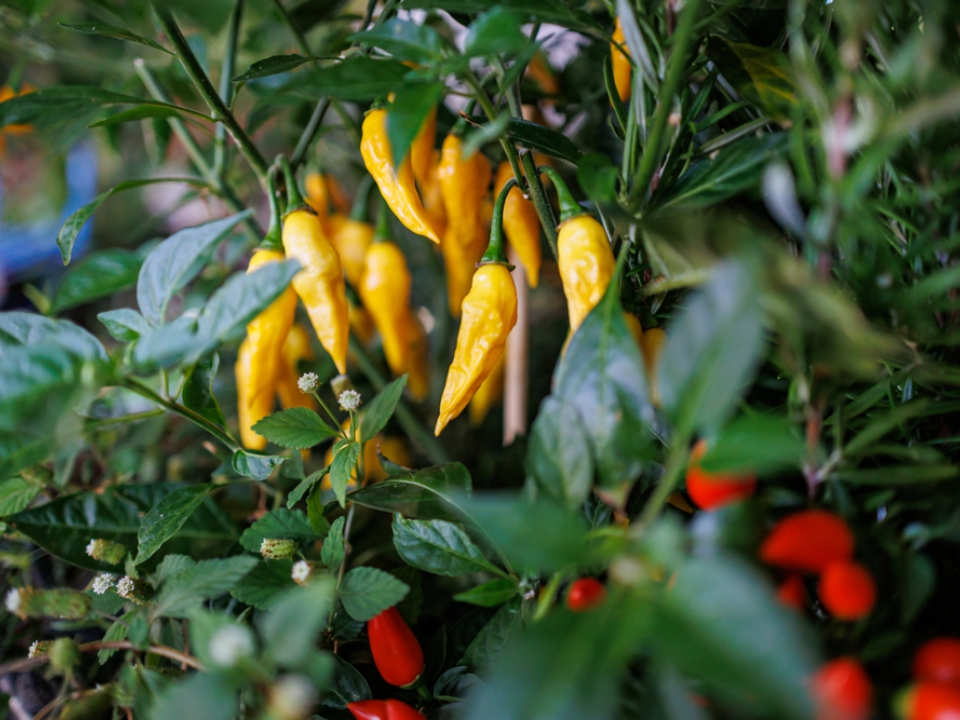
The Aji Amarillo is a beloved pepper in Peru, known for its bright yellow color and fruity flavor. With a Scoville rating of around 50,000 SHU, it is considered a medium-heat pepper, making it more accessible than some of the ultra-hot varieties. Aji Amarillo is an essential ingredient in Peruvian cuisine, especially in dishes like ceviche and the famous Aji de Gallina. The pepper’s heat is milder than others, but its distinct, citrus-like flavor adds depth to both hot and cold dishes.
It is often used in sauces, salsas, and pastes to give food a vibrant color and a punch of flavor. The pepper is valued not just for its heat, but also for its ability to balance spicy with savory and tangy elements in food. Aji Amarillo has also gained international attention, with chefs around the world using it to create bold, flavorful dishes. It is considered a cornerstone of South American cooking, particularly for adding a touch of heat without overwhelming the taste buds.
Padrón Pepper
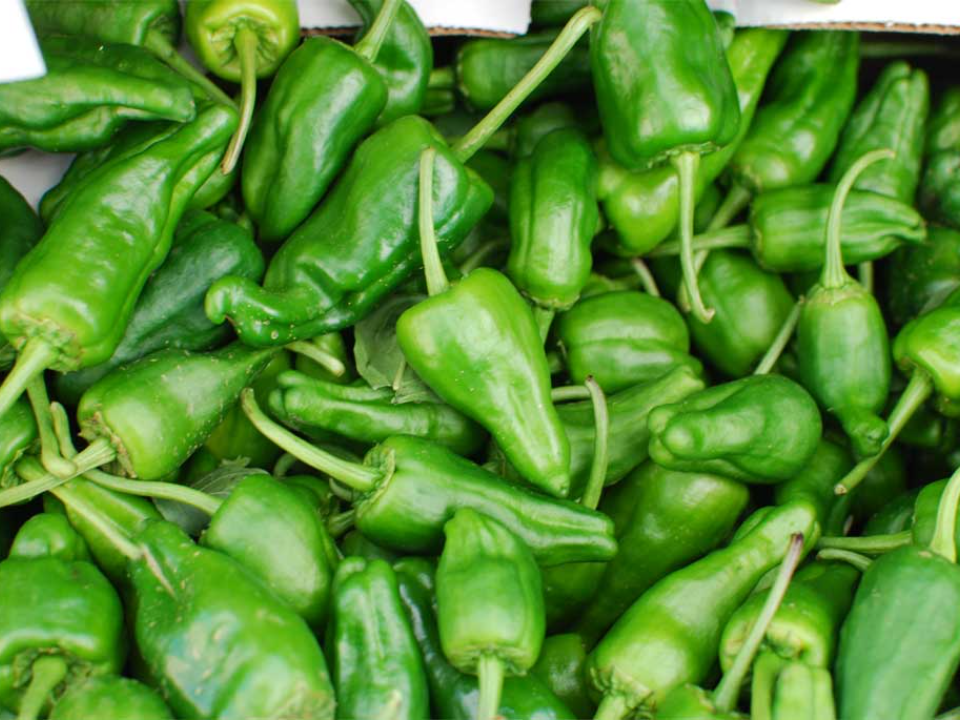
The Padrón Pepper, originating from Spain, is known for its mild heat, but there is a catch. About one in every ten peppers is unexpectedly spicy, which adds an element of surprise when eating them. These small, green peppers are typically grilled or fried in olive oil and served as tapas, making them a popular appetizer in Spanish cuisine. Padrón peppers are typically sweet, with earthy and slightly smoky flavors, but the heat varies depending on the individual pepper.
They have a mild Scoville rating, typically around 500-1,500 SHU, but the heat can range widely, providing a fun and exciting dining experience. The peppers are harvested young, ensuring that their flavor is fresh and vibrant. Padrón peppers have become a staple in many Spanish kitchens and are now being grown outside of Spain as well, especially in the United States. Their unpredictability is what makes them a unique addition to many dishes, providing a gentle heat for some and a fiery surprise for others.
Habanero Pepper
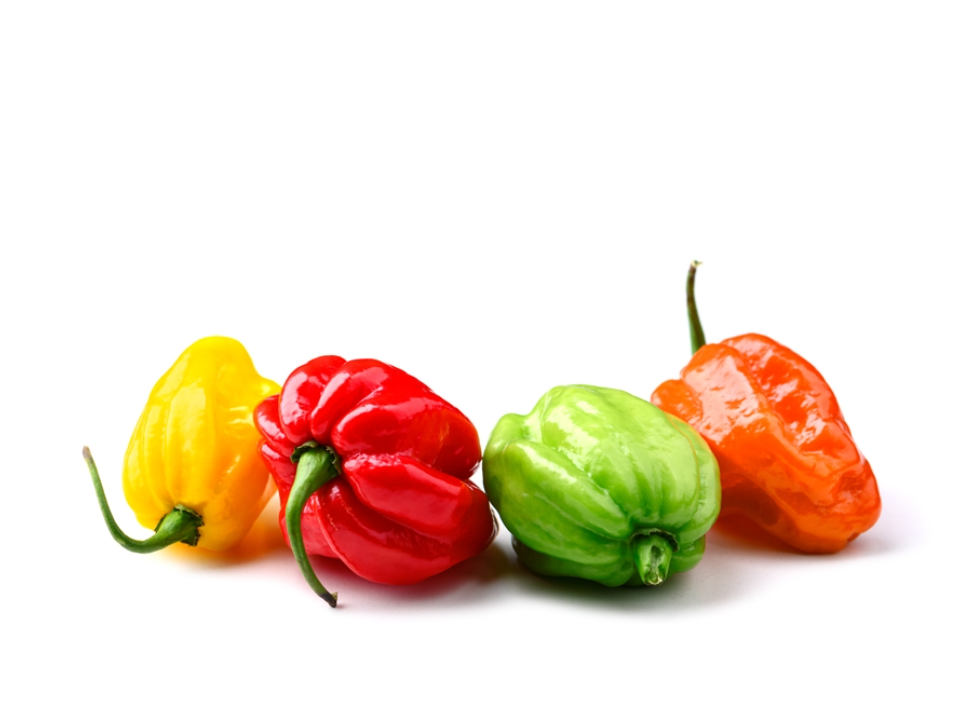
The Habanero Pepper is one of the most well-known hot peppers worldwide, recognized for both its heat and its sweet, fruity flavor. Habaneros have a Scoville rating ranging from 100,000 to 350,000 SHU, placing them firmly in the hot pepper category. Originally from the Amazon region, this pepper is now widely cultivated in many parts of the world, including the Caribbean and Mexico.
The Habanero’s heat is accompanied by a citrus-like flavor that balances the spice, making it a favorite in salsas, hot sauces, and marinades. While the heat of the Habanero can be intense, it is the pepper’s unique flavor profile that truly sets it apart from others. Habaneros are often used to add both depth and heat to a variety of dishes, including grilled meats, seafood, and stews. The pepper’s popularity has risen dramatically, and it has earned a place in kitchens everywhere for anyone who enjoys a powerful kick in their food.
Jalapeño Pepper
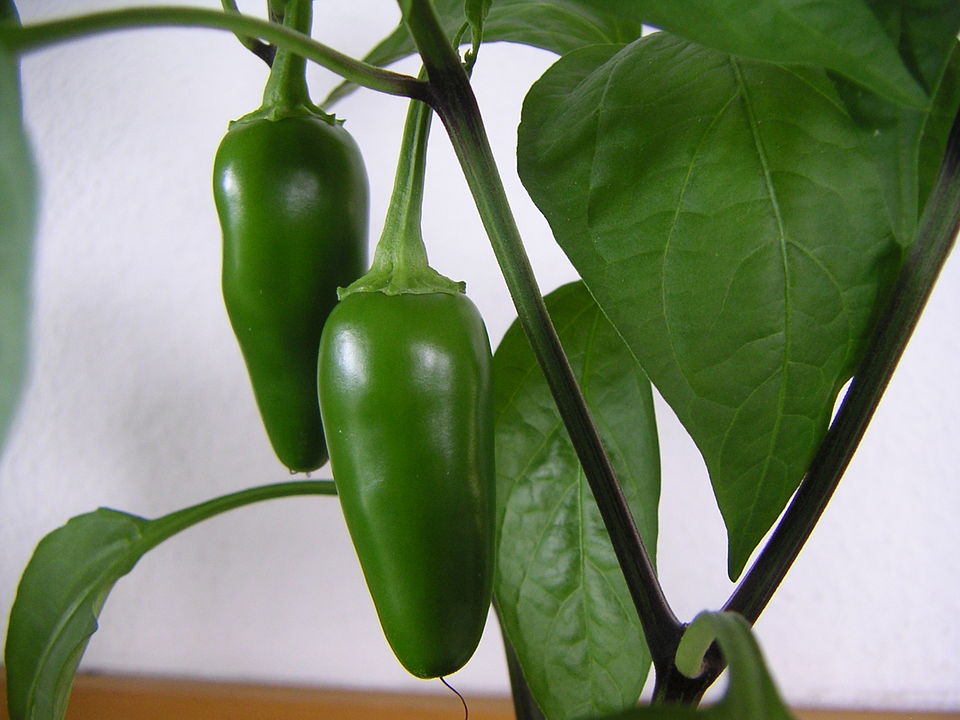
The Jalapeño Pepper is one of the most commonly used peppers in both Mexican and Tex-Mex cuisines. Known for its mild heat compared to other peppers, it typically ranges from 3,500 to 8,000 SHU on the Scoville scale. While not as fiery as some of the more extreme varieties, the Jalapeño provides a noticeable level of heat that is accessible to a wide range of palates. The pepper is known for its bright green color, though it can ripen to red, which is when it becomes sweeter and milder.
Jalapeños are used in a variety of dishes, such as tacos, salsa, and pickled toppings. The pepper is also popular for its role in stuffed appetizers, like jalapeño poppers, where the heat is mellowed with cheese or other fillings. Due to its widespread availability and balanced heat, the Jalapeño is a staple for both novice and seasoned chili enthusiasts alike.
Piquín Pepper
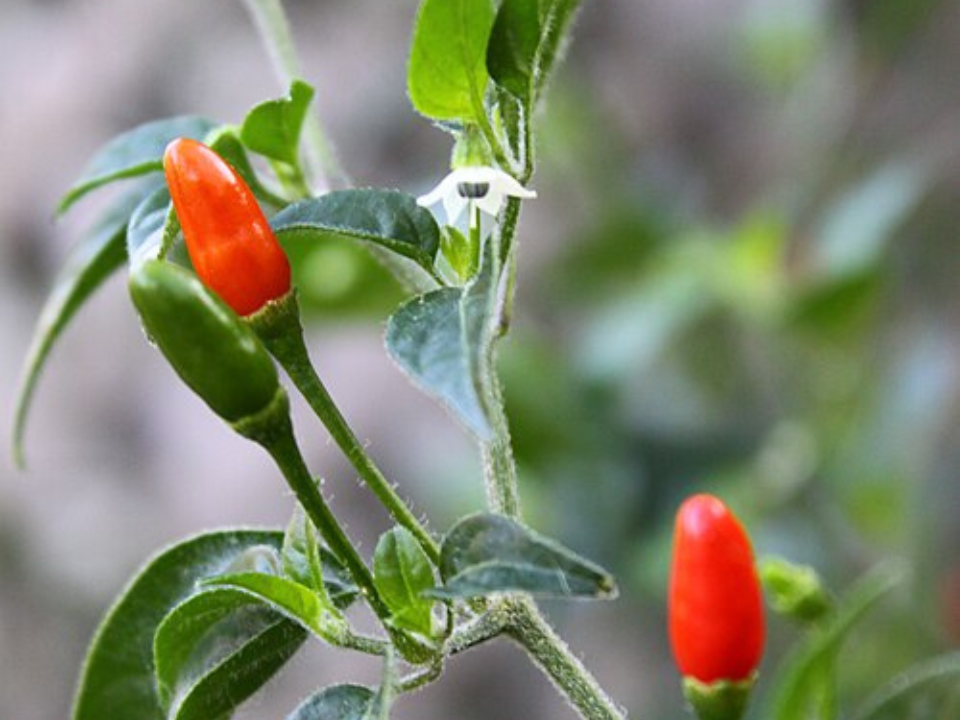
The Piquín Pepper is a small, round chili pepper that packs a punch. Often referred to as the “Chiltepin” in certain regions, it has a Scoville rating of 50,000 to 60,000 SHU, placing it in the medium-heat category. Native to Mexico, the Piquín is frequently used in salsa and hot sauces, adding both heat and a rich, smoky flavor to any dish. These peppers are often dried and crushed into a powder, which is then sprinkled onto various foods to enhance their flavor.
The Piquín Pepper is a favorite in Mexican cuisine, especially in the preparation of mole sauces and spicy stews. Despite their small size, Piquíns deliver a significant level of heat, making them a popular choice for those who want a little spice without overwhelming the dish. The pepper’s tangy and slightly smoky flavor also makes it a unique ingredient in spice blends and seasonings.
Black Naga
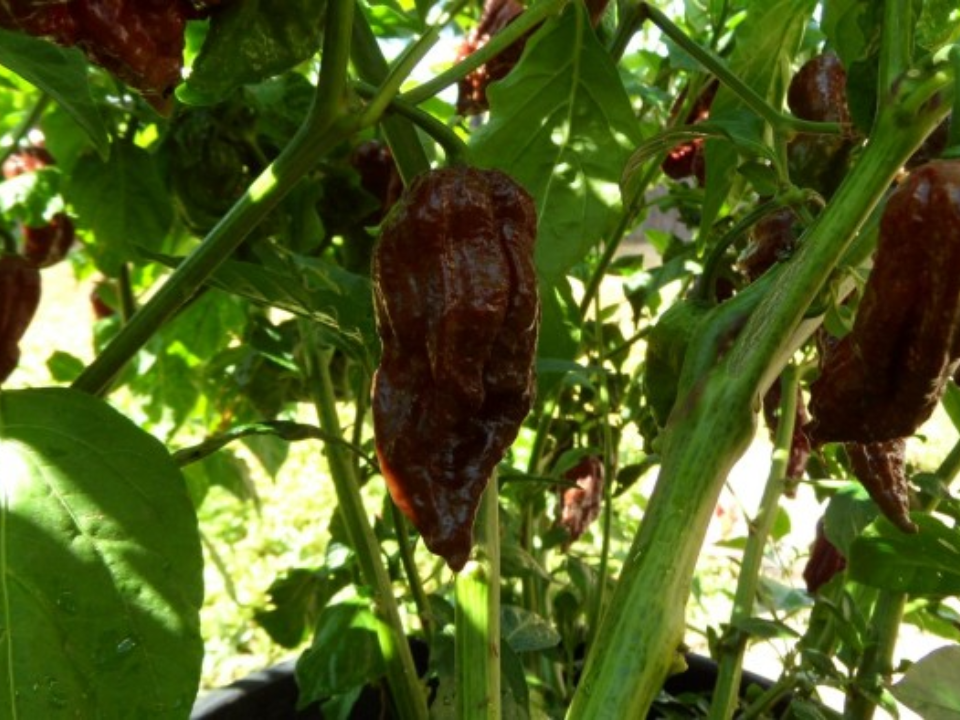
The Black Naga is a dark-colored chili pepper that originates from Bangladesh. It is a variety of the Naga family and is known for its extreme heat, often reaching up to 1 million SHU. The pepper is not only famous for its heat but also for its unique flavor, which is earthy and smoky with a slight sweetness. The Black Naga is often used in Indian and Bangladeshi cuisines, especially in spicy curries and chutneys.
Its intense heat can quickly overwhelm a dish if used in large quantities, making it a favorite for those seeking a serious spice challenge. Despite its potency, the pepper’s complex flavor adds a deep richness to sauces and spice blends. Black Naga peppers are sometimes dried and ground into a powder to make fiery chili powders and spice mixes. Their intense flavor and heat have earned them a devoted following among chili enthusiasts.
Peter Pepper
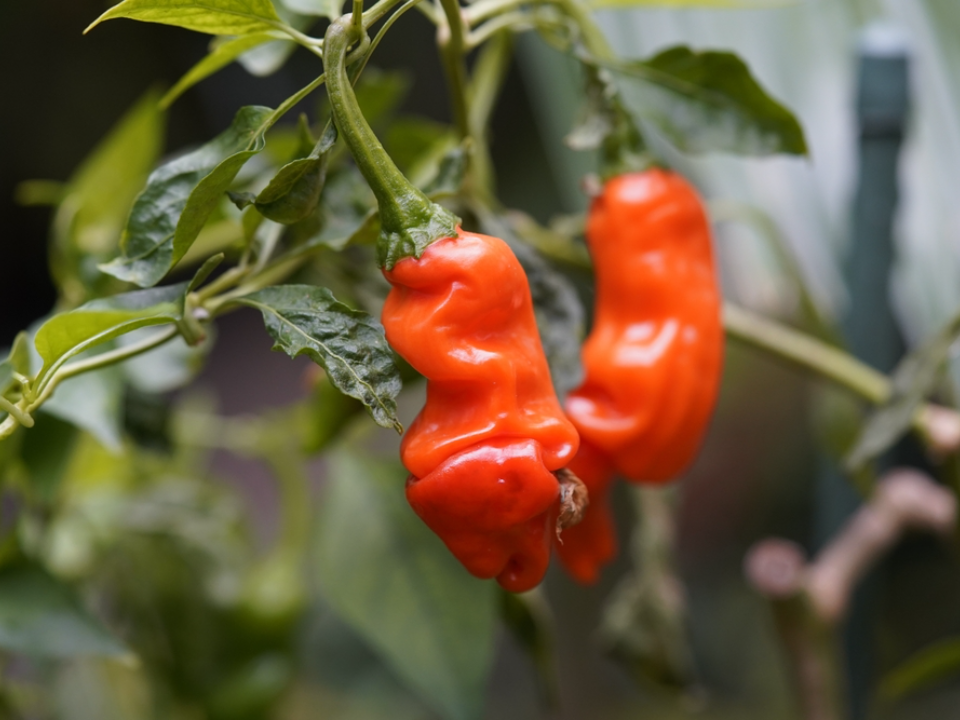
The Peter Pepper is known not only for its heat but also for its distinctive shape, which is said to resemble the human anatomy. This pepper is a medium to hot variety, typically ranging from 5,000 to 30,000 SHU. It is native to the southern United States and is often used in salsas and hot sauces. Despite its humorous appearance, the Peter Pepper has a serious bite, offering a tangy and mildly sweet flavor alongside its heat.
The pepper is prized for its ability to add heat without overpowering a dish with too much spice, making it a popular choice for both novice and experienced chili lovers. In addition to its culinary uses, the Peter Pepper is often grown as a conversation starter due to its unique shape. It is also a pepper variety that is frequently picked while still green, but it can ripen to a deep red, which intensifies its flavor.
Chile de Árbol
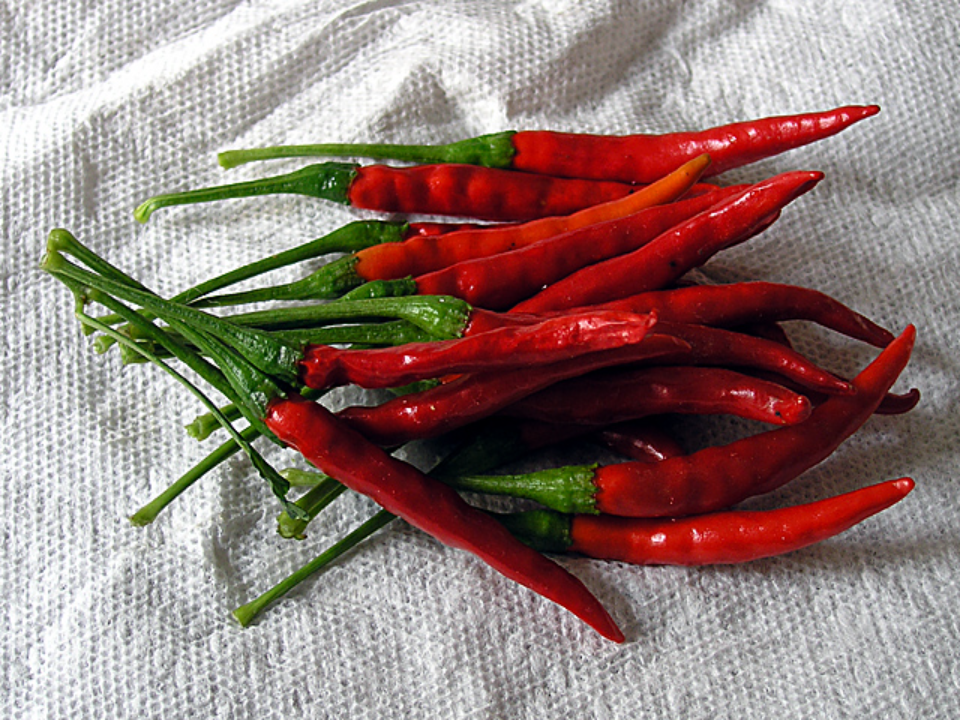
The Chile de Árbol, meaning “tree chili” in Spanish, is a small, thin, and fiery pepper that is often used in Mexican cuisine. It has a Scoville rating of around 15,000 to 30,000 SHU, which places it in the moderate heat range. The pepper is long and bright red when fully ripe, offering a sharp, grassy flavor with a mild smokiness.
Chile de Árbol peppers are commonly used in sauces and salsas, where their heat adds a subtle warmth without overwhelming the dish. The pepper is also often dried and used to flavor soups, stews, and even some meats. Chile de Árbol is an important ingredient in Mexican mole sauces, adding a piquant heat to the dish. Its versatility in both fresh and dried forms has made it a staple in kitchens around the world.
Lemon Drop Pepper
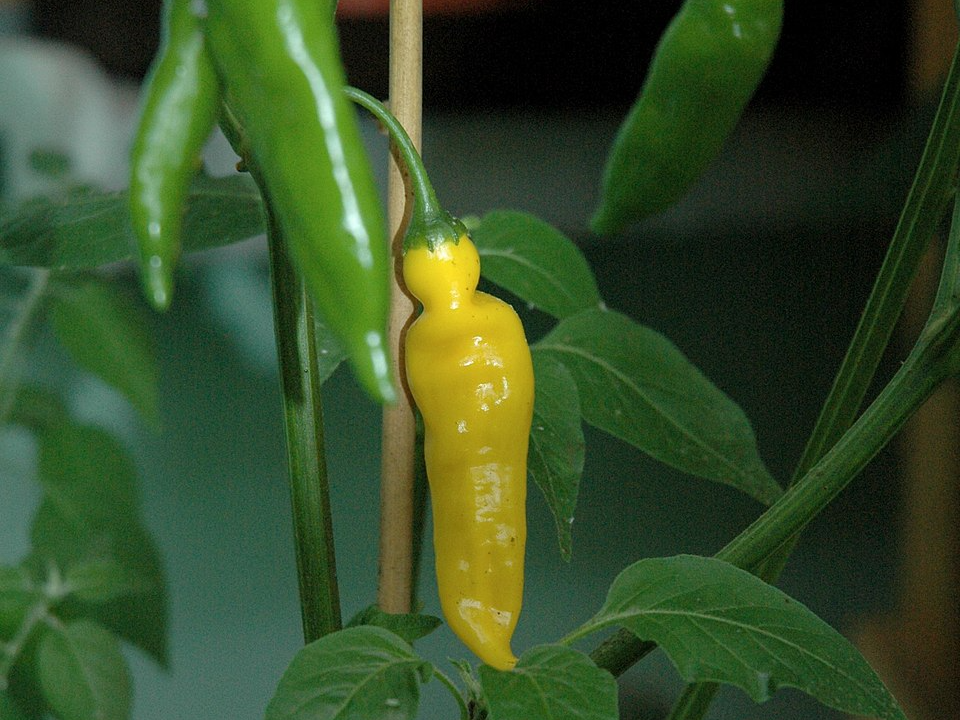
The Lemon Drop Pepper, also known as Aji Limon, is a small, yellow chili pepper that originates from Peru. This pepper is renowned for its tangy, citrus-like flavor, which is where it gets its name. The heat level of the Lemon Drop Pepper typically ranges from 30,000 to 50,000 SHU, making it a moderately spicy variety.
Despite its heat, the pepper’s zesty, lemony flavor makes it a popular choice in fresh salsas, sauces, and marinades. The pepper’s bright color and refreshing flavor are perfect for adding a tangy kick to seafood dishes, salads, and ceviches. The Lemon Drop is often used to make flavorful hot sauces, where its citrus undertones pair beautifully with vinegar and garlic. It is considered a must-have for those who want to add a spicy yet fruity flavor to their dishes.
Chiltepín
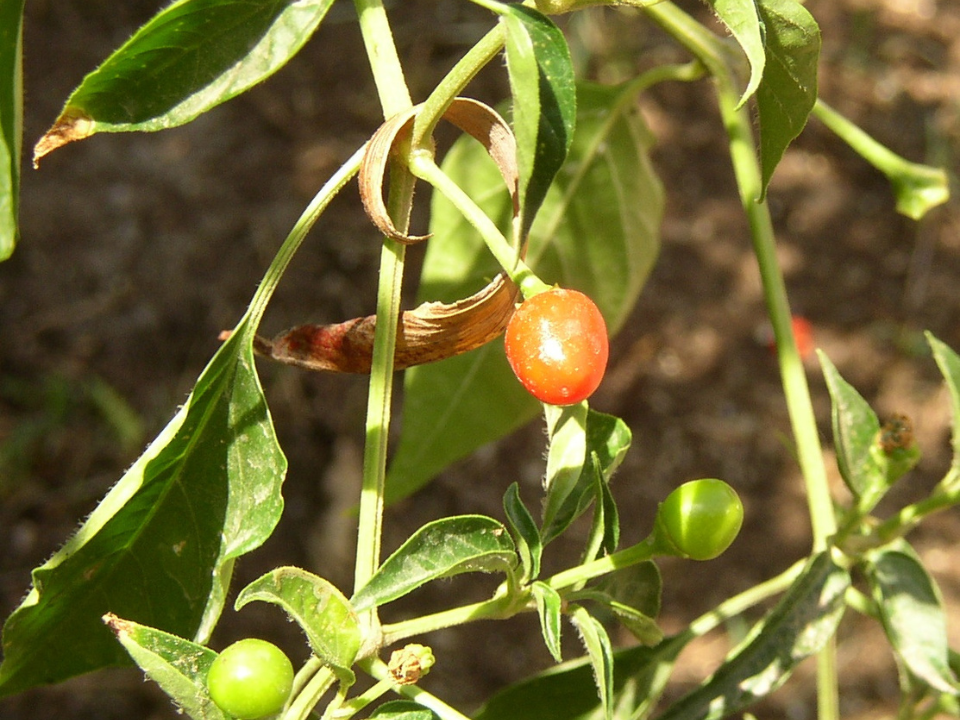
The Chiltepín is one of the oldest known wild chili peppers, native to the southwestern United States and northern Mexico. It is a small, round pepper with a heat level that ranges from 50,000 to 100,000 SHU. The Chiltepín is known for its complex flavor, which is a balance of smoky, earthy, and slightly fruity notes. It is often used in the making of salsas and hot sauces, where it provides a distinctive heat that enhances the flavor of the dish without overpowering it.
Chiltepín peppers have a rich history and are sometimes called the “mother of all peppers” due to their role in the development of other chili varieties. They are often found in dry form, where they are ground into a powder for use in spice blends and seasonings. Chiltepín’s deep, smoky flavor makes it a favorite among those who enjoy peppers with character and heat.
This article originally appeared on Avocadu.