
8 Rare Ceramic Ashtrays From Defunct Brands
Ceramic ashtrays have long been a staple in the world of collectibles, often carrying stories from defunct brands. These ashtrays can evoke nostalgia for forgotten times and now stand as relics of a bygone era. For collectors, they are more than just functional items. They hold history. With many brands no longer around, these ashtrays often tell the story of their time and the places they once represented. So, if you’re looking to add something unique to your collection, these rare ceramic pieces might be the perfect addition.
This post may contain affiliate links, which helps keep this content free. Please read our disclosure for more info.
Ashtray from Vernon Kilns (USA)
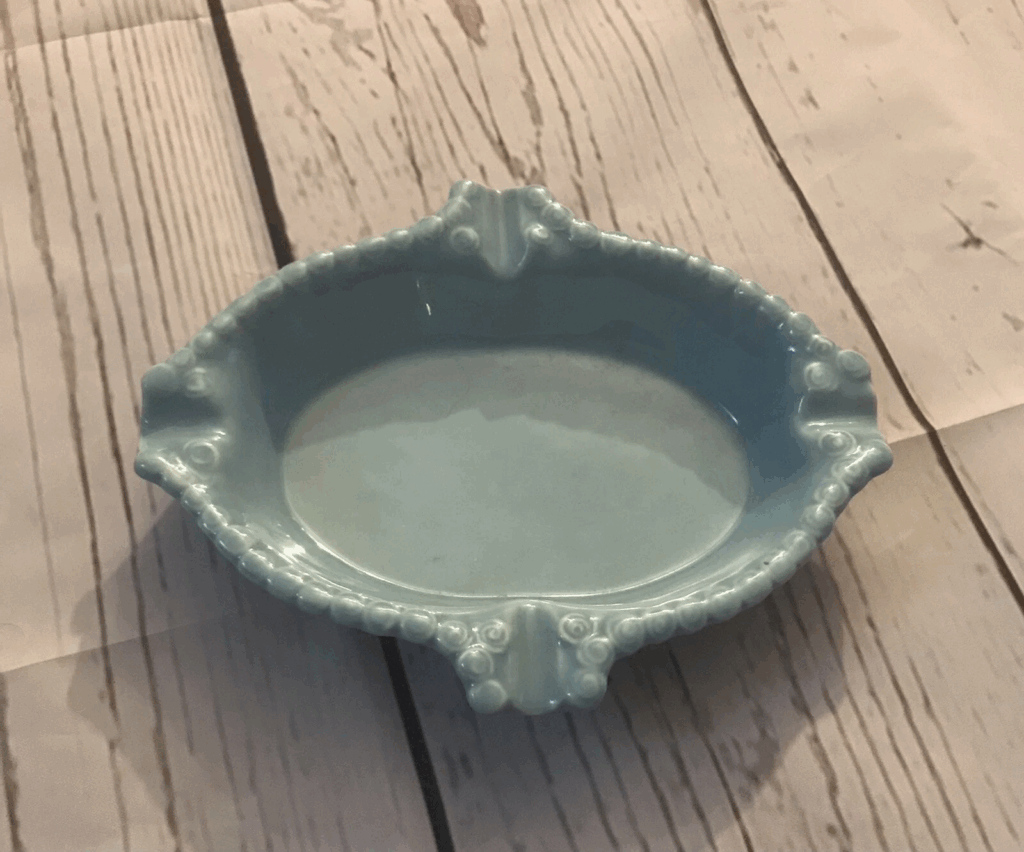
This ashtray likely dates to the 1940s or 1950s, during Vernon Kilns’ active years before it closed in 1958. Its rarity comes from the fact that Vernon Kilns produced mostly tableware and gifts, making ashtrays from them uncommon. On the current market, a well-preserved ashtray might fetch around $75 to $150 if it shows original glaze and no chips. Collectors often prize pieces from the Big Five California potteries simply because they reflect a vanished chapter of American ceramic history. If this ashtray retains a maker’s mark on the bottom, that could raise its value further.
Some versions feature distinctive glaze patterns typical of Vernon Kilns’ dinnerware lines. Those glaze variations add to its appeal for people who enjoy mid-century American pottery. Because the company folded in 1958, most of its ashtrays never survived decades of use, so finding one in intact condition is rare. If you spot one with original luster, it might become a conversation piece for anyone who appreciates vintage ceramic design. Having provenance or documentation (for example a catalog photo) can solidify its collectible status.
Ashtray from Haeger Potteries or Royal Haeger (USA)
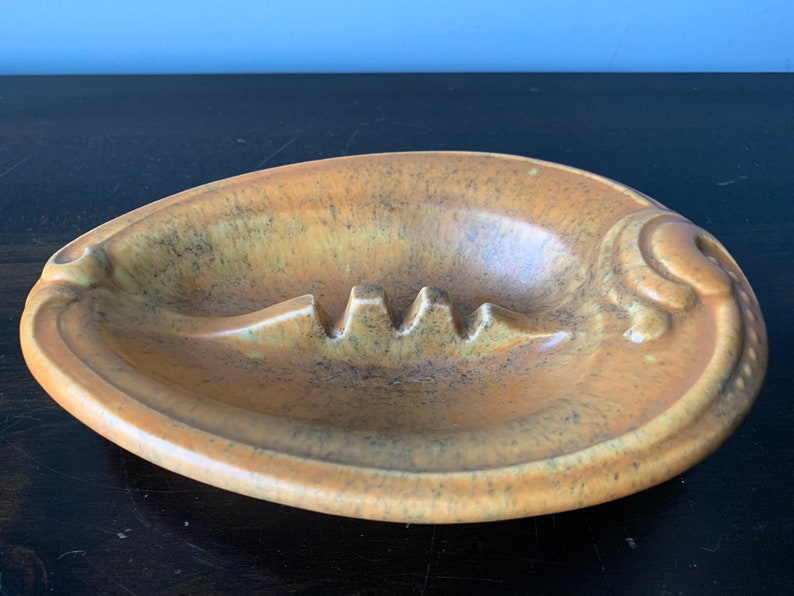
This ashtray was probably made between the 1940s and 1960s, during the time when Haeger Potteries flourished and produced decorative ware under the Royal Haeger name. What makes it rare now is that the company shut down in 2016 after 145 years in business, which means no new originals exist and surviving ashtrays are limited. On the second-hand market, a nice ceramic ashtray from this maker might go for about $50 to $120, depending on condition and design. Many collectors look for Haeger items because of their historic significance and characteristic glaze work. A piece with a unique design, for instance, an artware motif or a stylized animal or plant relief, could command a premium.
Some of these ashtrays came in shapes and finishes that fit home decor trends of their time, rather than plain utilitarian form. That decorative edge makes them interesting for collectors who appreciate pottery as art, rather than as smoking paraphernalia. Because after closure no new pieces are made, each surviving ashtray becomes part of a finite legacy. Items with glaze intact and minimal wear will likely remain desirable. Proper cleaning and gentle display might help preserve glaze and prevent further deterioration.est from buyers. Owning one feels like holding a fragment of a pottery tradition that vanished after World War II.
Mid-century ashtray by unknown European maker, likely 1950s
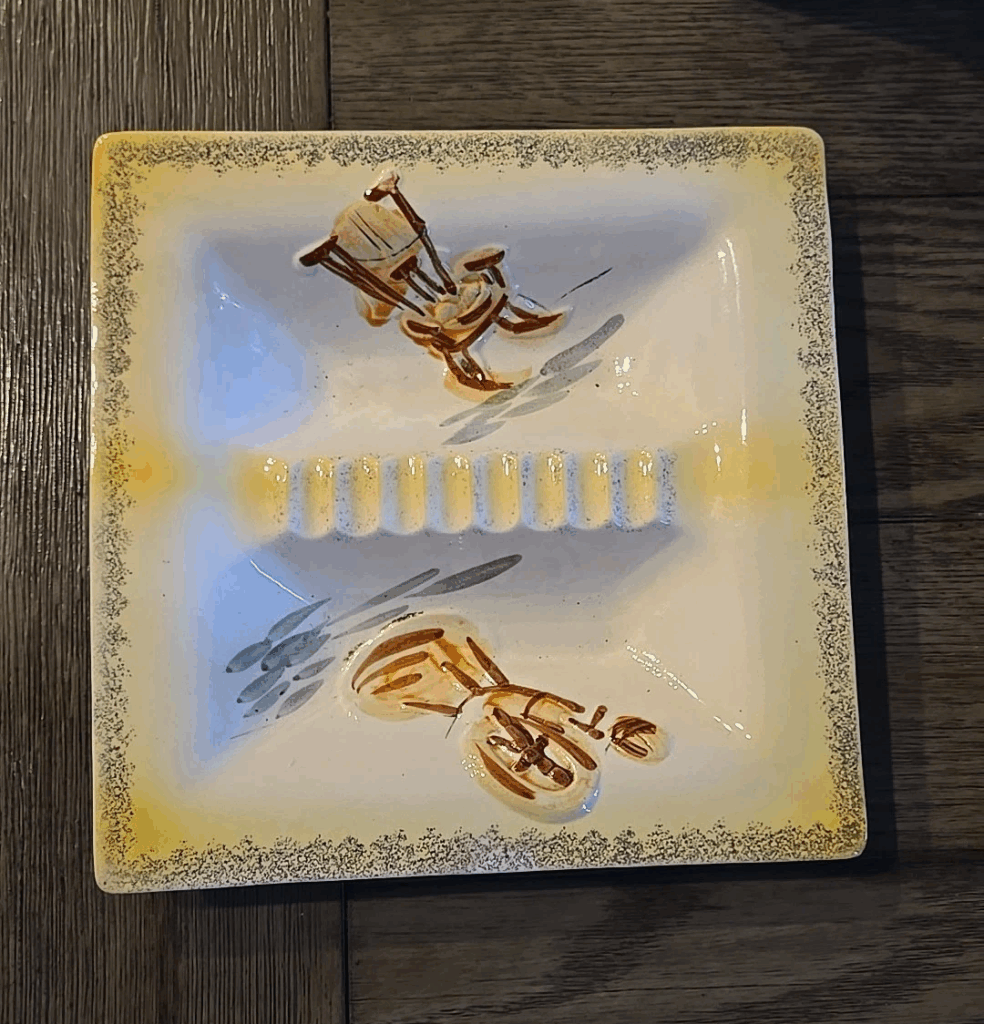
This ashtray may come from a small European pottery that ceased operations mid-century, which explains its scarcity today. Its rarity stems from limited production runs typical of small pottery workshops in the 1950s, many of which closed or merged later. If found in good shape, with intact glaze and no cracks, its value might range from $80 to $180, depending on design and condition. Collectors often appreciate such pieces because they carry a sense of mystery and individuality. An ashtray with distinctive glaze or shape could be a subtle but interesting collectible choice.
Some of these ashtrays show design cues from mid-century modern or Art Deco influences, which makes them attractive for vintage interior styling. Because the original maker is unknown, provenance matters less than condition and design appeal in determining worth. Items with vivid color or unusual forms tend to stand out more among collectors. As decades pass, fewer specimens remain intact, which increases their collectibility. If you find one, preserving it carefully can help retain its aesthetic value.
1950s ceramic ashtray with novelty shape (figurine or pin-up design, likely Italian or Western European origin)
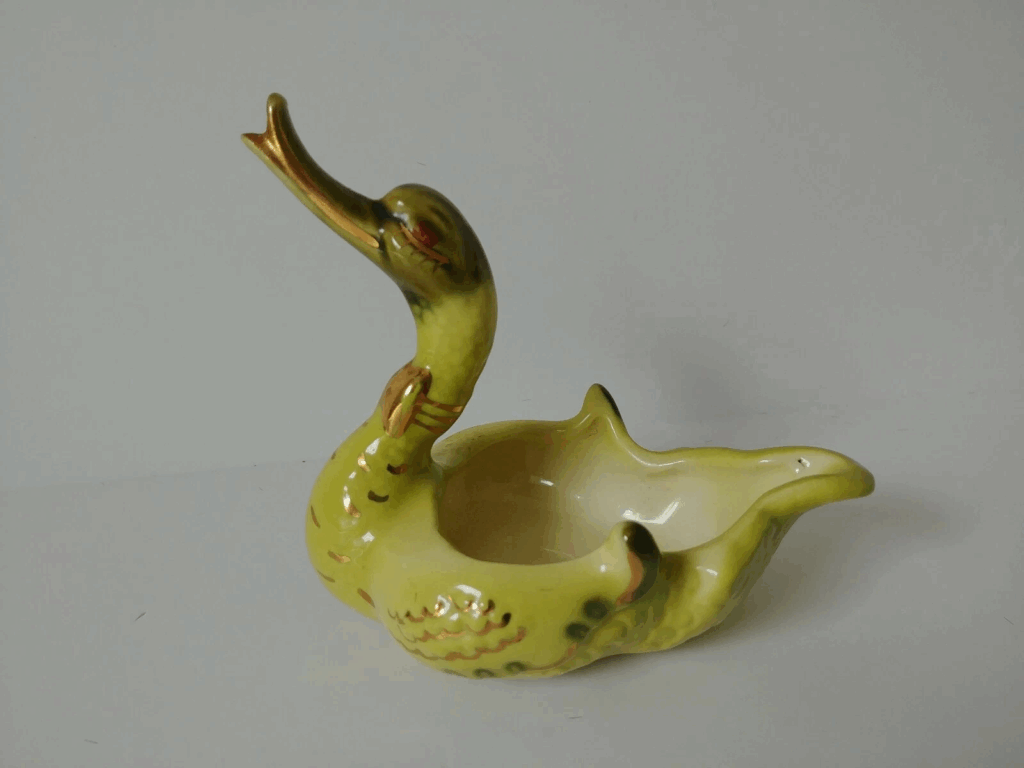
This kind of ashtray likely dates to early or mid-1950s when whimsical or figurine-style pottery items were fashionable. It is rare because such novelty ashtrays were often used heavily and discarded, and because many small European pottery firms eventually closed. A well-kept example might sell for $120 to $250 due to its distinctive design and collectible appeal. For people who enjoy mid-century European ceramic art, such pieces offer a playful slice of design history. A figurine style makes it more of a decorative object rather than simply functional, adding to its charm.
Because these novelty ashtrays were often used and handled, they rarely survive in pristine condition. If original paint or glaze remains vibrant, that increases its value. Collectors may use such pieces as decorative objects rather than ashtrays – placing them on display instead of keeping them for use. Because exterior design matters a lot, signs of restoration or repainting tend to reduce value. Finding one with original finish and in good condition might feel like stumbling upon a quirky relic from a vanished pottery tradition.
Mid-century ceramic ashtray from an American simply-branded pottery
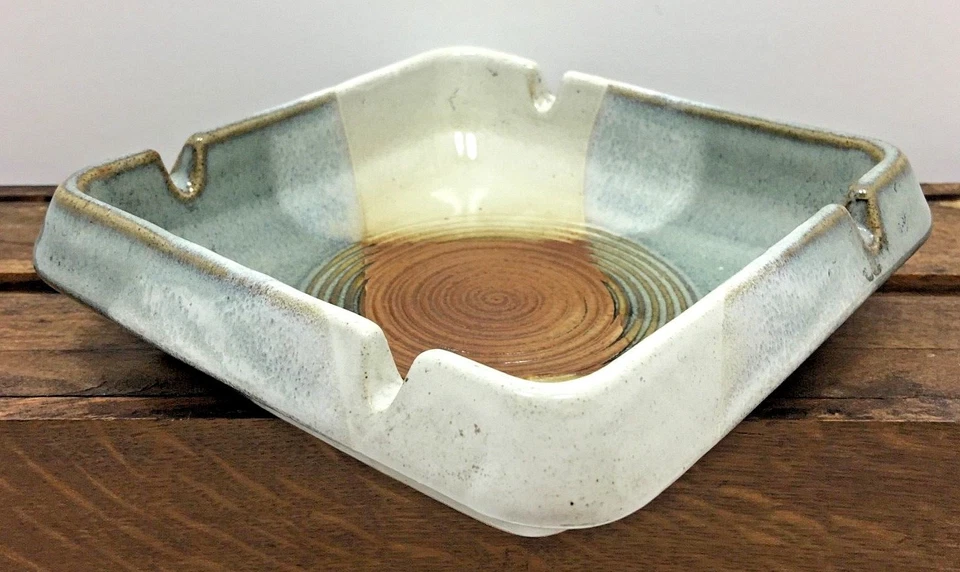
This ashtray probably dates to the 1960s or 1970s when ceramic dinnerware production was common in many small American potteries. It is rare today because many such potteries shut down or faded away, and ashtrays were often discarded. A collectible piece in good shape might fetch $60 to $130, especially if glaze remains intact and shape is undamaged. Collectors may value it as a humble piece of mid-century domestic culture rather than as high-art pottery. Its simplicity could make it a good choice for someone who likes understated vintage items for home decor.
Because many of these ashtrays were mass-produced but seldom preserved, surviving pieces are often imperfect. That means condition really matters when it comes to value. If an ashtray retains original glaze with minimal crazing or chips it stands out among common thrift-store finds. Such items often appeal to collectors who enjoy everyday vintage objects rather than refined decorative pottery. If provenance is unclear, the value depends mainly on condition and patina rather than brand.
1960s European ceramic ashtray with abstract or modernist design
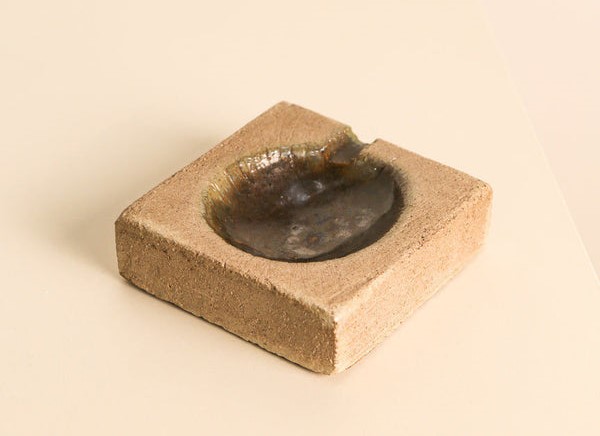
This ashtray likely emerged in the early to mid-1960s when modernist and abstract design influenced a range of household ceramics in Europe. Its rarity is tied to the fact that many of the potteries producing such avant-garde pieces did not survive, and demand for ashtrays fell as smoking declined. On today’s market, an ashtray like this might bring $100 to $240 when in strong condition. For collectors of mid-century modern interiors, this piece could serve as a subtle decorative accent. A bold glaze, unusual shape, or asymmetry can make it far more desirable than a standard ashtray.
The combination of form and patina often matters more than brand for such pieces. Even if the maker is unknown, a clean, intact piece with a striking design can attract interest. Because ashtrays were not meant as lasting art objects, their survival to modern times is somewhat rare. If the ashtray shows minimal wear and no structural damage, it may be more sought after by people styling retro-inspired spaces. Displayed alongside other vintage pieces, it can evoke the mood of 1960s European homes.
Mid-century ceramic ashtray from a small Japanese pottery
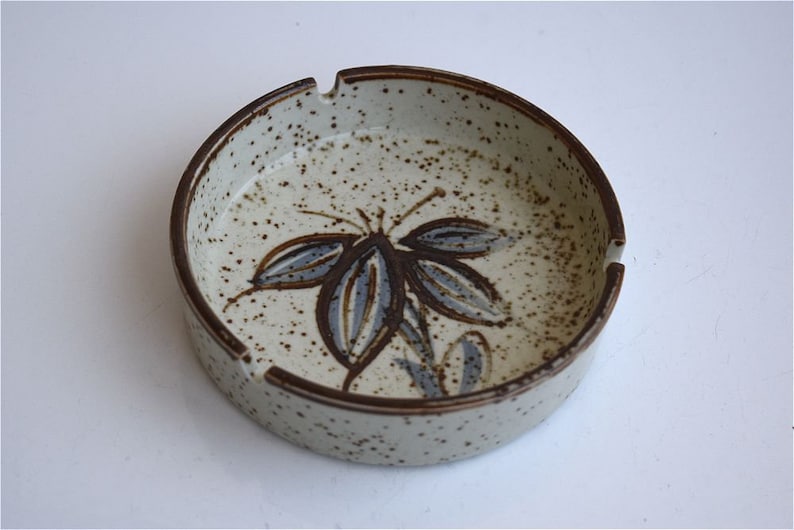
This ashtray may date from the 1960s or 1970s when small Japanese potteries produced ceramics for domestic use and export. Its rarity is due to the decline of small pottery workshops in Japan during economic and industrial shifts. A well-preserved piece might fetch $80 to $170, depending on condition and glaze quality. Collectors interested in international vintage ceramics may value it for its aesthetic differences – for example, glaze color, minimalistic design, or craftsmanship. If any original stamps or backstamps remain, that adds to its provenance and desirability.
Many of these ashtrays were simple in shape and design but carried subtle glaze finishes unique to Japanese ceramics. Their understated appearance can appeal to those who favor minimalism and subtle coloration rather than ornate decoration. Because many of these workshops no longer exist, such ashtrays form a quiet record of a vanished ceramic tradition. Condition and integrity, including absence of cracks or repairs, matter greatly for value. Displayed alongside other vintage items, they can bring a sense of authenticity and international flair.
Ceramic Ashtray from the Defunct U.S. Brewery Gibson Brewing Company
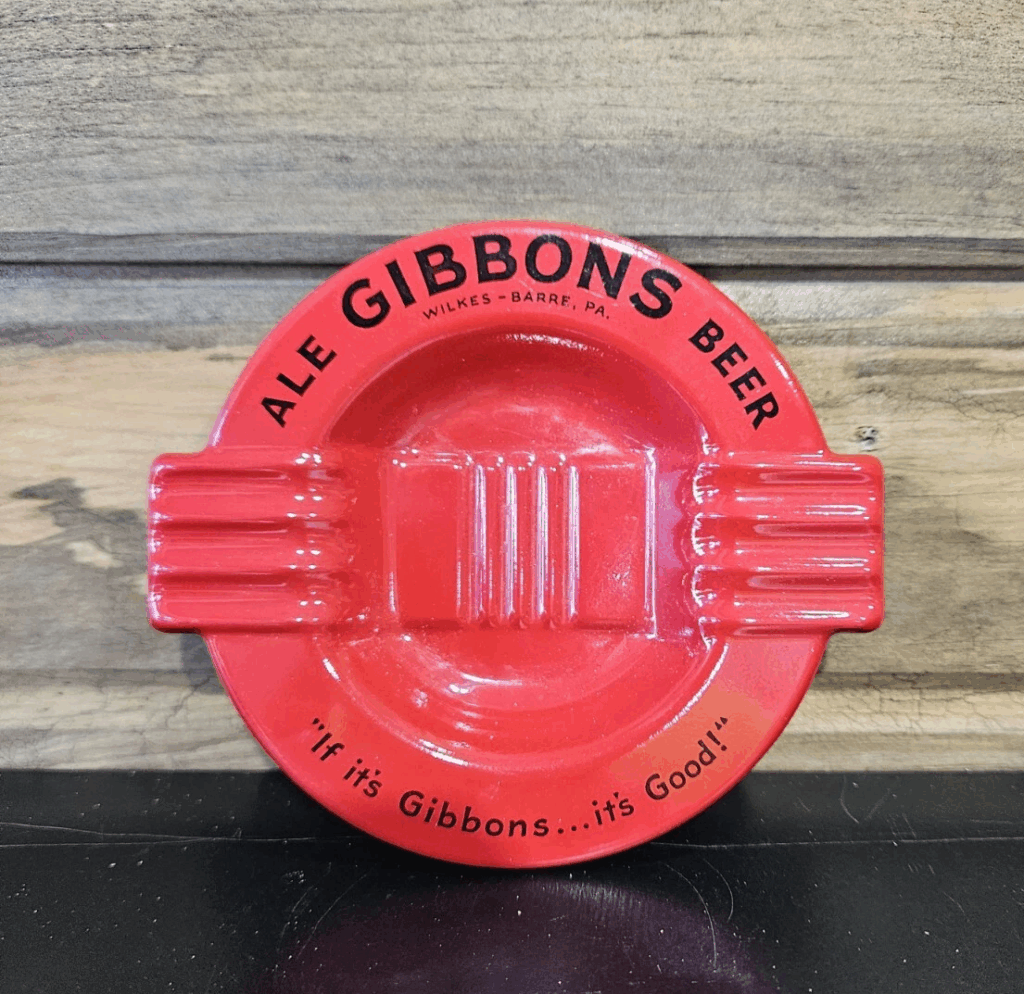
This ashtray likely dates to the late 1930s or early 1940s and would have been used in bars or tasting rooms tied to Gibson Brewing Company before it closed. Its rarity comes from limited surviving brewery memorabilia from this brand and the fragile nature of ceramic advertising items. A well-preserved example might sell for $120 to $280 if the brewery logo remains clear. Collectors of brewery antiques often appreciate items like this because they reflect an era of regional beer culture that vanished. A piece with bright glaze and full logo visibility can make it a standout addition to any vintage barware collection.
Because many brewery ashtrays were handled frequently, few survived without cracks or glaze rubbing. A strong example may still show vibrant color and readable graphics. It can pair nicely with other vintage beer items such as coasters or tap handles. Regional collectors who focus on pre-war breweries may find this particularly appealing due to its scarcity. As interest in old brewery advertising grows, items like this tend to become more appreciated for their visual charm and rarity.
This article originally appeared on Avocadu