
16 Rare Carnivorous Plants That Eat in Weird Ways
Carnivorous plants are some of the most intriguing wonders of nature, with their strange and fascinating ways of capturing and digesting prey. While we often think of these plants as simply trapping insects, many have evolved incredibly unique methods to catch their meals. From snapping jaws to slippery pitchers, these plants use their surroundings and appearance to lure in unsuspecting creatures. Their ability to survive in poor soil by supplementing their diet with nutrients from captured prey is nothing short of remarkable. What makes these plants even more interesting is the variety of ways they have developed to trap and digest food.
This post may contain affiliate links, which helps keep this content free. Please read our disclosure for more info.
Venus Flytrap
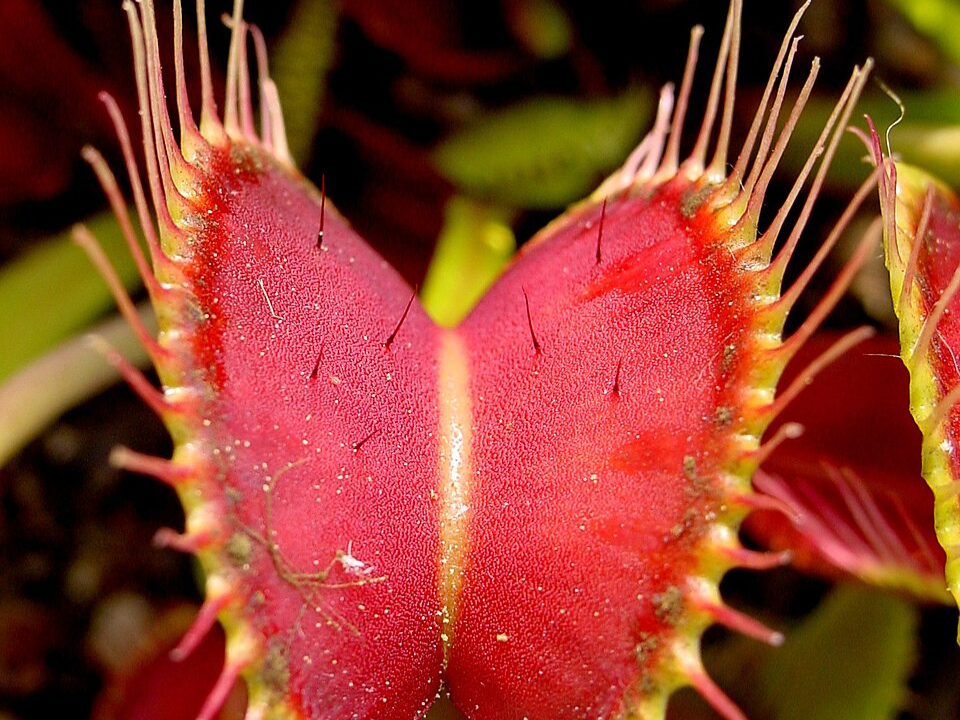
The Venus flytrap is one of the most famous carnivorous plants. Its leaves are modified into traps that resemble jaws. When an unsuspecting insect touches the sensitive trigger hairs on the lobes, the trap snaps shut in a fraction of a second. This rapid movement is a fascinating adaptation that helps the plant capture prey.
The Venus flytrap primarily feeds on insects like flies and ants but can also capture spiders and other small creatures. After capturing its prey, the plant secretes digestive enzymes to break down the food and absorb nutrients. It only eats a few times a month, as the digestion process takes around 10 days. The plant’s ability to snap shut quickly makes it a marvel of nature, and it is often sought after by plant enthusiasts for its unique feeding style.
Pitcher Plant

Pitcher plants have a tubular structure filled with digestive enzymes and a slippery surface that traps insects. The plant’s shape resembles a pitcher, which is how it gets its name. Insects are drawn to the plant by its bright colors and nectar. Once they land on the rim, they slide down into the pitcher, where they are trapped.
The inside of the pitcher is lined with downward-pointing hairs that make it difficult for the prey to escape. As the insects fall into the liquid-filled chamber, they drown and begin to decompose. The plant absorbs the nutrients from the decomposed bodies to supplement its nutrient intake from the soil. Some species of pitcher plants can even trap larger prey, such as small rodents or amphibians, depending on their size.
Sundew
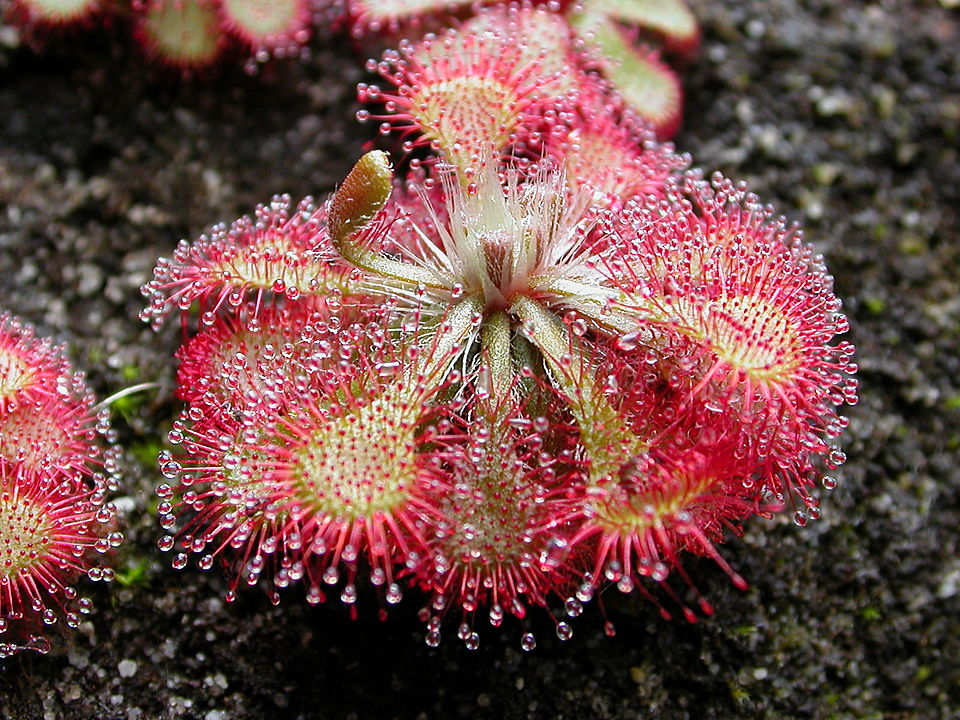
The sundew is a small plant that uses sticky, glandular hairs to capture its prey. These hairs, known as trichomes, secrete a glistening, dew-like substance that attracts insects. When an insect lands on the sticky surface, the hairs bend toward it, trapping the prey. The plant then secretes digestive enzymes to break down the insect’s body.
Sundews are typically found in nutrient-poor soil, so they rely on catching insects to provide essential nutrients like nitrogen. The plant’s ability to lure and trap insects with its glistening droplets makes it an interesting and beautiful example of carnivorous behavior. They are often found in temperate regions and are known for their ability to thrive in poor soil conditions.
Bladderwort
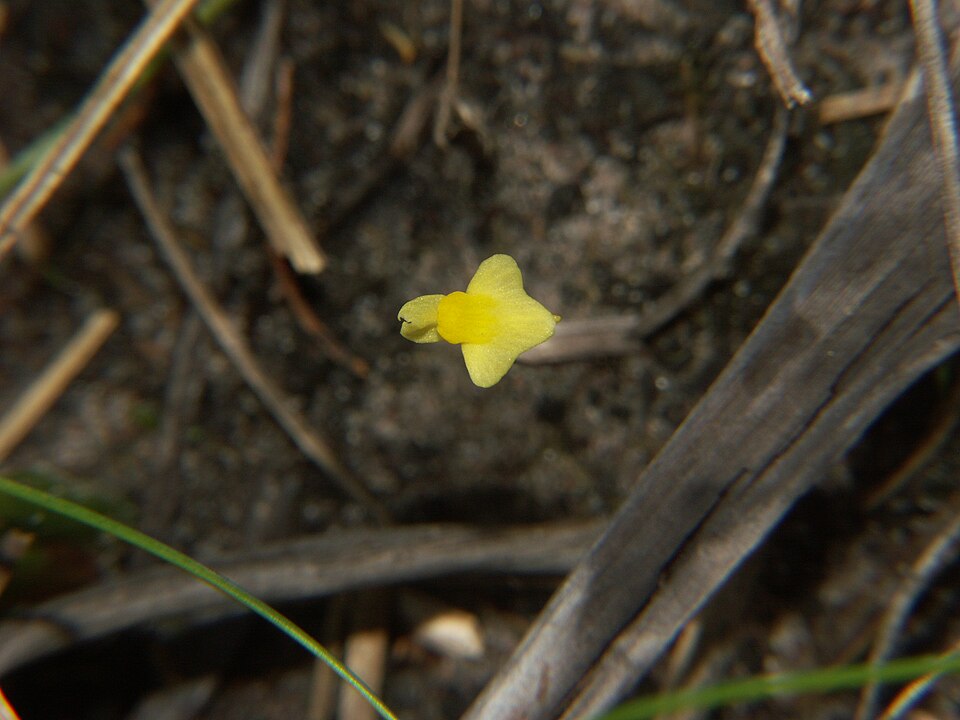
Bladderworts are aquatic plants that use small, bladder-like traps to capture prey. These bladders are incredibly sensitive and can snap shut in a fraction of a second when triggered by small aquatic creatures. The plant releases a small amount of suction to create a vacuum, drawing in the prey.
Bladderworts can capture tiny animals like water fleas, mosquito larvae, and even small fish. The plant’s traps are often found underwater, where they remain hidden from view. Bladderworts are efficient predators and can catch prey multiple times in a single day. They obtain nutrients from the prey they capture, which helps them survive in environments where the soil is low in nutrients.
Cobra Lily
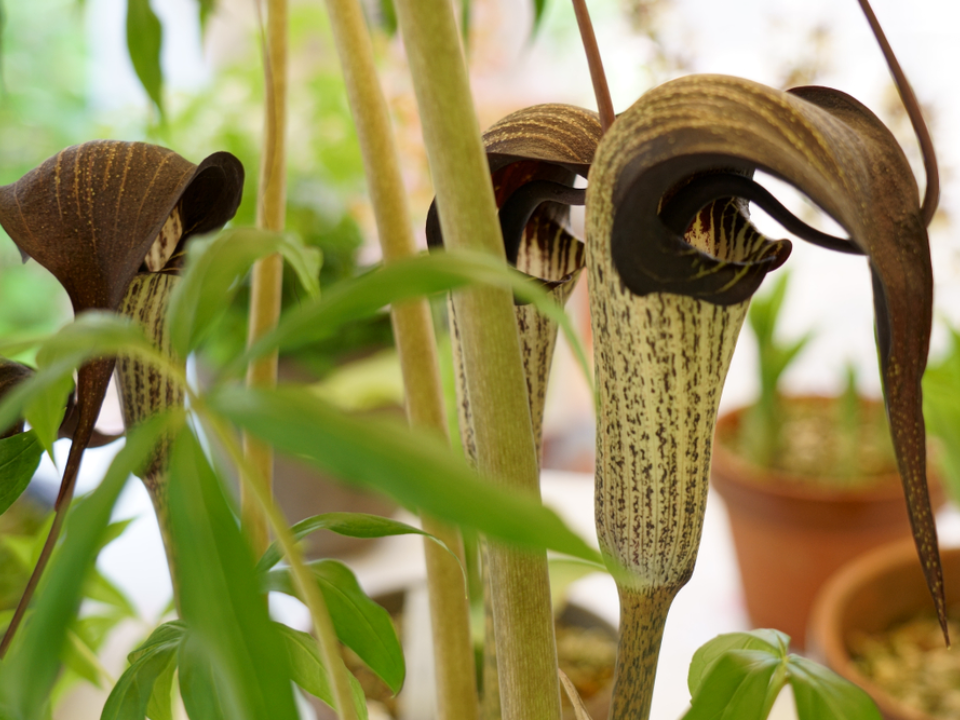
The cobra lily, or Darlingtonia, is native to northern California and Oregon. Its unique appearance resembles a cobra about to strike, with a hood that resembles a snake’s head. The plant attracts insects with its bright colors and the sweet nectar it produces. Once the insects enter the plant’s hood, they become disoriented due to the structure of the plant, which has translucent windows that confuse the prey.
The insects are unable to find their way out, and they fall into the plant’s trap, where they are eventually digested. The Cobra lily is a fascinating example of a plant that uses deception to lure and capture its prey, utilizing its structure and color to confuse and trap unsuspecting insects.
Roridula
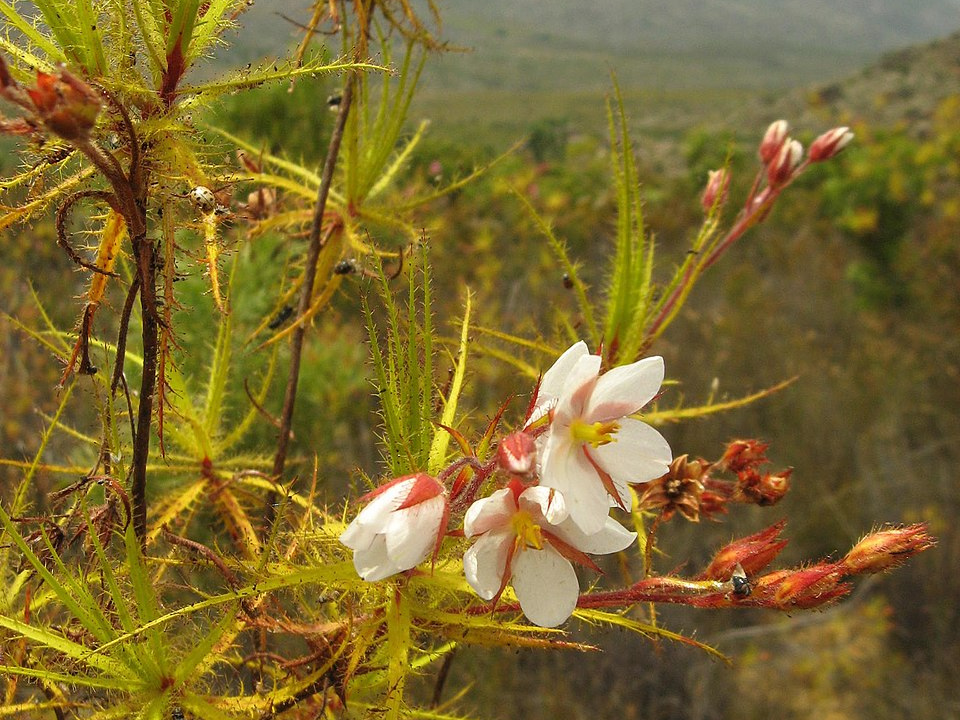
Roridula is a rare carnivorous plant found in southern Africa. Unlike most carnivorous plants, it does not digest its prey directly. Instead, the plant uses its sticky resin-covered leaves to capture insects, much like the sundew. However, the real trick lies in the relationship it has with a special type of bug known as the Roridula bug.
The bugs feed on the insects caught by the plant and excrete waste that the plant can then absorb. This unique symbiotic relationship allows the plant to get nutrients without directly digesting the insects itself. Roridula is an intriguing example of how carnivorous plants can adapt in unexpected ways to survive in nutrient-poor environments.
Australian Pitcher Plant
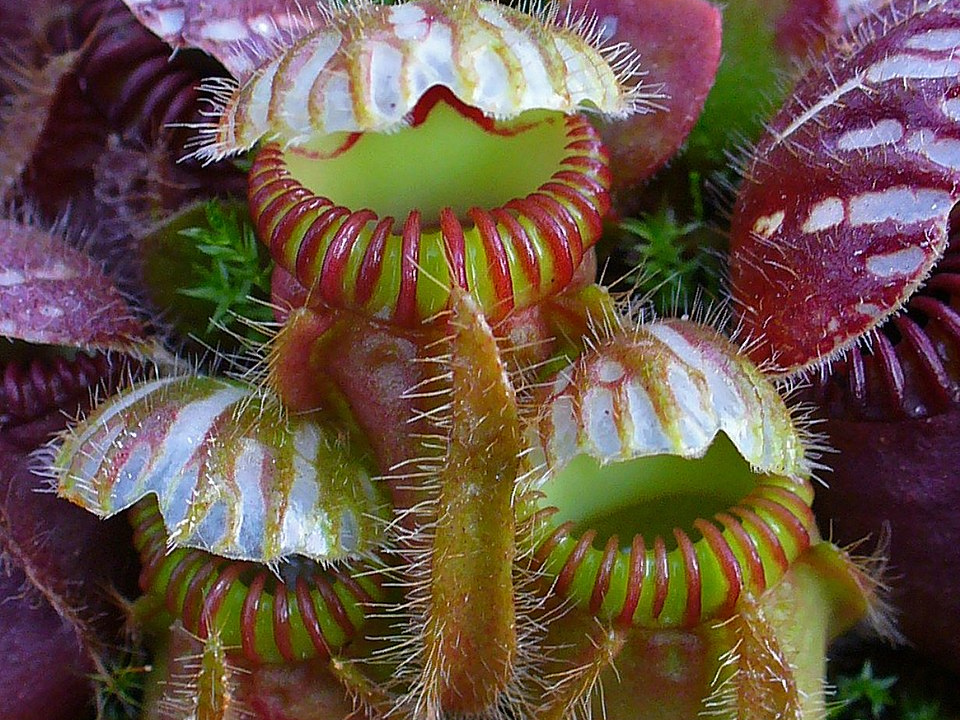
The Australian pitcher plant, also known as Nepenthes, is a tropical species that thrives in nutrient-poor soils. It has large, pitcher-shaped traps that attract prey using nectar. What sets this plant apart from others is its ability to catch not only insects but also small animals like frogs and even lizards. The plants use their modified leaves to form a deep, slippery pit filled with digestive enzymes.
Once the prey falls into the trap, it is unable to climb out and eventually succumbs to the digestive process. This plant is a great example of how carnivorous plants have evolved to trap a wide variety of prey, depending on the species. The Australian pitcher plant’s size and variety of prey make it one of the most fascinating of the Nepenthes species.
Monkey Cup
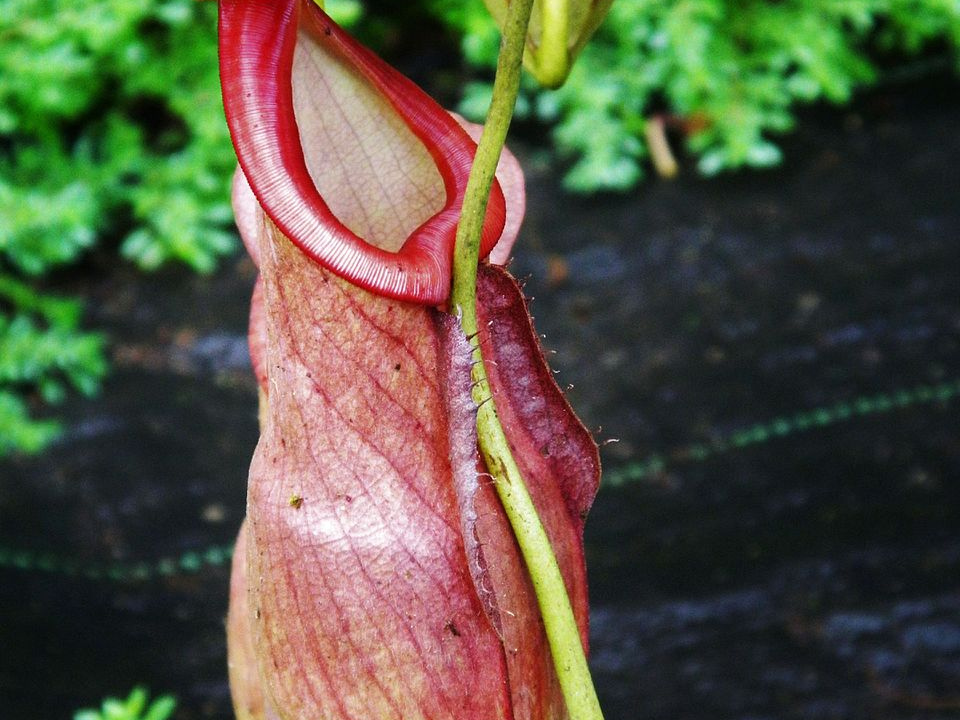
Monkey cups, also known as Nepenthes, are large, pitcher-shaped plants that have evolved to catch a range of prey. The plant’s structure is unique, with a lid-like cap that covers the opening to the trap. Insects are drawn into the trap by the sweet nectar and bright colors of the plant. Once inside, the insects slip into the liquid-filled chamber where they are unable to escape.
The plant’s digestive enzymes break down the prey to extract valuable nutrients, such as nitrogen and phosphorous. Some species of monkey cups are large enough to catch small mammals or reptiles, making them one of the more versatile carnivorous plants. The monkey cup’s ability to catch a variety of prey has earned it a reputation as one of the most effective carnivorous plants in the world.
Pinguicula
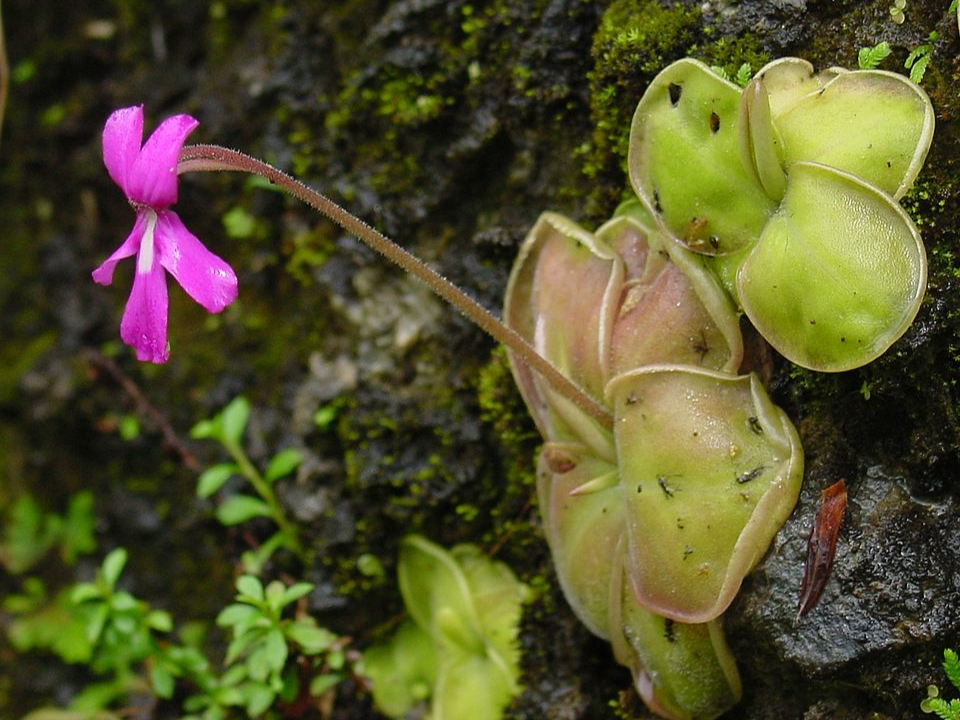
Pinguicula, also known as butterworts, are small carnivorous plants found in damp, nutrient-poor environments. They capture insects using their sticky, glandular leaves, which secrete a slimy substance that traps the prey. Once the insect is stuck, the plant secretes digestive enzymes to break it down and absorb the nutrients.
What sets Pinguicula apart from other carnivorous plants is its ability to digest its prey with a minimal amount of digestive fluid, relying on a slow process to obtain its nutrients. Pinguicula are often found in temperate and tropical regions, where their sticky leaves help them survive in areas with poor soil. The plant’s simple yet effective method of capturing prey makes it a fascinating addition to the world of carnivorous plants.
Dewy Pine
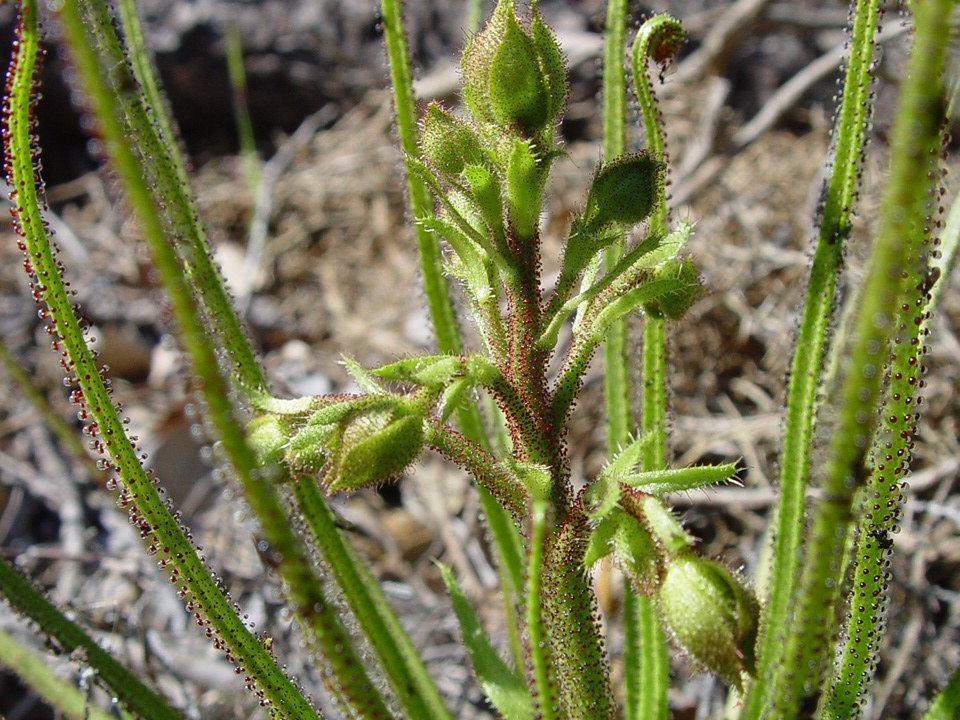
The dewy pine is a rare carnivorous plant found in wet, boggy areas. It uses sticky glandular hairs on its leaves to trap insects, much like the sundew. When an insect lands on the plant, it becomes stuck to the glistening resin and is unable to escape. The plant then secretes digestive enzymes to break down the insect’s body and absorb nutrients.
The dewy pine thrives in poor soil, where it supplements its diet with the nutrients it obtains from its prey. It is an interesting example of how carnivorous plants have evolved to survive in environments that would otherwise be inhospitable. The plant’s beautiful, glistening appearance makes it a favorite among plant collectors.
Giant Hogweed
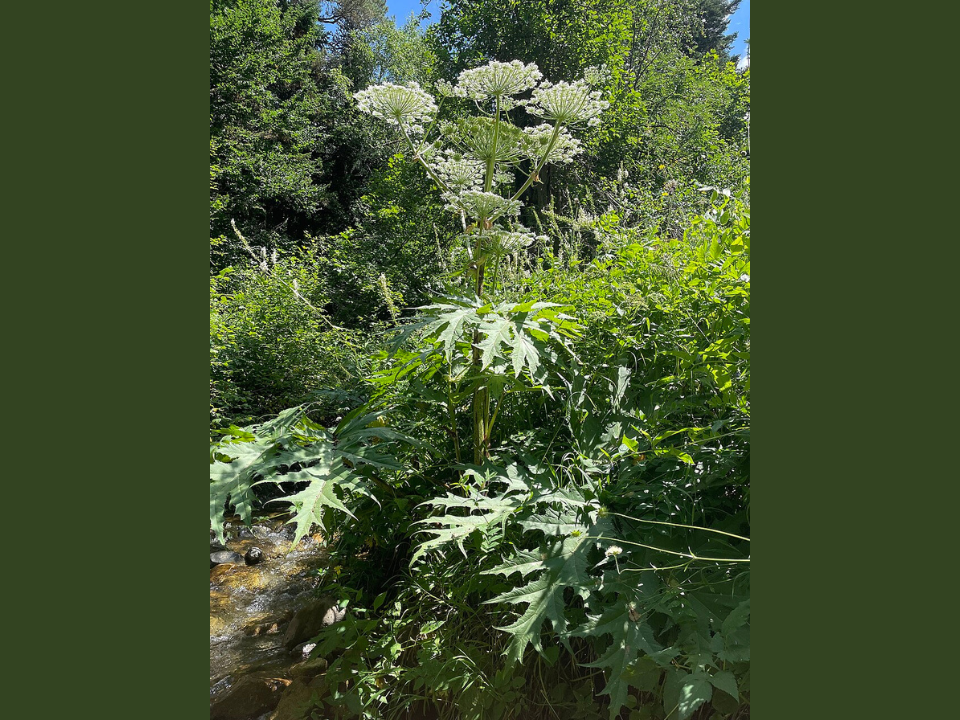
Giant hogweed, a plant native to parts of Europe and Asia, is not a typical carnivorous plant but still exhibits fascinating feeding methods. Its leaves have long, jagged edges and produce a sticky sap that can capture small insects. When insects land on the sap-covered surface, they get stuck and struggle to escape. Over time, the plant releases digestive fluids to break down its trapped prey, absorbing nutrients from their decomposed bodies.
Though not as aggressive as other carnivorous plants, giant hogweed still plays an essential role in the local ecosystem by helping break down organic matter. This plant’s feeding process highlights how even non-traditional carnivores adapt to nutrient-poor environments. However, the plant is toxic to humans, and caution is required when handling it.
Waterwheel Plant
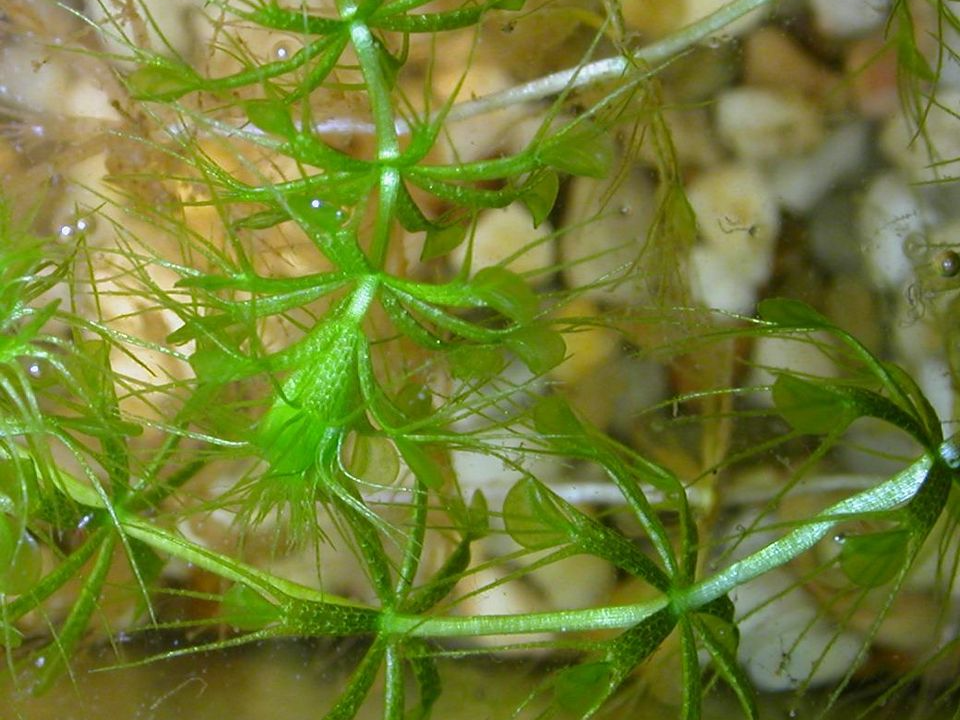
The waterwheel plant is a small aquatic carnivorous plant that uses a rotating trap to catch its prey. The plant’s leaves resemble tiny wheels that are covered with trigger hairs. When small aquatic creatures, like water fleas or mosquito larvae, brush against the hairs, the trap snaps shut with incredible speed, capturing the prey inside.
The plant then secretes digestive enzymes to break down its catch. Waterwheel plants are typically found in clear, slow-moving waters and are well-suited to environments where nutrients are scarce. Their unique mechanism of trapping prey makes them one of the more interesting aquatic carnivores. Despite their small size, waterwheel plants can capture large quantities of tiny organisms, helping them survive in nutrient-deprived habitats.
Utricularia
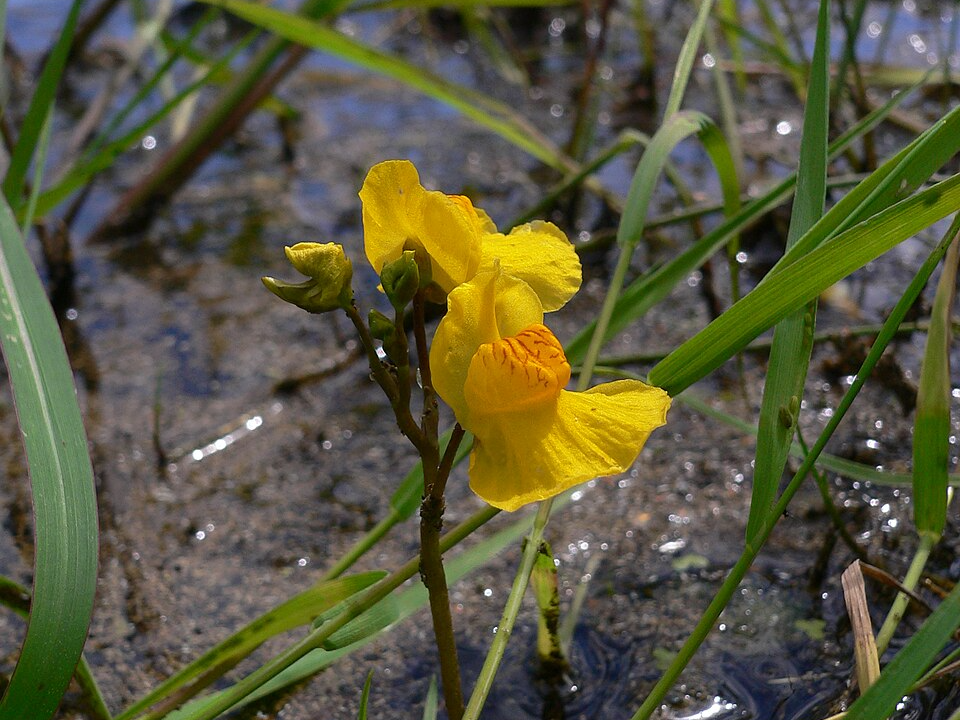
Utricularia, commonly known as bladderworts, are among the most fascinating carnivorous plants due to their specialized underwater traps. These plants have small, bladder-like structures that are capable of trapping tiny aquatic creatures, such as water fleas and insect larvae. The bladders are highly sensitive and snap shut when they detect motion from an unsuspecting prey.
The vacuum-like action creates a suction that pulls the prey into the bladder, where digestive enzymes break it down. Utricularia can trap prey multiple times a day, making them highly efficient hunters. These plants are often found in aquatic environments and are able to thrive in nutrient-poor water by supplementing their diet with captured organisms. Their ability to create suction with such precision is one of the most unique features of any carnivorous plant.
Sarracenia
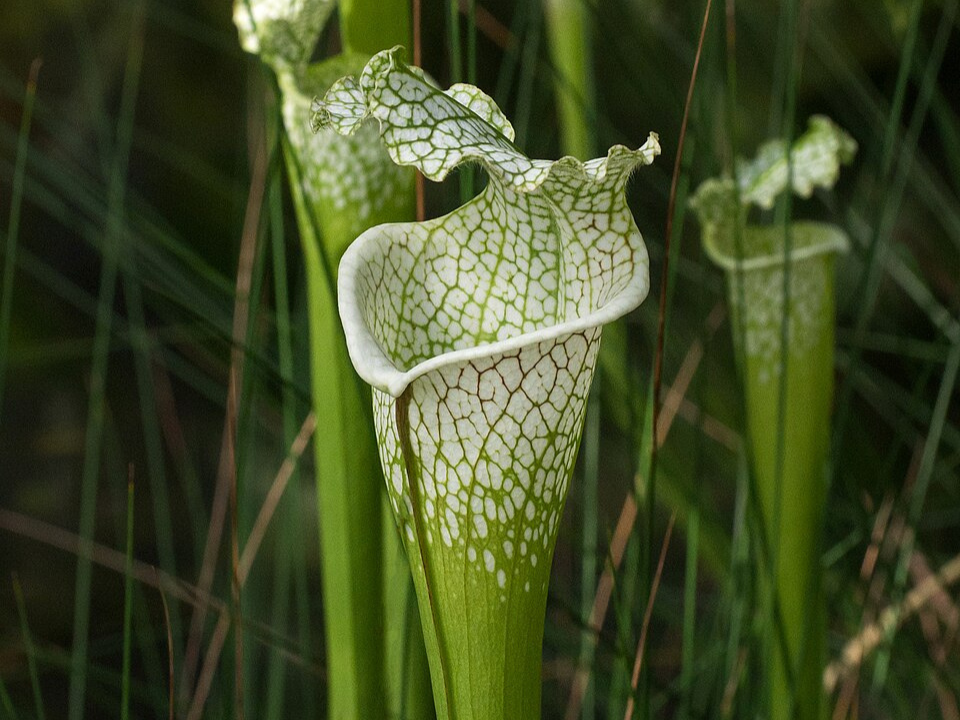
Sarracenia, or North American pitcher plants, are known for their impressive ability to capture and digest prey. These plants have long, tubular leaves that function as traps. The plants attract insects with their sweet-smelling nectar, and once the prey lands on the slippery surface of the trap, it falls into the fluid-filled pitcher below. The trap is lined with downward-pointing hairs that prevent the insect from escaping.
Sarracenia uses enzymes to break down the prey, absorbing nutrients like nitrogen and phosphorus. These plants thrive in acidic, nutrient-poor soils where they rely on captured prey for sustenance. Their distinctive pitchers and efficient hunting methods make them a popular species among carnivorous plant enthusiasts.
Heliamphora
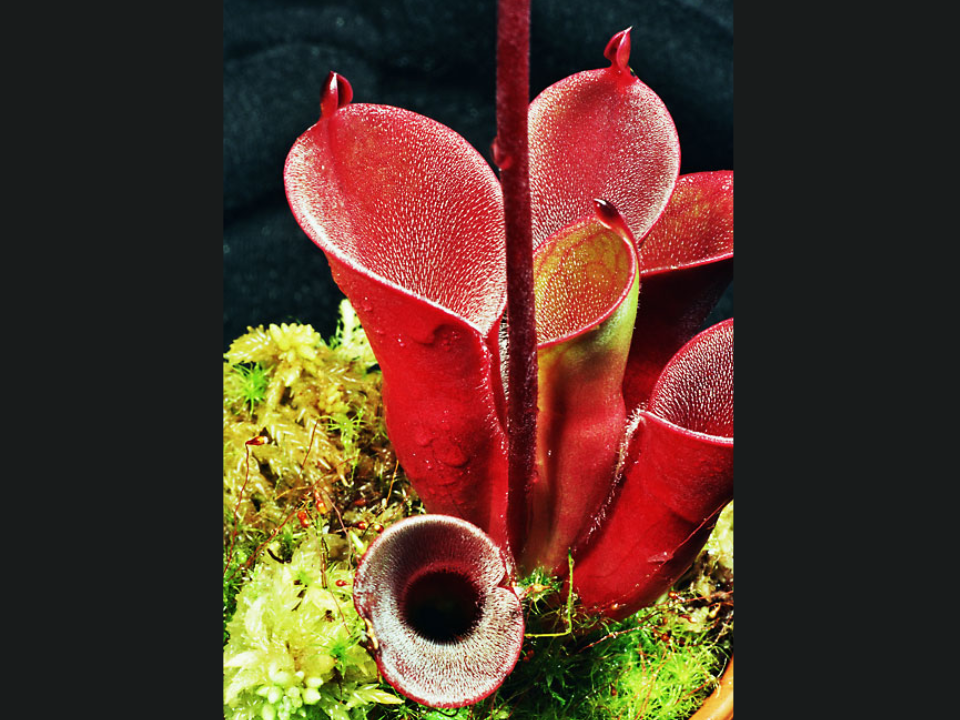
Heliamphora, or marsh pitcher plants, are found in the highland regions of South America. These plants use pitcher-shaped traps to capture prey, much like their relatives. The structure of the pitcher is unique in that it features a translucent lid that helps to attract insects. Once the insect enters the trap, it becomes disoriented and falls into the digestive fluid.
The plants rely on their bright colors and nectar to lure prey into their traps. Heliamphora thrives in nutrient-poor soils, supplementing its diet with captured insects. These plants are often found in high-altitude environments where the air is thin and the soil is acidic, making them well-adapted to harsh conditions.
Byblis
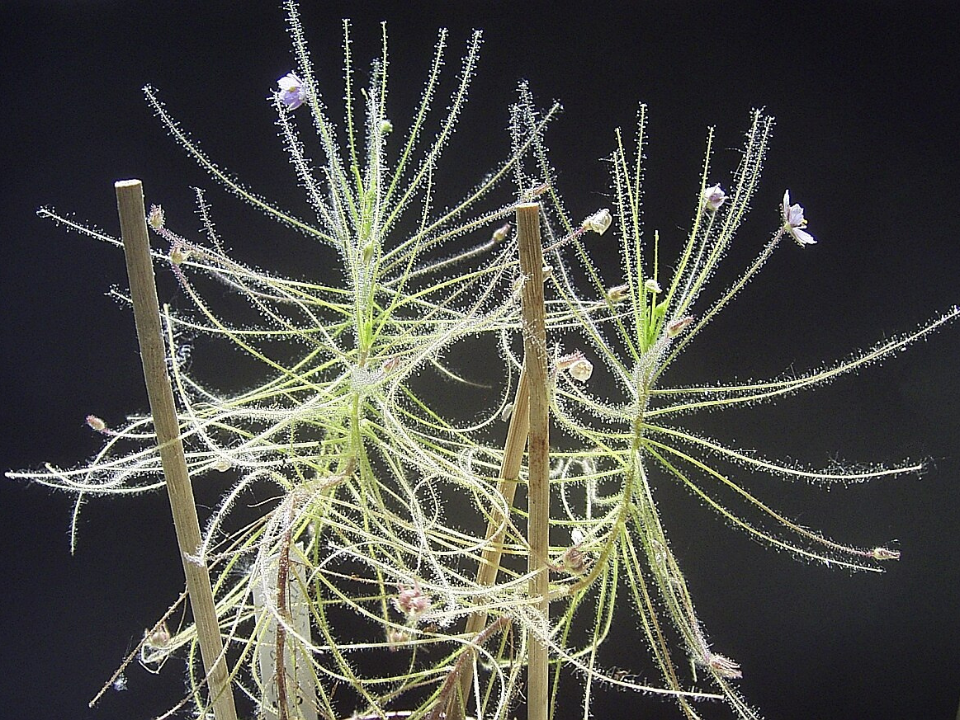
Byblis, also known as rainbow plants, are a lesser-known group of carnivorous plants that capture prey using sticky glands on their leaves. The plant’s leaves have a glistening, translucent appearance that helps attract insects. When an insect lands on the surface, it becomes stuck to the sticky hairs.
The plant then secretes digestive enzymes that break down the prey over time. Byblis plants are typically found in nutrient-poor soils, where they rely on their carnivorous behavior to supplement their diet. These plants are often seen in the wilds of Australia and Southeast Asia, where their colorful appearance and effective hunting methods make them an interesting addition to the carnivorous plant family.
This article originally appeared on Avocadu.