
13 Rare Cacti That Look Like Living Art
Cacti are often admired for their unique ability to thrive in harsh environments, but some go beyond survival; they’re true living works of art. With their striking shapes, vibrant colors, and intricate patterns, these cacti can transform any garden or home into a stunning natural gallery. From sculptural, spiny forms to soft, geometric structures, each cactus tells a story through its design. Whether it’s the playful shape of the Bunny Ears Cactus or the majestic height of the Saguaro, these plants offer more than just beauty, they spark curiosity. As nature’s living sculptures, these cacti remind us of how art and nature can seamlessly intertwine.
This post may contain affiliate links, which helps keep this content free. Please read our disclosure for more info.
Lophophora Williamsii (Peyote)
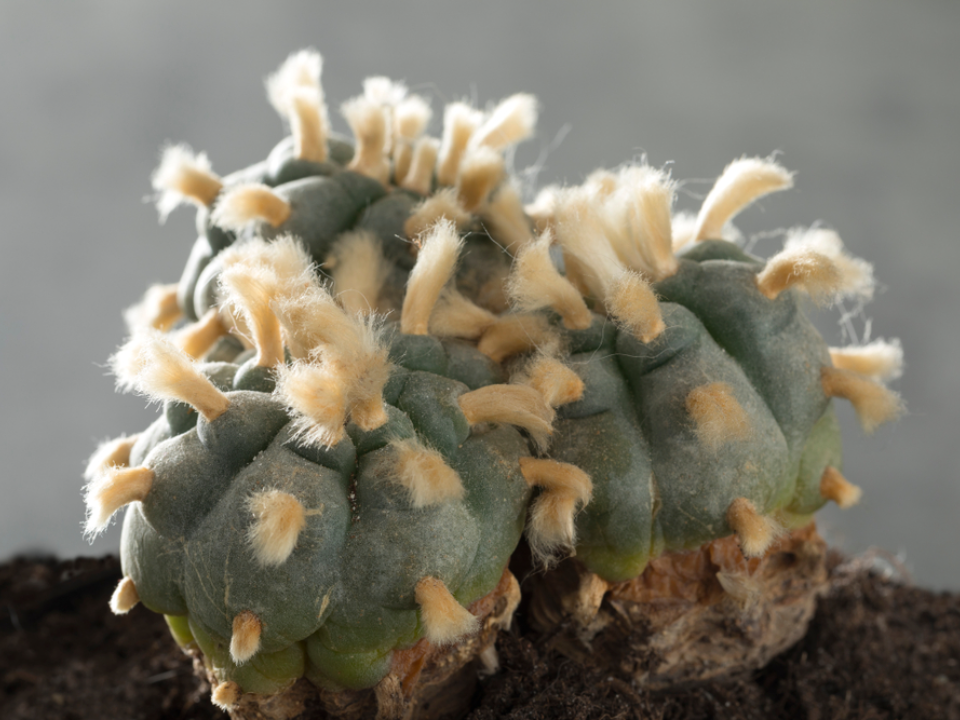
The Lophophora Williamsii, commonly known as Peyote, is a small, spineless cactus that is truly a natural masterpiece. Its rounded, button-like shape and soft, blue-green color make it appear almost otherworldly. Native to the deserts of Mexico and Texas, this cactus thrives in rocky, dry soils. Peyote’s unique appearance is further enhanced by its clusters of small white or pink flowers that bloom at the top of the plant.
Often used in spiritual rituals by indigenous groups, it adds to its cultural and artistic significance. The Peyote cactus can live for decades, growing very slowly and maintaining its sculptural form. Despite its small size, it stands out due to its striking simplicity and beauty. This cactus represents living art with its vivid color and flawless symmetry.
Astrophytum asterias (Bishop’s Cap)
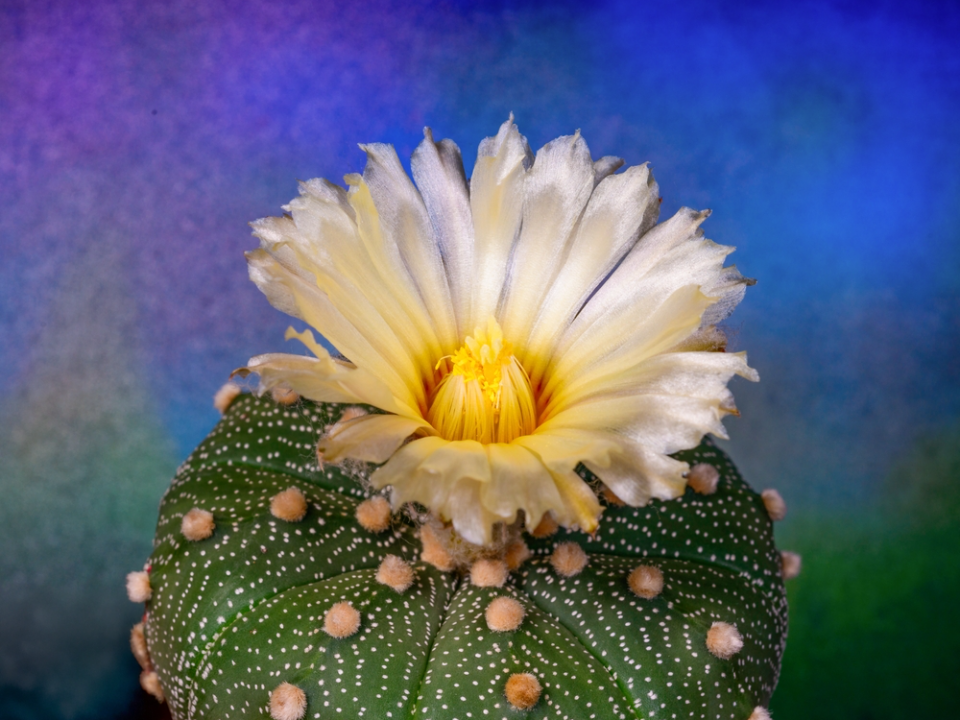
Astrophytum asterias, or Bishop’s Cap, is a stunning cactus native to northern Mexico. Its star-shaped body and pronounced ribs give it the appearance of an abstract sculpture, which makes it a sought-after specimen among collectors. The smooth, bright green body often has white specks scattered across its surface, resembling stars in the night sky.
Over time, it develops a more pronounced, globular shape with deep ridges. Its flowers are large, yellow, and bloom in the center of the cactus, contrasting beautifully with the green skin. This cactus’ intricate design and clean lines make it a perfect example of nature’s artistic talent. Its geometric appearance stands as a testament to the creative forces of nature, blending form and function perfectly.
Echinocactus grusonii (Golden Barrel Cactus)
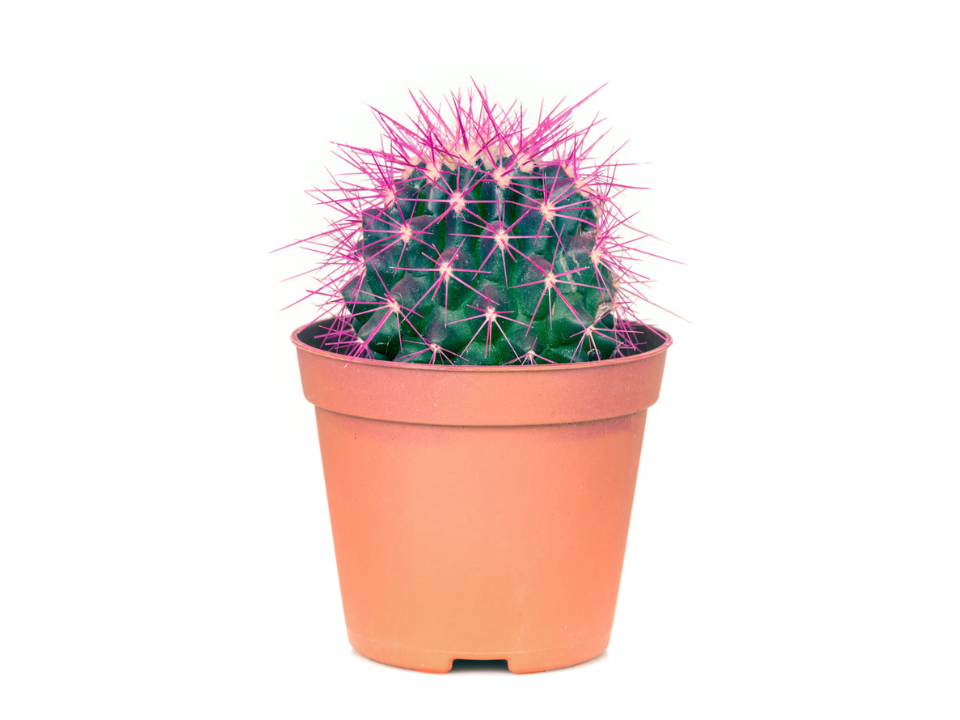
The Golden Barrel Cactus, or Echinocactus grusonii, is a striking example of nature’s sense of symmetry and design. Known for its spherical shape and golden spines, this cactus is often referred to as a living sculpture. Native to the deserts of Mexico, it can grow to significant sizes, with large, round bodies that radiate outward.
The cactus’ golden spines contrast beautifully with its deep green body, providing an intricate and eye-catching texture. The Golden Barrel Cactus often has a single flower near the top, blooming with a vibrant yellow hue that adds a splash of color to its otherwise structured design. Its perfect spherical form and golden spines make it look like a polished ornament crafted by hand, showcasing nature’s mastery of geometric beauty.
Gymnocalycium mihanovichii (Moon Cactus)
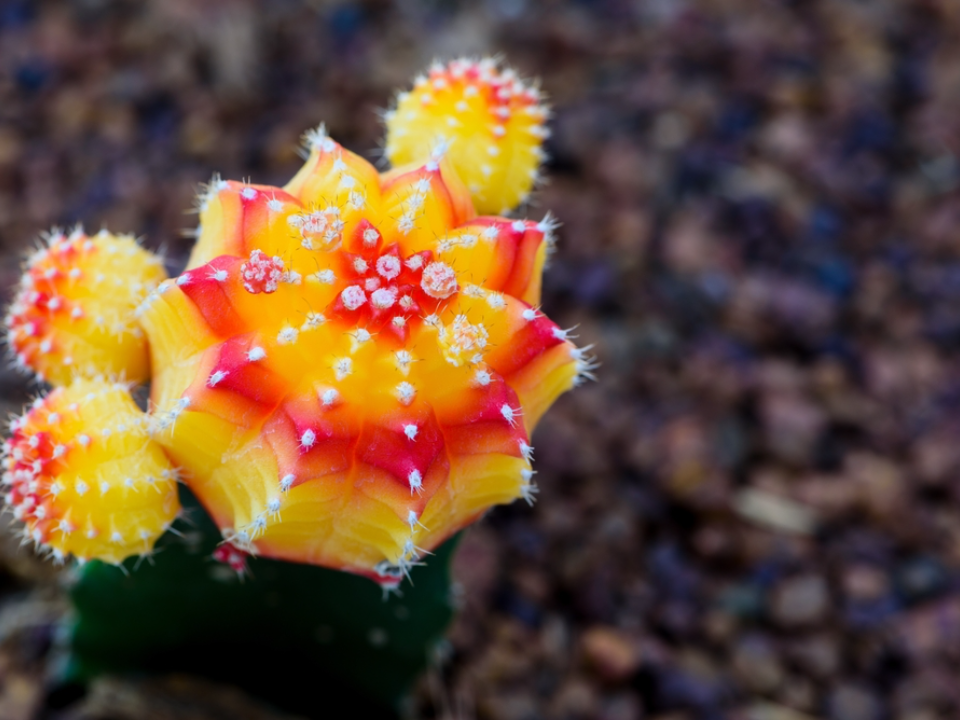
The Gymnocalycium mihanovichii, or Moon Cactus, is one of the most colorful cacti in existence. Its top section is often bright red, yellow, or orange, with an almost neon vibrancy that stands out against its green base. This cactus is a hybrid, with the colorful top grafted onto a green base cactus, creating an eye-catching contrast.
The Moon Cactus’ rounded, plump shape gives it a charming, almost whimsical quality, making it resemble a piece of abstract art. It is a smaller cactus, typically only a few inches tall, but it brings a burst of color and energy wherever it’s placed. The top of the cactus often develops small, colorful flowers that further enhance its unique and playful appearance. Its bright, lively look makes it a statement piece in any collection.
Opuntia microdasys (Bunny Ears Cactus)
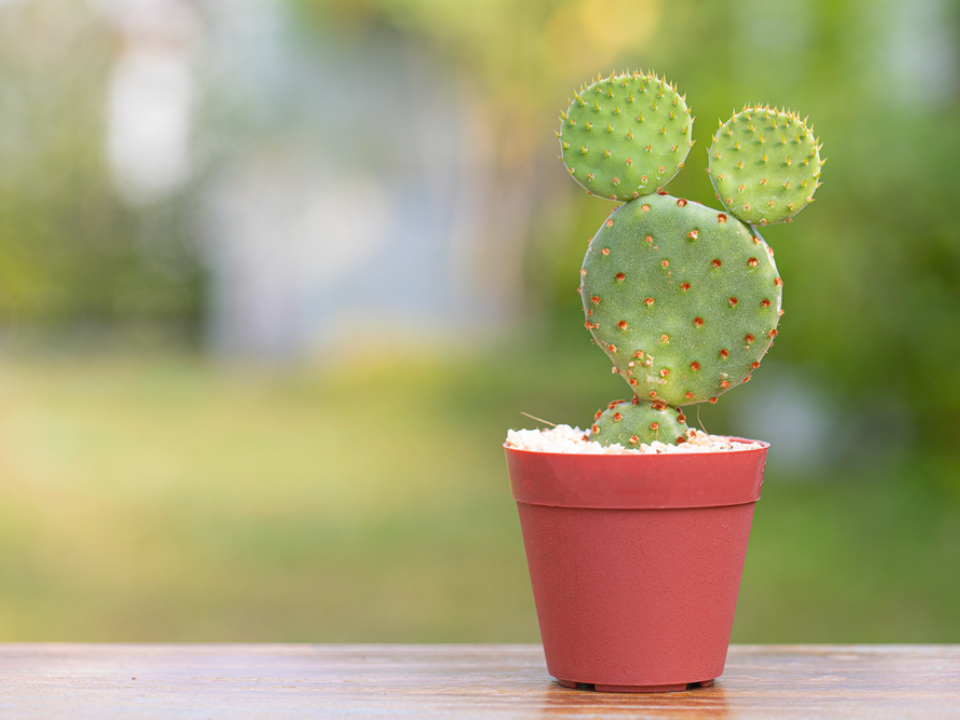
Opuntia microdasys, known as the Bunny Ears Cactus, stands out due to its unique shape and texture. The cactus has two distinct pads that resemble the ears of a rabbit, giving it its whimsical name. The pads are covered in tiny, bristle-like spines that give the cactus a soft and fuzzy appearance, further adding to its charm.
These pads are typically green or grayish, and in some varieties, they can have a slight yellowish or reddish hue. The Bunny Ears Cactus is small, making it perfect for those looking for a decorative cactus that won’t take up much space. When it blooms, small yellow or pink flowers appear at the top of the pads, creating a delicate contrast to its quirky appearance. This cactus’s unique form and texture make it a true living work of art.
Cephalocereus senilis (Old Man Cactus)
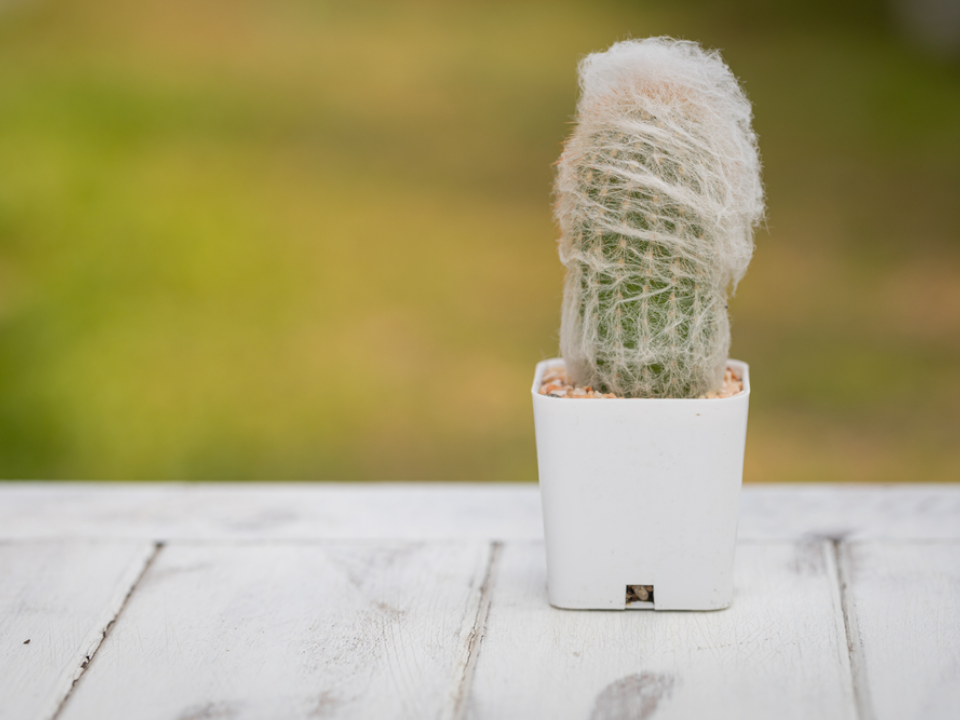
The Cephalocereus senilis, also known as the Old Man Cactus, gets its name from the long, white, hair-like spines that cover its body, giving it the appearance of an elderly man with a flowing beard. Native to Mexico, this cactus can grow quite tall, reaching up to 15 feet in height in some cases. The spines are soft and silvery, offering an almost surreal texture to the cactus.
The tall, cylindrical body of the cactus stands in stark contrast to its fluffy, white spines, making it look like a living sculpture. The Old Man Cactus also blooms with bright, large, funnel-shaped flowers that can be white, pink, or purple. Its unusual appearance and impressive size make it a standout in any cactus collection, resembling a piece of art created from nature’s imagination.
Ferocactus wislizeni (Fishhook Barrel Cactus)
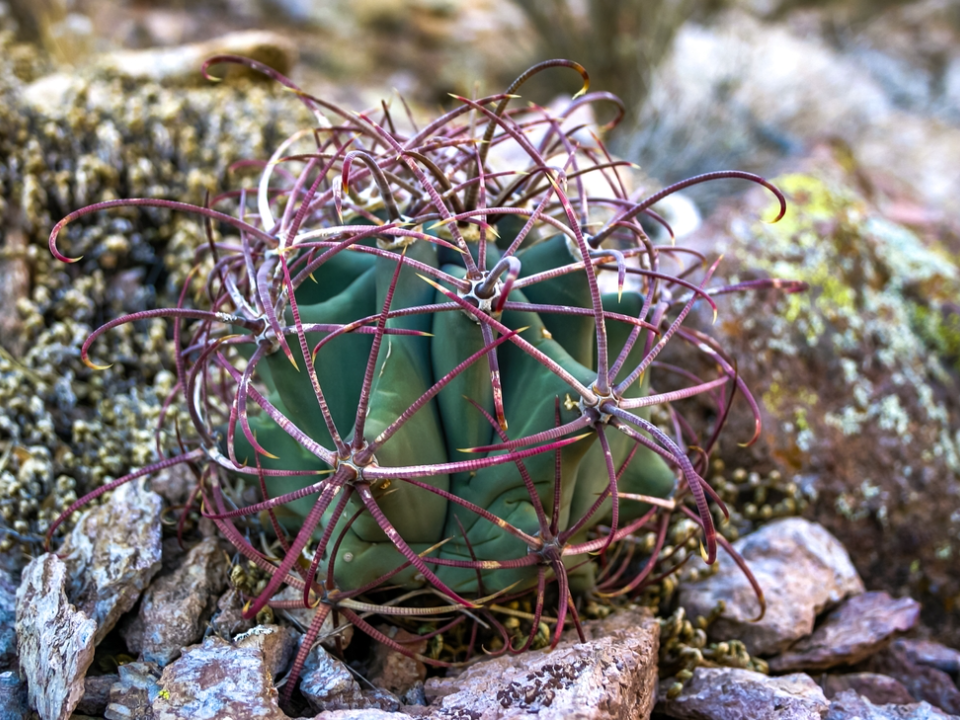
The Ferocactus wislizeni, or Fishhook Barrel Cactus, is another example of nature’s geometric elegance. This cactus has a round, barrel-shaped body with tightly arranged ribs that radiate from the center, creating a symmetrical, almost architectural design. Its spines are long, curved, and resemble fishhooks, adding a dramatic effect to its appearance. The yellow and orange hues of the spines create a striking contrast against the cactus’ green body.
Native to the Sonoran Desert, the Fishhook Barrel Cactus grows slowly but can live for decades, making it a long-lasting piece of living art. When it flowers, the top of the cactus is crowned with bright yellow or orange blossoms, adding another layer of vibrancy to its design. Its bold and sculptural form makes it an attractive addition to any garden or collection.
Ariocarpus retusus (Living Rock Cactus)
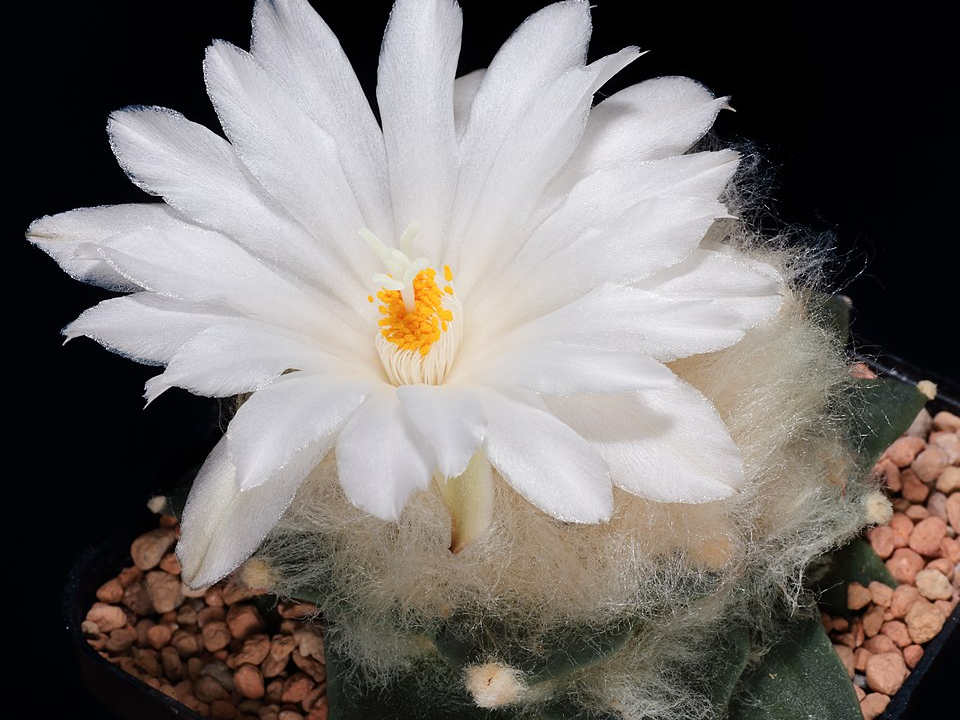
The Ariocarpus retusus, or Living Rock Cactus, is a rare and highly sought-after species known for its unusual, rock-like appearance. Its body is flat and irregularly shaped, with deeply ridged areas that make it look like a piece of geological formation rather than a plant. This cactus has a greyish-green hue and can often blend into its surroundings, making it difficult to spot in the wild.
The spines are minimal, which adds to its resemblance to a natural stone. The Living Rock Cactus is slow-growing and can live for many years, making it a prized possession for cactus collectors. When it blooms, it produces small, pink or purple flowers that add a delicate contrast to its rough exterior. Its unique design and rarity make it a true work of living art.
Notocactus uebelmannianus (Golden Ball Cactus)
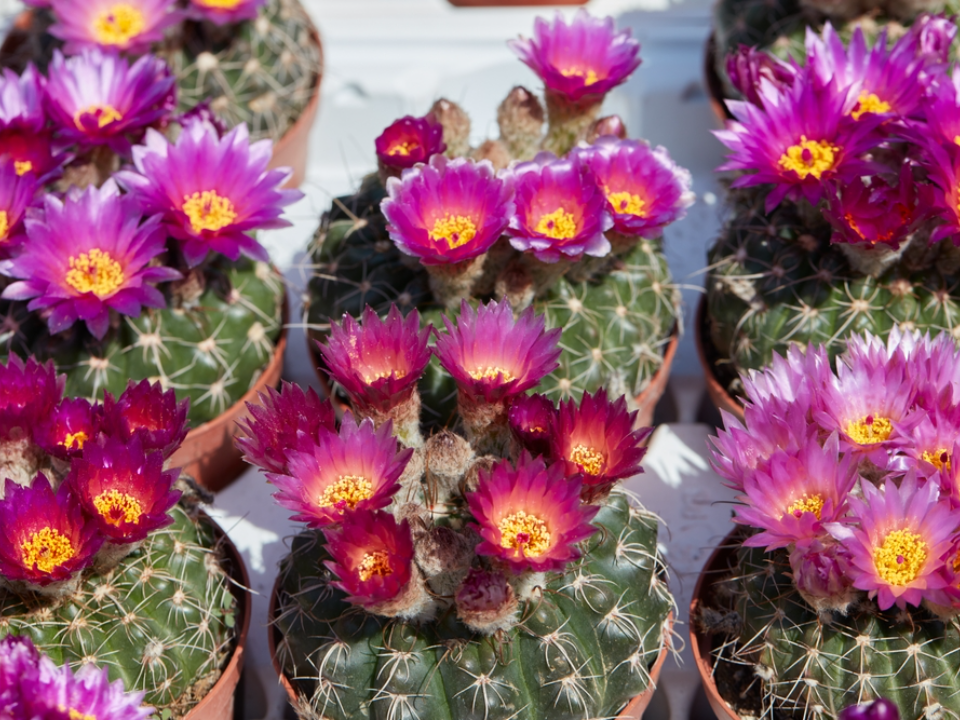
The Notocactus uebelmannianus, often referred to as the Golden Ball Cactus, is a vibrant, spherical cactus that draws attention with its brilliant yellow spines. Native to South America, this cactus has a compact, ball-like shape that is visually striking in any collection. The yellow spines, arranged in a spiral pattern, contrast beautifully with the cactus’ green body.
This cactus is small, making it an excellent choice for those looking to add a dramatic yet manageable plant to their collection. When it flowers, it produces bright yellow or orange blooms that emerge from the center, adding an extra layer of brightness to its already radiant appearance. Its spherical form and radiant color make it resemble a living work of art, full of life and energy.
Pachycereus pringlei (Cardón Grande)
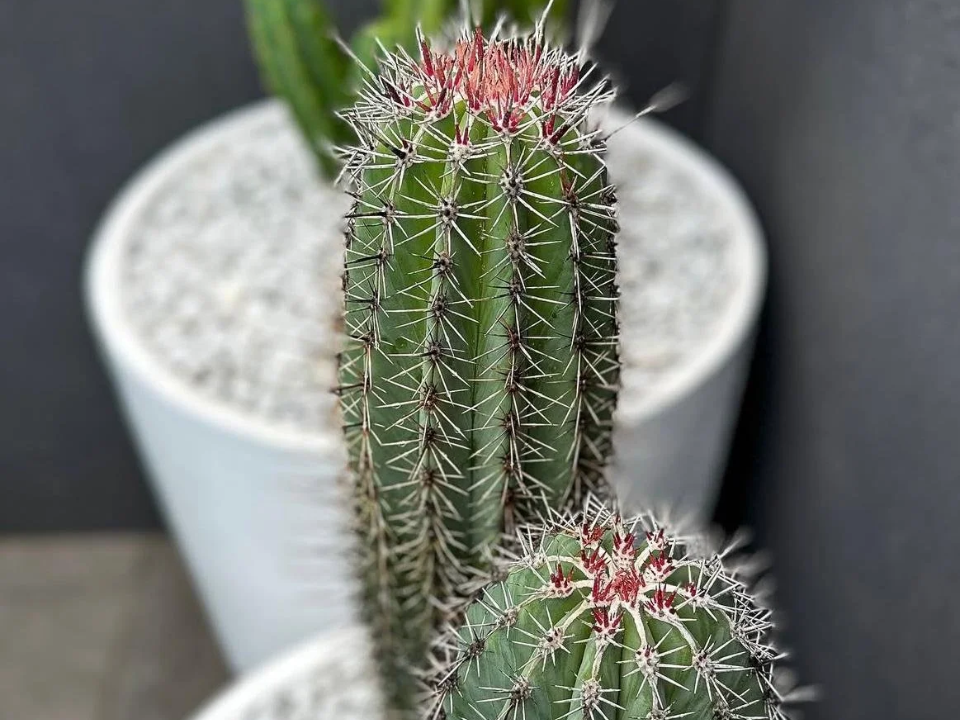
Pachycereus pringlei, or Cardón Grande, is a towering cactus found in the Baja California region of Mexico. This massive cactus can reach heights of up to 65 feet, making it one of the largest cacti in the world. Its thick, columnar body is covered in long, sharp spines, giving it a rugged, sculptural appearance.
The cactus’ surface is deep green, with slight ridges that enhance its visual depth. The Cardón Grande is often considered the “giant” of the cactus world, standing as a natural monument in the desert. When it flowers, the cactus produces large, white blooms that appear at the top of the plant. Its immense size and striking form make it a living sculpture of nature, admired for its presence and beauty.
Mammillaria Elongata (Ladyfinger Cactus)
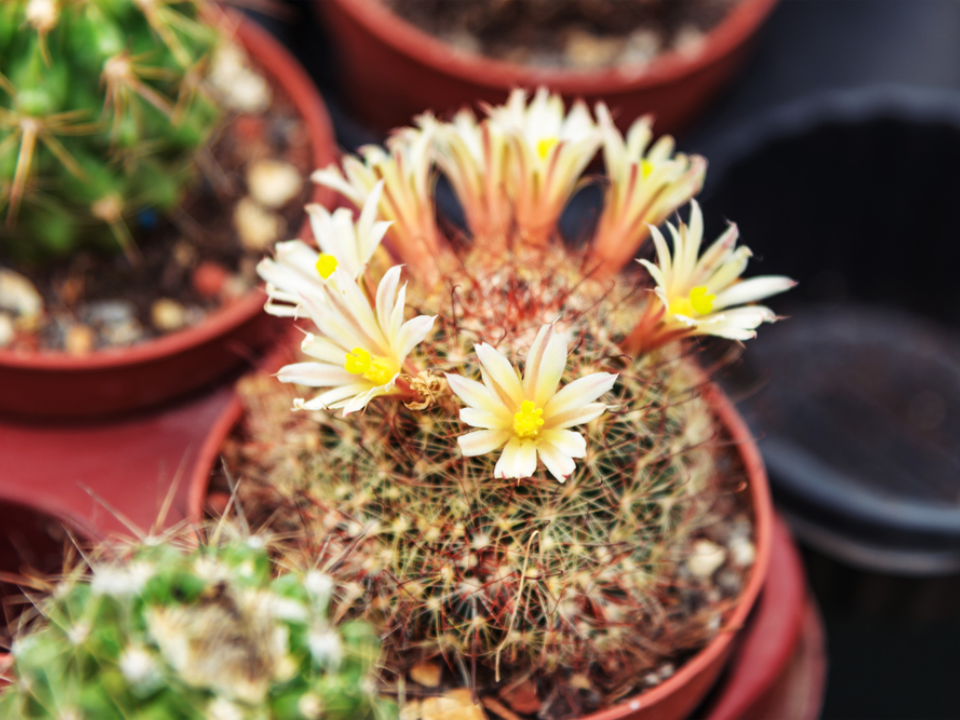
Mammillaria elongata, also known as the Ladyfinger Cactus, is a small but fascinating cactus known for its cylindrical, finger-like growth. Its numerous spines, arranged in clusters, give it a unique, textured appearance. This cactus can grow up to 12 inches tall and is often adorned with a bright yellow or orange flower that blooms in spring.
The spines themselves are soft and appear like fine hairs, creating a delicate, almost ethereal effect. Native to Mexico, the Ladyfinger Cactus is commonly found in rocky, dry habitats where it thrives in full sun. Its unusual form and soft spines make it look like a delicate piece of art, crafted by nature to evoke the feel of a miniature forest of fingers. The Ladyfinger Cactus is a rare find that brings an interesting touch of texture to any collection.
Coryphantha sulcata (Golden Nipple Cactus)
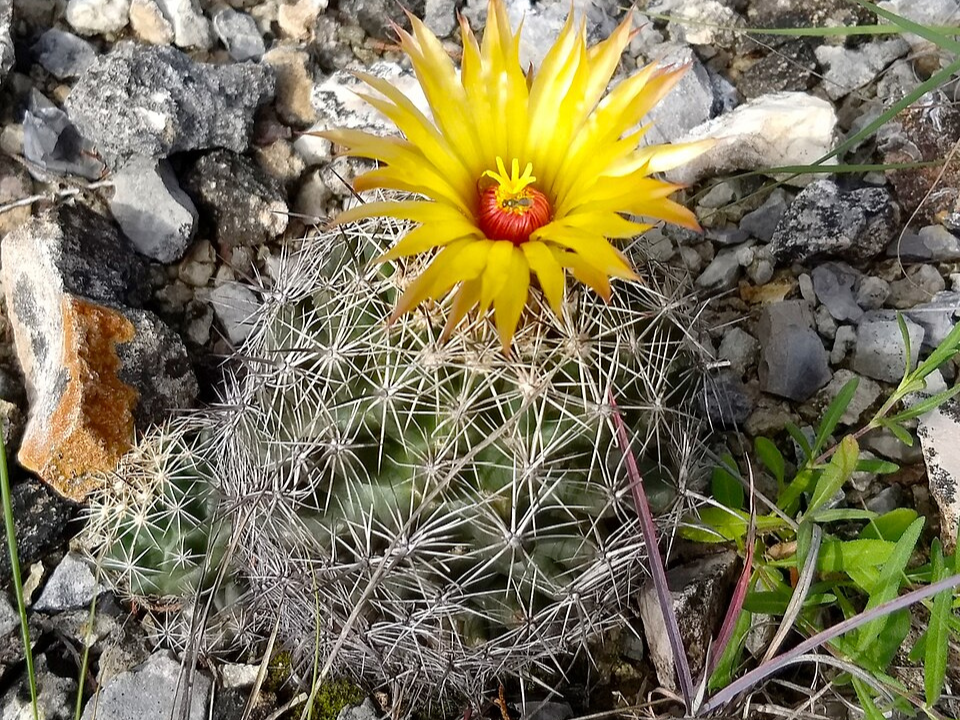
The Coryphantha sulcata, known as the Golden Nipple Cactus, is a small, spherical cactus that stands out due to its unique spines. These spines are golden in color, creating a radiant effect that contrasts with the cactus’ green body. The surface of the cactus is textured with prominent tubercles, adding to its sculptural appearance.
This cactus blooms with bright yellow or orange flowers that emerge from the center, offering a stunning contrast to the golden spines. Native to the southwestern United States and northern Mexico, the Golden Nipple Cactus thrives in dry, rocky soils and full sunlight. Its vibrant color and interesting texture make it a perfect example of living art in a plant form. The soft, golden spines create an inviting aesthetic that draws the eye, making this cactus a prized addition to any collection.
Echinocactus horizonthalonius (Blue Barrel Cactus)
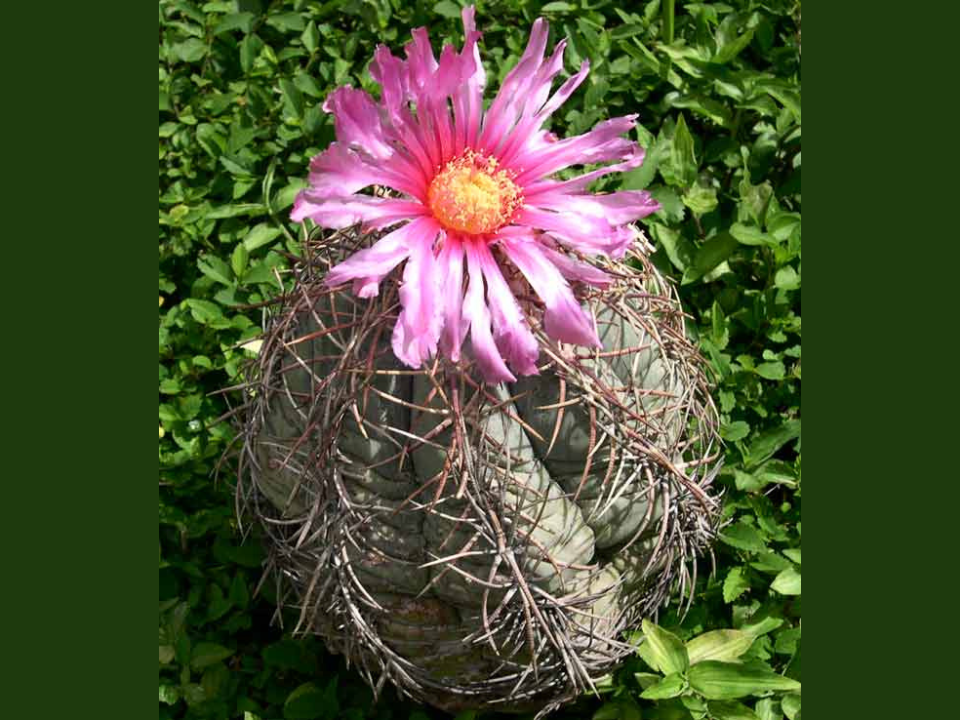
The Echinocactus horizonthalonius, or Blue Barrel Cactus, is known for its distinctive blue-green hue and rigid, spiny structure. Native to the deserts of the southwestern United States, this cactus has a round, barrel-like shape with pronounced ribs that run from top to bottom. The cactus’ spines are long and sharp, radiating outward in a radial pattern that creates an intricate web-like design.
The Blue Barrel Cactus produces vibrant pink or yellow flowers at the top of its body, adding a bright pop of color to its otherwise muted tones. This cactus is slow-growing, but it can live for many years, gradually growing into a large, impressive plant. Its striking blue color and detailed structure make it look like a piece of living art in any garden or landscape. The Blue Barrel Cactus is a true example of nature’s artistry, blending color and texture in a captivating form.
This article originally appeared on Avocadu.