
13 Rare Birds That Almost Went Extinct And Came Back
Rare birds have faced numerous challenges throughout the years, with many on the verge of disappearing forever. However, some have defied the odds, making remarkable recoveries thanks to persistent conservation efforts. Their survival stories serve as a reminder of the importance of protecting our wildlife.
This post may contain affiliate links, which helps keep this content free. Please read our disclosure for more info.
California Condor (Gymnogyps californianus)
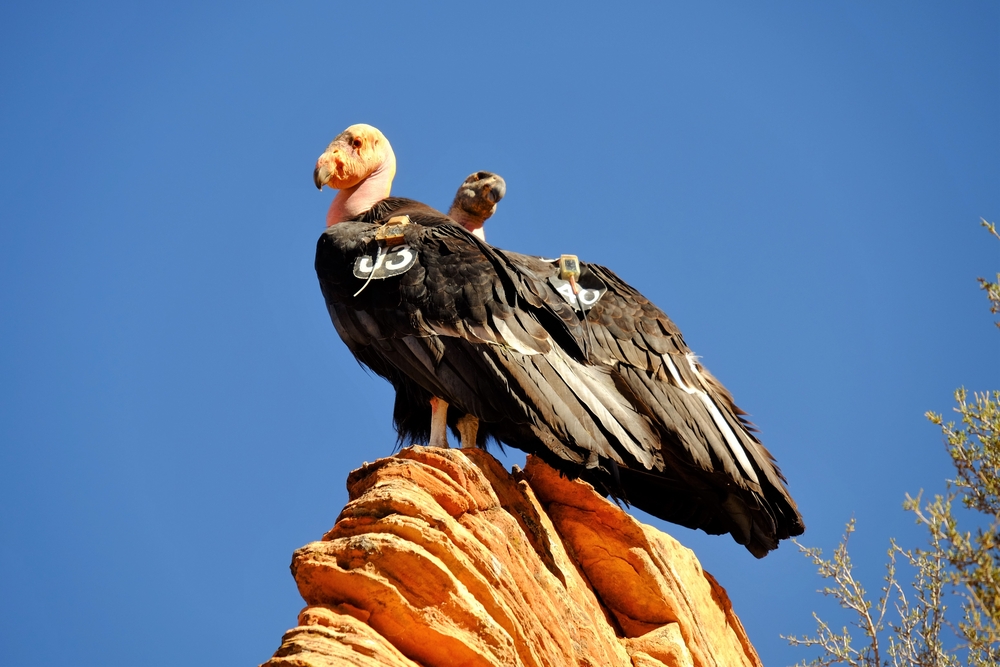
Once widespread across the western United States, the California Condor nearly disappeared in the 1980s due to hunting and habitat destruction. With fewer than 30 individuals left, a drastic conservation effort was initiated, leading to captive breeding programs. Today, the population is slowly increasing, and these magnificent birds are being reintroduced to their natural habitats. Known for their impressive wingspan of up to 9.5 feet, they are the largest land bird in North America.
Their recovery has been a triumph of persistence and dedication from wildlife organizations and the public. These birds have a distinctive bald head and dark plumage, with a characteristic white patch on their wings. Efforts to protect their habitat and reduce threats from lead poisoning have been crucial. Though still rare, California Condors are slowly regaining their place in the wild.
Kakapo (Strigops habroptilus)
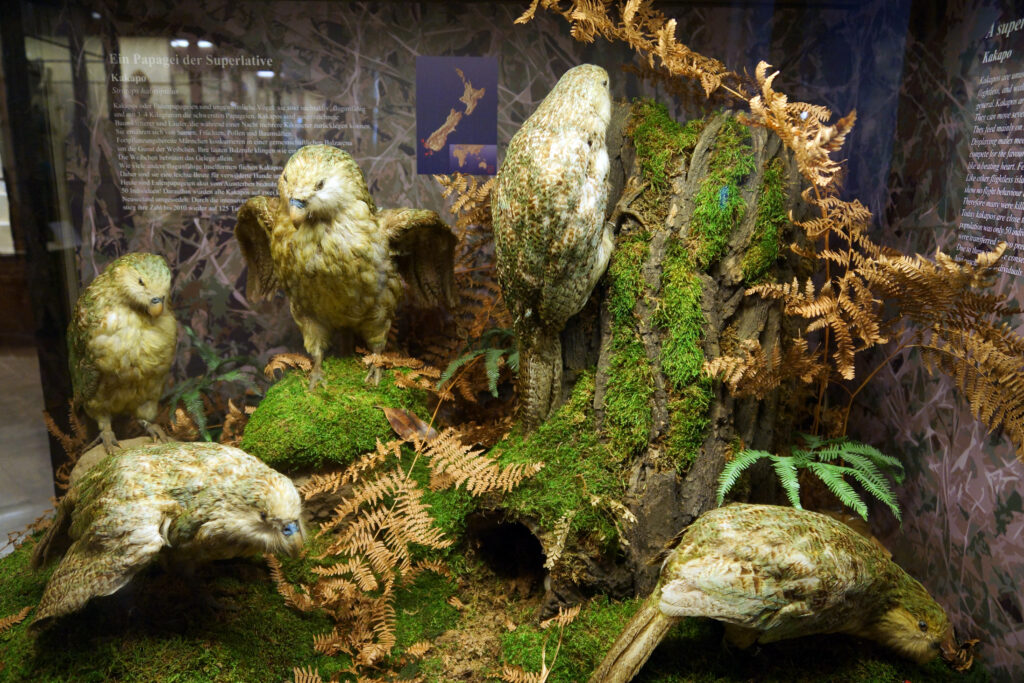
The Kakapo, a flightless parrot from New Zealand, was once found throughout the country, but its numbers dwindled to just 50 by the 1990s. With no natural predators on the island, this bird was particularly vulnerable to human activity and introduced species. Through intensive efforts, every remaining Kakapo was placed on a predator-free island, and breeding programs were set in place. The unique bird, known for its nocturnal habits and owl-like face, has made a slow but steady recovery.
The Kakapo’s green feathers help it blend into its environment, making it a perfect example of nature’s adaptation. As one of the heaviest parrots in the world, it relies on its strong legs to move through trees and the ground. Conservationists have worked hard to control the spread of diseases and protect the Kakapo from threats. Thanks to their efforts, the Kakapo population is slowly increasing, but it remains critically endangered.
Mauritius Kestrel (Falco punctatus)
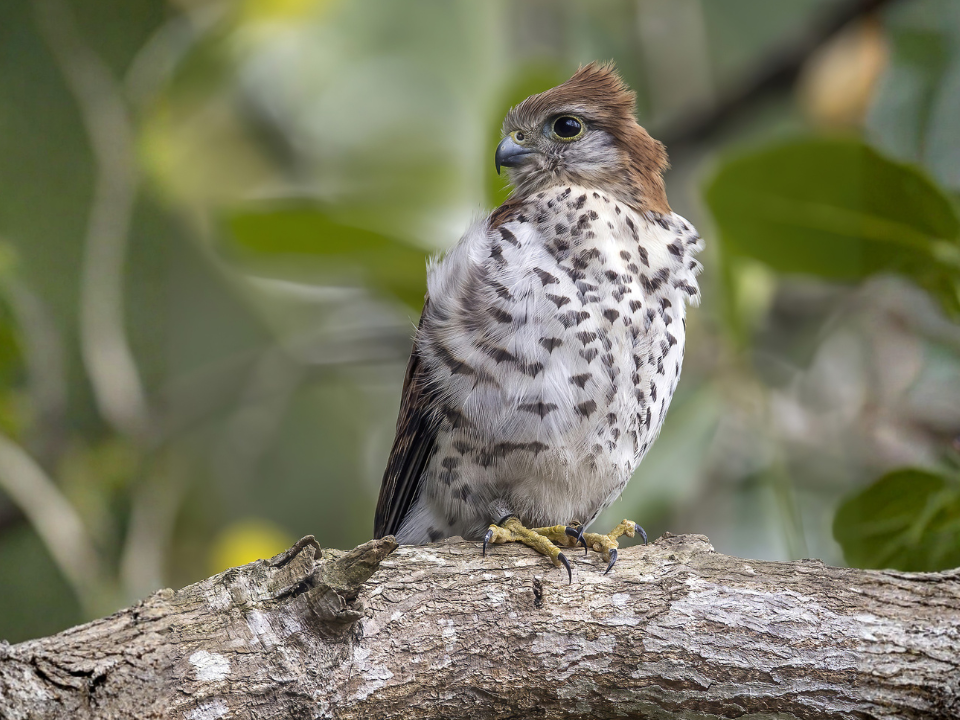
Native to Mauritius, the Mauritius Kestrel faced near extinction in the 1970s with only four individuals left in the wild. Through a successful captive breeding program and intensive care, the population was revived, and the bird is now found in managed forests on the island. This small falcon is known for its speed and agility, hunting small birds and insects. The kestrel’s recovery is considered one of the most successful avian conservation stories.
The Mauritius Kestrel’s distinctive feature is its narrow, pointed wings, which allow it to maneuver swiftly through dense vegetation. Habitat restoration and the eradication of invasive species have been essential in this bird’s return. Though the population is still limited, the kestrel’s numbers continue to grow. Efforts to monitor and protect these birds are ongoing to prevent further decline.
Venezuelan Piping-guan (Pipile cumanensis)
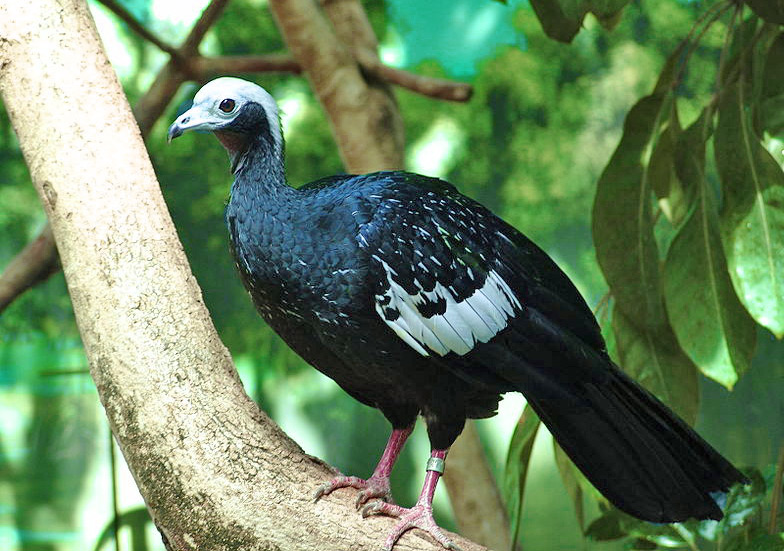
This critically endangered bird is native to Venezuela and was once thought to be extinct in the wild by the early 1990s. With only a small population left, conservationists stepped in to breed and reintroduce the Venezuelan Piping-guan to protected areas. The bird is known for its distinctive call and its vibrant plumage, with shades of green, blue, and red. Efforts to restore its habitat and protect it from poaching are ongoing.
The Venezuelan Piping-guan is often seen in tropical forests, where it relies on the dense foliage for cover. Its recovery is a testament to the power of community-based conservation, as local people are involved in monitoring and protecting the birds. Although the species remains critically endangered, its population is steadily increasing. Protecting its natural habitat remains key to ensuring a stable future.
Spix’s Macaw (Cyanopsitta spixii)
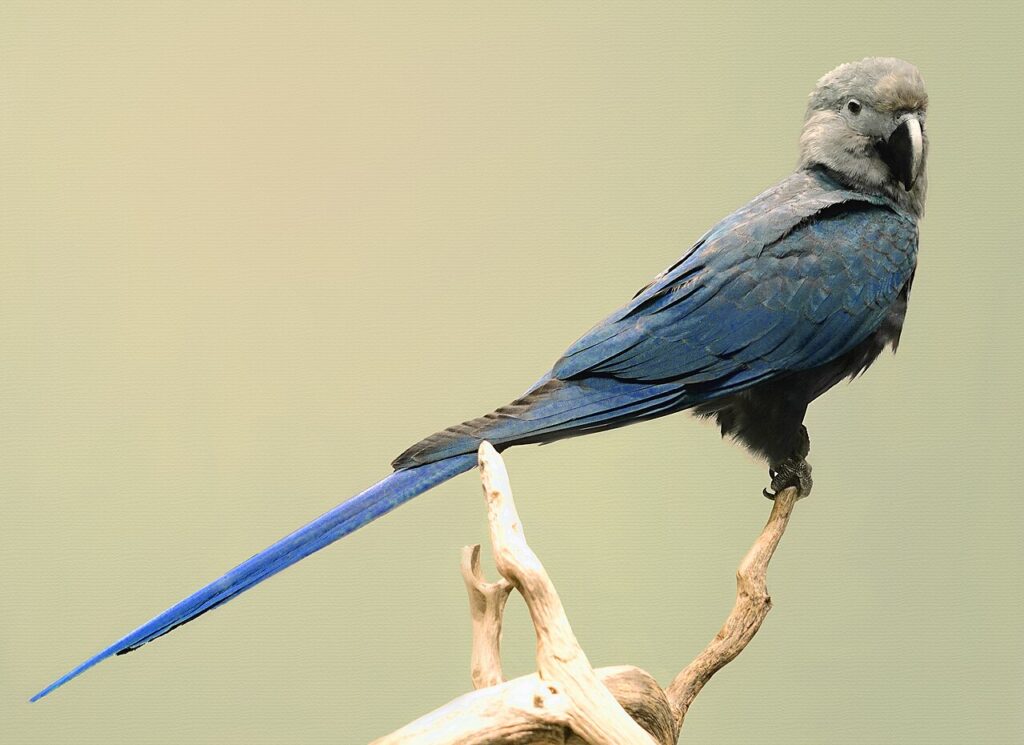
Native to Brazil, Spix’s Macaw became extinct in the wild in the early 2000s due to habitat loss and illegal trapping for the pet trade. The last known wild individual was seen in 2000, but a series of captive breeding programs began to revive the species. These striking blue macaws have become a symbol of hope for avian conservation. Their return to the wild is still in progress, with careful monitoring of their reintroduction into Brazil’s forests.
Spix’s Macaw is distinguished by its vibrant blue feathers and striking yellow markings around the eyes. Its recovery efforts have been supported by international cooperation, with organizations like the Brazilian government and breeding centers around the world working together. Although these birds still face challenges, including the need for a healthy ecosystem, the population is slowly increasing. Continued conservation is vital for their survival.
Takahe (Porphyrio hochstetteri)
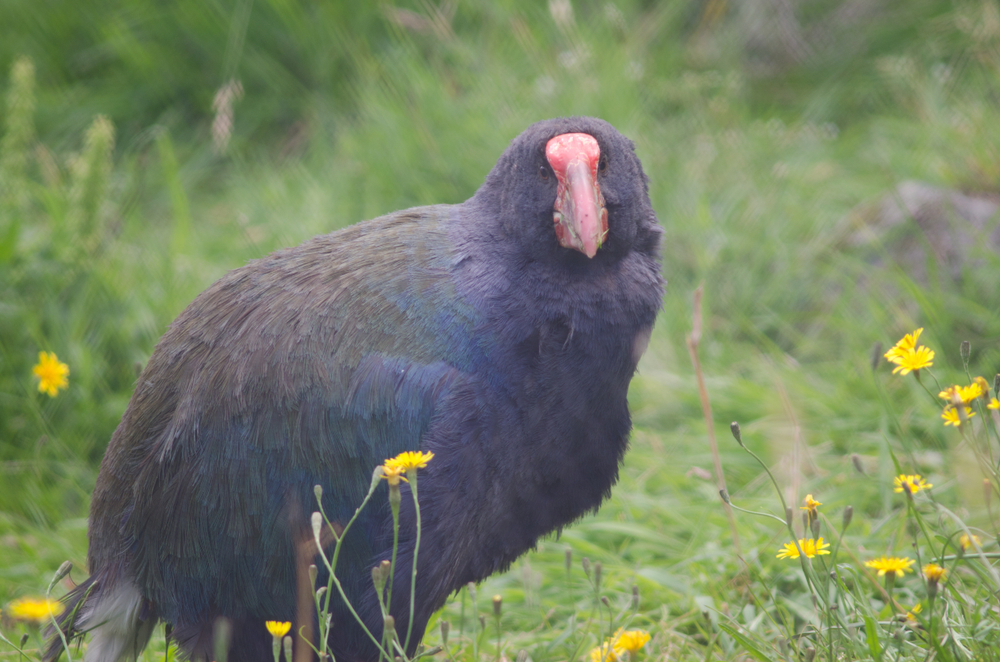
The Takahe, a flightless bird native to New Zealand, was thought to be extinct until rediscovered in the 1940s. After nearly disappearing due to introduced predators and habitat loss, the Takahe’s numbers were brought back through captive breeding and habitat restoration programs. This large, colorful bird is known for its strong legs, which it uses to run swiftly through the dense undergrowth of New Zealand’s mountainous terrain.
The Takahe’s recovery was a result of intense conservation efforts, including predator control and habitat restoration. These birds are easily recognizable by their vibrant green feathers and striking red beak. Though their numbers are still limited, Takahe populations are on the rise, thanks to ongoing protection. Conservationists continue to manage their environment, preventing new threats from jeopardizing their survival.
Black-Footed Albatross (Phoebastria nigripes)
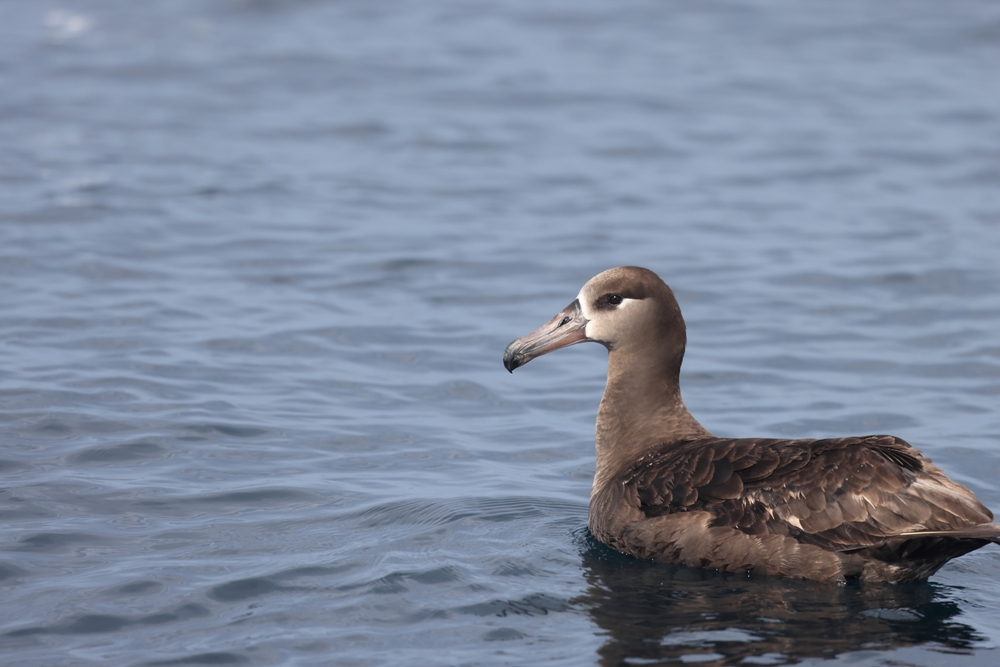
Native to the northern Pacific Ocean, the Black-Footed Albatross was once severely threatened by human activities, including hunting and habitat disturbance. Through conservation efforts, the bird’s numbers have slowly recovered, though it remains vulnerable due to its low reproductive rate. The Black-Footed Albatross is known for its long, narrow wings, which help it glide effortlessly across vast oceanic distances.
Protection of its nesting sites on remote islands has been key in restoring the bird’s population. These albatrosses are exceptional at using the wind for long-distance travel, with some birds known to travel thousands of miles. While the population is improving, they still face threats such as climate change and the loss of food sources. Conservation of their habitat and careful monitoring are essential for their continued recovery.
South Island Kaka (Nestor meridionalis)
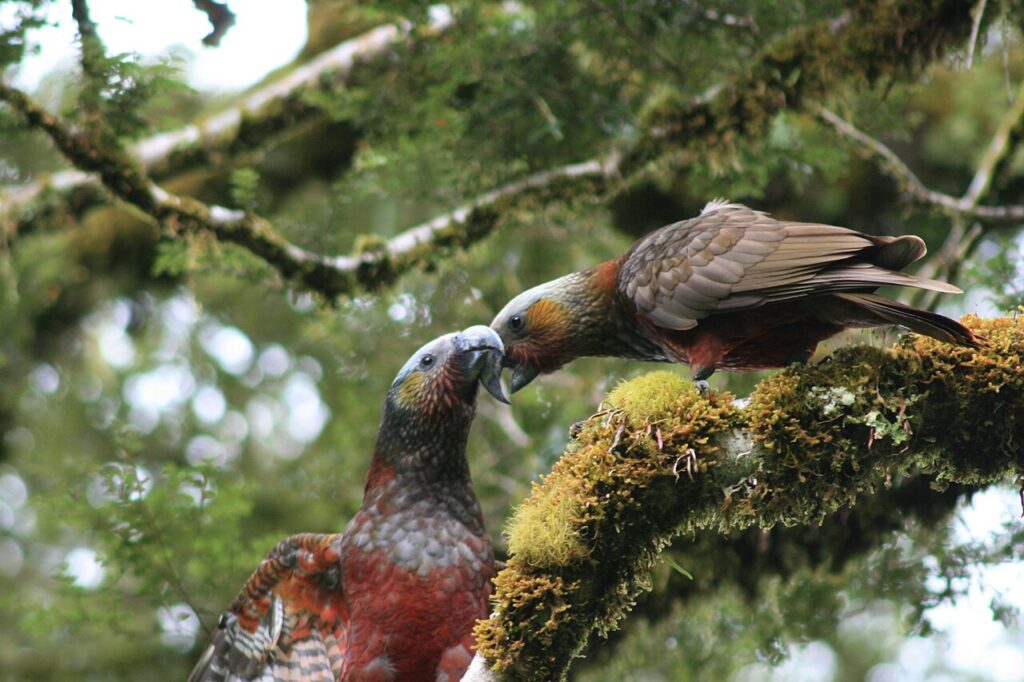
Native to New Zealand, the South Island Kaka is a large, forest-dwelling parrot that was once found across much of the island. With the arrival of European settlers and the introduction of predators, the Kaka’s numbers dwindled significantly. Thanks to dedicated conservation efforts, including predator control and habitat restoration, the South Island Kaka has slowly begun to recover. The bird is known for its vibrant plumage and strong, curved beak.
These parrots are known for their intelligence and ability to adapt to changing environments. The Kaka’s population is now growing, though it still faces threats from habitat destruction and predators. Conservationists continue to monitor their recovery, ensuring that new challenges do not set back the progress made. Protecting the forests where they live remains a top priority for long-term survival.
Laysan Albatross (Phoebastria immutabilis)
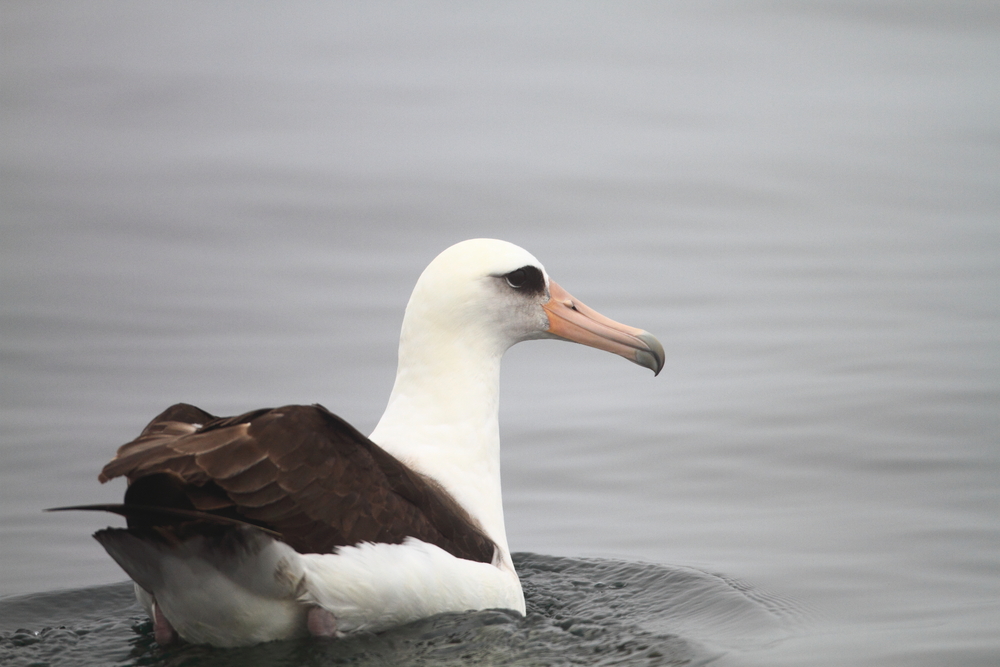
The Laysan Albatross, native to the Hawaiian Islands, was once severely threatened by habitat loss and introduced predators. Thanks to conservation programs focused on protecting nesting sites and reducing the impact of fishing, the population has steadily increased. Known for its long, narrow wings, this bird can travel vast distances across the ocean. The Laysan Albatross has a unique courtship display and forms strong pair bonds that last for life.
These albatrosses nest on remote islands, where conservation efforts include predator eradication and monitoring of the eggs. The birds rely on the surrounding ocean for food and are particularly vulnerable to oil spills and fishing practices. With ongoing efforts, the species has shown significant recovery, though challenges remain. The Laysan Albatross symbolizes the success of long-term conservation strategies in the face of human impact.
Whooping Crane (Grus americana)
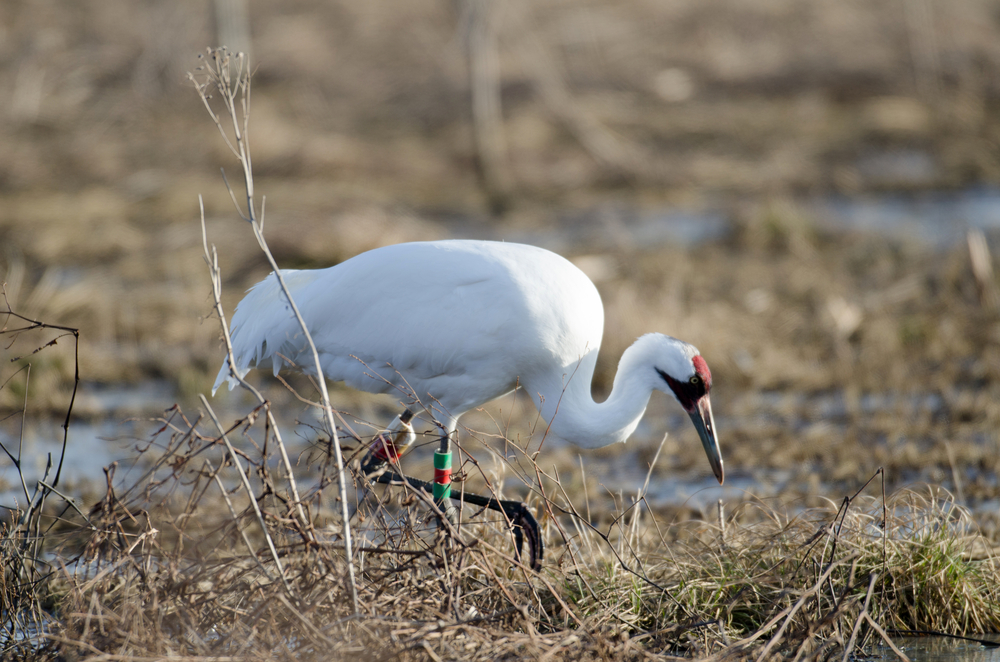
Once numbering fewer than 20 individuals in the wild, the Whooping Crane is North America’s tallest bird. Originally native to the wetlands of North America, it faced near extinction due to hunting and habitat loss. Captive breeding programs, alongside habitat restoration, have allowed the population to increase significantly. This crane is known for its striking white plumage and long, graceful neck.
Efforts to protect wetlands and migratory routes have been central to the crane’s recovery. These birds are highly vulnerable to changes in their environment, requiring careful management of their breeding and feeding grounds. While the population has made progress, ongoing conservation efforts are necessary to prevent setbacks. Whooping Cranes are closely monitored to ensure their continued survival.
Javan Rhino (Rhinoceros sondaicus)
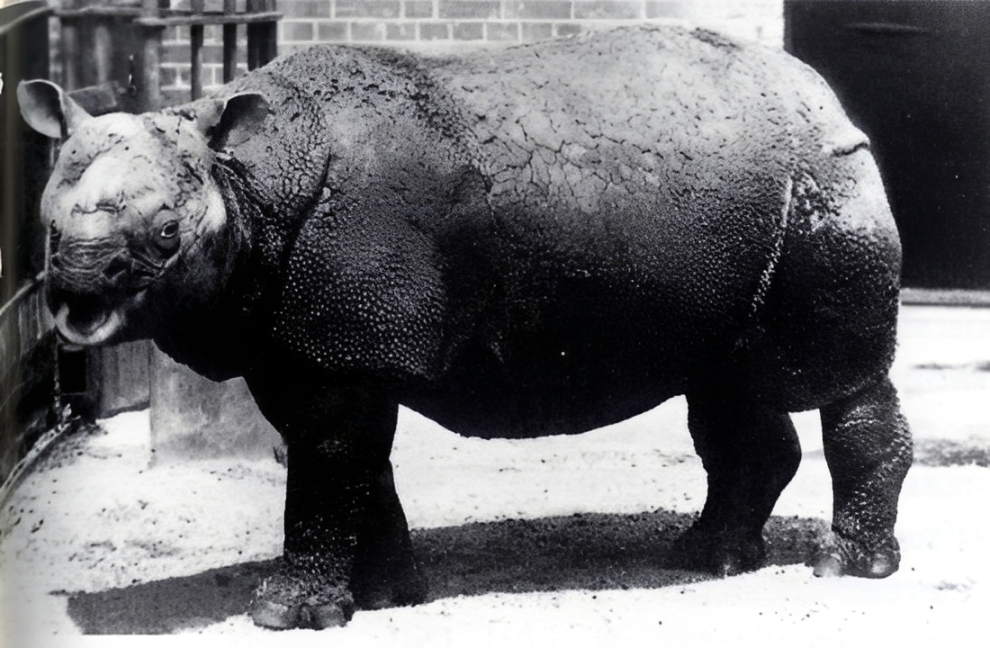
Native to Indonesia, the Javan Rhino was once found across Southeast Asia but now survives in small, protected areas. With only around 60 individuals left in the wild, the Javan Rhino’s population was decimated by hunting and habitat loss. Conservation efforts focused on creating a safe habitat and limiting human encroachment have helped the population stabilize. This rare rhino is distinguished by its thick, grey skin and large, horned snout.
Javan Rhinos are primarily herbivores and rely on dense, tropical forest ecosystems for food and shelter. The species’ habitat is under constant threat from deforestation and human development, requiring strict protection measures. With focused conservation, their numbers have started to grow, though they remain critically endangered. Protecting their habitat is key to securing their future.
Kakadu Cockatoo (Cacatua galerita)
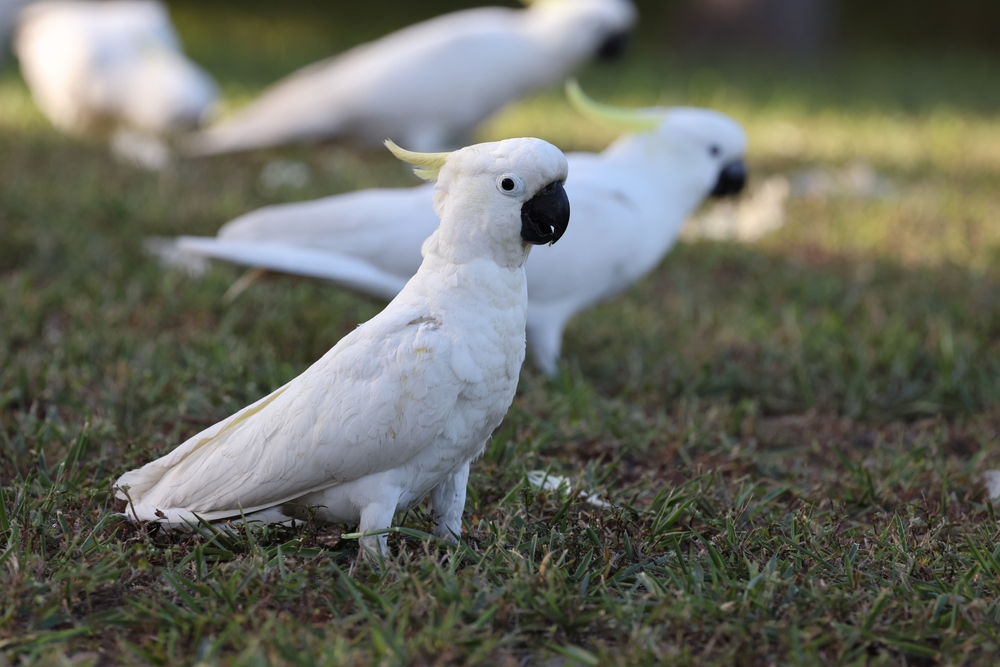
Found in the northern regions of Australia, the Kakadu Cockatoo faced population declines due to habitat destruction and illegal trapping. Conservation measures focused on protecting their habitats and reducing the impact of invasive species have led to a gradual recovery. The Kakadu Cockatoo is known for its large, white crest and playful behavior.
These cockatoos primarily live in coastal and woodland habitats, where they feed on seeds, fruits, and insects. Habitat restoration and legal protections for their nesting sites have helped their numbers rise. They are highly social birds and depend on family groups for survival. Conservation efforts continue to monitor their progress and ensure that threats to their habitats do not hinder their recovery.
Peregrine Falcon (Falco peregrinus)
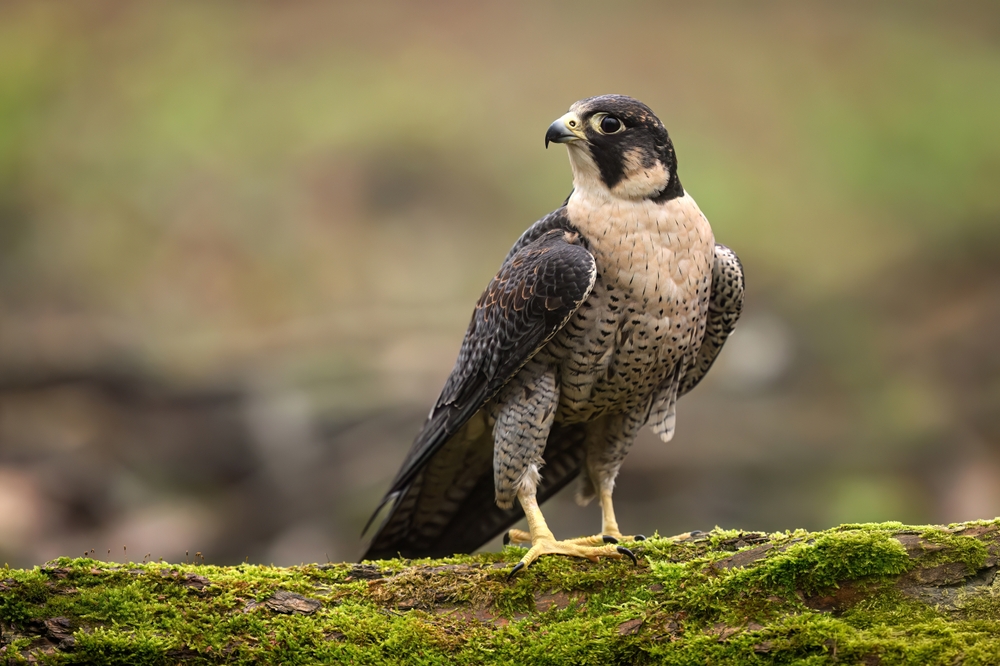
Once on the brink of extinction due to pesticide use and hunting, the Peregrine Falcon has made a remarkable comeback. By the 1970s, this bird of prey was almost extinct in North America, but thanks to captive breeding programs and the banning of harmful pesticides like DDT, the population has soared. Known for its incredible speed, the Peregrine Falcon is the fastest bird in the world, capable of reaching speeds of over 240 mph during its hunting stoop.
The Peregrine Falcon’s recovery is one of the greatest success stories in avian conservation. Ongoing monitoring and habitat restoration programs have supported the falcon’s return to cities, cliffs, and coastal areas. Today, these falcons can be found across North America, Europe, and parts of Asia. Continued efforts to protect their habitats and prevent poaching are critical for maintaining healthy populations.
This article originally appeared on Avocadu.