
14 Rare Baseball Gloves From Defunct Brands
Some of the most interesting vintage baseball gloves come from brands that no longer exist. These pieces can be tough to track down, but they often have details you do not see on modern gloves. This list highlights rare gloves from defunct makers that collectors still talk about, from old store brands to short-lived sporting goods names.
This post may contain affiliate links, which helps keep this content free. Please read our disclosure for more info.
Draper & Maynard (D&M) Professional Model Basemitt
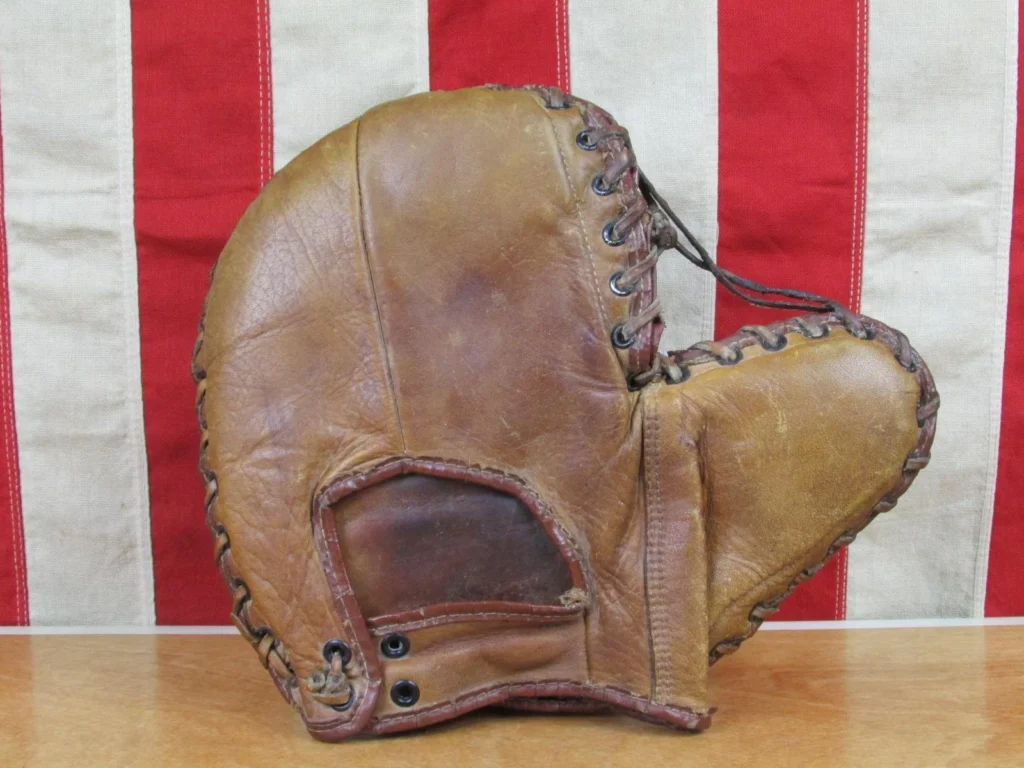
Draper & Maynard gloves often show up with thick, old school leather that feels like it was built for long seasons on rough fields. Many D&M basemitts have a deep pocket and a wide, rounded shape that looks different from later pro styles. Look closely at the stamping and patching because those details are usually what sets one model apart from another. If the mitt still has clean laces and a readable model mark, it tends to stand out fast to collectors.
On a display shelf, this kind of basemitt has real presence because the leather usually darkens into a warm, uneven tone with age. The heel padding can be bulky, which makes the glove feel heavy in the hand even today. Some examples have hand done repairs, and that can be part of the story as long as the work matches the period. Condition matters, but honest wear often looks better than a shiny redo that wipes away the glove’s character.
GoldSmith Big League Model First Baseman’s Mitt
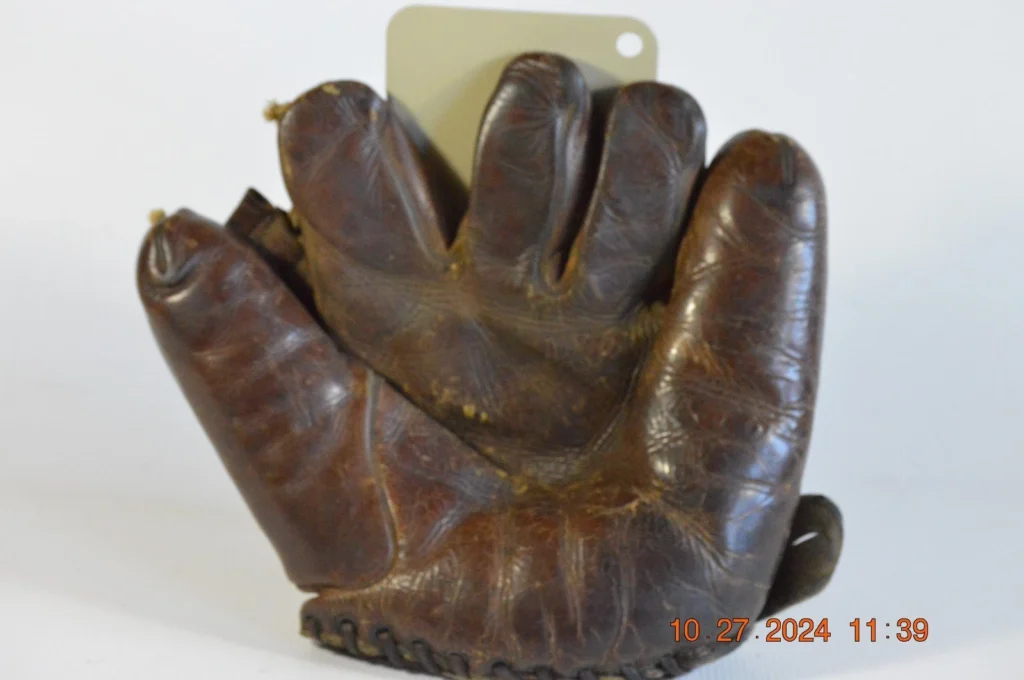
GoldSmith made a lot of equipment, and their vintage gloves can have a clean, straightforward look that still feels serious. The Big League labeled first base mitts often feature a generous catching area and a simple web that was meant to do one job well. You will sometimes see bold looking brand marks on the wrist or heel that are easy to spot from across a room. The leather can range from smooth to grainy depending on the run and how it was stored.
Pick one up and you may notice that the break in pattern feels different than modern mitts because the padding sits in other places. The lacing layout can be a giveaway, especially around the web and the outer edge. Tags, patches, and original laces add value, but so does a shape that has not been flattened. If you are buying online, ask for a photo of the palm and the heel so you can judge cracking and thinning.
Stall & Dean Full Web Fielding Glove
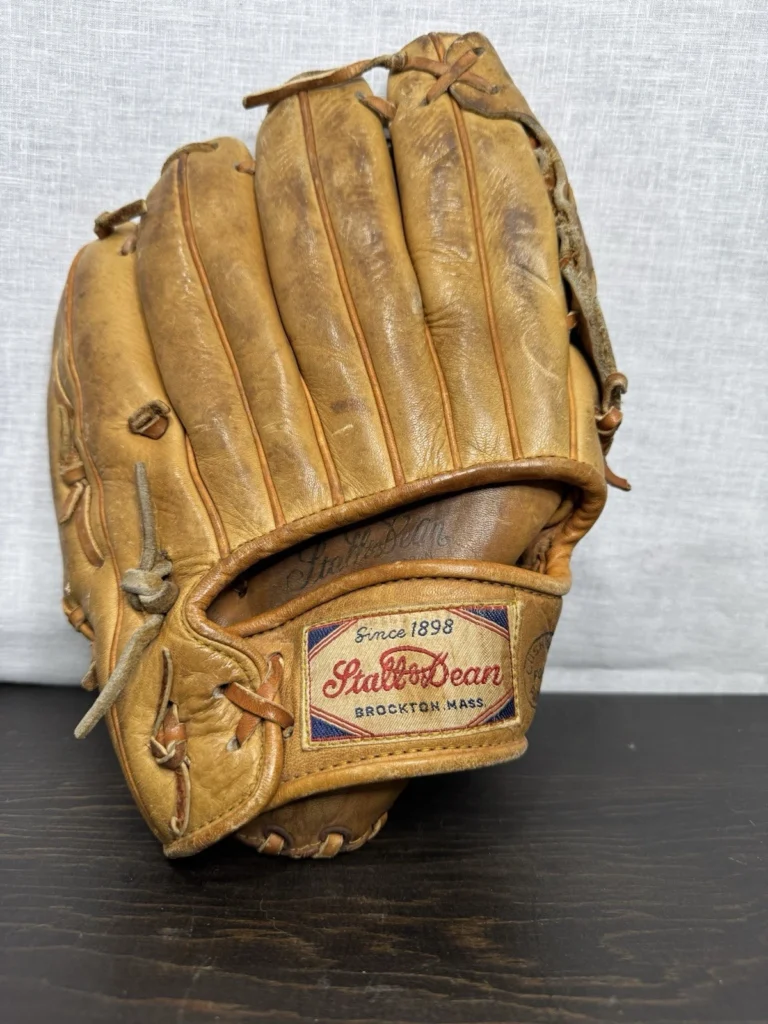
Stall & Dean is better known for uniforms, which makes their gloves a fun surprise when one shows up. A full web Stall & Dean glove often has a tidy, classic outline with a web that looks more like a sheet than a ladder. Many examples have small stamp marks and simple line work rather than flashy logos. That understatement is part of the appeal, especially if the glove has a clean, intact web.
The best ones keep their finger stalls firm and do not sag at the tips. You might see edge piping that has worn down, which is common and not always a deal breaker. Some gloves from this maker have slightly narrower hand openings, so comfort can vary by model. If the web is still strong and the palm is not split, it can be a really satisfying glove to own.
Denkert Personal Model Fielder’s Glove
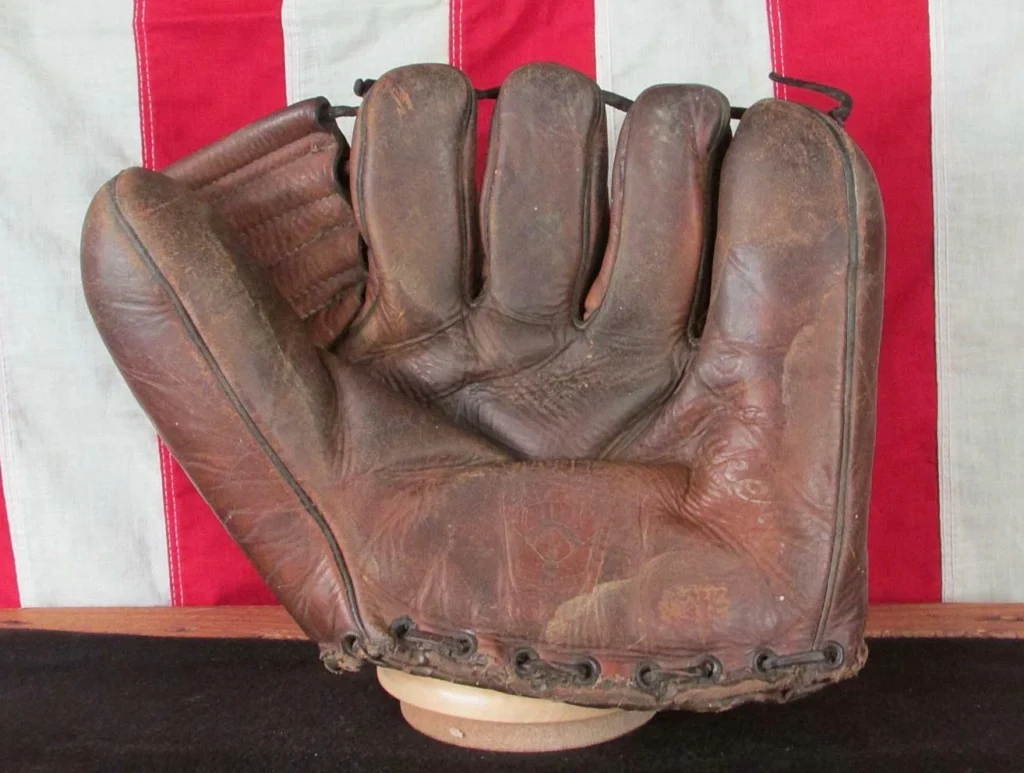
Denkert gloves have a reputation for being hard to find in nice shape, which is why collectors get excited when one appears. The Personal Model style often has a classic infield friendly shape with a pocket that feels quick rather than deep. Many have a clean wrist strap area and a simple brand mark that looks almost understated. The leather can feel stiff at first, even when it is worn, because older tanning methods age in their own way.
When you look at photos, check the web points and the thumb side because those are common stress spots. A Denkert with original laces is a treat, but replacements can be fine if they are done neatly and match the look. Some versions have unique stitching patterns that make them easy to recognize once you learn them. If you like gloves that feel like pieces of sporting goods history, this maker is a strong pick.
Ken-Wel Signature Model Infield Glove
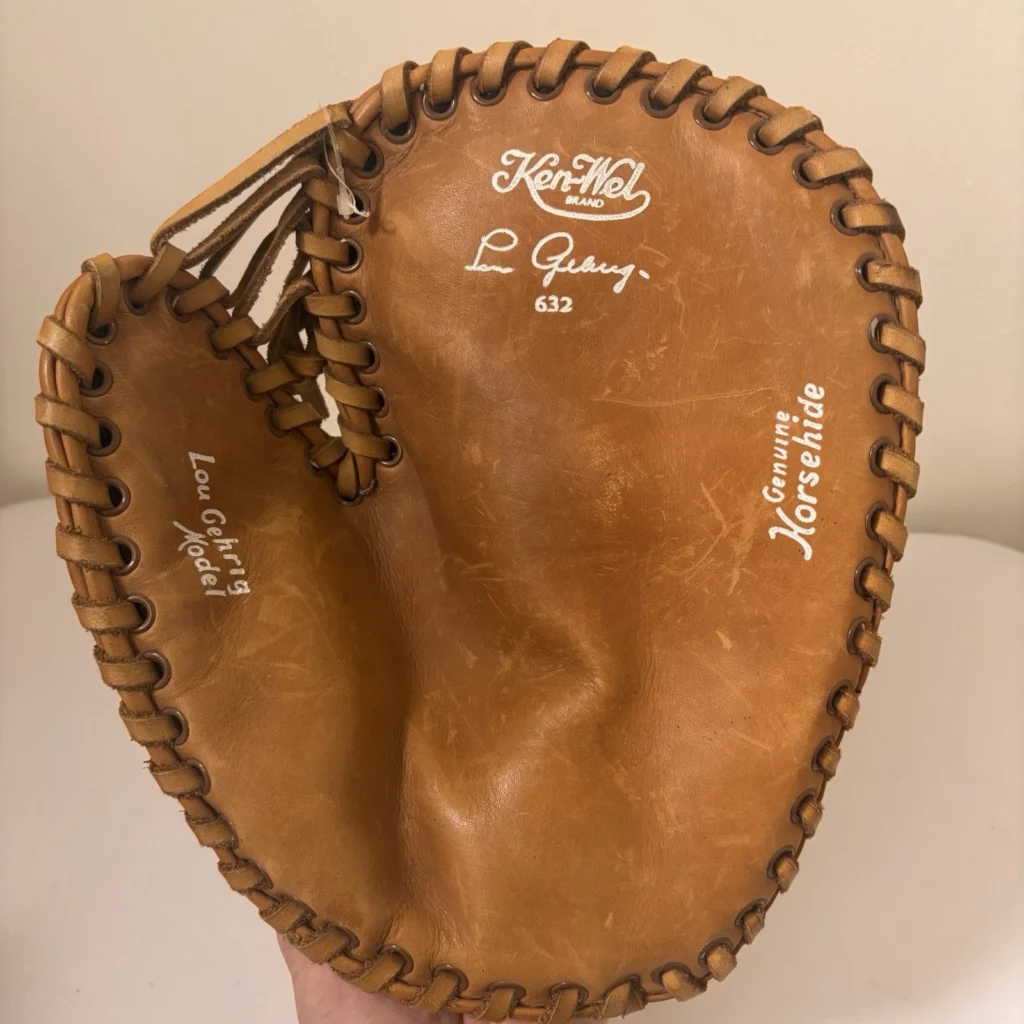
Ken-Wel is one of those names that can fly under the radar until you hold one. Their Signature labeled gloves often have attractive stamp work and a balanced shape that sits nicely in the hand. The pocket tends to form naturally, and many models have clean lines that look great in photos. You will also see some interesting web styles depending on the year and model run.
A lot of Ken-Wel gloves show honest wear, so you want to focus on structure. Check the fingers for soft collapse, since that can make the glove look tired even if the palm is fine. The wrist strap area is another place to inspect because cracking there can spread. If the glove still holds a nice curve and the web is not torn, it usually displays beautifully.
Spalding King Patent Fielder’s Glove
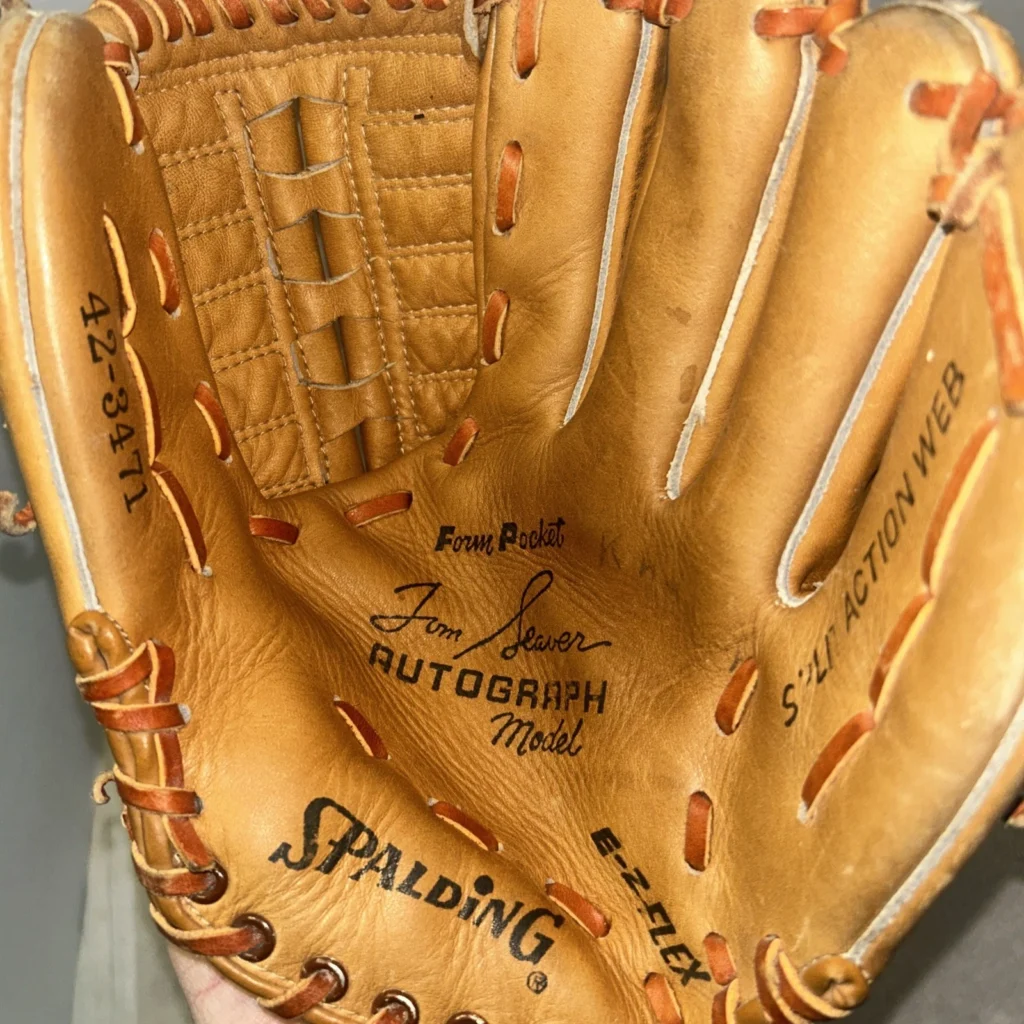
Older Spalding gloves tied to patent era designs can have construction details you do not see later. The King Patent style is often linked with early design ideas, like special seams, strap systems, or palm shaping meant to improve catching. Some models show very distinctive stamp markings that collectors love to photograph and compare. The leather is usually thick and can feel almost board like until it is conditioned carefully.
These gloves are often bought as display pieces, but they still tell you a lot about how the game looked back then. Look for intact straps, readable markings, and stitching that has not popped along the palm. Repairs are common, and they are not always bad if they are stable and period appropriate. If you want a glove that looks like it came from another era, this is the kind that does it.
Reach (A.J. Reach) Top Grade Fielding Glove
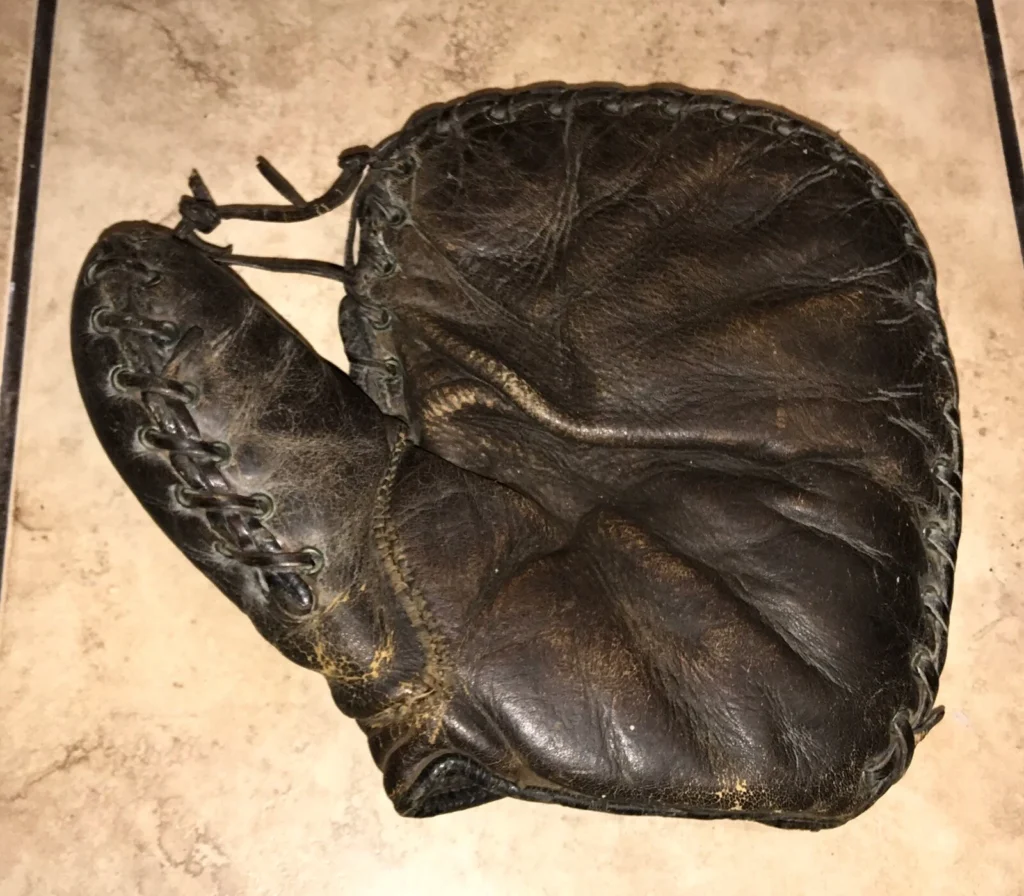
A.J. Reach gloves have strong early baseball ties, which gives them extra appeal beyond the leather itself. Many Reach fielding gloves have clean, old fashioned shapes and simple webs that feel true to the time. The stamp can be faint on worn examples, so a clear mark is a big plus. Even when the glove is scuffed, the overall look often stays classy and cohesive.
You will want to check the palm closely, since thin spots can hide under darkened leather. Some Reach gloves have wrist closures that can dry out and crack, so photos of that area help a lot. The best examples keep their form, with fingers that still stand up rather than curling flat. For collectors who like early brand history, Reach gloves are easy to get attached to.
Wilson Playmaker Split-Finger Basemitt
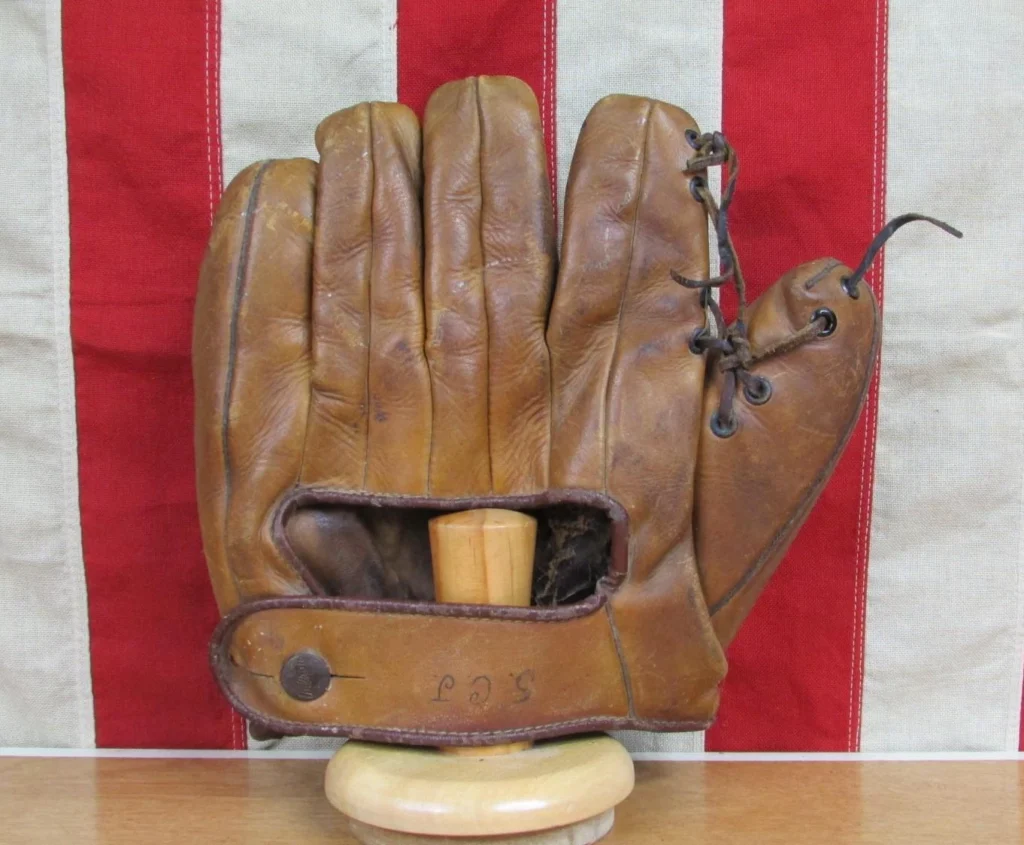
Even though Wilson is a familiar name, older Playmaker era mitts can feel like a different category compared to newer retail gloves. Split finger first base designs stand out right away, and they have a very recognizable silhouette. The pocket can be huge, and the glove often looks ready to scoop low throws all day. Older labels and patch styles are what usually separate the more collectible versions from common ones.
Condition checks are simple but important here, so focus on the split area and the web lacing. If the split finger section is stretched out or torn, repairs can be tricky and pricey. A mitt that still has good shape at the edges tends to photograph well and looks better on display. If you plan to use it, comfort depends a lot on the lining and the wrist opening.
Rawlings Trapper Style Fielder’s Glove
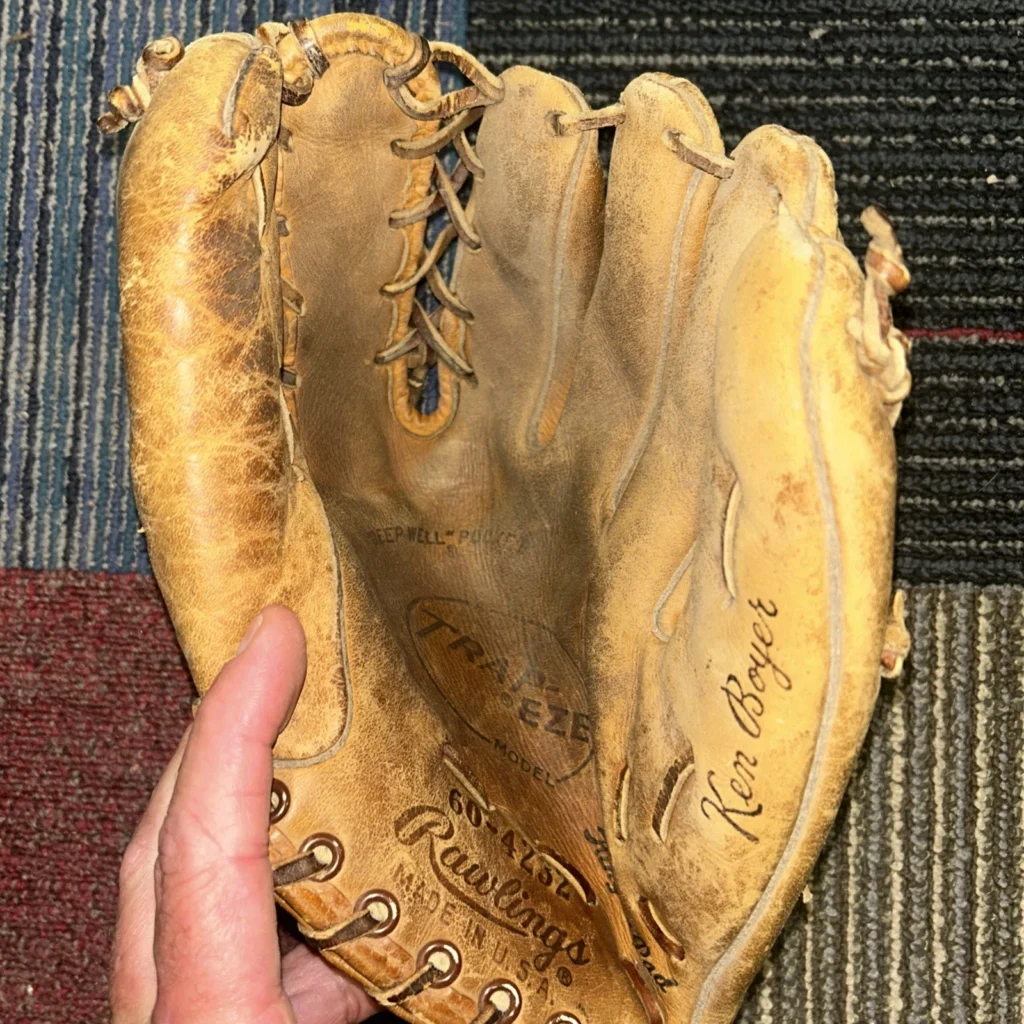
Rawlings trapper style gloves are popular with collectors because the web look is instantly recognizable. Older trapper designs often have wide, open webs that give the glove a bold visual profile. The leather can be buttery on some examples, while others feel stiff and dry depending on storage. Many have strong patch designs that make them easy to date by style cues.
The web is the first thing to inspect, since that is where damage shows up fastest. Look for stretched holes, missing lace segments, or tears where the web meets the fingers. A glove with a clean palm stamp and a web that still sits square usually draws attention. These are also fun because they look great in photos, even if you are not a glove expert.
Nokona Made in USA Buckle-Back Glove
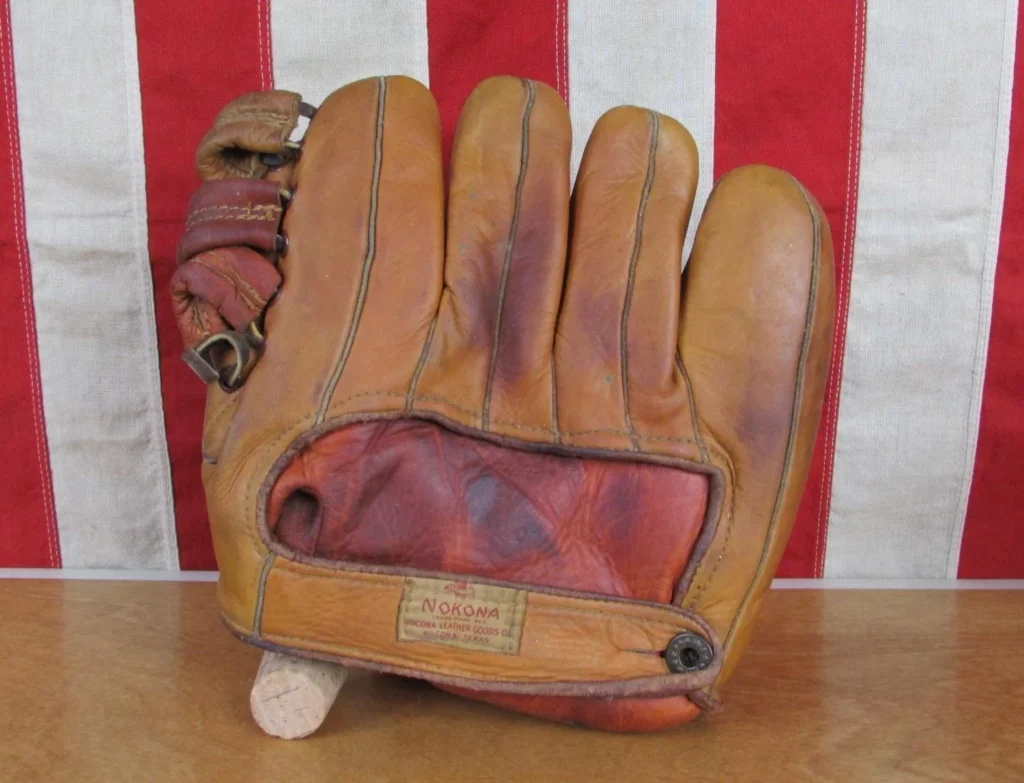
Nokona gloves with a buckle back style have a distinctive look that feels very old school. The buckle gives the wrist area a clean, functional vibe, and it also adds a nice visual detail for display. Many of these gloves have tight stitching and leather that ages into a rich tone. If the buckle hardware is still present and not rusted out, that is a big win.
Fit can vary a lot, so the glove may feel smaller than you expect. Check the lining and the buckle strap holes because those areas often dry out first. Some examples have palm padding that is still surprisingly firm, which helps the glove keep its shape. For collectors, the buckle back detail alone can make a Nokona stand out in a lineup.
Marathon Sports Goods Backless Palm Glove
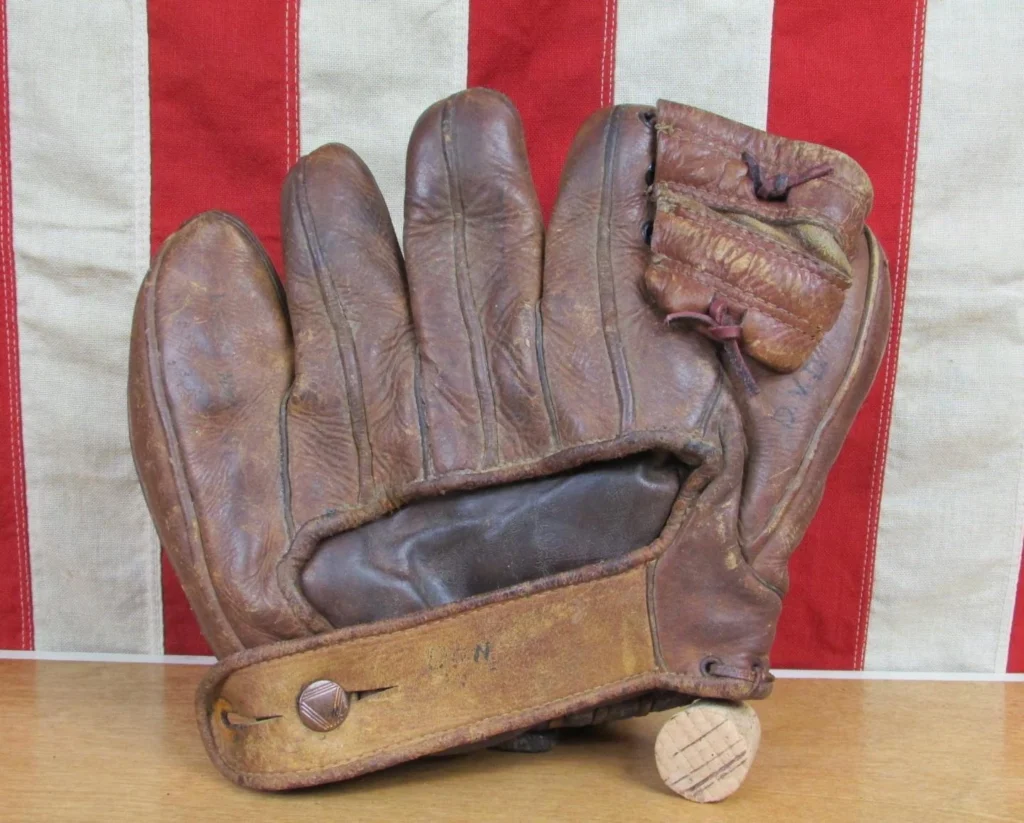
Backless palm designs are a cool throwback because they show how glove makers tried different ideas to improve feel and grip. A Marathon branded glove in this style can look unusual at first, especially if you are used to full palm leather. The open palm area can make the glove feel lighter, and it gives the piece a very specific period look. Because they are not as common, people tend to stop and stare when they see one.
These gloves need careful checking around the edges of the open section, since that is where tearing can start. Stitching along the palm border matters a lot, and loose threads can signal deeper problems. If the glove still has a solid web and finger structure, the backless palm becomes a fun feature instead of a flaw. It is a great conversation piece for a vintage sports display.
J.C. Higgins (Sears) Premium Leather Fielder’s Glove
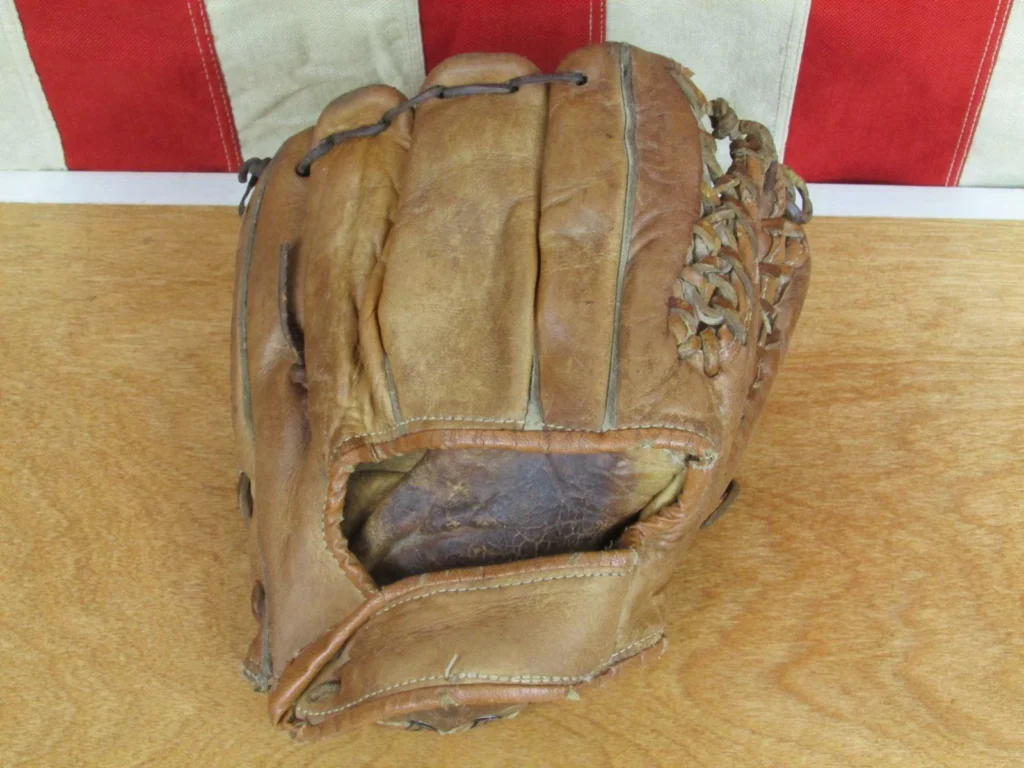
J.C. Higgins store brand gloves are a classic collectible category because they connect baseball history with retail history. Many have surprisingly nice leather for a store line, especially on higher grade versions. The markings can be simple, but the branding is clear enough that people recognize it fast. You also get a wide range of web styles, which makes building a small collection pretty fun.
When you shop, look for clear stamps, intact lacing, and a pocket that has not been mashed flat. Some gloves have labels that peel or crack, and that can hurt display value more than normal scuffs. The heel and thumb areas tend to show the real story of how much the glove was used. If those spots are solid, you are usually in good shape.
JC Penney Pennant Store Brand Fielding Glove
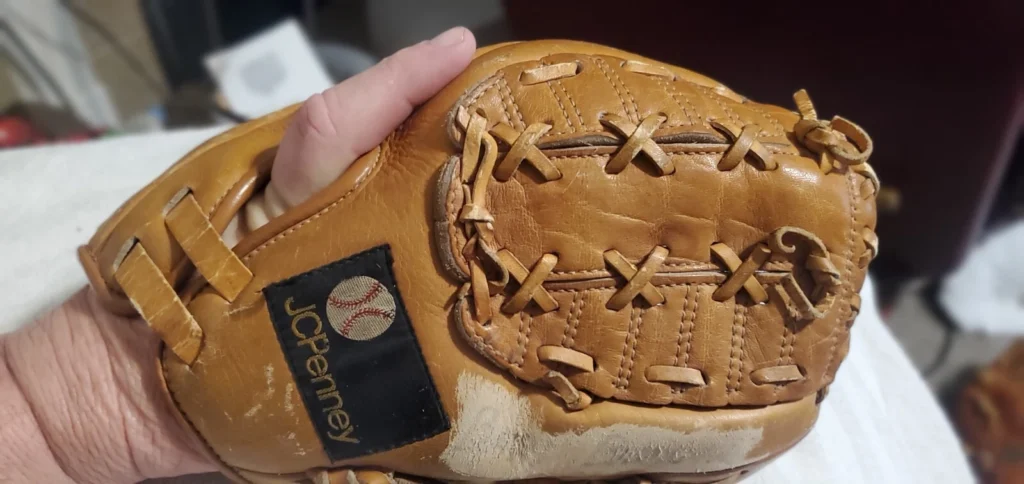
Pennant gloves from JC Penney are another store line that collectors like because they feel familiar and personal. Many have clean stamp work, and some include model details that help you narrow down the era. The leather can be lighter weight than pro lines, but that does not mean it lacks charm. A good Pennant glove often has a classic, balanced outline that looks right in photos.
Look closely at the pocket and palm because thin leather can wear through there first. The wrist strap area is also important since store line gloves sometimes used simpler closures. If the glove has a nice, even patina, it can look better than a heavily polished example. These are the kind of gloves that feel like they came from someone’s first season, and that story adds to the appeal.
Montgomery Ward Riverside Fielding Glove
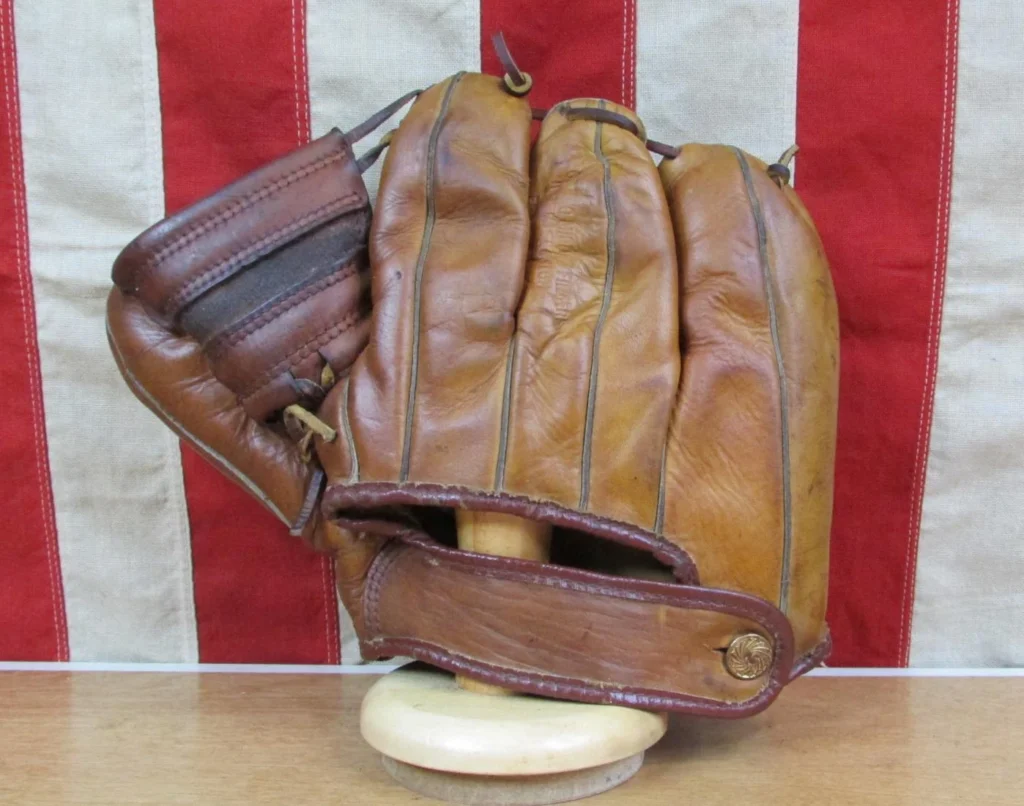
Riverside gloves from Montgomery Ward fit right into the classic catalog brand collecting niche. They often have clear markings and a traditional shape that feels like mid century baseball. Web styles vary, but many versions look sturdy and simple rather than fancy. Because they were widely sold, you can sometimes find them, but truly clean examples are still not common.
A Riverside glove with readable stamps and original laces can be a really satisfying find. Check the fingertips for splits, since that is a common aging point on gloves that sat in hot attics or garages. The lining can also tell you a lot, so look for flaking or peeling inside. If those areas are solid, the glove will usually hold shape well and look great on display.
This article originally appeared on Avocadu.