
13 Rare American Homologation Cars That Were Built to Race
Homologation cars are an essential part of motorsport, built to comply with regulations for racing participation. These cars take regular production models and transform them into high-performance machines capable of handling the toughest races. The modifications can range from minor tweaks to major upgrades, with the sole purpose of making them race-ready. Homologation cars showcase the dedication of manufacturers to push the limits of their vehicles.
This post may contain affiliate links, which helps keep this content free. Please read our disclosure for more info.
1969 Ford Mustang Boss 302
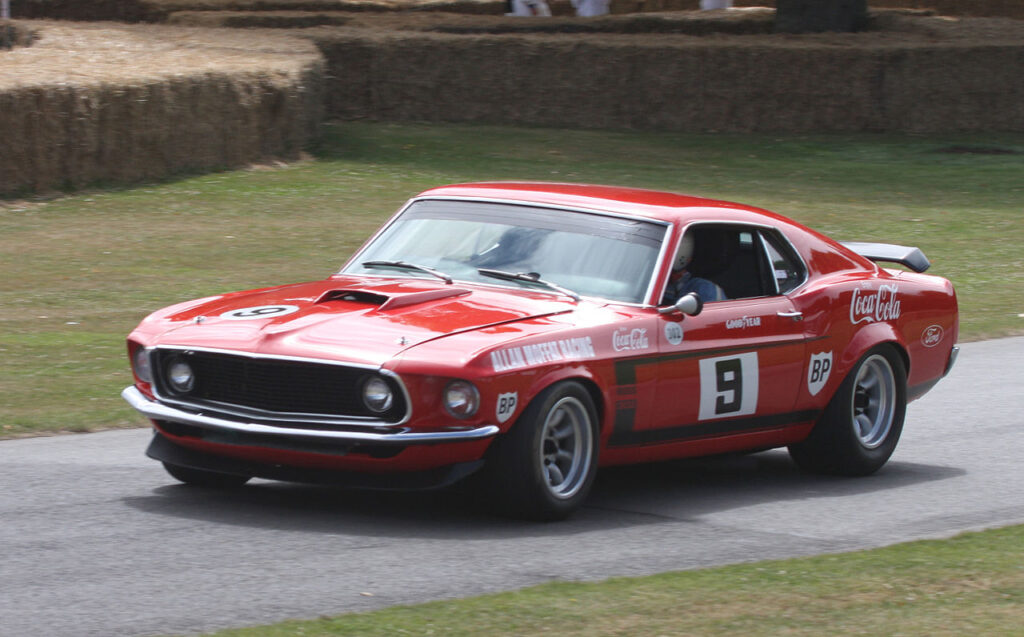
The Ford Mustang Boss 302 came out in 1969 to help Mustang compete on road courses. It was given a high-revving engine and special suspension parts that were suited for racing circuits. Today, collectors might value a good example at around $130,000. Fans praise its balance and the way it handles tough turns.
Aside from its engine upgrades, the Boss 302 wore special stripes and a front spoiler that signaled its racing intent. It was built so it could take part in Trans Am events without big changes. In the current market, exceptionally clean cars can fetch over $150,000. This Mustang remains a favorite for drivers who like classic race heritage with street use.
1967 Chevrolet Camaro Z28
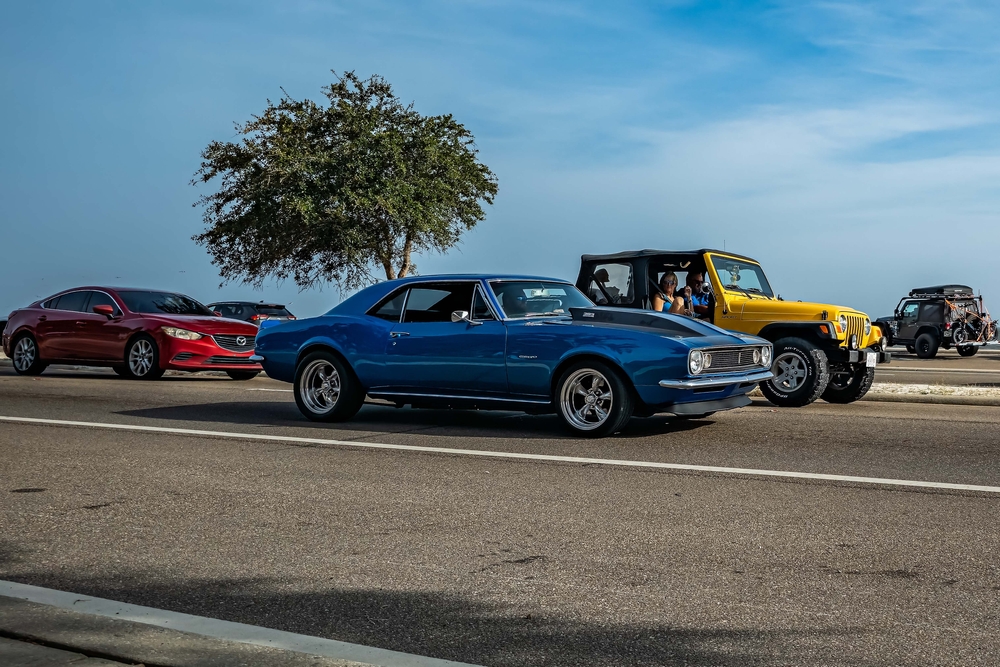
When Chevrolet released the Camaro Z28 in 1967, it was aimed at beating rivals in the Trans Am series. The Camaro had a high-output small block engine and lighter body parts that made it competitive on track. Rare and original cars often bring prices north of $100,000 today. Its tight handling helped it post good lap times back in the day.
The Z28 was fitted with special suspension tuning and a close-ratio gearbox for racing use. It did not carry big power numbers, but it was quick where it mattered in actual racing conditions. A restored example might reach $120,000 or more. Many of these cars are shown at events because they come from a rich era of Muscle Car racing.
1970 Plymouth Hemi Cuda
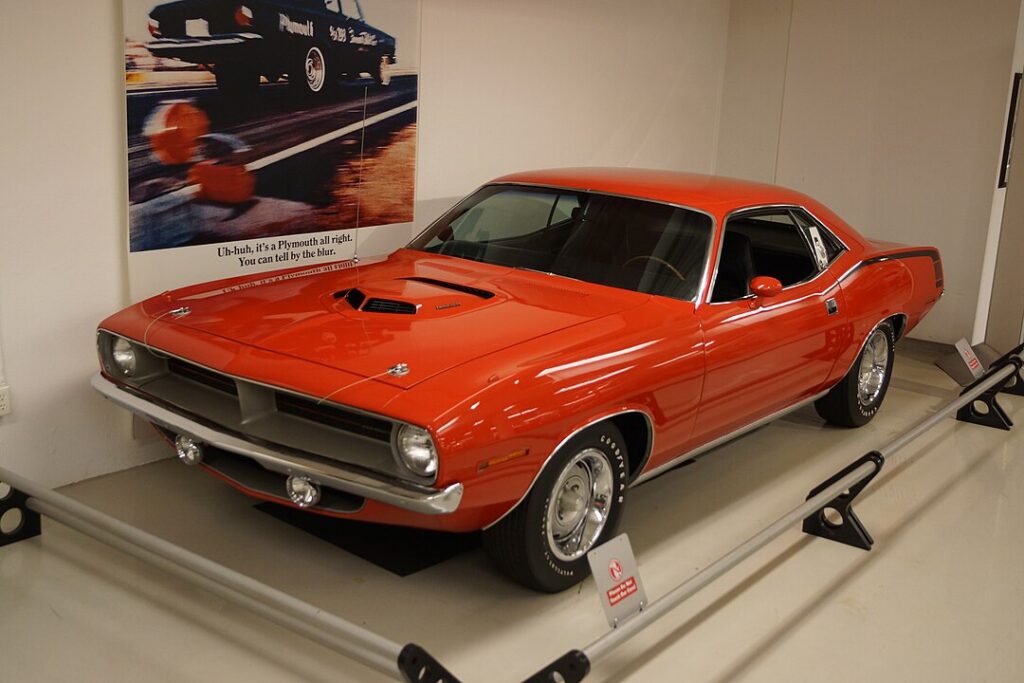
The Plymouth Hemi Cuda first appeared in 1970 with a mighty 426 Hemi engine under the hood. It was designed so that racers could take advantage of its brute strength in drag strips and other contests. Today, a top-condition Hemi Cuda is known to sell for multiple millions of dollars. Its presence on the road commands attention from fans of classic speed machines.
Plymouth added heavy-duty brakes and a strong cooling system to make the car race-capable right from the factory. That engine was legendary for low-end torque and bursts of acceleration. Collectors treat this model as a marquee piece of history. The value reflects both its scarcity and racing legacy.
1970 Plymouth Superbird
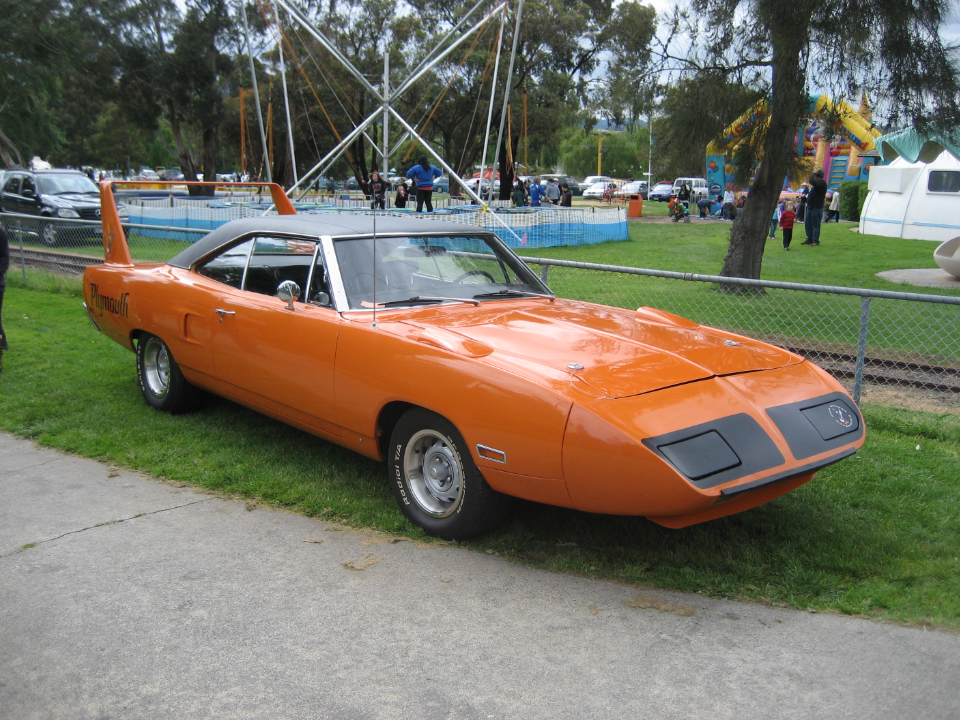
The Superbird arrived in 1970 with its tall rear wing and streamlined nose to perform well in NASCAR events. Plymouth made just enough cars so that racers could enter official stock car competitions. These cars often sell for more than $1,000,000 in good shape today. The look is unforgettable with its bright colors and odd proportions.
Racing teams appreciated the aerodynamics that the Superbird brought to high-speed ovals. It was based on the Road Runner but changed extensively for competition. The performance gains were clear on tracks that rewarded straight-line speed. That heritage makes it a trophy car at shows and private collections.
1969 Dodge Charger Daytona

Dodge put the Daytona into production in 1969 with a long nose and massive wing so it could be legal in NASCAR. The car’s extreme shape helped it cut through the air and win races on superspeedways. Values now exceed $1,000,000 for unrestored cars that show correct details. Fans talk about it as one of the most dramatic designs in American racing history.
Under the hood was a powerful V8 that gave it strong acceleration off the line. It was a hit with drivers who needed every advantage on wide, fast tracks. Today, examples are rare and highly prized. Its presence in vintage races continues to draw large crowds.
1971 AMC Javelin AMX
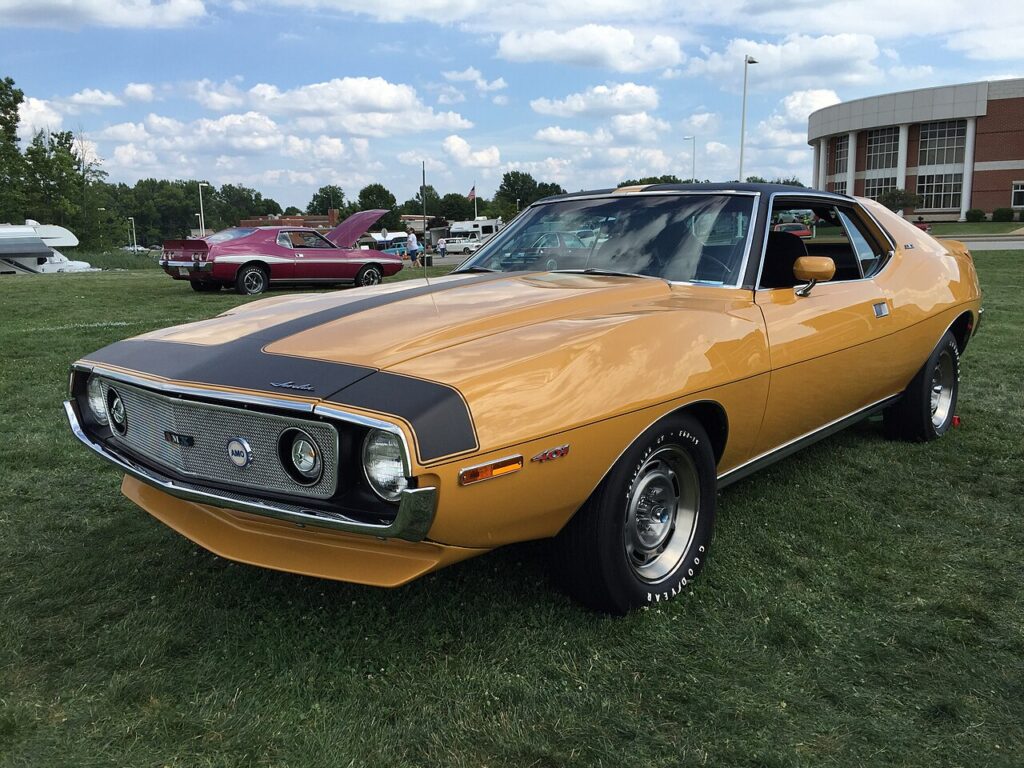
AMC offered the Javelin AMX in 1971 so it could take part in SCCA circuits and compete with bigger brands. The car included a hefty V8 and a suspension suited for road courses. Presently, solid examples might reach around $70,000. It helped put AMC on the map in competitive racing circles.
Special features on this Javelin included stronger brakes and wider tires for cornering grip. It was not built in huge numbers, but enough were made to satisfy racing rules. The model earned respect for its performance against rivals that cost more at the time. Today, interest comes from enthusiasts who like unique racing stories.
1974 Chevrolet Chevelle Laguna S3
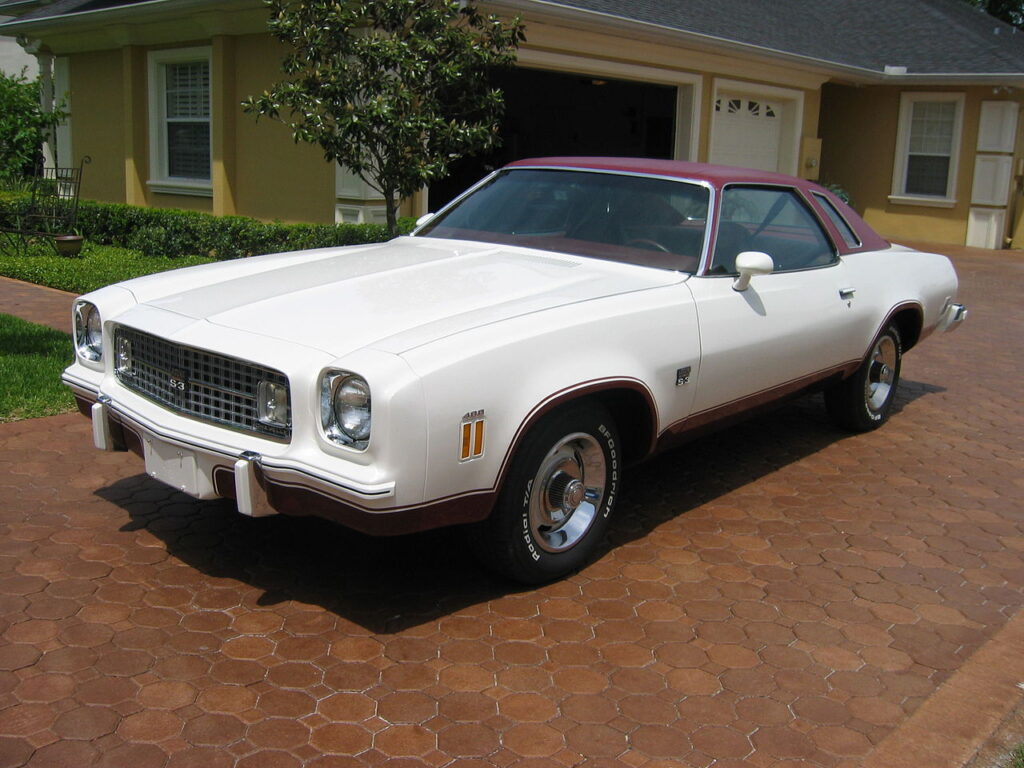
Chevrolet introduced the Chevelle Laguna S3 in 1974 to stay competitive in NASCAR. The Laguna had aerodynamic adjustments from the standard Chevelle and was supported by Chevrolet for racing teams. Prices now range around sixty to $80,000 based on condition. Its hood bulge and revised front end gave it a purposeful look.
Race-ready suspension parts and heavy-duty cooling helped it run in long NASCAR events. The Laguna name became linked with racing success during that era. Drivers liked how it stayed stable at high-speed tracks. Today, it appears at classic car gatherings where fans celebrate its period achievements.
1988 Buick Grand National GNX
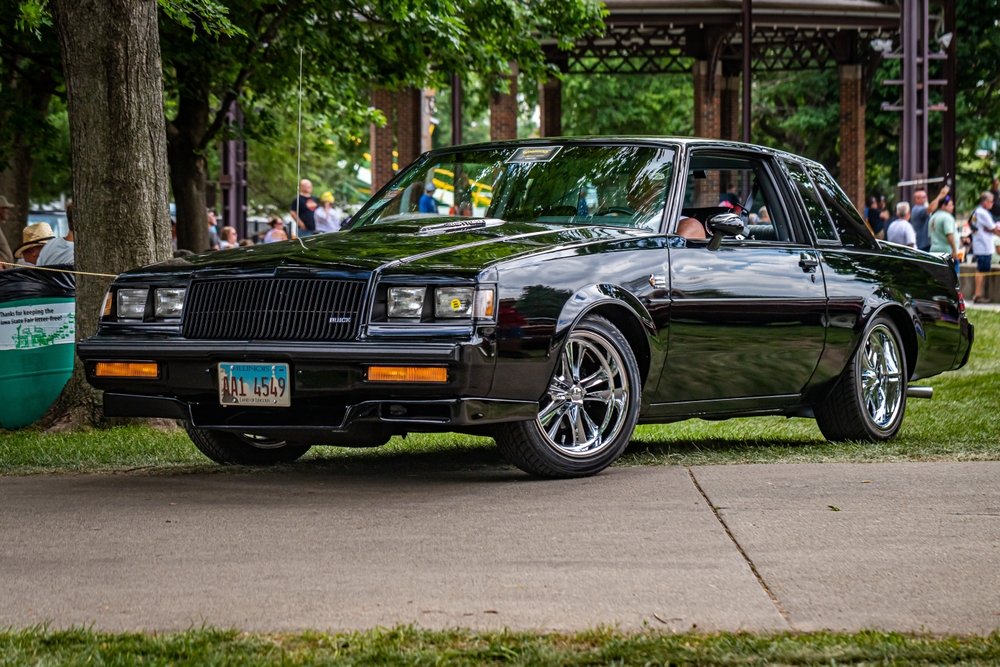
The Buick Grand National GNX was released in 1988 as a limited model aimed at straight-line performance. It included upgraded turbocharged power and suspension bits that made it quicker than most of its peers. Collectors value GNX cars at around $100,000 or more. Its sleek all-black appearance has become iconic.
Buick and a partner modified the engine so it produced strong mid-range torque that helped it beat many rivals of its day. The car could outpace many exotic cars from overseas in quarter-mile tests. Today, it remains a favorite among those who like vintage performance with a unique look. The GNX stands out as a Mustang-era alternative that turned heads.
2000 Ford Mustang SVT Cobra R
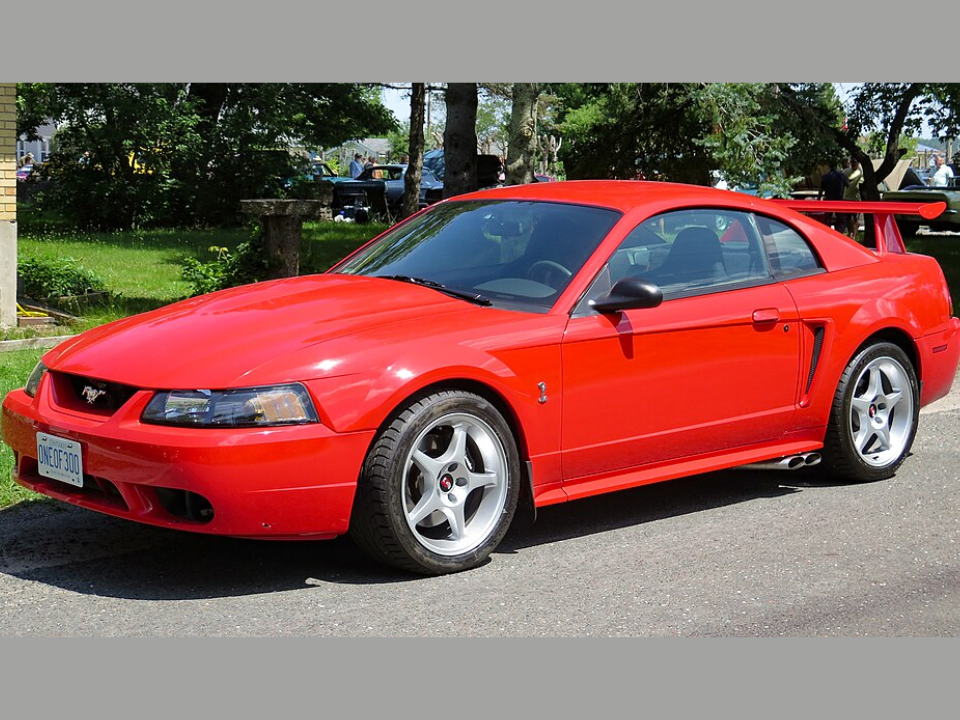
Ford introduced this Mustang in 2000 to meet racing demands with no air conditioning or radio to cut weight. It ran a large displacement V8 and had upgrades to brakes and suspension to handle tight tracks. The current price for a neat example can be around $80,000 to $100,000. It gave drivers performance without extra street comforts.
The SVT team strengthened the chassis and tuned the car for enthusiastic driving. Only a small number were made, which makes them desirable for collectors. Many owners enjoy taking them to track days where their abilities can be tested. The rarity adds to the draw at shows and meet-ups.
1988 Chevrolet Camaro IROC-Z
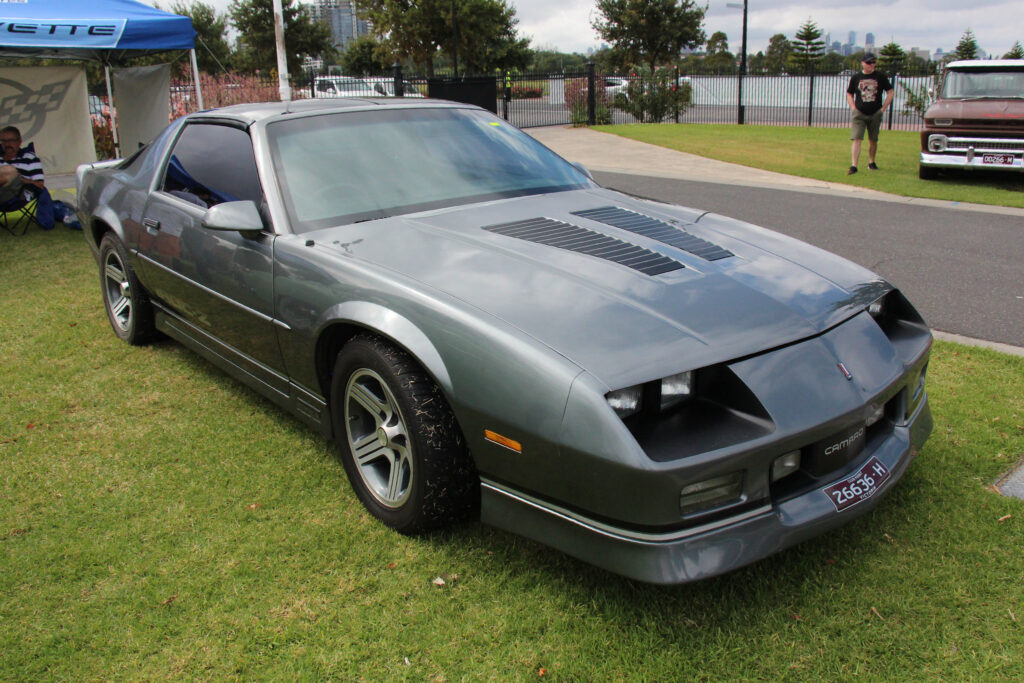
The Camaro IROC-Z hit showrooms in 1988 to reflect its ties to the International Race of Champions. It included handling upgrades and engine tweaks that made it more engaging on winding roads. A clean IROC-Z might be priced around $40,000 to $60,000 now. Its black and red trim was popular with fans of the series.
Chevrolet added special shocks and staggered tire sizes to sharpen turn response. The name itself drew attention because of the racing series that pitted top drivers against each other. Though not a pure competition car, it carried a strong link to racing culture. Many owners enjoy driving them on weekends because they feel lively.
1995 Ford Mustang SVT Cobra R
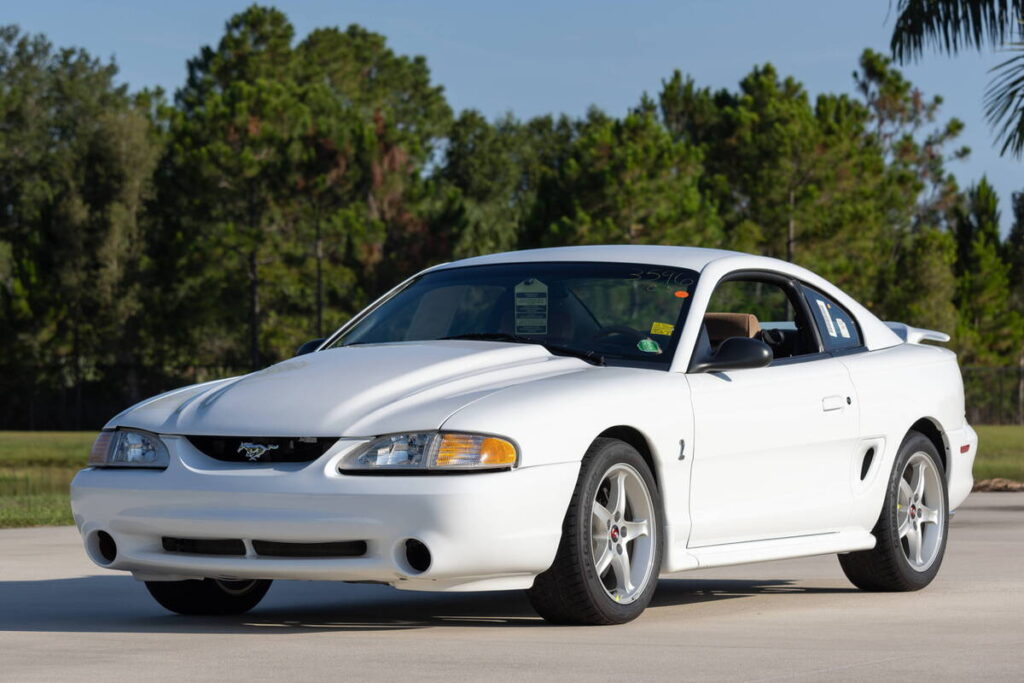
Ford introduced this Cobra R model in 1995 to improve Mustang’s race-ready offerings. It came with no air conditioning and few comforts to keep weight down for better track performance. Currently, prices for well-maintained examples range from $50,000 to 70,000. This model made waves with its improved performance parts and exclusive features.
Ford designed it to be the fastest version of the Mustang, and it could handle the rough demands of motorsport. The body was stiffer, with improved suspension and engine tuning. The stripped-down nature made it a car for serious drivers. That focus on racing made it one of the most respected versions of the Mustang.
1990 Chevrolet Corvette ZR-1
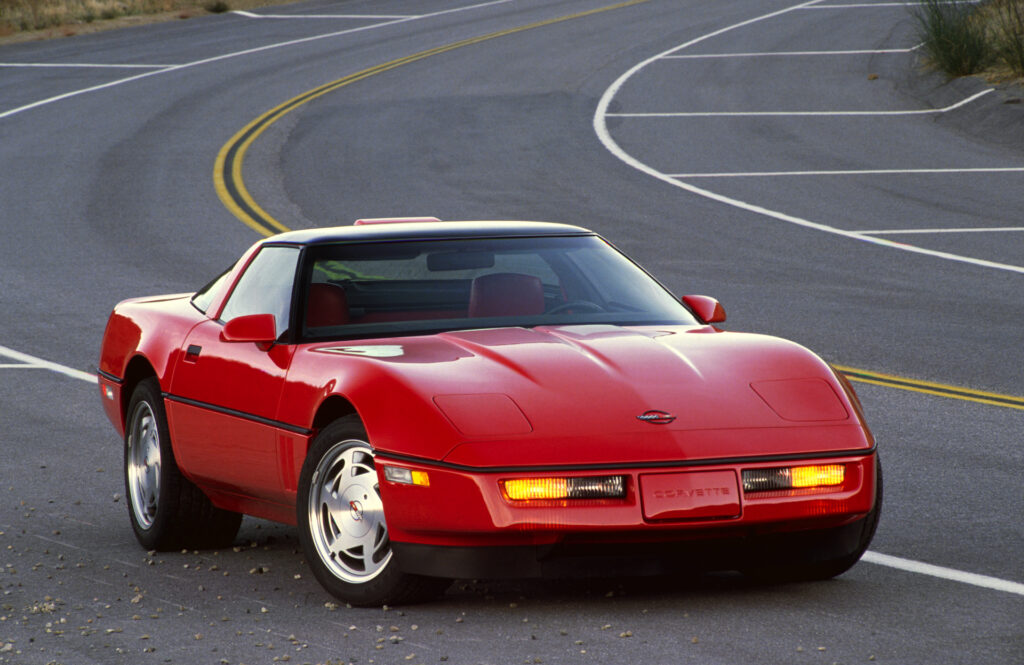
Chevrolet unveiled the Corvette ZR-1 in 1990 with a multi-valve engine that set it apart from other Corvettes. It was created so that it could hold its own in sports car events that required production car roots. Today, a ZR-1 from that era might fetch between $60,000 to $100,000. Its long hood and flush body lines made it stand out on highways and tracks.
The engineering included a special block and head design to get more breathing and power. Drivers appreciated how it delivered sustained speed on long straights. The car offered a different flavor of Corvette performance that was linked to competitive driving. Many collectors point to it as a turning point for Corvette ambitions.
1979 Pontiac Firebird Trans Am
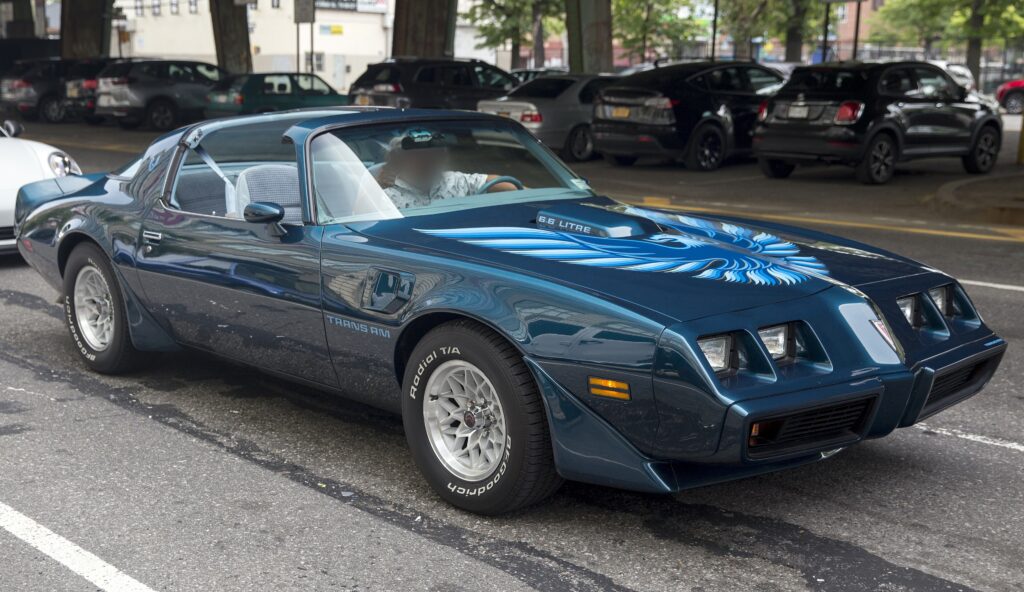
Pontiac offered the 1979 Firebird Trans Am with upgrades that reflected its use in IMSA and other series. The car had tuned suspension and unique graphics that signaled its sporting intent. Prices for good Trans Ams from that year sit around $30,000 to $50,000 for desirable examples. It carried a strong presence on streets and at track events back in its day.
Under the hood sat a V8 that gave it more punch than standard Firebirds. Pontiac added cooling and brake parts that helped it handle extended runs. Enthusiasts enjoy them for the way they feel and sound. At gatherings, they often draw people who remember their period success.
This article originally appeared on Avocadu.