
13 Rare Alpine Flowers That Bloom Right After Snowmelt
Alpine flowers are among the first signs of life after the snow melts. These resilient plants thrive in harsh, high-altitude environments. Their bright colors and delicate petals offer a refreshing sight after a long, cold winter. As the snow retreats, they begin to bloom, filling the air with fresh fragrances. Explore some of the most remarkable flowers that brighten alpine landscapes each spring.
This post may contain affiliate links, which helps keep this content free. Please read our disclosure for more info.
Alpine Aster (Aster alpinus)
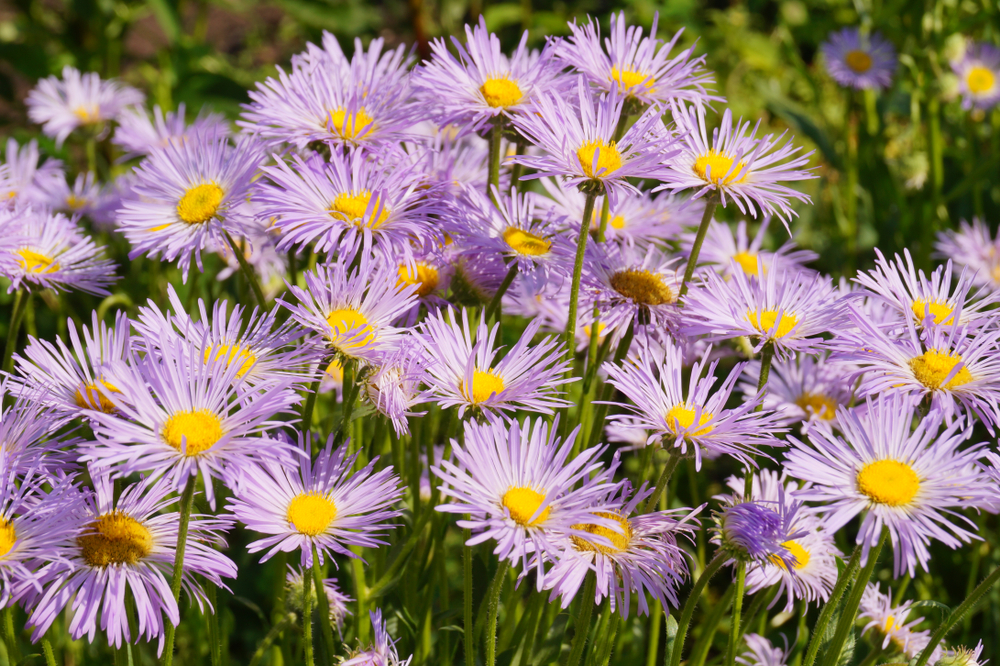
The Alpine Aster is one of the first flowers to bloom in alpine meadows after snowmelt. Known for its vibrant purple petals and yellow center, this hardy flower thrives in high-altitude areas where temperatures can fluctuate dramatically. It is a perennial that often grows in rocky soils, showing off its delicate blooms in early spring. The Alpine Aster is prized for its resilience and ability to withstand harsh conditions, blooming even in environments where most plants struggle to survive.
These flowers are not just visually stunning, as they also serve as an important food source for early-season pollinators like bees and butterflies. Their compact size allows them to grow in exposed, wind-swept areas where other plants cannot. With a strong root system, Alpine Asters help stabilize the soil, preventing erosion in high-altitude regions. As the snow recedes, they herald the arrival of spring in the most beautiful way.
Pasque Flower (Anemone patens)
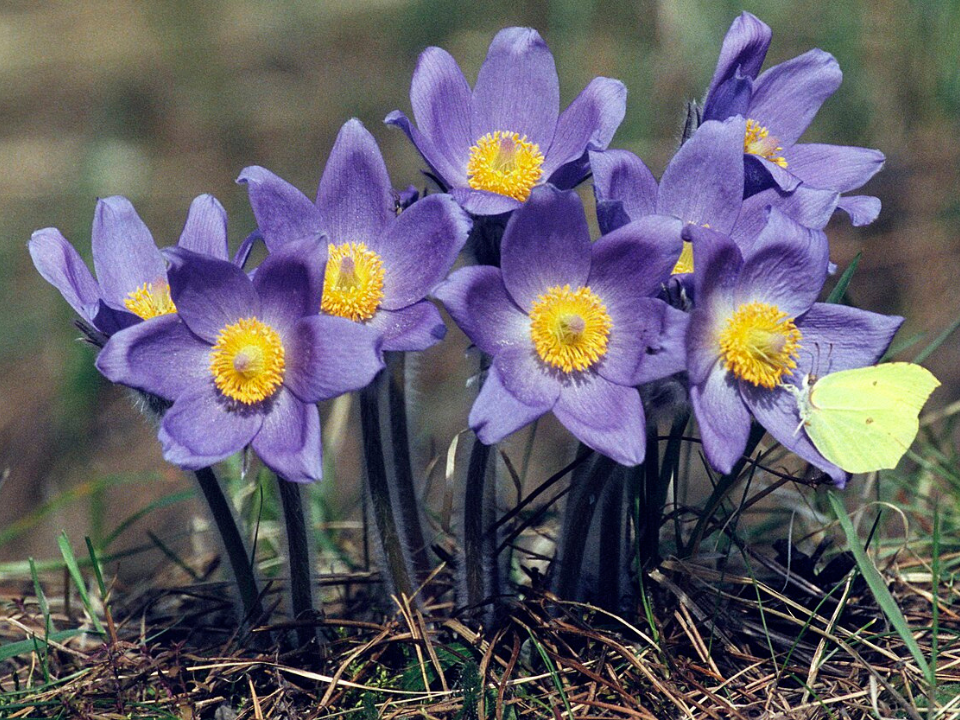
The Pasque Flower is an early bloomer, making its appearance right after snowmelt in alpine regions. This flower’s soft, purple petals and yellow stamens provide a striking contrast against the remaining snow. It’s a hardy plant that thrives in cold, dry environments and often grows in meadows and rocky slopes. The Pasque Flower has adapted to withstand the harsh conditions of the high mountains, making it a true symbol of resilience in the wild.
Pasque Flowers are also known for their medicinal properties, with some traditional uses related to pain relief and as a sedative. They are typically found in alpine zones above 2,500 feet, often growing in groups. These flowers prefer well-drained, sandy soil and can withstand exposure to wind and frost. Their early bloom time makes them a critical part of the alpine ecosystem, providing an early nectar source for bees and other pollinators.
Alpine Primrose (Primula halleri)
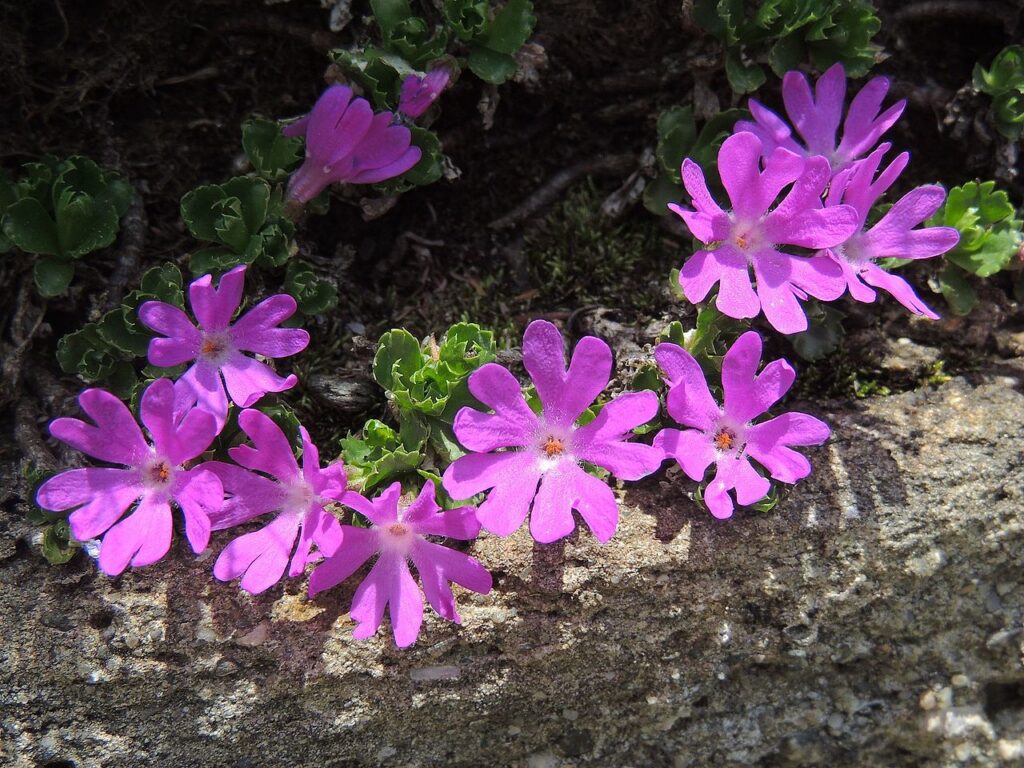
The Alpine Primrose is a striking flower that blooms shortly after the snow melts in alpine regions. With its vibrant pink to purple flowers, it adds a splash of color to the mountain landscape. This flower thrives in well-drained soils and can be found in rocky slopes and meadows at higher elevations. It has a short blooming period, typically appearing in the early spring months before many other plants have had a chance to bloom.
This primrose is particularly known for its ability to adapt to extreme conditions, making it a favorite among alpine gardeners. Its blooms are not only visually stunning but also highly fragrant, attracting various pollinators such as bees and butterflies. Alpine Primrose plants often form dense clusters, adding texture and color to alpine meadows. They are highly valued for their ability to endure the harsh mountain weather, and their short lifespan only makes their blooms even more precious.
Snowdrop (Galanthus nivalis)
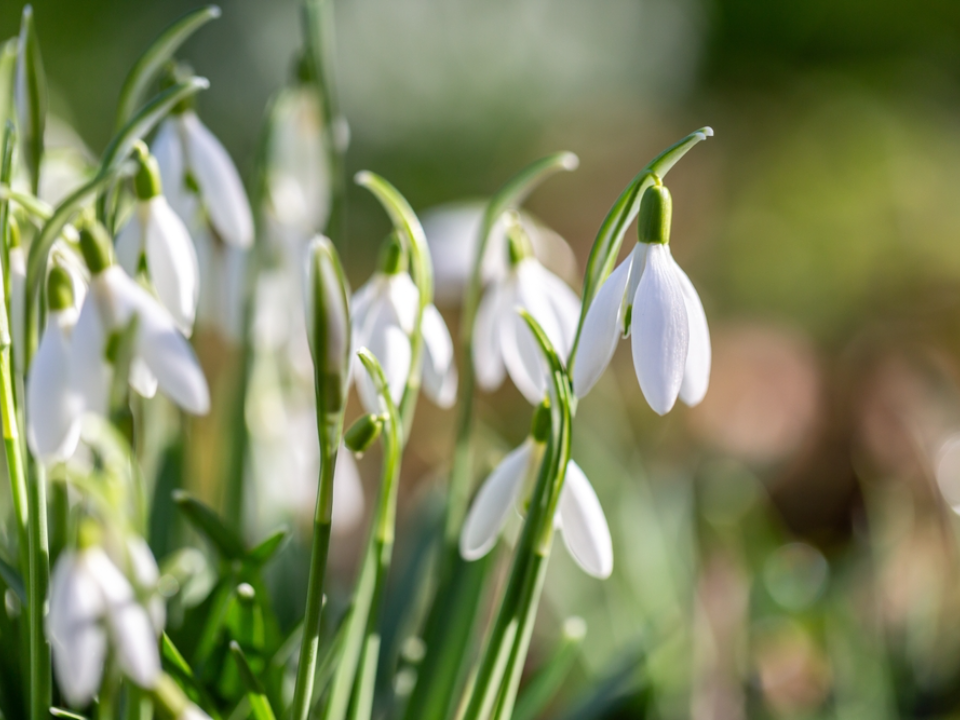
One of the earliest flowers to emerge after snowmelt, the Snowdrop is a symbol of renewal and hope in alpine landscapes. Its small white flowers, often resembling teardrops, emerge from the melting snow, marking the arrival of spring. These flowers are well-suited to the alpine environment, with their ability to withstand frost and cold temperatures. Snowdrops are often found in meadows or woodland areas at elevations between 3,000 and 6,000 feet.
Despite their delicate appearance, Snowdrops are incredibly hardy and can bloom even when the ground is still frozen. They have become synonymous with early spring and are often one of the first flowers to appear, making them a welcome sight after a long winter. Snowdrops are known to attract pollinators such as honeybees, which are crucial for early-season pollination. Their ability to bloom early ensures they play a key role in the rejuvenation of alpine ecosystems.
Mountain Avens (Dryas octopetala)
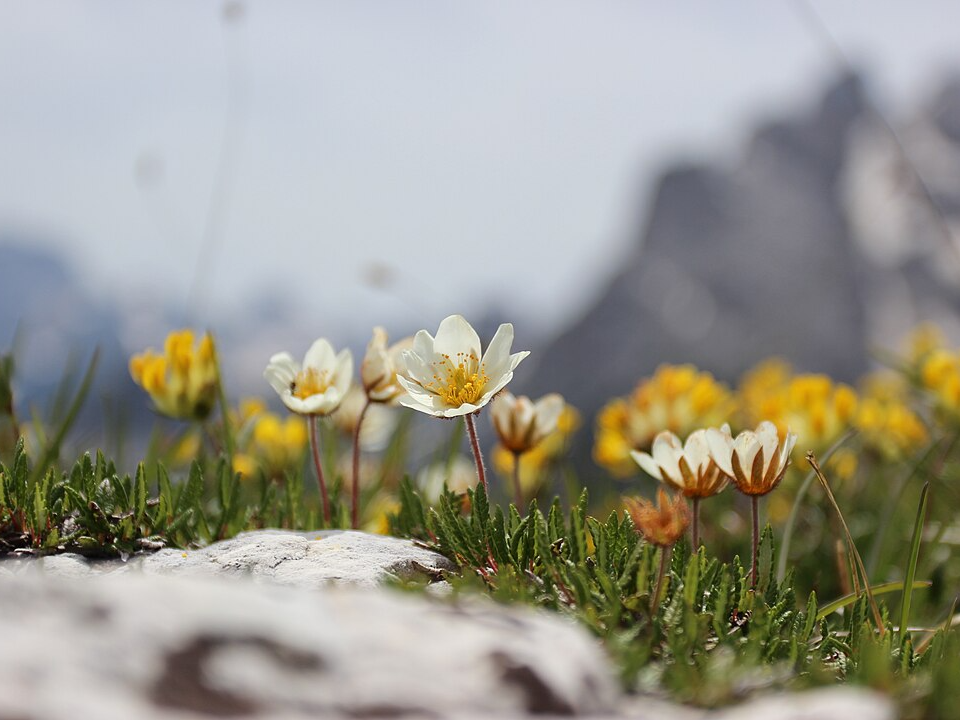
Mountain Avens are small, white, star-shaped flowers that bloom in alpine regions right after the snow melts. They are well-suited to survive in the extreme conditions of high-altitude areas, thriving in cold, nutrient-poor soils. This flower often grows in rocky, windswept areas where few other plants can survive. Its ability to bloom in such harsh conditions makes it an important part of the alpine flora.
Mountain Avens are particularly known for their ability to stabilize soil and prevent erosion in alpine habitats. Their compact growth habit allows them to survive strong winds and freezing temperatures. The plant has leathery leaves that help retain moisture, making it well-adapted to the dry conditions found in alpine meadows. These flowers play a crucial role in the ecosystem, providing habitat and sustenance for early-season pollinators and wildlife.
Alpine Forget-Me-Not (Myosotis alpestris)
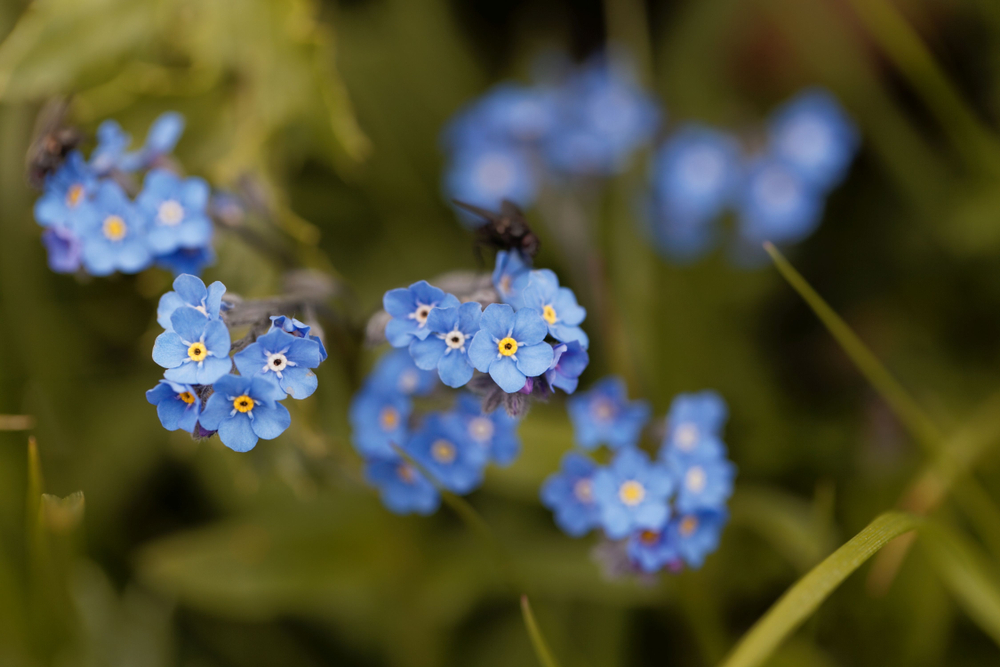
The Alpine Forget-Me-Not is a charming flower with bright blue petals that appear shortly after snowmelt in alpine meadows. Known for its tiny size and vibrant color, it often grows in high-altitude regions where the ground is still partially frozen. These flowers prefer well-drained, rocky soils and can thrive in temperatures well below freezing. The Alpine Forget-Me-Not blooms in early spring, making it one of the first plants to add color to the snow-covered landscape.
In addition to their beauty, these flowers hold cultural significance in many regions, symbolizing remembrance and love. The flowers attract various pollinators, including bees and butterflies, providing them with a valuable food source early in the season. Despite their small size, Alpine Forget-Me-Nots are incredibly resilient and can endure harsh weather conditions. Their ability to survive in alpine conditions makes them a favorite among alpine gardeners and nature enthusiasts.
Alpine Buttercup (Ranunculus glacialis)
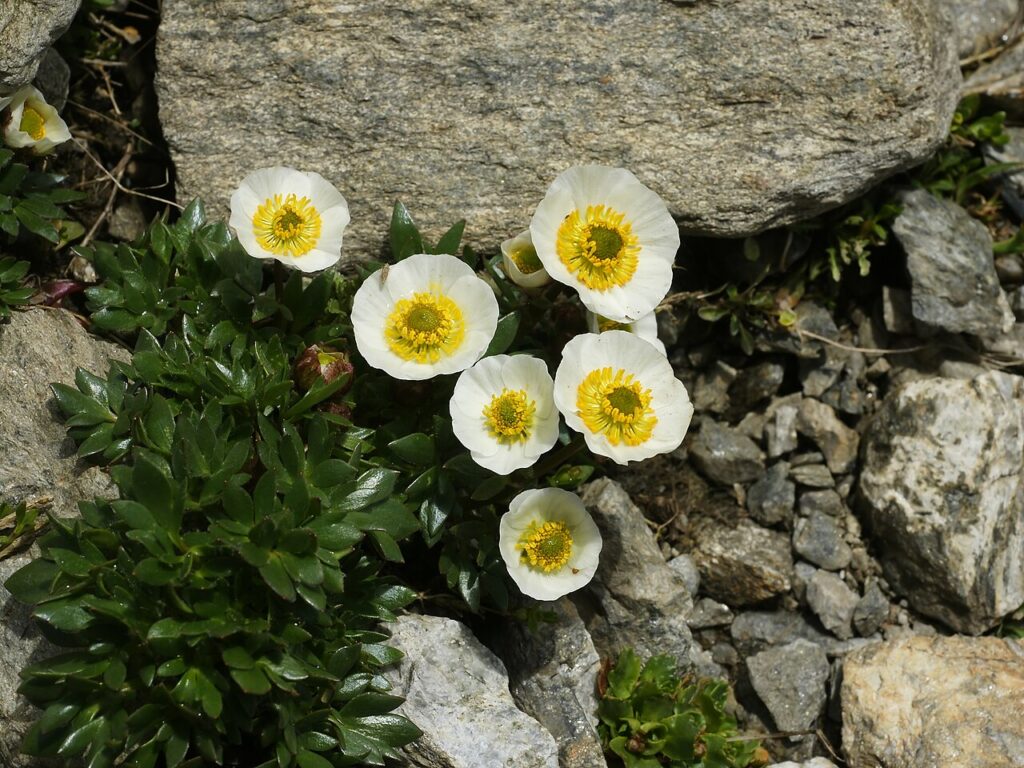
The Alpine Buttercup is a bright yellow flower that blooms right after the snow melts in alpine regions. Its cheerful petals stand out against the still-cold mountain backdrop, bringing warmth and color to the landscape. These flowers are found in high-altitude areas, often growing in rocky meadows and slopes. They are well-suited to survive in cold, dry conditions, with their roots adapted to conserve moisture.
Alpine Buttercups are known for their rapid growth and early blooming, making them a valuable part of the ecosystem. They provide an early nectar source for pollinators, which are crucial for the survival of other plants in the alpine zone. Despite their delicate appearance, Alpine Buttercups are hardy and can withstand frost and extreme temperature fluctuations. Their vibrant yellow color makes them a striking addition to any alpine meadow.
Alpine Larkspur (Delphinium alpinum)
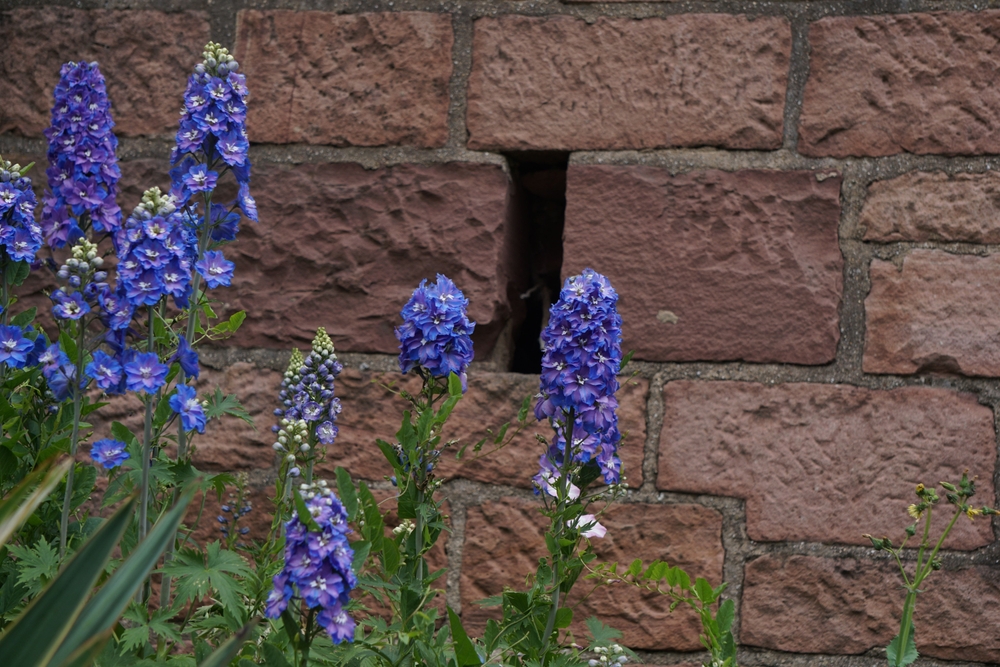
Alpine Larkspur is a striking flower that blooms in the early spring, adding tall spires of purple, blue, or white flowers to alpine meadows. These plants thrive in cold, rocky soils and are commonly found in high-altitude regions. Their vibrant colors and tall blooms make them stand out in alpine landscapes, where their beauty contrasts with the rugged environment. The flowers bloom shortly after snowmelt, marking the arrival of warmer weather in the mountains.
In addition to their aesthetic value, Alpine Larkspurs are important for pollinators like bees and butterflies. These plants have a relatively short blooming period, often lasting only a few weeks, which makes their appearance all the more special. The flowers grow in clusters, creating impressive vertical displays that are a favorite among photographers and nature lovers. Alpine Larkspur plants are resilient, able to survive in harsh mountain climates while providing beauty and sustenance to the surrounding ecosystem.
Pink Mountain Heather (Phyllodoce empetriformis)
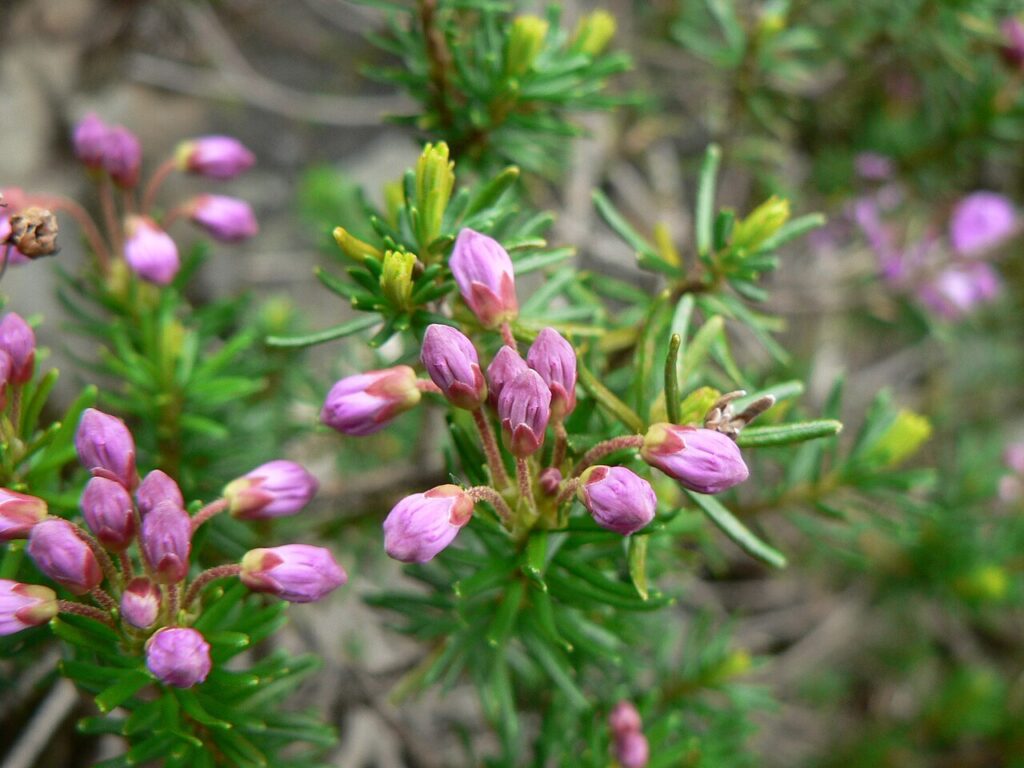
Pink Mountain Heather is a low-growing shrub that produces clusters of small, pink flowers in early spring. These flowers appear right after snowmelt, often carpeting the ground with their delicate blossoms. They are well-suited to survive in high-altitude areas where the soil is often dry and rocky. Pink Mountain Heather thrives in acidic soils, adding a burst of color to the alpine landscape as the snow recedes.
This flower is also known for its hardiness and ability to withstand the tough conditions of alpine environments. Pink Mountain Heather is an important part of the alpine ecosystem, providing nectar to early-season pollinators. It is often found in tundra-like environments, where few other plants can survive. Its ability to bloom in such a harsh climate makes it a symbol of resilience and beauty in the alpine meadows.
Alpine Poppy (Papaver alpinum)
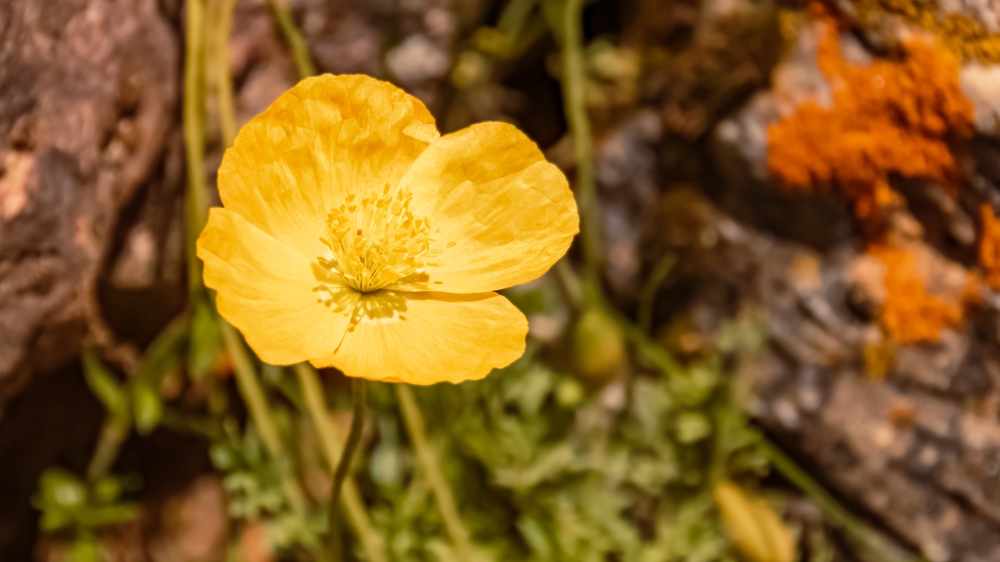
The Alpine Poppy is a striking flower with delicate, cup-shaped blooms that appear shortly after snowmelt in high-altitude regions. These flowers come in shades of yellow, orange, or red, and their bright colors are a welcome sight against the rugged mountain backdrop. Alpine Poppies grow in rocky meadows and cliffs, where they are exposed to the elements and receive minimal nutrients. Their ability to thrive in such tough conditions makes them a rare and beautiful addition to alpine landscapes.
These flowers are not just pretty, as they play a key role in the alpine ecosystem by attracting pollinators like bees and butterflies. The Alpine Poppy is also known for its medicinal properties, with some parts of the plant being used in traditional remedies. The flowers have a short blooming period, often lasting only a few weeks, which makes them a precious sight in the alpine meadows. Their resilience and beauty have earned them a place in alpine gardens and natural habitats alike.
Mountain Harebell (Campanula lasiocarpa)
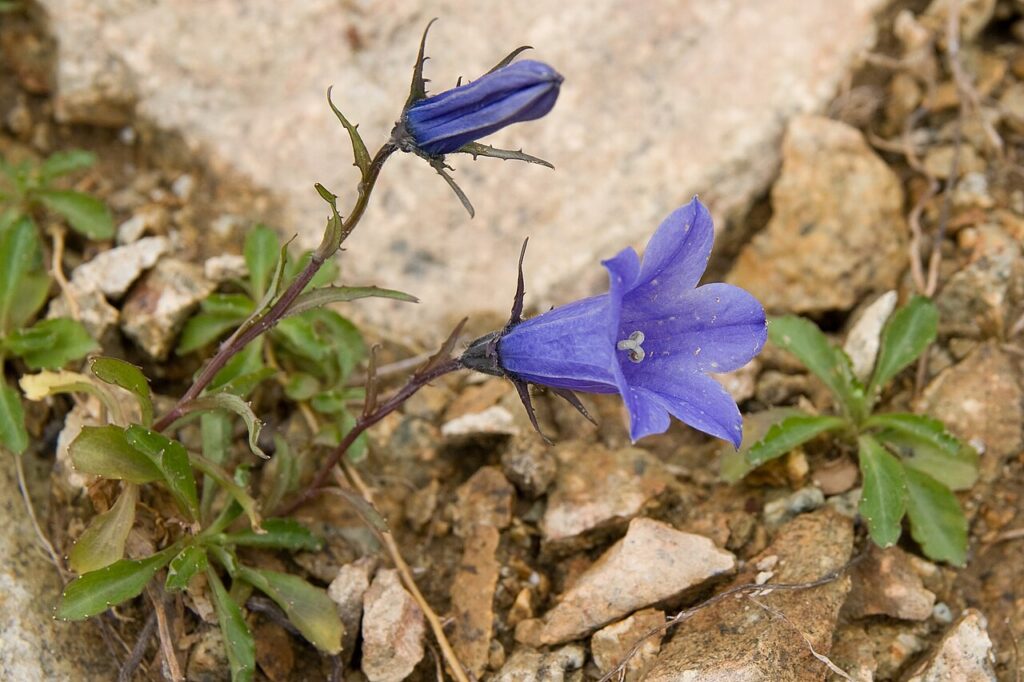
The Mountain Harebell is a delicate blue flower that blooms in alpine regions after the snow melts. Known for its bell-shaped petals, it adds a touch of elegance to the rocky meadows where it grows. This flower thrives in cold, high-altitude areas where few other plants can survive. The Mountain Harebell is often found in areas with well-drained soil and minimal sunlight, making it a hardy addition to alpine landscapes.
These flowers are highly valued by gardeners for their ability to survive in harsh conditions. They attract various pollinators, which help ensure the survival of other alpine plants. Mountain Harebells bloom for a short period in the early spring, making their appearance all the more special. Their delicate blue flowers are a stunning contrast to the rugged, snow-capped peaks of alpine environments.
Edelweiss (Leontopodium alpinum)
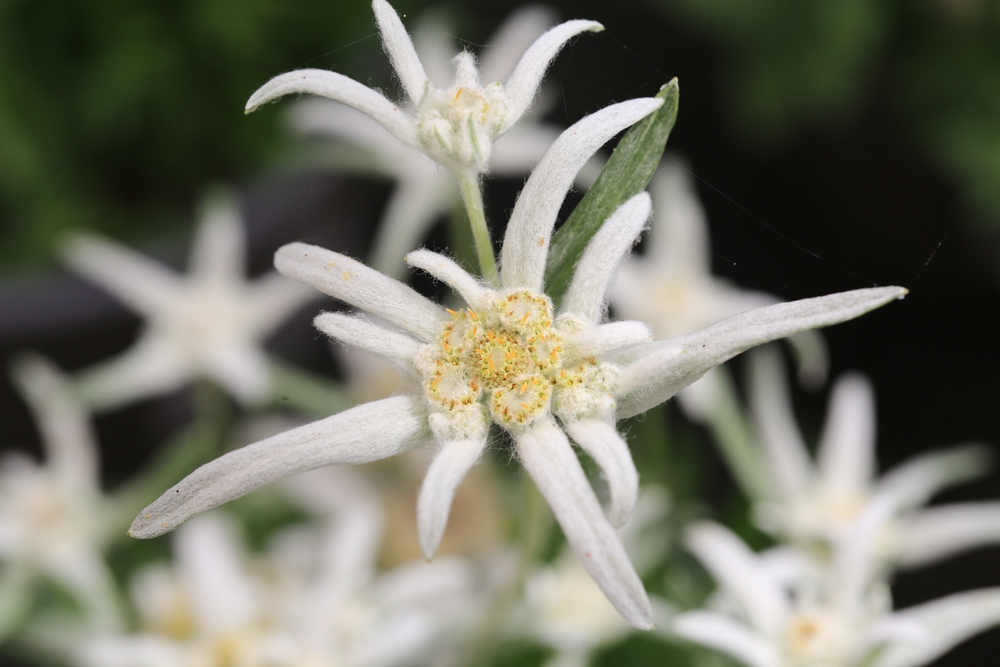
Edelweiss is one of the most iconic alpine flowers, known for its star-shaped white petals and fuzzy texture. It blooms after the snow melts, often found in high-altitude meadows and rocky slopes. Edelweiss has become a symbol of the rugged, untouched beauty of the Alps and is highly prized by both collectors and nature lovers. The flower thrives in harsh, cold environments where few other plants can survive, making it a true alpine gem.
In addition to its beauty, Edelweiss has been used in traditional medicine, with some cultures believing it has healing properties. The flowers are highly sought after by collectors, though they are difficult to find in the wild due to their protected status in many regions. Edelweiss blooms are also valuable for their role in attracting early-season pollinators. Its pure white petals against the rugged landscape make it one of the most iconic flowers of the high mountains.
Rock Jasmine (Androsace septemtrionalis)
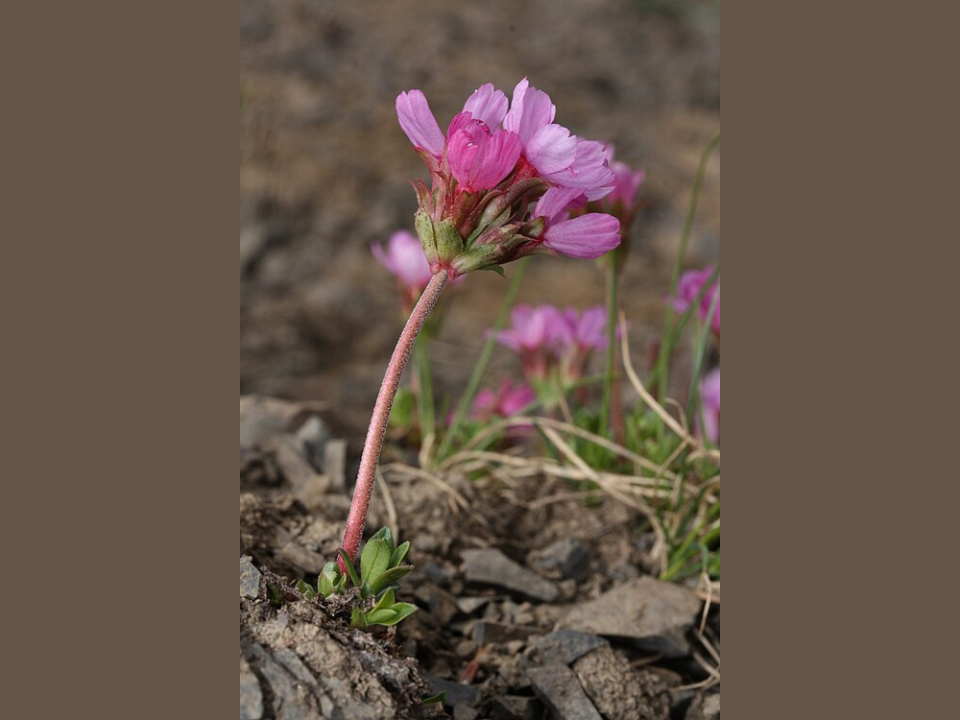
Rock Jasmine is a small, low-growing flower that blooms in the alpine meadows right after snowmelt. Its pink or white flowers grow in clusters, creating a carpet of color across the rocky landscape. The flower thrives in well-drained, dry soils and can withstand the harsh conditions found in alpine regions. Rock Jasmine is an early bloomer, offering a much-needed burst of color after the long winter months.
This flower is well-suited to high-altitude environments where other plants may struggle to grow. Its compact size and hardy nature make it a valuable addition to alpine ecosystems, providing sustenance for early-season pollinators. Rock Jasmine is often found in rocky crevices, where it can survive exposure to wind and frost. Its beauty and resilience make it a favorite among alpine gardeners and nature enthusiasts.
This article originally appeared on Avocadu.