
13 Raised Bed Refresh Ideas That Take One Afternoon
If you’re looking for a quick and simple way to freshen up your garden, raised beds are a great place to start. With just a few hours of work, you can completely transform the look of your garden. These easy upgrades can bring new life to your outdoor space without a huge time commitment. Whether you’re working with flowers, herbs, or vegetables, these ideas will make a noticeable difference.
This post may contain affiliate links, which helps keep this content free. Please read our disclosure for more info.
Add Fresh Soil and Compost
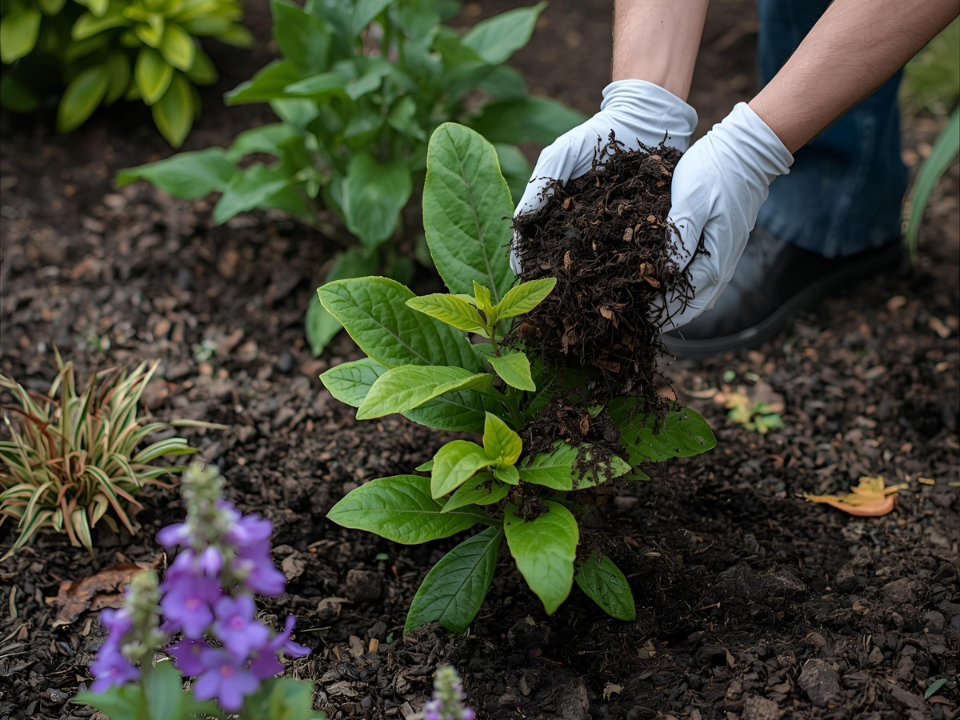
One of the simplest and most effective ways to refresh your raised bed is by adding a fresh layer of high-quality soil and compost. Over time, the soil in your raised beds can become compacted, reducing its ability to drain properly and causing a depletion of nutrients. Replenishing the soil with nutrient-rich compost will improve its structure, allowing for better root development and overall plant health. Compost adds organic matter, which improves water retention, fosters beneficial microorganisms, and helps maintain a balanced pH level, making it an essential component for any thriving garden.
Before adding the compost and new soil, remove any weeds, plant debris, or leftover roots to give your plants a clean slate. Spread a 2- to 3-inch layer of compost and mix it into the existing soil to ensure an even distribution of nutrients. This refresh will revitalize the soil and create an optimal environment for growing a variety of plants. Whether you’re growing vegetables, herbs, or flowers, fresh soil provides the necessary foundation for healthy growth throughout the seasons.
Incorporate Mulch for Moisture Retention
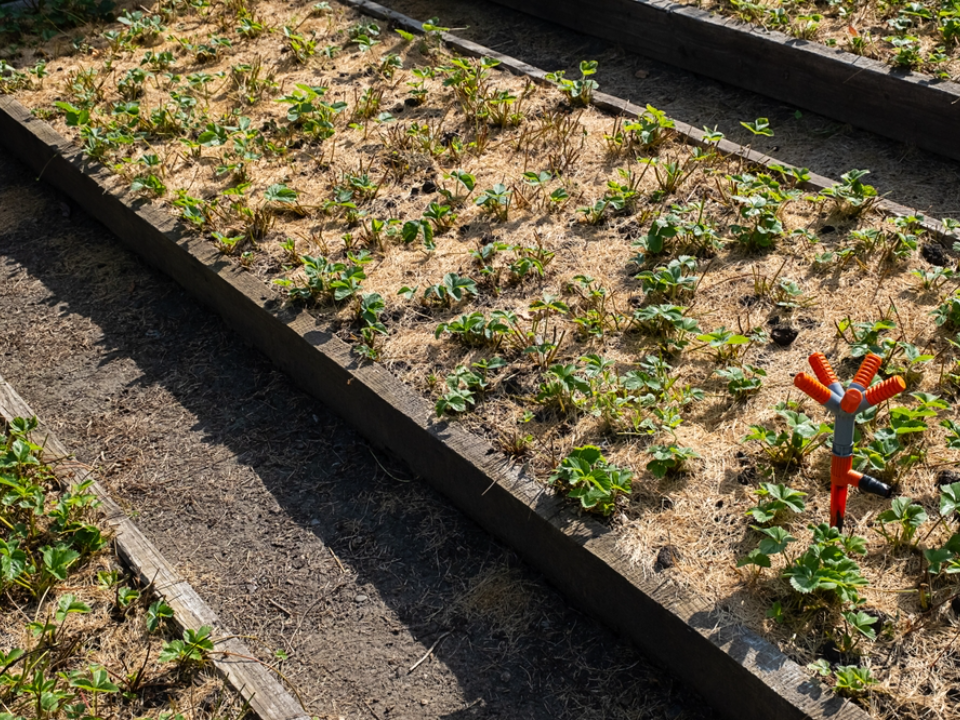
Mulch is a simple yet effective way to refresh your raised bed and promote healthier plants. By adding a 2- to 3-inch layer of organic mulch such as wood chips, straw, or shredded leaves, you can reduce water evaporation and keep the soil consistently moist. This is especially important during hot weather, as it prevents the soil from drying out too quickly, allowing your plants to thrive without the need for frequent watering. Additionally, mulch helps keep weeds in check, so you can spend less time weeding and more time enjoying your garden.
Apply mulch evenly around your plants, ensuring it doesn’t touch the stems or roots directly, as this could lead to rot. Organic mulch breaks down over time, adding valuable nutrients to the soil, which is beneficial for plant growth. This refresh will not only help conserve moisture but will also enhance the overall appearance of your raised bed, giving it a neat, tidy look. You’ll notice less frequent watering and healthier plants, all while reducing maintenance time.
Install an Irrigation System
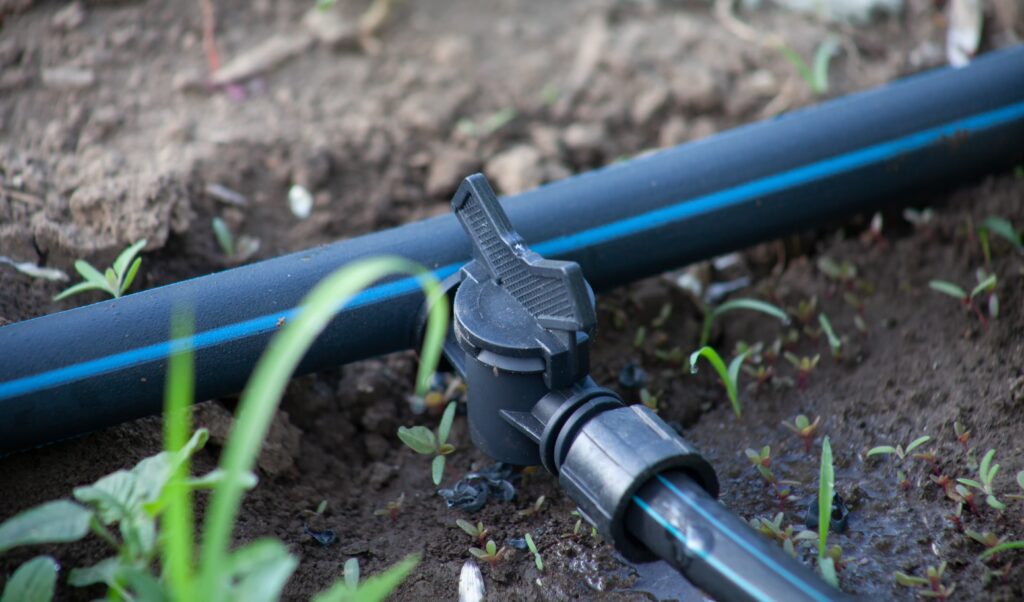
Installing a drip irrigation system or soaker hose in your raised bed is a great way to save time and effort while keeping your plants well-watered. These systems deliver water directly to the soil, reducing water waste and ensuring your plants receive consistent moisture. Drip irrigation, in particular, is perfect for raised beds, as it allows you to water at the base of the plants, reducing the risk of fungal diseases caused by overhead watering. Additionally, this system can be automated with a timer, so you don’t have to worry about forgetting to water your garden.
When setting up the irrigation system, make sure to place the emitters or soaker hose where your plants will benefit most. It’s also important to check for any leaks or blockages to ensure even distribution of water. Installing an irrigation system in your raised bed will save you valuable time and help maintain healthy plant growth. This simple refresh will ensure your garden receives just the right amount of moisture without overwatering or underwatering.
Add Trellises or Vertical Gardening Structures
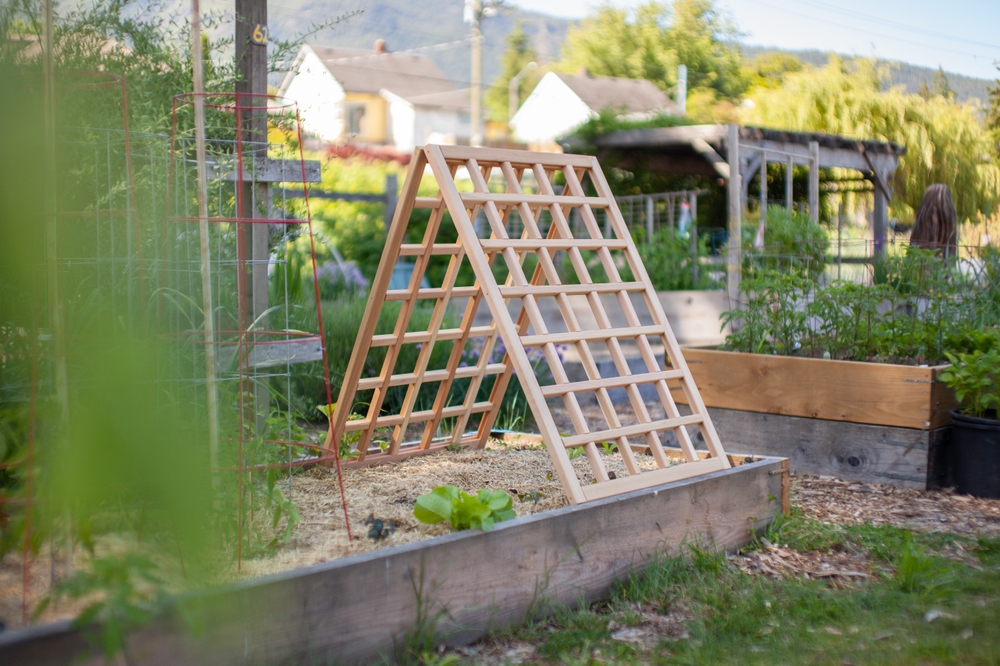
Maximizing space in your raised bed can be achieved by adding trellises or vertical gardening structures. These additions allow climbing plants like peas, cucumbers, tomatoes, and beans to grow upwards, freeing up valuable soil space for other crops. Vertical gardening not only saves room but also provides your plants with better airflow and sunlight, leading to healthier growth and higher yields. Additionally, a vertical garden structure can help prevent overcrowding, which can reduce the risk of disease and pests.
When adding a trellis or vertical structure, make sure it’s securely anchored to the sides of your raised bed. You can use bamboo poles, wooden slats, or metal grids, depending on the aesthetic you want to achieve. Vertical gardening is particularly useful for smaller spaces, allowing you to grow more plants in less area. This refresh will give your garden a new dimension, encouraging healthier, more productive plants.
Add Companion Plants for Pest Control
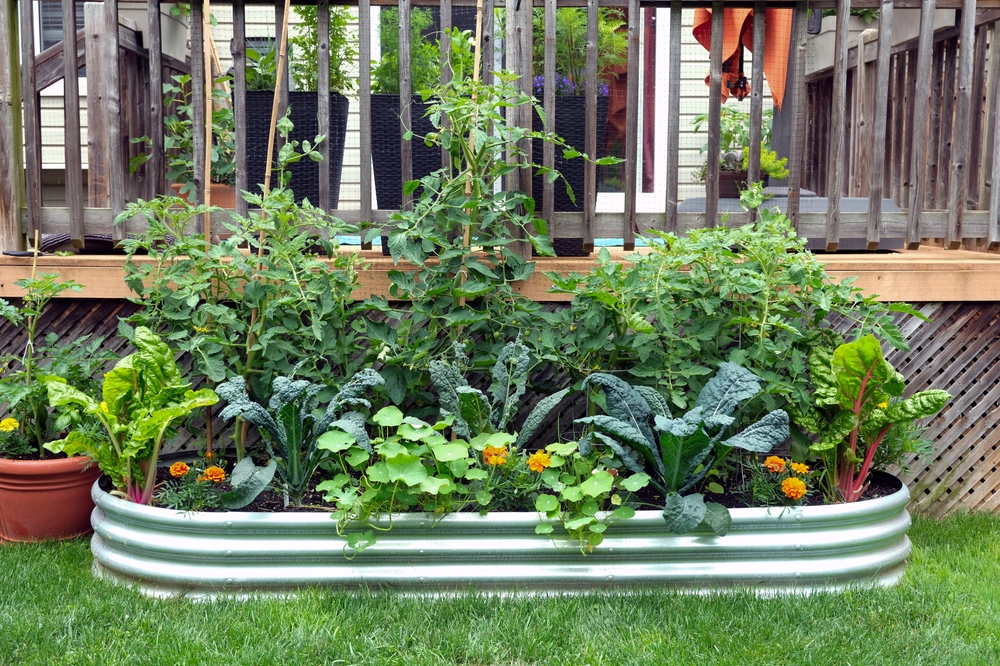
Companion planting is a natural and effective way to refresh your raised bed while promoting a healthier, pest-resistant garden. By planting certain types of plants together, you can repel harmful insects, attract beneficial pollinators, and even improve soil fertility. For example, planting marigolds alongside tomatoes can help deter aphids, while basil and tomatoes can enhance each other’s growth. Companion planting reduces the need for chemical pesticides and creates a more balanced, self-sustaining ecosystem in your garden.
To get started with companion planting, research which plants work well together and which ones might compete for resources. Adding flowers like sunflowers or nasturtiums can also attract bees and butterflies, which will help pollinate your plants. This natural method not only helps reduce pests but also brings a new layer of color and life to your raised bed. It’s a simple and sustainable way to refresh your garden and improve its overall health.
Swap Out Seasonal Plants
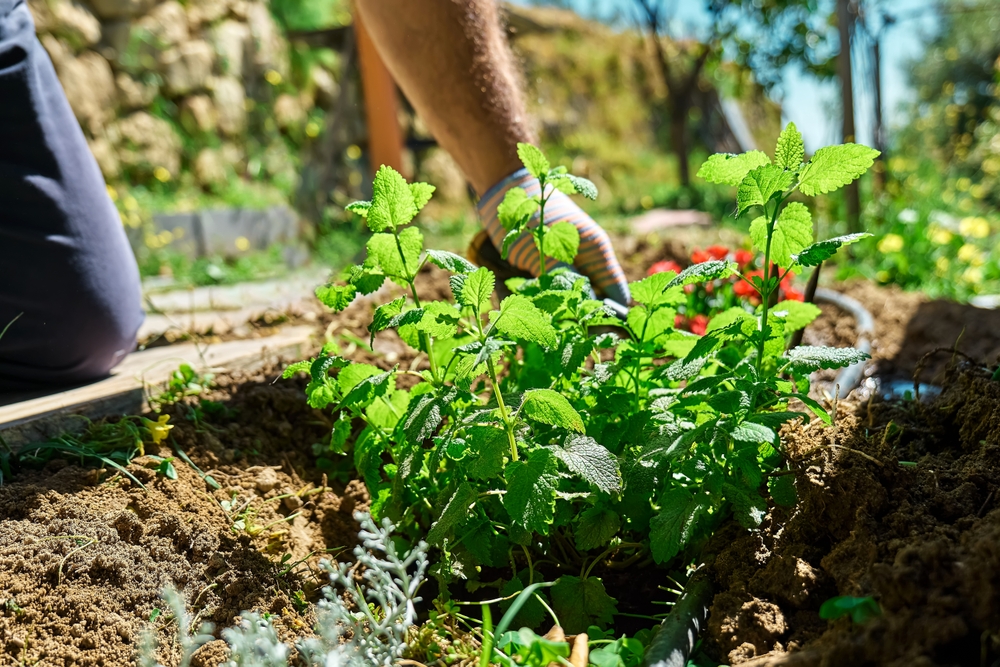
Swapping out seasonal plants is an easy and satisfying way to refresh your raised bed and keep it looking vibrant year-round. By changing your plants based on the season, you can ensure your garden is always full of life and color. In the spring, you can plant cool-weather crops like lettuce and spinach, while summer is the time for heat-loving vegetables like peppers and tomatoes. Fall and winter bring opportunities for leafy greens, root vegetables, and cold-hardy flowers.
Before you plant your new crops, remove any dead plants or spent crops from the previous season. Take the time to amend the soil if necessary, adding compost or fresh soil to ensure your plants have a solid foundation. This seasonal refresh will keep your raised bed productive and attractive throughout the year, ensuring that you always have something fresh to harvest.
Improve Drainage with Gravel
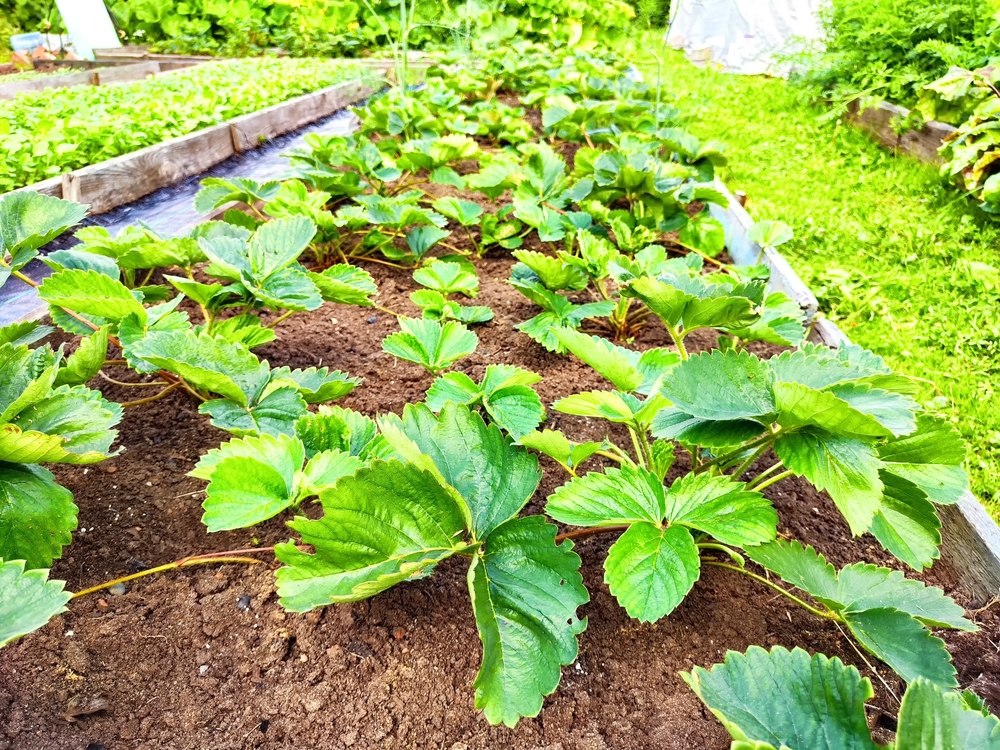
Good drainage is essential for the health of your plants, and adding a layer of gravel to the bottom of your raised bed can significantly improve it. Gravel allows excess water to flow away from the soil, reducing the risk of root rot caused by waterlogging. It also improves aeration, allowing the roots to access more oxygen, which is critical for healthy plant growth. This simple addition can make a big difference, particularly if your raised bed is in an area that tends to retain moisture.
Before you add gravel, place a layer of landscape fabric or mesh at the bottom of the bed to prevent soil from washing out. Then, spread a 2-inch layer of gravel evenly across the bottom. This refresh will help ensure that your plants are growing in soil that’s properly drained and well-aerated, promoting healthy root systems and robust growth.
Use Raised Bed Liners for Better Soil Control
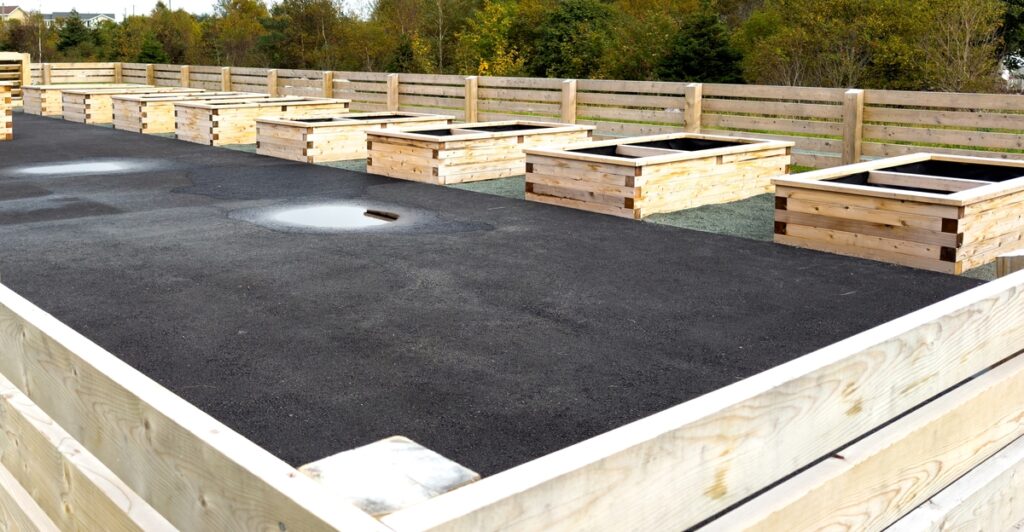
Raised bed liners are a great addition if you’re looking to refresh your garden and improve soil retention. These liners prevent the soil from eroding, especially if you’re using loose, sandy soil, and they help keep the bed tidy and organized. They also help prevent weeds from creeping up into your bed, making it easier to maintain. Raised bed liners come in a variety of materials, such as burlap, plastic, or fabric, depending on your needs and preferences.
To install a raised bed liner, cut it to fit the interior of your bed and secure it along the edges to prevent it from shifting. The liner will keep your soil in place, reduce water runoff, and create a clean, organized appearance. This refresh will provide a more structured growing environment for your plants and make long-term maintenance easier.
Create a Pathway Around Your Raised Bed
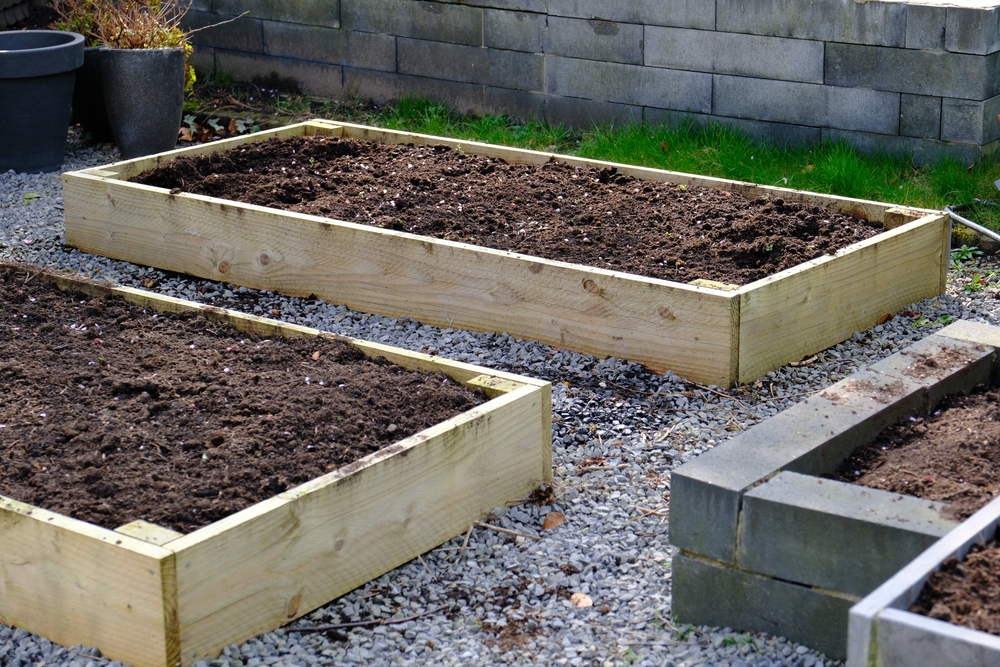
Adding a pathway around your raised bed is a simple way to refresh the area while improving accessibility. A well-maintained path makes it easier to tend to your plants without compacting the soil inside your raised bed. It also helps prevent weeds from spreading and adds a neat, organized look to your garden. You can create a pathway using materials like gravel, wood chips, or stepping stones, depending on your style and budget.
Make sure the pathway is wide enough for easy movement but doesn’t take away from the available growing space. Before laying down your material, consider placing landscape fabric underneath to prevent weed growth. This small update will make your raised bed more functional and give it a polished, professional appearance.
Plant Herbs Along the Edges
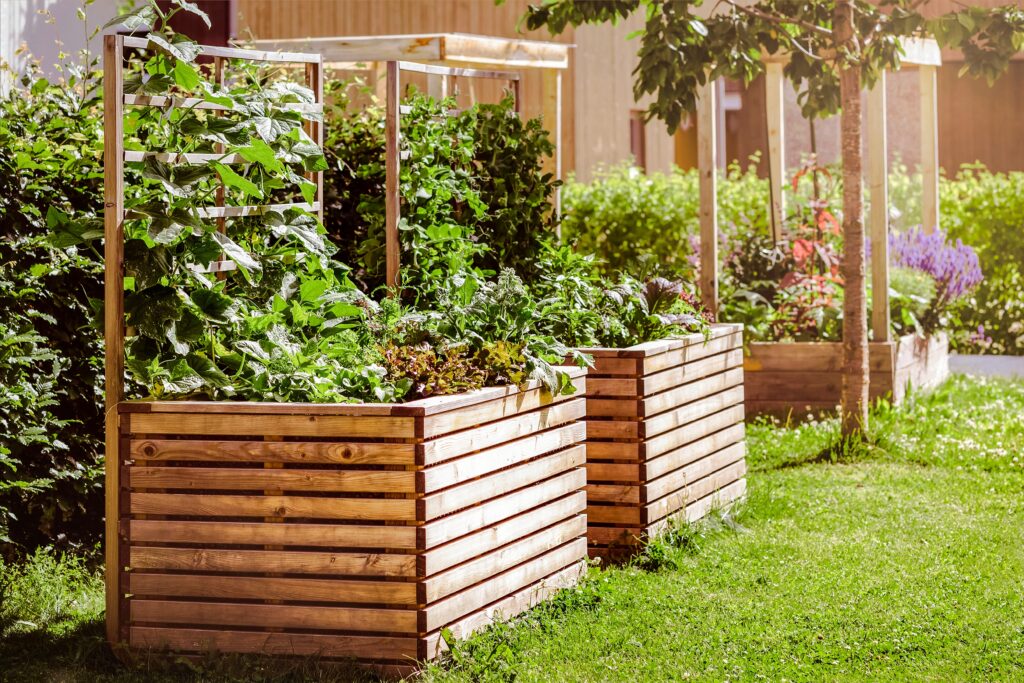
Planting herbs along the edges of your raised bed offers both aesthetic and functional benefits. Herbs like basil, rosemary, thyme, and oregano thrive in raised beds and can be placed along the borders without taking up much valuable space in the center of the bed. Not only do these herbs serve culinary purposes, enhancing your meals with fresh flavors, but they also attract essential pollinators like bees and butterflies. These insects are vital for the pollination of many vegetables and flowers, making herbs a natural and productive addition to any garden.
In addition to their culinary and ecological benefits, herbs can help with pest control. Many herbs, such as lavender or mint, naturally repel unwanted insects like mosquitoes and aphids. When planning your herb garden, be sure to consider the growth habits of each plant. Some herbs, like mint, can spread rapidly, so it’s best to plant them in containers or use barriers to control their growth. By placing them along the edges of your raised bed, you’ll not only create a fragrant, productive border but also make the most of your available growing space. This simple refresh adds beauty, functionality, and a natural charm to your garden.
Add a Decorative Feature or Focal Point

If you’re looking to bring a fresh look to your raised bed, adding a decorative feature or focal point is a great way to enhance its overall appearance. Consider installing a small garden statue, birdbath, decorative trellis, or even a colorful wind chime. These items not only add personality and style to your garden but also help create a sense of balance and structure in the space. A well-placed feature can draw attention to your garden bed, making it stand out while complementing the natural beauty of your plants.
When choosing a decorative feature, be mindful of its size and placement. Too large of an item can overwhelm the plants, making the bed look cluttered, while a smaller, carefully chosen piece can serve as an elegant focal point. For example, a small birdbath at one corner of the raised bed can create visual interest while also attracting birds to your garden. Choose materials that match your garden’s theme—whether rustic, modern, or whimsical—and make sure the item doesn’t interfere with the growth or spacing of your plants. This simple touch can transform your raised bed from functional to enchanting, offering a perfect spot for relaxation and enjoyment.
Add a Cold Frame for Extended Growing Season

A cold frame is an excellent addition to any raised bed if you’re looking to extend your growing season and protect plants from unpredictable weather. A cold frame traps heat and sunlight, creating a mini-greenhouse effect that allows you to start seedlings earlier in the spring or grow crops later into the fall. This is especially useful for cool-weather plants like lettuce, kale, and spinach, which can thrive in lower temperatures. You can easily build a cold frame using materials like reclaimed wood, old windows, or clear plastic sheeting, creating a low-cost solution that fits seamlessly with your raised bed.
One of the key benefits of adding a cold frame is its ability to protect plants from late frosts and cold snaps, which are common in early spring or late fall. However, it’s important to ensure proper ventilation to prevent overheating on sunny days. You can achieve this by propping open the cold frame during the day or using adjustable vents. This small investment can significantly increase your harvest, allowing you to grow more produce year-round. Not only will a cold frame help protect your plants from frost, but it will also keep your garden looking active and productive even as temperatures drop.
Update Plant Labels and Garden Markers

Plant labels and garden markers are often overlooked but an essential element of a well-organized raised bed garden. Over time, labels can fade or become difficult to read, making it hard to remember which plants are growing where. Updating your labels with clear, durable markers is a great way to refresh your raised bed and keep everything organized. You can choose from a variety of materials, such as wooden stakes, metal tags, or even DIY options made from recycled materials. A well-labeled garden not only looks neat but also makes it easier to track plant growth and ensure each plant receives the proper care.
For long-lasting labels, consider engraving or using waterproof markers to ensure the names remain legible throughout the seasons. You can also include additional information, like planting dates or special care instructions, to help you manage your garden more efficiently. This refresh will improve your garden’s organization and make it easier to care for your plants, whether you’re a seasoned gardener or just starting out. Updating your plant labels will also enhance the overall look of your raised bed, giving it a polished, well-maintained feel. It’s a quick, low-cost way to keep your garden running smoothly and efficiently.
This article originally appeared on Avocadu.