
11 Rain Barrel and Hose Checks That Prevent Spring Headaches
Springtime means more water, and that often means more use of rain barrels and hoses. To avoid a frustrating surprise later, it’s important to inspect these items early. Checking for leaks, clogs, and wear will save you time and effort when the garden season kicks into full gear. By addressing issues now, you’ll ensure your systems are ready when you need them most.
This post may contain affiliate links, which helps keep this content free. Please read our disclosure for more info.
Inspect Your Rain Barrel for Cracks and Leaks
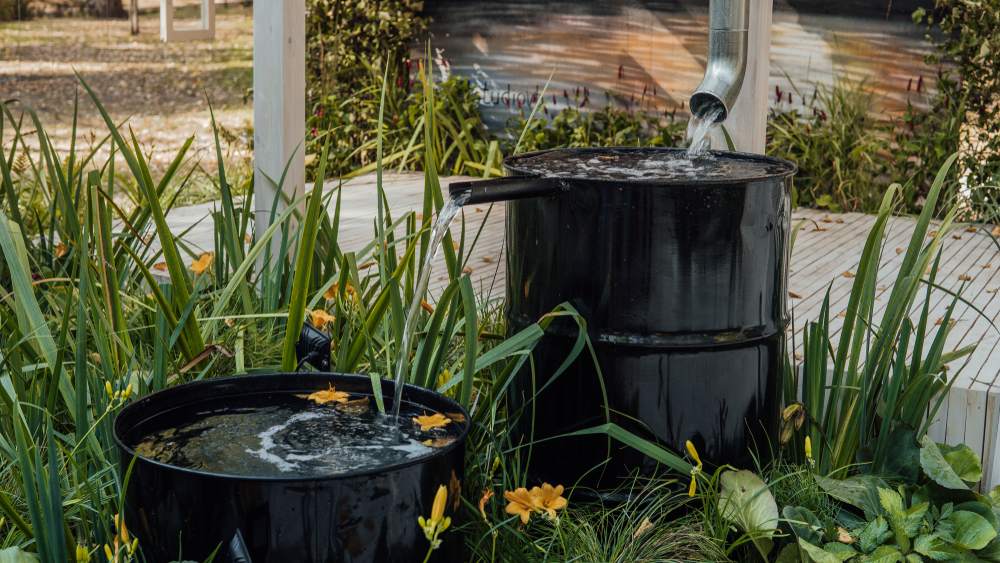
Before the rainy season hits, it is essential to check your rain barrel for any cracks or leaks that might have developed over the winter months. Small cracks can turn into bigger problems if left unnoticed, especially when the barrel is filled to the brim with water. Make sure to inspect both the body and the lid of the barrel, paying close attention to areas that might have been exposed to freezing temperatures. If you spot any issues, patch them with a waterproof sealant or, in severe cases, replace the barrel entirely to ensure proper storage.
Additionally, it is a good idea to clean the barrel before using it again. Debris and algae can build up over time, making it harder for rainwater to flow into the barrel efficiently. Use a hose or bucket of water to rinse the inside and scrub out any dirt or build-up. This ensures that the water collected is clean and safe to use for your garden.
Secure the Barrel to Prevent Tipping
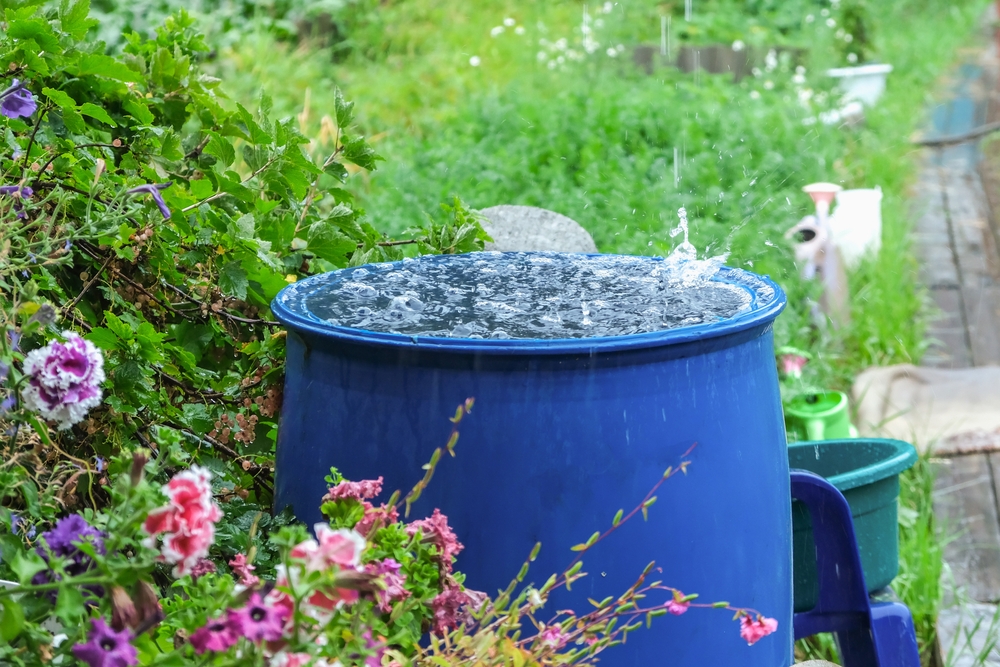
Rain barrels can be heavy when full, and without proper securing, they may tip over during strong winds or heavy rainfall. To avoid this, place your barrel on a level surface and ensure it is properly anchored or stabilized. Consider using bricks or a concrete slab underneath to prevent movement. This will help keep the barrel steady and reduce the risk of spills or damage.
In addition to securing the barrel itself, make sure to check the placement of the downspout that leads water into the barrel. It should be positioned in a way that allows for smooth water flow and doesn’t cause strain on the barrel. Properly securing both the barrel and downspout ensures that your system will perform well during the entire rainy season.
Test the Barrel’s Spigot for Leaks
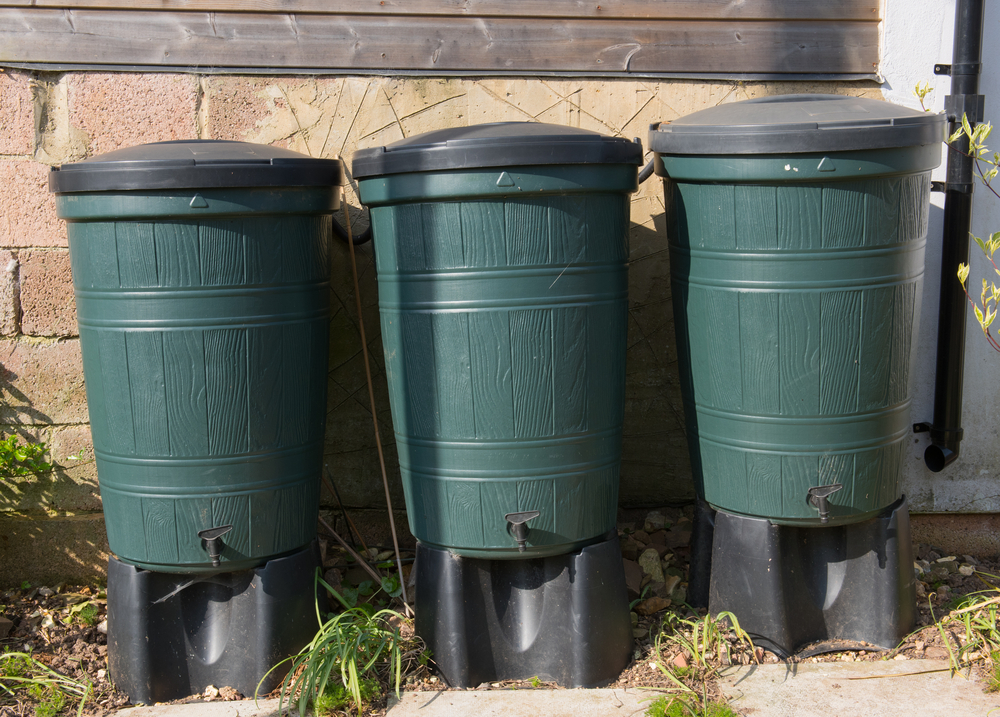
The spigot on your rain barrel is where you access the water for your garden, so it’s essential to check it for any leaks. Turn the spigot on and off a few times, ensuring that water flows freely without any drips or seepage. If you notice a leak, tighten the spigot or replace the washer to prevent further water loss. A well-functioning spigot will make it easy to fill watering cans or connect hoses when you need the water.
Additionally, make sure the spigot is positioned at a height that allows for easy access to the water. If necessary, raise the barrel on a platform to give you better access to the spigot, making it easier to fill containers and water your garden. A functional spigot helps you use the collected rainwater efficiently.
Check Hoses for Cracks or Kinks
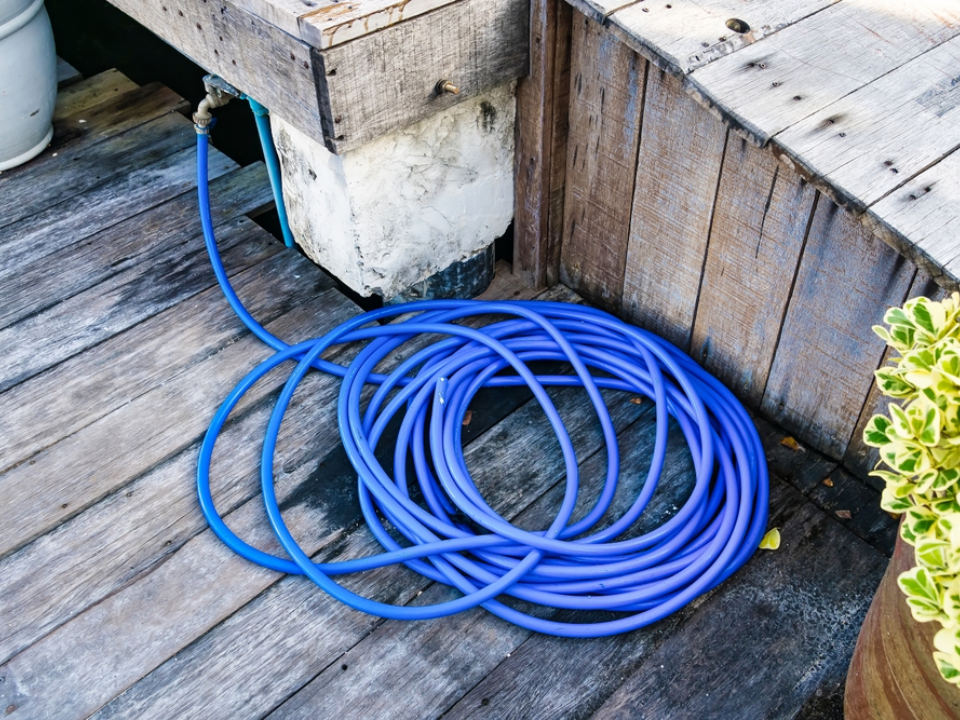
Hoses are a common tool for transferring water from your rain barrel to your garden, but over time, they can develop cracks, leaks, or kinks. Check your hoses thoroughly for any visible damage, especially near the fittings, where leaks are more likely to occur. A simple crack can lead to water waste and reduced water flow, so it’s best to replace damaged hoses before you begin using them for the season. This will ensure that your rainwater is used effectively without any unnecessary leaks.
In addition, inspect the hose for kinks that could restrict water flow. Kinks often form in hoses when they are left coiled for too long or stored improperly. Unkink the hose and lay it out straight to check for smooth water flow. A properly functioning hose will allow for consistent watering and prevent any disruption in the watering schedule.
Inspect the Hose Fittings for Tightness
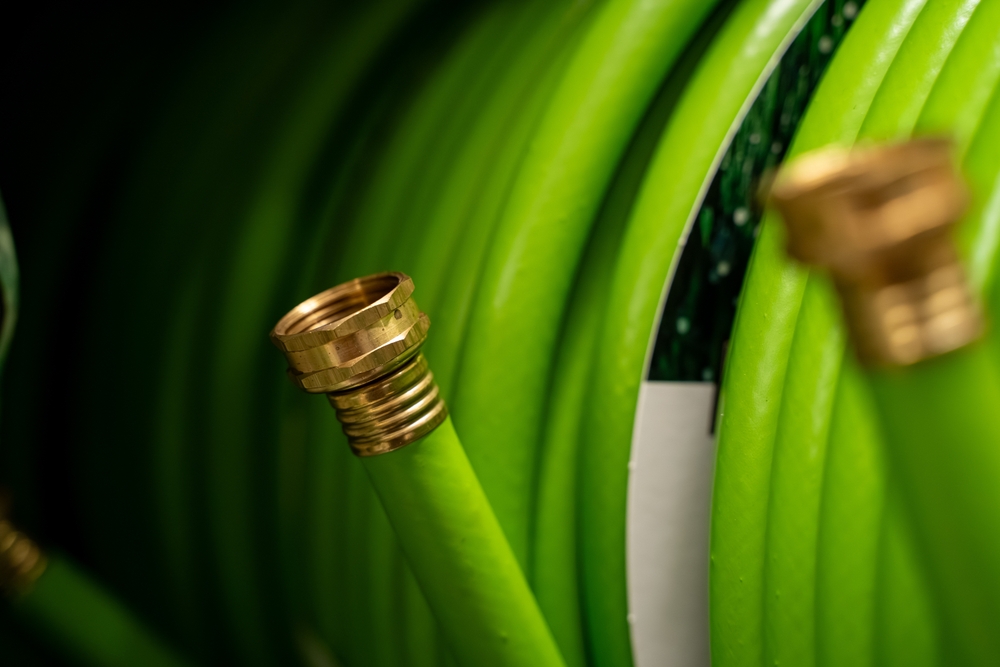
Check the fittings on your hoses, especially the connectors that attach to the rain barrel spigot. Over time, these fittings can loosen, causing leaks and a loss of water pressure. Ensure that the connections are tight and secure before using them for watering. If the fittings are loose, tighten them by hand or use a wrench, but be careful not to overtighten and cause damage.
If you find that the fittings are worn out or corroded, consider replacing them with new ones. A simple replacement can improve the flow and prevent leaks from developing. Secure fittings are essential to maintaining an efficient and leak-free water system.
Winterize Your Barrel for Cold Weather
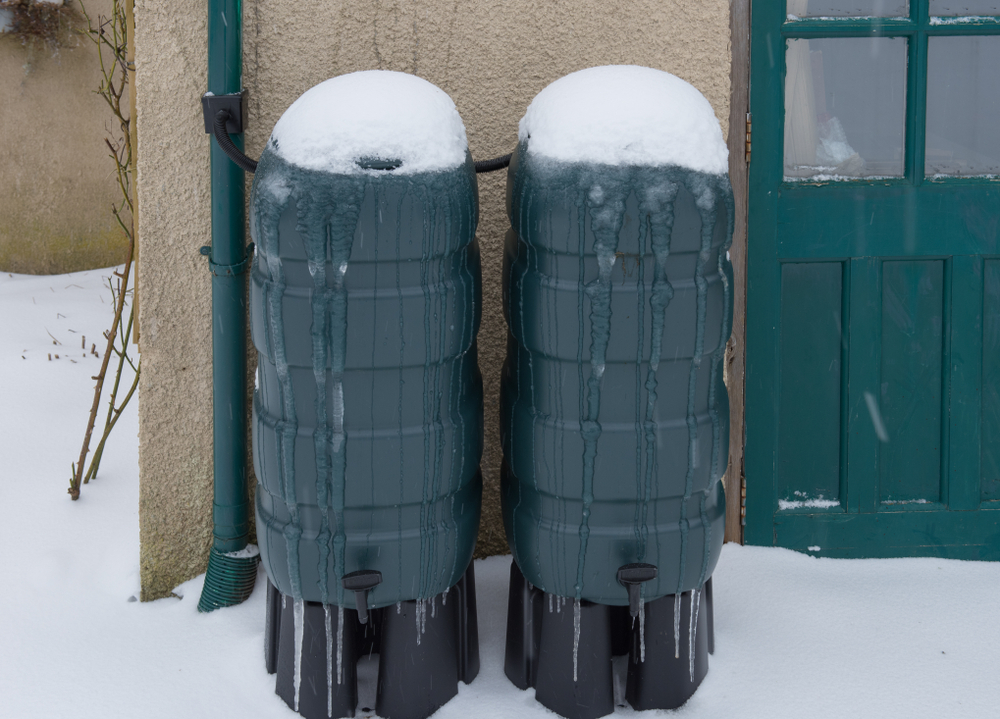
Before cold temperatures arrive, it’s important to winterize your rain barrel to prevent it from freezing and cracking. Drain the barrel completely and remove any remaining water in the pipes or spigot. This will help prevent ice from forming, which could damage the barrel and hoses. If you live in an area with freezing temperatures, consider storing the barrel indoors or in a sheltered location to keep it from freezing.
Additionally, you can wrap the barrel in an insulating material, like foam or a blanket, to provide extra protection against freezing temperatures. Taking these simple steps now will save you from costly repairs or replacements when spring arrives.
Check for Standing Water Around the Barrel
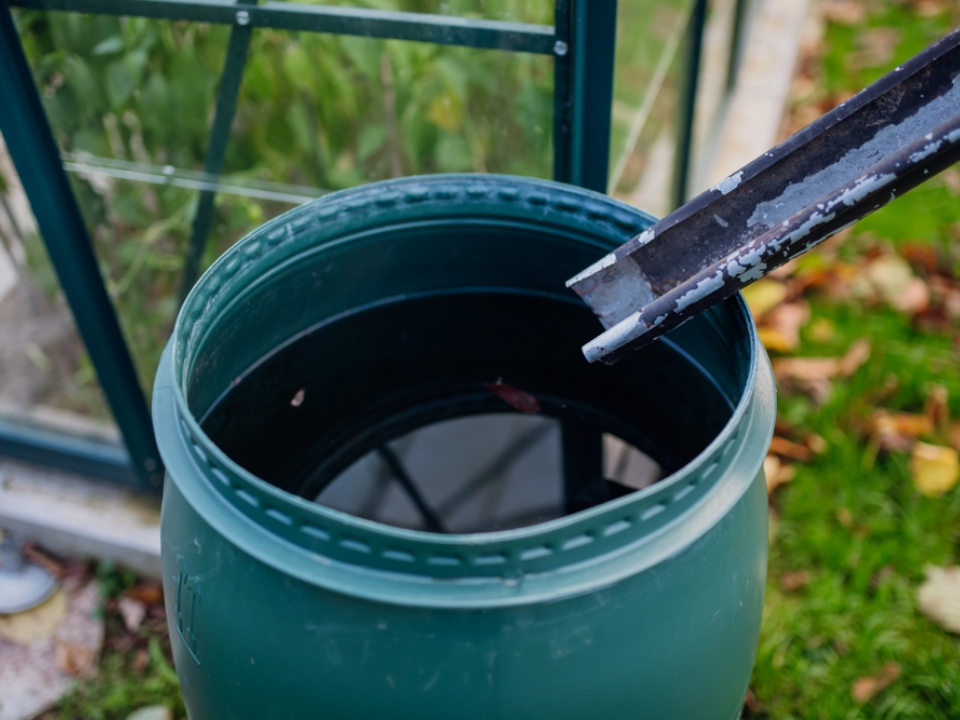
Standing water around your rain barrel can be a sign of poor drainage, which can cause issues with water accumulation and mosquito breeding. Check the ground surrounding the barrel to ensure that water drains away properly. If you notice pooling water, it might be time to adjust the positioning of the barrel or improve the drainage system. Make sure the area slopes slightly away from the barrel to prevent standing water from becoming a problem.
Consider adding gravel or creating a small trench around the barrel to help with drainage. This will help ensure that excess water moves away from the barrel, preventing waterlogged soil and potential flooding. Good drainage not only prevents problems with the rain barrel but also keeps your garden and yard healthy.
Clean the Downspout
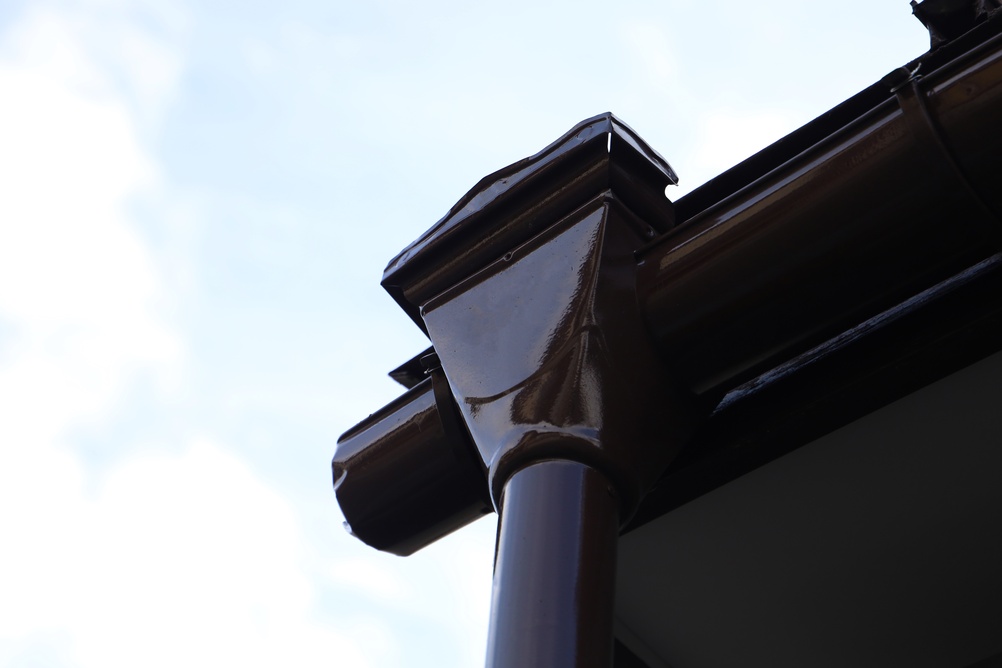
The downspout plays an important role in directing water into your rain barrel, so it’s essential to keep it clear of debris. Check the downspout for any blockages, such as leaves or twigs, that could prevent water from flowing freely. You may need to remove the debris by hand or use a hose to flush it out. A clear downspout ensures that rainwater flows smoothly into your barrel without any obstructions.
Cleaning the downspout regularly will also help prevent the build-up of mold or algae, which can affect the quality of the water in your barrel. Regular maintenance of the downspout will reduce the chances of clogs and keep your rainwater collection system running smoothly.
Position the Barrel on a Stable Surface
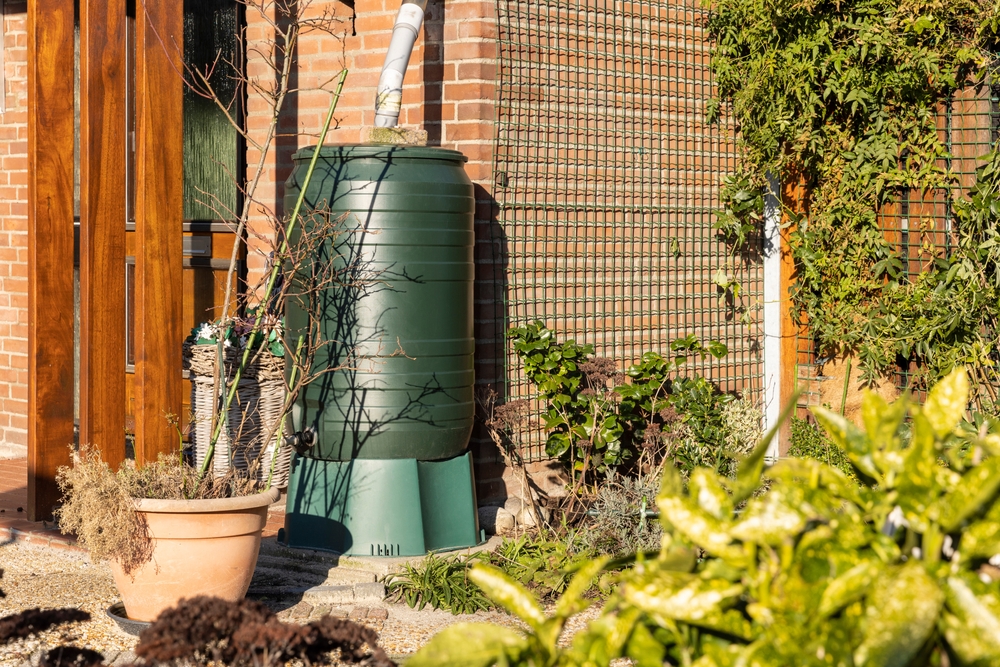
To ensure that your rain barrel remains steady and stable, position it on a solid, level surface. A barrel that is not placed on a stable base may tip over or become damaged during heavy rain or wind. Consider placing the barrel on a raised platform, such as a concrete slab or wooden pallet, to provide a solid foundation. This will help distribute the weight evenly and prevent any movement when the barrel is full.
A stable surface also ensures that the water flows smoothly through the spigot and hose, preventing unwanted leaks. Make sure the barrel is secure, especially if you live in an area prone to strong winds. Proper positioning of the barrel ensures safety and efficiency throughout the season.
Inspect the Hose Nozzle
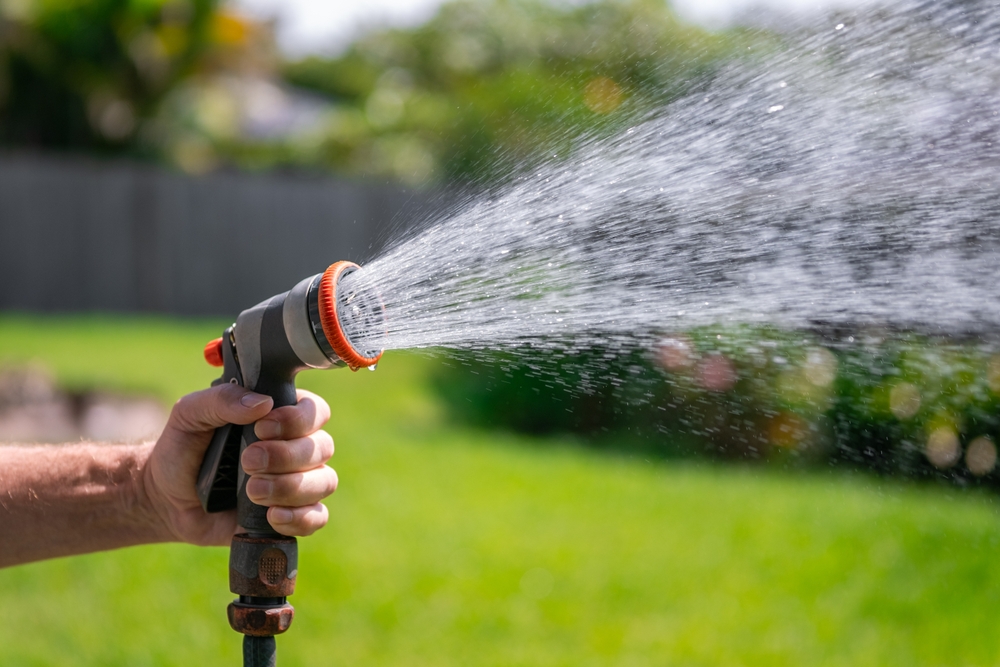
The nozzle on your hose is where the water comes out, so it’s important to check it regularly for clogs or damage. Inspect the nozzle to make sure it is clean and free from dirt or debris that could affect water flow. If the nozzle is clogged, soak it in warm water or use a small brush to clear it out. A clean nozzle will ensure that water flows evenly, whether you are using it for irrigation or filling watering cans.
If the nozzle is cracked or damaged, it may be time to replace it. Look for nozzles that allow you to adjust the water flow, which will give you more control when watering different areas of your garden. A well-maintained nozzle helps you use the rainwater efficiently and effectively.
Install a First Flush Diverter
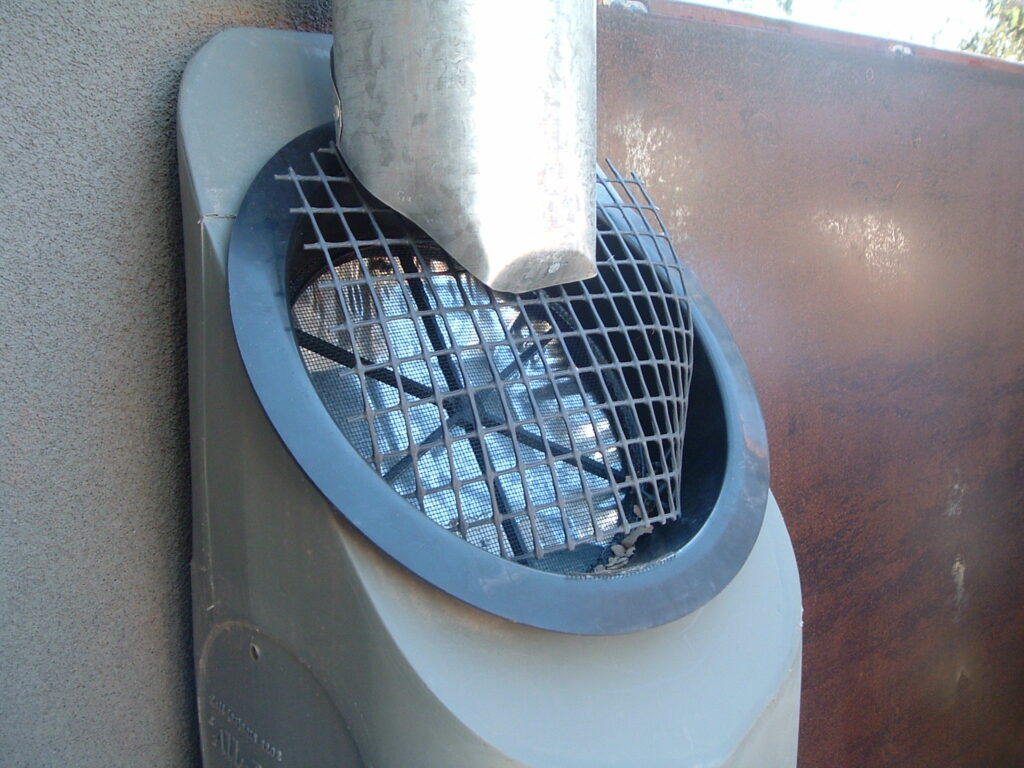
A first flush diverter is a device that helps improve the quality of the water collected in your rain barrel. It works by directing the initial dirty water away from the barrel, ensuring that only clean rainwater enters the system. This is especially helpful if your gutters or downspout have accumulated debris, as it prevents contaminants from entering the barrel. Installing a first flush diverter can help keep your water cleaner and reduce the need for frequent cleaning.
While not mandatory, a first flush diverter is a valuable addition for anyone looking to collect water for gardening purposes. It ensures that the water you use is as clean as possible, which is important for maintaining healthy plants. Consider adding this simple device to your system to further enhance its efficiency and cleanliness.
This article originally appeared on Avocadu.