
14 Quick Patio Pot Refreshes That Make March Planting Faster
Preparing your patio pots for spring can be a fast and easy task when you know what to do. By refreshing them now, you’ll set yourself up for a smooth planting experience later. Whether you’re changing the soil or adding a few new plants, these quick steps make all the difference. With just a little time invested now, you’ll be ready for planting in no time.
This post may contain affiliate links, which helps keep this content free. Please read our disclosure for more info.
Refresh the Soil with Compost
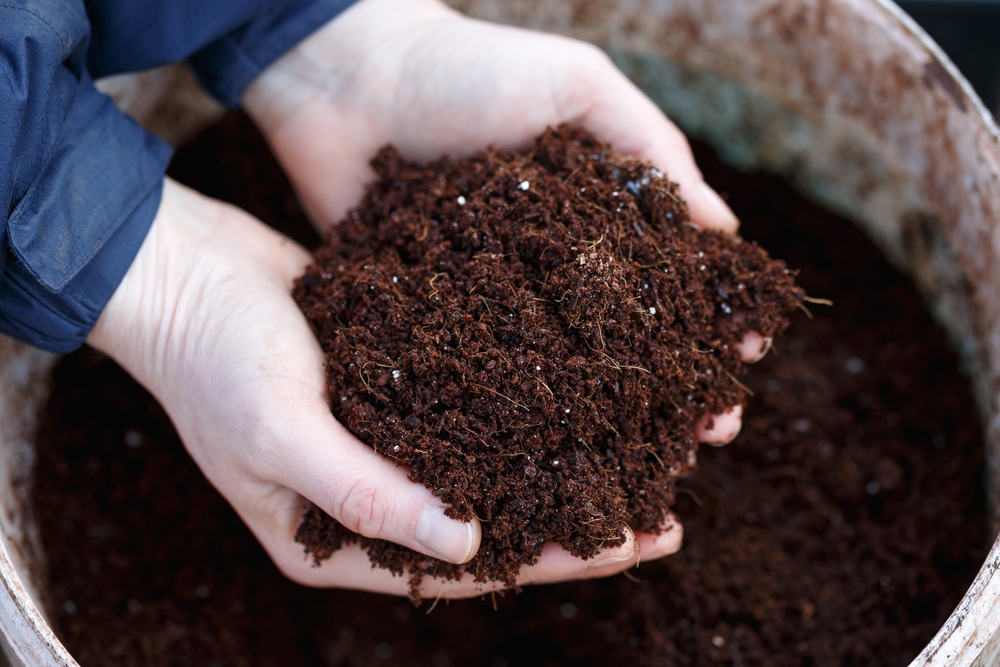
Over time, the soil in your patio pots can become compacted and lose its nutrients. By adding a layer of fresh compost, you give your plants a nutrient-rich environment that promotes healthy growth. Compost is packed with essential organic matter that not only improves soil structure but also enhances its ability to retain moisture. This helps prevent the soil from drying out too quickly, especially as temperatures rise in the spring.
Make sure to mix the compost thoroughly with the existing soil to avoid clumping, which could create pockets of nutrients that plants can’t access. If your pots have been used for multiple seasons, replacing the top few inches with fresh compost is a quick and easy refresh. You do not need to replace all of the soil, as simply reviving the top layer can have a significant impact. By doing this, you ensure that your plants have access to everything they need for a strong start to the season.
Clean Your Pots
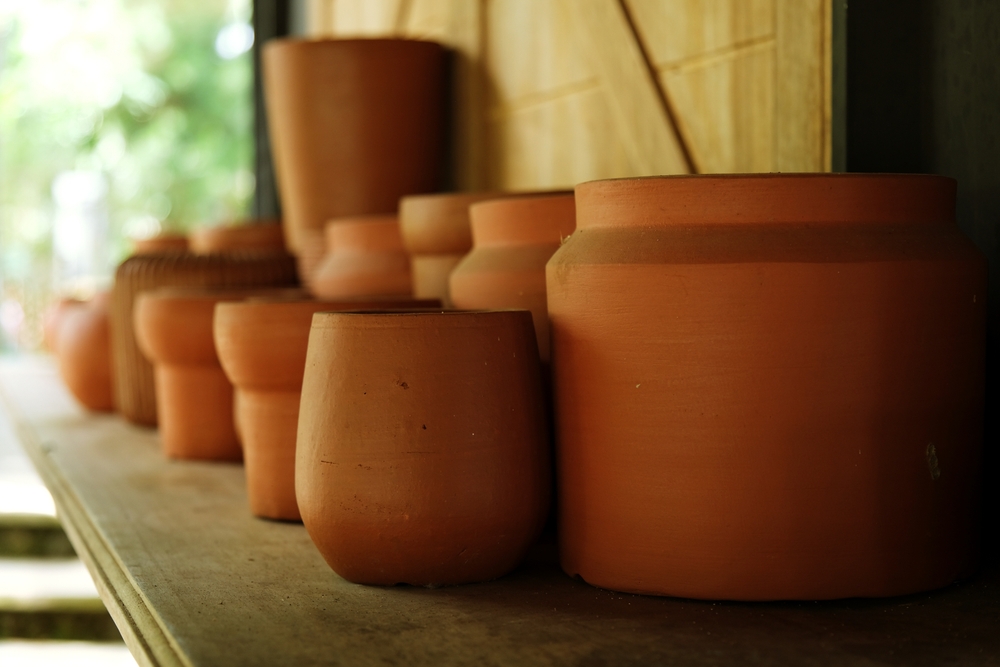
Cleaning your pots before replanting is an essential step in preparing for a successful season. Over the winter, dust, dirt, and even mold can accumulate inside and outside your pots, which can affect plant health. Cleaning the inside of the pots removes any harmful residue that could harbor pests or disease. Using a mild soap solution or a vinegar-water mix is effective for removing stubborn grime and ensuring that your plants start off in a healthy environment.
Do not forget to clean the drainage holes, as clogged drainage can lead to water buildup and root rot. If your pots have been exposed to outdoor elements, consider using a soft brush or a pressure washer to remove tough stains. Once cleaned, let the pots dry completely before refilling them with fresh soil. A clean pot is not only visually appealing but also helps ensure a disease-free environment for your plants to thrive in.
Add Fresh Mulch
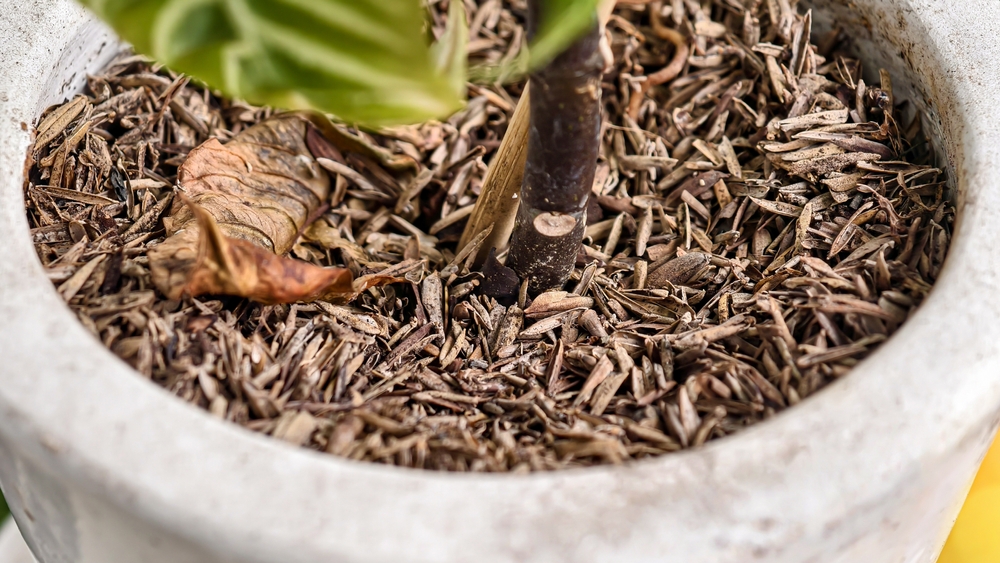
Adding fresh mulch is one of the simplest ways to refresh your patio pots and improve their overall health. Mulch helps to lock in moisture, preventing the soil from drying out too quickly. It also acts as a barrier to weeds, ensuring that your plants have less competition for nutrients. Moreover, a layer of mulch adds a polished, neat appearance to your containers, making your patio feel more inviting and well-maintained.
When adding mulch, it is important to keep it a few inches away from plant stems or trunks. This ensures that moisture does not accumulate directly on the plant, which could lead to rot. Organic mulches like wood chips or shredded bark break down over time, adding additional nutrients to the soil. Refreshing the mulch layer at the start of the season helps maintain a healthy, balanced environment for your plants, allowing them to grow more efficiently and beautifully throughout the spring and summer.
Repot Overcrowded Plants
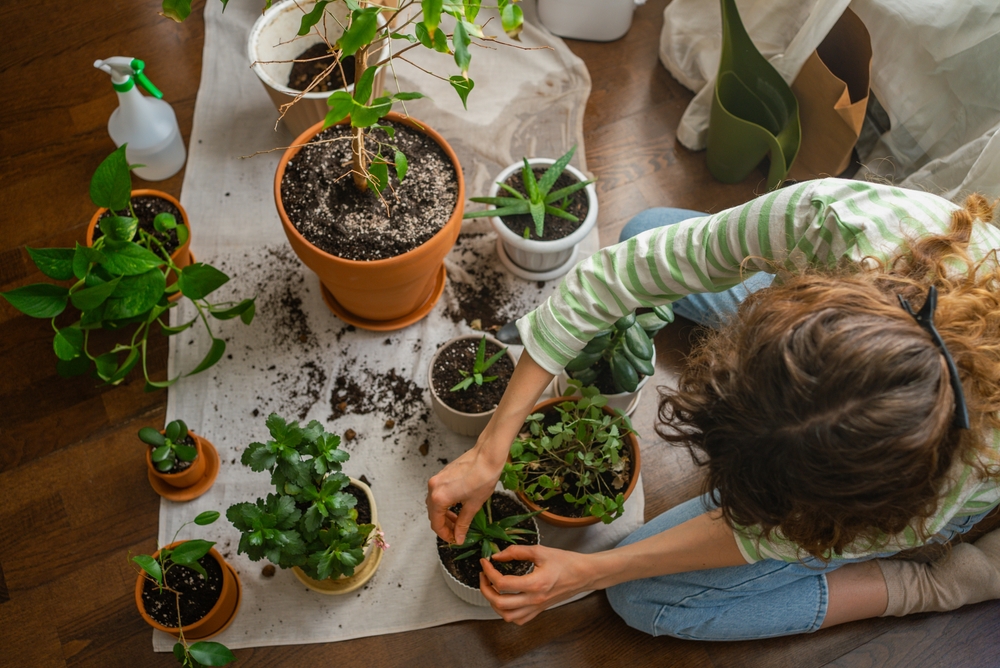
Repotting is an essential refresh for any plants that have outgrown their pots. Overcrowded roots struggle to access water and nutrients, making it difficult for plants to thrive. Repotting gives the roots more space to spread out, allowing the plant to grow stronger and more robust. If your plants have been in the same pot for more than a season, it’s time to assess whether they need more room to continue thriving.
When repotting, select a pot that is slightly larger than the current one, allowing room for the roots to grow without being confined. Be sure to use fresh, well-draining potting mix to encourage healthy root development. Repotting gives your plants the space they need to thrive, and it can also give your patio a fresh new look. Not only does it encourage new growth, but it also prevents the plant from becoming stunted due to overcrowding.
Check for Drainage Issues
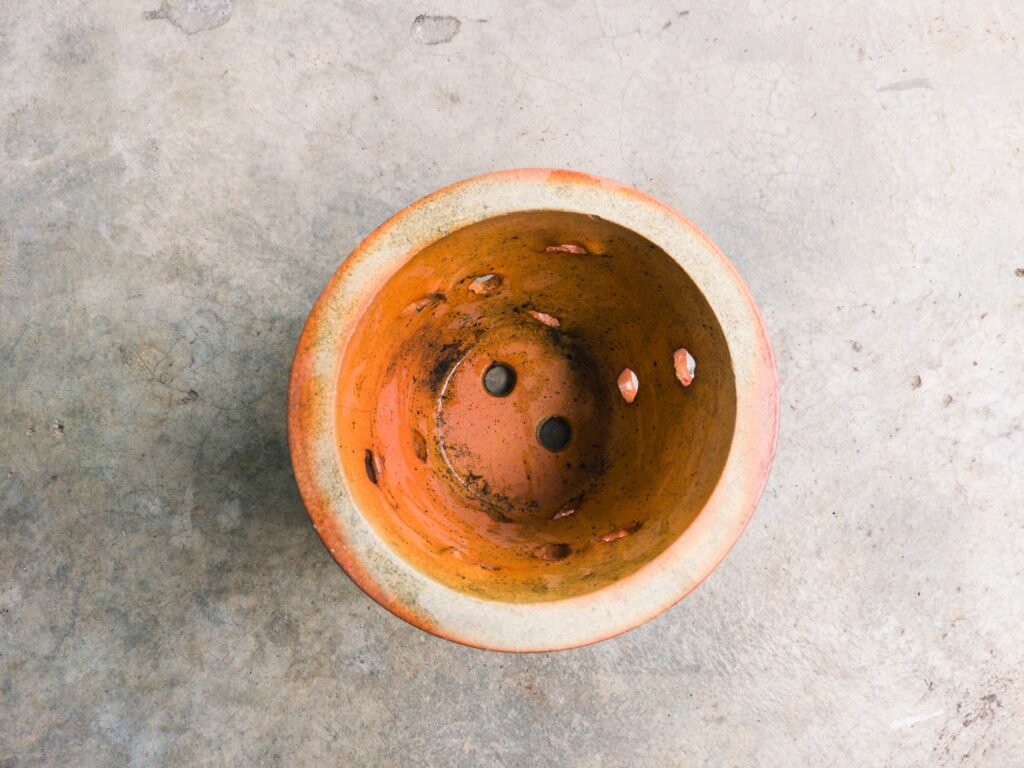
Proper drainage is essential to ensure that your plants don’t suffer from root rot. Without good drainage, excess water can build up in the pot, depriving the roots of oxygen and causing them to rot. Inspect the drainage holes at the bottom of your pots to ensure they are clear and functioning. If necessary, add a layer of small stones or gravel at the bottom of the pot to help with water flow, which will prevent water from sitting at the base.
If your pots have poor drainage, it might be necessary to drill additional holes to allow for better water escape. Many plants are sensitive to waterlogged roots, and addressing drainage issues early can save you a lot of trouble in the long run. By ensuring that your pots drain properly, you prevent a range of potential problems, from mold growth to unhealthy plant roots. This quick fix allows you to enjoy a hassle-free growing season without worrying about excess water harming your plants.
Refresh Plant Supports
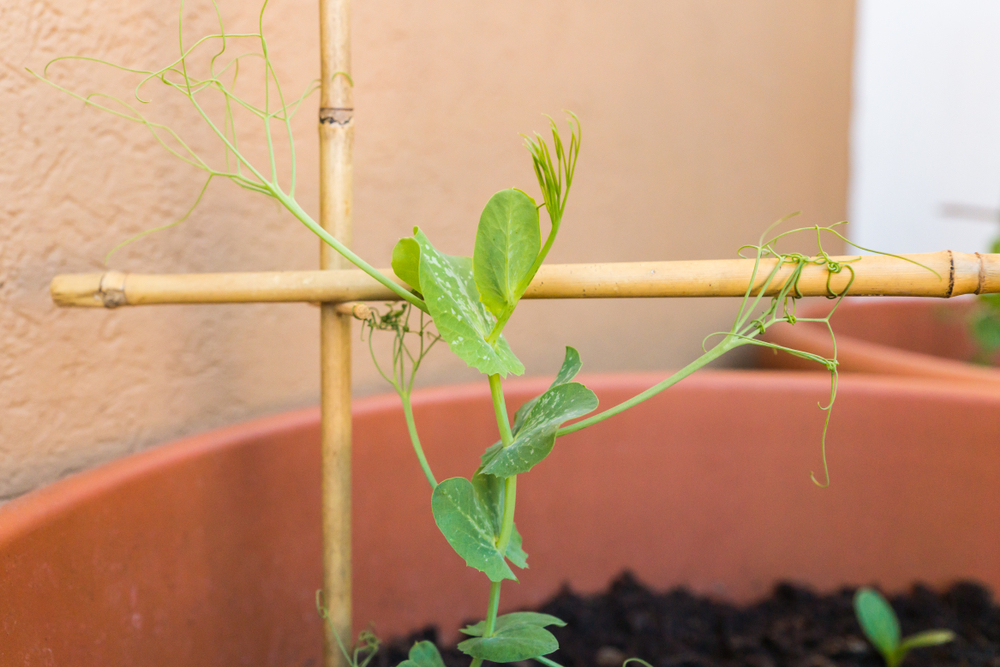
When plants begin to grow taller or more vigorously, they often need extra support to keep them upright. Adding plant supports such as stakes, cages, or trellises is a quick and effective way to ensure that your plants remain healthy and well-structured. Plant supports help keep your plants from becoming floppy or tangled, especially as they mature. They also make it easier to spot and address any potential issues like disease or pests.
When setting up plant supports, make sure they are sturdy enough to hold the plants as they grow taller. You can add stakes at the time of planting to avoid disturbing the roots later on. For plants that spread out, a trellis or cage provides excellent support, allowing them to grow vertically and save space. Refreshing your plant supports ensures that your plants grow in an organized and controlled manner, allowing them to reach their full potential.
Remove Dead Plant Material
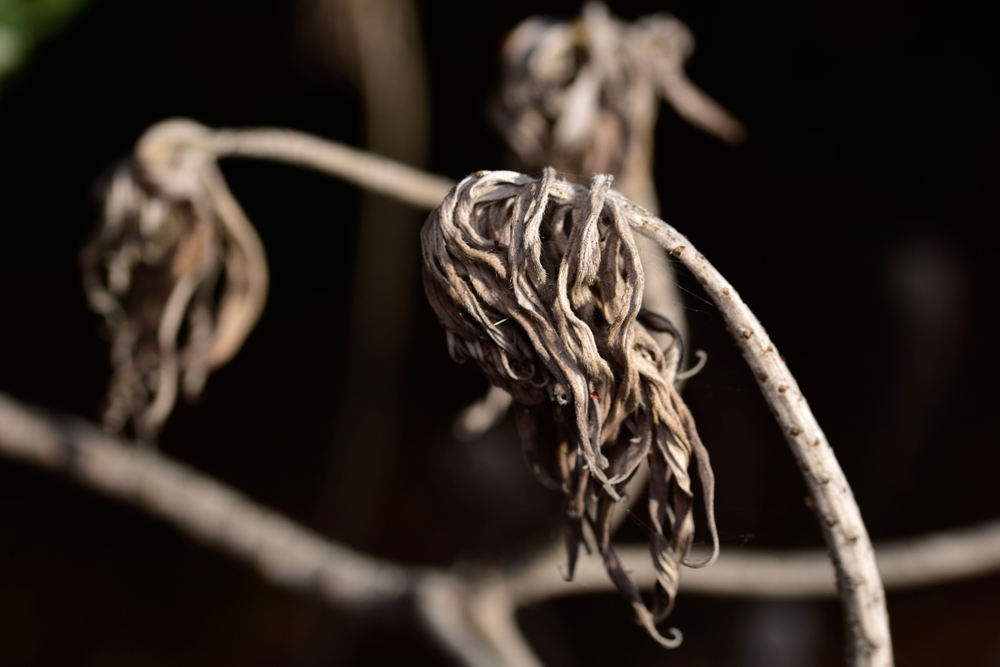
Removing dead or decaying plant material from your patio pots is an important refresh step to promote healthy growth. Dead leaves, stems, and flowers can harbor disease and attract pests, which can spread to your other plants. Taking the time to remove these parts encourages new growth and ensures that your plants have access to all the nutrients they need. It also gives your pots a tidier, more polished appearance.
Cut back any dead foliage or spent flowers to allow the plant to focus its energy on new growth. If any of your plants didn’t survive the winter, now is the time to clear them out, freeing up space for new plantings. Pruning back dead material also helps prevent mold and rot, creating a cleaner environment for your plants. This refresh can prevent many potential issues and set your plants up for success throughout the growing season.
Choose the Right Fertilizer
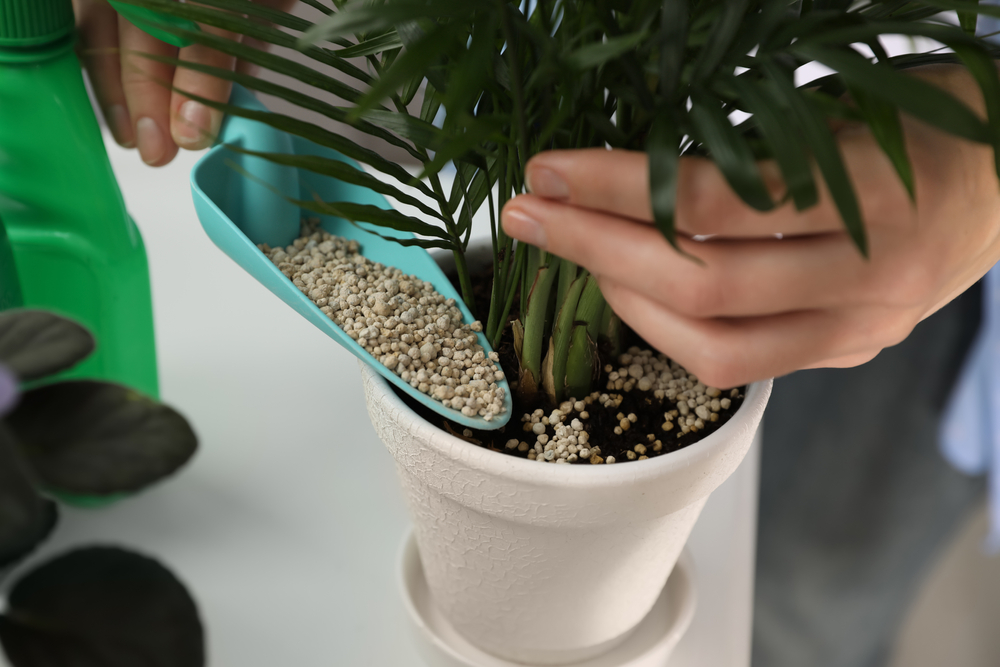
Choosing the right fertilizer is crucial to keeping your patio pots in tip-top shape. Different plants have varying nutrient needs, so it’s important to pick a fertilizer that matches what your plants require. Slow-release fertilizers are great for patio pots because they provide consistent nutrients throughout the season. This ensures that your plants have the necessary support as they grow, without the risk of over-fertilizing.
When selecting a fertilizer, pay attention to the label and choose one that suits your plants’ specific needs. Some fertilizers are designed for blooming plants, while others are meant to encourage foliage growth. Always follow the manufacturer’s recommendations to avoid damaging your plants. Fertilizing in early spring can give your plants a solid start and help them flourish throughout the growing season.
Replace Broken or Damaged Pots
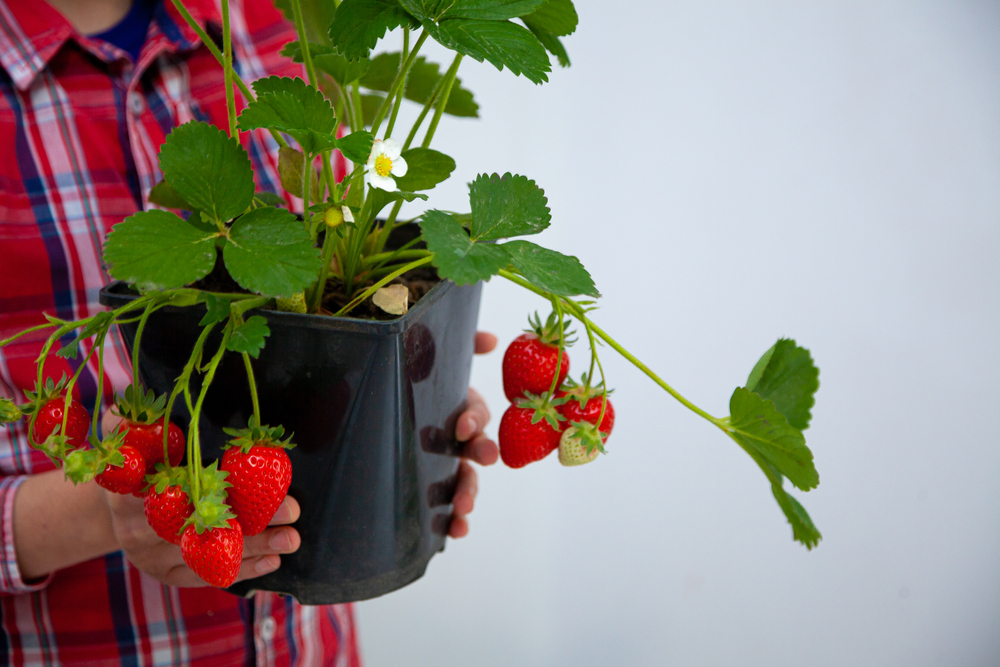
Damaged pots can hinder plant growth, making it difficult for roots to spread properly. If your pots are cracked or broken, it’s time to replace them with new ones. Cracked pots not only look unsightly but can also affect the drainage, which can harm your plants. New, sturdy pots will provide your plants with a better environment, ensuring they can grow freely without restrictions.
When replacing pots, choose ones that are the right size for your plants. A pot that is too small can stunt growth, while a pot that is too large may cause the soil to stay too wet. Look for pots that offer good drainage, and opt for materials like terracotta or ceramic, which help maintain consistent soil moisture. Replacing damaged pots can make a world of difference for your plants, giving them the best chance to thrive this season.
Check Light Exposure
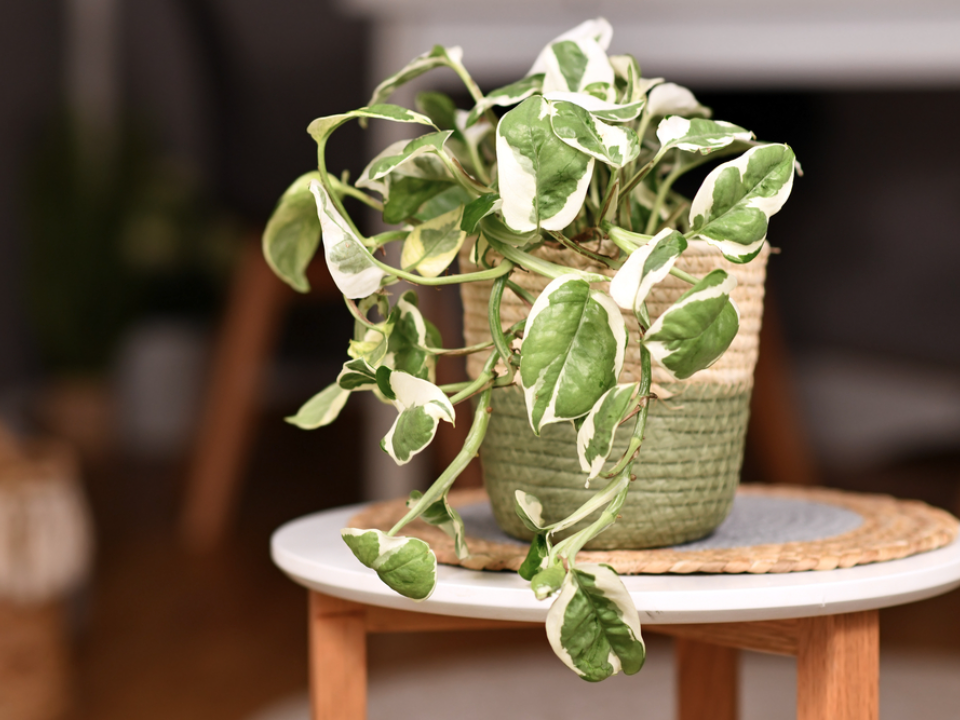
Ensuring that your patio pots are placed in areas with the right amount of sunlight is essential for plant health. Different plants have different light requirements, so it’s important to assess the light exposure on your patio. Some plants thrive in full sun, while others do better in partial or full shade. By adjusting the placement of your pots, you can create an optimal growing environment for your plants.
Take into account how the sun moves across your patio throughout the day. If necessary, move your pots to areas that receive the correct amount of sunlight for the plants you intend to grow. By getting this step right early in the season, you will give your plants the best conditions for growth. This simple adjustment can make a huge difference in the health and success of your plants.
Prune Overgrown Plants
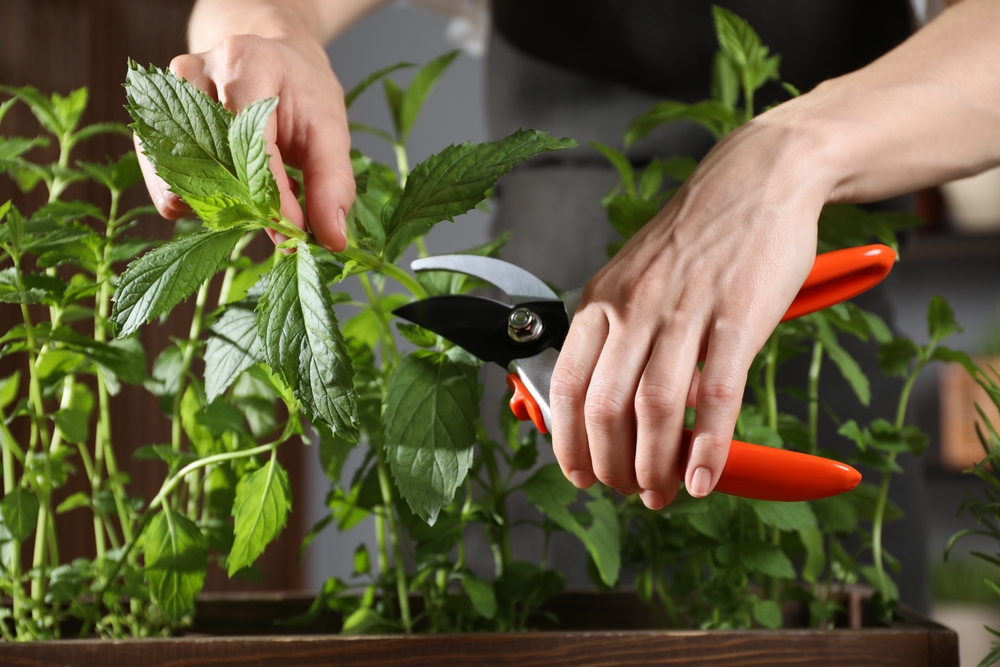
Pruning is an essential task when refreshing your patio pots for the spring season. Overgrown plants can become leggy, weak, or tangled, and removing any dead or damaged growth will allow your plants to focus on producing healthy new growth. It also improves the overall shape and appearance of your plants, creating a neater, more organized garden. Pruning encourages stronger stems and more vibrant blooms, giving your plants the best chance to thrive.
When pruning, make sure to use sharp, clean tools to avoid damaging the plant. Remove any dead leaves, branches, or flowers that are no longer serving a purpose. Take care not to over-prune, as this can stress the plant. A gentle trim is enough to give your plants a healthy start for the season, and it will help you avoid any clutter in your pots.
Refresh the Bottom of the Pot with Stones
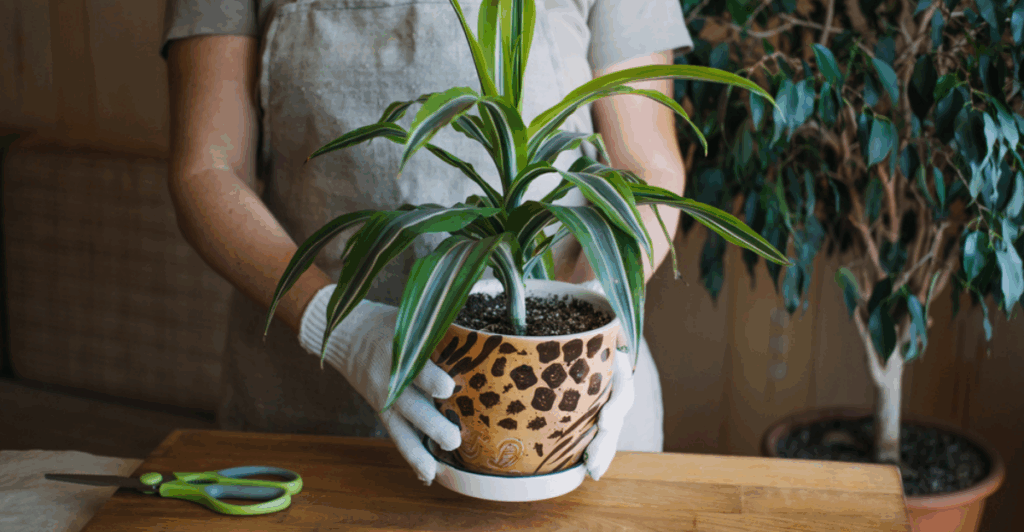
Adding a layer of small stones or gravel to the bottom of your pots can significantly improve drainage. Many patio pots have limited drainage space, which can lead to water pooling at the bottom and potentially harming your plants’ roots. A layer of stones helps excess water drain more effectively, preventing root rot and allowing your plants to access oxygen-rich soil. This step is particularly useful for pots with minimal drainage holes or for plants that are particularly sensitive to overwatering.
The stones also help to prevent soil from washing out when watering. Be sure to use small, clean stones that won’t break down over time. Adding stones is a simple, quick refresh that makes a big difference in the overall health and longevity of your plants. It also creates a more stable base for the roots, helping them stay firmly in place as they grow.
Use a Potting Mix Suited to Your Plants

Choosing the right potting mix for your plants is a key factor in ensuring their success. Different plants have different needs, so it’s important to use a mix that is designed specifically for their growth. For example, cacti and succulents need a well-draining mix, while plants like ferns or flowers might require a more moisture-retentive mix. Investing in a good-quality, plant-specific potting mix ensures that your plants have the nutrients and drainage they need to thrive.
Before refilling your pots with soil, check that the mix you’re using is fresh and free of pests or disease. Some potting mixes come pre-fortified with fertilizers, which can help your plants get off to a strong start. If you’re growing plants that require particular soil conditions, such as acidic or alkaline soil, be sure to choose a mix that caters to those specific needs. This refresh guarantees that your plants start with the right foundation for healthy growth.
Treat for Pests Before Planting
Before adding new plants to your pots, it’s a good idea to treat for pests. Patio pots can attract a variety of insects, including aphids, mites, and ants, especially if they have been sitting unused over the winter. Applying a natural pest control treatment to the soil and surrounding areas can help eliminate any pests that may be lurking. Neem oil or insecticidal soap are excellent, safe options for treating your plants without harming them.
It’s a good practice to treat the pots themselves as well, as pests may have taken up residence in the cracks or drainage holes. A quick spray around the base of your pots or a thorough wash can prevent pests from becoming a problem later. By tackling this step before planting, you give your new plants a better chance at thriving without the threat of pests. Regular pest prevention helps maintain a healthy, vibrant garden throughout the growing season.
This article originally appeared on Avocadu.