
10 Puzzle Games That Stay Relaxing No Matter How Many Times You Play
Some games are exciting for a while, then slowly lose their charm, but puzzle games tend to feel different. They offer a calm rhythm that makes you slow down and think without pressure. Even after you know the solution, there is something comforting about going through the motions again. If you are looking for something steady and soothing, this is a great place to start.
This post may contain affiliate links, which helps keep this content free. Please read our disclosure for more info.
Tetris
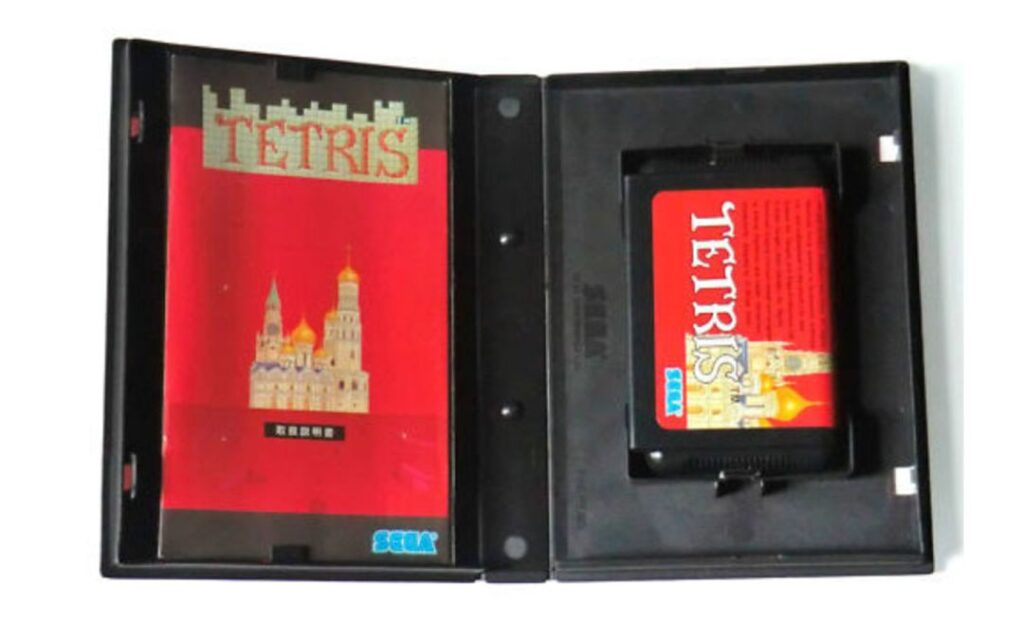
First released in 1984, Tetris remains one of the most quietly satisfying puzzle games ever created, built around the simple act of fitting falling shapes together into clean horizontal lines. The steady descent of blocks creates a rhythm that feels almost meditative, especially once your hands begin moving without hesitation. Its rules are easy to understand within minutes, yet the game slowly reveals deeper layers of timing, planning, and spatial awareness as your speed increases. Because there is no storyline or dramatic shift in mechanics, the experience stays consistent and dependable no matter how often you return.
Over time, the game becomes less about chasing high scores and more about maintaining flow and balance on the board. The familiar music and clean grid design help your mind settle into a focused state that feels calming rather than overwhelming. Different versions across consoles, handheld devices, and mobile platforms preserve the core structure while offering visual variety, which keeps the experience fresh without changing its identity. Even after years of play, there is something deeply comforting about clearing a perfectly placed line and watching the stack fall neatly into place.
Monument Valley
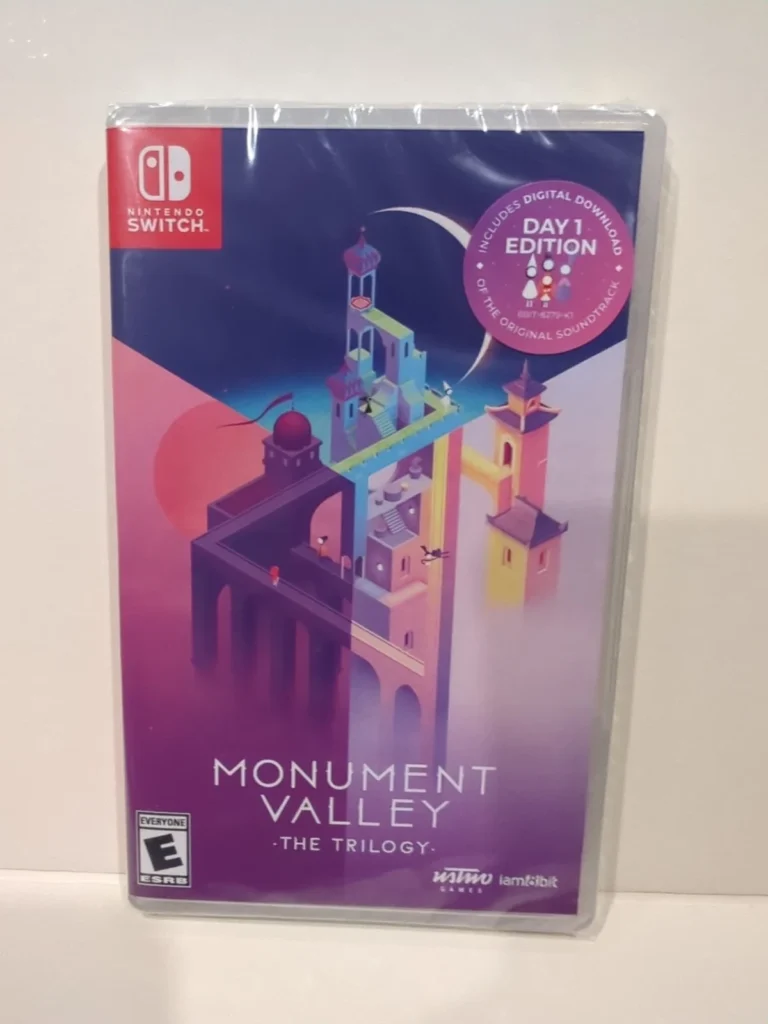
Monument Valley invites players into a dreamlike world filled with impossible architecture, soft pastel colors, and quiet, thoughtful puzzles. You guide a silent princess through shifting staircases and optical illusions that bend perspective in surprising yet gentle ways. The puzzles rely on observation and careful movement rather than speed, which makes every level feel like a peaceful exercise in attention. There are no timers counting down or loud sound effects interrupting the experience, allowing you to move forward at your own pace.
Returning to the game often reveals small visual details that may have gone unnoticed the first time, from subtle patterns in the walls to quiet narrative hints in the background. The soundtrack supports the mood with calm tones that blend into the environment rather than dominate it. Because each chapter is relatively short, it is easy to revisit a favorite level without committing to a long session. Many players replay it simply to enjoy the atmosphere again, which speaks to how well its calm design holds up over time.
Sudoku
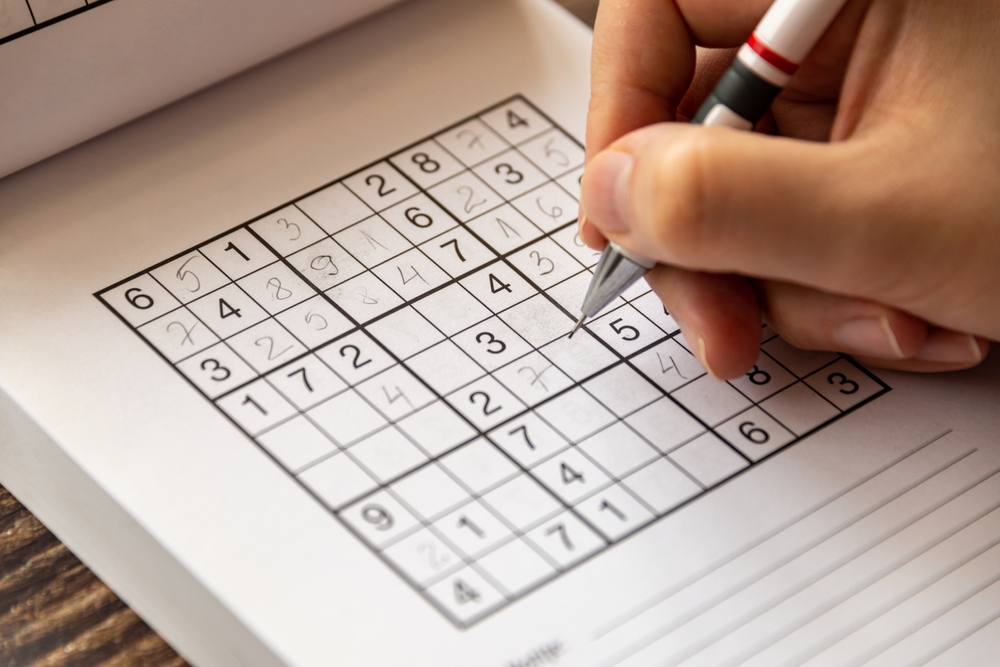
Sudoku has remained a staple of puzzle books and newspapers for decades because its structure is clear, logical, and deeply satisfying. The goal is to fill a nine-by-nine grid so that each number appears once in every row, column, and box, a task that rewards patience and steady thinking. There are no flashy graphics or shifting rules to keep up with, which makes it ideal for quiet mornings or slow afternoons. Its simplicity allows your focus to rest fully on the problem in front of you.
Each new puzzle presents a fresh layout, ensuring that the challenge feels new even though the rules remain the same. Difficulty levels range from beginner grids that build confidence to advanced boards that require careful deduction and planning. Because it can be played with nothing more than a pencil and paper or a basic app, it fits easily into daily routines. Solving a grid brings a calm sense of completion that feels earned rather than rushed.
Mini Metro
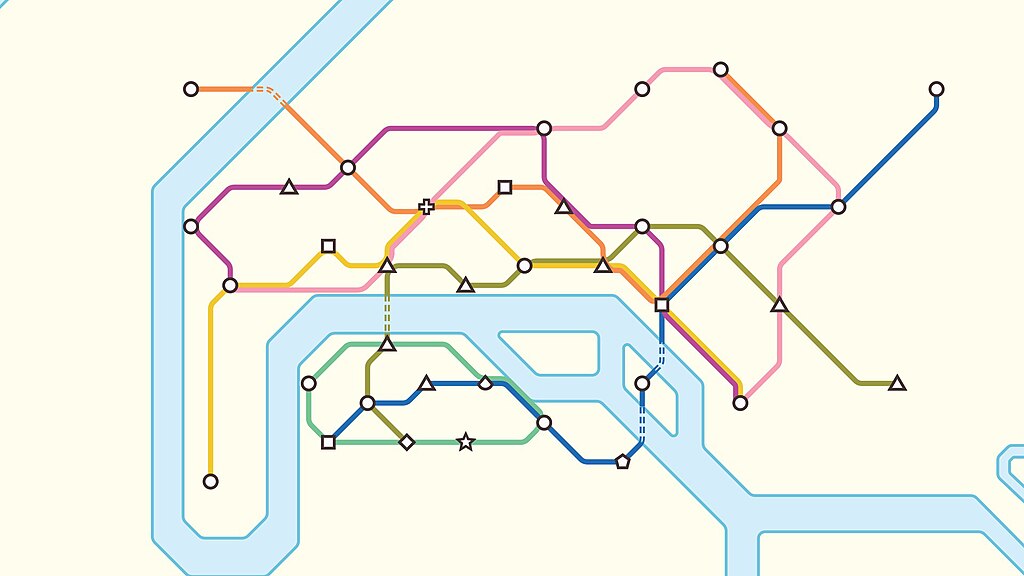
Mini Metro turns the task of designing subway lines into a clean, minimalist puzzle that feels thoughtful rather than chaotic. You draw simple routes between stations as a growing city expands across a blank map, watching passengers move along colored lines. The graphics rely on clear shapes and soft motion, which keeps the screen easy to follow even as the network becomes more complex. Early stages unfold at a measured pace, allowing you to settle into a rhythm before the city demands more careful planning.
Each city offers a slightly different layout, encouraging new strategies while maintaining the same calm structure. Even when a map eventually becomes too crowded and a round ends, the session feels reflective instead of stressful. The ticking sound of time passing and the smooth movement of trains add to the quiet atmosphere. Many players return again and again, not to compete aggressively, but to enjoy the steady process of building something orderly from a blank slate.
Picross
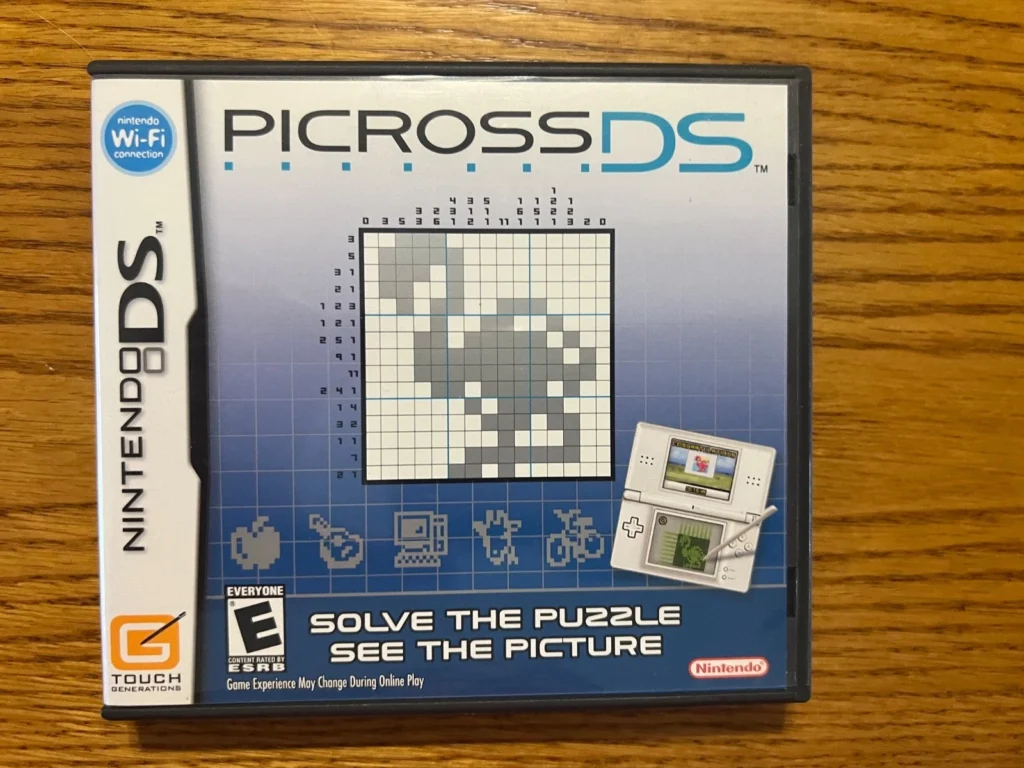
Picross, often called a nonogram, asks players to fill in squares on a grid based on number clues placed along each row and column. At first glance the board looks plain, yet every number carries meaning that slowly reveals a hidden image once the correct squares are marked. The process feels deliberate and steady, as you test possibilities and adjust your markings without any time pressure. Because the rules remain consistent across puzzles, the calm focus comes from careful deduction rather than reacting quickly.
Larger grids add complexity while keeping the same quiet structure that makes the game so comforting. Mistakes can be corrected easily, which removes the fear of failure and encourages thoughtful experimentation. The small satisfaction of seeing a shape begin to form in one corner keeps motivation steady throughout the puzzle. Even after completing dozens of images, the simple act of turning blank space into a recognizable picture continues to feel rewarding.
Portal

Portal combines physics-based puzzles with a controlled, minimal setting that keeps the mind focused on problem-solving. Players use a device that creates linked portals on walls, allowing movement through space in ways that feel clever rather than chaotic. The sterile white test chambers and sparse dialogue create a quiet environment that supports concentration. Each level builds gently on the last, adding new elements without overwhelming the player.
Replaying the chambers often reveals alternate solutions that were not obvious during the first attempt. The mechanics remain consistent from beginning to end, which gives players a steady foundation to think creatively. There is satisfaction in finding a cleaner or more elegant path through a familiar room. Even years after release, returning to a favorite puzzle still brings the same thoughtful enjoyment.
Baba Is You
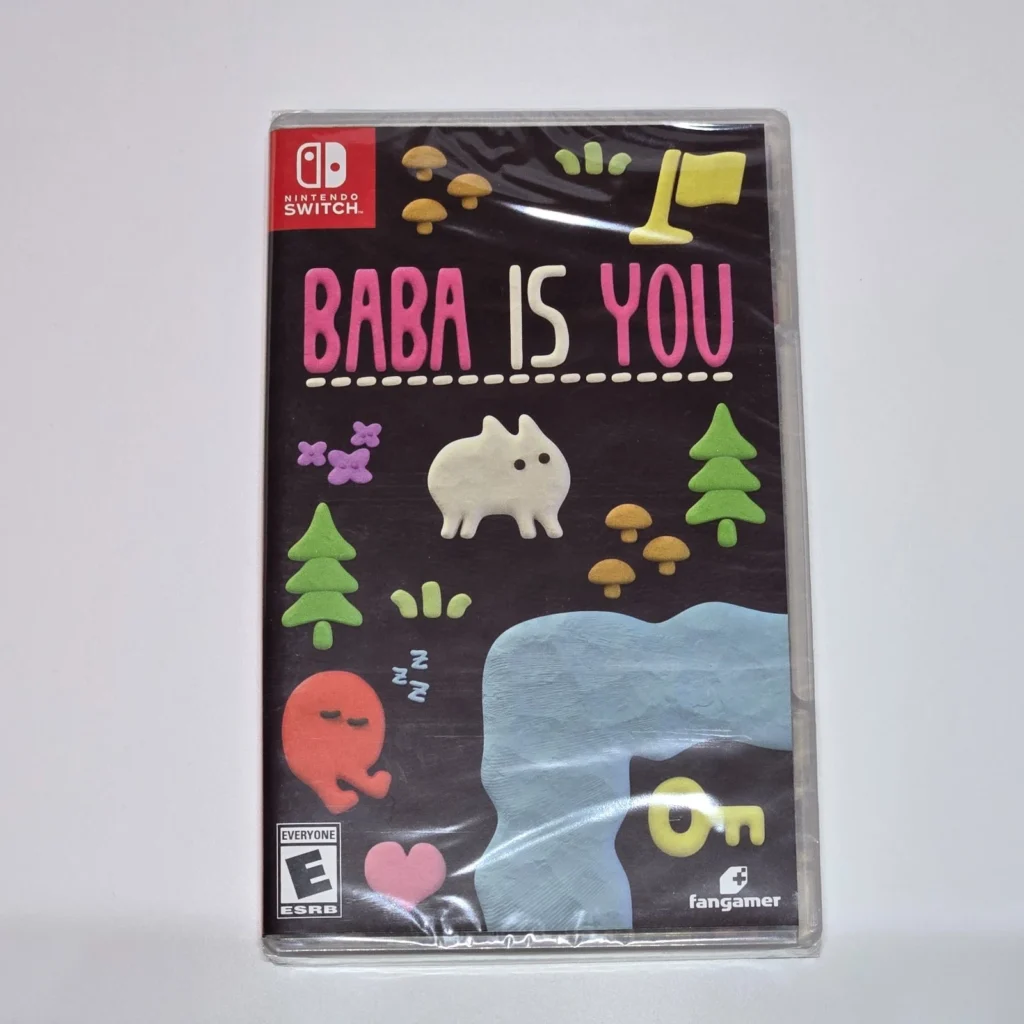
Baba Is You presents puzzles built around changing the rules that govern the world on screen. Words form statements such as wall is stop or flag is win, and by moving those words you alter how objects behave. This mechanic encourages careful thought and experimentation within a calm grid based layout. The pixel art visuals remain clean and uncluttered, keeping attention on logic rather than spectacle.
Although some puzzles require patience, there is no countdown pushing you forward. Revisiting earlier levels often leads to new solutions once you better understand how rule shifts affect the environment. The steady pace allows you to pause and rethink without penalty. Even after completing the main stages, returning to tricky boards still feels satisfying because each solution comes from genuine insight.
Gorogoa
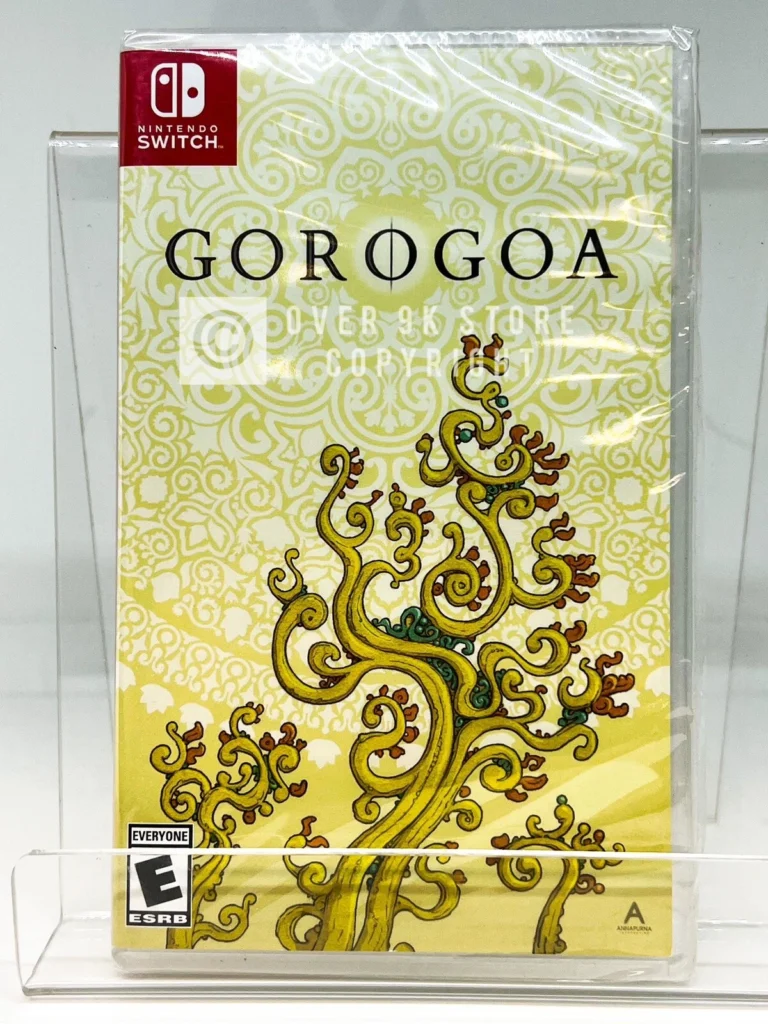
Gorogoa tells its story through a series of hand-drawn panels that players slide, stack, and align to solve visual puzzles. Each image connects subtly to another, forming layered scenes that unfold without heavy text or instruction. The artwork feels detailed yet gentle, encouraging you to observe carefully before making a move. There is no rush, which makes every solution feel discovered through patience rather than pressure.
When replayed, the transitions between panels reveal a new appreciation for how carefully the images connect. The soft background sounds support concentration without distracting from the visuals. Because the experience is compact, it can be revisited in a single sitting while still feeling meaningful. It’s quiet storytelling lingers long after the final puzzle is solved.
Candy Crush Saga

Candy Crush Saga uses a match-three format built around colorful candies and short, contained levels. Early stages move at a relaxed pace, allowing players to settle into simple patterns of matching shapes. The bright visuals and gentle sound effects create a light mood that feels easy to return to. Each board presents a clear objective that can be completed within a few minutes.
Replaying favorite levels often feels soothing rather than competitive. Special pieces and combinations add variety without changing the fundamental rules. Because each level stands alone, it is easy to step away and return later without losing context. Its simple structure is what keeps it enjoyable even after hundreds of rounds.
Threes
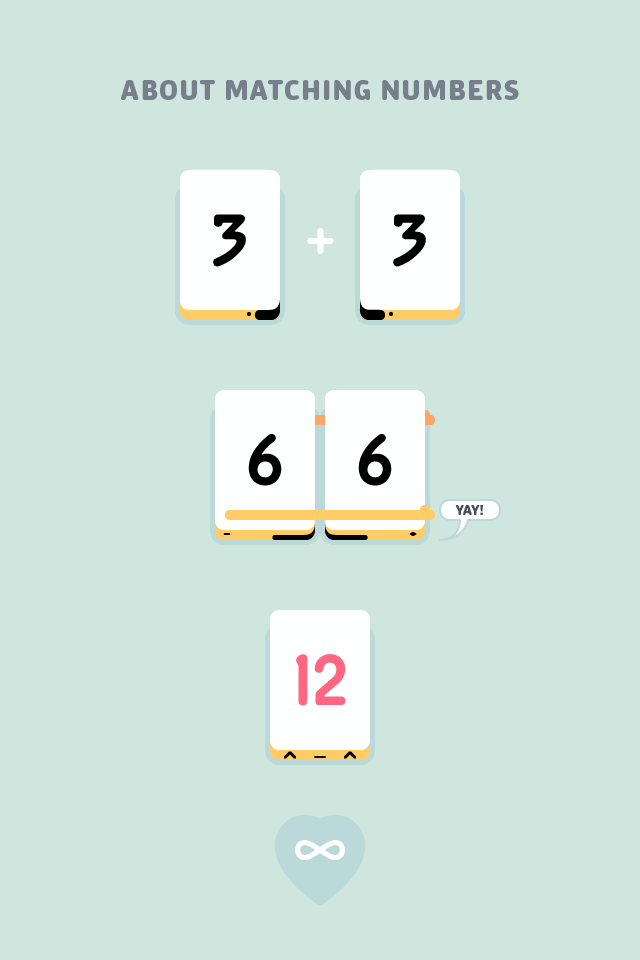
Threes revolves around sliding numbered tiles across a small board to combine them into higher values. The soft color palette and gentle sound design create a calm backdrop for each move. Every slide requires a bit of foresight, yet the pace remains measured rather than frantic. The board stays uncluttered, which makes it easy to see patterns form.
Over time, players begin to recognize common arrangements that lead to higher scores. Each session unfolds differently, keeping the experience interesting without altering the rules. Short rounds make it easy to fit into daily breaks without feeling rushed. Even after many attempts, guiding tiles into place still feels thoughtful and quietly rewarding.
This article originally appeared on Avocadu.