
16 Psychological Thrillers That Keep the Truth Hidden Until the End
Psychological thrillers have a way of keeping us on the edge of our seats, expertly weaving mystery and suspense until the very last moment. These films keep us guessing, drawing us into complex characters and mind-bending twists that reveal the truth only when it’s too late to turn back. With each unexpected turn, we question what’s real and what’s just part of the mind game. The best of these films invite us into a world where nothing is as it seems, and every detail might be a clue or a red herring. From eerie atmospheres to gripping storylines, these thrillers manipulate our perceptions and play with our expectations.
This post may contain affiliate links, which helps keep this content free. Please read our disclosure for more info.
The Sixth Sense (1999)
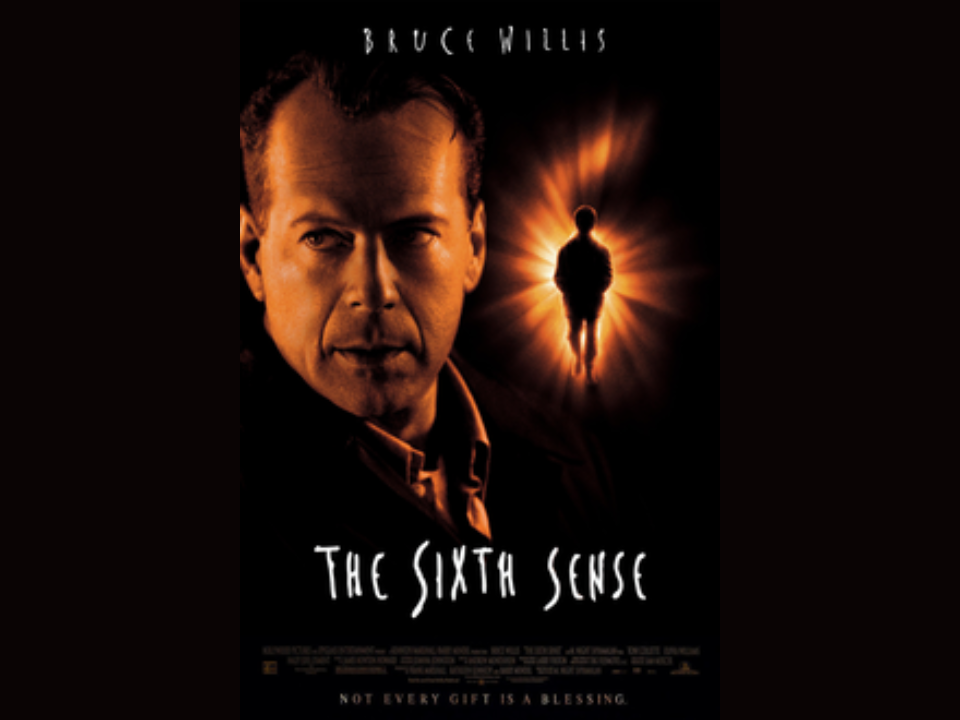
M. Night Shyamalan’s The Sixth Sense is a masterful psychological thriller that keeps audiences guessing until its shocking finale. The film follows a young boy named Cole, who claims to see dead people. Bruce Willis plays a child psychologist, Dr. Malcolm Crowe, who takes it upon himself to help Cole understand his abilities.
The tension builds as the audience slowly unravels the mystery, not fully realizing the truth until the final, twist-filled moments. This film showcases a brilliant use of suspense, subtle hints, and emotional depth. The exploration of guilt, loss, and unspoken trauma adds complexity to the plot. The Sixth Sense remains a landmark in thrillers due to its clever pacing and unforgettable conclusion.
Shutter Island (2010)

Directed by Martin Scorsese, Shutter Island stars Leonardo DiCaprio as Teddy Daniels, a U.S. Marshal investigating the disappearance of a patient from a mental institution on a remote island. As the investigation progresses, Daniels’ own mental state begins to unravel, leading the audience down a path of uncertainty. The film uses flashbacks, surreal imagery, and disturbing revelations to blur the line between reality and delusion.
The twist at the end completely changes everything the audience thought they knew about the story. The psychological complexity of the characters and their hidden motives are revealed slowly, keeping viewers on edge throughout. The atmosphere of isolation and creeping dread enhances the mystery, making it a truly gripping experience.
Gone Girl (2014)

Based on Gillian Flynn’s bestselling novel, Gone Girl delves into the complexities of marriage, media influence, and deception. The story follows Nick Dunne (Ben Affleck), whose wife, Amy (Rosamund Pike), goes missing under mysterious circumstances. The media turns the case into a spectacle, painting Nick as the prime suspect.
The film skillfully shifts perspectives, with the narrative moving between Nick’s point of view and Amy’s diary entries, keeping viewers in the dark about the truth. As the story unfolds, secrets about their relationship come to light, revealing shocking twists. The dark portrayal of manipulation, control, and media sensationalism makes it an unforgettable psychological thriller. The ending’s revelation is both disturbing and thought-provoking.
Prisoners (2013)
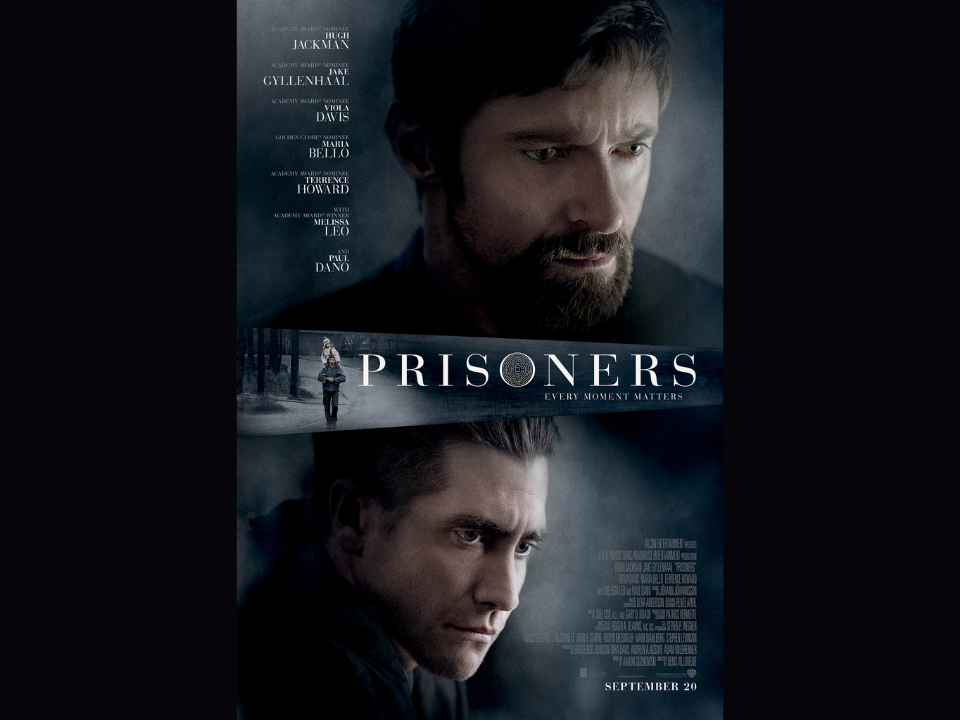
Prisoners is a chilling psychological thriller directed by Denis Villeneuve that explores the lengths a father will go to when his daughter goes missing. Hugh Jackman plays Keller Dover, whose young daughter is abducted alongside her friend. Jake Gyllenhaal portrays Detective Loki, who leads the investigation, but as time drags on with no leads, Keller takes matters into his own hands.
The tension rises as Keller’s desperation to find his daughter grows, and the line between justice and vengeance becomes blurred. The film explores themes of morality, guilt, and the consequences of decisions made in the heat of the moment. Every twist in the plot seems to point to a darker and more complex truth, which is only revealed piece by piece. The ending is thought-provoking, leaving viewers questioning their own interpretations of the events.
The Others (2001)
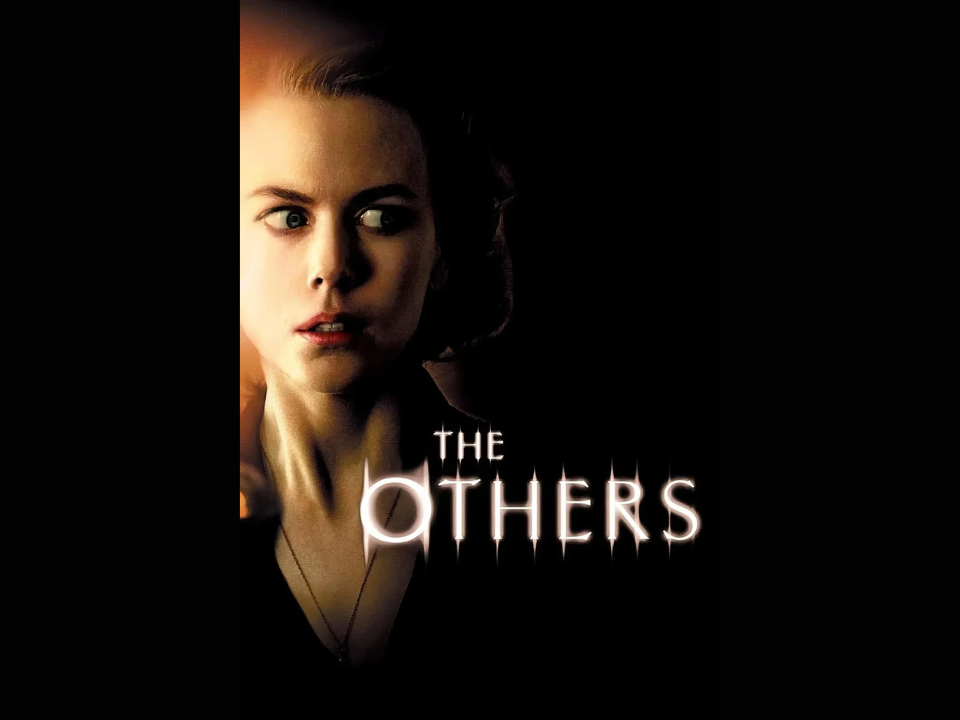
The Others is a haunting psychological thriller set in a large, isolated mansion, where a woman named Grace (Nicole Kidman) lives with her two children, who suffer from a rare light sensitivity disorder. The house seems to be haunted by mysterious and unexplained events, leading Grace to believe that the ghosts of the house’s past inhabitants are tormenting her family.
The film builds suspense through a series of eerie occurrences and the ever-present tension in Grace’s relationship with her children. The gradual revelation of the truth behind the haunting and Grace’s own past is both surprising and chilling. The slow pacing allows for a build-up of atmosphere, making the final twist all the more impactful. The Others uses its psychological elements to create an unsettling narrative that questions reality and perception.
Secret Window (2004)

Secret Window is a psychological thriller based on Stephen King’s novella, Secret Window, Secret Garden. Johnny Depp plays Mort Rainey, a writer who is accused of plagiarism by a mysterious stranger named John Shooter (John Turturro). As Mort’s life starts to unravel, he becomes increasingly paranoid and distrustful of those around him.
The story focuses on the psychological breakdown of Mort, who is driven to the edge by the relentless accusations and escalating events. As the plot thickens, the true nature of the conflict becomes apparent, with the film’s final twist turning the entire story on its head. The film effectively uses themes of isolation, self-doubt, and the dark side of creativity to create a gripping experience. The twist leaves a lasting impression, making it a standout in the genre.
Memento (2000)

Christopher Nolan’s Memento is a psychological thriller that plays with time and memory. The film follows Leonard Shelby, who suffers from short-term memory loss and is on a quest to find the man who murdered his wife. To keep track of crucial information, Leonard relies on Polaroid photographs and tattoos important details on his body. The story unfolds in a non-linear fashion, with scenes presented in reverse order, forcing the audience to piece together the puzzle alongside Leonard.
The complex structure of the film mirrors Leonard’s fragmented sense of reality and highlights the unreliable nature of memory. As the story progresses, the truth is slowly revealed, leading to a mind-bending twist that challenges everything viewers thought they understood. The film explores themes of identity, truth, and the consequences of living in a constant state of confusion.
The Prestige (2006)
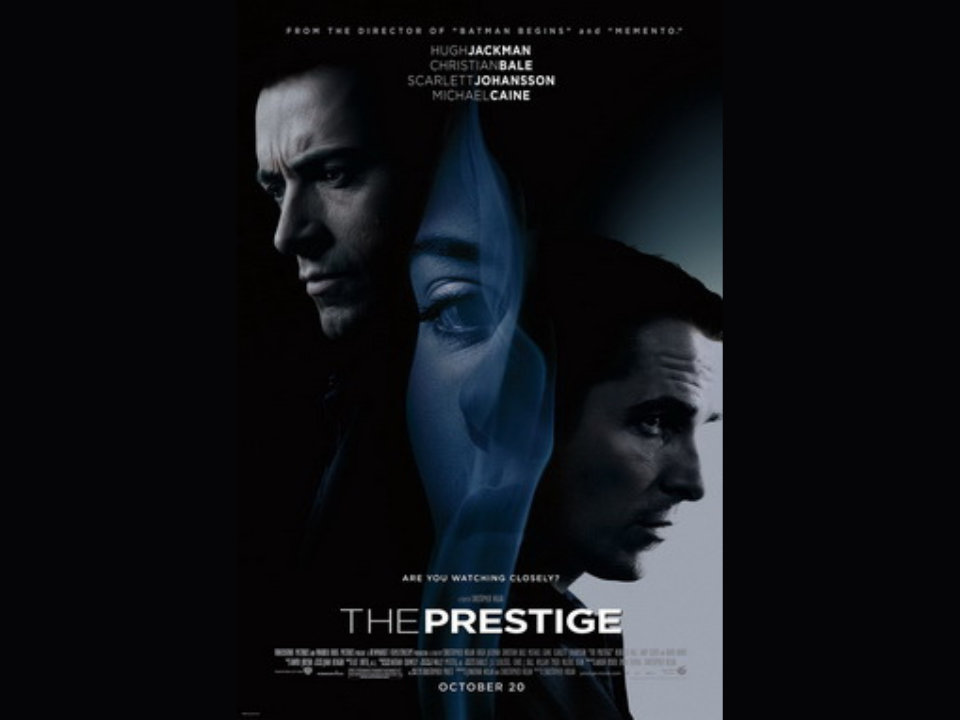
Another collaboration between director Christopher Nolan and star Christian Bale, The Prestige is a gripping tale of rivalry between two magicians, Robert Angier (Hugh Jackman) and Alfred Borden (Christian Bale). Both men become obsessed with creating the ultimate magic trick, which leads them to dark and dangerous paths. The film plays with the concept of illusion, secrecy, and the cost of obsession.
As the two magicians one-up each other with increasingly complex tricks, the audience is kept in suspense, unsure of what is real and what is part of the illusion. The story is full of twists, with each revelation adding layers to the mystery. The final twist redefines everything that came before it, leaving viewers to question what they thought they knew. The Prestige is a perfect example of how a psychological thriller can keep its secrets hidden until the very end.
Identity (2003)

Identity is a psychological thriller that revolves around ten strangers who find themselves stranded at a secluded motel during a rainstorm. As they begin to die one by one, the remaining guests realize that the killer must be one of them. The film expertly uses the confined setting to create tension and paranoia among the characters.
As the story progresses, the mystery deepens, and the identities of the characters are revealed in unexpected ways. The film’s use of psychological themes, such as dissociation and multiple personalities, adds complexity to the narrative. The shocking twist at the end redefines everything that happened before, leaving viewers stunned. Identity is a cleverly crafted thriller that keeps the truth hidden until the final moments.
Fight Club (1999)

David Fincher’s Fight Club is a psychological thriller that explores themes of identity, consumerism, and the darker aspects of human nature. The unnamed protagonist (Edward Norton) is an insomniac who forms an underground fight club as a form of therapy. As the club grows, the protagonist’s life becomes increasingly chaotic, and his relationship with Tyler Durden (Brad Pitt) intensifies.
The film uses unreliable narration and disturbing imagery to build tension, leading the audience to question what is real and what is a product of the protagonist’s mind. The film’s final twist reveals a shocking truth about the nature of Tyler Durden and the protagonist’s inner turmoil. Fight Club is a brilliant exploration of the psyche and the consequences of living in a world that values materialism above all else. The twist is one of the most memorable in cinematic history.
The Game (1997)
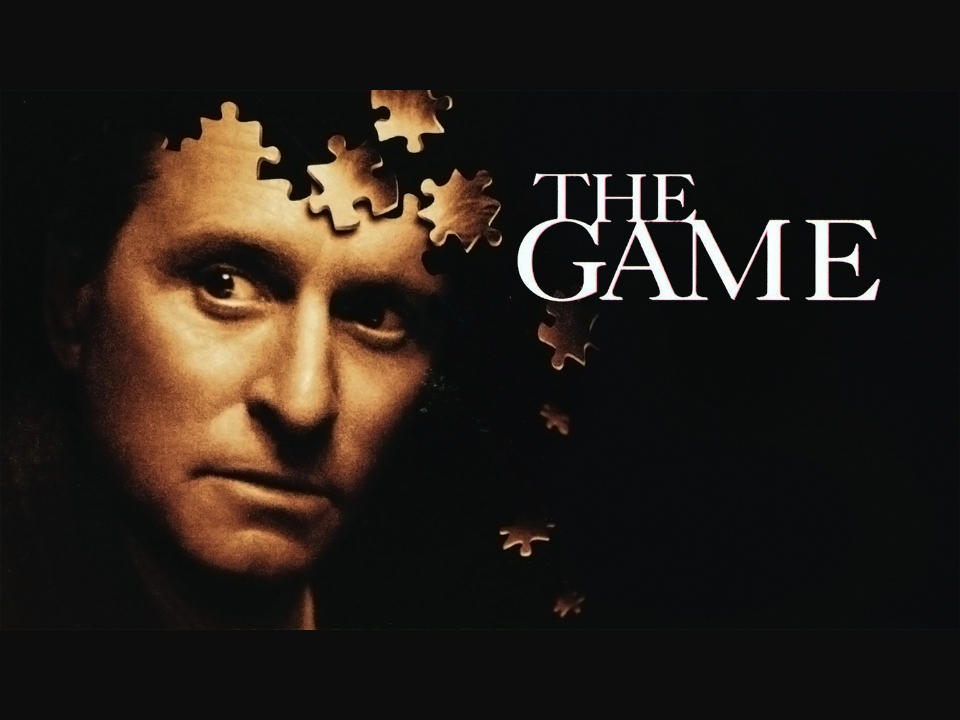
Directed by David Fincher, The Game follows wealthy banker Nicholas Van Orton (Michael Douglas), who is given a mysterious gift from his brother: an invitation to participate in a game that will change his life. Initially, Nicholas sees the game as a harmless diversion, but soon it becomes apparent that the game is altering his reality in unsettling ways.
The film expertly blurs the line between reality and illusion, leaving both the protagonist and the audience unsure of what is true. As the plot unfolds, it becomes clear that the stakes are much higher than Nicholas first anticipated. The twists build upon each other, creating a labyrinth of deceit and manipulation. The final revelation ties the entire story together, providing an unexpected and satisfying conclusion. The Game is a psychological ride that leaves viewers questioning the nature of control, fate, and free will.
A Beautiful Mind (2001)

Based on the life of mathematician John Nash (Russell Crowe), A Beautiful Mind is a psychological thriller that delves into the complexities of mental illness and genius. Nash is a brilliant but troubled mathematician who struggles with schizophrenia, causing him to see people and situations that are not real. As the audience follows Nash’s journey, it becomes increasingly difficult to separate his delusions from reality.
The film explores themes of love, trust, and the devastating effects of mental illness on personal relationships. As Nash’s life becomes increasingly intertwined with his hallucinations, the line between fact and fiction is expertly blurred. The eventual revelation that much of what the audience has witnessed was part of Nash’s mind is both heart-wrenching and thought-provoking. A Beautiful Mind challenges the audience to consider the complexities of the human mind and the nature of reality itself.
The Machinist (2004)
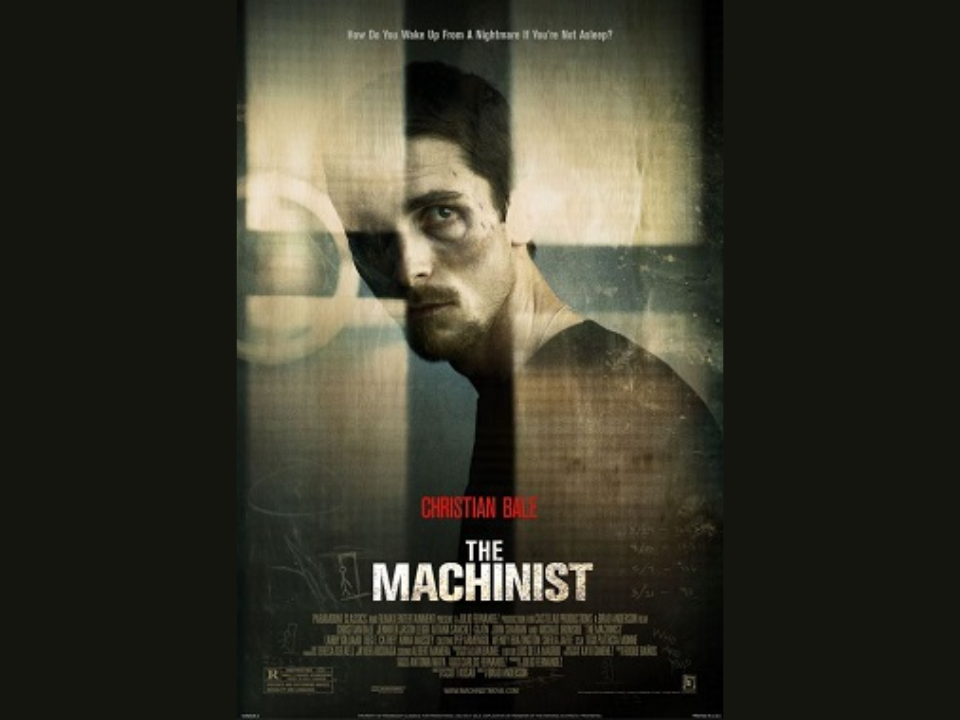
In The Machinist, Christian Bale delivers a haunting performance as Trevor Reznik, a factory worker who suffers from severe insomnia and begins to lose touch with reality. As his sleep deprivation worsens, Trevor becomes convinced that someone is sabotaging his life, but no one else seems to see what he does. The film’s portrayal of Trevor’s unraveling mental state is both disturbing and gripping, with each scene adding layers to the mystery of his condition.
As the film progresses, the audience is drawn into Trevor’s fragmented perceptions of the world, unsure of what is real and what is a product of his troubled mind. The tension builds as Trevor’s past is slowly revealed, culminating in a shocking twist that completely changes the narrative. The Machinist is a psychological thriller that explores guilt, mental health, and the consequences of ignoring the warning signs of mental illness. The film’s eerie atmosphere and mind-bending conclusion make it a standout in the genre.
The Invisible Man (2020)
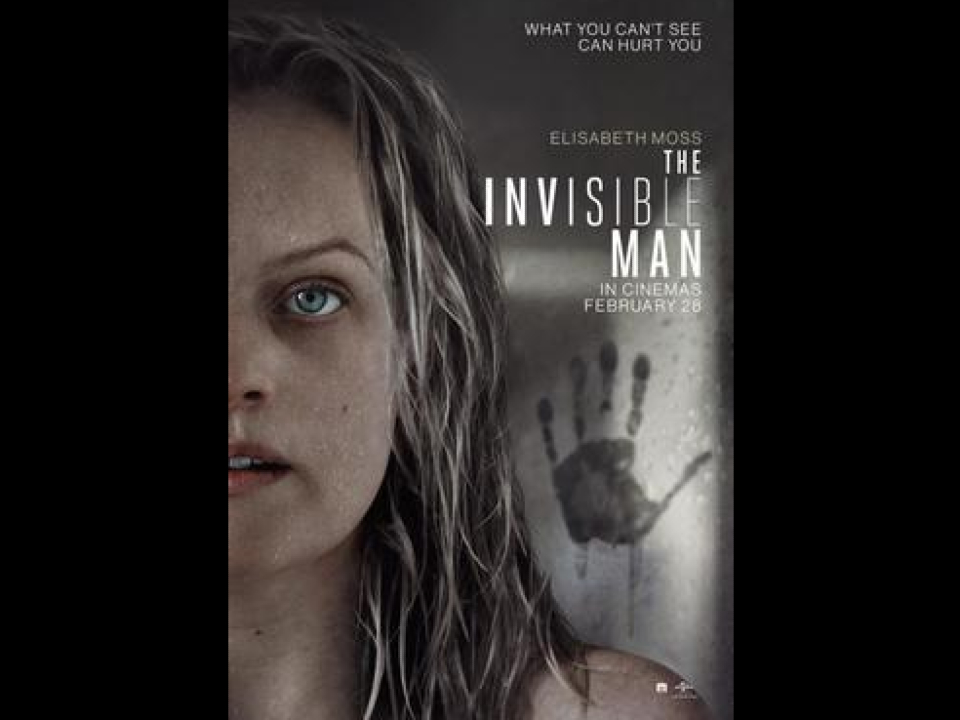
The Invisible Man, directed by Leigh Whannell, follows Cecilia (Elisabeth Moss), who escapes from an abusive relationship with her wealthy and controlling partner, Adrian. When Adrian allegedly takes his own life, Cecilia begins to suspect that he is still alive and tormenting her, using technology to make himself invisible. The film effectively builds suspense as Cecilia’s paranoia and fear grow, and her ability to trust those around her is called into question.
The psychological aspect of the film is heightened by Cecilia’s internal struggle to prove that she is not imagining things while also being dismissed by others. The film explores themes of control, trauma, and survival, creating a tense and unpredictable narrative. The twists in the story slowly unravel Adrian’s sinister plans, with the final revelation providing a satisfying and thrilling conclusion. The Invisible Man is a modern take on the psychological thriller genre, blending suspense with deep emotional complexity.
Black Swan (2010)

Black Swan, directed by Darren Aronofsky, is a psychological thriller that follows Nina (Natalie Portman), a talented and ambitious ballet dancer who lands the lead role in a New York City production of Swan Lake. As Nina works to perfect her performance, she becomes consumed by her desire to embody both the innocent White Swan and the seductive Black Swan.
The film delves into Nina’s psyche, revealing her deep insecurities, obsessive tendencies, and the pressure to live up to her mother’s expectations. As the story progresses, Nina’s sense of reality begins to blur, and she becomes increasingly paranoid about the competition from her fellow dancer, Lily (Mila Kunis). The tension in the film rises as Nina’s mental state deteriorates, culminating in a shocking and surreal finale that forces the audience to question what is real. Black Swan is a haunting exploration of perfection, identity, and the fragility of the human mind. The psychological depth and the final twist make it a standout in the genre.
The Village (2004)

M. Night Shyamalan’s The Village is a psychological thriller set in a secluded 19th-century village, where the residents live in fear of mysterious creatures that lurk in the surrounding woods. The villagers have established strict rules to avoid encountering these creatures, but as tensions rise, some residents begin to question whether the creatures are real or if there is a darker secret behind their existence. The film slowly builds a sense of dread, with each twist deepening the mystery and raising doubts about the nature of the village’s reality.
The characters, particularly Ivy (Bryce Dallas Howard), are forced to confront their fears and challenge the beliefs that have shaped their lives. The film’s pacing and atmosphere create an unsettling mood, drawing viewers into the psychological struggles of the villagers. As the truth behind the village’s isolation and the creatures is revealed, the film takes a surprising and thought-provoking turn. The Village explores themes of fear, control, and the lengths people will go to protect themselves from the unknown.
This article originally appeared on Avocadu.