
15 Pruning Jobs To Do In February For Better Blooms And More Fruit
February is the perfect time to give your garden a little attention before spring. Pruning now can help plants thrive, resulting in more blooms and fruit later. It’s not just about cutting back, as it’s about encouraging healthy growth. As you start working in your garden this month, consider these key pruning tasks. These simple steps will make a noticeable difference come spring.
This post may contain affiliate links, which helps keep this content free. Please read our disclosure for more info.
Prune Roses for Healthier Blooms
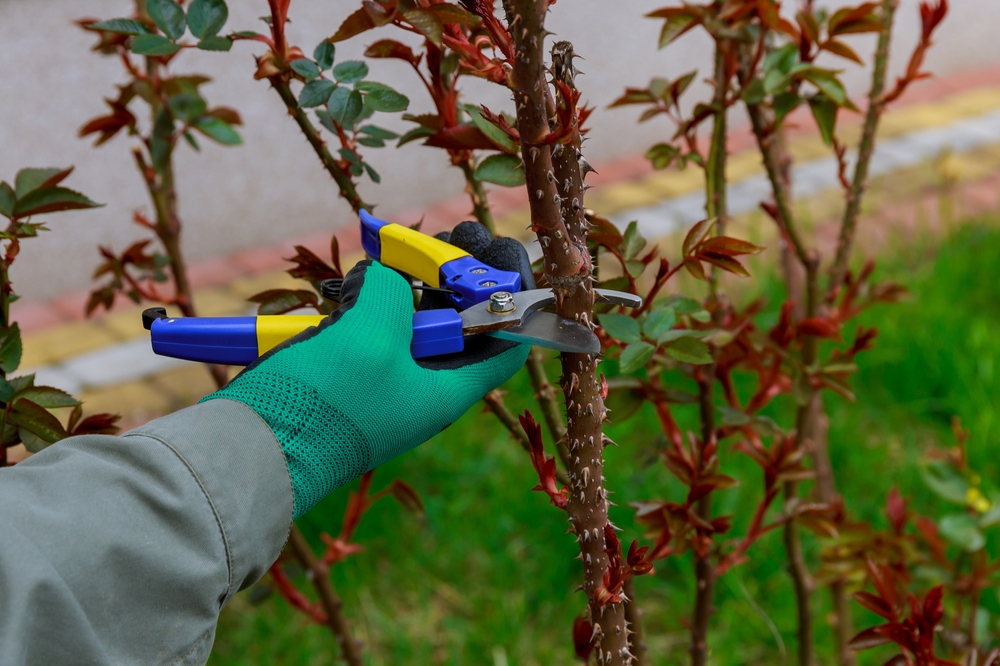
Pruning roses in February helps encourage strong new growth as they prepare for the warmer months. Cut back any dead or damaged stems, focusing on removing older wood that may be crowding the center. Be sure to trim the canes to about one-third of their size, as this promotes a strong structure. After pruning, make sure to clean your shears and disinfect them to avoid spreading disease.
Roses thrive when you cut them back to a bud that faces outward. This encourages airflow and keeps the plant open, which is essential for preventing mildew and mold. Regularly removing spent blooms during the season can help extend the flowering period. Proper pruning in February helps create a healthy framework for more blooms in the spring and summer.
Trim Fruit Trees to Encourage Strong Growth
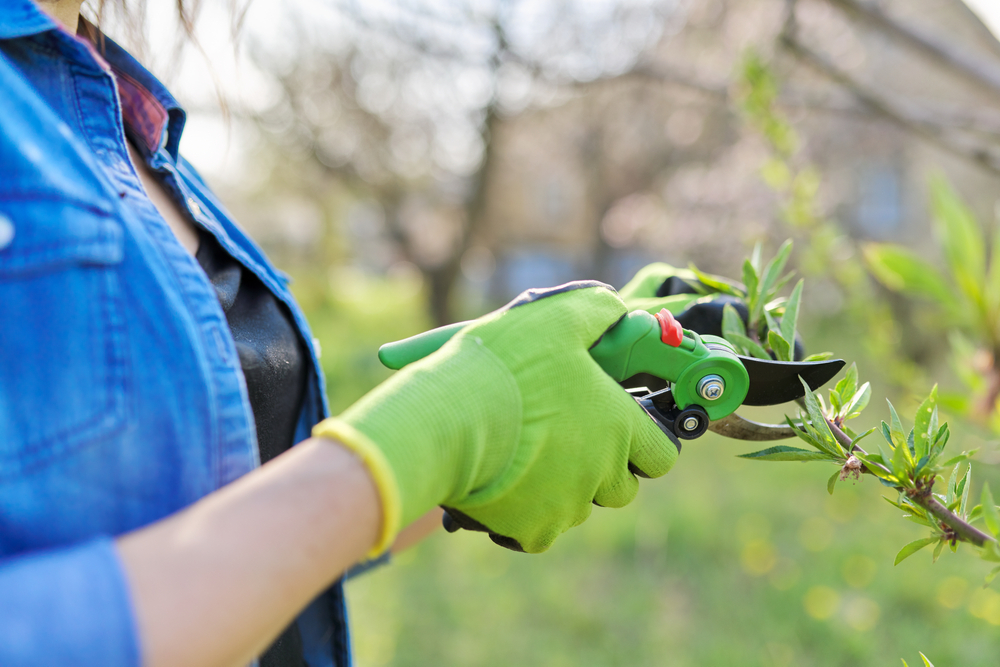
Fruit trees benefit greatly from a prune in February, which helps shape them and encourages healthy fruiting. Focus on removing any dead or crossing branches that may hinder airflow. Be sure to leave the strongest, most evenly spaced branches to maintain the tree’s structure. If you’re working with apple or pear trees, make cuts above outward-facing buds to encourage wide branch angles.
Pruning at this time also helps prevent the growth of weak branches that may not hold fruit later in the year. Remember, winter pruning on deciduous trees prevents the spread of diseases that thrive in warmer months. Aim for a balanced tree structure that allows sunlight to reach all parts of the tree. A well-pruned fruit tree will yield more consistent fruit harvests and improved tree health.
Cut Back Dead or Damaged Hydrangeas
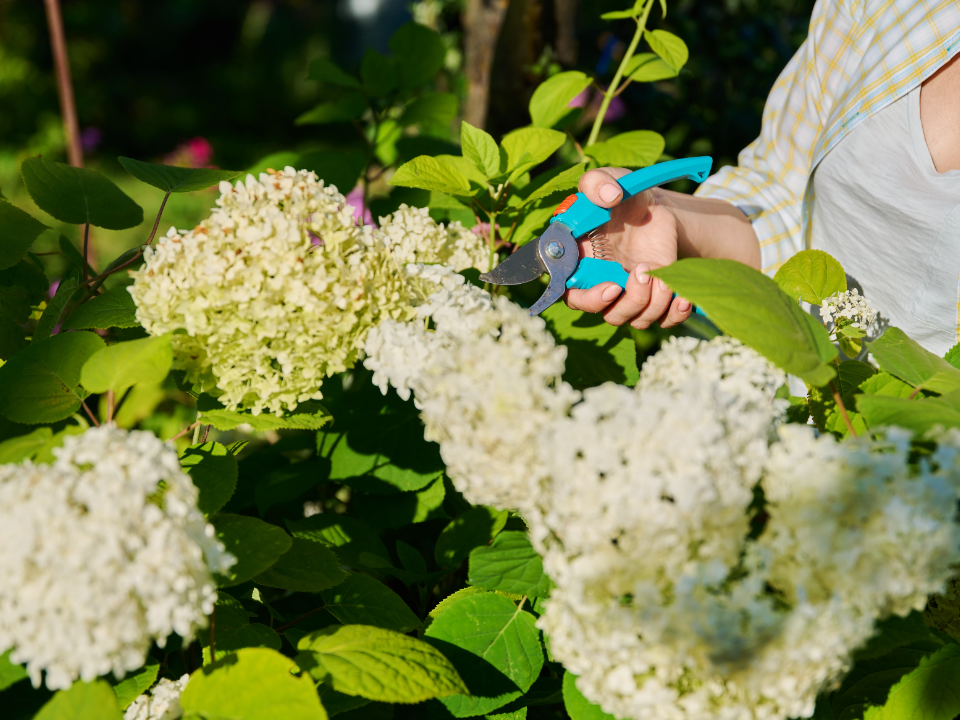
Hydrangeas are one of the most popular garden shrubs, and February is a great time to prune them. For most varieties, remove the dead flower heads and any stems that have been damaged by frost. Be careful to avoid cutting into new buds that will develop in the spring, as some hydrangeas bloom on old wood. The goal is to open up the center of the plant to allow for air circulation.
Once you’ve pruned, you can lightly trim back the remaining stems to shape the plant. This helps prevent the shrub from becoming too leggy and encourages fuller growth. Cutting back hydrangeas at this time will also help prevent mildew and other issues. The result will be a healthier plant with vibrant blooms come summer.
Trim Grapevines for a Better Harvest
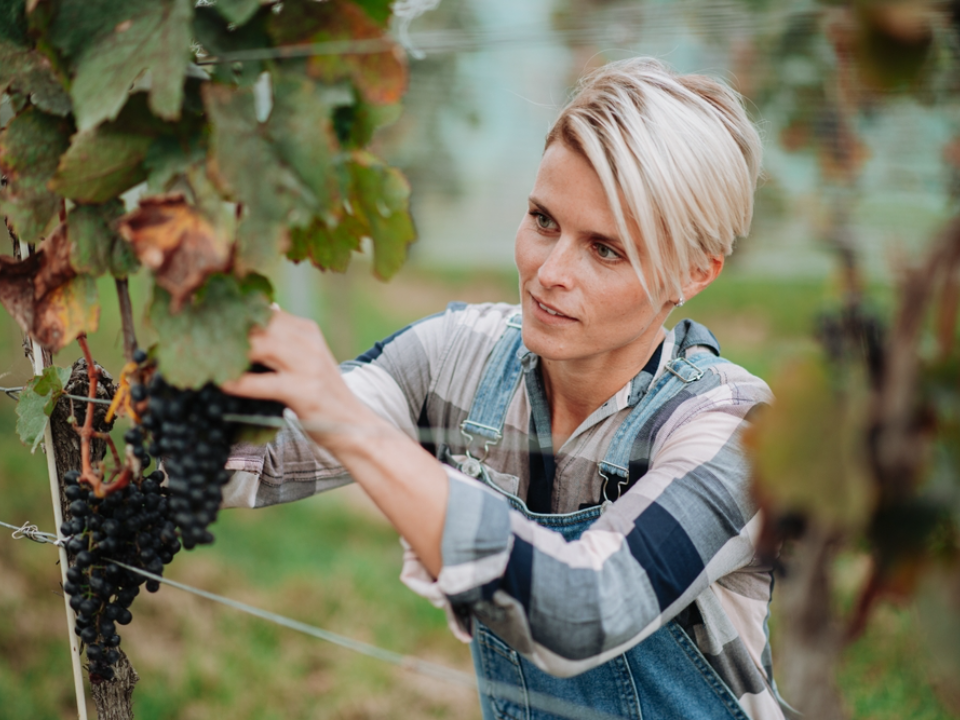
February is a good time to prune grapevines, as it helps manage their growth and ensures a better harvest later in the year. Remove any dead, weak, or diseased wood first. Then, focus on cutting back the vine’s canes to about 4 to 6 buds per shoot. This selective pruning helps direct the vine’s energy into the healthiest branches, leading to a more abundant fruiting season.
Be sure to thin out crowded areas to ensure that sunlight can reach the vine’s leaves, which aids in photosynthesis. Grapevines are fast-growing, so managing their size now can help prevent overgrowth. Pruning also improves air circulation, which reduces the likelihood of fungal infections. By giving your grapevines a good prune now, you set the stage for a larger, healthier crop.
Shape and Prune Evergreen Shrubs
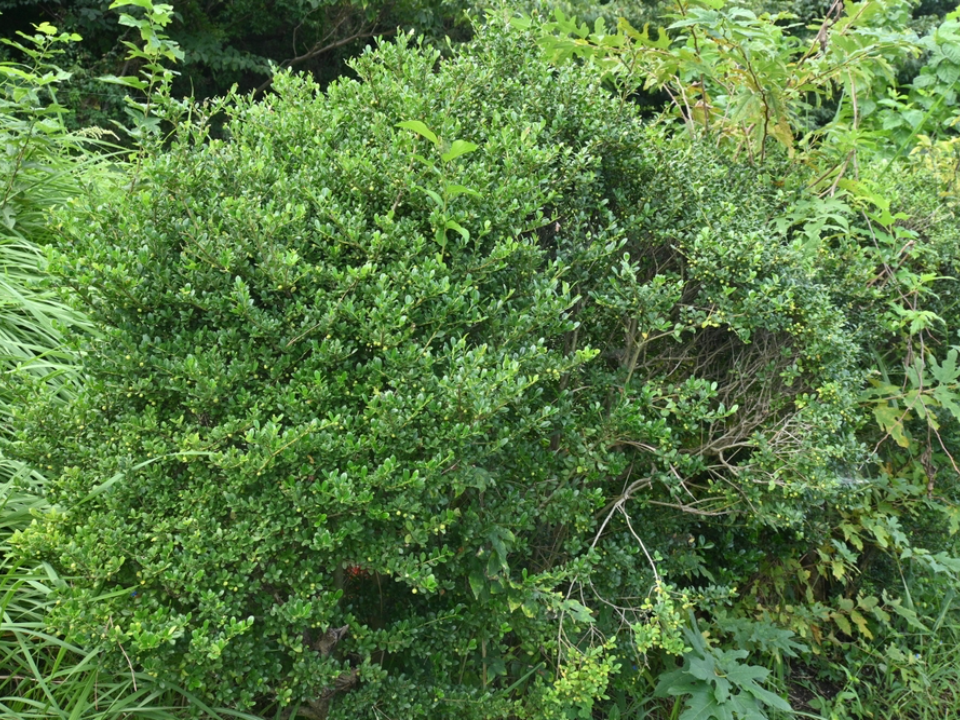
February is a great time to prune evergreen shrubs like boxwood, holly, and yew. Start by removing any dead, damaged, or diseased branches to maintain the health of the shrub. Focus on shaping the plant by trimming back any overly long or unruly growth. You can also lightly prune to help control the shrub’s size and shape.
Be careful not to remove too much at once, as this can stress the plant. If you’re shaping a hedge, be sure to trim the sides and top evenly. Pruning in late winter or early spring will help the shrub grow stronger and more compact throughout the growing season. A well-pruned evergreen can last for years and keep your garden looking tidy.
Prune Berry Bushes for More Fruit
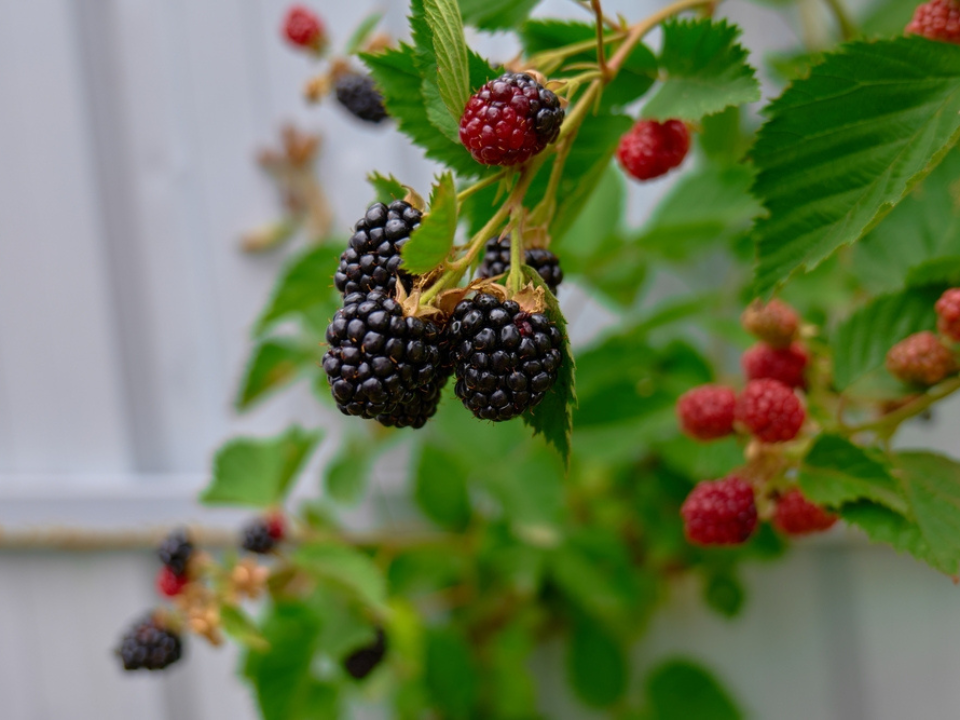
Pruning berry bushes like raspberries and blackberries in February encourages better fruit production in the spring. For raspberries, remove the canes that have already fruited, as they will not produce again. Leave the newer, green canes, as these will be the ones to bear fruit this year. For blackberries, trim back any old canes to ground level and shorten the remaining growth.
After cutting back, make sure to thin out crowded areas to allow for better air circulation. This also prevents diseases from taking hold on your berry bushes. Pruning now helps ensure that the plant’s energy is directed toward producing more fruit rather than excess growth. By cutting back old growth, your berry bushes can focus on creating more berries throughout the season.
Cut Back Ornamental Grasses
February is a great time to prune ornamental grasses before the new growth begins. Cut back any dead or brown foliage to about 2 to 4 inches above the ground. This helps make room for fresh, new shoots that will emerge in spring. Remove any flower heads or seed heads that may have remained over the winter for a cleaner appearance.
Pruning ornamental grasses also improves the overall structure of the plant. By cutting back the old growth, you allow for better airflow, reducing the risk of rot and mold. New growth is often more vibrant and fuller after a good trim. You’ll enjoy a lusher, more attractive grass display come spring and summer.
Prune Lavender for Stronger Growth
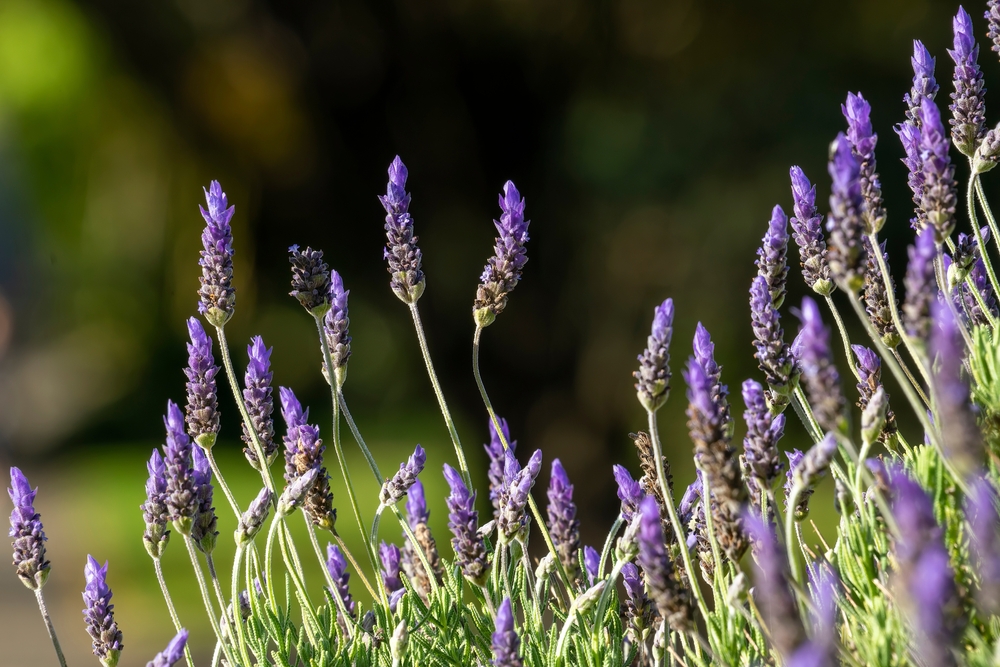
Lavender benefits from a prune in February to maintain its shape and encourage fresh growth. Cut back the woody stems to about 2 to 3 inches above the base of the plant. Be sure not to cut too far into the woody part, as this can prevent the plant from growing back properly. Trim off any dead or diseased branches as well.
Pruning lavender now ensures that it grows back vigorously and remains compact. The cuttings will help the plant direct its energy into producing new, fragrant blooms. Regular pruning also prevents the plant from becoming too woody, which can make it less productive. A well-pruned lavender plant will yield a more abundant harvest of fragrant flowers later in the year.
Trim Lilacs for Bigger Blooms
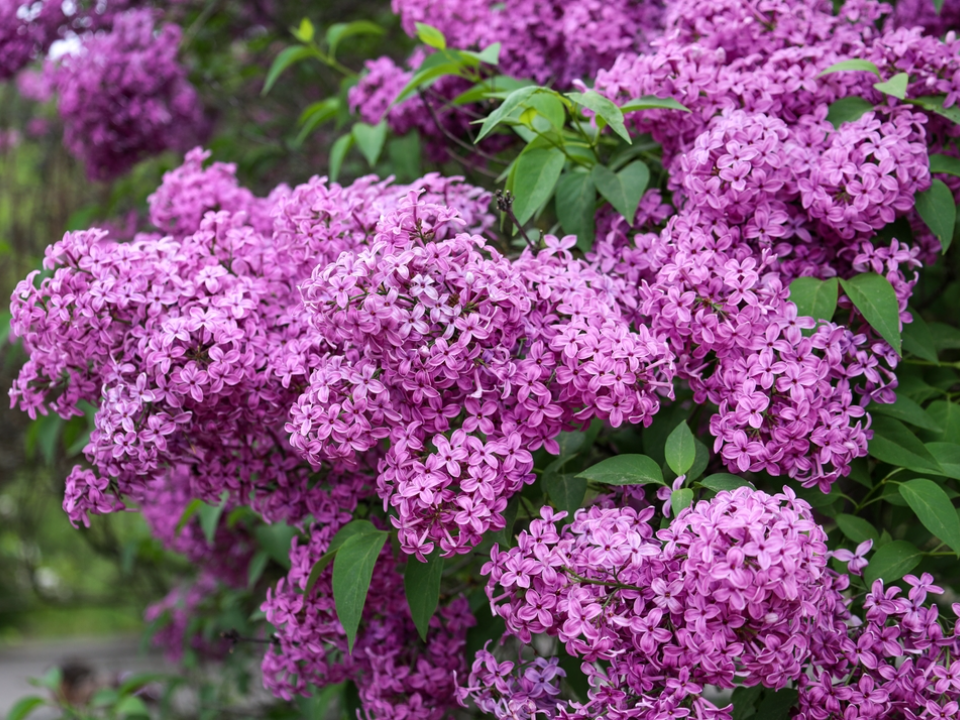
Lilacs can be pruned in February to promote larger, more abundant blooms. Begin by cutting out any dead or damaged wood. Then, remove any crossing branches that may be crowding the center of the plant. This helps to open up the shrub, allowing more sunlight to reach the inner parts of the plant.
Be sure to cut back any suckers growing from the base of the plant, as they can drain energy from the main stems. Lilacs bloom on old wood, so avoid cutting back too much of the plant’s growth. With proper pruning, your lilacs will be ready to fill your garden with beautiful, fragrant flowers in the spring. The extra care now will result in a healthier, more productive shrub.
Prune Japanese Maples for Better Shape
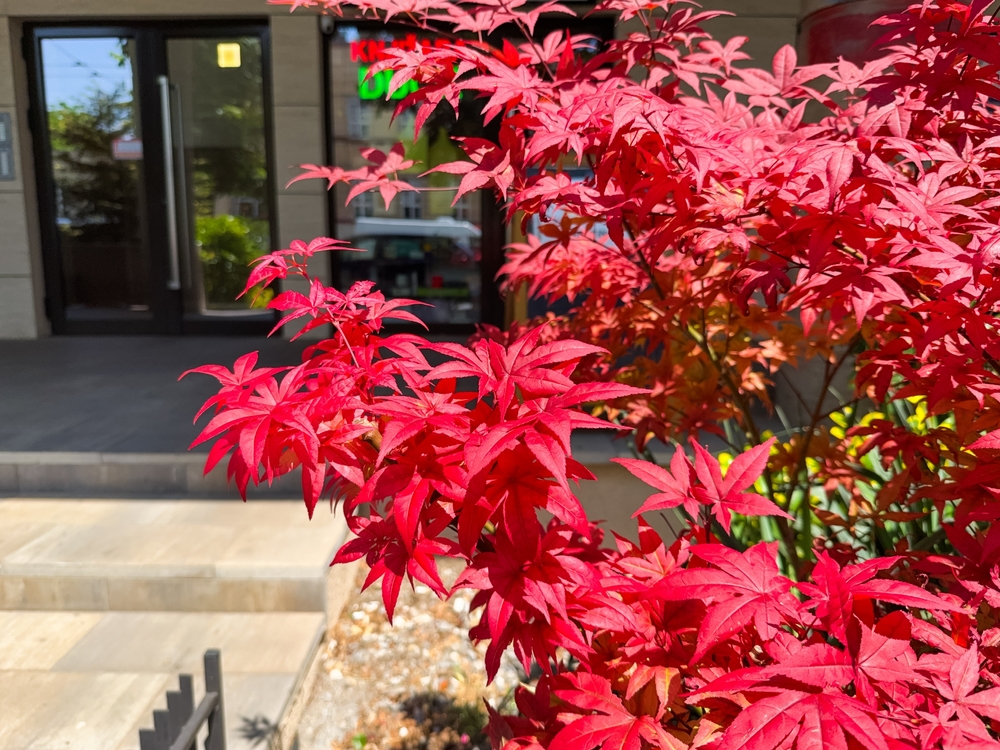
Japanese maples are a beautiful addition to any garden, and February is the ideal time to prune them for better shape and health. Focus on removing any dead, broken, or crossing branches. Lightly trim the canopy to maintain the tree’s graceful shape, making sure not to remove too much at once. Avoid cutting into the main trunk, as this can damage the tree.
While pruning, keep an eye on the overall structure of the tree. Trim back any branches that appear out of place or crowd the center. This helps encourage a more symmetrical growth pattern, which is particularly important for ornamental trees like the Japanese maple. A well-pruned tree will have a stronger structure and maintain its beauty for years to come.
Trim Fig Trees for Better Fruit Production
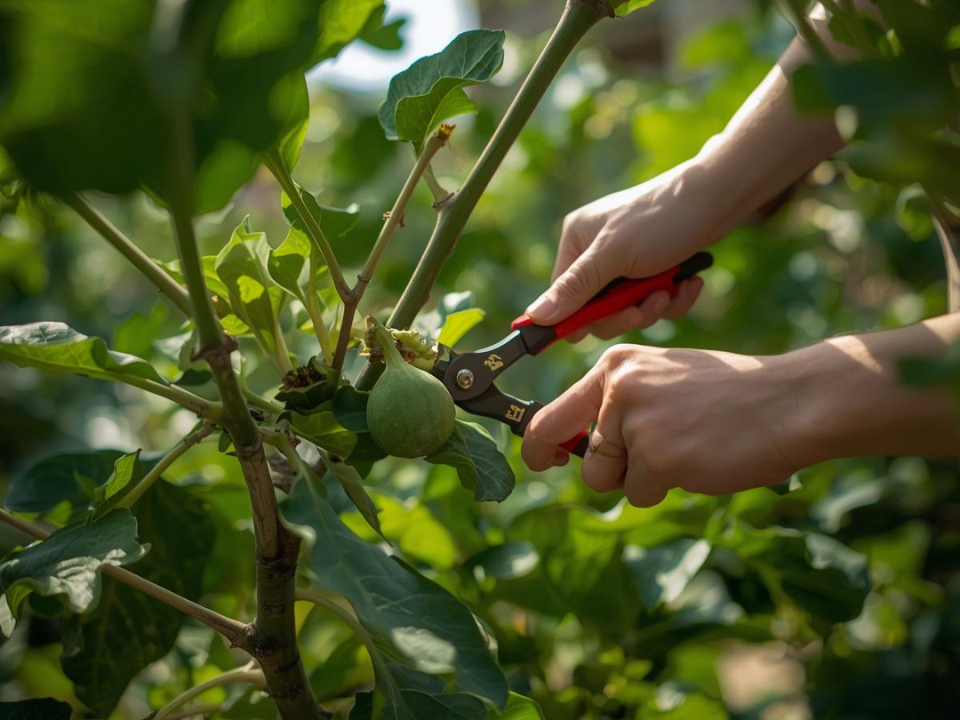
February is a good time to prune fig trees to promote better fruit production in the upcoming season. Start by removing any dead or damaged branches, which can harbor pests or diseases. Thin out any crowded areas to improve air circulation around the tree. Be sure to cut back the tips of the branches to encourage lateral growth and a stronger framework.
Fig trees produce fruit on new growth, so cutting back now will help them focus their energy on developing healthy shoots. Avoid heavy pruning, as figs can be sensitive to too much trimming. The goal is to shape the tree while encouraging it to grow more vigorously, resulting in a bountiful fruit harvest later in the year. Proper pruning will also help the tree withstand harsh weather and improve overall health.
Prune Wisteria for More Flowers
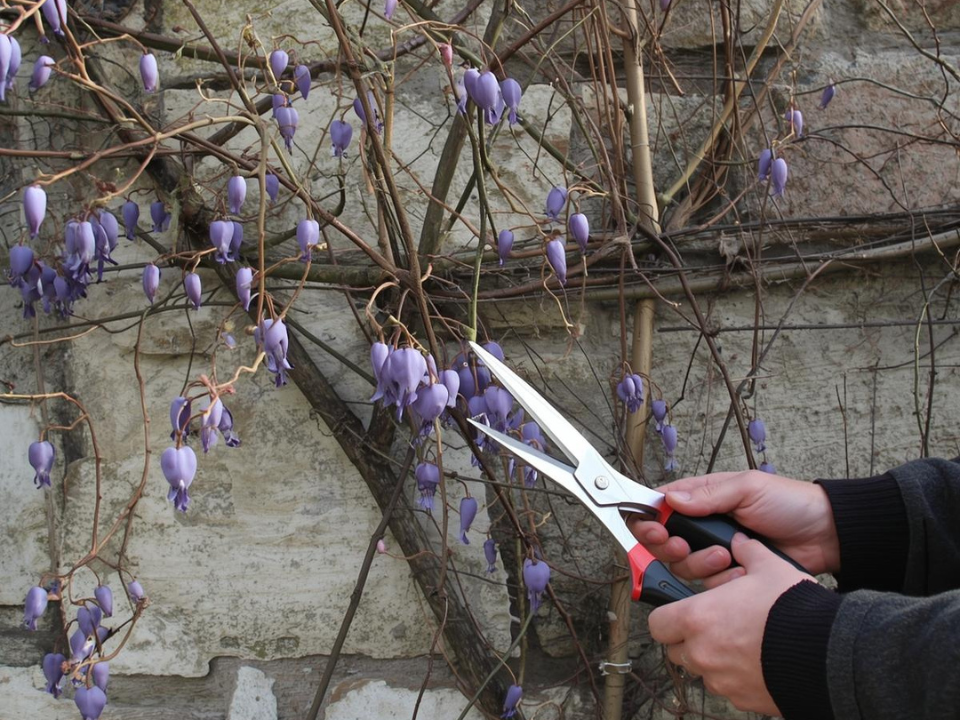
Wisteria is known for its beautiful blooms, but pruning it in February is essential for encouraging a better display. Begin by cutting back any long, unruly tendrils from the previous year. Wisteria produces flowers on old wood, so avoid cutting back the main branches too much. Remove any dead or diseased growth to maintain the plant’s health.
By pruning wisteria, you allow it to direct more energy toward producing flowers rather than excessive foliage. Be sure to shorten the remaining shoots to about 3 to 4 buds from the main framework. Wisteria can grow vigorously, so keeping it in check with regular pruning will ensure that it stays manageable and blooms abundantly. You’ll enjoy a stunning floral display in the spring.
Cut Back Perennials for Healthy Growth
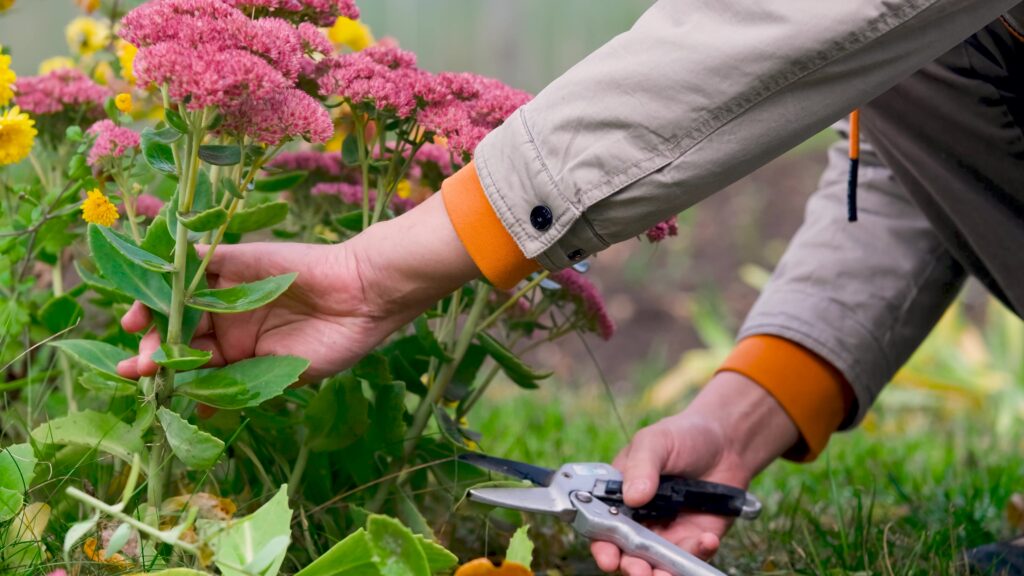
Pruning perennials in February is a simple way to encourage healthier, more vibrant growth in the spring. Start by cutting back any old stems or dead foliage, which can harbor pests and diseases. Removing spent blooms from the previous year helps the plant focus on producing fresh growth. You can also divide any overcrowded perennials to encourage more vigorous blooming.
When pruning perennials, make sure to leave some growth behind, especially if the plant is slow to emerge in the spring. Cut the stems back to about 2 to 4 inches above the soil level to allow for fresh shoots. Pruning now can help prevent overcrowding, which can lead to weak, leggy growth. It also prepares your garden for a season full of new blooms and strong plants.
Prune Clematis for Better Vigor
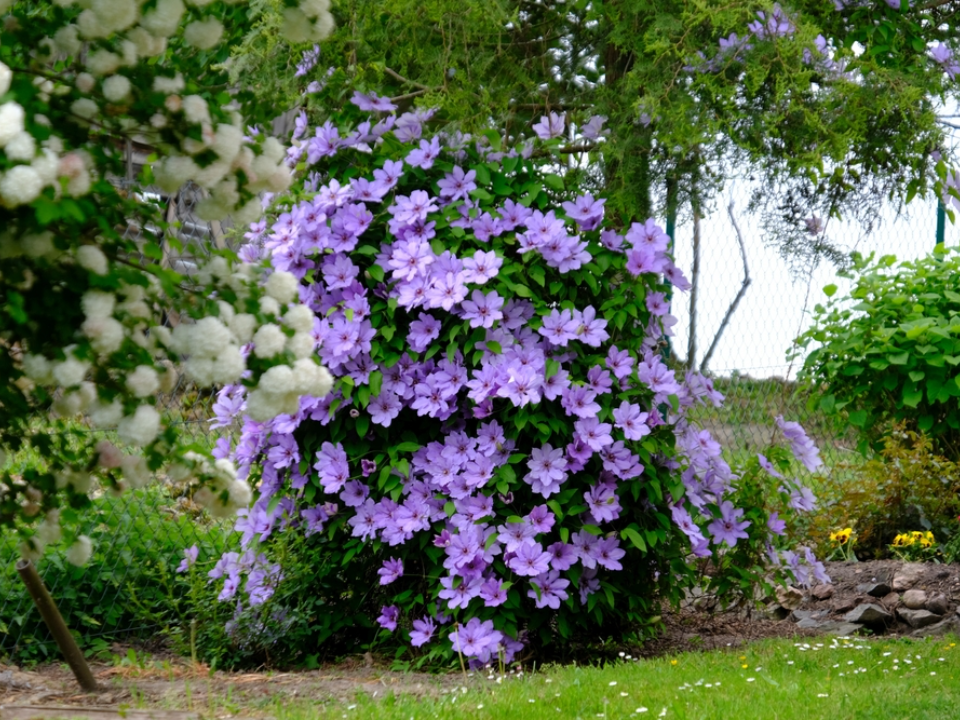
Clematis vines often need a good prune in February to improve their vigor and promote better flowering. Start by cutting back any dead or damaged stems to promote fresh growth. Clematis vines can be pruned lightly or heavily, depending on the variety. For early-flowering varieties, only trim back the dead wood, while late-flowering ones can be cut back more significantly.
Pruning clematis now helps the plant focus its energy on growing strong, healthy stems. It also prevents the vine from becoming too tangled and unruly. A well-pruned clematis will have more room to grow, leading to more vibrant blooms when the season changes. Regular pruning also encourages the plant to flower more prolifically throughout the season.
Shape Your Hedges for a Cleaner Look
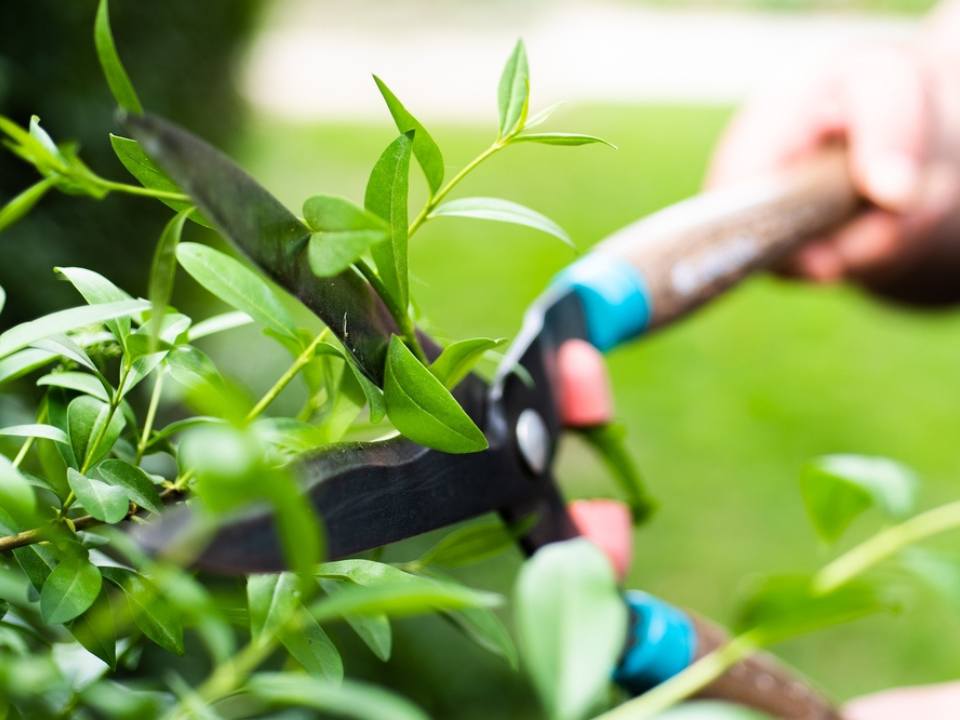
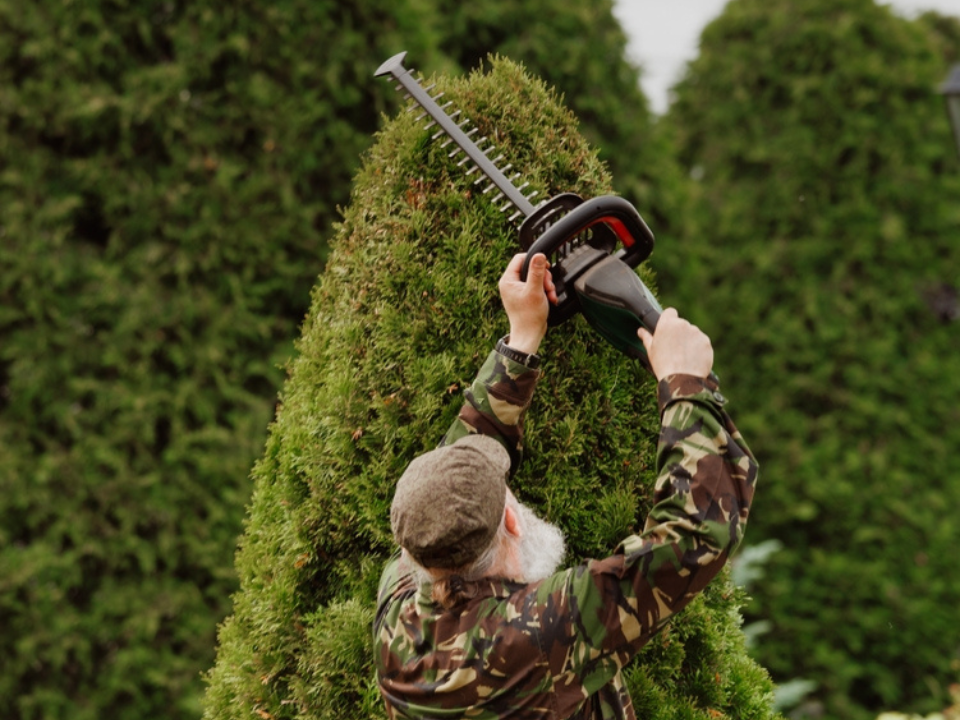
Pruning hedges in February is a great way to maintain a neat, structured look for your garden. Focus on cutting back any overly long or uneven growth to create a clean, uniform shape. Be sure to trim both the sides and top of the hedge to maintain symmetry. This is especially important for boxwoods and privets, which are popular for hedging.
Pruning now helps the hedge stay compact and prevents it from becoming too large or unruly. A tidy hedge creates a formal look in the garden and allows other plants to stand out. By cutting back excess growth, you also encourage the hedge to grow back denser and healthier. A well-pruned hedge will enhance the overall aesthetic of your garden.
This article originally appeared on Avocadu.