
14 Pressed Glass Candy Dishes and Egg Plates People Collect
Pressed glass is glass that was made by pressing molten glass into a mold, which gave each piece its pattern, shape, and decorative detail. That method made pretty serving pieces more affordable for everyday homes, and many of them are still loved by collectors now. Candy dishes and egg plates stand out because they mix usefulness with old-fashioned charm in a way that still catches the eye. With that in mind, let us take a look at the pieces that continue to draw interest.
This post may contain affiliate links, which helps keep this content free. Please read our disclosure for more info.
Fostoria American 3 Part Candy Dish with Lid
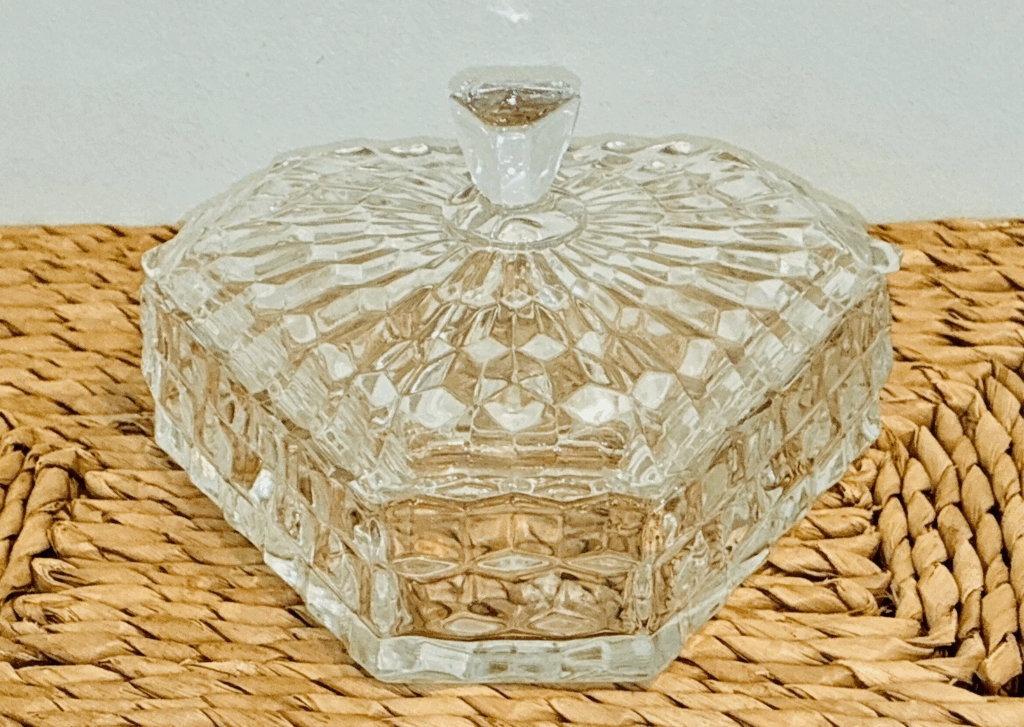
Fostoria introduced the American pattern in 1915, and this covered candy dish remains a favorite because it blends storage and display so well. The pattern is known for its block-style design, which gives the glass a crisp geometric look instead of a soft, floral feel. A clean example with the lid intact usually sells for about $60 to $90. Collectors like it because the divided shape makes it useful while still looking dressy on a table.
What helps this piece stand apart is the strong light play across the raised cube pattern. Many other pressed glass dishes from the same broad period lean toward flowers, scrolls, or grapes, while this one feels more structured and formal. The lid matters a lot, since missing tops bring the value down. If the edges are smooth and the glass is clear, it tends to hold steady interest.
Imperial Glass Candlewick Clear Candy Dish and Lid
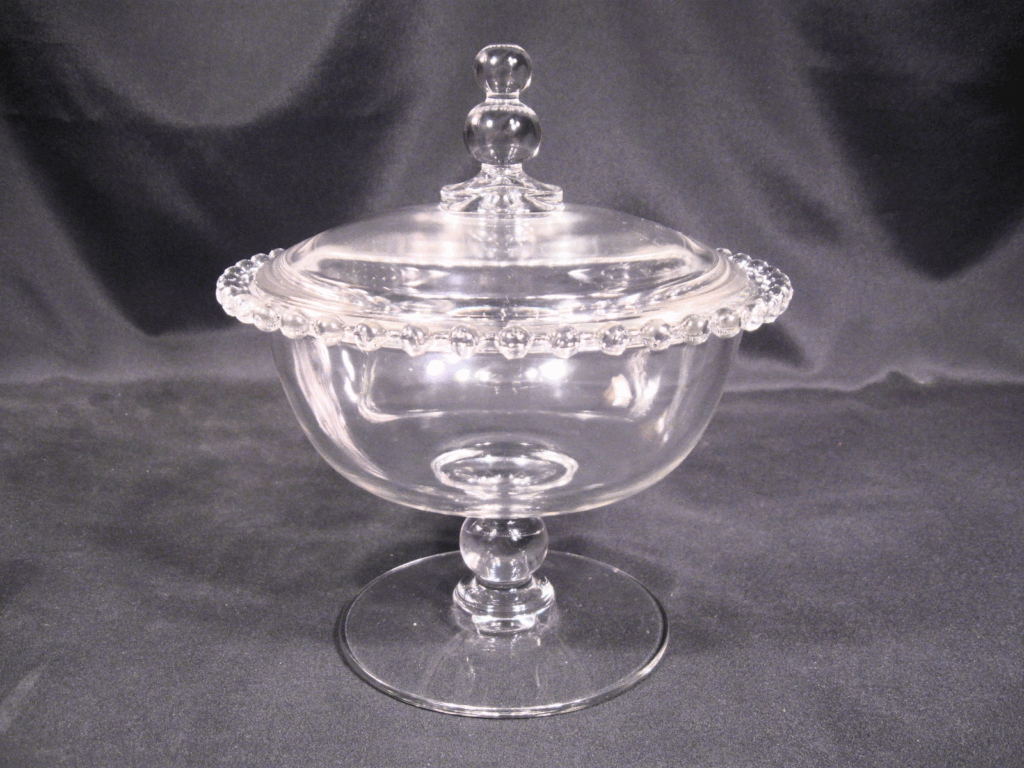
Imperial Glass brought out Candlewick in 1936, and the covered candy dish is one of the line’s most familiar forms. The beaded detail around the edge is what makes it easy to spot right away. In today’s market, many examples fall in the $30 to $60 range. Buyers often pick it for its neat, airy look and its easy fit with midcentury table settings.
Rather than using deep molded patterns, this line leans on rows of small glass beads for its character. That gives it a cleaner and lighter style than heavier pressed glass patterns with thick relief work. Collectors often like it because it looks refined without feeling too ornate. A complete dish with a bright finish usually brings the best price.
Cambridge Caprice Clear 2 Part Candy Dish
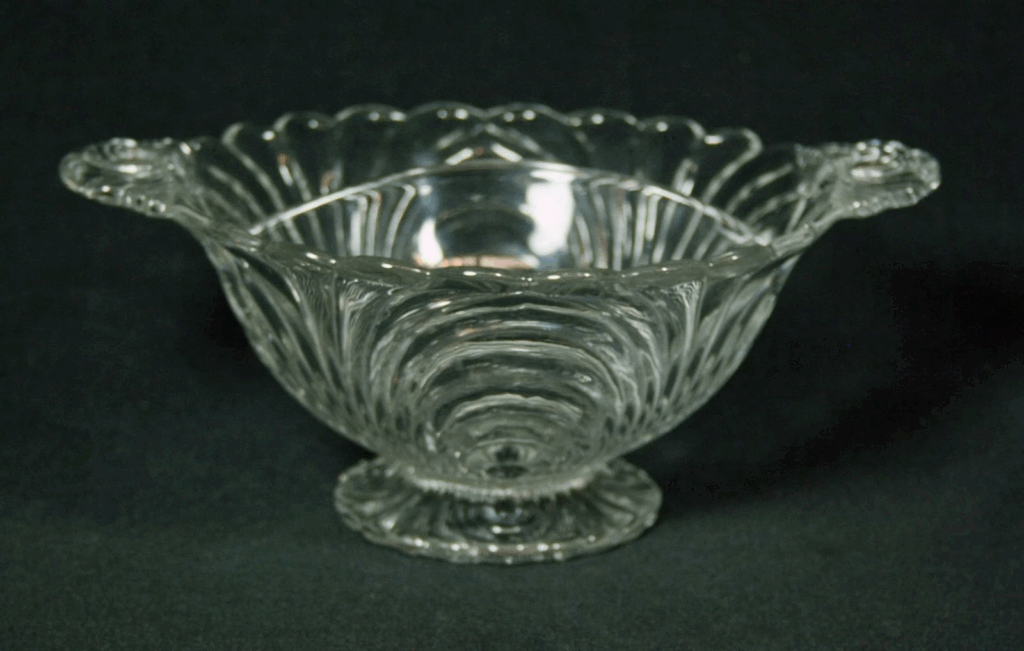
Cambridge started the Caprice pattern in 1936, and the covered candy dish is one of the prettiest forms from that line. The market value for a good example is often about $80 to $120. It differs from many pressed glass dishes because the molded pattern has a flowing, almost rippled look instead of stiff lines. That softer shape gives it a graceful appearance that still feels special.
On a shelf, Caprice has a more fluid style than many Depression era pieces. The lid and curved body also give it more visual movement than plain candy bowls. Collectors often look for clear glass with no cloudiness, since haze can dull the effect. A sharp, clean edge and a well-fitting lid help this one stand out.
Federal Glass Sharon Pink Candy Jar and Lid
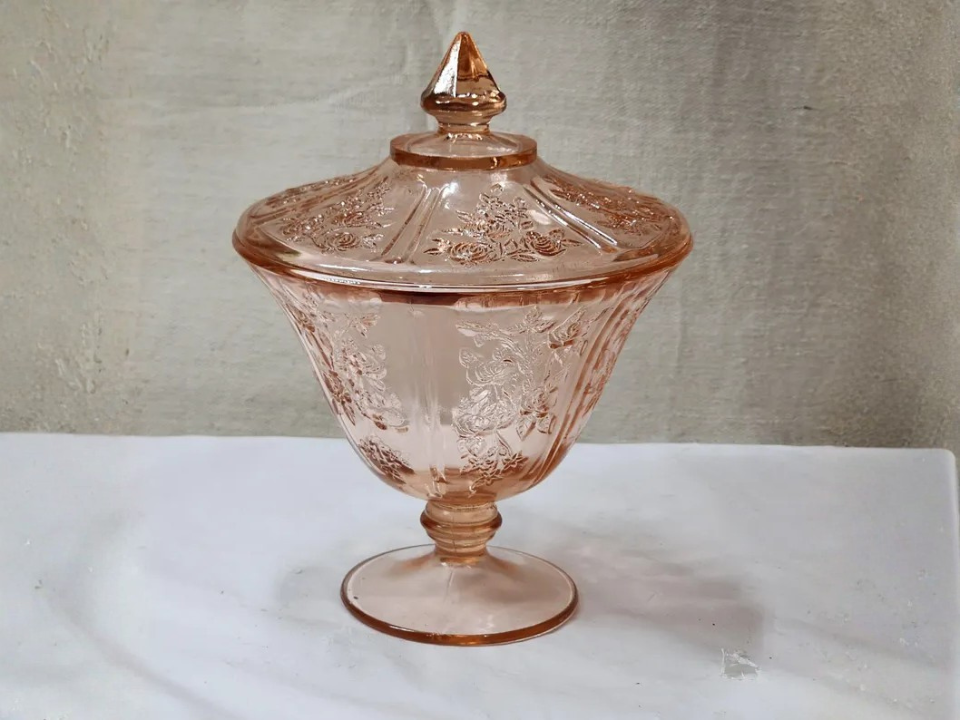
Federal Glass made the Sharon Pink from 1935 to 1939, and the covered candy jar still gets attention for its strong floral design and warm color. Most clean pieces tend to sell for about $65 to $95. The pink glass gives it a softer and more cheerful look than plain, clear candy dishes. That color alone is enough to draw many Depression glass collectors to it.
Unlike simpler pressed glass lines, Sharon has fuller floral relief across the surface. The molded flowers give it a sweeter look that fits spring displays, vanities, and old dining room cabinets. A matching lid is a big plus, since many jars lose their tops over time. The better the color and surface shine, the easier it is to sell.
Anchor Hocking Manhattan Pink 3-Feet Open Candy Dish
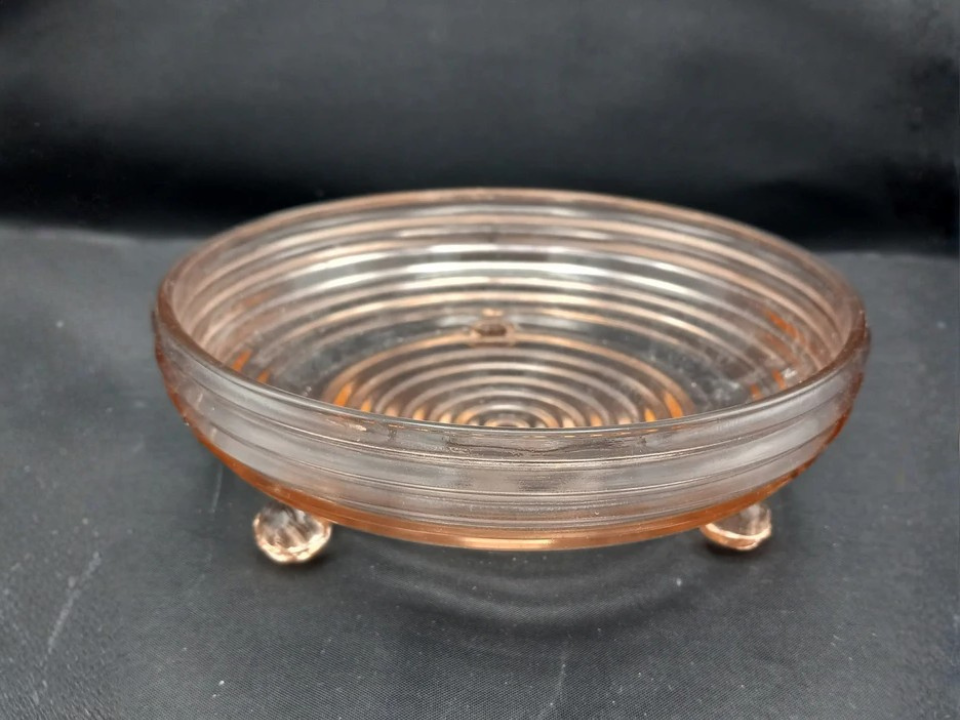
Anchor Hocking introduced Manhattan Pink in 1938, and the three-footed candy dish remains one of the easier entry pieces for new collectors. A fair market range for this form is about $15 to $30. The blocky ribbed pattern gives it an Art Deco feel that looks different from floral and grape-based pressed glass. It has a crisp city style that matches the line’s name very well.
Footed forms like this often get extra notice because they feel more decorative than a plain, shallow bowl. The pink color gives it warmth, while the paneled design keeps it from looking too delicate. Buyers should check the feet closely because that is where chips often show first. Even at a lower price, a clean one still looks very appealing in a display..
Anchor Hocking Wexford Candy Dish and Lid
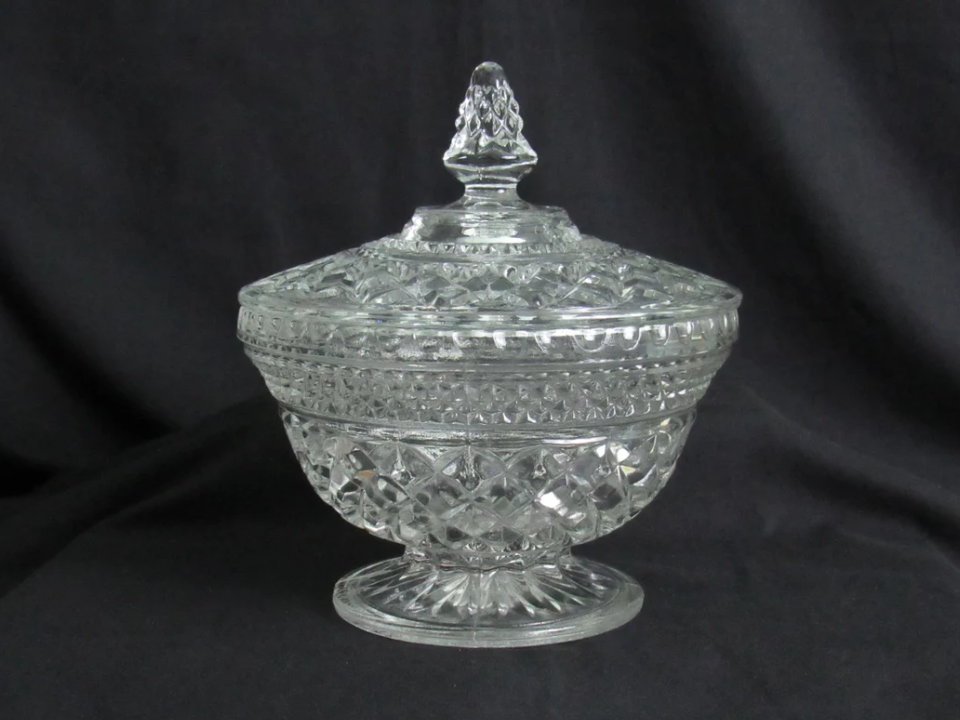
Wexford came out in 1962, and its covered candy dish still sells well because it fits both vintage and modern homes. Many examples bring about $45 to $70. The crisscross pattern gives it a fresh, tidy look rather than a heavy antique style. That makes it different from older pressed glass lines that rely on deeper molded decoration.
While it is not rare in the strict sense, it stays popular because it is practical and easy to mix with other clear serving pieces. The dish catches light nicely, and the lid gives it a finished look. Collectors often look for pieces with little scratching, since Wexford was used a lot in everyday homes. A complete example with good shine usually sells more easily.
Anchor Hocking Prescut Clear Candy Dish and Lid
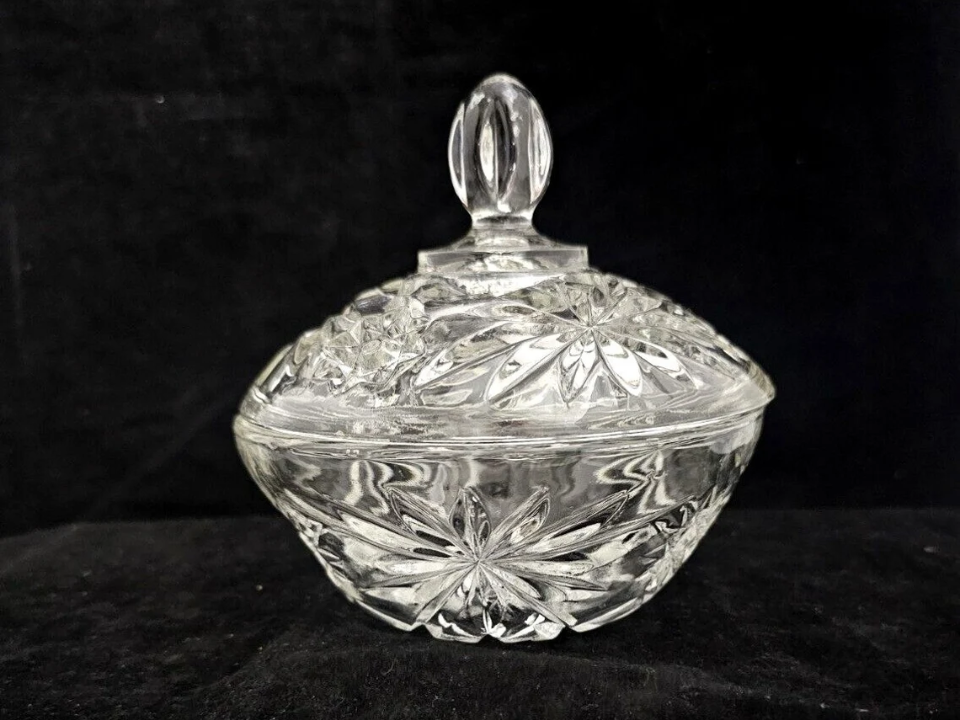
Anchor Hocking began production in 1960, and the covered candy dish remains one of the better-known forms in the line. A current value of about $30 to $45 is common for a nice example. The pattern is meant to resemble cut glass, which gives it a more sparkling look than flatter pressed glass designs. Many people like it because it offers that look at a lower price than true cut glass.
Prescut stands apart through its star and fan motifs, which give the surface more visual depth. The dish works well for candy, though it also looks good sitting empty in a cabinet. Collectors often want the lid knob and rim free from roughness. If the glass is bright and the pattern still catches light well, it remains an easy seller.
Jeannette Swirl Pink Candy Dish and Lid
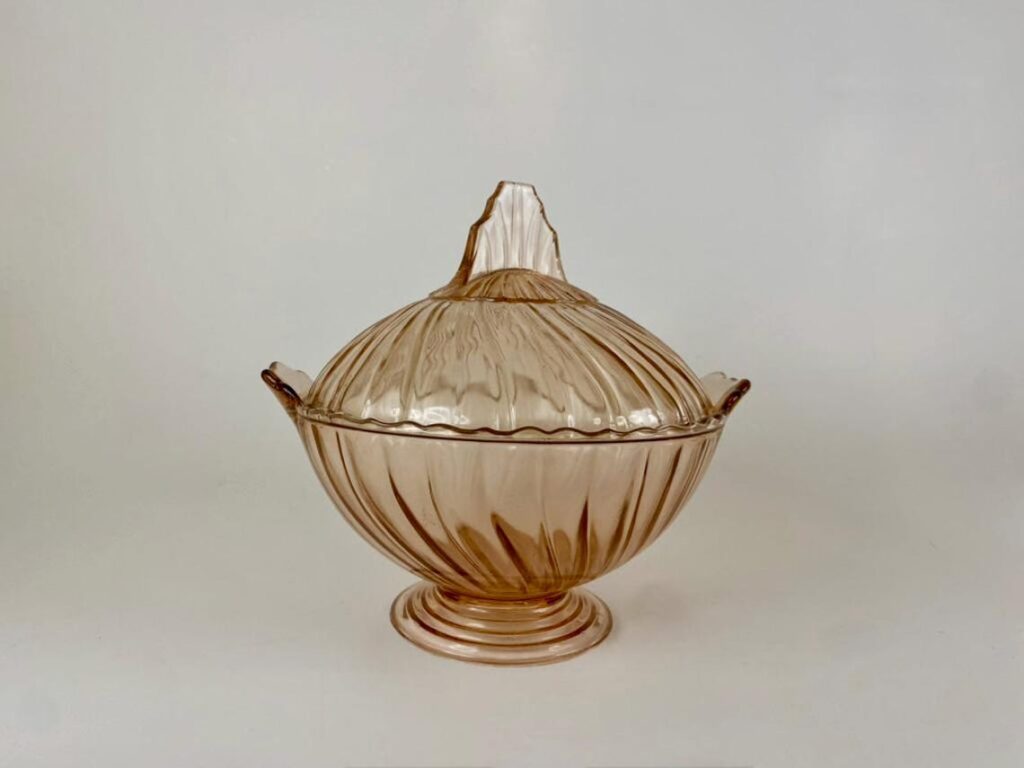
Jeannette made Swirl Pink for a short span from 1937 to 1938, and that short run is part of why collectors pay attention to it. A clean covered candy dish often lands around $225 to $325. The swirling molded lines make it look softer and more fluid than squared Depression glass patterns. That flowing design gives it a distinct look among pink pressed glass pieces.
Short production periods often help lift collector interest, and that is true here. The lid adds to the value, since complete examples are harder to find than loose bowls. On a shelf, this pattern feels graceful rather than blocky or overly formal. Buyers usually want an even pink color and no chips around the rim.
Smith Glass Moon and Star Clear Deviled Egg Server
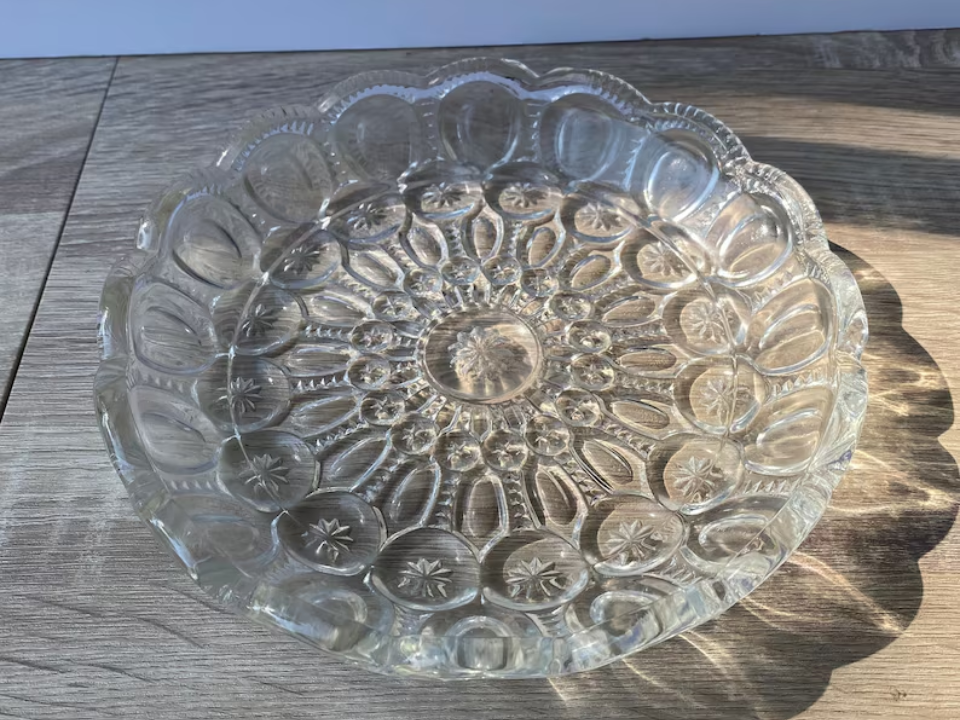
Smith Glass was producing Moon and Star in the 1960s, and the clear deviled egg server remains one of the pattern’s more dramatic serving pieces. A good price range for it is about $140 to $170. The deeply molded moons and stars give it a sculptural quality that many simpler egg plates do not have. Even without color, the relief is strong enough to make the tray stand out.
Specialty servers like this often feel more exciting to collectors than common plates or tumblers. The larger size gives the pattern room to show off, which adds to its display appeal. Buyers usually want a clear body with no haze and a rim free of rough spots. When those details are right, it remains one of the stronger serving pieces in the line
Jeannette Shell Pink Milk Glass Footed Candy Dish and Lid
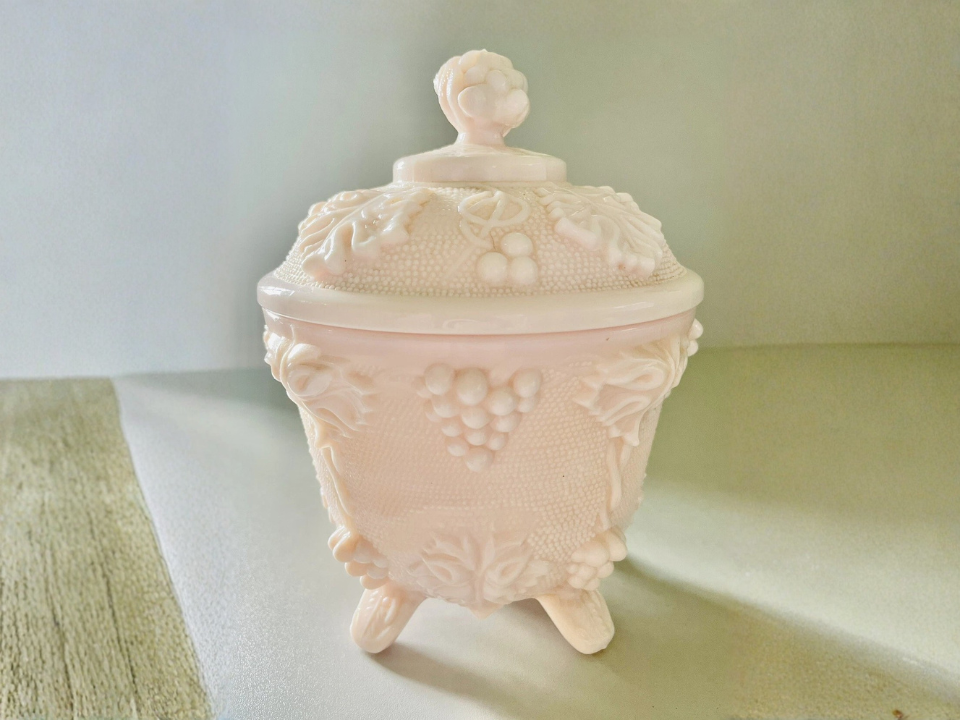
Jeannette released Shell Pink Milk Glass from 1957 to 1959, and the footed covered candy dish remains a sweet midcentury piece. Many examples sell for about $35 to $55. The opaque pink body gives it a different look from clear pressed glass, and that soft color adds charm right away. Its grape motif adds extra detail without making it feel heavy.
This line differs from many Depression era dishes because it uses milk glass rather than transparent glass. The footed shape helps it read as display glass, which makes it useful on vanities and shelves as well as tables. Collectors often like it because it is affordable yet still full of character. A smooth lid and strong color help it look its best.
Westmoreland Paneled Grape Milk Glass Beaded Footed Candy Dish with Lid
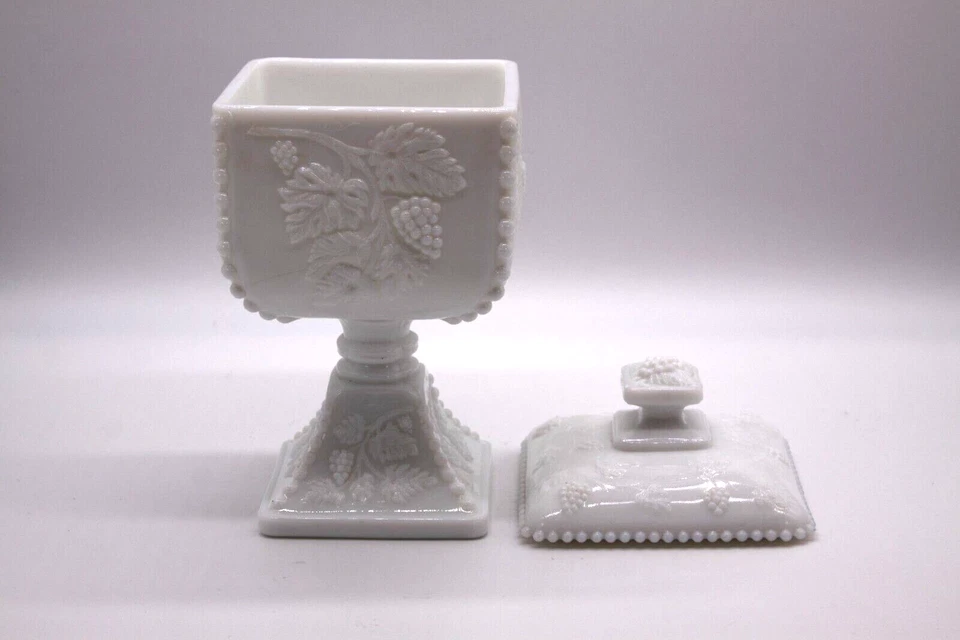
Westmoreland began Paneled Grape Milk Glass in 1940, and this covered candy dish stayed in production for many years after that. A fair price for a good example is usually about $65 to $90. The thick white milk glass and raised grape clusters make it look heavier and richer than many clear pressed glass dishes. The beaded foot adds one more detail that collectors tend to enjoy.
Grape patterns show up in many glass lines, though Westmoreland’s version feels especially solid and bright. The lid, molded fruit, and lifted base all give the dish a fuller display presence. This one also works well with larger milk glass collections, which helps keep interest steady. Collectors should check the beaded edge closely for wear or tiny nicks.
Colony Harvest Carnival Blue Footed Candy Dish and Lid
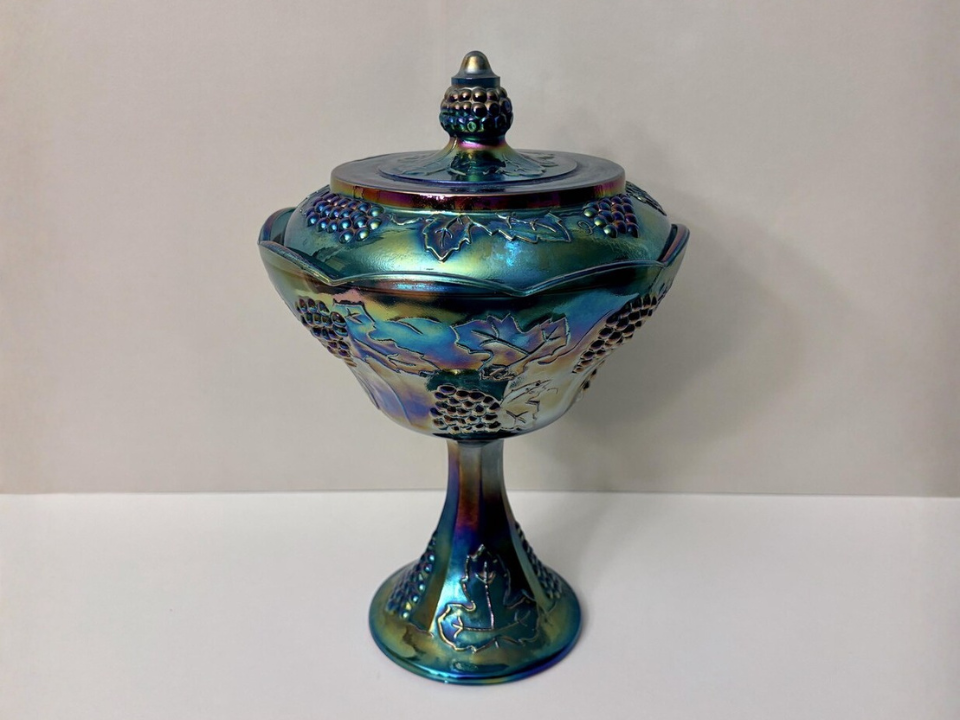
Colony made Harvest Carnival Blue from about 1973 to 1976, and the covered footed candy dish is one of the standout forms from that short run. A clean piece often sells for about $65 to $90. The blue carnival finish gives the surface a shifting sheen that looks very different from plain, clear pressed glass. That finish is a large part of what draws collectors to it.
Under light, the molded grape and leaf pattern becomes much more dramatic because of the color and sheen. Short production years add interest, too, since fewer pieces were made than longer-running lines. The foot and lid give it a showpiece look rather than a plain serving bowl feel. Surface scratching can lower value, so a bright, clean finish matters a lot.
Smith Glass Moon and Star Red Candy Dish and Lid
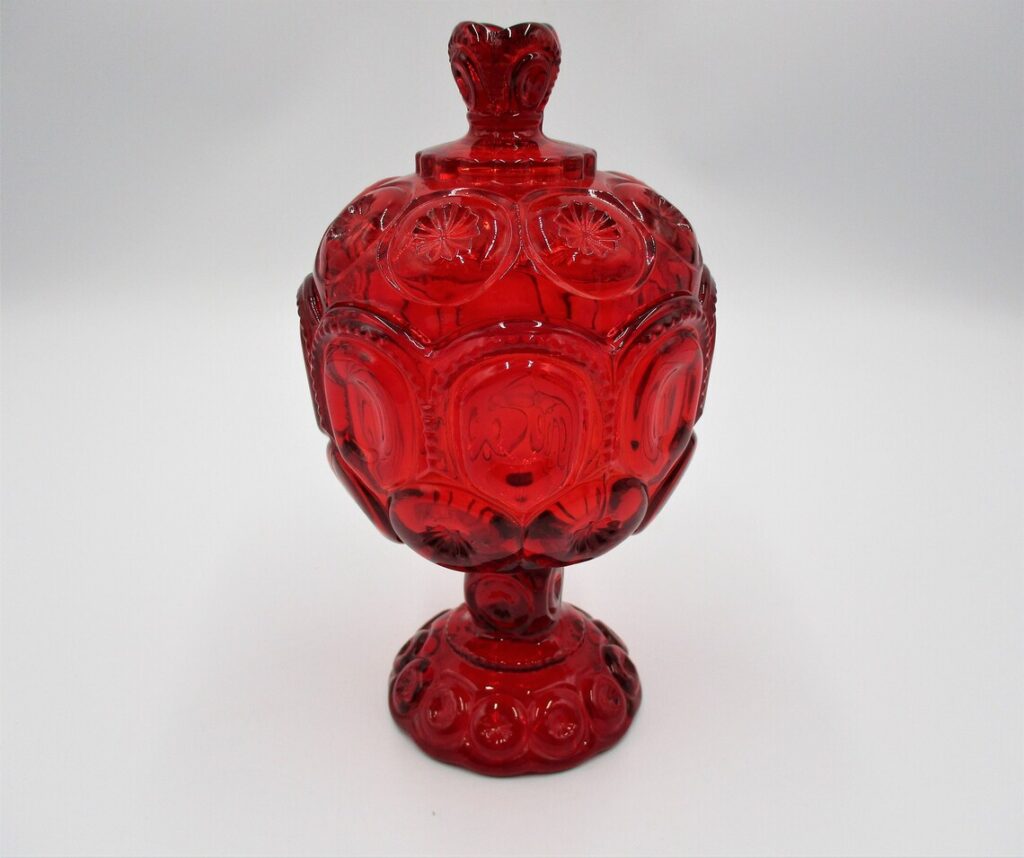
Smith Glass carried Moon and Star in the 1960s, and the red-covered candy dish remains one of the more striking forms in the pattern. Current values often sit around $140 to $180. The deep moon and star motifs are much easier to read from a distance than many softer pressed glass designs. The red color gives it strong shelf appeal and helps it stand out fast.
Collectors often go after this line because the pattern feels dramatic without being too busy. A covered candy dish also has more visual weight than smaller table items like tumblers or saucers. The lid and rim should be checked carefully because chips there can cut into the value. When the color is rich and the body is clear, it usually draws strong interest.
Smith Glass Moon and Star Blue Deviled Egg Server
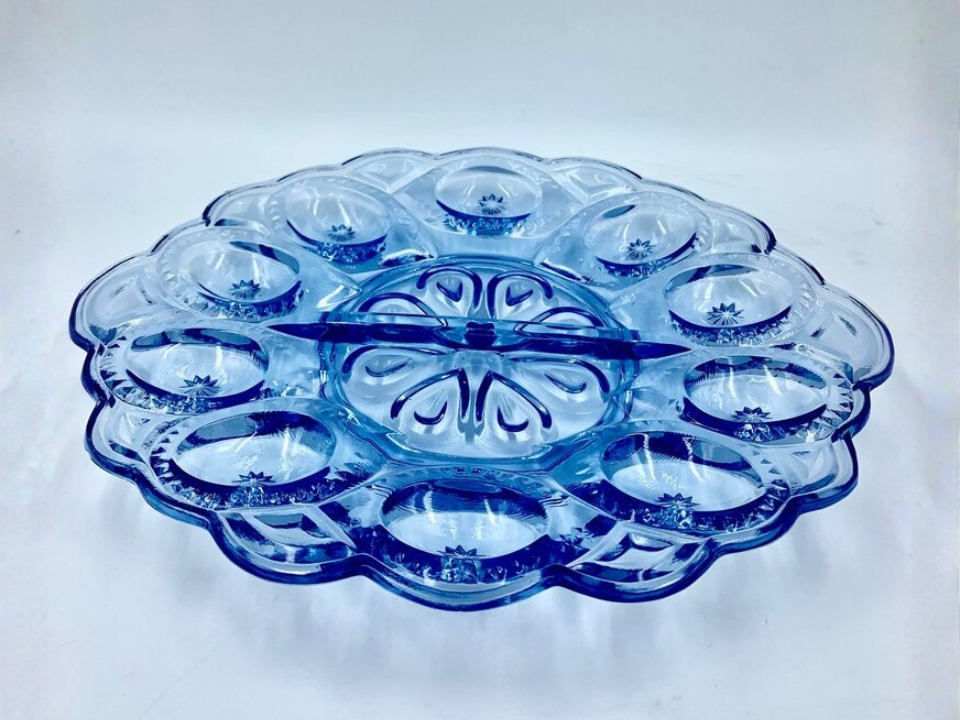
Blue Moon and Star pieces from Smith Glass are tied to the same 1960s production period, and the blue deviled egg server is one of the showier forms in the pattern. Many clean examples sell for about $160 to $190. The blue color adds depth to the molded stars and crescents, which gives it more visual pull than the clear version for some collectors. That richer look often helps it stand out in a cabinet or holiday spread.
Color plays a large role in why this server stays popular. The tray is useful, though it also feels decorative enough to leave on display between gatherings. Collectors usually look for even color, a clean rim, and a surface free from noticeable wear. With those qualities in place, it remains one of the most wanted Moon and Star serving forms.
This article originally appeared on Avocadu.