
17 Prehistoric Looking Fish Species That Still Swim Today
Some fish species seem to have stepped right out of a time machine, carrying the look and feel of ancient creatures that swam the seas millions of years ago. These prehistoric-looking fish have managed to survive through countless changes in the world’s oceans, remaining largely unchanged over the centuries. With their unusual shapes, unique features, and ancient lineages, these fish serve as living links to a past we can only imagine. Whether it’s a slow-moving deep-sea dweller or a sleek predator of the open ocean, each species has adapted in remarkable ways. They remind us of a time long before the modern world took shape.
This post may contain affiliate links, which helps keep this content free. Please read our disclosure for more info.
Coelacanth
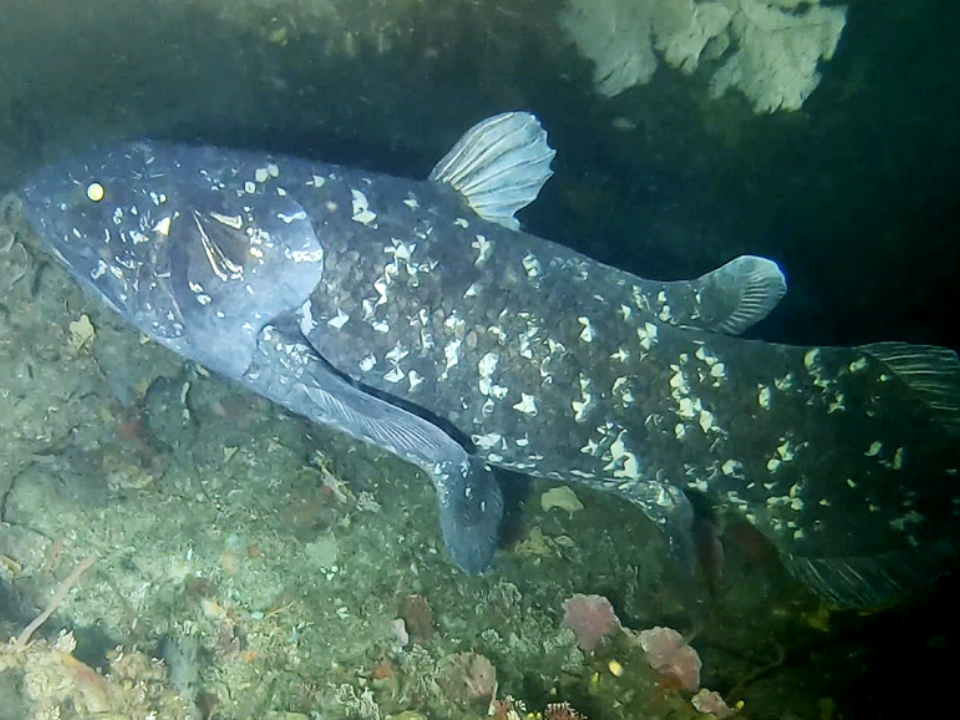
The coelacanth is often referred to as a “living fossil,” a term that speaks to its remarkable connection to ancient fish species that lived millions of years ago. Once thought to have gone extinct with the dinosaurs, coelacanths were rediscovered in 1938 off the coast of South Africa. These fish are known for their distinct lobed pectoral fins, which resemble the appendages of the first creatures to move from water to land. They have a unique, three-lobed tail and a thick, muscular body, which makes them stand out among other fish.
Coelacanths are deep-sea dwellers, found at depths ranging from 500 to 800 feet, and they have a slow metabolism, making them elusive to researchers. Despite their ancient appearance, they have adapted well to their environments, showing how ancient species can endure over vast periods of time. Their survival offers valuable insights into evolutionary biology and marine life.
Sturgeon
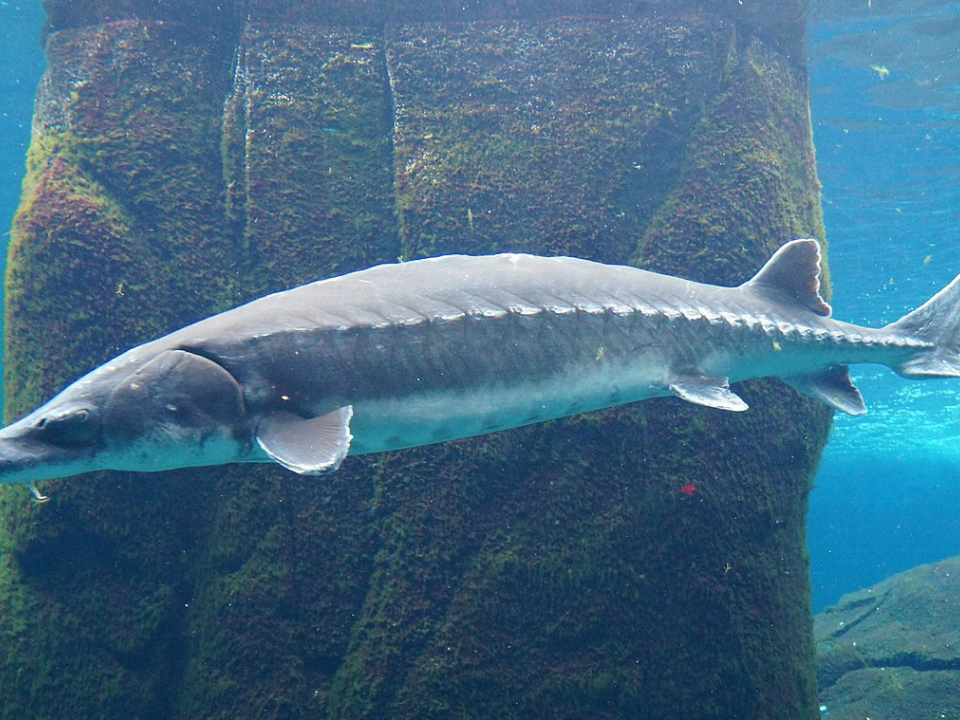
Sturgeons are a group of large, ancient fish that have existed for around 200 million years. These fish are known for their bony scutes that run along their backs, giving them a prehistoric look. Their elongated bodies, pointed snouts, and large fins make them resemble creatures from a different era. Sturgeons can be found in rivers, lakes, and coastal waters in parts of North America, Europe, and Asia.
Some species, like the beluga sturgeon, are known to grow up to 18 feet long, making them one of the largest fish species in the world. Despite their ancient lineage, many species of sturgeon are critically endangered due to overfishing and habitat destruction. They are often sought after for their roe, which is turned into prized caviar, adding to the pressures on their populations.
Lungfish
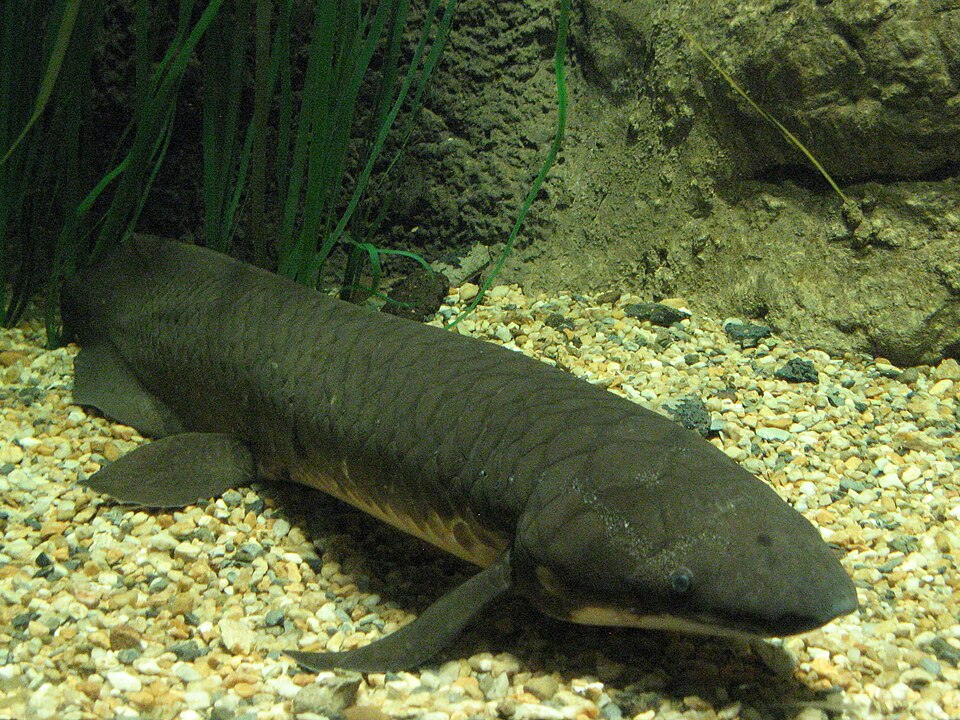
Lungfish are a fascinating group of freshwater fish that have survived for over 400 million years, making them some of the oldest living fish species. They are known for their ability to breathe air, thanks to both gills and lungs, which is a trait that helped them survive during times when oxygen levels in water were low.
Lungfish can be found in Africa, South America, and Australia, where they live in sluggish, muddy waters. During dry seasons, some species can burrow into the mud and enter a state of dormancy, surviving without water for months or even years. This remarkable adaptation has allowed lungfish to thrive through periods of drought, making them a key species for studying resilience in ancient fish. Their primitive features, like elongated bodies and lobed fins, further enhance their prehistoric appearance.
Gar
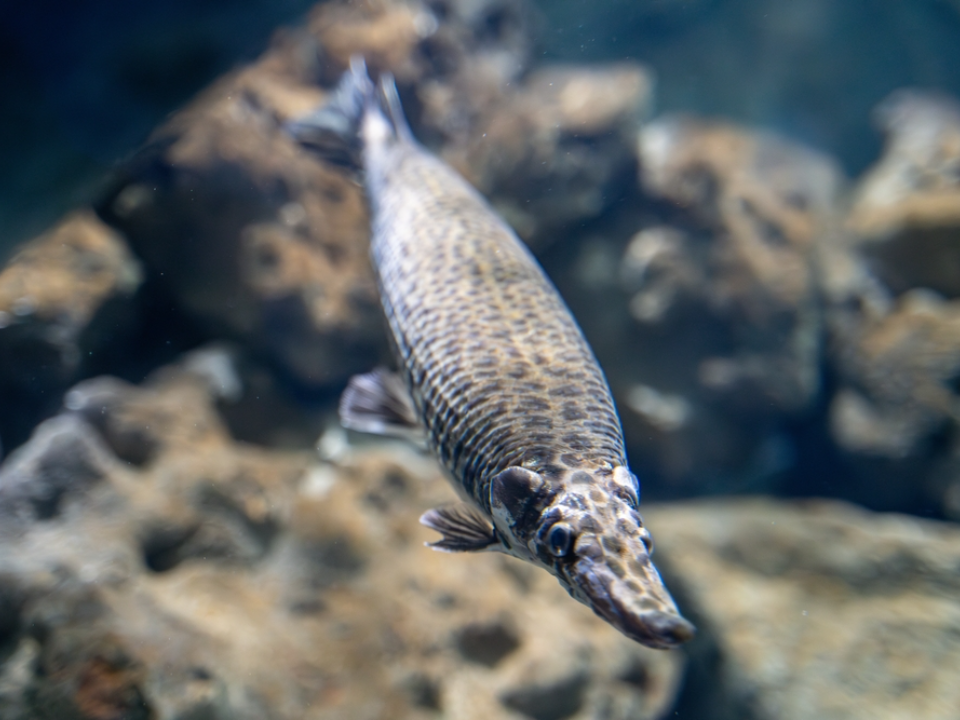
Gars are a group of long; predatory fish found primarily in North and Central America. These fish are easily recognizable by their long, narrow snouts, filled with sharp teeth, which they use to capture prey. Gars have a scaled body that glistens with a metallic sheen, giving them a look reminiscent of ancient, armored creatures.
Their fossilized ancestors date back over 100 million years, making them a true living link to the past. Gar species, such as the alligator gar, can grow to be quite large, reaching lengths of over 10 feet. They are known for their ability to survive in low-oxygen environments, as they have the unique ability to gulp air from the surface. This trait, combined with their slow-moving nature, allows them to thrive in various habitats, from rivers to swamps.
Swordfish
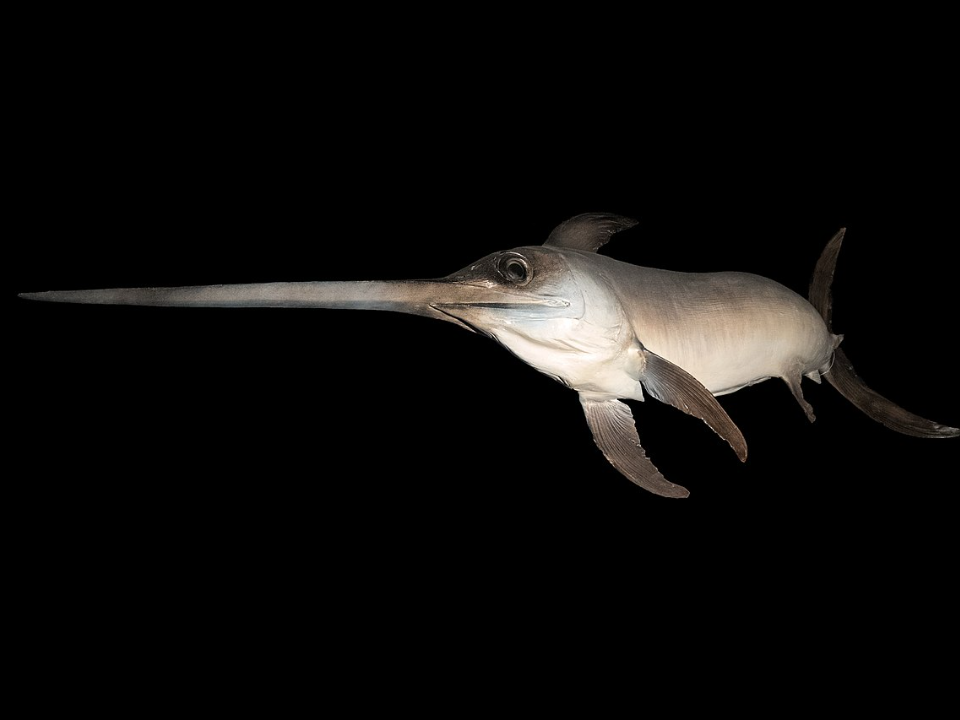
Swordfish are large, predatory fish known for their long, flattened bills, which they use to slash at schools of fish to stun them before feeding. These fish have a streamlined body, designed for fast swimming, and their ability to reach speeds of up to 60 miles per hour makes them one of the fastest fish in the ocean. Swordfish have been around for over 50 million years and have evolved to become highly skilled hunters of the open ocean.
Their distinct appearance, with their elongated bill and sleek body, makes them look like creatures from an ancient age. Despite their prehistoric looks, swordfish are highly adapted to modern oceanic life, but they still remain a symbol of marine power and agility. These fish are also known for their migratory behavior, traveling thousands of miles across the oceans in search of food.
Chimaera
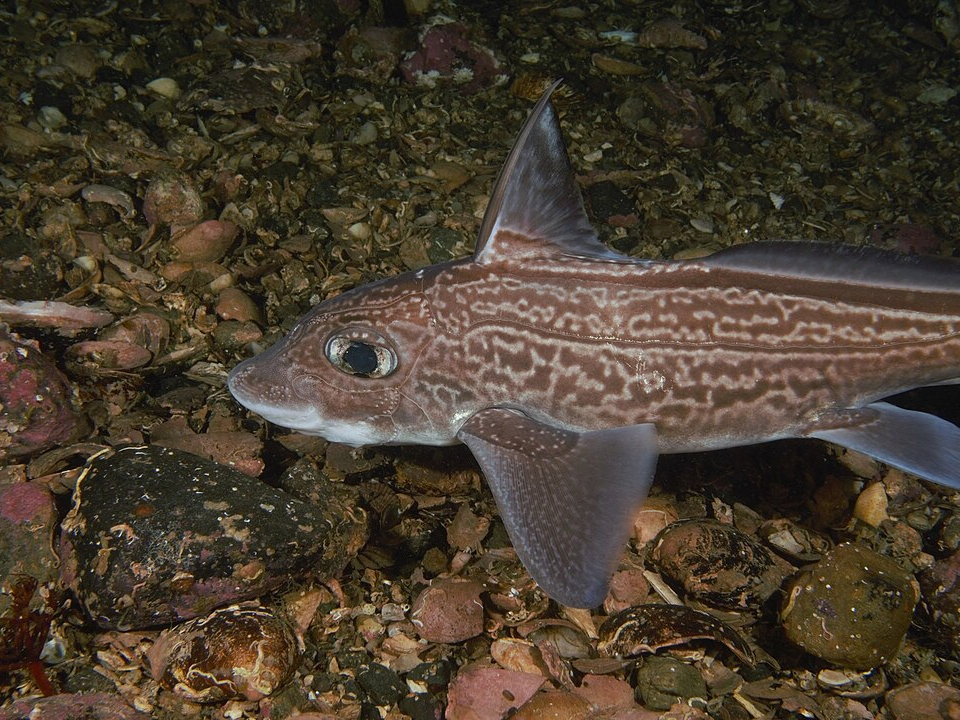
Chimaeras, often called “ghost sharks,” are deep-sea fish with a distinct, almost alien-like appearance. They are part of an ancient group of fish that diverged from other cartilaginous fish such as sharks and rays more than 400 million years ago. Chimaeras are characterized by their smooth, rounded heads and long, whip-like tails, which set them apart from most other fish.
Unlike many fish, they do not have scales; instead, their skin is smooth and mucous-covered. Found at depths of over 2,000 feet in cold ocean waters, chimaeras rarely come into contact with humans, adding to their mysterious, prehistoric allure. Their large, lidless eyes are adapted for low-light environments, and their ability to live in deep waters has kept them largely unchanged over millions of years.
Toadfish
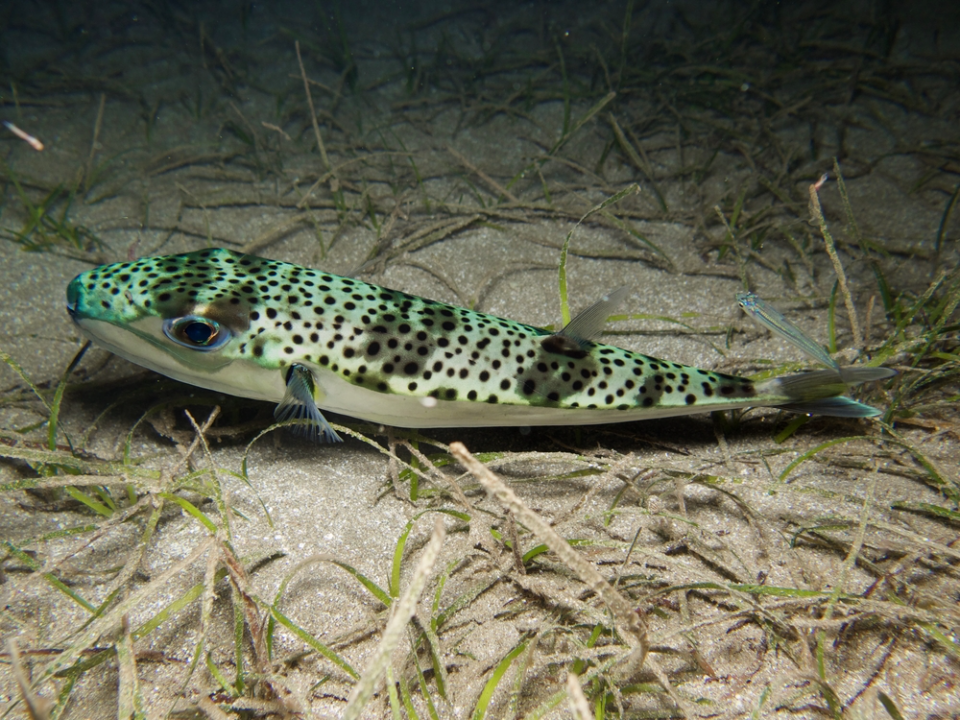
Toadfish are a group of fish known for their distinctly broad, flattened heads and large, wide mouths, resembling the shape of a toad. These fish are often found in coastal waters, particularly in the Gulf of Mexico and parts of the Caribbean. Despite their relatively small size, toadfish are known for their loud, croaking calls, which they use to communicate, much like frogs.
This unique characteristic, combined with their bony armor and sluggish movements, gives them an ancient, otherworldly look. Toadfish are bottom dwellers, often found hiding in muddy or rocky habitats, where they use their keen sense of hearing to detect prey. Their ability to adapt to various environmental conditions makes them a resilient species that has survived through countless changes in the ocean over millions of years.
Lamprey
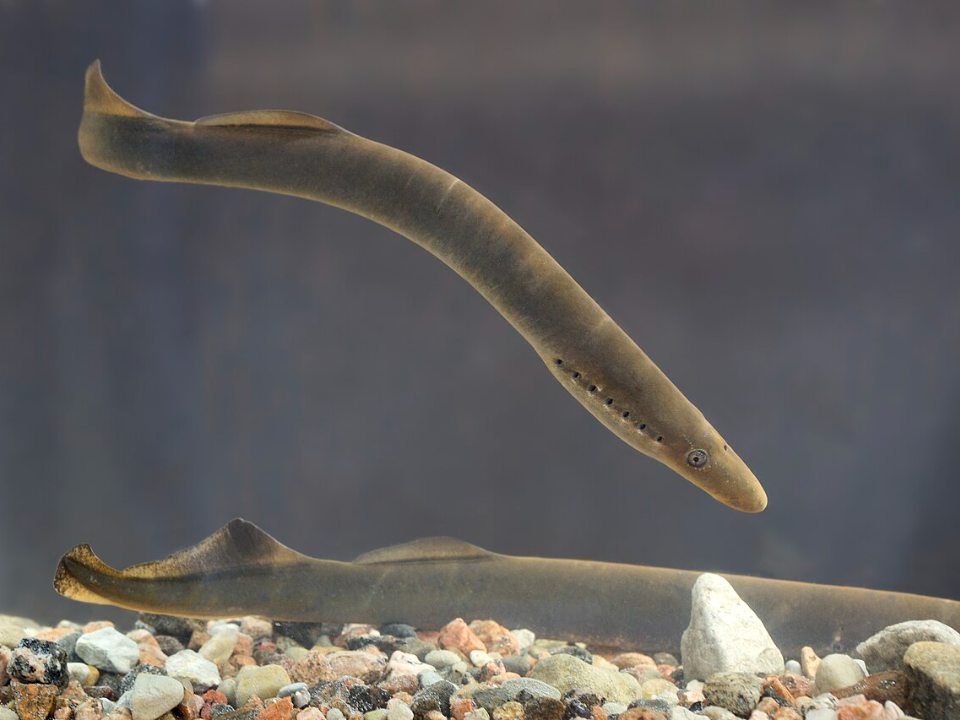
Lampreys are parasitic fish that have existed for over 360 million years, making them one of the oldest types of fish still swimming today. Their eel-like bodies, along with their circular mouths full of sharp teeth, give them a striking, ancient look. Lampreys are known for their parasitic lifestyle, attaching themselves to larger fish using their sucker-like mouths, where they feed on blood and tissue.
Although many species of lamprey are found in freshwater lakes and rivers, others live in the ocean, migrating between the two environments. These fish are jawless, which places them in a unique evolutionary category. Their primitive features and blood-sucking habits make them a fascinating example of survival in the natural world.
Scorpaenidae (Scorpionfish)
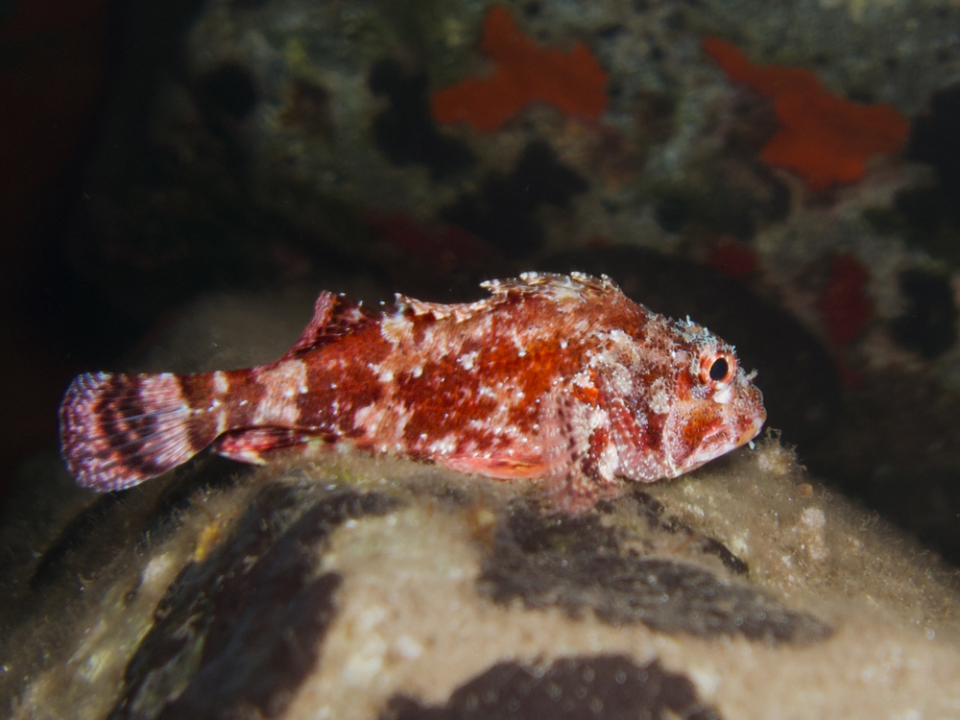
Scorpaenidae, commonly known as scorpionfish, are a family of venomous fish that have a prehistoric appearance due to their spiny fins and bony plates. These fish are found in oceans worldwide, particularly in tropical and temperate waters. Their flattened bodies, long dorsal spines, and camouflaged coloration make them excellent ambush predators, often lying in wait for unsuspecting prey to approach.
Scorpionfish are often well-camouflaged against rocky and coral environments, which adds to their elusive and ancient-looking nature. Despite their fierce appearance, they are not aggressive toward humans unless provoked, and their venomous spines can cause severe pain if stepped on. Scorpionfish have survived through countless periods of change, making them one of the oldest surviving groups of fish in the world.
Whale Shark
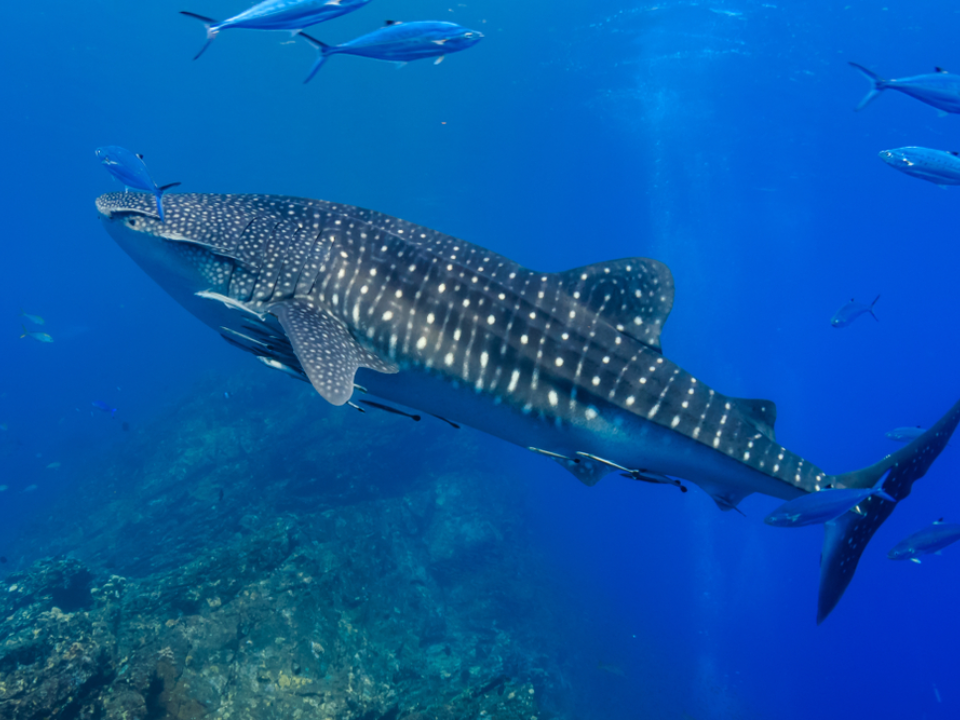
The whale shark is the largest fish in the world, growing up to 40 feet long, yet despite their massive size, they are gentle giants. These fish have a broad, flattened head and a distinct pattern of spots across their bodies that make them stand out in the ocean. Whale sharks are filter feeders, swimming with their mouths open to scoop up plankton, small fish, and other microscopic organisms.
They have been around for approximately 60 million years, surviving through the changing environments of the seas. Found in tropical and warm waters, whale sharks are highly migratory, traveling across vast distances to find food. Their enormous size and ancient features make them a symbol of the power and mystery of the ocean’s deep.
Basking Shark
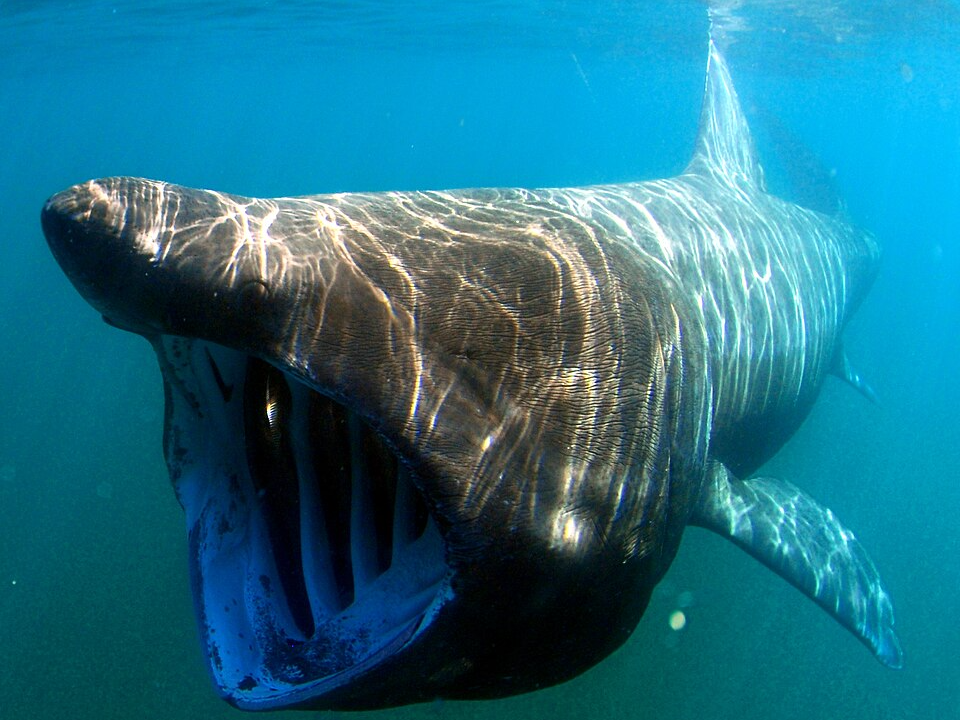
The basking shark is another enormous fish species, second only to the whale shark in size. These filter-feeding fish have wide, crescent-shaped mouths, which they open while swimming slowly through the water to collect plankton. Basking sharks can grow up to 40 feet long, and their ancient lineage stretches back around 170 million years.
Despite their large size, they are harmless to humans and are known for their gentle nature. These sharks can be found in temperate oceans around the world, where they migrate seasonally in search of abundant food sources. The basking shark’s prehistoric look is enhanced by its massive body and long, tapered tail, making it one of the most iconic sharks in the world.
Mudskipper
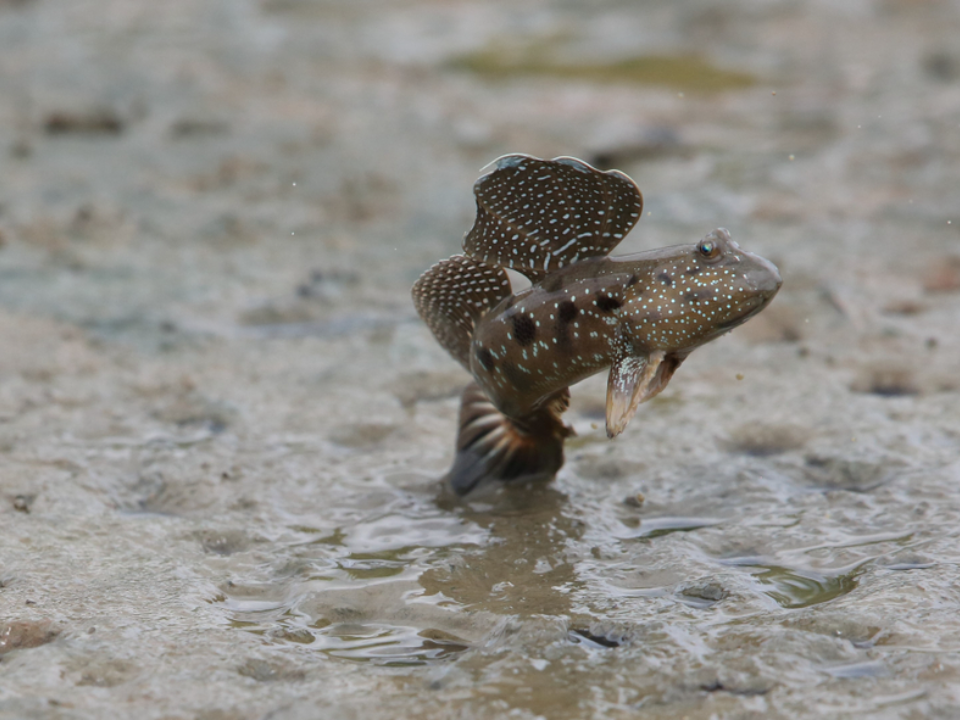
Mudskippers are remarkable fish that have evolved the ability to live on land, making them one of the most unusual species in the world. With their stout, muscular bodies and large pectoral fins, mudskippers are capable of moving across mudflats and wetlands, using their fins like legs to “walk.” These fish are typically found in coastal areas of Africa, Asia, and Australia, where they thrive in intertidal zones.
Mudskippers are amphibious, meaning they can breathe air using both their gills and skin, which allows them to spend time on land without drying out. Their unusual behavior and appearance, including large eyes and an ability to hop on land, give them a prehistoric charm. Mudskippers are living proof of the evolutionary steps that aquatic animals took when transitioning to land-based life millions of years ago.
Piranha
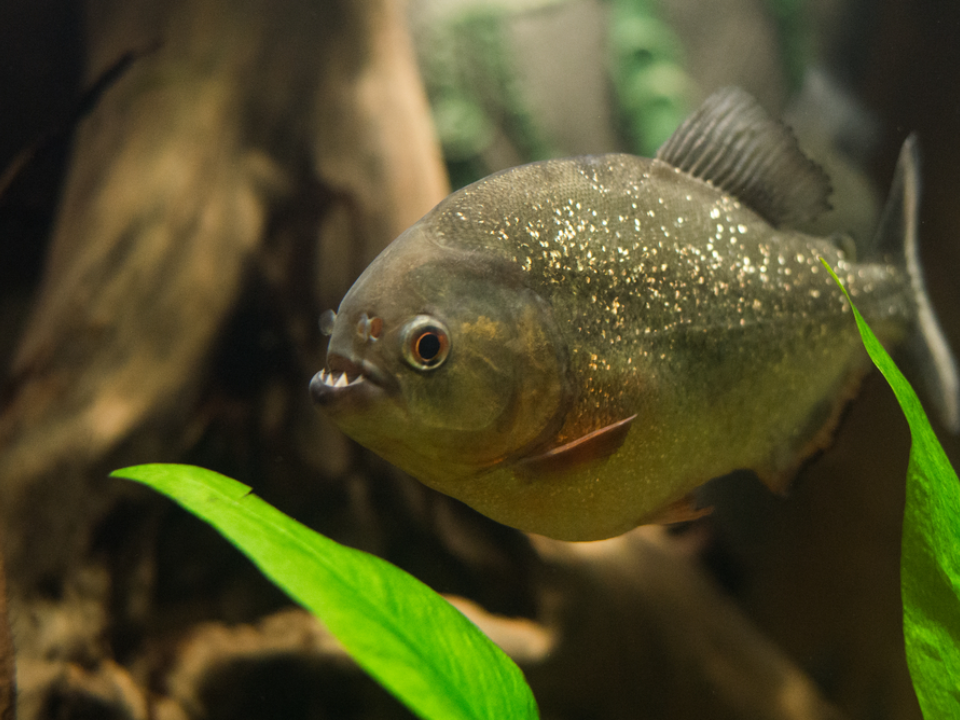
Piranhas are infamous for their sharp teeth and powerful jaws, but they also possess a look that harkens back to ancient predators. These South American fish are often portrayed as fearsome creatures due to their carnivorous diet, although they typically feed on smaller fish and plants. Piranhas have a stocky, muscular body, with sharp, serrated teeth that give them a highly intimidating appearance.
They live in schools, which adds to their predatory reputation. Piranhas have been around for millions of years, evolving to become highly efficient hunters in the freshwater rivers of South America. Despite their tough reputation, most piranha species are not as dangerous to humans as often depicted in popular media.
Greenland Shark
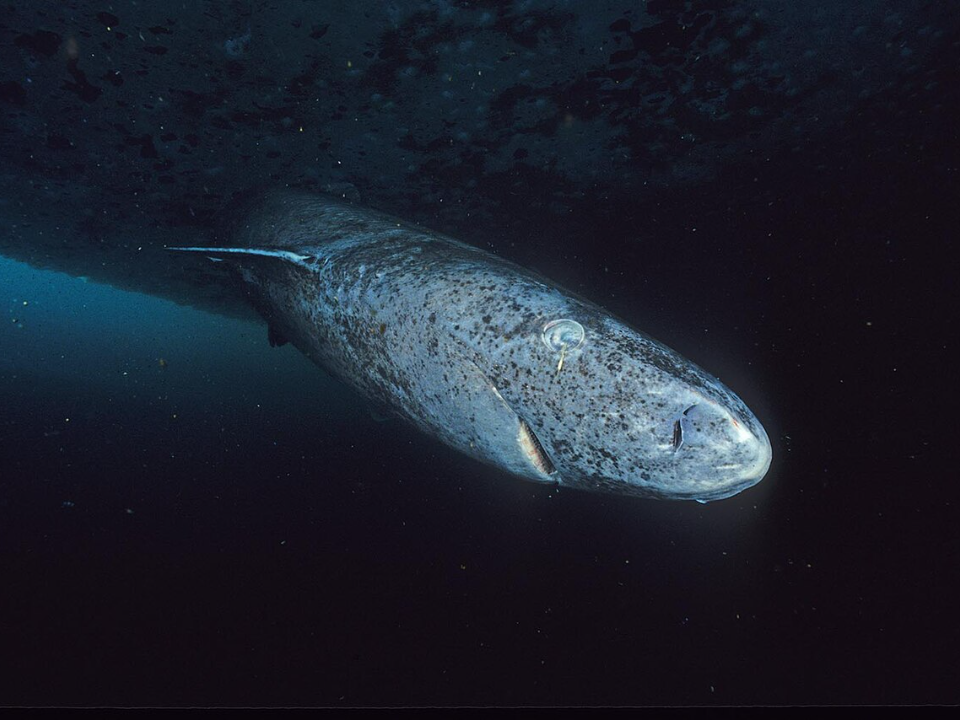
The Greenland shark is one of the longest-living animals on Earth, with some individuals estimated to be over 400 years old. This deep-sea shark is found in the cold waters of the North Atlantic and Arctic Oceans. Greenland sharks have a slow metabolism, which contributes to their long lifespan and makes them one of the most fascinating creatures in the sea.
These sharks have a thick, bulky body and small, beady eyes, which only add to their mysterious, ancient appearance. They are bottom dwellers, often moving slowly along the seafloor in search of food. Despite their size and slow-moving nature, they are considered a top predator in their environment. The Greenland shark’s prehistoric look and incredible longevity make it one of the most extraordinary fish species still alive today.
Catfish
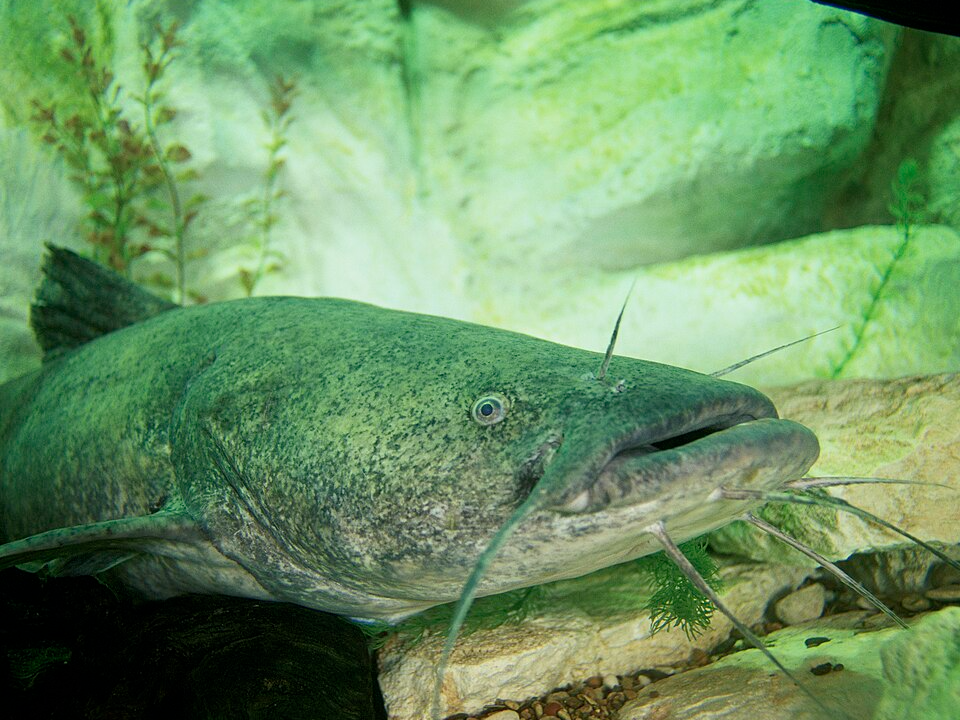
Catfish are a diverse group of fish that can be found in freshwater rivers, lakes, and streams around the world. Known for their whisker-like barbels around their mouths, catfish resemble the ancient fish species that have existed for millions of years. Some species of catfish can grow to over 9 feet in length, making them one of the largest freshwater fish.
Their broad, flat heads and slimy bodies give them a unique, prehistoric look. Catfish are bottom-feeders, scavenging for food in the murky waters where they live. They are also known for their ability to detect vibrations in the water, which helps them locate prey. The ancient appearance of catfish is matched by their wide distribution and adaptability, making them a fascinating group of fish.
Hammerhead Shark
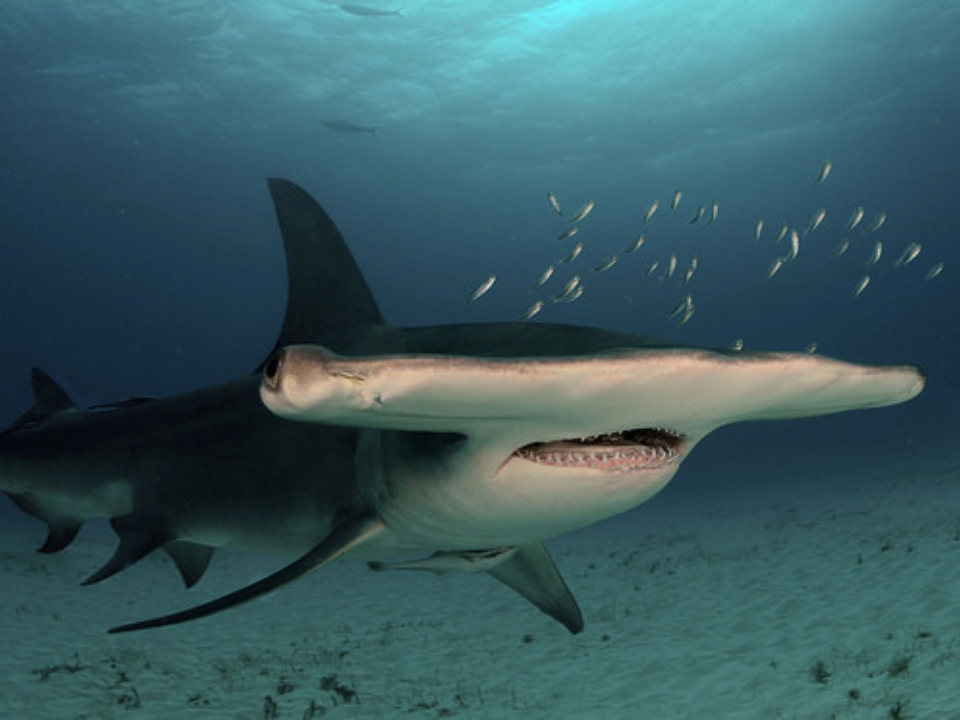
Hammerhead sharks are instantly recognizable due to their wide, flattened heads that give them a distinctive, prehistoric appearance. These sharks have been around for over 20 million years, evolving to become one of the most successful predators in the ocean. Their unique head structure, known as a cephalofoil, allows them to have better vision and improved maneuverability while hunting.
Hammerhead sharks are typically found in warm waters around the world, particularly in shallow coastal areas. They are skilled hunters, preying on fish, squid, and other marine animals. Their large size, combined with their ancient features, makes them one of the most iconic shark species in the ocean.
Moray Eel
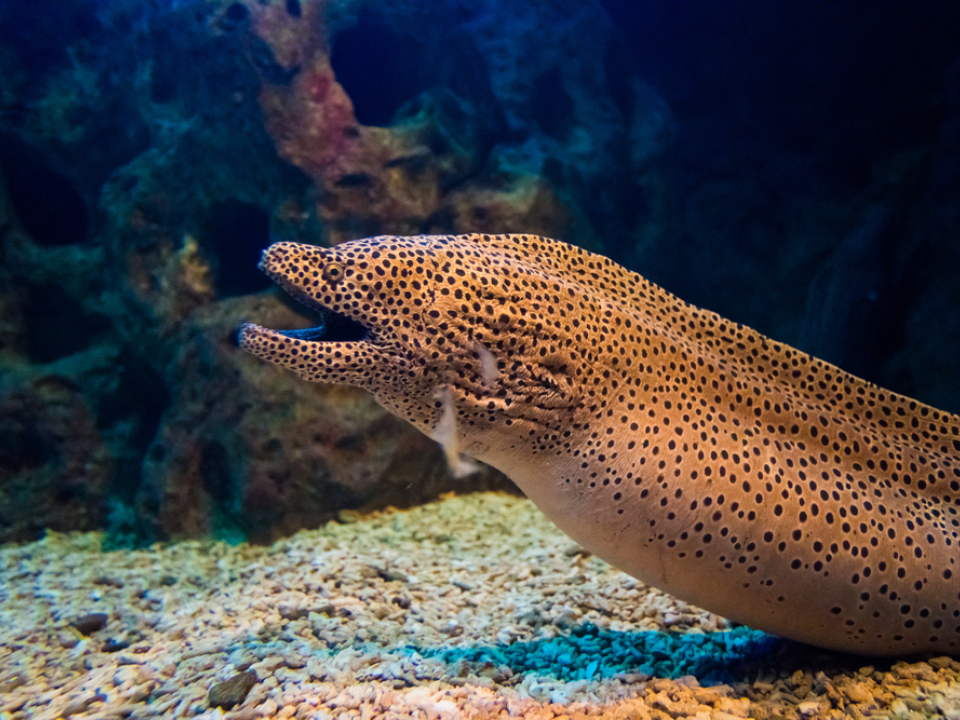
Moray eels are predatory fish with long, snake-like bodies and sharp, fang-like teeth, giving them an eerie, prehistoric look. They are found in tropical and subtropical seas around the world, where they typically live in crevices and holes in coral reefs. Moray eels are known for their ability to open their mouths wide, allowing them to capture prey with ease.
They are often nocturnal hunters, ambushing fish and invertebrates that venture too close. Despite their fearsome appearance, moray eels are relatively shy creatures and tend to avoid human contact. Their long, slim bodies and unique jaw structure make them one of the most distinctive and ancient-looking fish in the ocean.
This article originally appeared on Avocadu.