
10 Pollinators Making a Comeback After Habitat Projects Took Off
In recent years, pollinators have been making a steady comeback thanks to efforts to restore their habitats. These essential creatures, from bees to butterflies, play a crucial role in maintaining our ecosystems. Habitat projects around the world have led to a positive shift in their populations. With careful attention to the environment, many species are thriving again.
This post may contain affiliate links, which helps keep this content free. Please read our disclosure for more info.
Monarch Butterfly
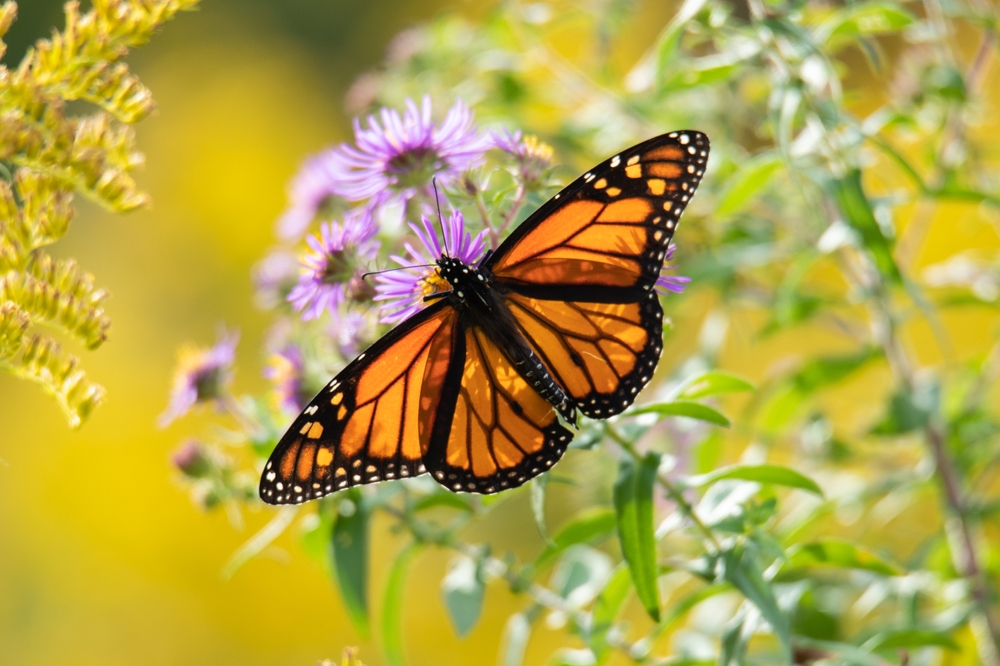
Monarch butterflies have been a symbol of pollinator decline, but recent efforts to restore their habitats have shown great promise. These butterflies rely on milkweed for breeding and feeding, and by planting more of this crucial plant, their populations have been growing. Conservation projects in North America have helped create pollinator corridors, ensuring these butterflies have access to the resources they need. As a result, monarchs are gradually making their way back to areas they had previously abandoned.
These recovery efforts include initiatives to plant native flowers and preserve wild landscapes that support butterfly migration. The return of monarchs is not just a success for pollinator projects but also a hopeful sign for other butterfly species. With the right care, it is likely that their numbers will continue to rise in the coming years. These butterflies play a significant role in pollinating various plants, making them essential to our ecosystems.
Honeybee
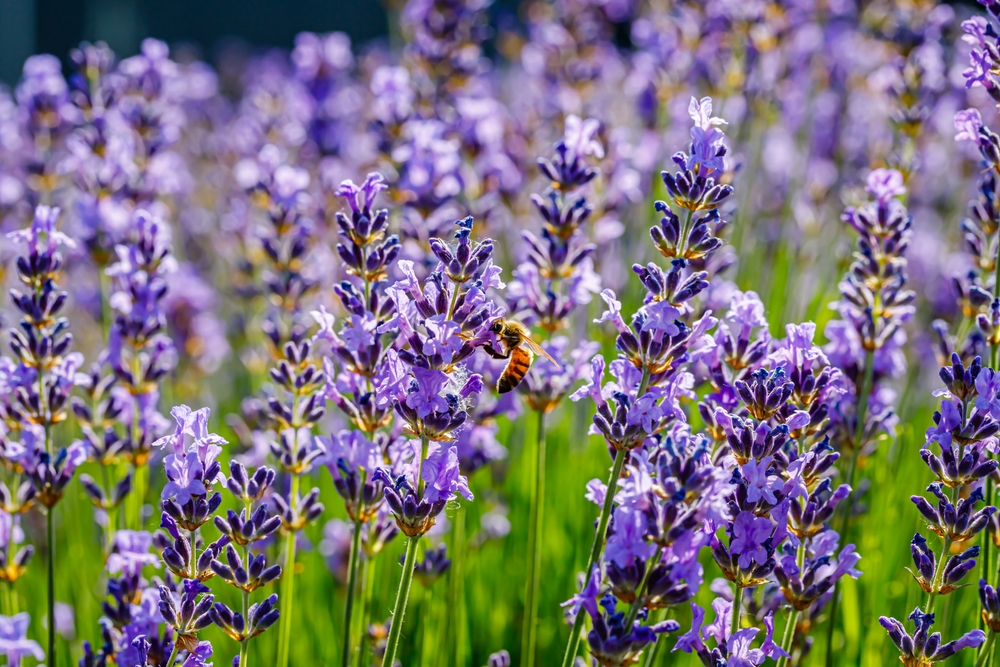
Honeybees are perhaps the most well-known pollinators, and they have faced significant challenges due to habitat loss, pesticide use, and disease. However, habitat restoration projects focusing on planting bee-friendly flowers and reducing pesticide use have helped honeybee populations recover. Bee-friendly farming practices, such as creating wildflower strips and planting native plants, have contributed to their resurgence. These initiatives have been vital in providing honeybees with the nectar and pollen they rely on.
The importance of honeybees in agriculture cannot be overstated, as they pollinate a wide range of crops. These efforts have been especially effective in regions that prioritize organic farming and habitat restoration. As honeybee populations grow, we can expect to see improved crop yields and healthier ecosystems. Their comeback is a testament to the power of collaborative conservation work.
Bumblebee
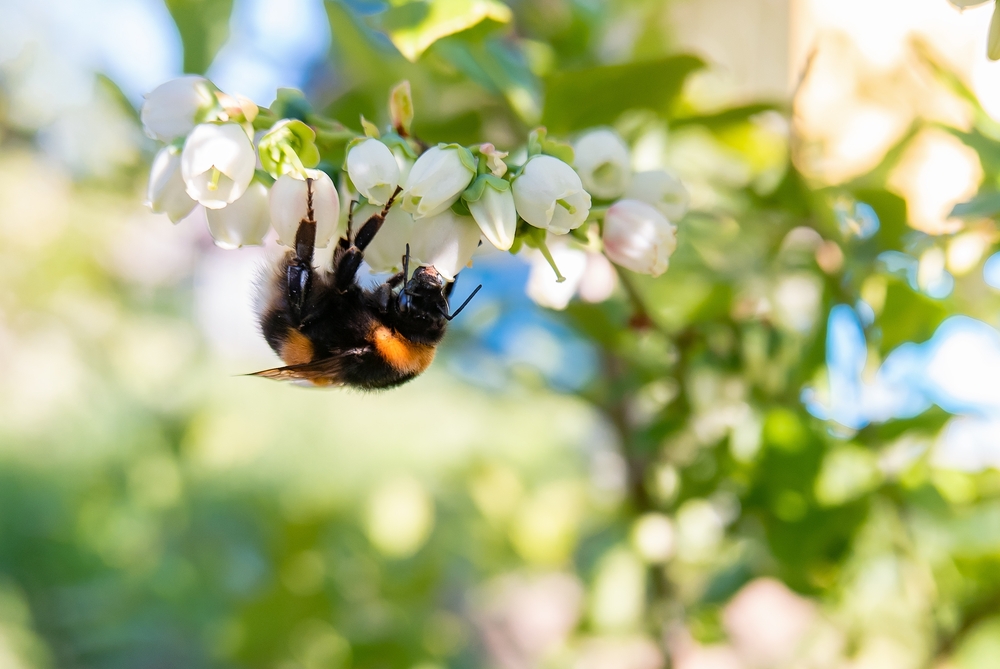
Bumblebees are another pollinator that has benefited greatly from recent habitat restoration projects. By planting native flowers and creating pollinator habitats, many communities have helped increase bumblebee populations. These bees are crucial for pollinating crops like tomatoes, blueberries, and squash. The restoration of meadows, forests, and grasslands has provided bumblebees with the space they need to thrive.
Bumblebees are also known for their ability to pollinate flowers that other bees cannot. This ability, known as buzz pollination, is essential for certain plants, including tomatoes and peppers. As these habitats continue to improve, bumblebee numbers are likely to keep growing. Their resurgence highlights the importance of maintaining diverse and healthy ecosystems.
Red-Tailed Bumblebee

The red-tailed bumblebee, once a common sight in the UK, has faced significant challenges due to habitat fragmentation and climate change. In response, habitat projects have focused on creating wildlife corridors and planting bee-friendly plants. These efforts have provided crucial habitats for the red-tailed bumblebee, leading to a slow but steady recovery. The presence of this bee in urban gardens and rural landscapes is a sign that these conservation efforts are working.
Red-tailed bumblebees are important pollinators for a variety of plants, including wildflowers and crops. Their comeback has been particularly encouraging in areas where landowners and gardeners have worked together to create pollinator-friendly spaces. This species’ recovery is a reminder of how local conservation efforts can have a significant impact on the environment. As red-tailed bumblebees continue to return, they contribute to the overall health of ecosystems.
Mason Bee
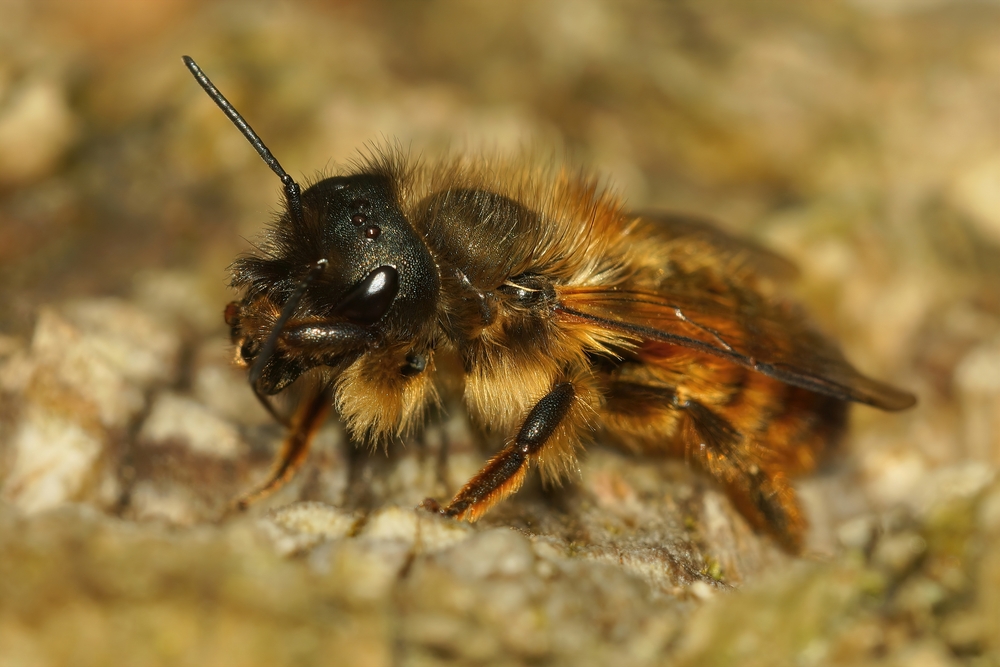
Mason bees are solitary pollinators that have been making a notable comeback due to habitat restoration projects. These bees nest in hollow stems and cracks in wood, making them particularly vulnerable to habitat destruction. Recent initiatives to plant native trees, shrubs, and flowers have helped provide the resources that mason bees need. These efforts have led to a steady rise in mason bee populations, particularly in urban gardens and orchards.
Mason bees are incredibly effective at pollinating fruit trees, especially apple and pear trees. Their ability to pollinate in cooler temperatures also makes them valuable in areas where other bees may struggle. By encouraging the growth of native plants and providing nesting sites, communities have supported the recovery of these important pollinators. As mason bee numbers continue to rise, their role in agriculture becomes more evident.
Long-Horned Bee

Long-horned bees are another important pollinator species that have seen a resurgence thanks to habitat restoration. These bees are particularly effective at pollinating wildflowers, making them a key part of natural ecosystems. Efforts to plant native flowers and reduce pesticide use have led to healthier environments for long-horned bees. As a result, their populations are slowly recovering in areas where these efforts have been implemented.
Long-horned bees are known for their large antennae, which are used to help navigate and communicate. They are solitary bees that build their nests in the ground, making them sensitive to soil disturbance. The recovery of long-horned bees underscores the importance of soil health and flower-rich landscapes. As they return, these bees contribute to the biodiversity of both wild areas and agricultural landscapes.
Sweat Bee

Sweat bees are small, often overlooked pollinators that have made a strong comeback thanks to habitat restoration. These bees are attracted to the salt in human sweat, but their real value lies in their ability to pollinate a wide range of plants. By restoring native plants and creating green spaces, communities have helped provide the resources that sweat bees need to thrive. Their populations are growing as a result, especially in urban and suburban areas.
Sweat bees are important for pollinating wildflowers, fruit trees, and vegetables. Their small size and ability to fly long distances make them effective pollinators for both wild and cultivated plants. As habitat projects continue to support the growth of native plants, sweat bee populations are expected to keep rising. These bees’ recovery is another example of how urban environments can play a significant role in supporting biodiversity.
Green Orchid Bee
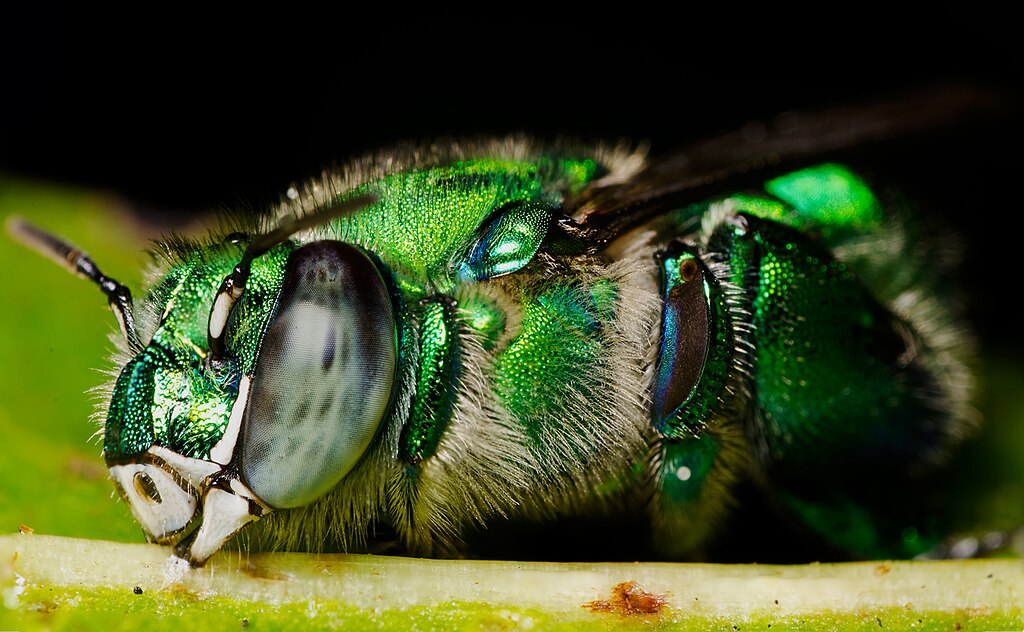
The green orchid bee, known for its metallic green color, has made a successful comeback in parts of Central and South America. These bees are important pollinators for orchids and other tropical plants, and their recovery has been supported by habitat restoration projects. By protecting rainforests and planting native species, conservationists have created suitable environments for these bees. As their numbers increase, so does the health of tropical ecosystems.
Green orchid bees are known for their unique behaviors, including collecting fragrances from flowers, which they use to attract mates. Their recovery highlights the importance of preserving tropical habitats, which are home to many unique pollinators. With the right support, these bees are thriving once again. As they return, they contribute to the health of rainforests and the plants that depend on them.
Carpenter Bee
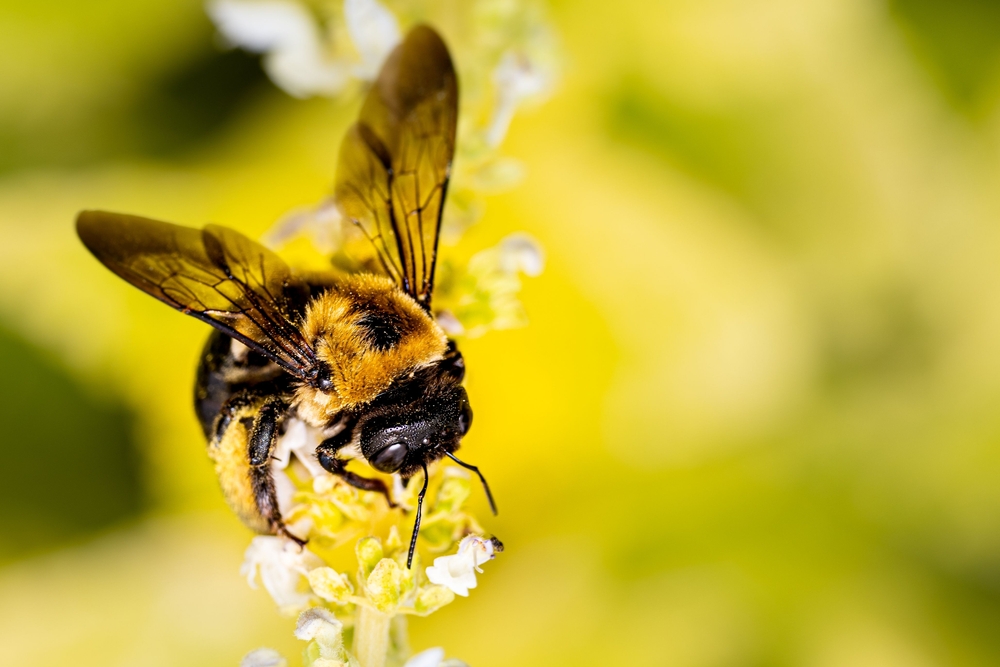
Carpenter bees, known for their habit of nesting in wood, have seen a resurgence thanks to conservation projects aimed at reducing habitat loss. These bees are important pollinators for many plants, especially those with large, tubular flowers. Restoration efforts that focus on preserving old trees and dead wood have helped create spaces for carpenter bees to nest. As a result, their populations are growing in areas where these efforts have been made.
Carpenter bees are also effective at pollinating fruit trees and wildflowers. Their return has been particularly noticeable in urban and suburban areas where habitat restoration has included creating bee-friendly spaces. By providing the right environments for nesting and foraging, communities have supported the recovery of carpenter bees. As these bees make a comeback, they play an essential role in pollinating a wide variety of plants.
Violet Carpenter Bee

The violet carpenter bee, known for its striking appearance and large size, has made a comeback in areas where habitat restoration efforts have been focused. These bees are important for pollinating various plants, including trees and shrubs. Conservation efforts that focus on maintaining forests and wildflower meadows have helped increase their populations. The return of the violet carpenter bee is a positive sign that these restoration projects are working.
These bees are known for their solitary nesting behavior, often creating holes in dead wood. As they thrive in restored habitats, they continue to play an important role in pollination. The resurgence of the violet carpenter bee is a reminder of how targeted conservation work can lead to the recovery of pollinators. With continued support, these bees will continue to contribute to the health of forests and gardens alike.
This article originally appeared on Avocadu.