
16 Pokemon Cards Collectors Still Chase Years Later
Some Pokémon cards seem to stay in the spotlight no matter how many new sets come out. Collectors still remember the feeling of opening a pack and seeing a powerful holo shine back at them, and that rush keeps certain cards in high interest years later. These cards are the ones people search for at conventions, dig for in old binders, and bid on late at night when an auction gets exciting. Sometimes it is about raw value, with prices that make headlines, and other times it is simply about finding the card that defined a favorite team or childhood memory. The stories behind these prints, from prize cards handed out at early tournaments to rares pulled from shelves in the late nineties, add even more weight to their place in the hobby. Whether you are a longtime fan or someone who just picked the game back up, it is easy to see why collectors still chase these Pokémon treasures today.
This post may contain affiliate links, which helps keep this content free. Please read our disclosure for more info.
Pikachu Illustrator
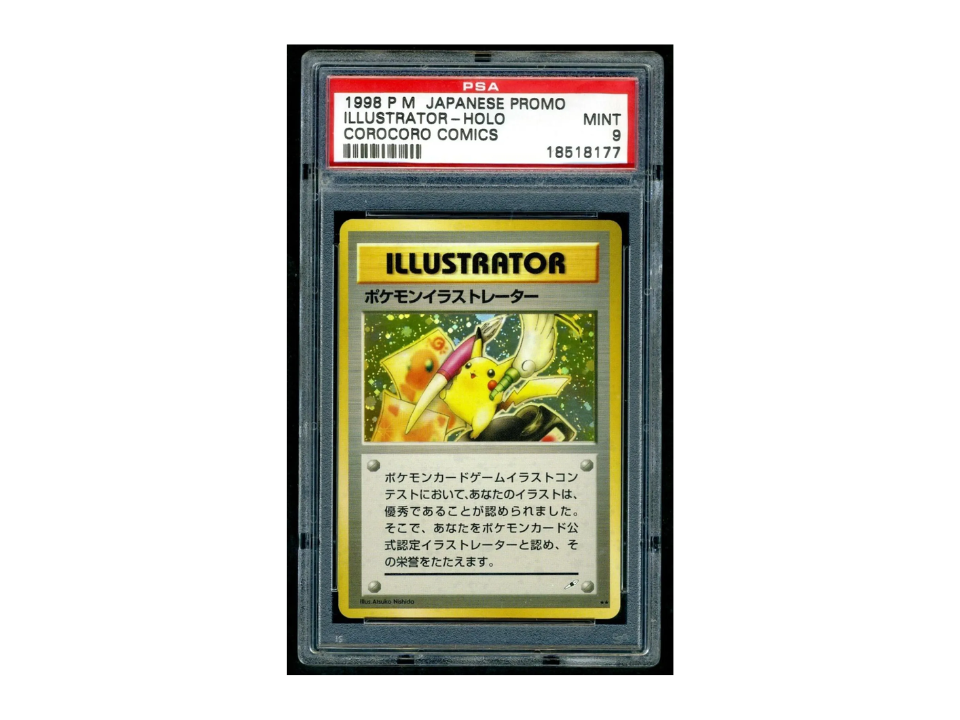
Pikachu Illustrator sits at the top of many collectors wish lists because it was never a regular pack card and was given out only to winners of a CoroCoro Comic illustration contest in Japan in the late nineties. The artwork by Atsuko Nishida shows Pikachu drawing, which feels very fitting for a prize that celebrated fan artists. Estimates vary, but most sources agree that only around forty copies exist, with even fewer graded at the highest levels.
Interest rose again when Logan Paul bought a PSA 10 copy for about $5.3 million and later sold it in a record auction for nearly $16.5 million, which set a new mark for any trading card. That result pulled the whole high end of the hobby into the spotlight and reminded everyone how powerful nostalgia can be. Collectors chase even lower graded copies because they rarely come to market and each sale sets conversation in motion for months. For a rough guide, serious buyers now talk about PSA 10 value in the mid eight figure range around $16,000,000.
1st Edition Base Set Charizard
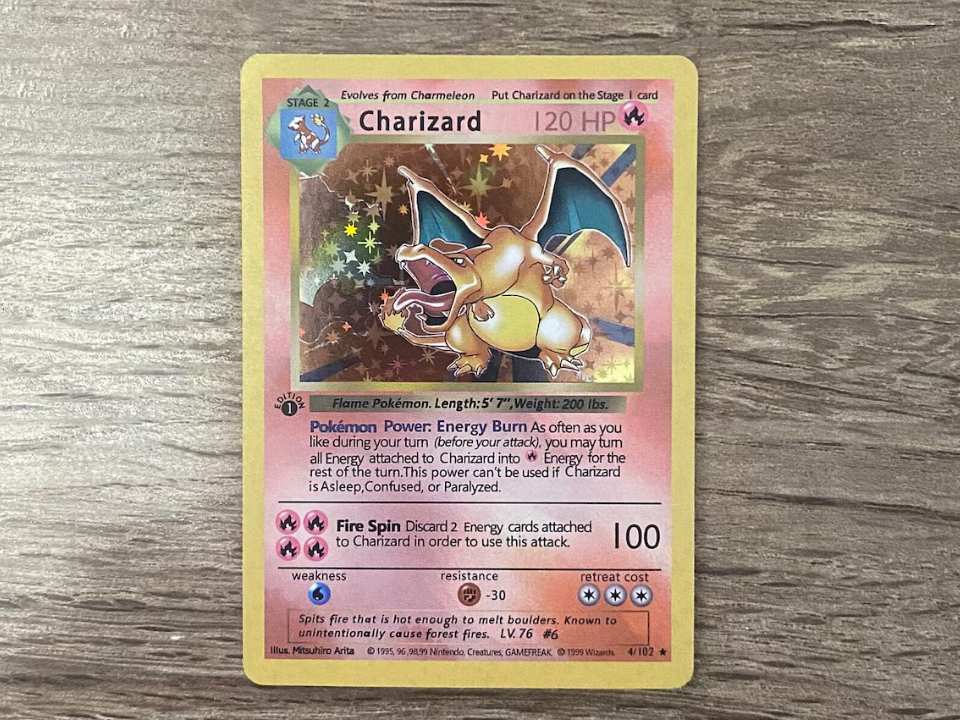
The 1st Edition Base Set Charizard with the shadowless layout is the classic card that many fans remember from childhood, and that emotional link keeps demand high decades later. It comes from the original English Base Set released in 1999 and features artwork by Mitsuhiro Arita with a fiery pose that has become iconic.
Price tracking data shows PSA 10 copies changing hands in a range around $150,000 to $170,000, while PSA 9 copies can reach $50,000 or more. A recent report from a UK auction house even suggested that a PSA 9 example could pass $54,000 at auction, which lines up with those guides. Collectors still chase this card because it represents the start of the game outside Japan and acts as a centerpiece for any Base Set run.
Neo Genesis 1st Edition Lugia
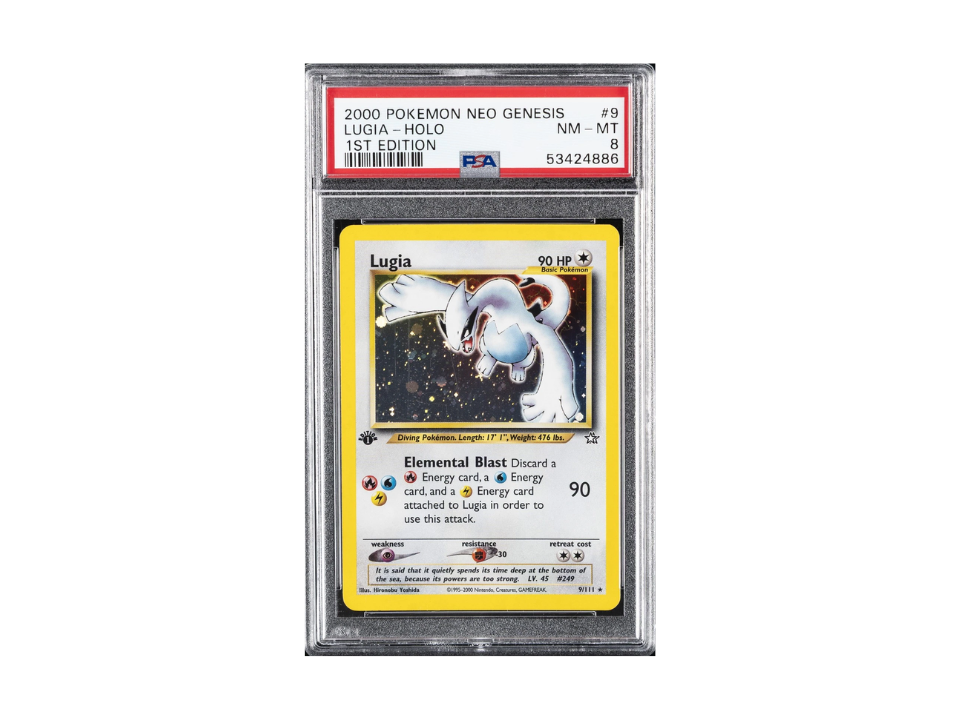
Neo Genesis Lugia in first edition form is another long-term chase card that has seen strong demand from both players and collectors. Lugia served as a mascot for the second generation of games, and this card shows the legendary creature bursting forward with a dramatic pose that collectors love. The print quality on early Neo Genesis cards was rough, with issues such as print lines and centering problems, so high grade copies are much rarer than they might seem at first glance.
Auction records for PSA 10 copies show sales close to $48,000, and some high-end listings have asked for prices well above $100,000 with at least one current listing around $175,000. Even PSA 9 copies can reach several thousand dollars and have remained attractive to buyers who want the card without paying top premium. Because Lugia has a strong fan base and this card anchors Neo Genesis, interest has stayed steady through different market cycles.
Trophy Pikachu No 1 Trainer
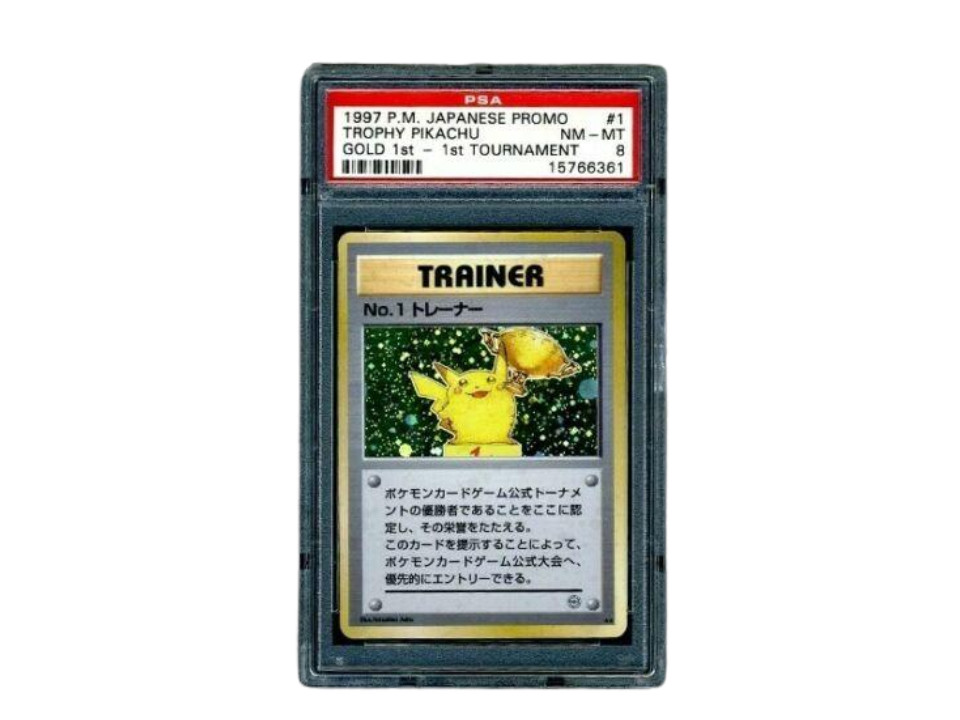
The Trophy Pikachu No 1 Trainer card is one of the rarest tournament prizes in the hobby and comes from early Japanese competitions in the late nineties. These cards were given to winners of elite events, with different versions tied to the first and second official tournaments. Artwork shows Pikachu holding a trophy, and the text names the trainer as a champion, which turns each copy into a piece of history tied to a specific player.
Heritage Auctions reported a 1997 Trophy Pikachu card reaching around $300,000, while later No 1 Trainer copies in PSA 9 condition have climbed higher, including a sale at $450,000 and another near $237,500. Many collectors will never own one, yet they still track auction results and treat the card as a symbol of the highest level of competition. Estimated value today for a strong graded copy sits in the mid to high six figure range around $300,000 to $450,000, depending on version and condition.
Trophy Kangaskhan Parent and Child
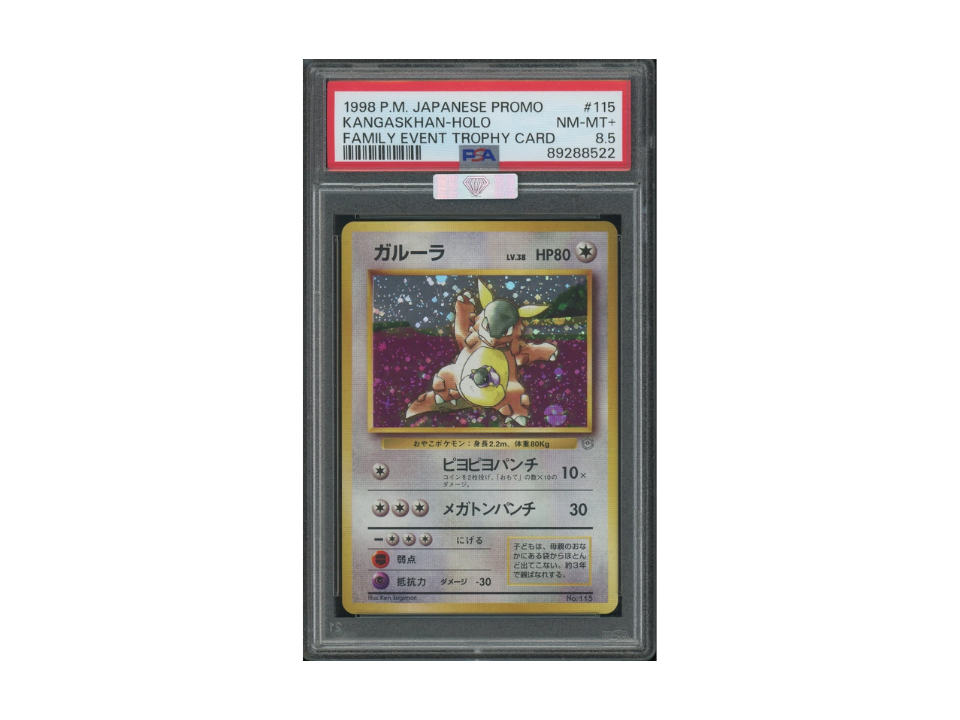
The Trophy Kangaskhan card comes from a special 1998 Family Event tournament in Japan where parents and children competed together, which gives the prize a very personal backstory. The artwork features Kangaskhan with its baby in the pouch, fitting the family theme perfectly. This promo was awarded only to teams that placed well, and population reports show that graded copies remain very low, especially at the highest grades.
A PSA 10 copy has been recorded at around $465,360 on PriceCharting, and one high profile listing on eBay asked for roughly $400,000 with another listing in pounds that works out to nearly $1,000,000. Even if asking prices can be ambitious, they show how intensely collectors still chase this card more than twenty years later. Many consider it a centerpiece of Japanese promo history, especially for those who feel attached to cards with family themes.
Umbreon Gold Star Pop Series 5
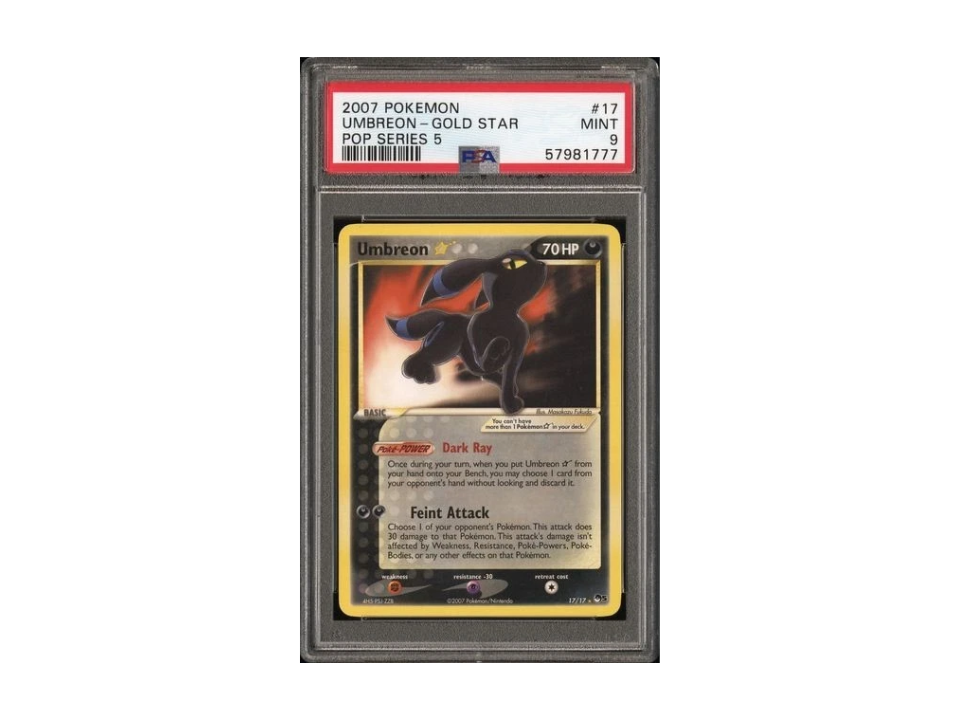
Umbreon Gold Star from Pop Series 5 keeps turning heads because it combines a fan favorite evolution line with one of the shortest and hardest to find distribution products. Pop Series packs were given out at events and through organized play programs, so most players opened them casually, and few Umbreon copies survived in perfect condition.
PSA data shows recent PSA 10 sales around $15,100, while earlier high-profile sales have crossed $20,000 and some resale listings ask for even more, including one past listing near $22,000. PSA 9 copies often sit in the mid four to low five figure range and still move quickly when priced fairly. Because the card was never available in standard booster packs, collectors who missed it the first time face a tough chase now.
Rayquaza Gold Star Ex Deoxys
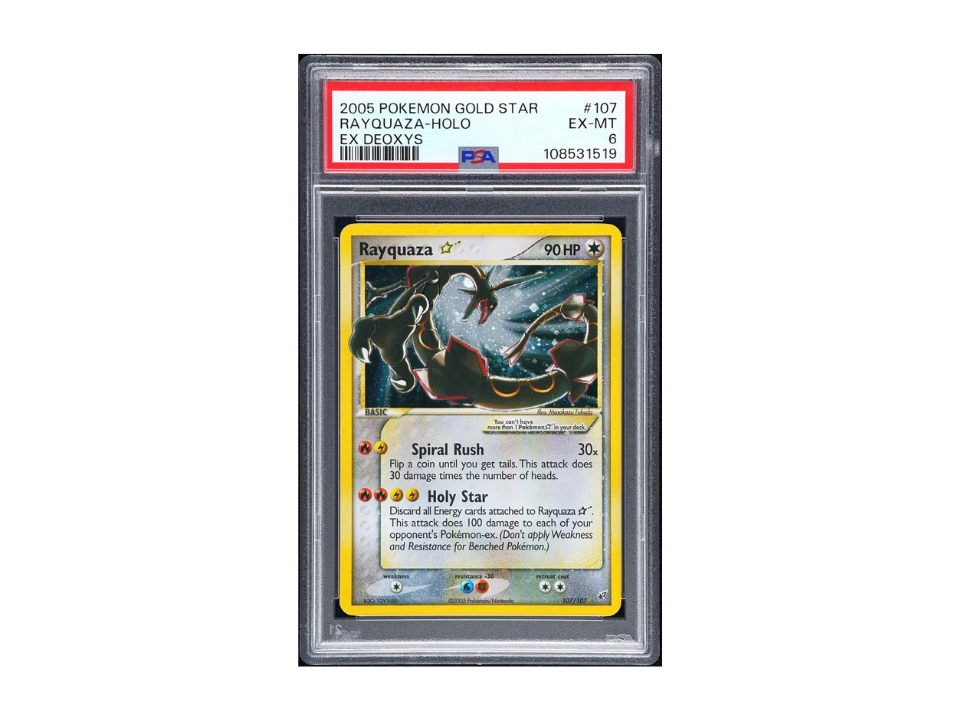
Rayquaza Gold Star from the Ex Deoxys expansion has become one of the most talked about chase cards from the mid 2000s block. The artwork shows Rayquaza in its shiny black form, and the combination of legendary status, Gold Star rarity, and low print run makes this card extremely tough to find in strong condition.
PSA auction data shows a recent PSA 10 sale near $34,440, with long term averages in the low to mid five figure range for that grade. Collectors still chase this card because it feels like the crown jewel of the Gold Star dragons and represents the peak of the Ex era for many fans. Realistic estimates put PSA 10 value around $30,000 to $40,000, while PSA 9 copies often land in the mid to high four figure range.
Shining Charizard Neo Destiny
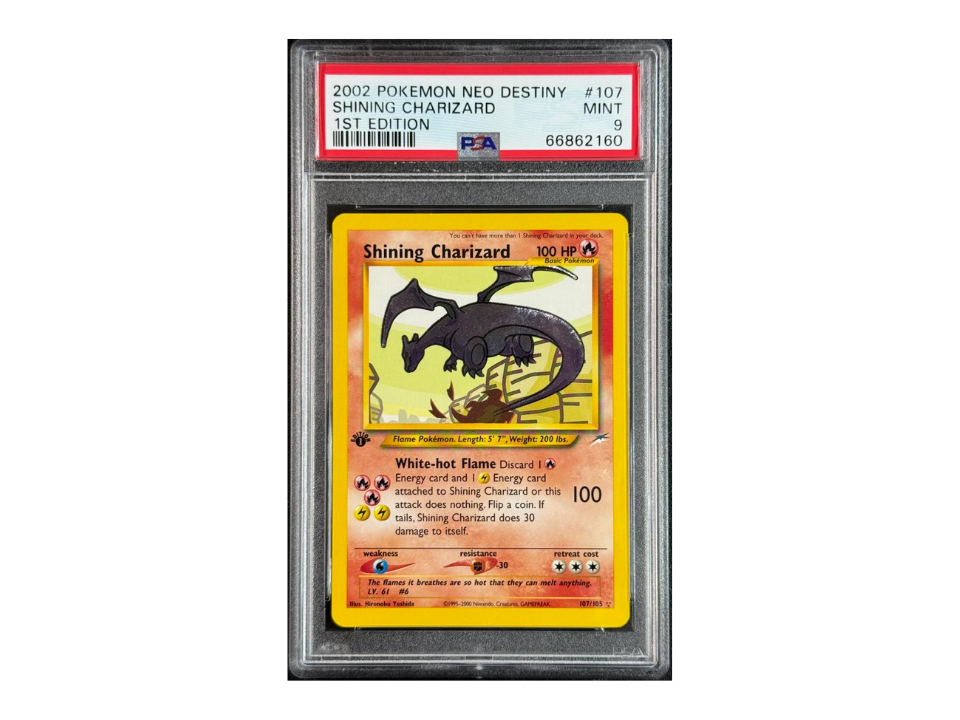
Shining Charizard from Neo Destiny carries a special glow because it was one of the first English cards to show Charizard in its shiny black coloration. The Shining mechanic limited these cards to one per deck in official play and placed them at the top rarity tier of the set, which made them difficult to pull in the early 2000s.
PSA records suggest PSA 10 copies now average around $17,000 to $18,000, with individual auction results sometimes slightly lower or higher, while PSA 9 copies tend to sell in the $6,000 range. Recent news coverage from the UK pointed out a first edition Shining Charizard sale at roughly £1,250, showing that even lower graded or ungraded copies command strong prices. Many collectors who grew up after the Base Set era treat this card as their version of a holy grail Charizard.
Skyridge Crystal Charizard
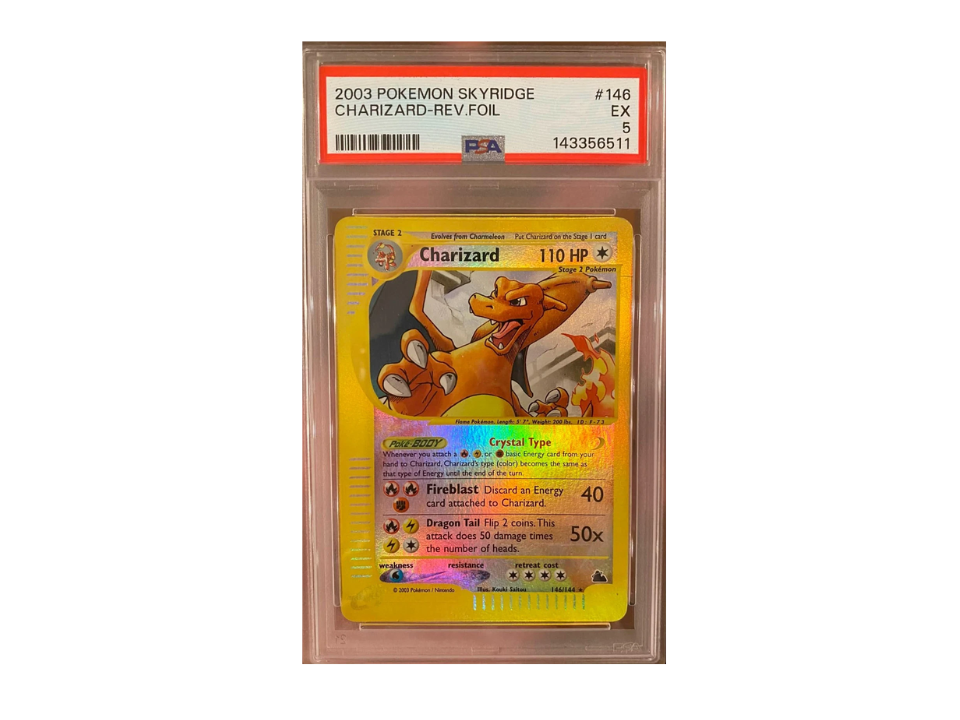
Crystal Charizard from Skyridge holds legendary status because it comes from one of the final sets printed by Wizards of the Coast and uses a special Crystal type mechanic with a unique holo pattern. Skyridge itself had a relatively low print run and was aimed more at collectors than players at the time, which means sealed product is scarce today.
PSA data shows PSA 10 copies selling for around $26,000 to $27,000, while graded 9 copies still fetch strong five figure prices. Some current PSA 10 listings on eBay ask for around $125,000, which illustrates how high sellers think this card might climb. Collectors who focus on old WOTC sets often rank this card right behind Base Set Charizard in terms of long-term appeal.
Umbreon VMAX Alternate Art
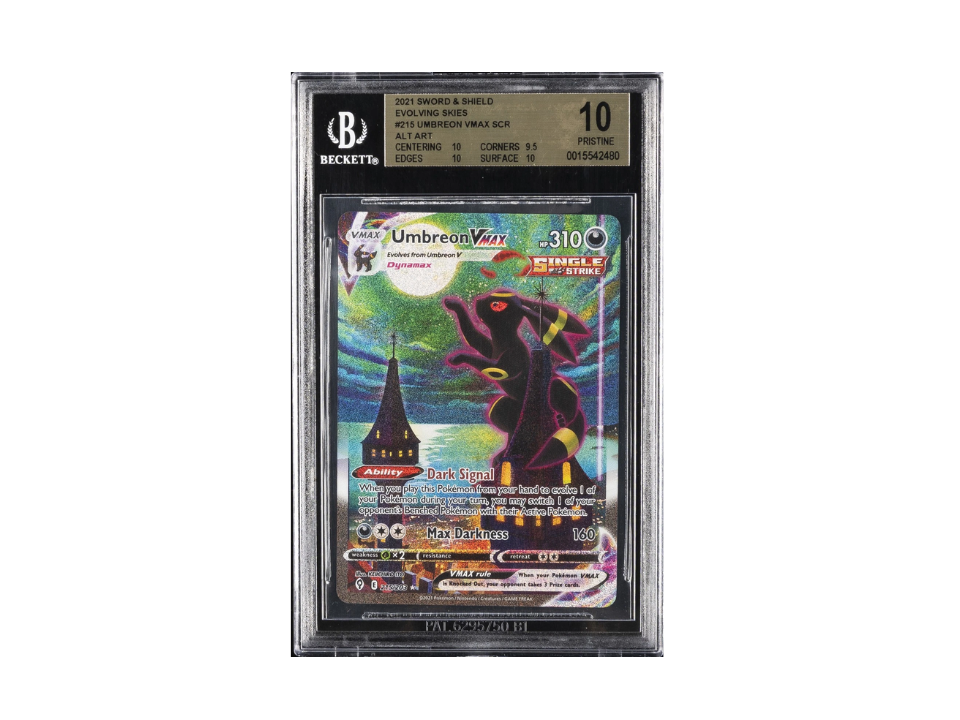
Umbreon VMAX with the alternate art that shows the Pokémon reaching toward the moon has become one of the biggest modern chase cards, even though it is much newer than the vintage items in this list. Collectors nicknamed it Moonbreon because of the striking night sky and the way Umbreon seems to stretch up a tall tower.
Market tracking on TCGplayer and other sites shows lightly played copies selling for around $1,400 to $1,700, while some graded copies with strong subgrades cross the $1,500 mark and higher. Even as new sets release, collector attention continues to return to this card because it pairs a beloved evolution line with moody art. Current estimates for a PSA 10 example often sit near $2,000, while strong raw copies typically stay near the mid one thousand range.
1st Edition Base Set Blastoise
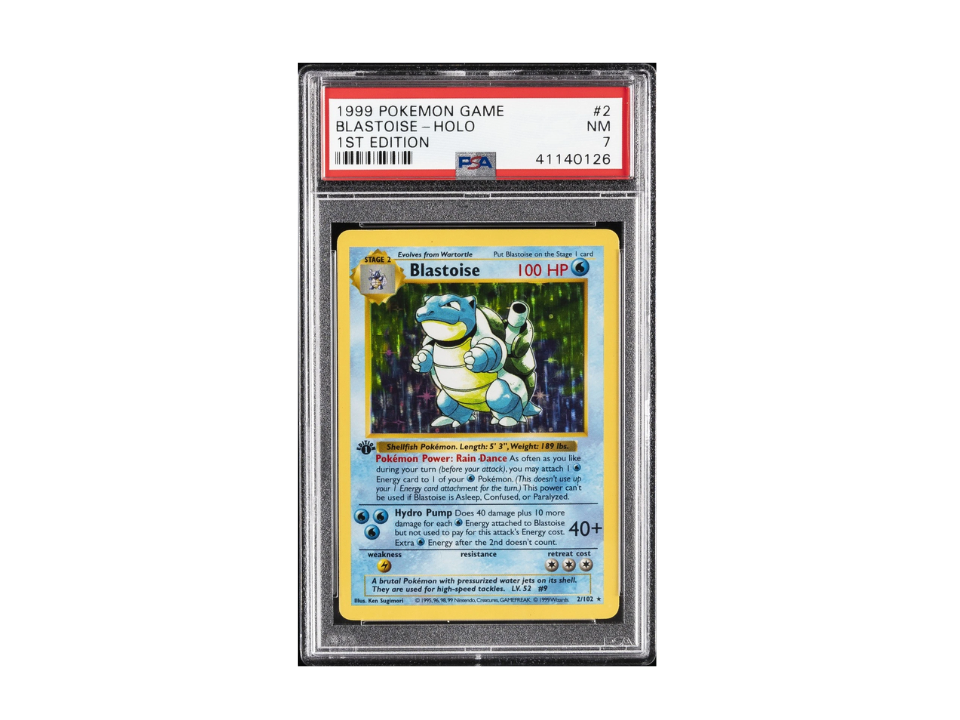
First Edition Base Set Blastoise shares the nostalgic power of Charizard and often feels like the second pillar of early collections. This holographic card shows Blastoise firing its water cannons and anchors the Water type side of the original trio of starters. Many kids played this card in early decks, so mint copies did not survive in large numbers.
Auction records show PSA 10 copies selling around $18,000 to $20,850 in recent years. PSA 8 and PSA 9 examples often fall in the low to mid four figure range with steady activity. Collectors still chase this card because it pairs perfectly with Charizard and Venusaur for a complete starter trio in first edition format. Realistic estimates place PSA 10 value near $20,000, with lower grades offering slightly more approachable entry points for nostalgic buyers.
Espeon Gold Star Pop Series 5
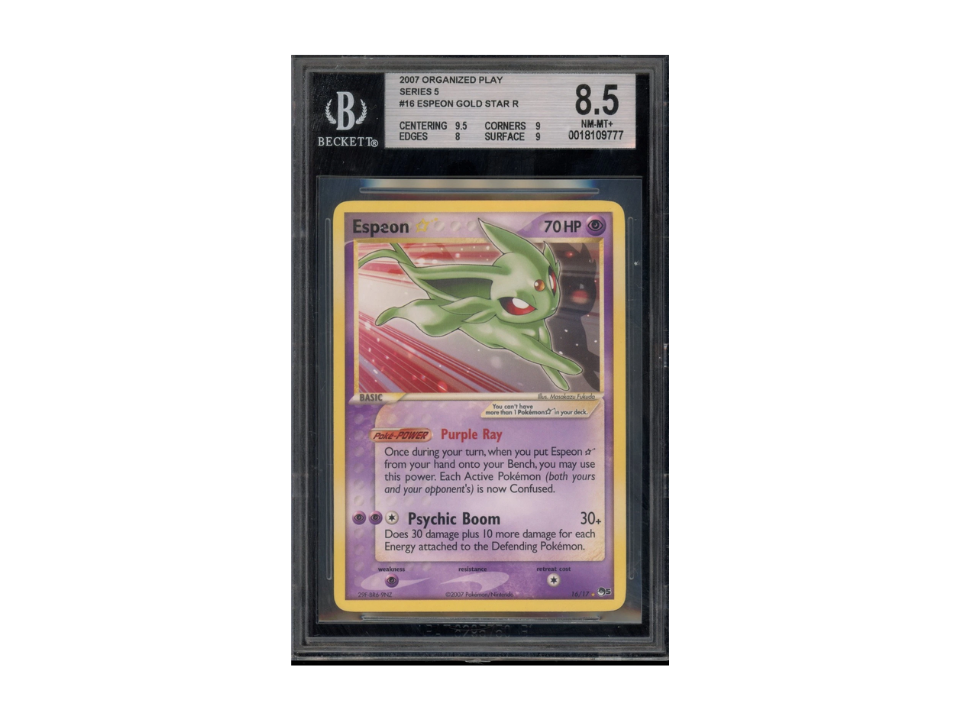
Espeon Gold Star from Pop Series 5 serves as a partner piece to the Umbreon Gold Star and draws similar attention from longtime fans. The artwork shows shiny Espeon with a distinctive green color, and like Umbreon, it comes from Pop Series packs that were handed out through organized play rather than sold in stores.
Price data indicates PSA 10 copies with the Gold Star symbol now hold a market price around $16,000, while PSA 9 copies usually land in the low five figure range. Occasionally a high-profile listing will push far above that, such as a $90,000 asking price for a PSA 10, which suggests that some sellers believe the ceiling remains high. A reasonable estimate for this card in PSA 10 condition sits around $15,000 to $18,000, with ungraded examples still costing several thousand dollars when clean.
Shining Mewtwo Neo Destiny
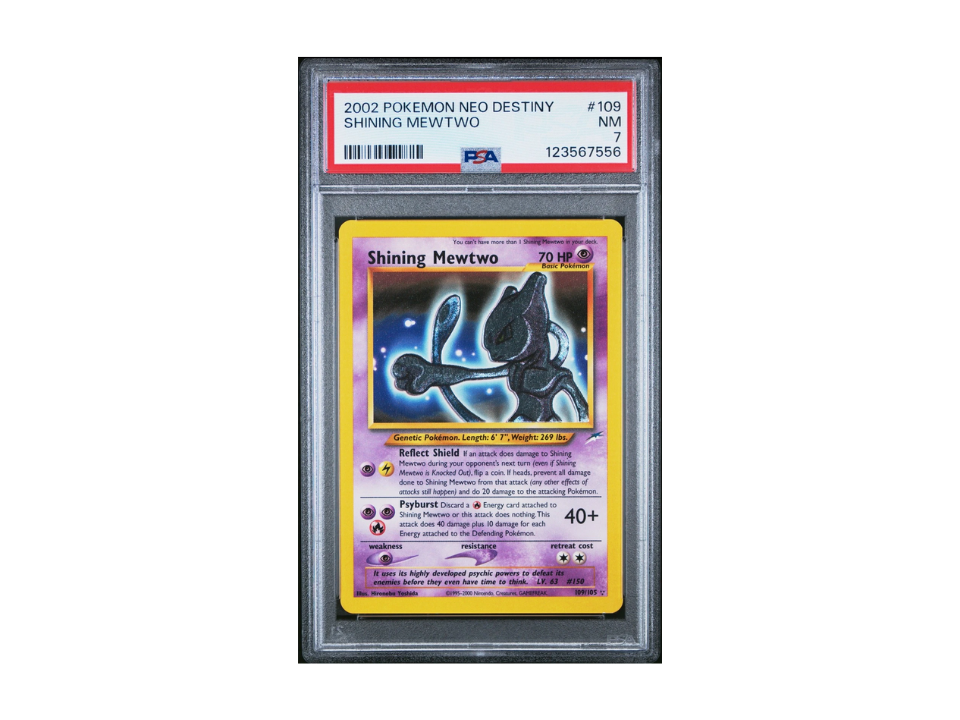
Shining Mewtwo from Neo Destiny gives another legendary Pokémon a glittering treatment and has aged very well with collectors. Mewtwo already had strong popularity from the games and the first movie, so a Shining version with special holo treatment and a rarity limit of one per deck immediately grabbed attention when Neo Destiny released.
Auction reports from recent years show PSA 10 copies selling between about $2,500 and $3,400, while PSA card facts list a peak PSA 10 sale above $10,000 with a long-term average around $6,300. Despite that swing, demand has held steady because the card belongs to the same Shining family as Neo Destiny Charizard, which ties it to a major collecting goal. Current rough estimates place PSA 10 value around $6,000 to $8,000, with strong PSA 9 examples often sitting in the $3,000 range.
Lugia V Alternate Art Silver Tempest
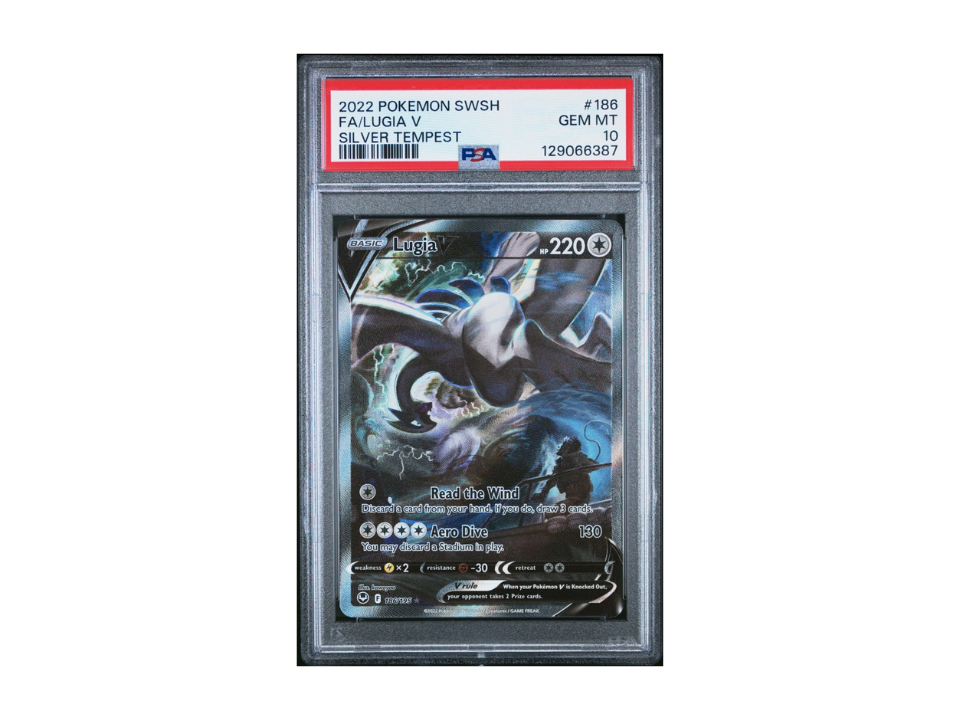
Lugia V with alternate art from the Silver Tempest expansion gives modern collectors a more affordable Lugia chase compared with the first edition Neo Genesis version. The illustration shows Lugia cutting through rough seas with dramatic lighting, which has made this card a fan favorite since release.
As with other modern chase cards, grading can push values higher, and PSA 10 copies often stretch beyond $400 when demand spikes. The card appeals both to players who enjoy Lugia themed decks and to collectors who like full art legendaries. Reasonable estimates place raw copies around $300 to $400, with high grade slabs commanding a premium above that range.
Charizard VMAX Rainbow Rare Champions Path
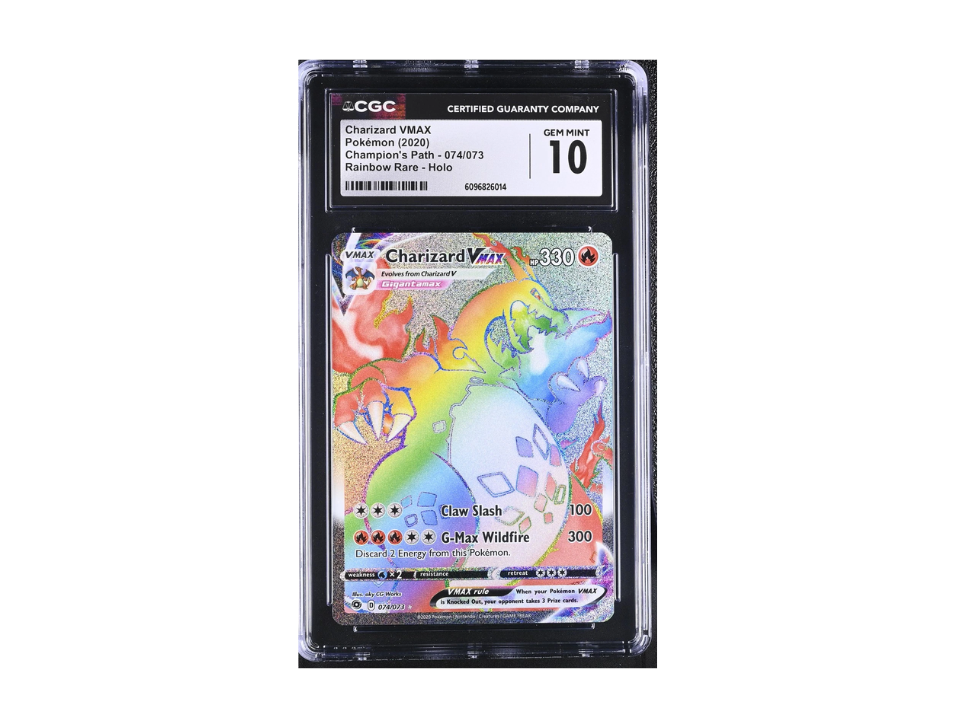
Charizard VMAX Rainbow Rare from the Champions Path special set brought a fresh wave of Charizard fever to the modern game. The card features Charizard in its Gigantamax form with a rainbow foil pattern that covers the entire figure, which feels flashy in hand and looks strong in display cases.
Price records show PSA 10 copies selling regularly around $300, while some listings on the secondary market push closer to $500 or $600 depending on timing and subgrades. Collectors still chase this card years after release because it feels like the flagship hit of the set and an accessible modern Charizard grail compared with older versions.
Tropical Mega Battle No 1 Trainer
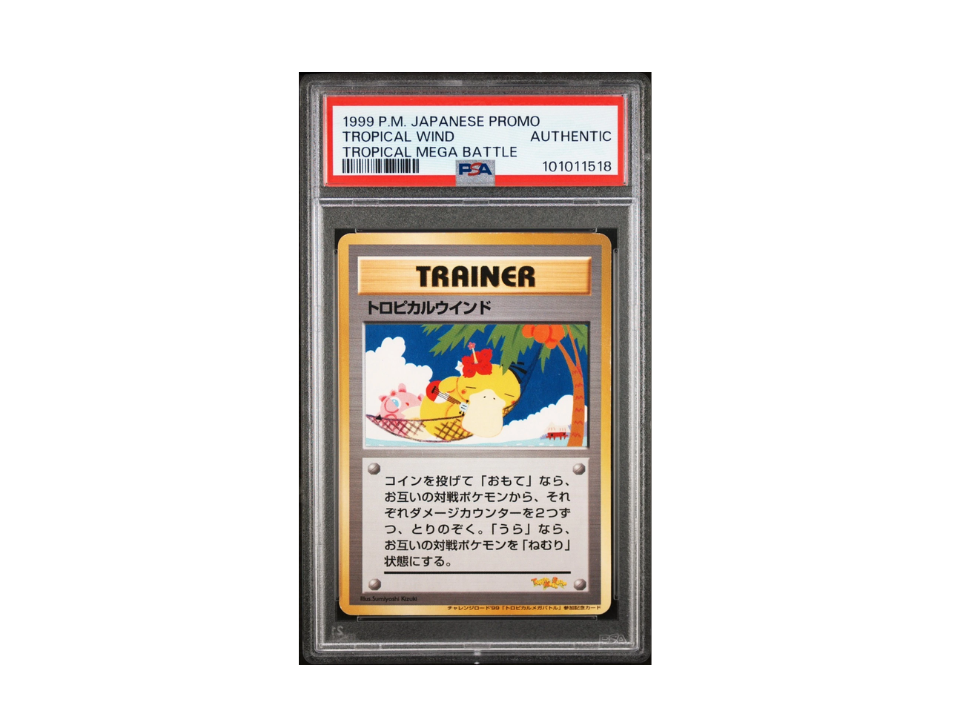
The Tropical Mega Battle No 1 Trainer card represents an early global era of organized play, built around invitation tournaments in Hawaii before the modern World Championships format. This card served as a prize for champions and featured exclusive artwork that tied it to those tropical events.
Each time one appears at auction, it draws significant interest from trophy card specialists who view it as a historic piece from the early days of organized play. Condition and provenance matter a great deal because many recipients kept their copies as personal keepsakes. Current estimates for a strong graded example tend to range between $100,000 and $150,000, though some believe the ceiling could rise higher if another copy surfaces in pristine form.
This article originally appeared on Avocadu.