
14 Plot Twists That Shocked Audiences Around the World
Moviegoers love a good surprise, and some twists stay with people long after the credits roll. A sudden turn in the story can change everything and make you rethink every clue you missed. From quiet psychological shocks to explosive endings, these twists caught audiences off guard and kept them talking for years. Here are some of the most unforgettable movie moments that no one saw coming.
This post may contain affiliate links, which helps keep this content free. Please read our disclosure for more info.
The Sixth Sense
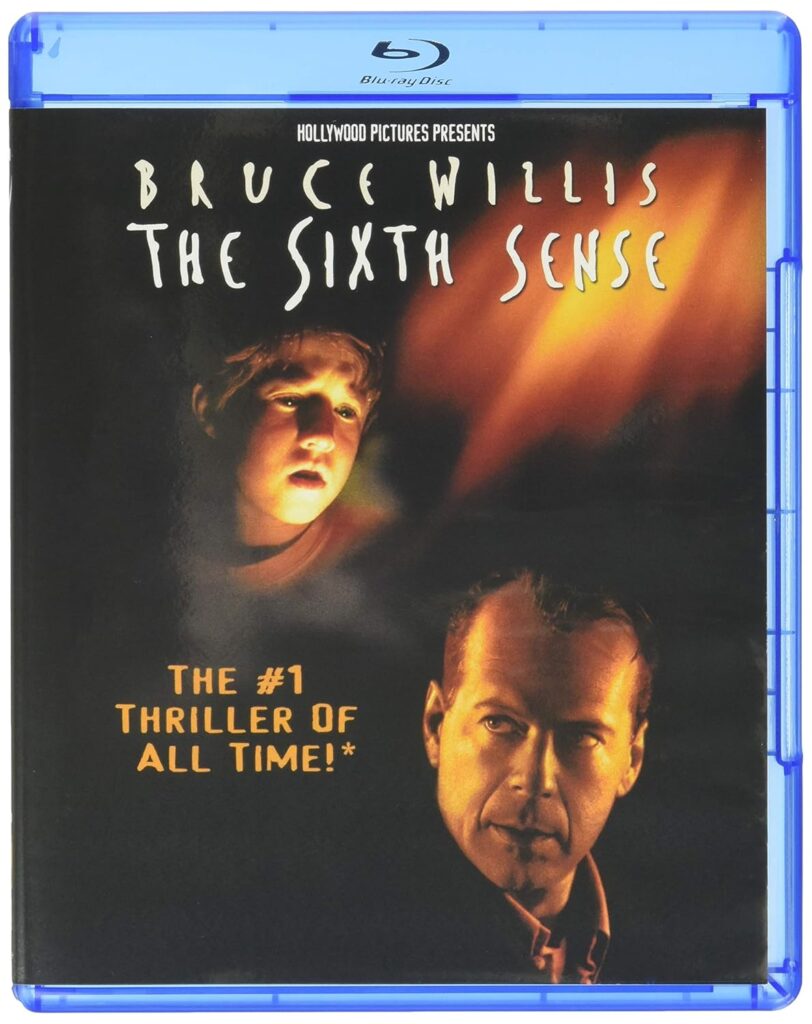
Few endings have stunned audiences like the moment in The Sixth Sense when Dr. Malcolm Crowe realizes he is one of the dead people his young patient sees. The film quietly plants clues in every scene, from the way doors stay locked to the absence of direct interaction with anyone but the boy. Viewers were left speechless as the truth unfolded in a single heartbreaking flash. That twist redefined how people rewatched the entire film, noticing details they had missed the first time.
The emotional impact came from how deeply people cared about the characters before the truth hit. Rather than relying on shock alone, the twist gave new meaning to every moment of connection between the doctor and the boy. The story’s calm tone made the final revelation even more powerful. It turned a ghost story into something deeply human about regret and unfinished purpose.
Fight Club

When Fight Club revealed that Tyler Durden and the unnamed narrator were the same person, it flipped the story inside out. The film had hinted at this through jumps in time, strange disappearances, and the narrator’s growing instability. By the time the truth landed, the chaos suddenly made perfect sense. The reveal reshaped the movie’s entire message about identity and control.
Audiences left theaters questioning what they had just seen. The twist forced viewers to look closer at how people create alternate selves to escape from dissatisfaction and fear. It wasn’t just a surprise; it was a mirror held up to modern disconnection. That’s why the reveal remains one of cinema’s most talked-about moments.
Psycho
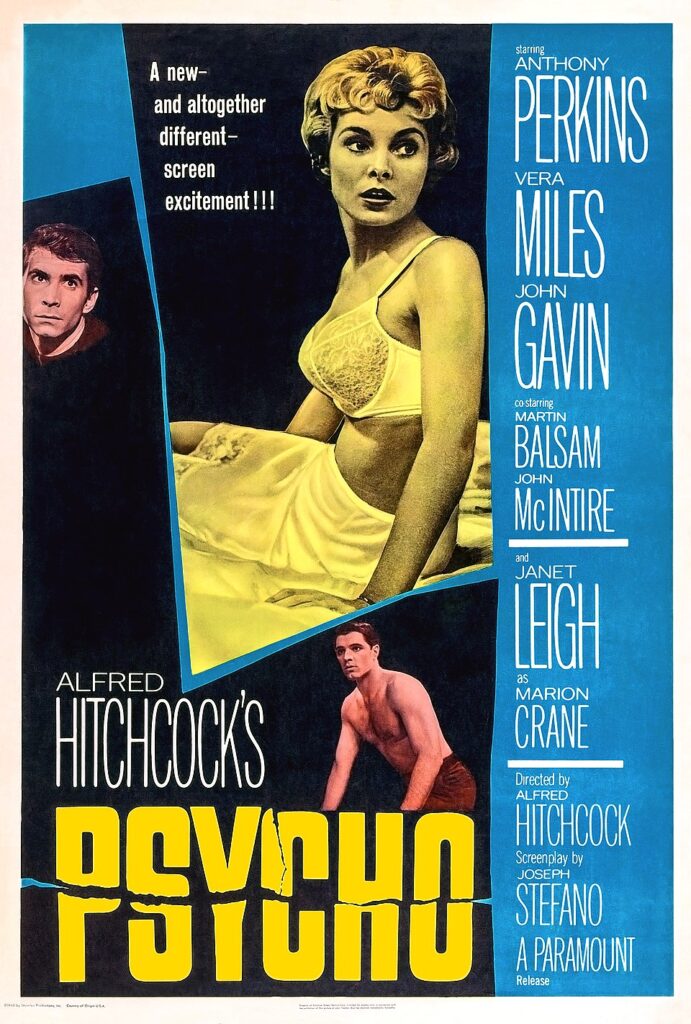
Psycho shocked 1960 audiences with a twist that changed horror forever. After Marion Crane’s murder, the film shifted focus to Norman Bates, who seemed innocent and polite. The final scene revealed that Norman and his domineering mother were the same person. That moment turned a small motel into one of cinema’s most terrifying places.
The brilliance of the twist was how it played on sympathy. Viewers pitied Norman even as they feared him, never guessing the truth behind his nervous charm. The reveal wasn’t just shocking—it created a new kind of psychological horror. It showed that monsters could live inside ordinary people, not just in the shadows.
The Empire Strikes Back

When Darth Vader revealed to Luke Skywalker that he was his father, it changed pop culture overnight. No one expected the galaxy’s greatest villain to share blood with its hero. The quiet delivery of those four words hit harder than any explosion. It deepened both characters in a single instant.
That moment added tragedy to what had been a clear battle between good and evil. Luke’s struggle became more personal, his destiny heavier with meaning. It forced audiences to rethink everything about the saga. Even decades later, that line remains one of the most quoted in movie history.
Gone Girl
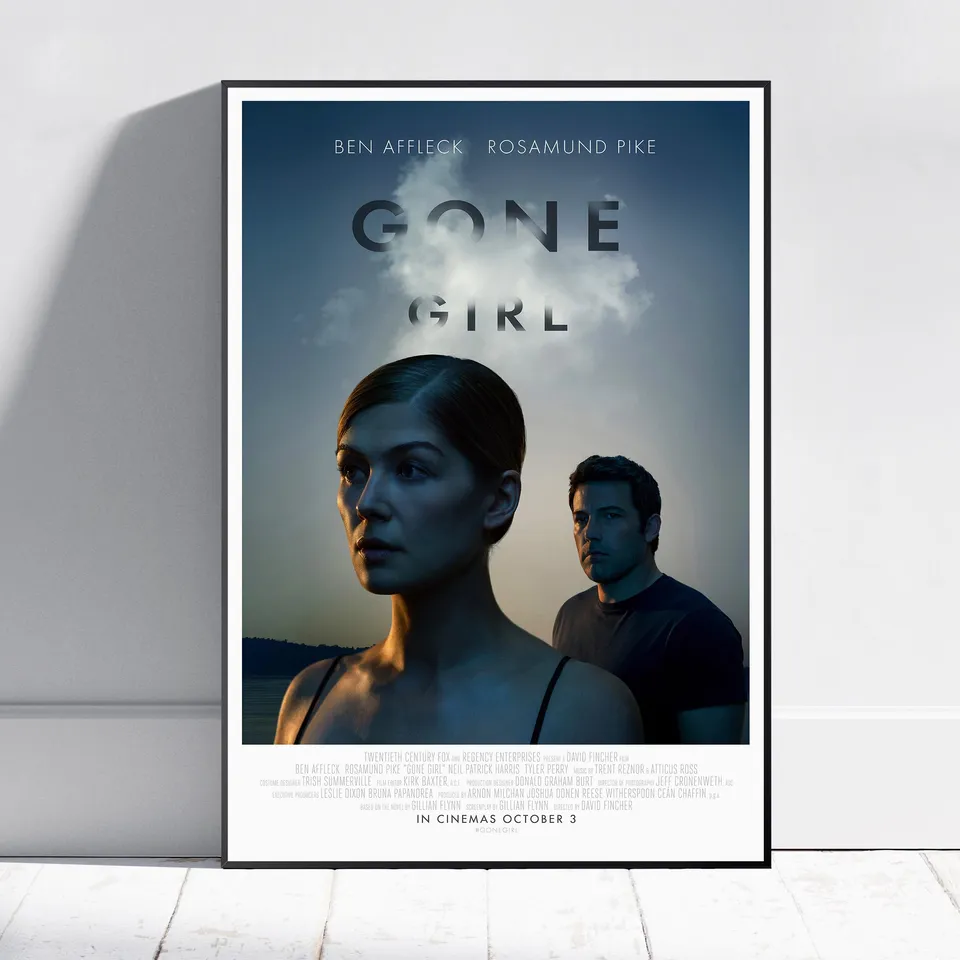
In Gone Girl, the shocking twist came halfway through the film when Amy Dunne was revealed to be alive. Her detailed plan to fake her disappearance and frame her husband turned the story upside down. The audience went from sympathy to disbelief in seconds. It became a sharp look at manipulation and image.
The twist worked because it flipped every expectation about a missing-person story. Amy’s cold narration drew people into her mind, where control meant survival. The turn kept viewers uneasy until the final frame. It reminded everyone that the most dangerous lies often come from those closest to us.
Oldboy
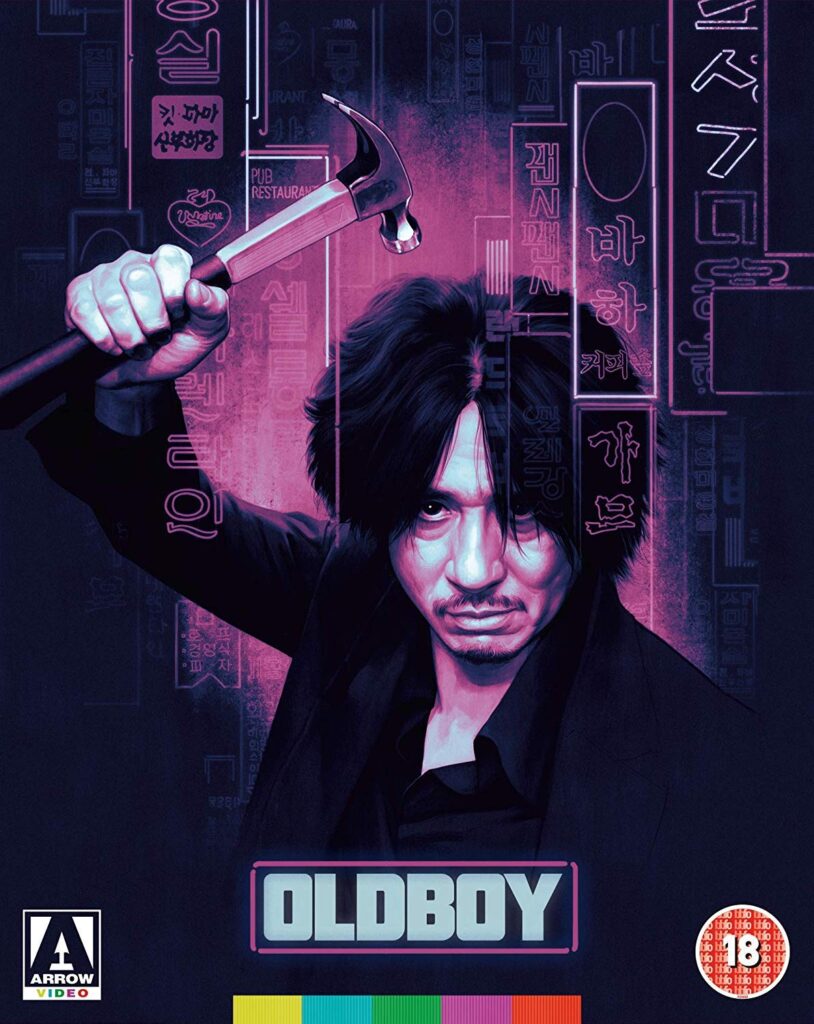
The twist in Oldboy is one of the most devastating ever filmed. After years of imprisonment, Dae-su Oh falls in love with a woman he meets after his release. The shocking truth comes when he learns she is his daughter, part of a revenge plot. The cruelty of that discovery leaves both characters broken.
This twist didn’t rely on surprise alone—it carried unbearable emotional weight. Viewers were horrified but also moved by the sheer despair of the situation. It showed how vengeance can consume everyone it touches. The ending left audiences shaken long after the screen went dark.
The Others
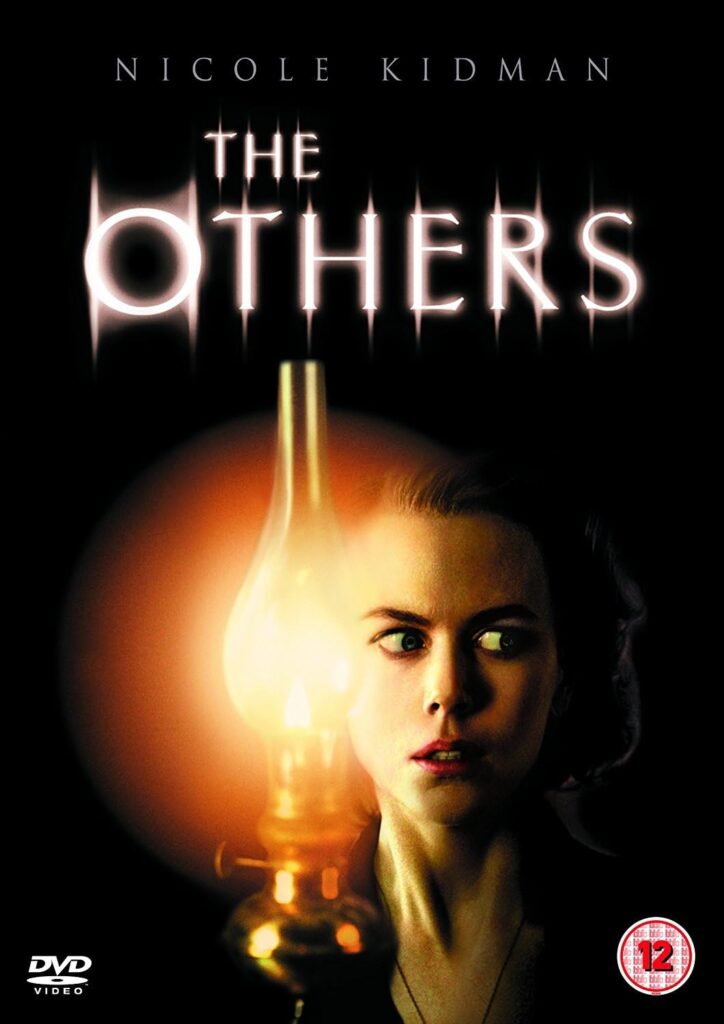
In The Others, Grace Stewart believes her house is haunted by strangers. She protects her children from unseen forces and lives in constant fear. The final twist reveals that she and her family are actually the ghosts haunting the living. Every whisper and flicker of light suddenly made sense.
The emotional core of the film turned that twist into something haunting and sad. It wasn’t about monsters but about people who couldn’t accept death. The quiet reveal transformed fear into sorrow. That subtle shift made the ending unforgettable.
Se7en
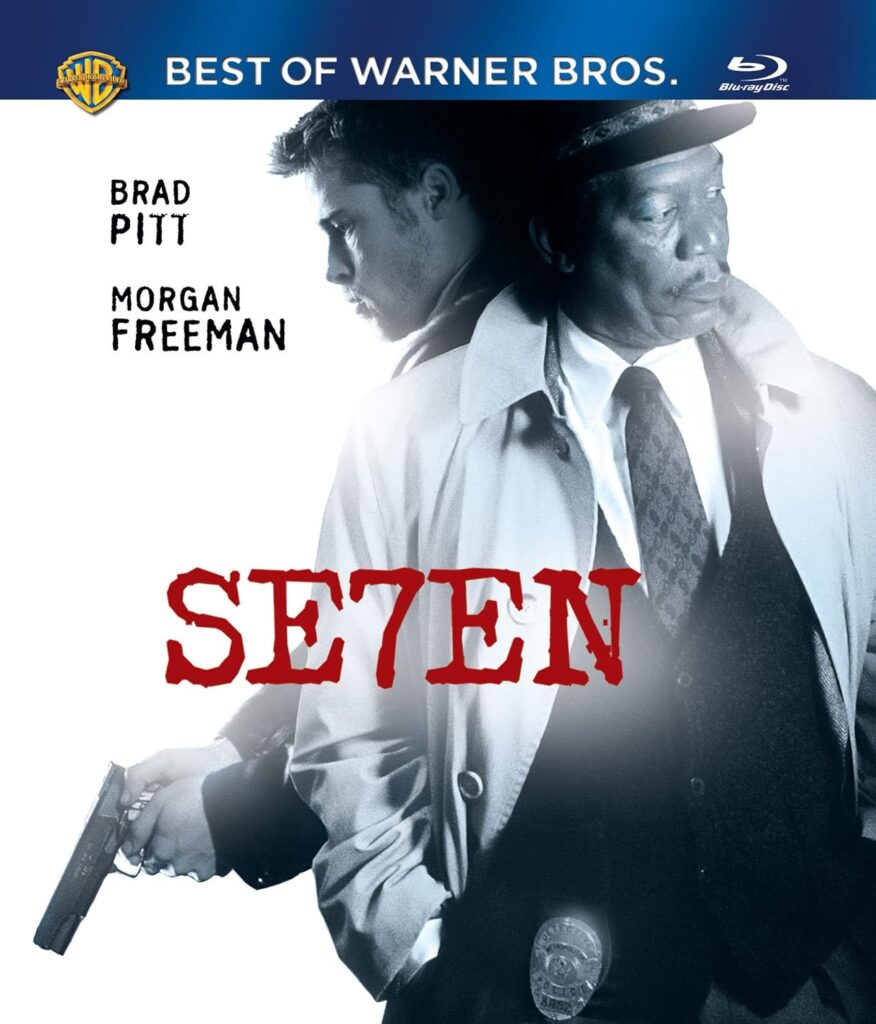
The ending of Se7en delivered one of cinema’s darkest surprises. After a string of gruesome crimes, Detective Mills opens a box to find his wife’s head inside. That final act completes the killer’s plan for the seven deadly sins. The shock left theaters silent.
The power of this twist lay in its restraint. The film never showed what was inside, forcing the audience to imagine the horror. It was a chilling reminder of how obsession can destroy both hunter and prey. That closing scene remains one of the most haunting moments in modern thrillers.
Shutter Island
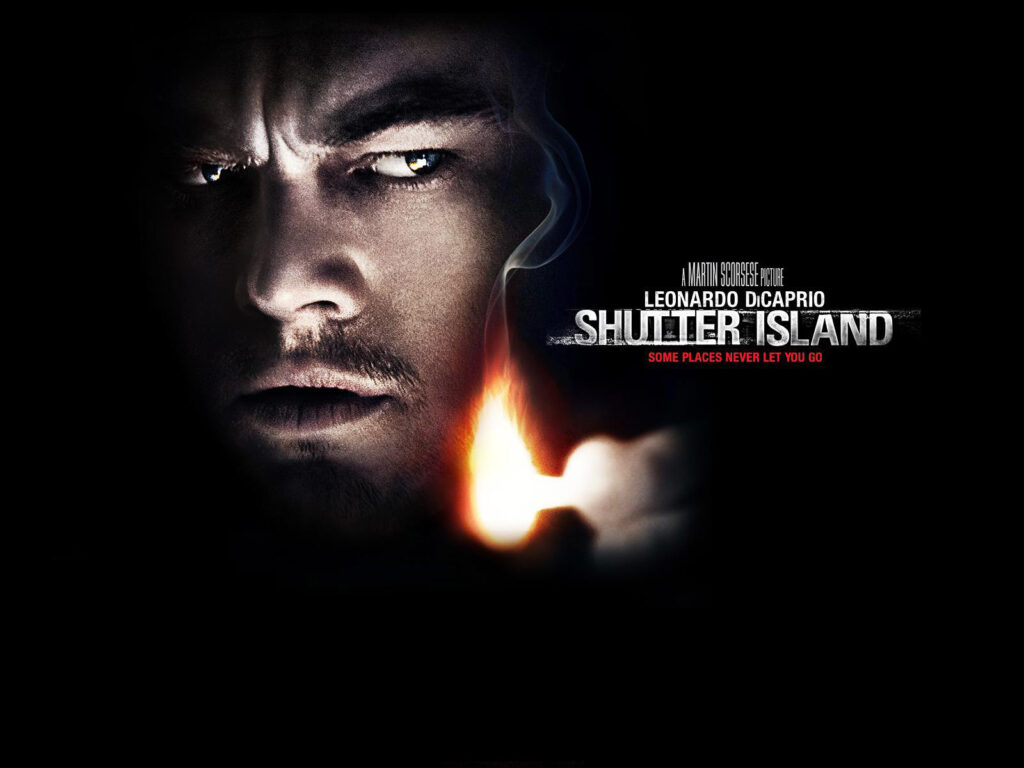
In Shutter Island, U.S. Marshal Teddy Daniels searches for a missing patient on an isolated asylum island. As the story unfolds, he discovers that he is the patient he’s been looking for. The island’s mystery was never about a crime—it was about his own mind. The realization rewrites the film from start to finish.
The twist worked because it built sympathy before shattering illusion. Viewers shared Teddy’s confusion and grief as he faced what he had done. The haunting question at the end left people unsettled. It was a twist that blended tragedy and psychological tension perfectly.
The Usual Suspects
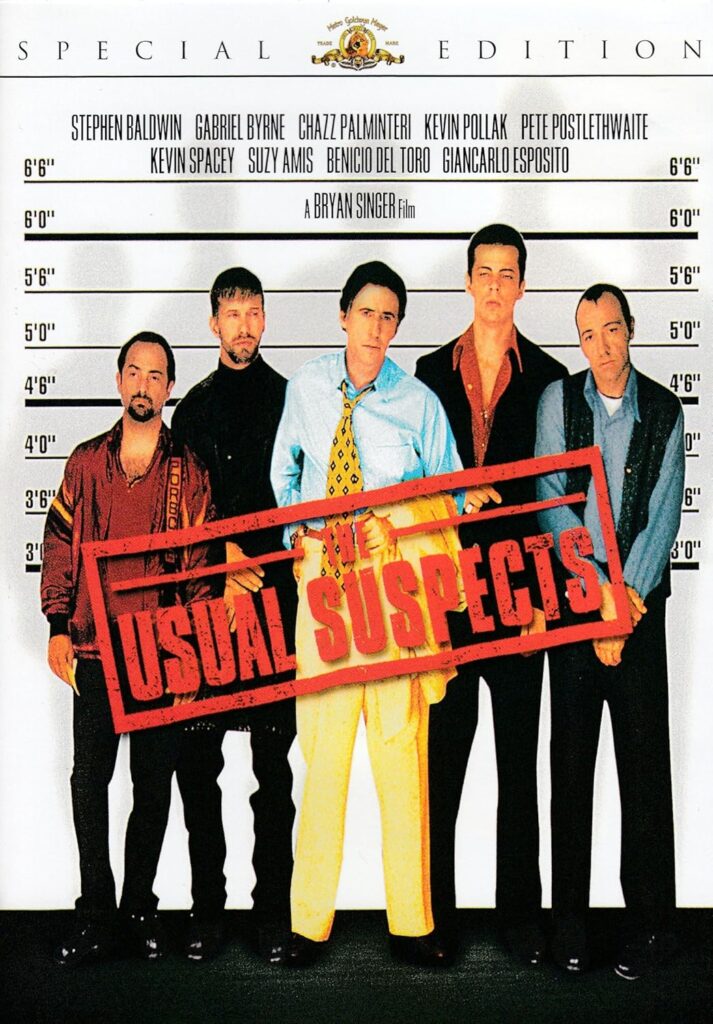
Few endings are as satisfying as the reveal in The Usual Suspects. Verbal Kint, a nervous storyteller, spins a long tale about a mysterious criminal named Keyser Söze. When he walks away, we realize he was Söze all along. The clues were there, hiding in plain sight.
That quiet walk and sudden confidence flipped the story completely. Viewers realized they had been fooled as easily as the detectives in the film. The twist celebrated the art of deception and storytelling itself. It remains one of the cleverest final scenes ever filmed.
Planet of the Apes (1968)
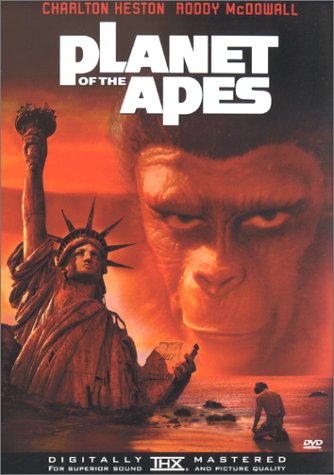
The ending of Planet of the Apes remains one of science fiction’s greatest shocks. After escaping a world ruled by apes, the astronaut finds the ruins of the Statue of Liberty. The revelation that he’s been on Earth all along changed the meaning of everything. It was both haunting and brilliant.
The power of that twist came from its simplicity. Without flashy effects, it turned a story about survival into a warning about humanity’s fate. The sight of the monument half-buried in sand stayed in people’s minds. It proved that sometimes one image can carry more weight than any dialogue.
Get Out
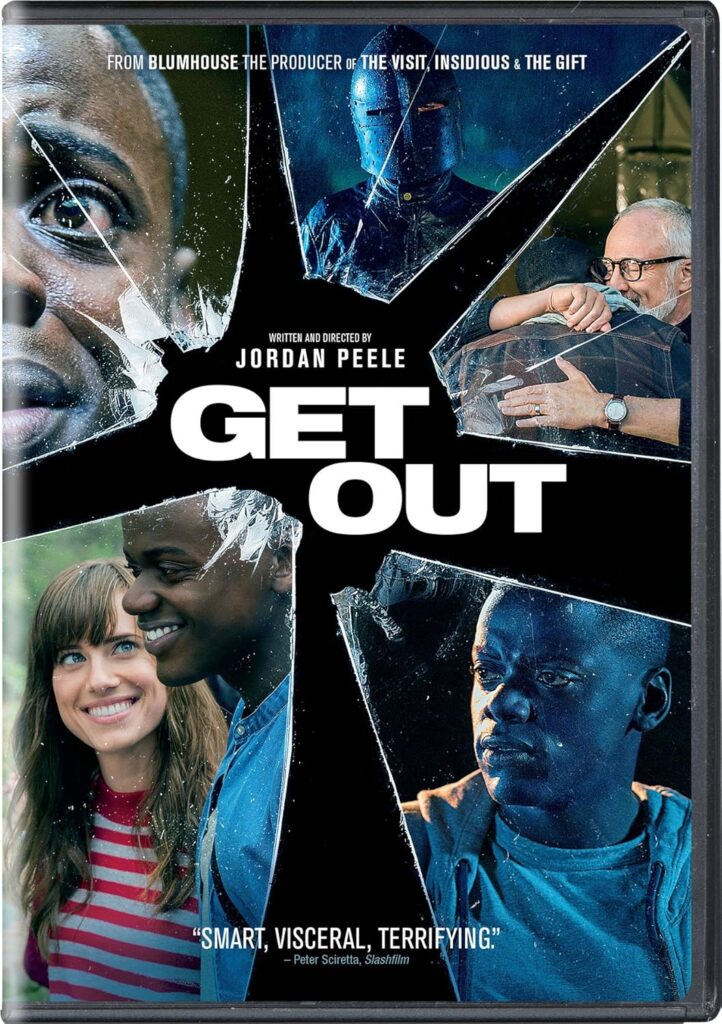
Get Out built its tension slowly before revealing the true horror of the Armitage family’s plan. The family wasn’t simply racist—they were transplanting their minds into Black bodies. The shocking realization tied social commentary to pure terror. It was both clever and horrifying.
This twist worked because it exposed hidden fears beneath everyday politeness. It made audiences question the nature of control, consent, and privilege. The horror came not from monsters but from human intentions. That combination made Get Out unforgettable and deeply unsettling.
The Village
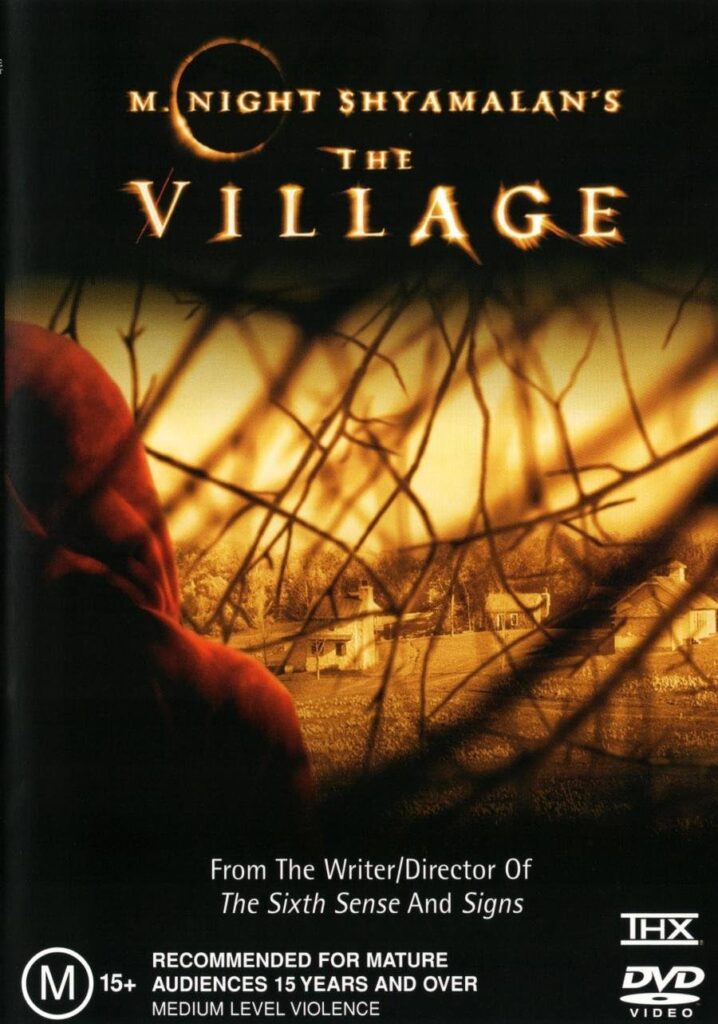
In The Village, a small community fears creatures in the woods that keep them trapped. The big reveal shows that the monsters are fake, created by the village elders to keep people from leaving. Even more shocking, the village exists in modern times, hidden from the outside world.
The twist changed the story from a horror into a commentary on control and fear. It made viewers reflect on isolation and the price of safety. The final moments felt eerie rather than frightening. It proved that suspense doesn’t always need blood to make an impact.
Hereditary
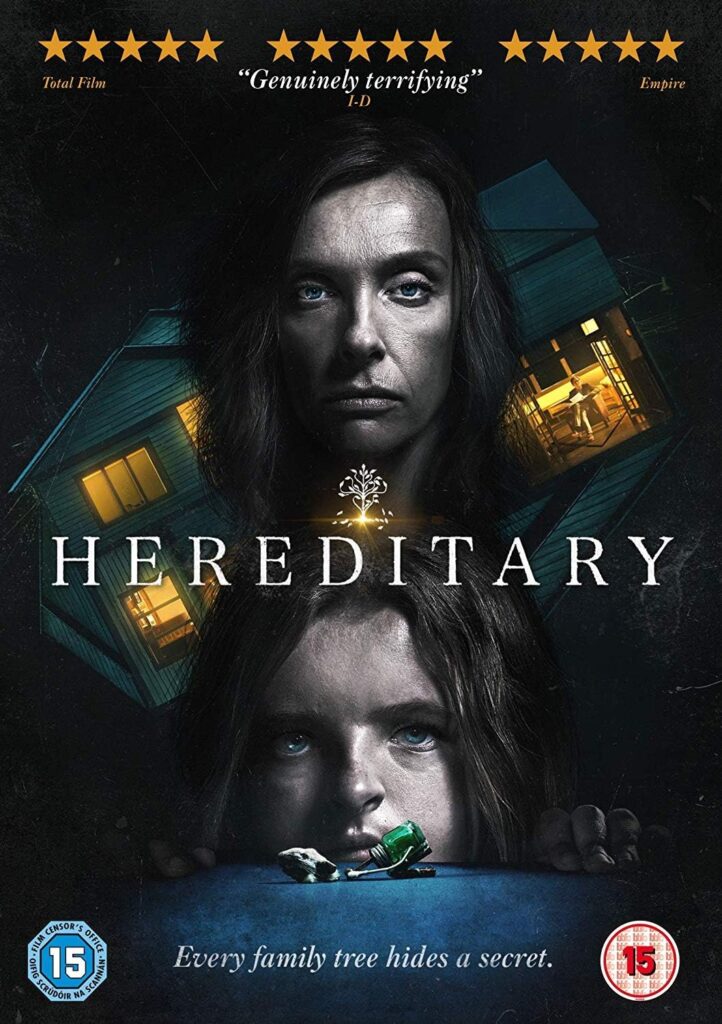
Hereditary delivered a twist that horrified even veteran horror fans. The family’s grief turns out to be part of a ritual to summon a demon named Paimon. Every tragedy, from death to possession, was carefully arranged. The twist made the story even more disturbing.
It worked because it turned personal loss into something cosmic and terrifying. What seemed like random misfortune became the fulfillment of a hidden plan. The final scenes offered no comfort, only dread. That ending left viewers shaken and silent long after the lights came up.
This article originally appeared on Avocadu.