
15 Plants You Can Divide In Early March For Free New Starts
Once March arrives, many gardens begin to show small signs of life again. Perennial plants push up new leaves, and old clumps begin to spread across the bed. When a plant grows this way, it often means the roots can be separated. Gardeners have used this method for years to grow more plants without buying anything new.
This post may contain affiliate links, which helps keep this content free. Please read our disclosure for more info.
Hostas
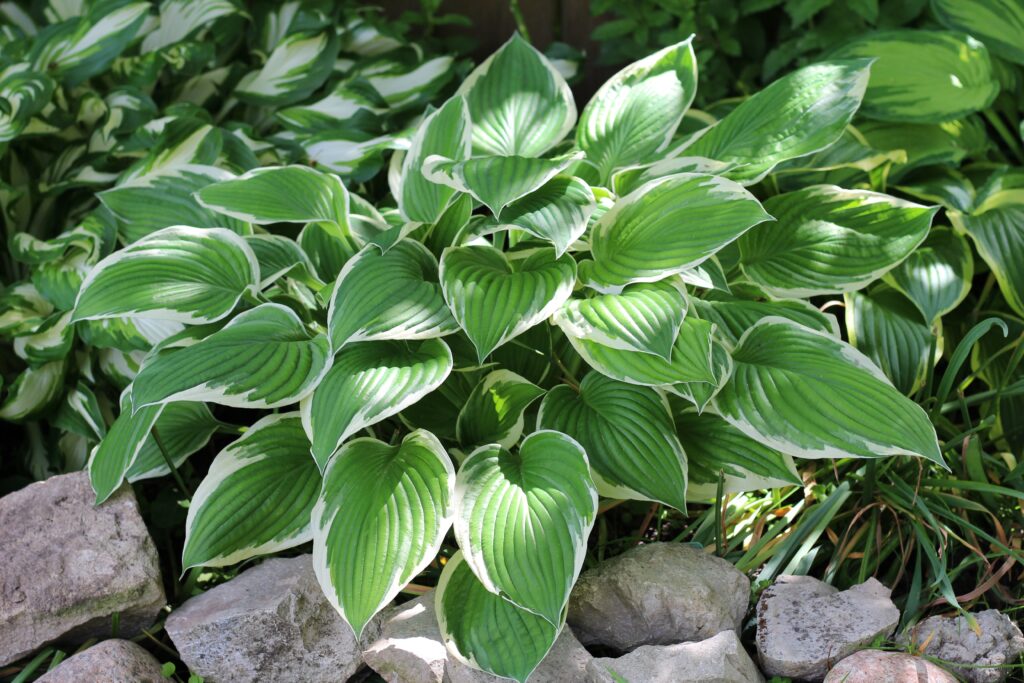
Hostas are one of the easiest shade perennials to divide once the garden begins waking up in early spring. By early March, small green shoots usually begin pushing through the soil, which gives a clear sign that the plant is ready to be lifted. Dig the clump carefully with a shovel and shake loose some soil so the roots become easier to separate. Large plants often split naturally into several sections when the roots are pulled apart gently. Each section should contain several shoots and a healthy portion of roots so it settles quickly after replanting.
After dividing, place the new pieces into soil that stays moist yet drains well through the season. Hostas prefer shady garden beds where trees or fences provide relief from hot afternoon sun. Gardeners often spread the divisions along walkways, woodland beds, or shaded borders where their wide leaves create a calm look. Within a season or two those small divisions begin filling out again. What started as one mature clump can easily become several thriving plants scattered throughout the garden.
Daylilies
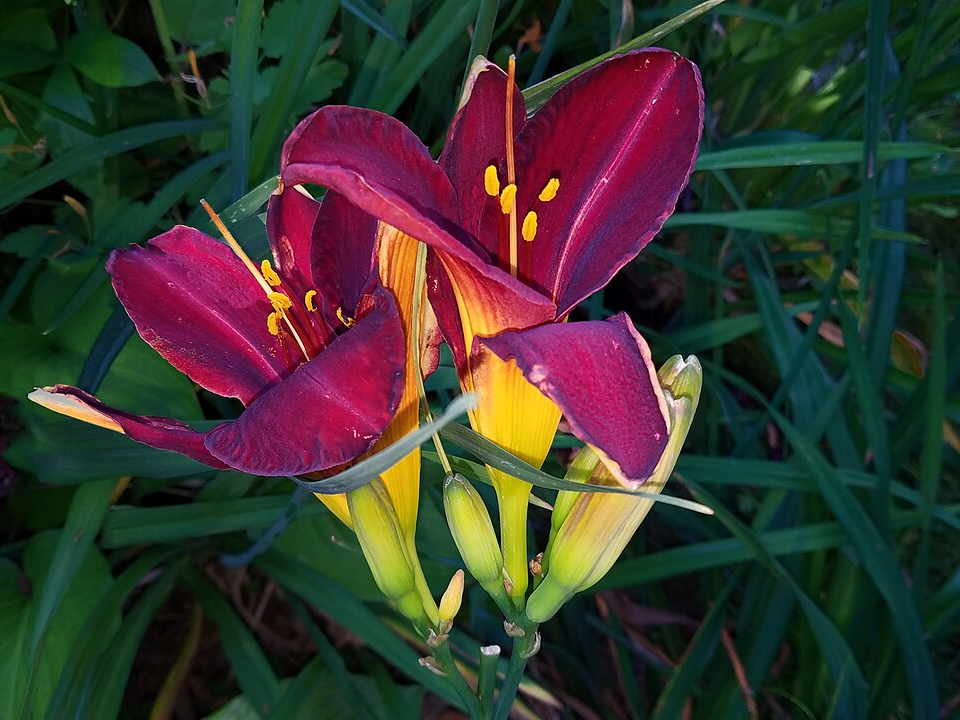
Daylilies grow from thick root systems that form dense clusters of leafy fans over time. When early March arrives, new shoots begin pushing up from the soil and reveal how crowded the clump has become. This is the perfect time to dig the plant and pull the roots apart into smaller sections. Each division should include a few leafy fans and a solid portion of the root base. The process may look rough at first, yet daylilies recover quickly once placed back into soil.
Gardeners often use divided daylilies to extend color along borders or pathways. These plants tolerate a wide range of growing conditions, which makes them dependable in many gardens. Once replanted, the divisions usually settle in quickly and continue growing through the season. Daylilies reward that simple effort with bright blooms during summer. Dividing older clumps every few years keeps them healthy and prevents the center from becoming crowded.
Shasta Daisy
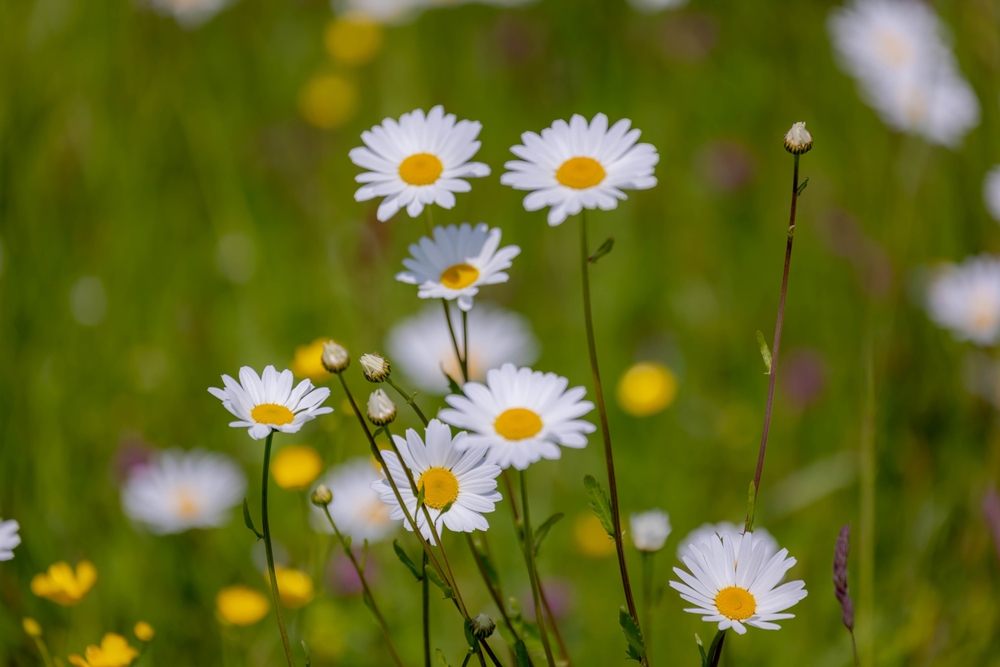
Shasta daisies form thick mounds of leafy stems that spread outward a little more each year. By early March, the new growth begins to appear at the base of the plant, which signals a good time to divide it. Lift the entire clump with a shovel and separate the root mass into several pieces. Each piece should contain a group of stems attached to a strong portion of roots. Replant the sections with space between them so the plants can grow freely again.
These cheerful flowers perform best in sunny beds with soil that drains well. Many gardeners move divisions into open spaces where bright summer blooms will stand out. Once replanted, the new sections usually establish themselves without much trouble. With good sunlight and moderate watering, they quickly begin producing fresh leafy growth. Dividing older clumps often results in stronger flowering and healthier plants through the season.
Siberian Iris
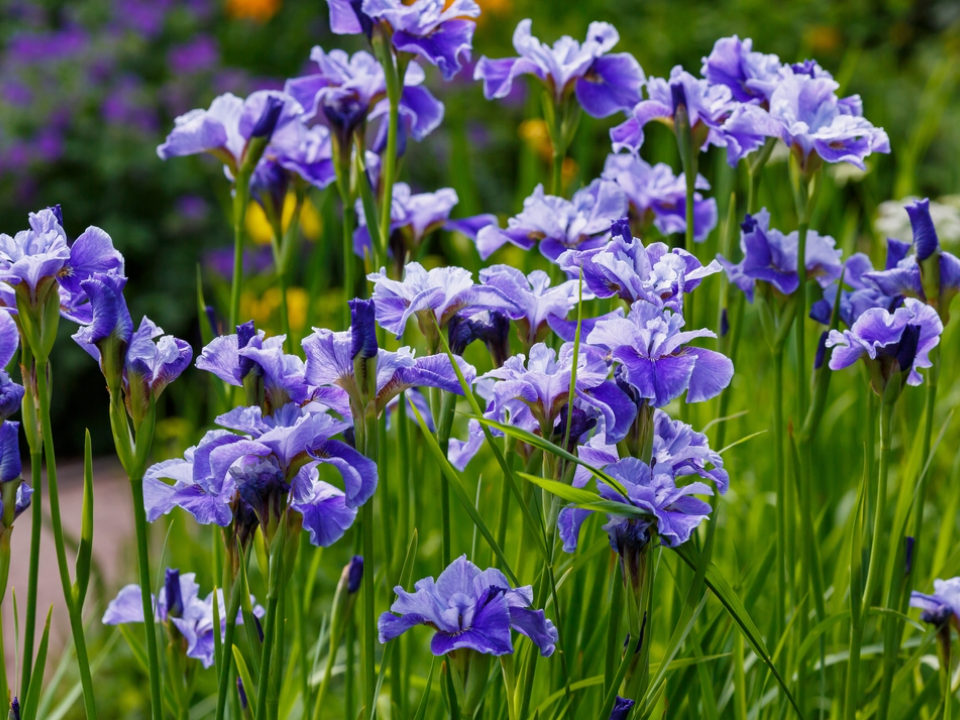
Siberian iris grows in graceful clumps of narrow leaves supported by tough underground roots. Over several years the roots spread outward and create a thick cluster that benefits from division. Early March works well because new growth is still short and easy to manage. Dig the clump carefully and cut it into sections using a shovel or garden knife. Each section should hold several fans of leaves along with a good share of the root system.
Once replanted, these divisions usually settle into the soil quickly and continue growing through spring. Siberian iris enjoys soil that stays slightly moist and receives good sunlight. Gardeners often place it along borders, near water features, or in mixed flower beds. The plants later produce elegant blooms that rise above the grassy foliage. Dividing older clumps helps keep the plants vigorous and spreading gently across the garden.
Bee Balm
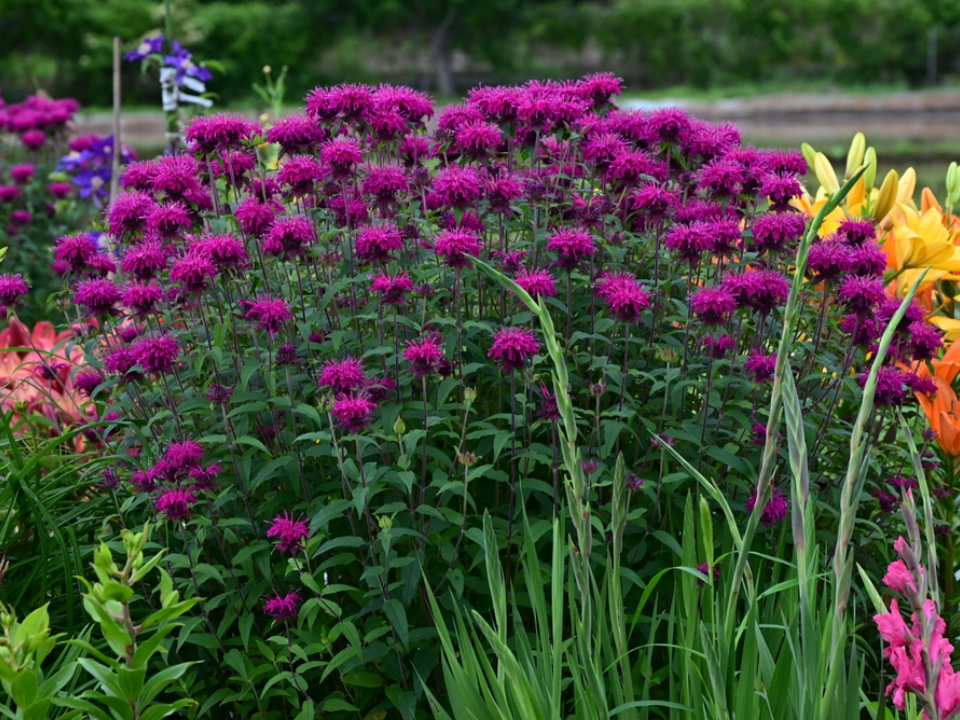
Bee balm spreads steadily through underground roots that create expanding patches of leafy stems. When early March arrives, small shoots begin rising from the soil and reveal the outline of the plant. This early stage is a great time to lift the clump and break it into several sections. Each section contains roots that will quickly settle once planted again. Gardeners often divide bee balm to keep the plant from spreading too widely in one place.
After dividing, the new plants can be moved to other sunny spots in the garden. Bee balm enjoys soil that holds moisture and receives plenty of sunlight through the day. During summer, the plants produce colorful flowers that attract hummingbirds and many pollinating insects. Dividing the plant every few years helps keep growth strong and tidy. Extra pieces can also fill empty areas of flower beds without spending money on new plants.
Yarrow

Yarrow grows into clusters of feathery leaves that slowly expand outward from the center. After several seasons, the plant can form a wide patch that begins to crowd itself. Early March offers a comfortable time to divide the plant before the stems grow tall. Lift the clump and separate the roots into smaller pieces using a shovel. Each section usually contains healthy roots ready to grow again once replanted.
Gardeners often place yarrow in sunny areas where the soil drains easily after rain. The plant handles dry conditions well and continues producing flowers during warm months. Dividing the plant every few years helps prevent overcrowding and keeps growth steady. The extra pieces can fill gaps in borders or natural-looking beds. Over time, those divisions form fresh clusters of soft foliage and summer flowers.
Black Eyed Susan
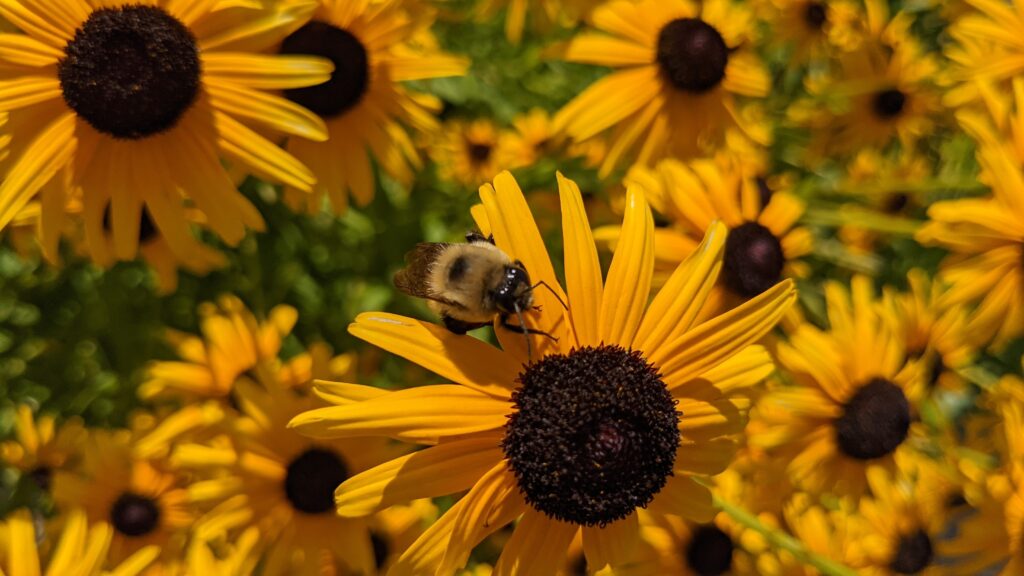
Black-eyed Susan plants slowly develop wide clumps of leafy stems connected by thick, fibrous roots below the soil surface. When early spring arrives, small shoots begin appearing around the base of the plant and show where new growth will form. This stage makes it much easier to dig up the clump without damaging tender stems. Use a shovel to lift the entire root ball and gently shake away loose soil so the structure of the roots becomes easier to see. Once the clump is exposed, it can be separated into several groups of stems and roots with a clean cut from a shovel or garden knife.
Each separated section has the ability to grow into a full plant once it is replanted into prepared soil. Black-eyed Susan performs well in sunny areas and adapts to a wide range of garden soils. Many gardeners move the new divisions along borders where their warm yellow flowers can brighten large spaces. As the weather continues to warm, fresh leaves begin filling out the plant again. By summer, the plants often produce a steady display of flowers that attract bees, butterflies, and other pollinating insects.
Sedum
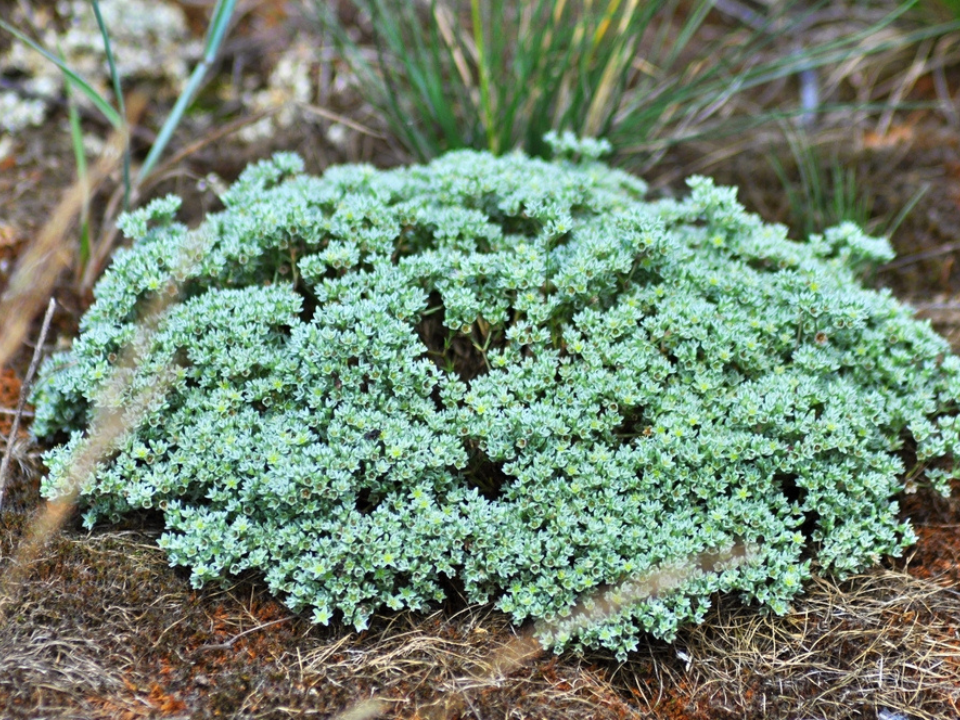
Many upright sedum varieties grow into sturdy clusters of stems that rise from thick root systems beneath the soil. After several seasons, those clusters can become dense and crowded, which makes early spring a comfortable time to divide them. By early March, the first small shoots begin appearing at the base of the plant. Lift the clump with a shovel and break the root mass into smaller sections. Each piece usually contains strong roots that will settle back into the soil quickly after planting.
Sedum prefers sunny areas and soil that drains freely after watering or rainfall. Gardeners often place these plants in dry spots where other flowers may struggle to grow well. Throughout the season, the plant produces fleshy leaves and upright stems that later carry clusters of flowers. Those flower heads often attract bees and other helpful insects during late summer. Dividing sedum every few years keeps the clumps healthy while also creating extra plants to spread through the garden.
Garden Phlox
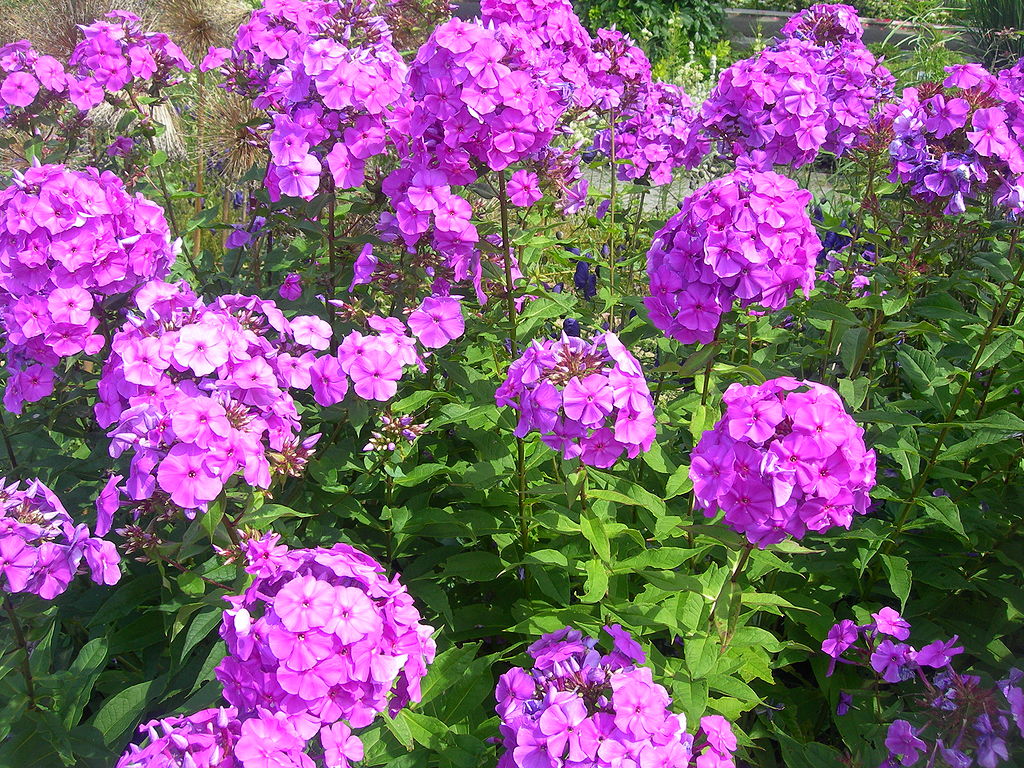
Garden phlox forms tall clusters of stems supported by a strong network of roots beneath the soil. As the plant grows older, the center of the clump can become crowded with stems competing for space. Early March provides a good opportunity to divide the plant before new growth becomes tall and leafy. Dig up the clump carefully and examine the root structure before cutting it into sections. Each section should include several stems along with a healthy share of the roots.
Once replanted, the divisions often begin sending out fresh shoots within a short period of time. Garden phlox grows best in sunny beds where the soil holds moderate moisture during the growing season. Many gardeners place it toward the back of borders where tall stems and summer flowers create a colorful backdrop. With regular watering and space to grow, the plants quickly regain their full appearance. Dividing older plants helps maintain steady flowering while creating extra plants for other garden beds.
Coral Bells
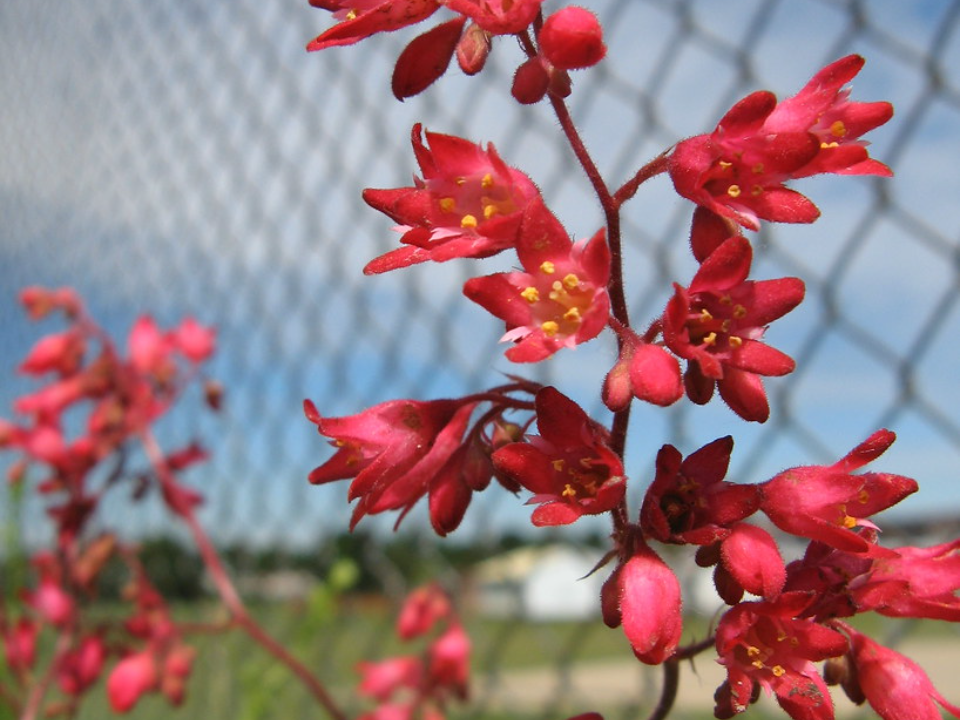
Coral bells grow into low mounds of decorative foliage that gradually widen with each growing season. Over time, the center of the clump may become thin while newer growth forms around the edges. Early spring offers a good moment to divide the plant because fresh leaves are just beginning to appear. Dig the entire mound carefully and separate it into several pieces with roots attached. Each division can be replanted into prepared soil where it will begin growing again.
These plants perform especially well in garden beds that receive partial shade during the day. Gardeners often place them along borders or pathways where their colorful foliage can be easily seen. Coral bells appear in many shades, including green, bronze, and deep burgundy tones. As the season continues, each division gradually fills out into a rounded mound of leaves. With time, the new plants become strong additions to shaded garden spaces.
Lamb’s Ear
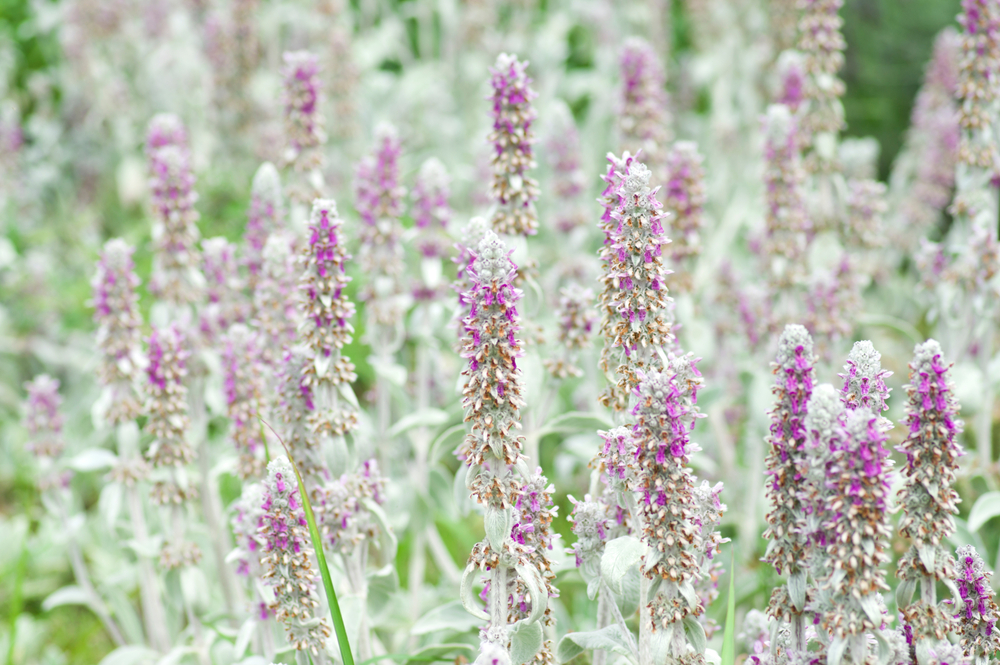
Lamb’s ear spreads across the garden through creeping stems that form wide mats of soft gray leaves. After a few seasons, the patch may grow large enough that sections can easily be divided. Early March is a good time to do this because the plant is just beginning to produce new growth. Gardeners often lift pieces from the outer edges of the patch where the stems have already formed roots. Those rooted sections can then be moved and replanted elsewhere in the garden.
This plant thrives in sunny areas with soil that drains well after watering. The fuzzy leaves create a soft texture that contrasts nicely with many other garden plants. Dividing the patch from time to time keeps the center from thinning out as the plant ages. Once the new sections settle into the soil, they begin forming fresh clusters of leaves. Over the next season, they gradually spread into new patches of silvery foliage.
Russian Sage
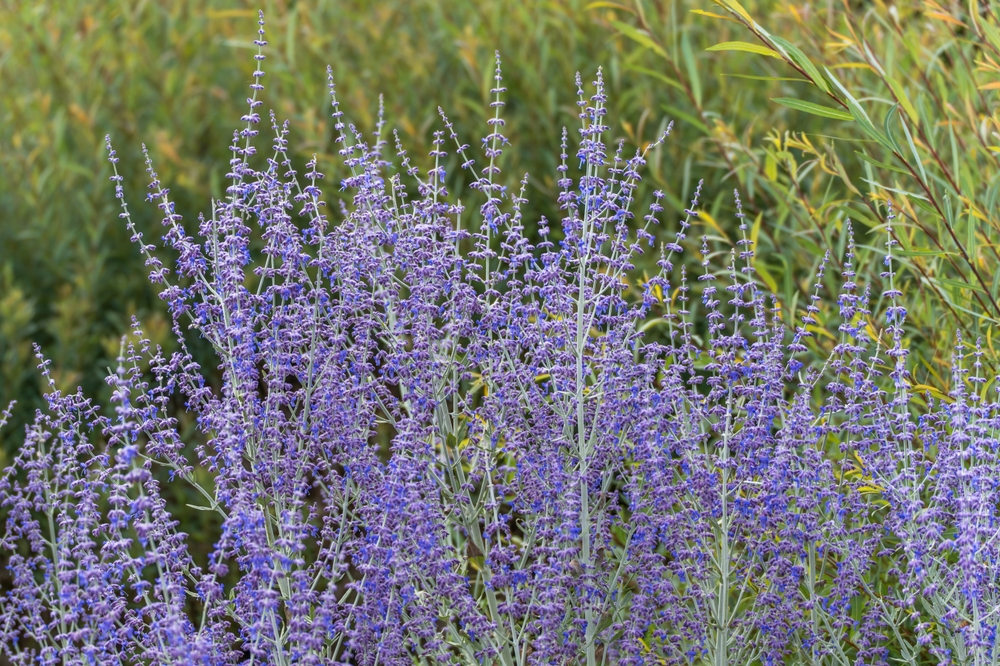
Russian sage develops tall clumps of woody stems supported by strong roots that grow deeper into the soil over time. As the plant matures, the base of the clump can become crowded with older stems. Early spring provides a convenient moment to divide the plant before new growth becomes tall. Dig the clump carefully and cut the root mass into several sections with a shovel. Each section can then be replanted to form a new plant.
Russian sage performs best in sunny garden beds where the soil drains easily. Gardeners often place it near fences or at the back of borders where tall stems will not block smaller plants. Later in the season, the plant produces airy spikes of purple flowers that move gently in the breeze. Dividing the plant every few years creates more space for healthy growth. The new divisions gradually grow into strong clumps again.
Ornamental Grasses
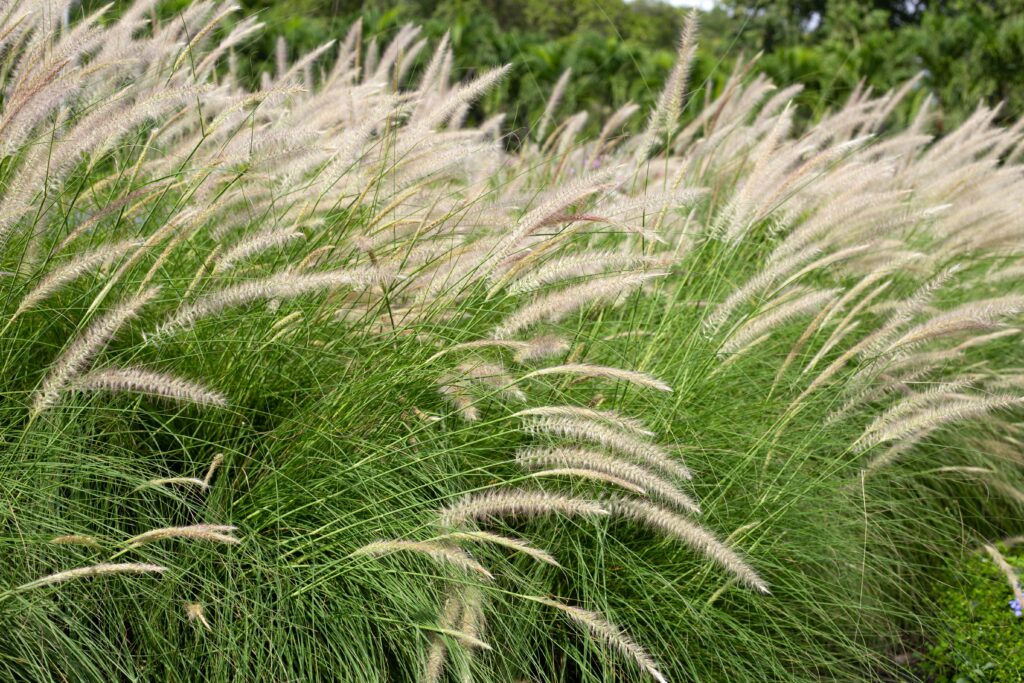
Many ornamental grasses grow into thick mounds that slowly expand outward every year. As those mounds grow larger, the center can sometimes become dry or thin. Early March works well for dividing them because the new shoots are still small. Dig the entire clump and cut it into several sections using a sturdy shovel. Each section contains roots that can support new growth once it is replanted.
Gardeners often place ornamental grasses along walkways, borders, or open garden beds. Their tall leaves move with the wind and add motion to the landscape. Dividing older clumps helps keep them full and healthy from the center outward. After replanting, the new sections begin producing fresh leaves as temperatures warm. Within a season, they develop into full mounds again.
Astilbe
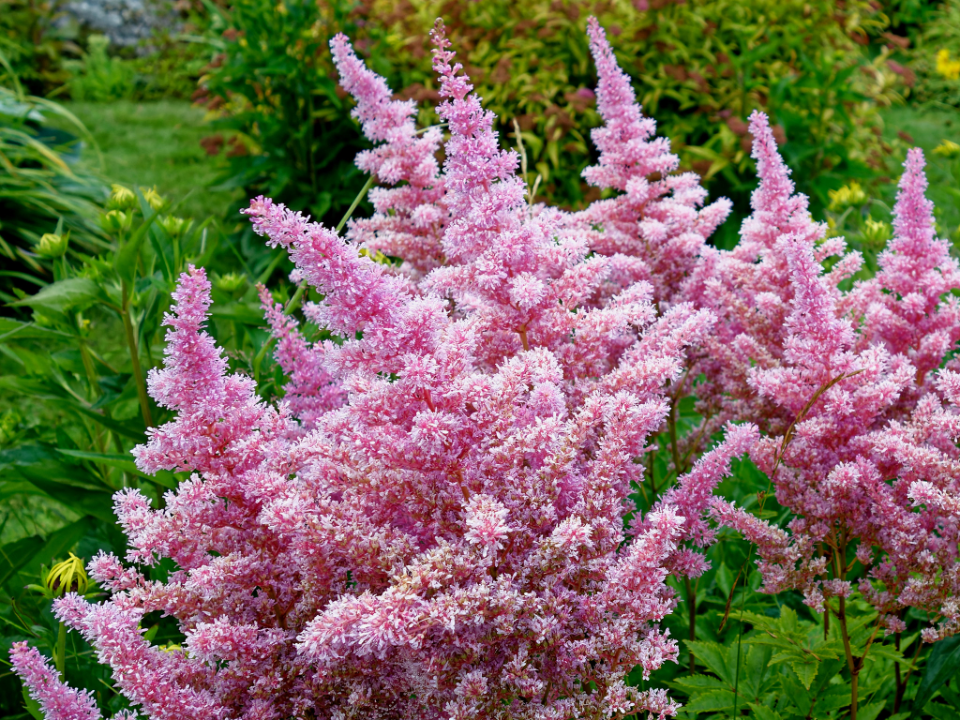
Astilbe grows from dense clusters of roots that support graceful fern-like leaves above the soil. Over time, these clusters may become thick and crowded, which makes division helpful. Early spring offers a comfortable time to dig the clump because the plant has not grown tall yet. Lift the plant carefully and separate the roots into several pieces using a shovel. Each piece should contain healthy roots along with small emerging shoots.
Astilbe thrives in shaded garden areas where the soil stays consistently moist. Gardeners often plant it beneath trees or along woodland-style beds. During the warmer months, the plant produces soft plumes of flowers that rise above the foliage. Dividing the clump helps refresh the plant and gives it more room to grow. The new divisions settle into the soil and continue growing through the season.
Hardy Geranium
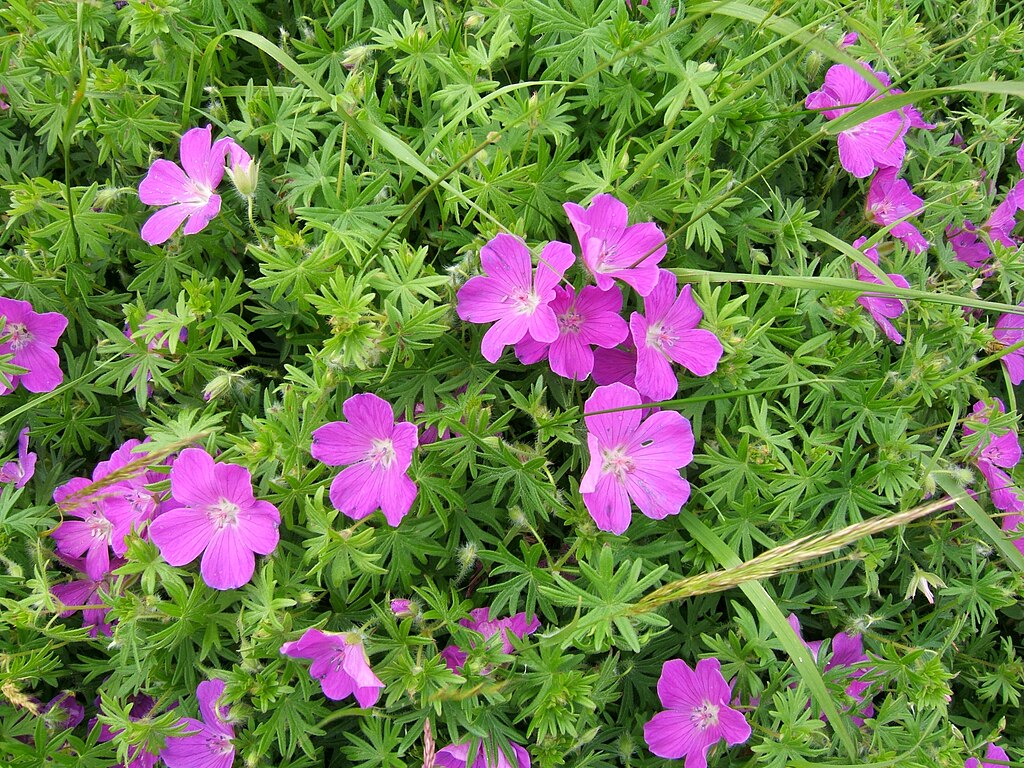
Hardy geranium forms spreading clumps of leafy stems that slowly widen each year. When early March arrives, new shoots begin appearing around the base of the plant. This stage makes it easier to dig and divide the clump before stems grow tall. Lift the plant from the soil and separate the roots into several sections with a shovel. Each section should include several shoots along with healthy roots.
Once replanted, the divisions quickly begin producing fresh leaves as the soil warms. Gardeners often use hardy geranium along borders, slopes, or beneath shrubs. The plant produces soft flowers that appear throughout much of the growing season. Dividing the clump helps keep the plant tidy while providing extra plants for other spaces. Within a short time, each section develops into a full growing plant.
This article originally appeared on Avocadu.