
12 Plants With Interesting Leaf Patterns That People Collect
Plants with captivating leaf patterns offer a sense of wonder and uniqueness that cannot be overlooked. Whether large or small, the diversity in leaf designs is something that plant enthusiasts celebrate. These patterns can add texture and visual interest to any space, making them a must-have for collectors. If you have a passion for plants and enjoy finding new ones with distinct features, you are in the right place.
This post may contain affiliate links, which helps keep this content free. Please read our disclosure for more info.
Calathea Makoyana (Peacock Plant)
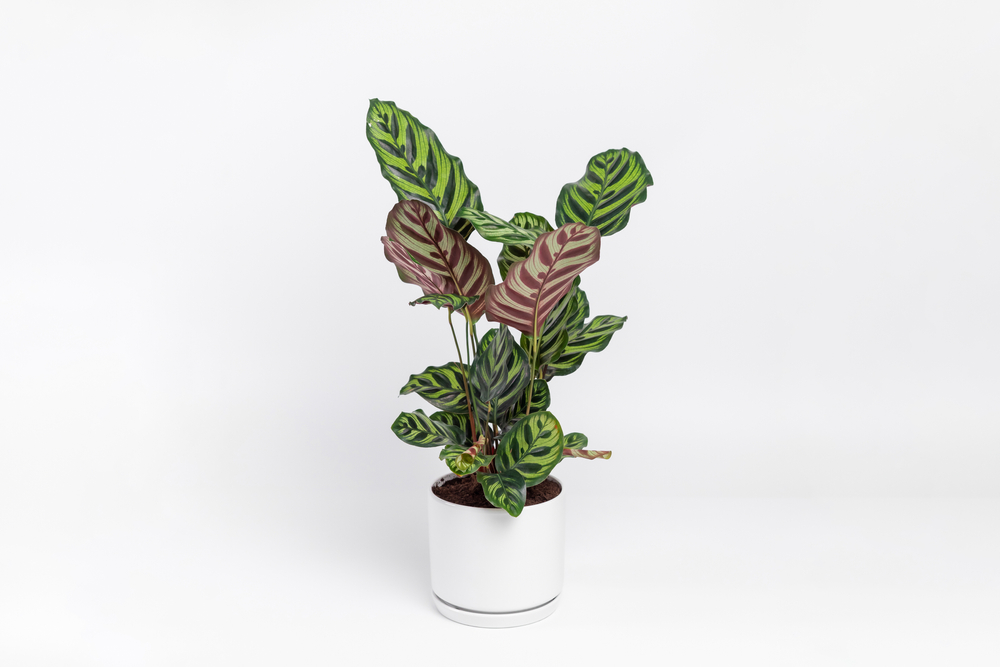
Calathea Makoyana draws attention for its large, glossy leaves marked with deep green bands and lighter green blotches, giving each leaf a feathery look. The undersides of the leaves are often a contrasting purple, which adds another element of visual interest as the plant moves in low light. Native to the rainforests of Brazil, this plant enjoys warmth and consistent humidity to keep its foliage looking its best. Many plant lovers place it in bright, indirect light to mimic its natural habitat and maintain vibrant leaf coloration.
This species is part of the same family as prayer plants, and its leaves raise and lower with changes in light throughout the day. It grows moderately in size, making it suitable for tabletops or small plant stands where its patterned foliage can be admired up close. Care requires attention to soil moisture and humidity, as dry air can cause leaf edges to brown.
Begonia Rex (Rex Begonia)
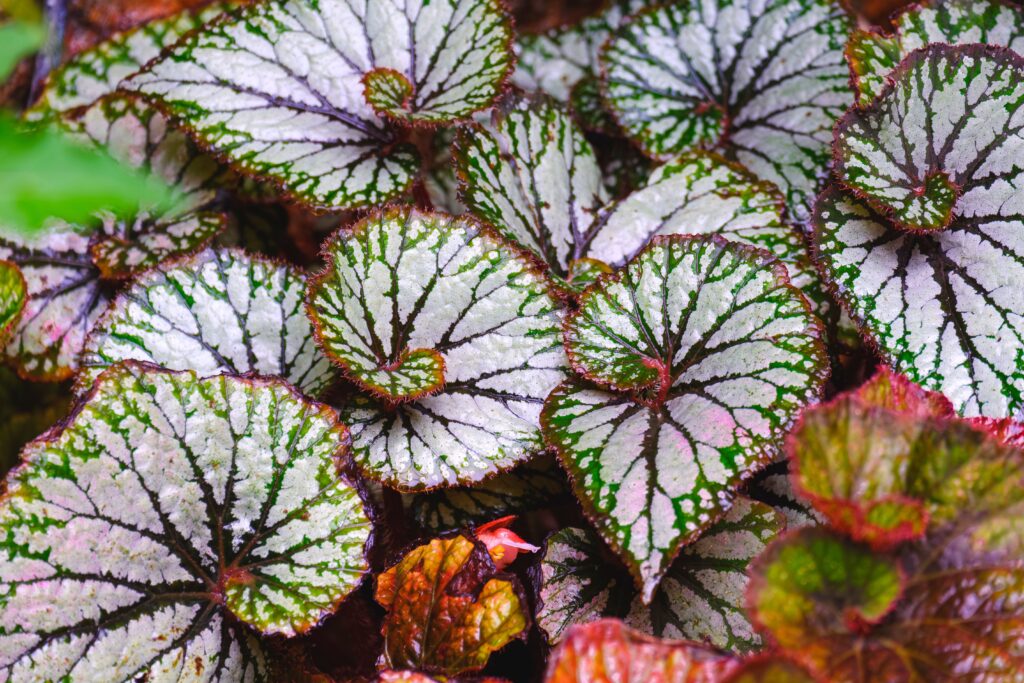
Begonia Rex is frequently grown for its spectacular leaf patterns that feature swirls, stripes, and splashes of color in shades of silver, red, green, and purple. Each cultivar can look very different, and collectors often seek out rare varieties for their distinctive foliage. These begonias come from tropical regions, and they respond best to bright, indirect light to help maintain the sharp contrast in their patterns.
Rex begonias tend to stay compact, which makes them great for shelves or indoor collections where space is limited. They are happiest with evenly moist soil and moderate humidity, as the texture and pattern of their leaves can be affected by dry conditions. The surface of the leaves may feel slightly textured or velvety, adding to their sensory charm.
Maranta Leuconeura (Prayer Plant)
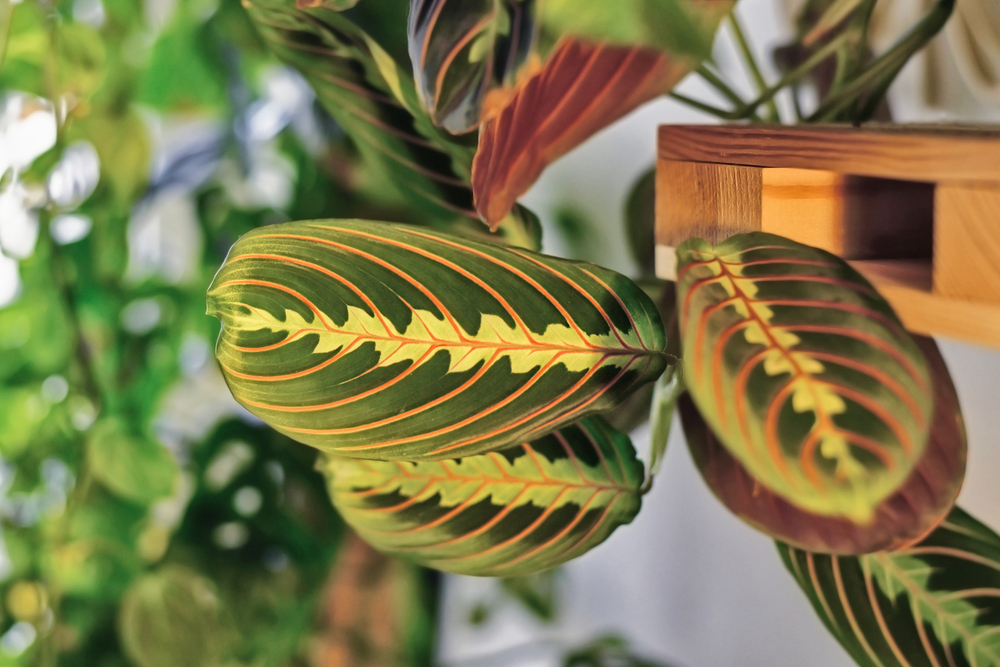
The Prayer Plant is known for its oval leaves marked with intricate veins in shades of green, red, or yellow that almost resemble a mosaic. These plants get their common name because their leaves fold upward at night, a behaviour that feels alive and engaging for plant lovers. Originating from the tropical forests of Central and South America, they prefer bright, indirect light and regular humidity. The leaf movement and striking patterning make Prayer Plants a favourite for indoor foliage collections.
Maranta’s patterned foliage is often velvet like or slightly soft to the touch, which adds to its appeal among enthusiasts. It stays relatively small, growing well in indoor containers, terrariums, or on plant stands. Regular misting and evenly moist soil help keep its leaf patterns looking fresh and vibrant. For those who appreciate plants that feel interactive and lively, the Prayer Plant’s habits and patterned leaves make it especially appealing.
Polka Dot Plant (Hypoestes phyllostachya)
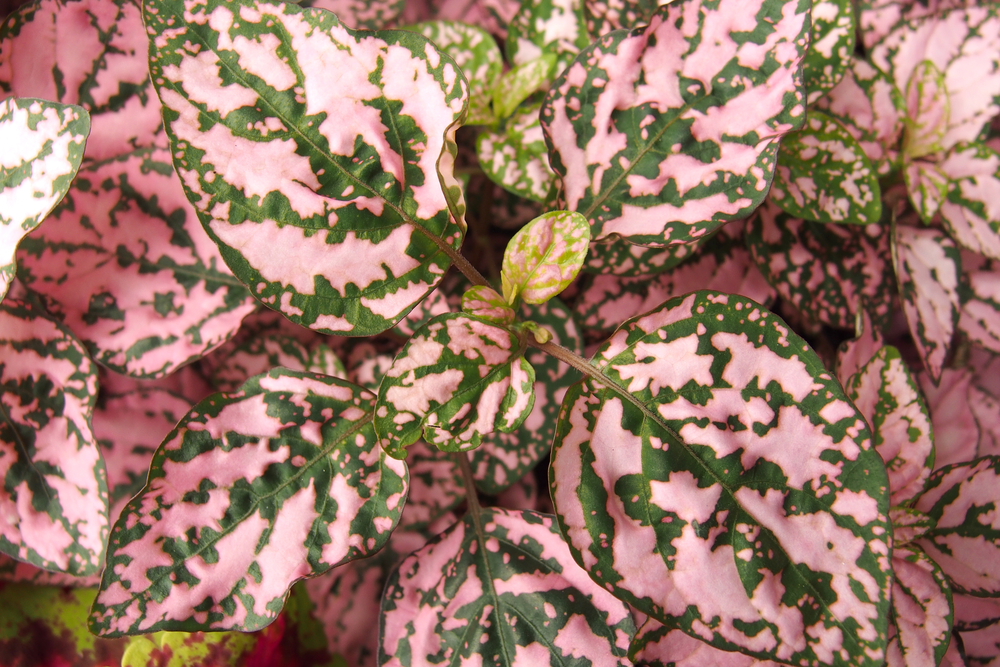
The Polka Dot Plant is instantly recognisable for its array of colourful speckles or spots that appear on green leaves, with popular hues including pink, white, and red. The small leaves grow opposite one another on stems that can cascade lightly over a pot’s edge, giving a playful look. Native to tropical regions, this plant enjoys bright, indirect light to keep colours bright without burning the foliage. Many people use polka dot plants to add colour contrast in mixed plant displays.
Despite its cheerful appearance, it can be temperamental about light levels, as leaves may lose their pattern intensity if kept too dark. Its compact growth and vibrant leaf design make it well suited for tabletop planters or shelves where the spotted foliage can be a focal point. Leaves may appear soft and delicate, which is part of the charm for many plant enthusiasts.
Pilea involucrata (Friendship Plant)
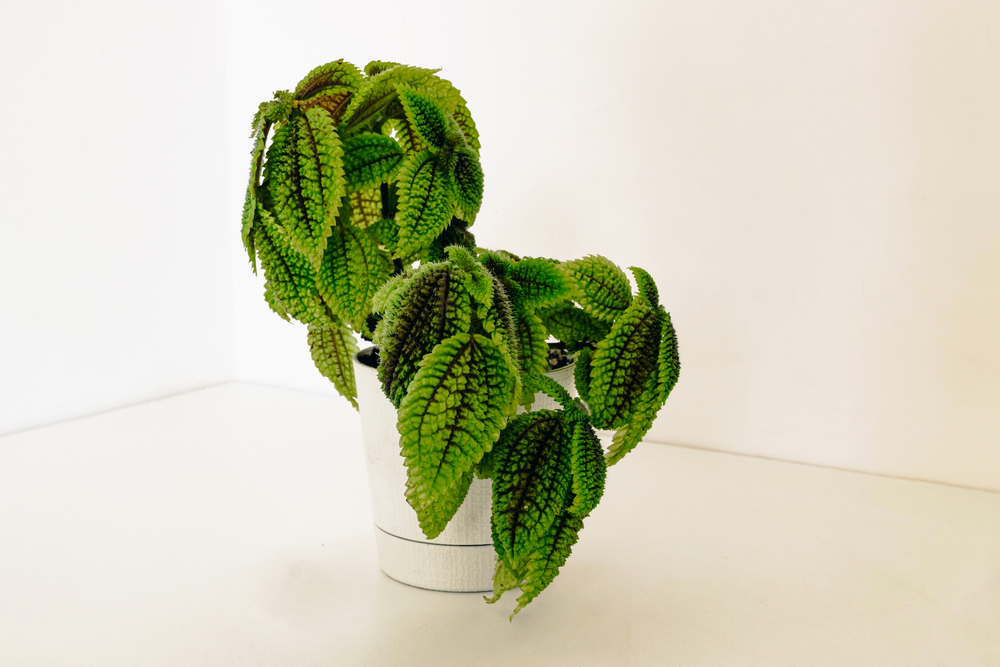
Pilea involucrata, sometimes called the Friendship Plant, is known for its deeply textured leaves that look almost quilted or cratered, often with bronze or reddish tones beneath. These unique surface patterns give the foliage a tactile interest that is different from smooth leaf plants. Native to Central and South America, the Friendship Plant thrives in bright, indirect light and evenly moist soil. Gardeners enjoy it in hanging baskets or on shelves where its trailing stems and distinctive leaves can be easily seen.
Because it stays compact, this plant works well in small indoor spaces or grouped with other patterned plants. Its foliage texture is the main attraction, making it a wonderful choice for terrariums or desktop gardens. Propagation through division or cuttings is straightforward, allowing owners to share it with friends. For collectors who appreciate surface detail as well as visual pattern, Pilea involucrata is a favourite.
Tradescantia zebrina (Wandering Jew)
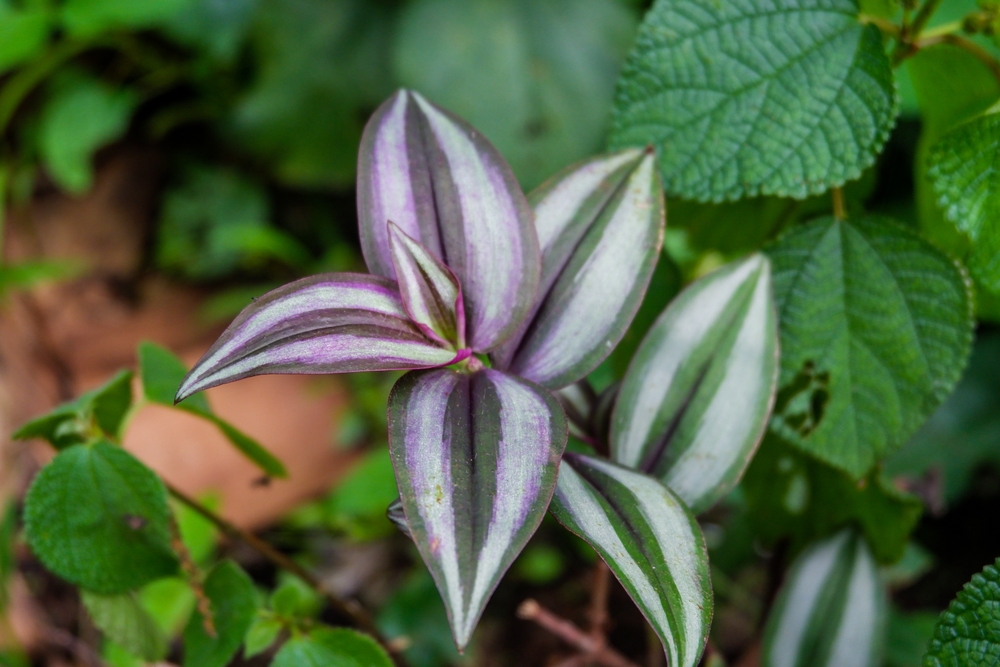
Tradescantia zebrina shows off slender leaves with alternating stripes of green, silver, and purple that catch the light and draw the eye. This trailing plant can spill over edges of pots and shelves, making it ideal for hanging baskets or elevated displays where its patterned leaves can spread. Originating from Mexico and Central America, it enjoys bright, indirect light to help maintain its vibrant striping and prevent leaf fading. Many plant lovers enjoy it for its ease of growth and dramatic foliage movement along its stems.
Leaves have a soft sheen, and the purple tones on the undersides add warmth and depth to its overall look. This plant can grow quickly, which makes it great for filling spaces or adding layered textures to a group of houseplants. Regular trimming encourages fuller growth and prevents legginess. For those who enjoy lush trailing foliage with distinctive patterning, Tradescantia zebrina remains a popular choice.
Coleus (Solenostemon scutellarioides)
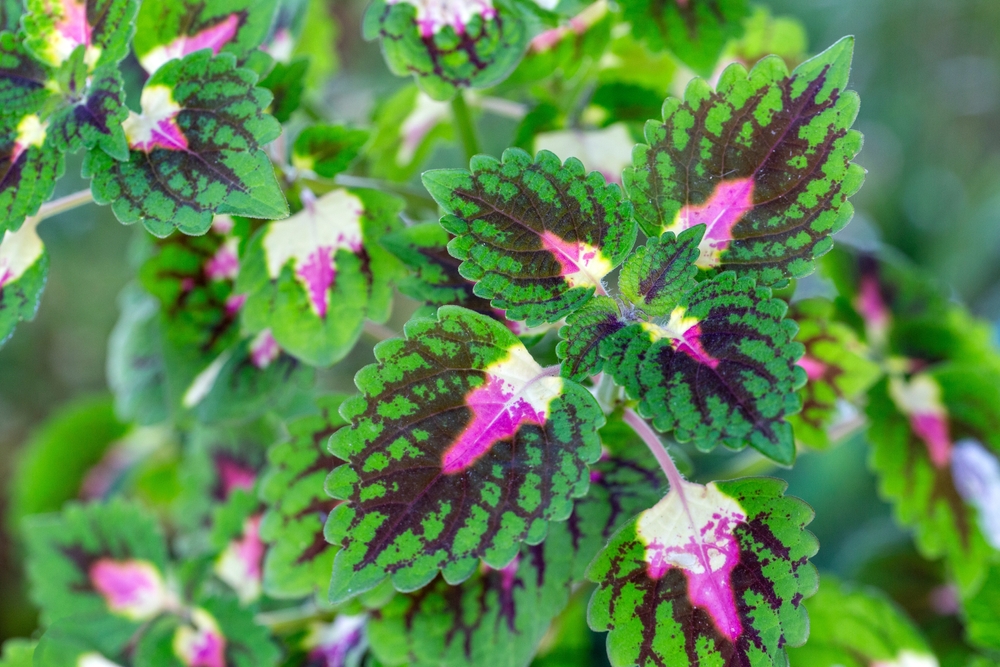
Coleus is appreciated for its leaves that display a remarkable mix of colours such as reds, greens, yellows and purples, often in striking pattern combinations. Though grown outdoors in gardens, many indoor collections include coleus for its leaf design and dramatic colour shifts throughout the season. These plants thrive with bright, indirect light and regular watering to keep their colours richest. Collectors often pair coleus with more subdued plants to let its bold foliage really stand out.
Leaves can range from smooth edges to serrated, adding variety to their visual texture. Coleus can grow bushy and full, making it an excellent choice for patios, porches, or interior plant groupings. While it is not a tropical species, the leaf patterns make it feel lively in almost any setting.
Philodendron ‘Birkin’
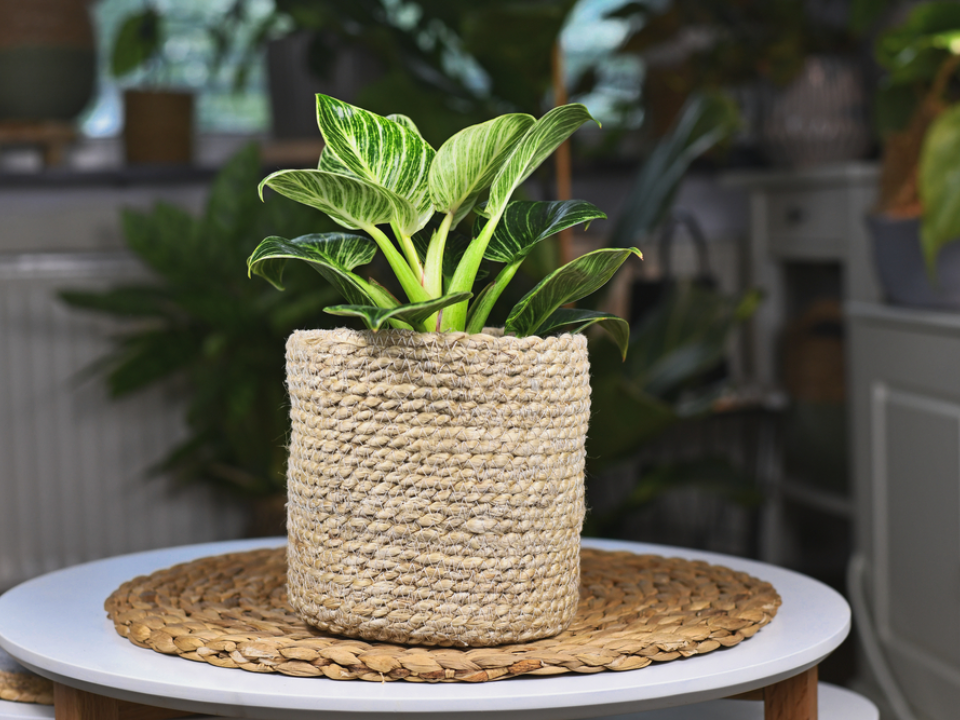
Philodendron ‘Birkin’ draws attention for its dark green leaves with thin white stripes that run along the leaf surface, creating a distinctive linear design. This plant has become a desirable addition to many plant collections because the striped pattern remains visible even on new growth. It thrives in bright, indirect light and prefers soil that allows good drainage without becoming too dry. Indoor gardeners enjoy its manageable size, which fits comfortably on shelves or in corners of living spaces.
New leaves unfurl with bold striping, and as they mature, the contrast becomes more pronounced. The plant’s foliage remains attractive throughout the year when given consistent care, making it feel reliable as well as decorative. Philodendron ‘Birkin’ grows more slowly than many other varieties in the genus, allowing owners to appreciate each leaf as it appears. For those who value structured patterning in leaf design, this plant’s elegant lines make it a standout choice.
Monstera ‘Thai Constellation’
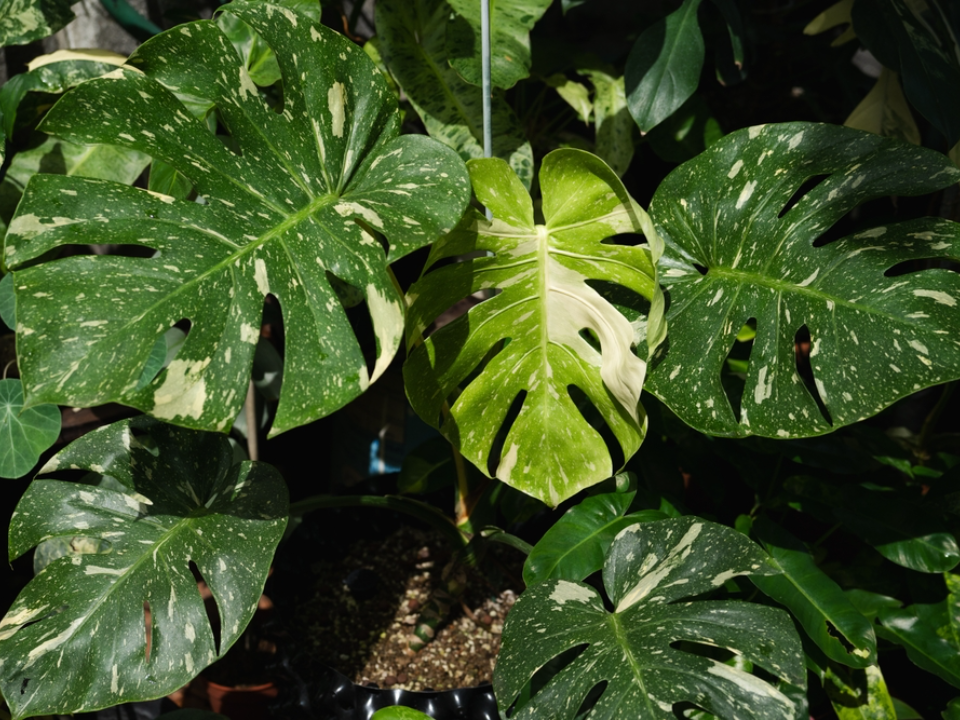
Monstera ‘Thai Constellation’ is notable for its large leaves mottled with cream and green marbling that resembles stars scattered across a night sky. This pattern is a result of careful cultivation that encourages variegation, which collectors find alluring and rare. The plant is a cultivar of the famous Swiss cheese plant, with fenestrations or natural holes that add another layer of interest to the foliage. Bright, indirect light helps maintain the marbled pattern, while a moss pole or support can help it grow upward as its leaves get larger.
This variety can become quite large indoors, with broad leaves that make a striking backdrop in a room. Owners often place it in spacious corners so the pattern can be admired from different angles. Soil that drains well and occasional feeding during the growing months help its leaves stay vibrant and healthy. For collectors who want a visually dramatic plant, Monstera ‘Thai Constellation’ offers both scale and distinct patterning that draws attention.
Ficus elastica ‘Tineke’ (Variegated Rubber Plant)
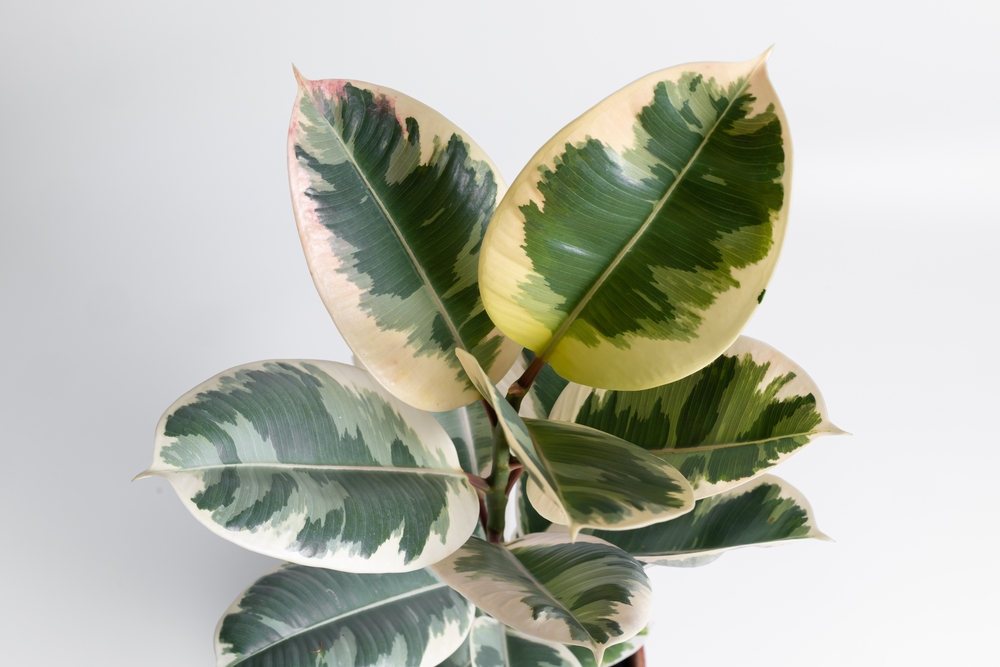
Ficus elastica ‘Tineke’ is a variety of rubber plant with creamy white, green, and sometimes blush coloured patches on its large, sturdy leaves. This contrast makes the leaf surfaces very appealing in rooms with plenty of ambient light. Native to India and Indonesia, it is grown widely as a houseplant, where it brings both scale and colour. The trunk can become quite thick over time, and leaves may remain a focal point even as the plant grows upwards.
The pattern can change subtly as leaves age, adding dynamic variation to its presence in a collection. Its moderate care requirements, requiring bright but not direct light, make it suitable for many plant owners. Regular wiping of the leaves helps keep the pattern clear and dust-free. For those who enjoy patterns that play with light and tone, this rubber plant variety can be a very attractive choice.
Stromanthe sanguinea (Triostar Stromanthe)
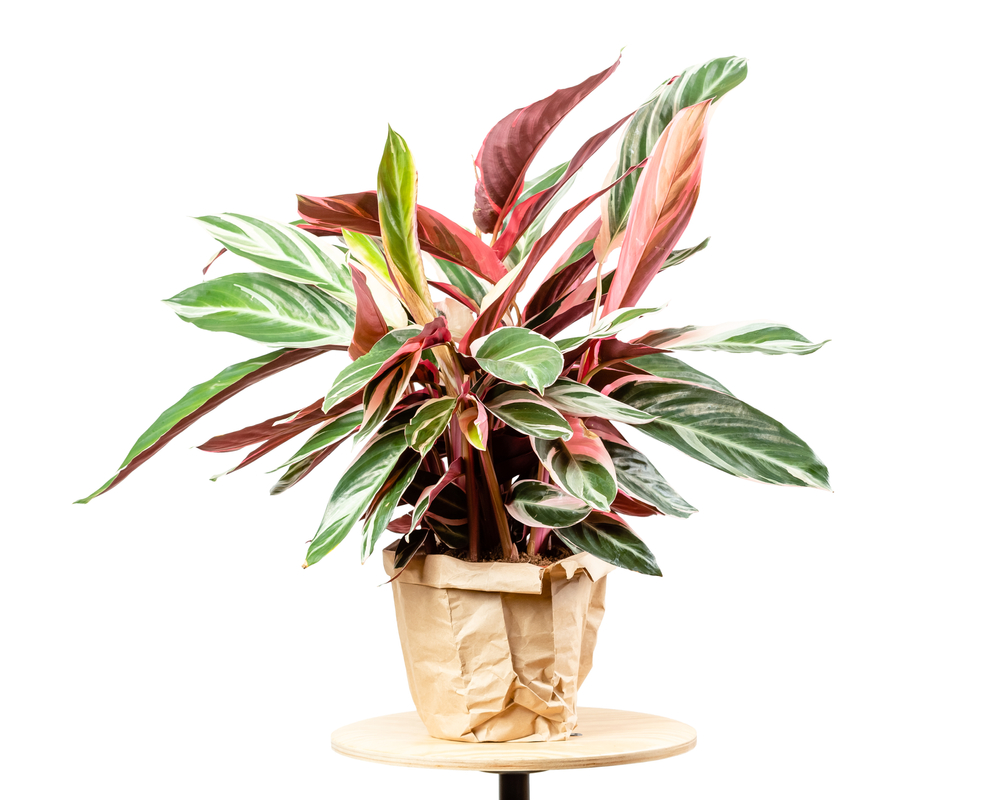
Stromanthe sanguinea, often known as Triostar Stromanthe, features bold leaves with stripes of pink, cream, and green that create an exuberant foliage display. This plant belongs to the same family as prayer plants and shows off gorgeous colours that can brighten indoor plant arrangements. Its leaves may fold or move slightly with changes in light, adding an element of dynamic motion to its display. Many people grow it in bright, indirect light where the colourful patterning can stay sharp and vibrant.
While it enjoys high humidity, care will reward growers with leaves that maintain a lively look throughout the year. Soil that remains slightly moist helps prevent leaf browning and keeps colours rich. Triostar Stromanthe works well as a standout piece in a plant collection where patterned leaves are the focus. Its lively combination of hues makes it feel like a burst of tropical colour in any room.
Caladium (Caladium bicolor)
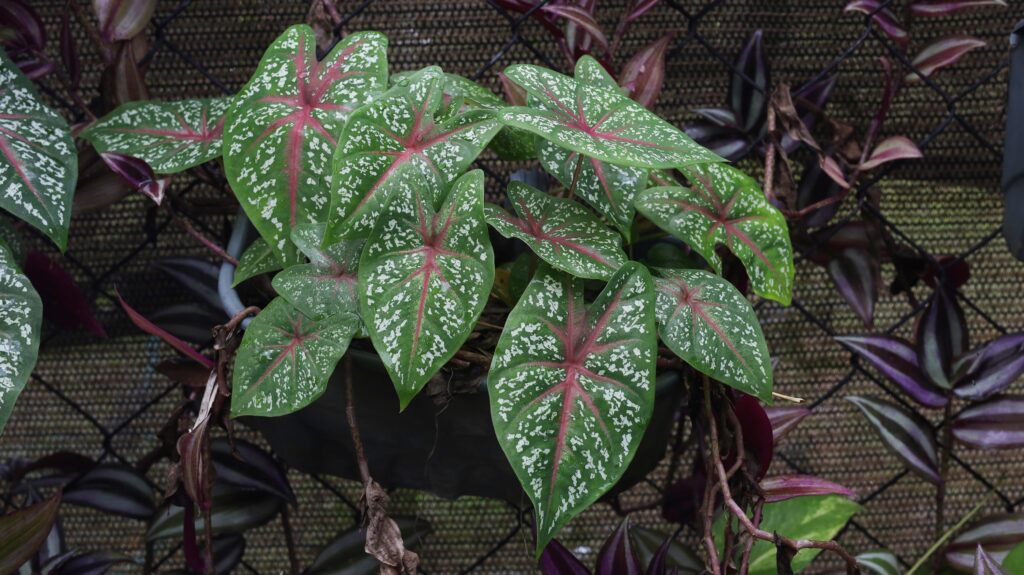
Caladium produces large, heart shaped leaves with a kaleidoscope of colours, including reds, whites, greens, and pinks arranged in eye catching patterns. These tropical plants come from rainforests of Central and South America and are often grown for their vibrant leaf design rather than blooms. The leaves can spread wide, making them a dramatic presence in gardens, containers, or indoor plant collections. Many growers place them where they receive bright, diffused light to keep colours vivid and prevent scorching
Caladium leaves can vary significantly from one plant to the next, giving each specimen its own character. They prefer warm temperatures and regular moisture to keep patterns crisp and leaves firm. These plants can become a visual anchor in a foliage collection because of their large, patterned leaves. For those interested in bold colour combinations and dramatic foliage display, Caladium offers an excellent option.
This article originally appeared on Avocadu.