
17 Plants with Flowers So Unusual People Think They’re Fake
When it comes to the world of plants, some flowers are so extraordinary they can easily be mistaken for artificial creations. From blooms that resemble animals to flowers with colors and shapes unlike anything you’d expect in nature, these plants challenge our understanding of what flowers can look like. They catch the eye with their bold appearances and leave a lasting impression on anyone who encounters them. Whether it’s a flower that mimics the face of a monkey or one that looks like a floating lantern, nature has a way of surprising us with its creativity. These unusual flowers not only add a unique touch to any garden but also spark curiosity in anyone lucky enough to spot them.
This post may contain affiliate links, which helps keep this content free. Please read our disclosure for more info.
Corpse Flower (Amorphophallus titanum)

The corpse flower, also known as the titan arum, is famous for its massive bloom and its distinct, unpleasant odor, which some say resembles rotting flesh. This plant, native to the rainforests of Sumatra, Indonesia, can grow up to 10 feet tall and has a flower that blooms only once every few years. The bloom itself is an impressive spectacle, with its deep purple and maroon colors forming a large, umbrella-like shape. Despite its overwhelming smell, the flower attracts a variety of pollinators, particularly carrion beetles, which are drawn to the scent.
The blooming process is incredibly rare, often only lasting a few days, adding to the plant’s mystique. Due to its size and the rarity of its blooms, the corpse flower has become a popular attraction at botanical gardens around the world. The flower is an example of nature’s ability to blend beauty with the bizarre, making it a plant that people often mistake for a fake creation.
Ghost Orchid (Dendrophylax lindenii)
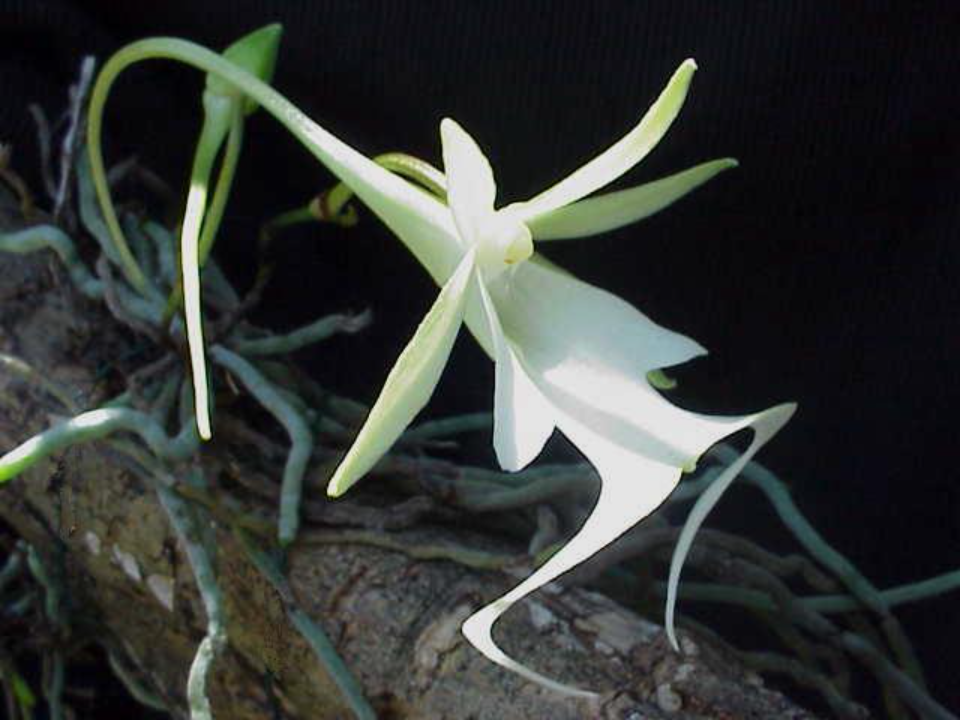
Native to the swamps and forests of Florida and the Caribbean, the ghost orchid is a rare and enigmatic flower that has a delicate, ethereal appearance. Its translucent white petals and long, slender shape seem to float in the air, making it look almost otherworldly. The flower is difficult to spot in the wild due to its tendency to grow in remote, shaded areas, adding to its allure.
This plant is also known for being extremely challenging to cultivate, which makes it even more coveted by collectors. The ghost orchid’s unusual structure allows it to attract a specific type of pollinator, the giant sphinx moth, which has the right length of proboscis to reach the flower’s nectar. Despite its beauty, the ghost orchid is a protected species, as its numbers have dwindled in the wild. It is often seen as a symbol of mystery and fragility in the plant world.
Bat Flower (Tacca palmata)
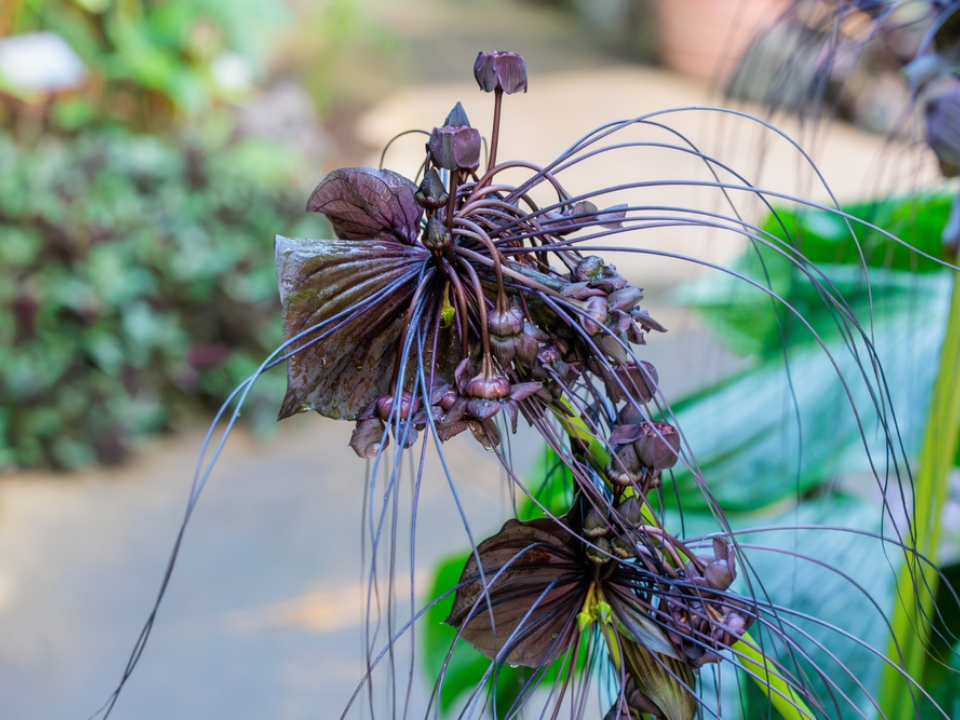
The bat flower, native to Southeast Asia, gets its name from its unique resemblance to a bat in flight. The flower features long, dark whiskers that extend from the bloom, giving it the appearance of bat wings. The flower itself is dark purple or black, adding to its dramatic look. The bat flower thrives in humid, tropical environments, often growing in shaded areas.
It can grow quite large, with blooms reaching up to 12 inches in diameter. The plant is pollinated by insects that are attracted to its strong, musky scent. Though it may look like something straight out of a fantasy world, the bat flower is a real, living plant that continues to captivate anyone lucky enough to witness its blooms.
Dutchman’s Pipe (Aristolochia macrophylla)
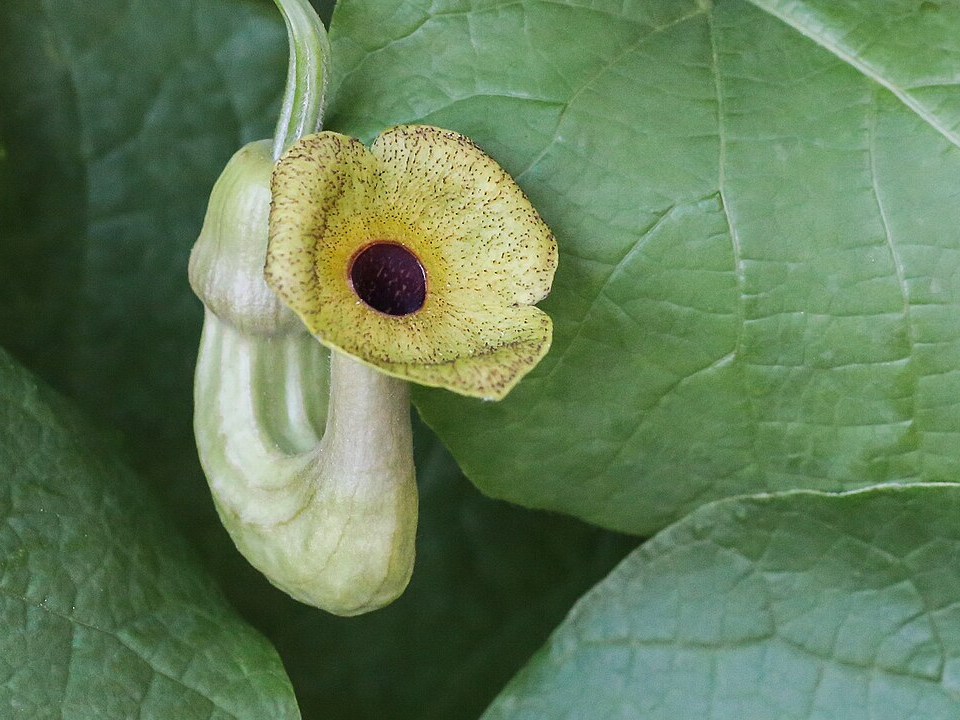
The Dutchman’s pipe is a unique flowering vine native to North America. Its flowers are shaped like long, curved pipes that resemble the traditional smoking pipes of old. The blooms are typically a deep purple or brown, and they release a strange odor to attract their primary pollinators flies. The flowers bloom in the summer and have a distinctive tubular shape that looks like something one would expect to see in a fantasy novel.
While the flower’s scent is not pleasant to humans, it is quite effective in luring flies that help with pollination. The plant can be grown as an ornamental vine, adding an element of mystery to gardens with its unusual flower structure. Its whimsical appearance often causes confusion, with many people wondering if the flowers are part of a fake display.
Chilean Lantern (Crinodendron hookerianum)
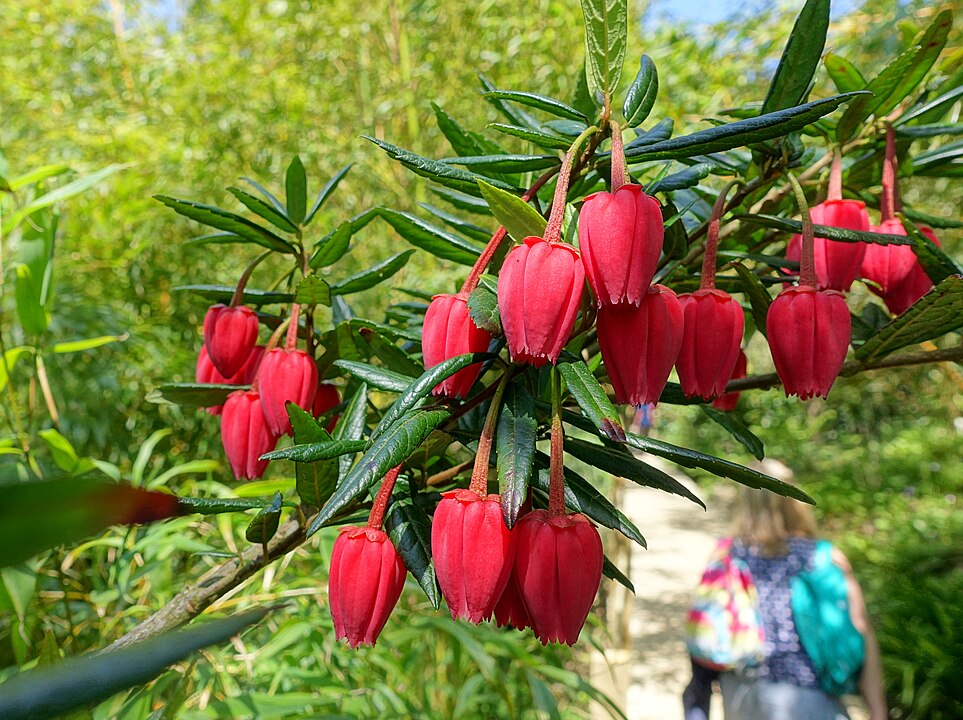
The Chilean lantern is a shrub native to the forests of Chile, known for its lantern-shaped flowers. The blooms appear in clusters and are typically bright red, resembling tiny lanterns that hang from the plant’s branches. This unusual flower is often mistaken for an artificial decoration due to its vibrant color and unique shape.
The plant blooms in late spring to early summer, and the flowers are prized for their striking appearance. While they do not have a strong fragrance, the flowers attract a variety of birds, including hummingbirds, which are drawn to their color. The Chilean lantern thrives in well-drained soil and can be grown in temperate climates. Its curious and bright blooms make it a conversation piece in any garden.
Jade Vine (Strongylodon macrobotrys)

Native to the Philippines, the jade vine is a breathtaking flower known for its striking turquoise color. The plant’s blossoms are suspended in long, hanging clusters and resemble the shape of claw-like structures, which contribute to their extraordinary appearance. The jade vine blooms in the spring and attracts a variety of pollinators, especially bats, due to its unique shape and color.
The flower’s vivid hue makes it stand out in tropical gardens, often catching the eye of anyone nearby. Its unusual color is caused by a pigment called anthocyanin, which gives the flowers their bluish tint. Though the plant is rare in the wild, it has been cultivated in gardens around the world for its beauty. Its remarkable appearance often causes people to question whether such a flower could be real.
Parrot Flower (Impatiens psittacina)

The parrot flower is native to Southeast Asia and is renowned for its shape, which closely resembles the face of a parrot. The flower has bright colors, typically purple, red, and yellow, and its petals are designed to resemble a bird’s beak. The plant blooms in the monsoon season, attracting pollinators that are drawn to its vibrant appearance.
The flower’s unique shape and striking colors have made it a favorite among plant enthusiasts. However, despite its popularity, the parrot flower is rare and hard to find in the wild. Cultivating it in gardens is difficult, and it is often found only in botanical gardens where conditions are controlled. Its unusual form has led many to believe it is a man-made creation.
Lady’s Slipper Orchid (Cypripedium spp.)
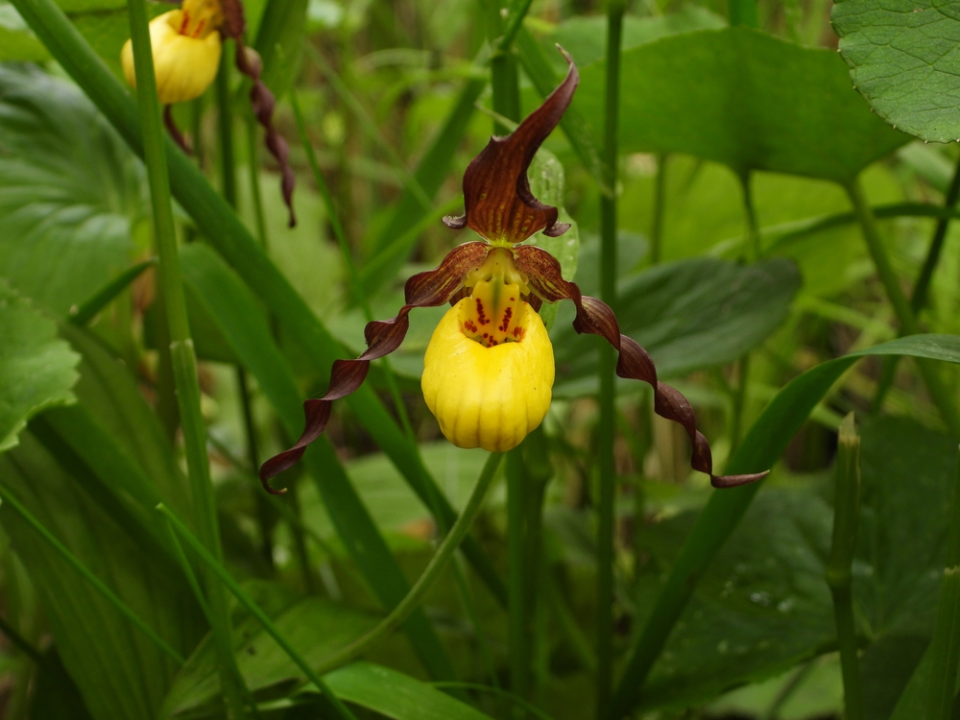
Lady’s slipper orchids are a genus of orchids known for their unique, slipper-shaped blooms. These flowers are often found in North America and Europe, where they grow in woodlands and meadows. The flower’s pouch-like shape and intricate color patterns make it one of the most eye-catching plants in the orchid family. The blooms are typically large and can range in color from white and yellow to purple and pink.
Lady’s slipper orchids attract a variety of pollinators, especially bees, which are drawn to their sweet fragrance. The plant is relatively rare and difficult to cultivate, which adds to its allure. Its unusual form and striking beauty make it a standout in any garden, often mistaken for an ornamental, artificial flower.
Sensitive Plant (Mimosa pudica)

The sensitive plant, or Mimosa pudica, is well known for its unusual reaction to touch. The plant’s leaves fold up when disturbed, creating the illusion that the plant is “shrinking” in response to stimuli. This fascinating movement, along with its delicate pink, ball-shaped flowers, makes the sensitive plant a curious addition to any garden. The plant is native to Central and South America but has spread to tropical and subtropical regions worldwide.
The flowers, though small, are highly attractive to bees and other pollinators. The sensitive plant’s rapid leaf movements and vibrant flowers create an interactive experience for anyone who comes into contact with it. Due to its unique behavior, many people initially think it is a fake plant designed to mimic animal-like reactions.
Bleeding Heart (Lamprocapnos spectabilis)

The bleeding heart is a striking perennial that gets its name from its heart-shaped flowers, which feature a droplet at the bottom, resembling tears. Native to Asia and North America, this plant blooms in early spring, offering an eye-catching display of pink, white, or red flowers that dangle from arching stems. The delicate petals create the illusion of a heart with a “tear” falling from it, making it a favorite in gardens and floral arrangements.
Its unusual shape and vibrant colors often lead people to assume the flowers are artificial. The plant thrives in shaded or partially shaded areas and prefers moist, well-drained soil. The bleeding heart has a long history in gardening and is a symbol of love and affection in various cultures. Its whimsical and tender appearance is part of what makes it so unique.
Lobster Claw (Heliconia rostrata)
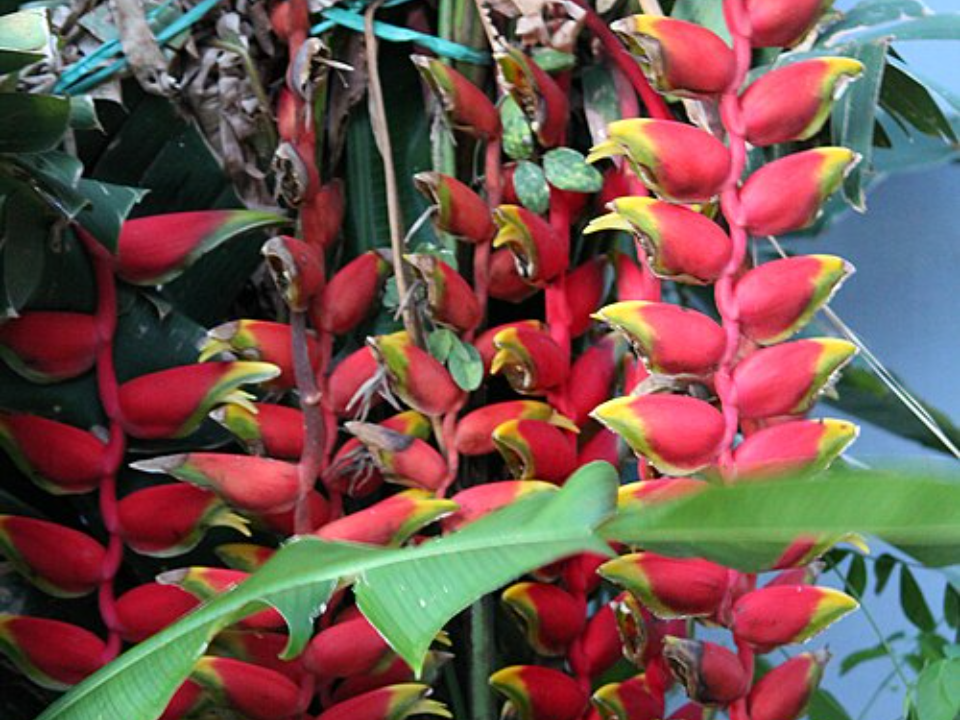
The lobster claw is an exotic plant native to the tropical regions of the Americas, particularly Central and South America. Its flowers resemble the claw of a lobster, with bright red, orange, and yellow bracts that create a striking, unusual shape. The plant’s blossoms are small and protected by the bracts, which makes them look like they are emerging from the lobster’s claws. The lobster claw plant thrives in humid, tropical environments, often growing in shaded areas.
It is pollinated by hummingbirds, which are attracted to the vibrant colors and nectar-rich flowers. This plant has a distinct, almost artificial look, leading many to believe it is a decorative piece rather than a living organism. Its vibrant, unusual appearance adds a unique touch to any tropical garden.
Cobra Lily (Arisaema triphyllum)
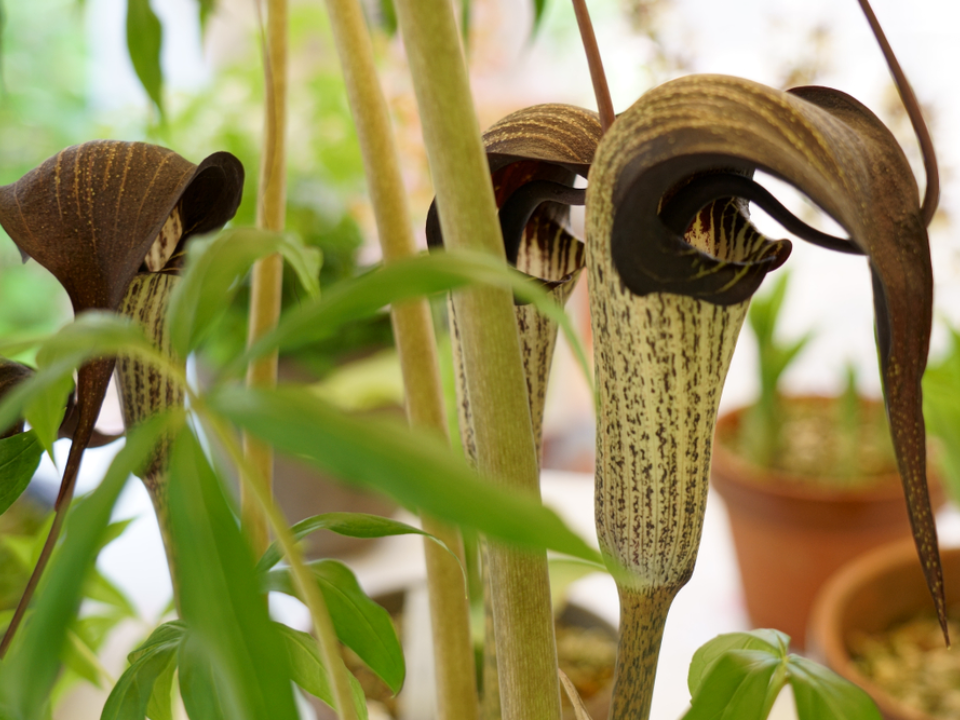
The cobra lily, also known as Jack-in-the-pulpit, is a fascinating plant native to North America. Its flower features a hood-like structure, which is shaped like a cobra’s head, hence its name. The plant blooms in spring and early summer, with the spadix (the central spike) protruding from the hood. The flower can range in color from green to purple, and its unique appearance often causes people to question whether it is real or artificially designed.
The cobra lily attracts pollinators like flies and beetles, which are drawn to its scent, which some compare to rotting meat. It thrives in moist, shady environments, making it an excellent addition to woodland gardens. The striking resemblance to a snake adds to its mystery, making it a standout among unusual plants.
Monkey Face Orchid (Dracula simia)

The monkey face orchid is a rare species of orchid that features flowers shaped like the face of a monkey. Native to the cloud forests of Ecuador and Colombia, the plant blooms with small, brownish-purple flowers that resemble the features of a monkey’s face. The orchid grows in cool, moist conditions and requires specific care, which makes it a challenge to cultivate outside its native environment.
Despite its difficult growing conditions, the monkey face orchid has gained popularity among plant enthusiasts due to its unique appearance. The plant’s flowers are not only a visual curiosity but also emit a faint, pleasant fragrance, adding to its allure. It is often mistaken for an ornamental piece because of its unusual and lifelike appearance. The monkey face orchid’s intriguing and whimsical nature makes it one of the most fascinating flowers in the world.
Snapdragon (Antirrhinum majus)
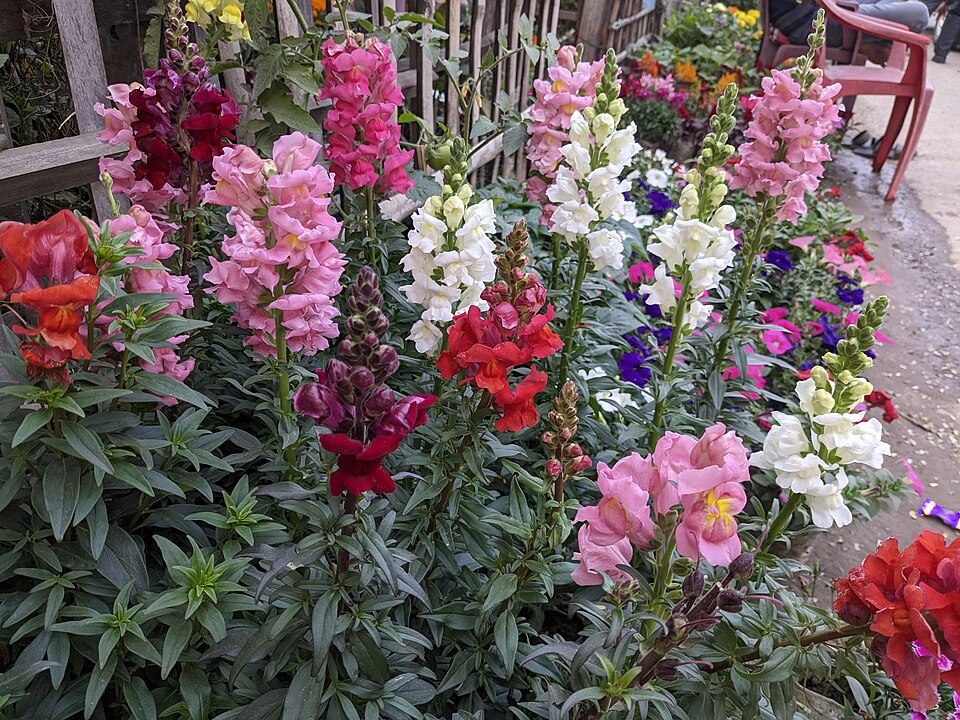
The snapdragon is a colorful, vibrant plant known for its unique flowers that resemble the face of a dragon. When gently squeezed, the flowers open and close, giving the plant its signature look. The plant’s flowers come in a variety of colors, including pink, red, yellow, and white, adding a cheerful touch to any garden. Snapdragons are easy to grow and thrive in sunny, well-drained soil, making them a popular choice for gardeners.
The plant’s name comes from the resemblance of the blooms to a dragon’s mouth, which opens when squeezed. The snapdragon’s playful and whimsical appearance often leads people to think it is a man-made flower rather than a natural one. It is a favorite among children and adults alike for its fun, interactive flower shape.
Tiger Lily (Lilium lancifolium)
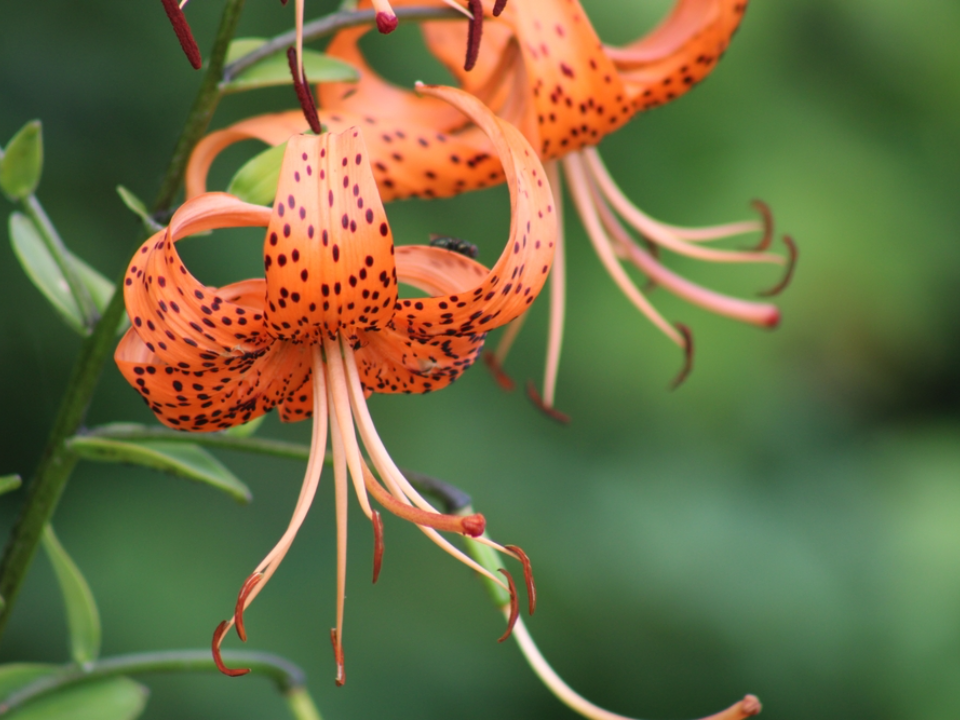
The tiger lily is a bold, striking flower known for its orange petals adorned with black spots, giving it the appearance of a tiger’s coat. Native to Asia, this plant is a perennial that blooms in mid-summer, producing large, trumpet-shaped flowers. The petals curve back to reveal the flower’s central pistil, creating a stunning visual display.
The tiger lily’s bold color and unusual pattern make it one of the most visually captivating plants in any garden. It thrives in well-drained soil and full sun, and it is often used in floral arrangements for its dramatic look. Despite its beauty, the tiger lily is easy to grow and can be a resilient addition to any garden. Its striking appearance often makes it look like an artificial creation, making it a plant that captivates many.
Moth Orchid (Phalaenopsis spp.)
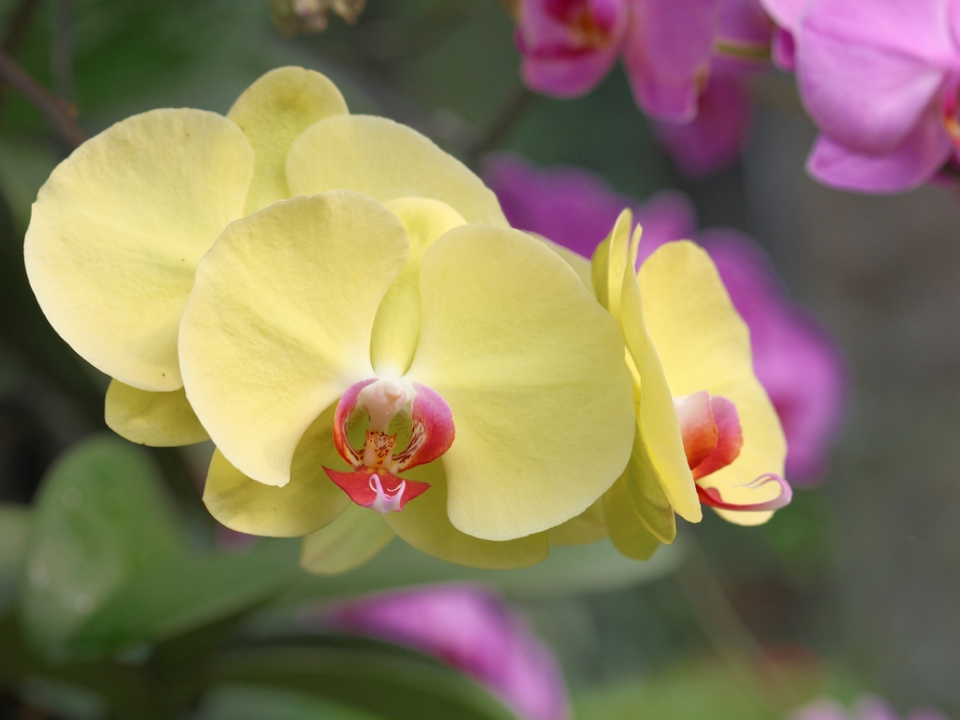
The moth orchid, also known as Phalaenopsis, is one of the most common and popular orchids found in homes and gardens. The plant’s flowers have a distinctive shape, with large, rounded petals that spread out like a moth’s wings. They come in a variety of colors, including white, pink, yellow, and purple, often featuring intricate patterns. The moth orchid’s delicate blooms and long-lasting flowers make it a favorite for floral arrangements and home décor.
These orchids are relatively easy to care for compared to other species, as they thrive in low-light conditions and require minimal maintenance. The moth orchid’s elegance and grace often make it seem like a decorative piece rather than a living plant. Its striking and delicate flowers continue to captivate those who see them.
Bluebell (Hyacinthoides non-scripta)
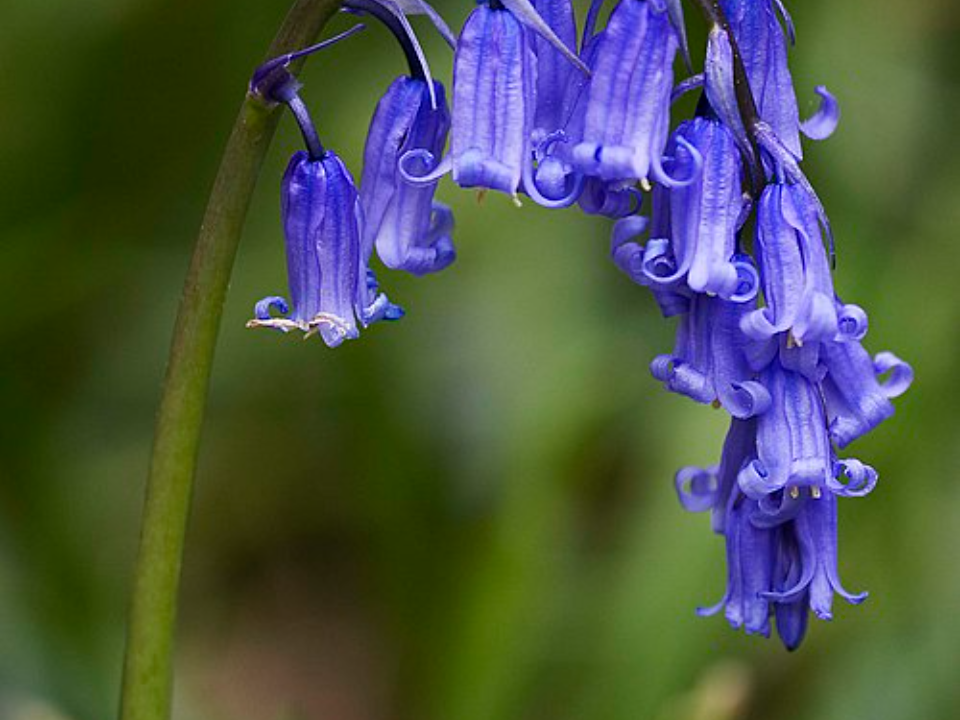
Bluebells are delicate, bell-shaped flowers that bloom in the spring, creating a carpet of blue, purple, or white flowers in woodlands and meadows. The plants grow in clusters, with each flower hanging down like a bell, giving them a soft and elegant appearance. Bluebells are native to Europe and are often found in shaded, damp areas, where they thrive in the cool, spring months.
The flowers have a sweet fragrance, attracting pollinators such as bees and butterflies. While the bluebell’s appearance is simple, the plant’s charm lies in the mass of blooms that cover the ground in a beautiful, ethereal display. The bluebell’s appearance is often likened to something from a fairy tale, and its enchanting look makes it a flower many believe to be fake or artificially created. Its peaceful and delicate blooms continue to be one of the most beloved wildflowers in spring gardens.
This article originally appeared on Avocadu.