
14 Plants That Survive Freezing Cold in Ways That Seem Impossible
Winter can be a tough time for plants, with freezing temperatures and harsh conditions that seem impossible to overcome. Yet, there are some remarkable plants that not only survive but thrive in these extreme climates. These plants have adapted in fascinating ways to endure the cold, showing off their resilience and beauty, even in the frostiest environments. From colorful shrubs to tough trees, these hardy species are capable of withstanding freezing temperatures and snow without missing a beat. Whether it’s their ability to go dormant or their unique protective features, these plants prove that even the coldest winters cannot stop nature’s perseverance. Their survival in such conditions is a testament to the amazing adaptability of plant life.
This post may contain affiliate links, which helps keep this content free. Please read our disclosure for more info.
Winterberry Holly (Ilex verticillata)
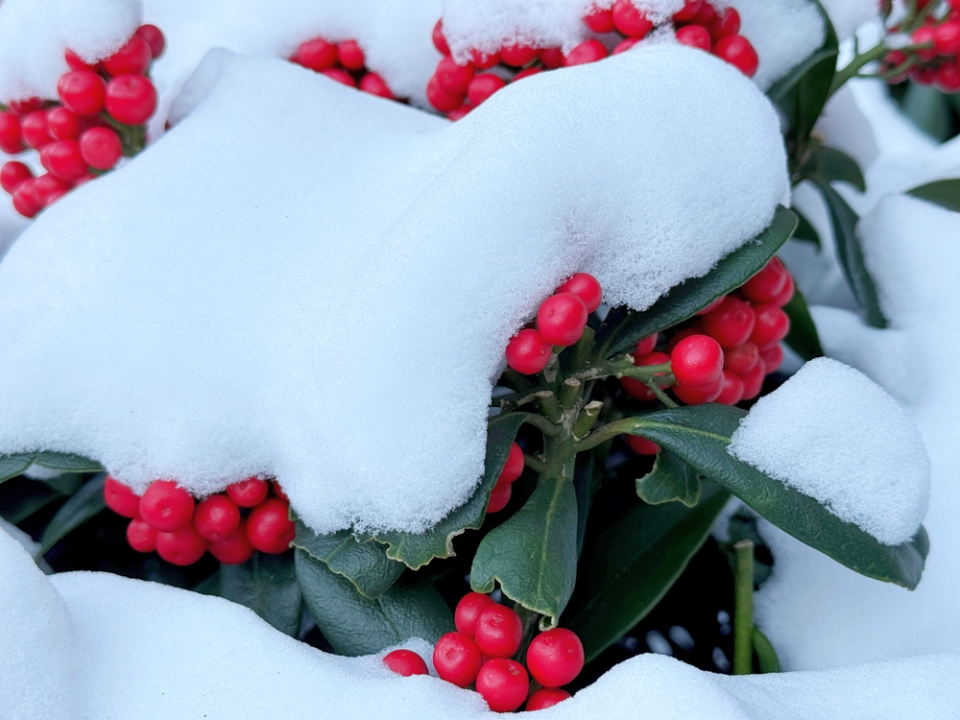
Winterberry Holly is a deciduous shrub that thrives in cold climates, even with freezing temperatures. Known for its bright red berries, this plant provides vibrant color throughout the winter months. The Winterberry can survive temperatures as low as -30°F (-34°C), which is remarkable for a deciduous shrub.
It has adapted to cold weather by entering dormancy during the cold months and can bounce back in the spring. It is also resistant to frost and snow, making it an ideal choice for landscapes in colder regions. Winterberry thrives in wetlands and boggy areas, where it is often found in its natural habitat. This hardy shrub has become popular for its ability to provide winter food for birds, thanks to its persistent berries.
Alpine Aster (Aster alpinus)
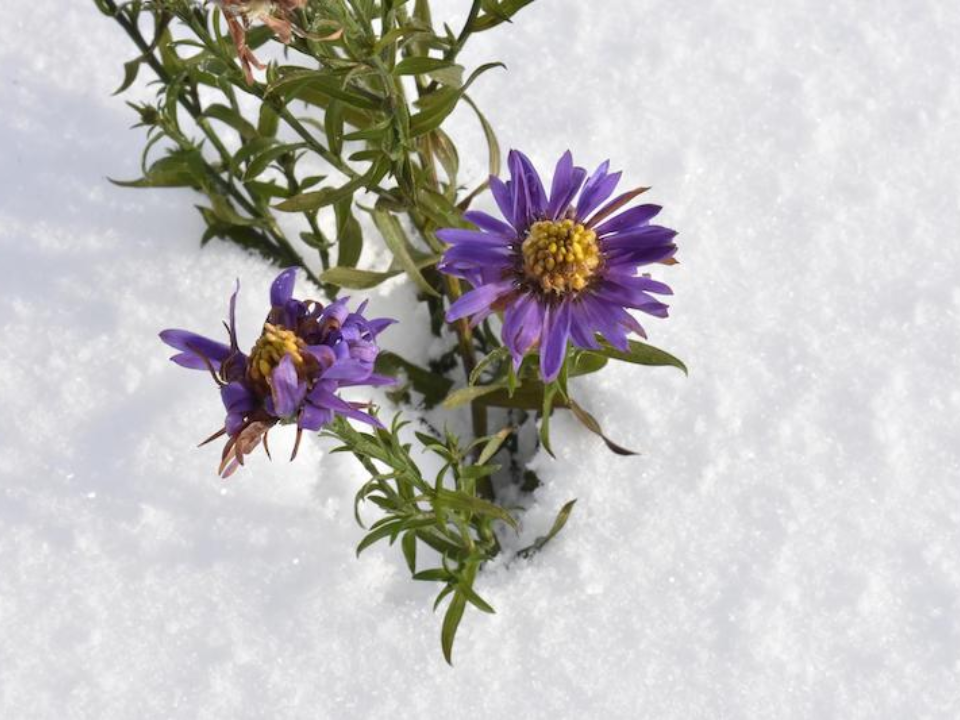
Alpine Aster is a perennial that flourishes in extremely cold climates, such as high mountain ranges. These flowers bloom in late spring to early summer, adding color to cold, rocky environments. Alpine Aster has evolved to tolerate freezing temperatures by having a strong, thick root system that helps it survive the harsh cold.
The plant’s small, tough leaves and flowers are resistant to frost and snow, and it can even survive temperatures as low as -40°F (-40°C). This adaptability allows it to grow in alpine meadows and rock gardens where few other plants can thrive. The Alpine Aster also has deep roots that allow it to access water and nutrients in the tough mountain soils, making it a vital part of the ecosystem in cold climates.
Siberian Iris (Iris sibirica)

Siberian Iris is a resilient flower that can endure freezing conditions with ease. Found naturally in Siberia and parts of Europe, this iris has adapted to extremely cold climates, making it an excellent choice for colder gardens. The plant’s deep roots and thick, sword-shaped leaves help it survive freezing temperatures, and its flowers bloom in late spring, providing a burst of color.
Siberian Iris can withstand temperatures down to -40°F (-40°C) when properly established. It is often used in wetland areas or garden beds where cold, damp conditions are common. This hardy perennial is prized not only for its beauty but also for its ability to thrive in harsh environments where other plants may struggle.
Arctic Willow (Salix arctica)
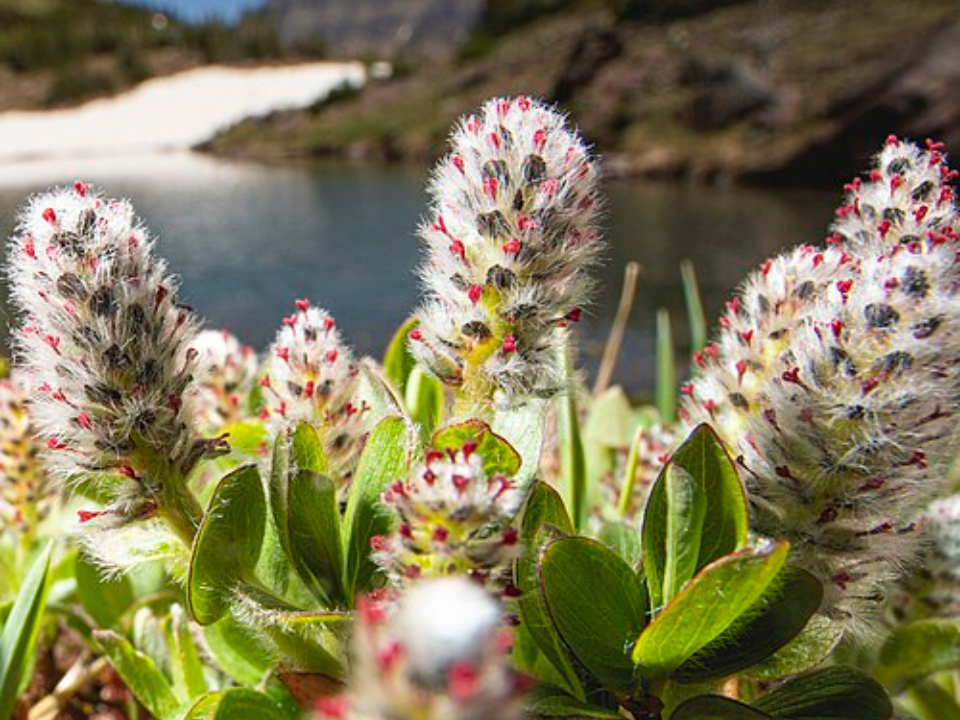
Arctic Willow is a dwarf shrub that grows in the coldest regions of the world, including the Arctic tundra. Despite its small size, this plant can endure some of the most extreme winter conditions. Arctic Willow has adapted to the cold by growing close to the ground and developing a dense mat of stems that protect it from freezing winds and snow.
It is often found in areas where the temperature regularly drops below freezing, surviving even the harshest cold with temperatures as low as -60°F (-51°C). The plant’s ability to survive in the Arctic makes it one of the most cold-tolerant species, and it plays an important role in stabilizing the soil in these fragile ecosystems.
Snowdrop (Galanthus nivalis)
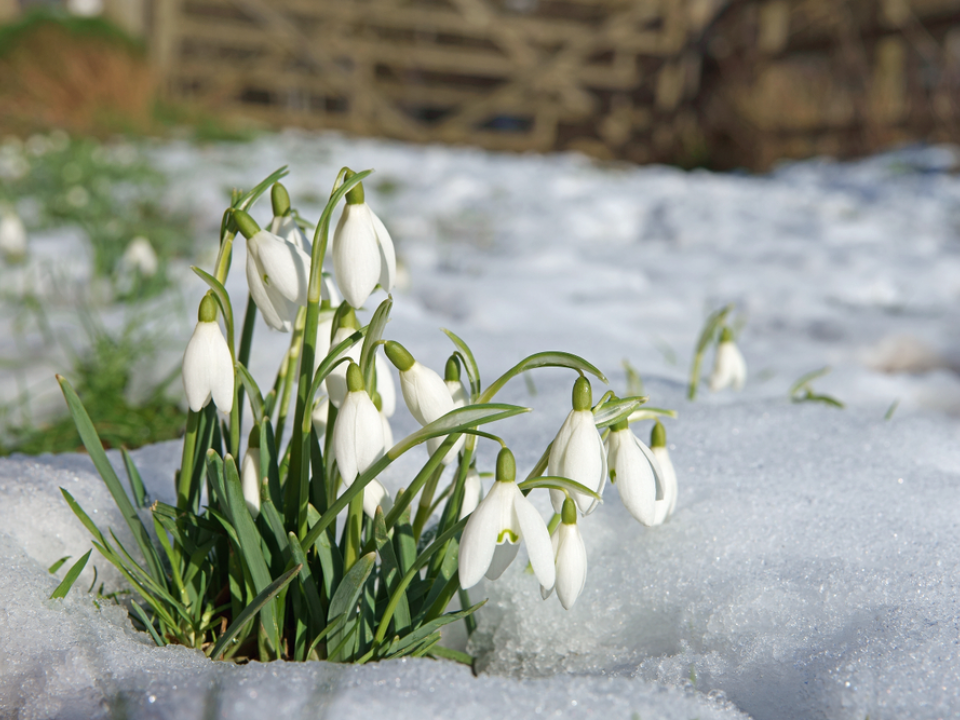
Snowdrop is one of the first flowers to bloom in the spring, often emerging while snow is still on the ground. This early bloomer has the ability to survive freezing temperatures by remaining dormant beneath the frost. Snowdrop can withstand temperatures as low as -20°F (-29°C), and its unique strategy involves pushing through the snow when temperatures begin to warm just enough.
The plant has developed a cold-resistant structure, allowing it to bloom even in harsh conditions. Its ability to survive the cold makes it a symbol of renewal and hope, as it emerges when most other plants are still dormant. Snowdrop’s resilience to freezing cold temperatures makes it an ideal plant for gardens that experience harsh winters.
Creeping Jenny (Lysimachia nummularia)
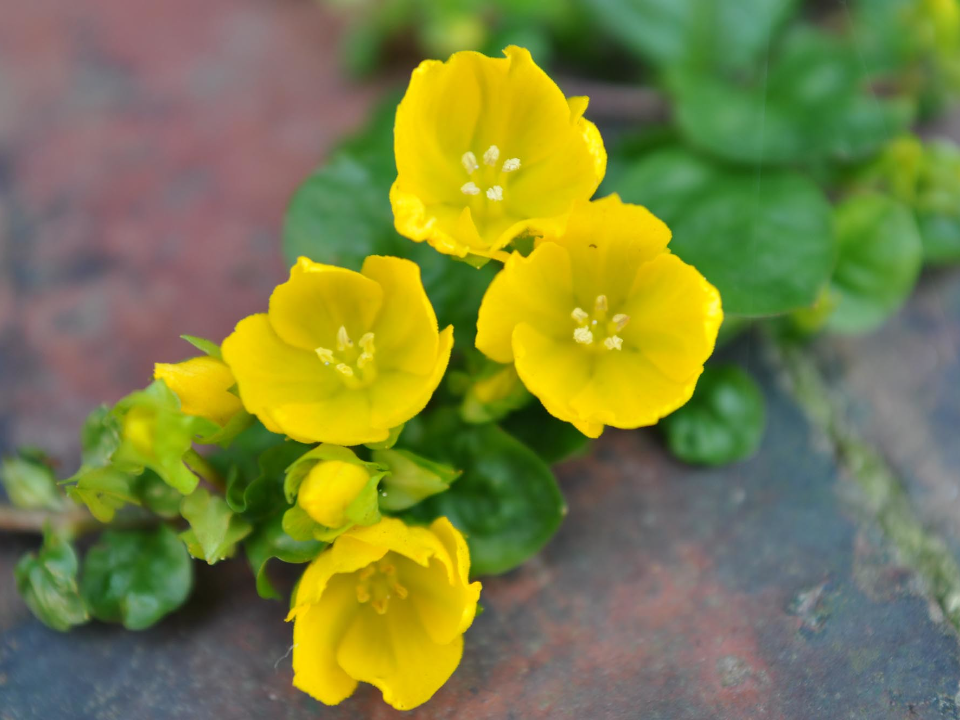
Creeping Jenny is a low-growing perennial that is known for its ability to survive freezing conditions. Native to parts of Europe and Asia, this plant has adapted to cold climates by forming dense mats of leaves that help protect it from the cold. Creeping Jenny is capable of enduring temperatures as low as -30°F (-34°C) when established.
The plant’s ability to spread quickly and cover the ground makes it ideal for winter ground cover, as it can survive snow and frost while still providing a green presence in the garden. This resilience allows Creeping Jenny to thrive in cold climates and shaded areas, where other plants may struggle. Its ability to tolerate freezing temperatures while maintaining its vibrant green foliage makes it a favorite in winter gardens.
Mountain Avens (Dryas octopetala)
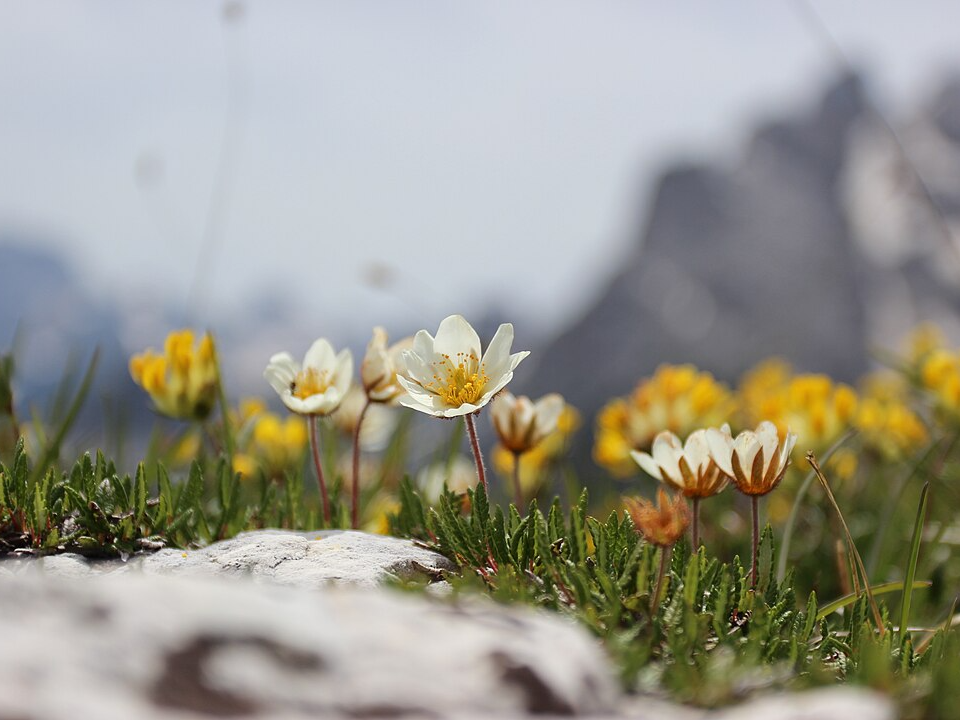
Mountain Avens is a hardy, low-growing plant that thrives in the frigid, rocky environments of the Arctic and mountain regions. Known for its white or yellow flowers, Mountain Avens can survive freezing temperatures as low as -40°F (-40°C). The plant’s adaptation to cold weather includes its ability to grow close to the ground, which helps protect it from freezing winds and heavy snowfall.
Its root system is also deep enough to anchor it in rocky soil, ensuring it remains stable in even the harshest conditions. Mountain Avens is often found in alpine meadows and tundra regions, where its resilience to cold and frost allows it to grow in conditions that would otherwise be inhospitable to most plants.
Woolly Thyme (Thymus pseudolanuginosus)
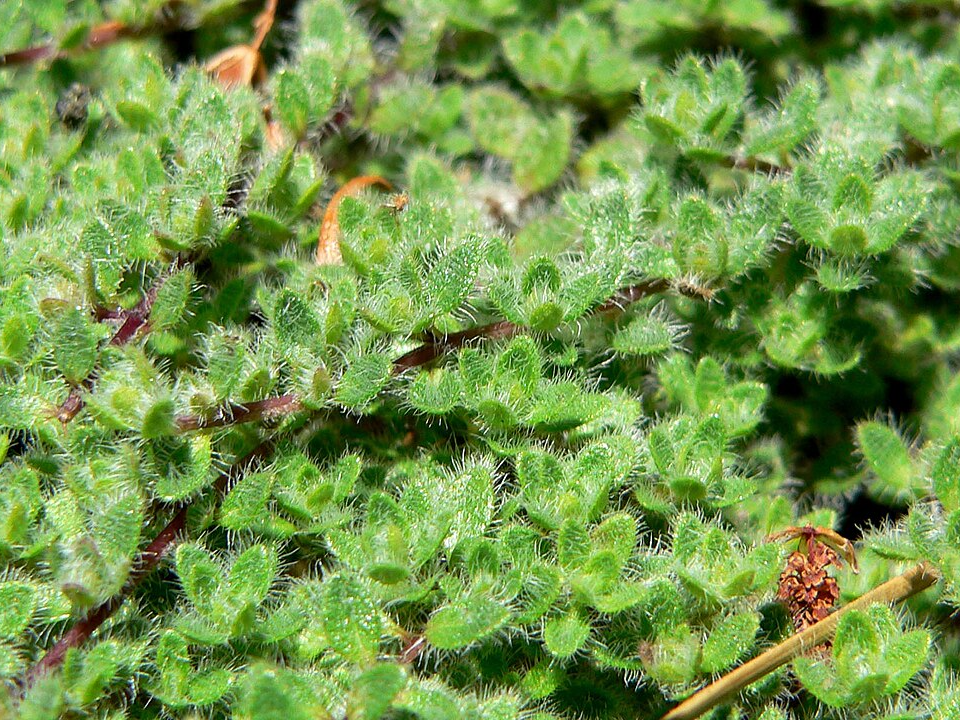
Woolly Thyme is a creeping perennial that thrives in cold, alpine environments. It is well-known for its ability to withstand freezing temperatures and even snow. This hardy herb is able to survive extreme cold by growing in a dense, mat-like structure that helps protect it from the elements.
Woolly Thyme can endure temperatures as low as -30°F (-34°C), making it perfect for use in rock gardens, ground covers, or as a cold-resistant border plant. Its silvery-green leaves and compact size make it an attractive option for gardeners in colder climates. Despite its delicate appearance, Woolly Thyme is a tough plant that can survive long winters and provides a fresh, aromatic fragrance when it is in bloom.
Arctic Poppy (Papaver radicatum)
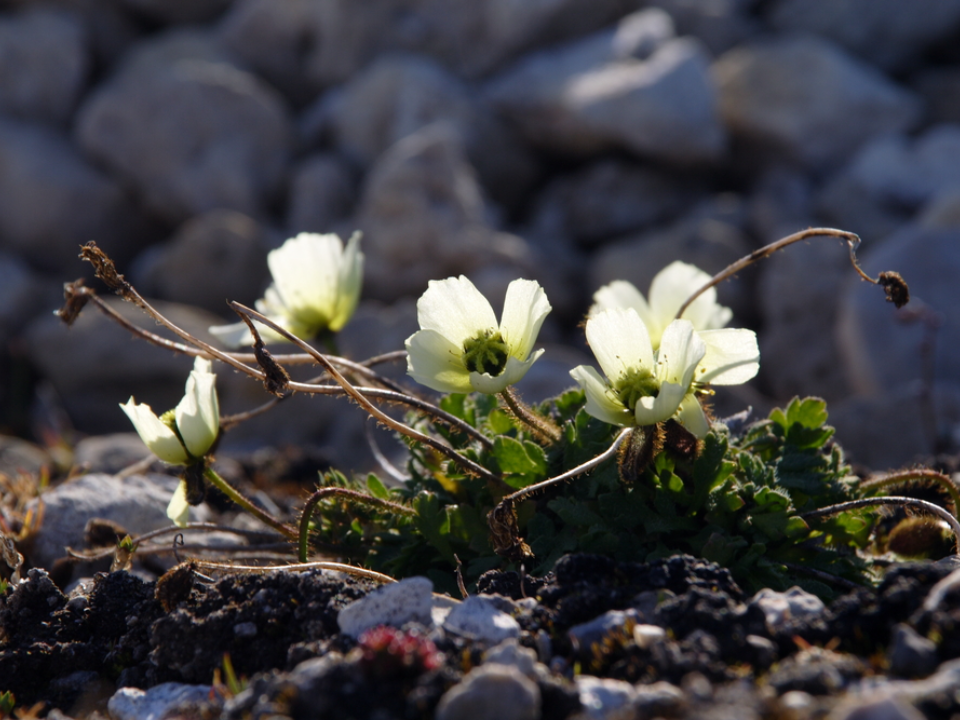
Arctic Poppy is a perennial plant that grows in the coldest regions of the Arctic and high mountains. This hardy flower has adapted to freezing temperatures by developing a tough, leathery texture on its leaves and stems, which helps it retain moisture and resist frost damage.
Arctic Poppy can survive temperatures as low as -50°F (-46°C), making it one of the most cold-resistant flowers in the world. It thrives in rocky soils and has a deep root system that allows it to withstand both freezing temperatures and strong winds. The Arctic Poppy blooms in the summer, providing vibrant yellow or white flowers against a backdrop of snow-covered landscapes. Its ability to survive in the harshest environments makes it an iconic plant of the Arctic tundra.
Red-Twig Dogwood (Cornus sericea)
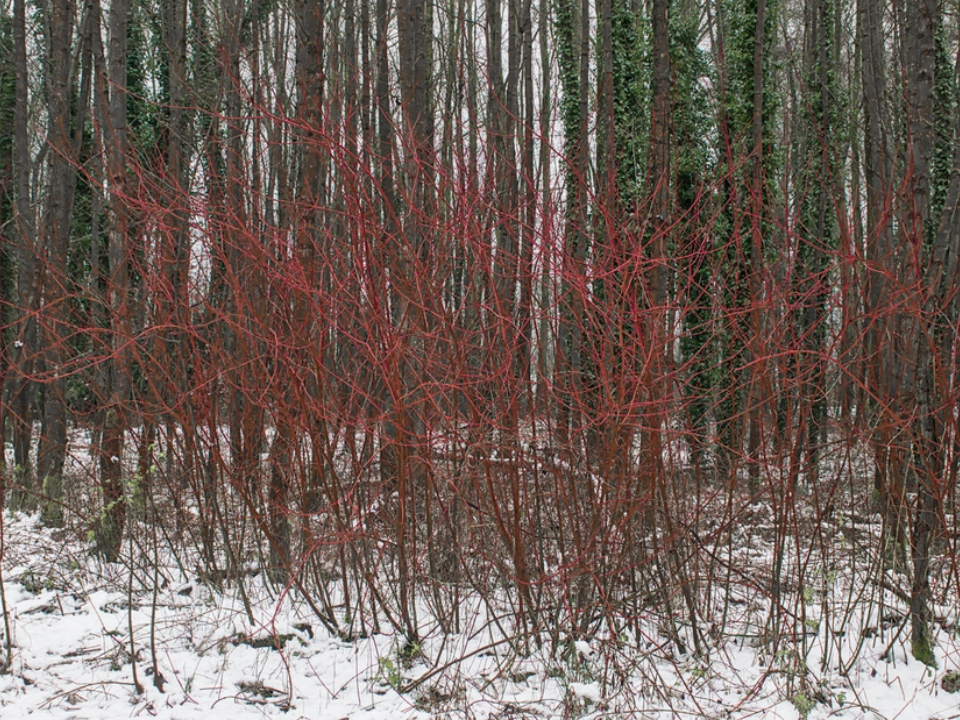
Red-Twig Dogwood is a deciduous shrub that thrives in cold climates and is known for its vibrant red stems, which provide color throughout the winter months. This shrub can survive temperatures as low as -40°F (-40°C), and its ability to withstand freezing conditions makes it a valuable addition to winter gardens.
The plant’s hardy branches are resistant to frost and snow, while its roots allow it to grow in wet, boggy soil. In addition to its cold resistance, Red-Twig Dogwood also attracts wildlife, offering berries that feed birds during the winter. Its ability to adapt to both cold temperatures and wet environments makes it a versatile plant in a variety of garden settings.
Cold-Hardy Lavender (Lavandula angustifolia)
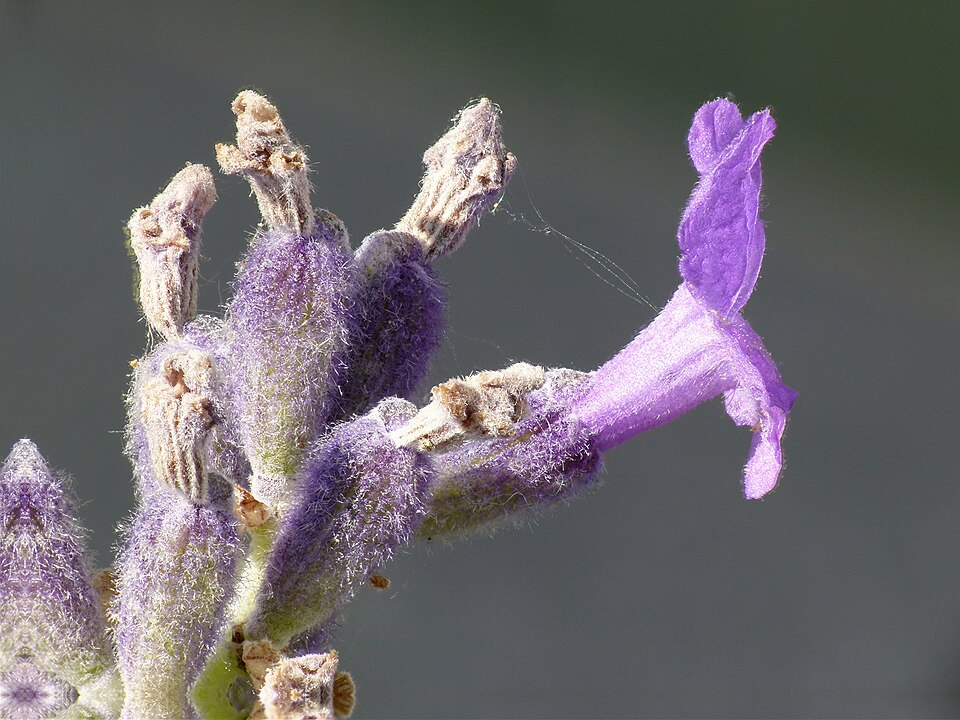
Cold-Hardy Lavender is a variety of lavender that has been specifically bred to thrive in colder regions. Unlike traditional lavender, which prefers warmer climates, this plant can survive temperatures as low as -20°F (-29°C). Cold-Hardy Lavender has a deep root system and can handle snow and frost, making it an excellent choice for gardeners in colder climates.
Its fragrant purple flowers bloom in the summer, providing both beauty and scent to gardens, even in chillier environments. This plant is also drought-tolerant, further adding to its resilience in tough conditions. It is a great option for rock gardens, borders, or containers, where it adds both texture and color to the landscape.
Winter Jasmine (Jasminum nudiflorum)
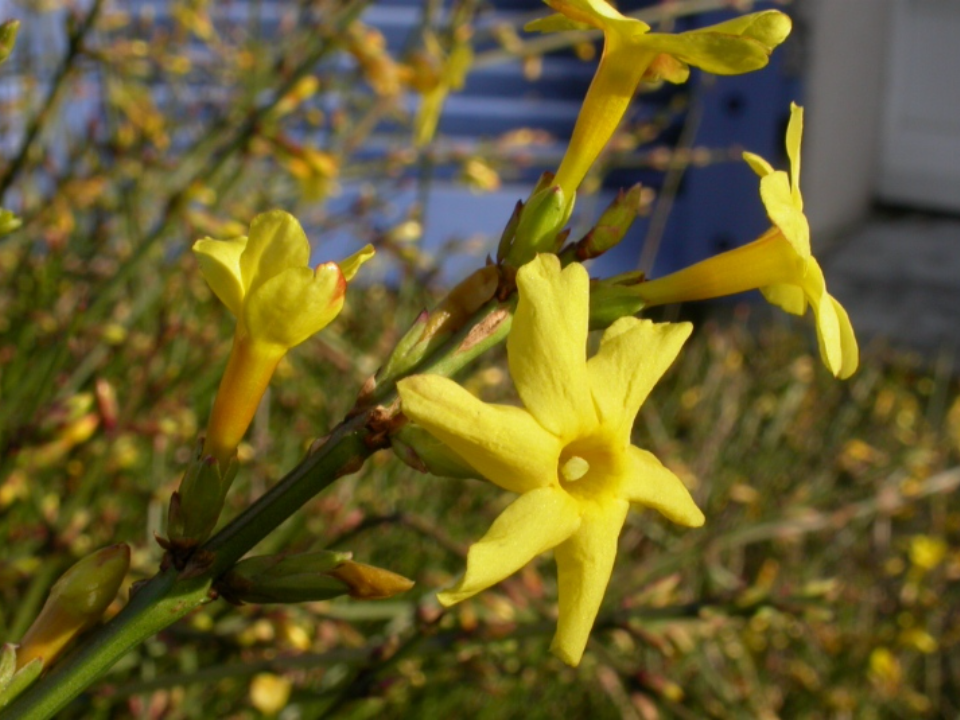
Winter Jasmine is a deciduous shrub that provides vibrant yellow flowers in the dead of winter. Unlike many other plants, Winter Jasmine is known for blooming during the coldest months, adding a burst of color to gardens that would otherwise be bare. This plant can survive temperatures as low as -10°F (-23°C) and is often used to brighten up winter landscapes.
Its ability to withstand freezing conditions and still produce flowers makes it an essential plant for gardens in colder climates. Winter Jasmine is low-maintenance, hardy, and perfect for adding some much-needed brightness to outdoor spaces during the long winter months.
Sweet Fern (Comptonia peregrina)

Sweet Fern is a hardy shrub that thrives in the cold, particularly in the northeastern parts of North America. Despite its name, Sweet Fern is not actually a fern but rather a deciduous shrub known for its aromatic leaves. The plant can survive freezing temperatures as low as -30°F (-34°C), and its resilience to cold makes it an excellent choice for gardeners in colder regions.
Sweet Fern is often found in dry, rocky soils, where its tough roots allow it to survive harsh conditions. The shrub’s ability to thrive in poor soil and freezing temperatures makes it an ideal plant for erosion control in colder climates. Its fragrant leaves are often used in herbal remedies and provide a pleasant scent when crushed.
Labrador Tea (Rhododendron groenlandicum)
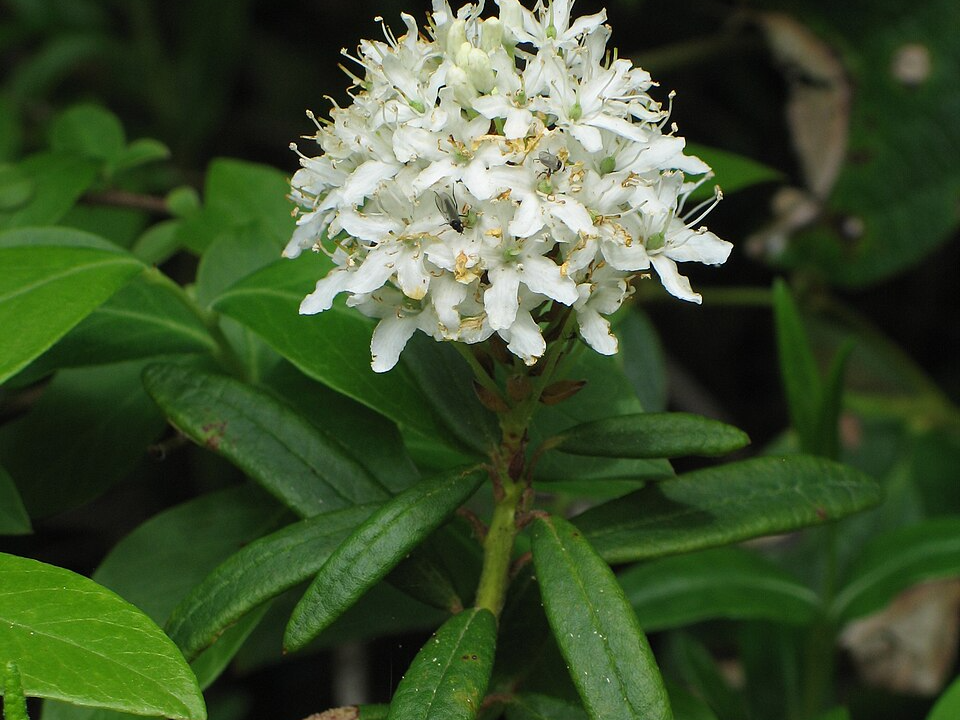
Labrador Tea is a hardy shrub that grows in the coldest regions of North America, including the Arctic and sub-Arctic. Known for its leathery, evergreen leaves, this plant can survive temperatures as low as -40°F (-40°C). It thrives in boggy, acidic soils and is often found in wetlands and tundra regions. Labrador Tea is particularly well-adapted to freezing conditions, with its dense foliage providing insulation against frost.
The plant is also valued for its medicinal properties, with the leaves used to make herbal teas that have been traditionally used to treat a variety of ailments. Its ability to survive extreme cold and provide both beauty and utility makes Labrador Tea a valuable plant for colder climates.
This article originally appeared on Avocadu.