
11 Plants That Stay Green and Full All Winter
While winter often strips landscapes of their vibrancy, certain plants manage to stay full and green. These hardy varieties bring a sense of life to your garden, even when other plants have slowed down. With the right choices, your garden can remain lush and appealing during the coldest months of the year. If you are ready to give your outdoor space some wintertime charm, these plants are perfect for the task.
This post may contain affiliate links, which helps keep this content free. Please read our disclosure for more info.
Boxwood
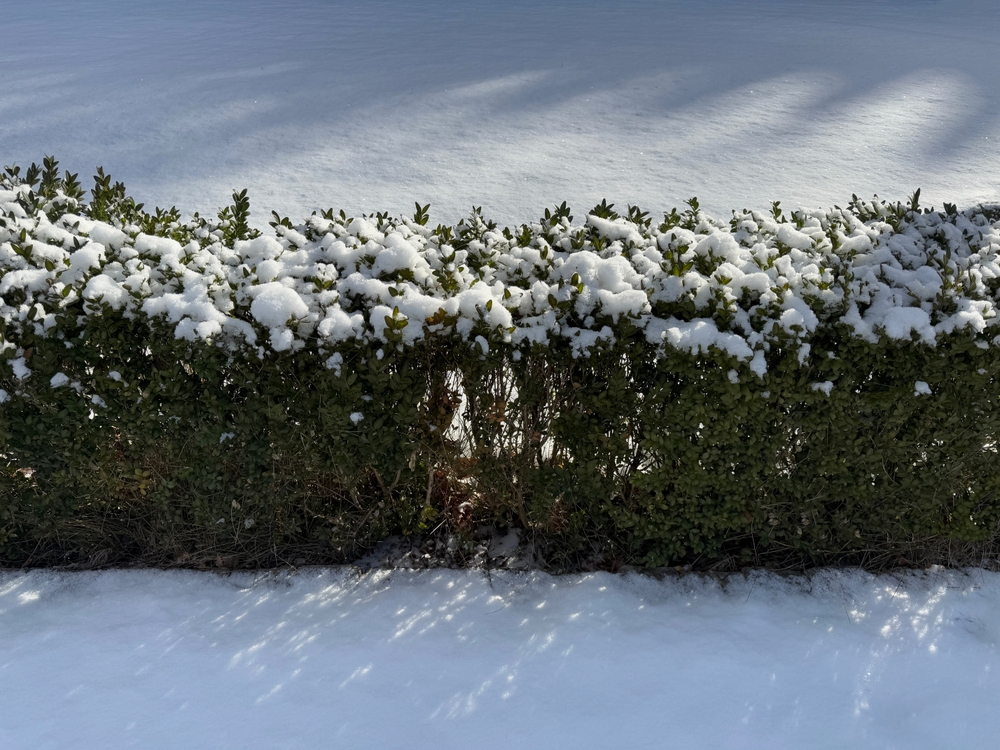
Boxwood is a popular evergreen shrub known for its dense foliage that remains vibrant through winter. Its compact nature makes it an ideal plant for borders, hedges, and even container gardens. Boxwood thrives in a variety of climates, from colder regions to more temperate zones, offering year-round greenery. While it may not flower, its rich green leaves provide texture and structure to any garden throughout the year.
In addition to being hardy in winter, boxwood is low-maintenance, requiring little more than occasional trimming to keep its shape. It can adapt well to different types of soil, and its tolerance to both sun and shade makes it a versatile option. Its resilience in the cold also makes it a favorite for formal gardens and landscapes. Whether used as a background shrub or a decorative element, boxwood remains a staple in winter gardens for its year-round appeal.
Holly
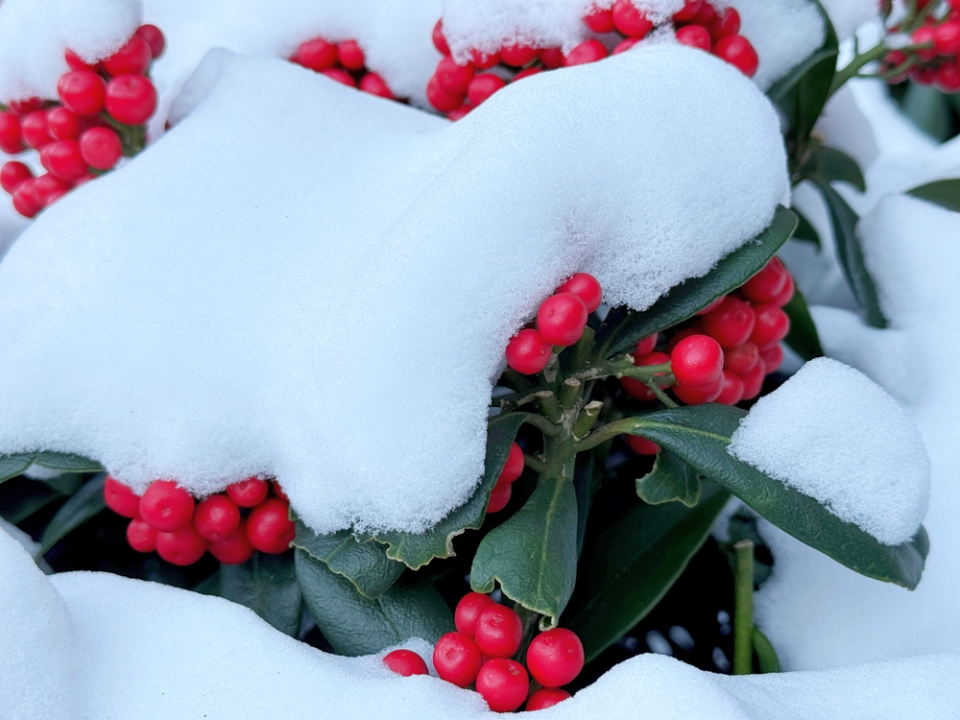
Holly is a classic winter plant that stays full and green throughout the colder months. Known for its glossy, spiny leaves and vibrant red berries, holly adds both color and texture to the landscape. It is especially popular in holiday decorations, often associated with Christmas wreaths and garlands. In the garden, it can grow into a large shrub or small tree, providing a striking focal point all year long.
Holly thrives in a variety of conditions, but it does best in well-drained soil with plenty of sunlight. Its evergreen leaves maintain their color even under frost, providing contrast against winter’s grey skies. Holly also attracts wildlife, such as birds, who enjoy the berries. For gardeners looking to bring both beauty and function to their space, holly is a top choice for winter interest.
Yew
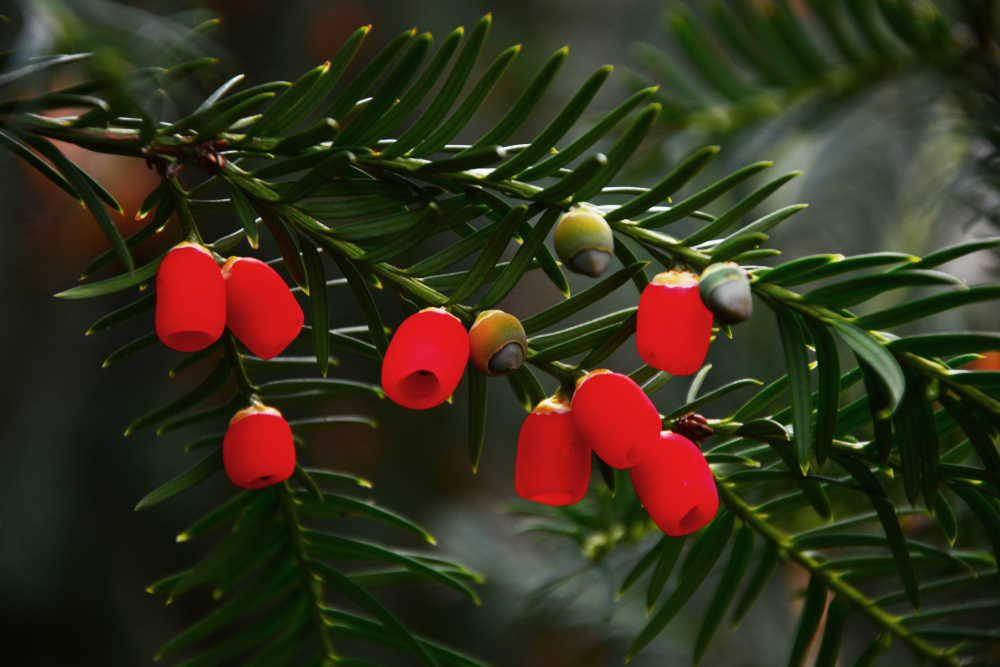
Yew is an evergreen shrub or tree that remains a fixture in gardens throughout the winter. Its dark green needles are dense and provide a rich backdrop for other seasonal plants. Yew can grow in a range of sizes, from compact bushes to towering trees, making it versatile for both small gardens and large landscapes. Its adaptability to different soil types and climates makes it a reliable choice for year-round greenery.
This plant is also known for its slow growth, meaning it requires less frequent pruning, making it low-maintenance. While yew does not flower, its dark green foliage creates a bold statement throughout the colder months. Yew’s resistance to frost ensures it keeps its vibrant appearance despite harsh winter conditions. Whether used in a formal setting or as a privacy screen, yew is a strong contender for adding enduring greenery to your garden.
Juniper
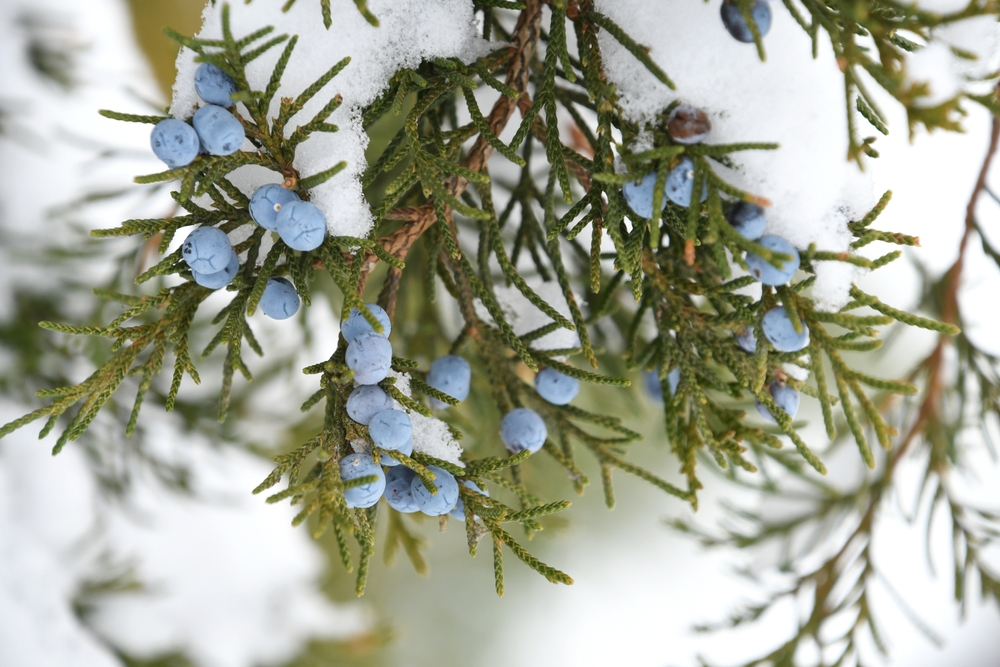
Juniper is a hardy evergreen that provides full coverage all winter long. Its needle-like leaves come in a variety of shades, from blue to green, and some varieties even produce berries, adding another layer of interest to the garden. Junipers grow in many forms, from ground cover to tall trees, making them highly adaptable for various garden styles. Their evergreen nature ensures they stand out during winter, when many other plants lose their leaves.
Juniper thrives in well-drained soil and can tolerate drought, making it an ideal choice for areas with less rainfall. It is also resistant to pests, and its natural shape requires minimal pruning. Whether used as a ground cover or a taller specimen, juniper offers year-round interest and texture. Its ability to thrive in both sun and partial shade makes it a perfect option for different types of landscapes.
Pine

Pine trees are some of the most iconic evergreens, known for their tall stature and needle-like leaves that remain green throughout the year. These trees are available in many varieties, from small shrubs to towering giants. Pines are hardy in colder climates and thrive in a range of soil conditions, making them a great addition to any garden. Their graceful, long needles provide an elegant touch of green during winter, adding both height and structure.
Pine trees are also known for their longevity, making them a long-term investment in any garden. They provide shelter and food for wildlife, including birds and small mammals, who find refuge in their branches. Pines are low-maintenance trees, requiring only occasional pruning to maintain their shape. Whether used in a formal landscape or a natural setting, pines remain a go-to choice for creating a winter wonderland.
Cedar
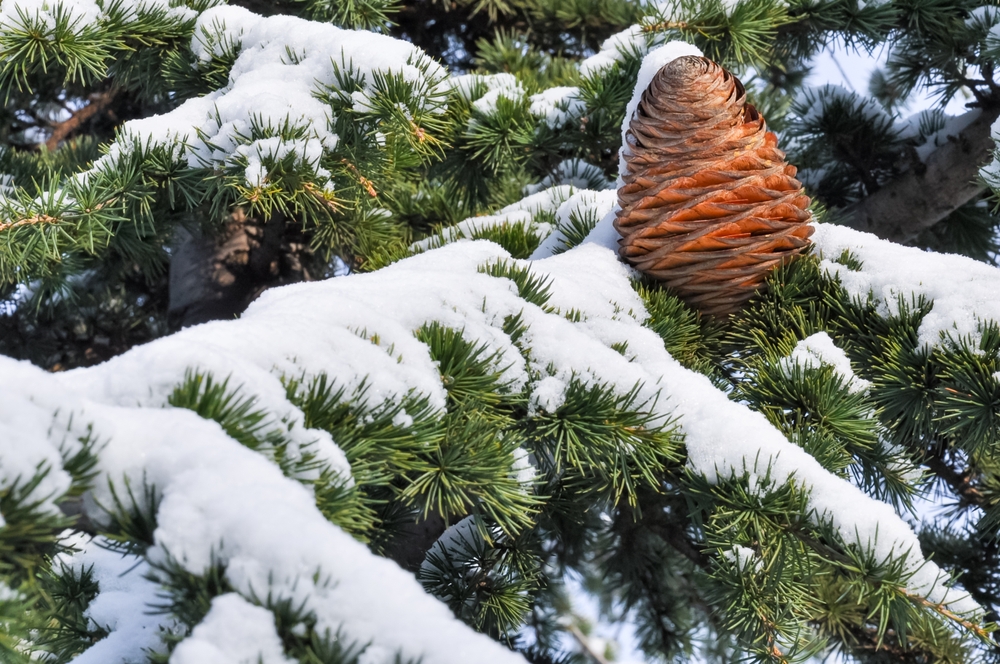
Cedar is another evergreen tree that keeps its lush foliage throughout the cold months. Its soft, scale-like needles form dense, aromatic foliage that is both beautiful and functional. Cedar trees can range from small shrubs to large, majestic trees, offering a variety of sizes for different spaces. They are often used for privacy hedges or as feature trees in gardens, providing privacy and a sense of tranquility.
In addition to its visual appeal, cedar is resistant to both pests and diseases, making it an ideal choice for low-maintenance gardening. Its ability to withstand cold temperatures without losing its vibrant color makes it a dependable option for winter interest. Cedar trees also release a pleasant fragrance when their branches are disturbed, adding a sensory experience to the garden. Whether placed near a patio or as part of a larger landscaping scheme, cedars bring lasting beauty and fragrance throughout the year.
Spruce
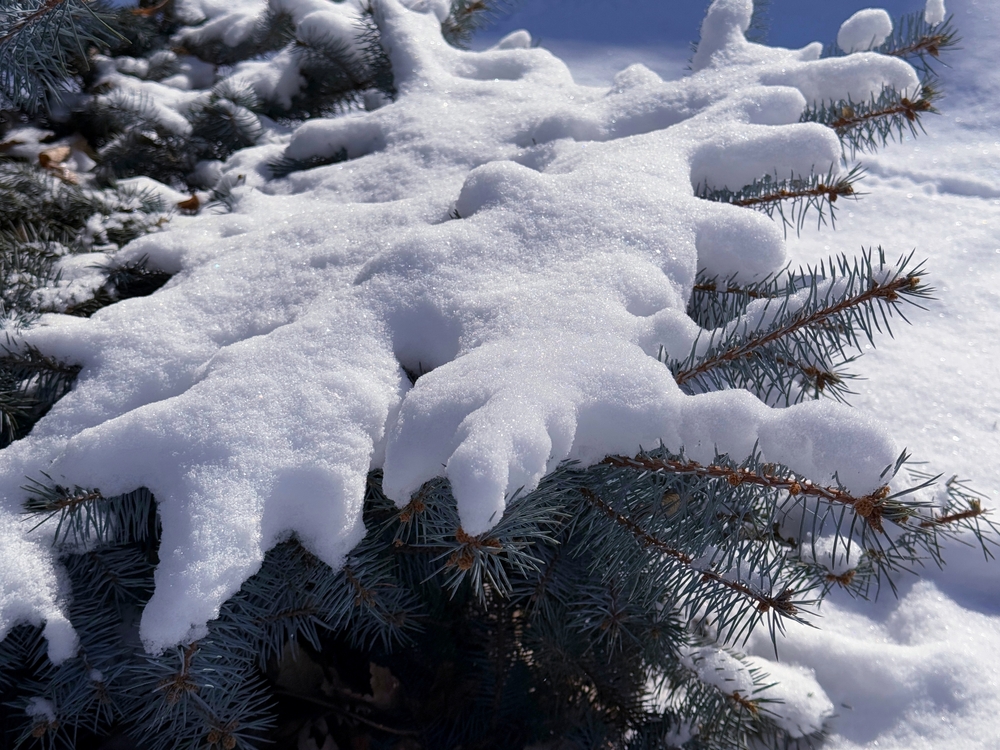
Spruce trees are one of the best options for maintaining a full and green garden throughout winter. Known for their symmetrical shape and dense, needle-like foliage, spruces are a staple in many winter landscapes. These trees thrive in cold climates, making them well-suited for regions with harsh winters. Their vibrant green needles retain their color even in freezing temperatures, ensuring your garden remains lively during the coldest months.
Spruce trees come in various sizes, from dwarf varieties perfect for small gardens to towering giants ideal for larger properties. They provide shelter for wildlife and serve as a backdrop for other plants. Additionally, spruces have a natural conical shape, which adds visual interest to the garden. These trees are incredibly hardy and require little care beyond occasional trimming, making them an excellent choice for gardeners looking for a robust winter plant.
Rhododendron
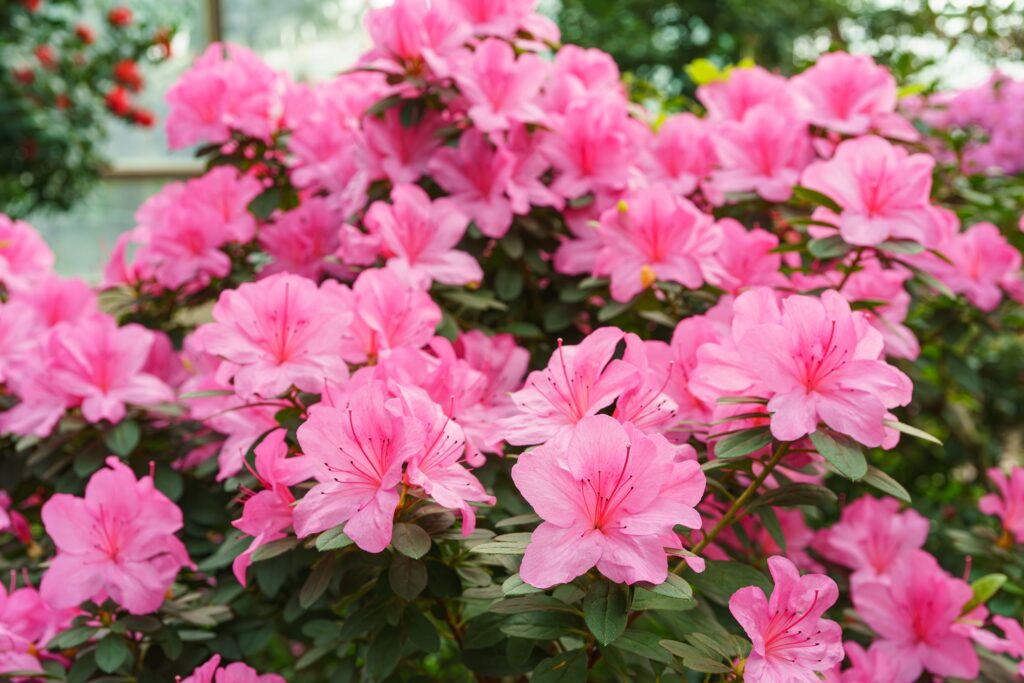
Rhododendrons are another popular choice for gardens looking to stay green all winter. These evergreen shrubs are well-known for their large, leathery leaves and stunning blooms in the spring. Even in winter, the foliage remains lush and vibrant, offering a touch of color during the dreary months. Rhododendrons come in various sizes, from compact bushes to towering trees, making them suitable for various garden styles.
Rhododendrons prefer acidic, well-drained soil and thrive in partially shaded areas. Their glossy leaves stand out against the winter landscape, providing contrast to the often bare surroundings. These plants are also resistant to cold weather, making them ideal for areas with harsh winters. Their ability to thrive year-round while offering springtime blooms makes them a fantastic choice for gardeners looking for both winter color and seasonal flowers.
Camellia
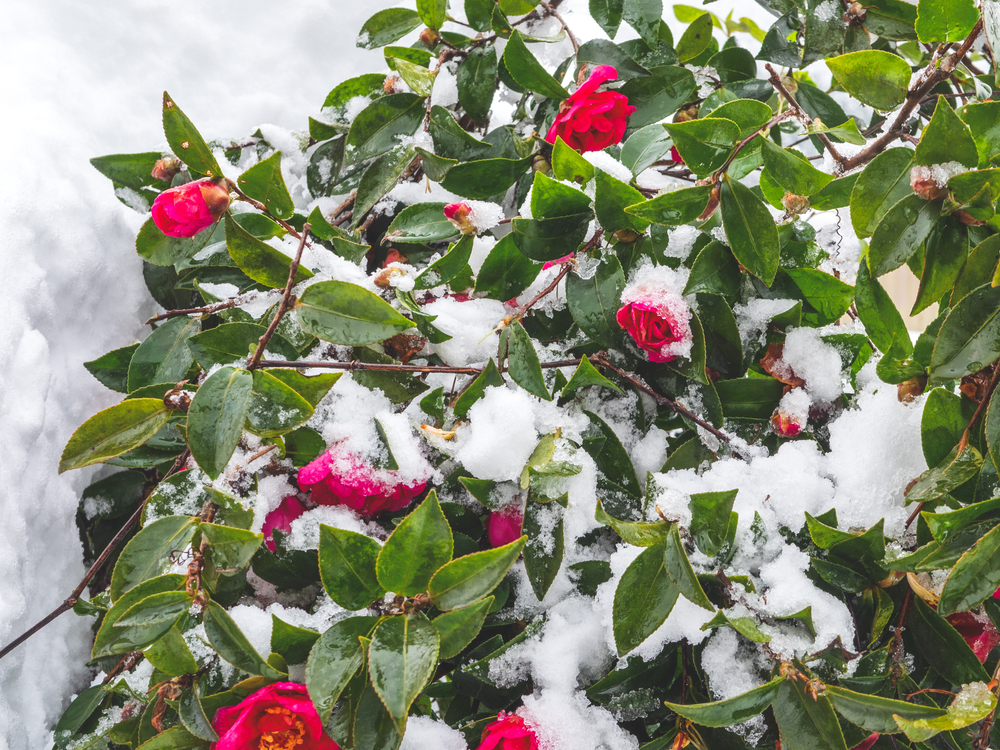
Camellias are evergreen shrubs known for their glossy leaves and vibrant flowers, which bloom in late winter or early spring. Their waxy, dark green leaves remain full and vibrant during the colder months, making them a reliable option for winter color. While the plant is most famous for its stunning blooms, it is equally valued for its winter greenery, providing a soft contrast to the cold season. Camellias are available in many varieties, including those with white, pink, and red flowers.
Camellias thrive in well-drained, acidic soil and prefer sheltered locations with partial shade. The plants are hardy enough to withstand frost but may need protection from harsh winds. With proper care, camellias can live for many years, continuing to provide beauty and resilience throughout the seasons. Their ability to stay green through winter and offer early blooms makes them a standout choice for gardens looking to maintain interest year-round.
Daphne
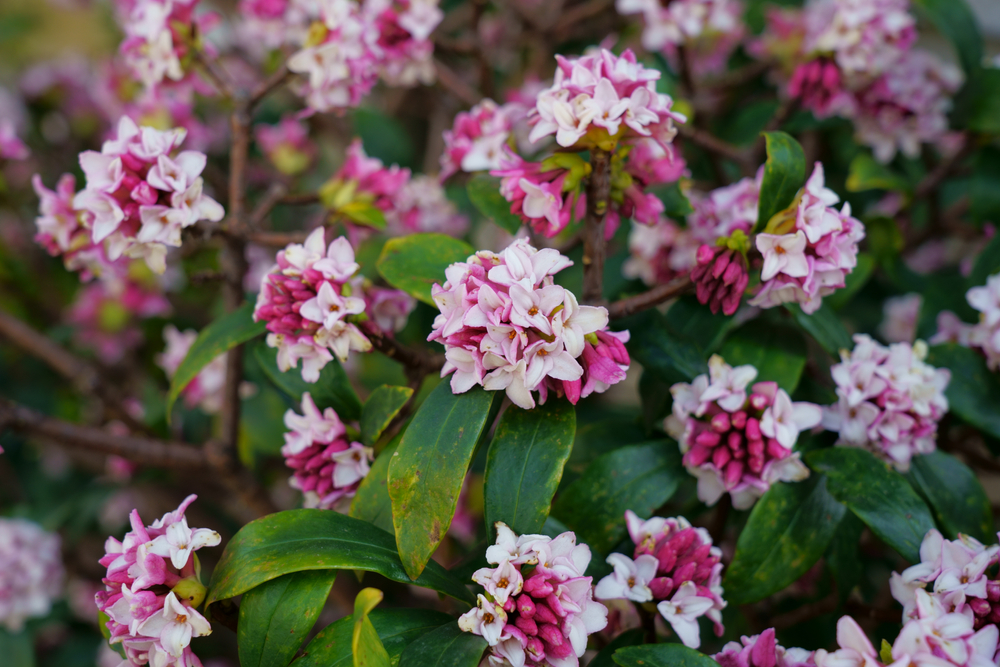
Daphne is a lovely evergreen shrub known for its fragrant flowers and glossy, dark green leaves. While it blooms in early spring, its foliage remains vibrant and full throughout the winter months, providing year-round beauty. Daphne grows slowly and is often prized for its compact size, making it an excellent choice for smaller gardens or as part of a mixed border. The plant’s striking foliage and aromatic blooms make it an appealing choice for gardeners seeking both fragrance and winter greenery.
Daphne prefers well-drained, slightly acidic soil and a spot with partial shade. It is generally pest-resistant, requiring minimal care once established. While it may need some protection from harsh winds in colder climates, it can thrive in most gardens with proper care. Daphne’s evergreen nature, paired with its beautiful blooms and fragrance, makes it a true asset in winter gardens.
Mahonia
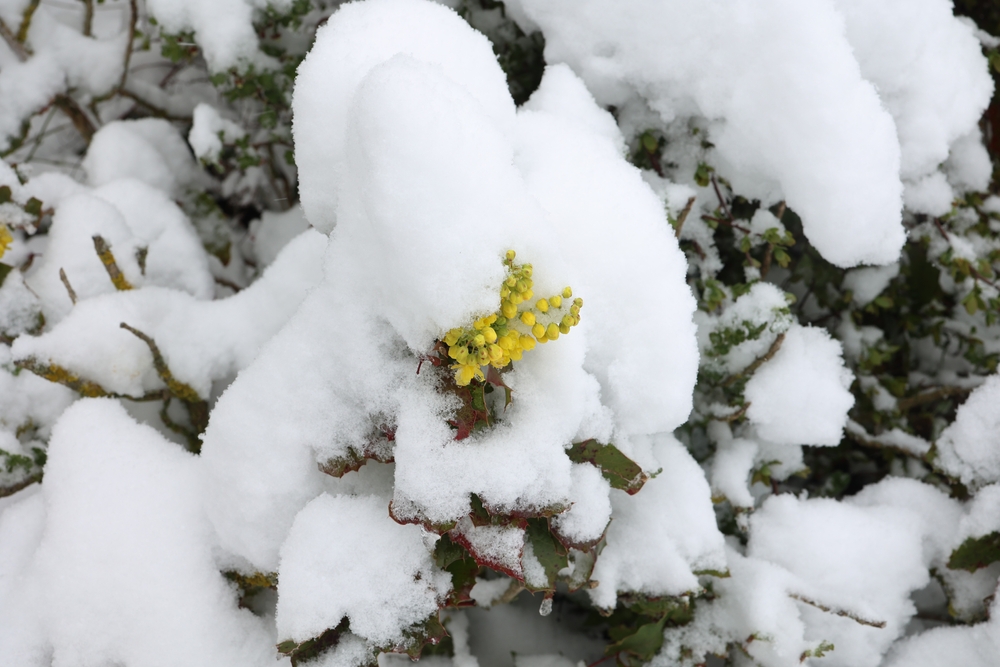
Mahonia, also known as Oregon grape, is an evergreen shrub that maintains its vibrant foliage throughout winter. It is known for its spiky, holly-like leaves and bright yellow flowers that bloom in the fall or early winter. Mahonia is a striking addition to any garden, as its glossy, dark green leaves stand out against the dull winter backdrop. In addition to its colorful flowers, Mahonia produces purple berries that attract birds, making it an excellent choice for wildlife-friendly gardens.
This hardy shrub thrives in a range of soil types, including both acidic and well-drained varieties. Mahonia prefers partial shade but can tolerate full sun, making it versatile for different garden conditions. It is relatively low-maintenance, requiring little more than occasional pruning to maintain its shape. Whether used as a border plant, hedge, or standalone shrub, Mahonia brings lasting color and interest to your garden, even during the colder months.
This article originally appeared on Avocadu.