
15 Plants That Spend Years Underground Before They Bloom Once
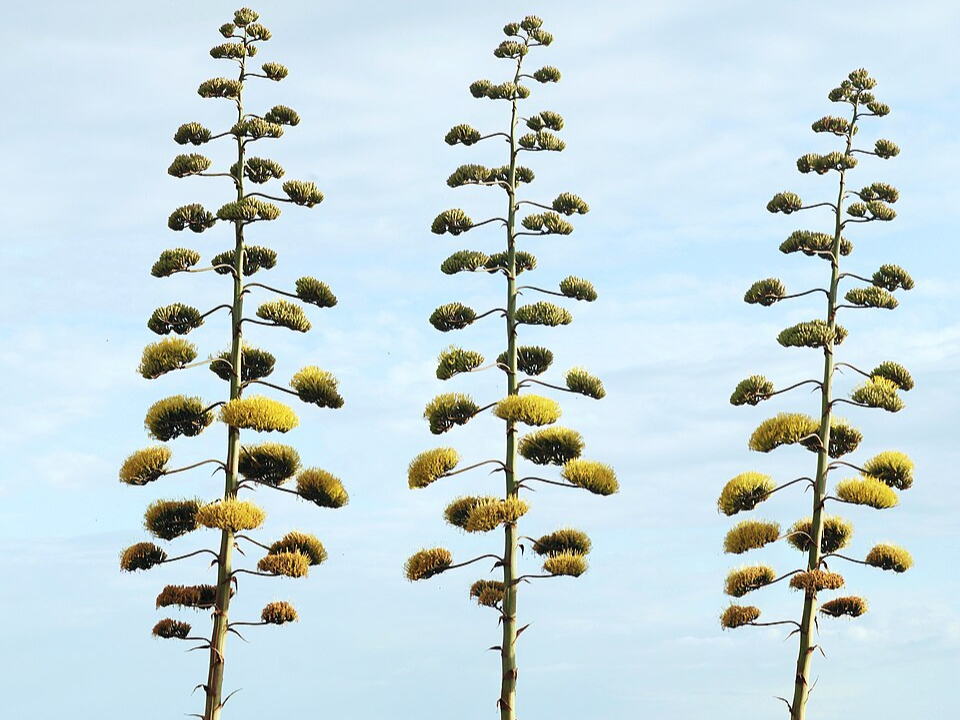
The century plant spends most of its life quietly building strength below the soil surface. Thick roots and fleshy leaves store water and nutrients year after year. Above ground growth may look steady, yet the real work happens underground. This slow preparation can last several decades before any sign of a flower appears. Many gardeners never witness the bloom during their lifetime.
When flowering finally begins, a towering stalk rises rapidly from the center. The height can surprise anyone who has watched the plant remain unchanged for years. Dozens of flowers open along the stalk and draw birds and insects. Once flowering ends, the main plant slowly declines. Smaller offshoots underground continue the long cycle.
This post may contain affiliate links, which helps keep this content free. Please read our disclosure for more info.
Ghost Orchid
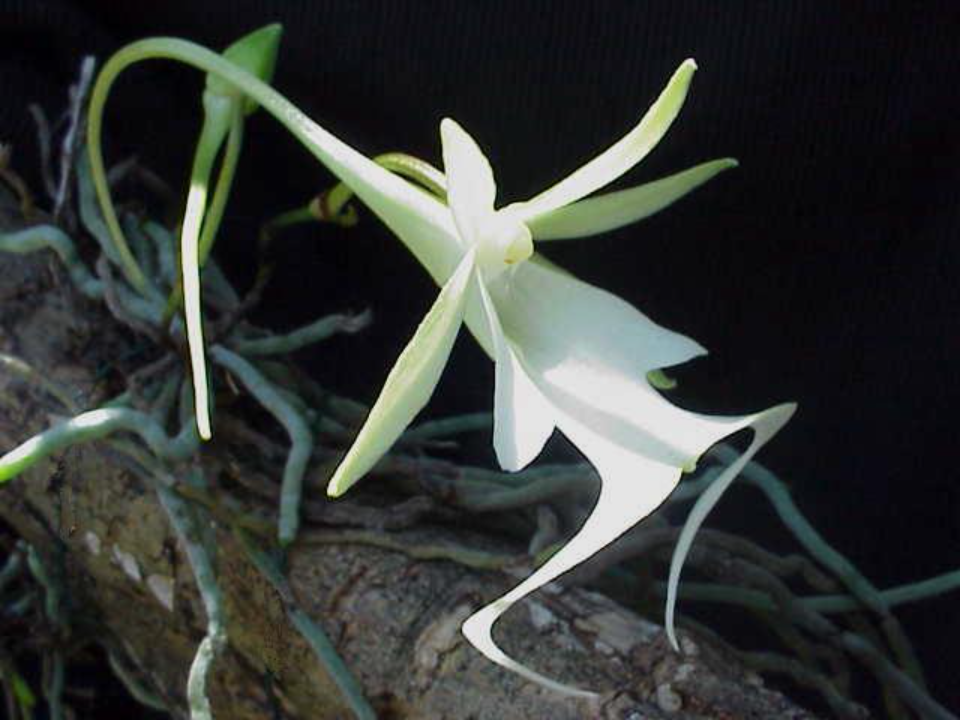
The ghost orchid lives hidden within swamp forests and wetland soils. Most of its life is spent underground, connected to fungi that supply nutrients. Leaves never appear, making the plant nearly invisible. Years can pass without any trace above ground. Its survival depends on very specific conditions.
When it blooms, a delicate white flower emerges briefly. The thin stem gives the flower a floating appearance. Pollination relies on a narrow range of insects. The bloom does not last long and fades quietly. Afterward, the plant withdraws underground once again.
Corpse Flower

This plant remains dormant underground as a massive corm for many years. During this time, it stores large amounts of energy beneath the soil. No visible growth hints at what is happening below. The waiting period can last a decade or longer. Only careful observation reveals its slow progress.
When it blooms, the flower opens on a dramatic scale. A strong scent fills the air and attracts pollinating insects. The bloom lasts only a few days before collapsing. After flowering, the plant returns to dormancy. Another bloom may not occur for many years.
Queen of the Night Cactus
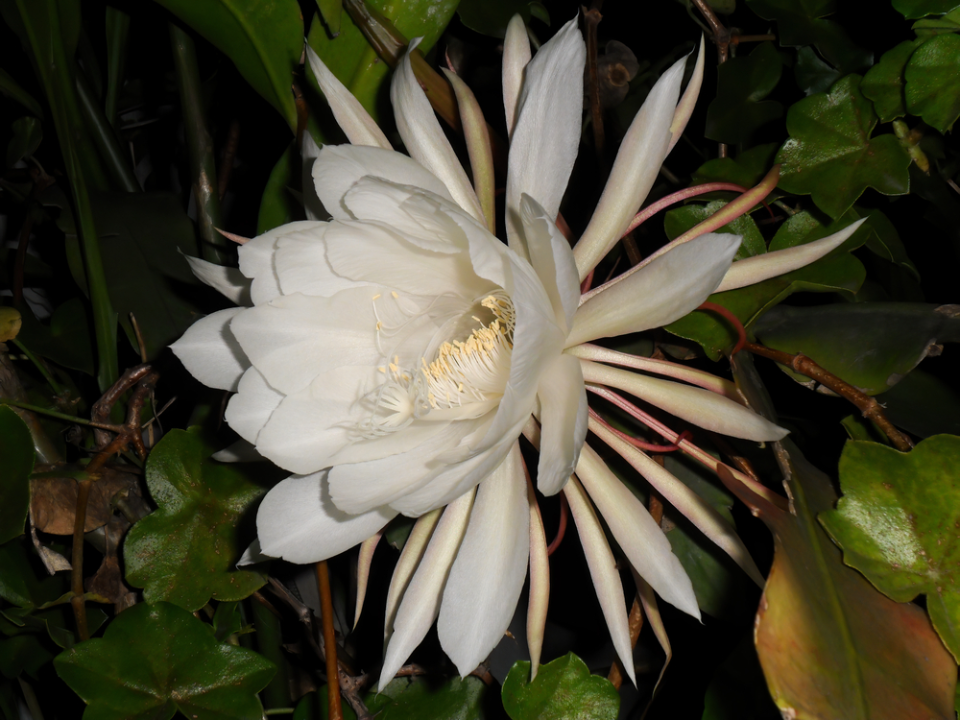
This cactus grows as a tangle of stems while preparing underground. Roots anchor deep into rocky soil and store moisture. Years may pass without any flowers appearing. The plant waits patiently for the right moment. Many owners assume it will never bloom.
When it does flower, the event happens overnight. A large white bloom opens after sunset. The scent is noticeable and rich. By morning, the flower has already faded. The cactus then returns to a long period of quiet growth.
Yucca
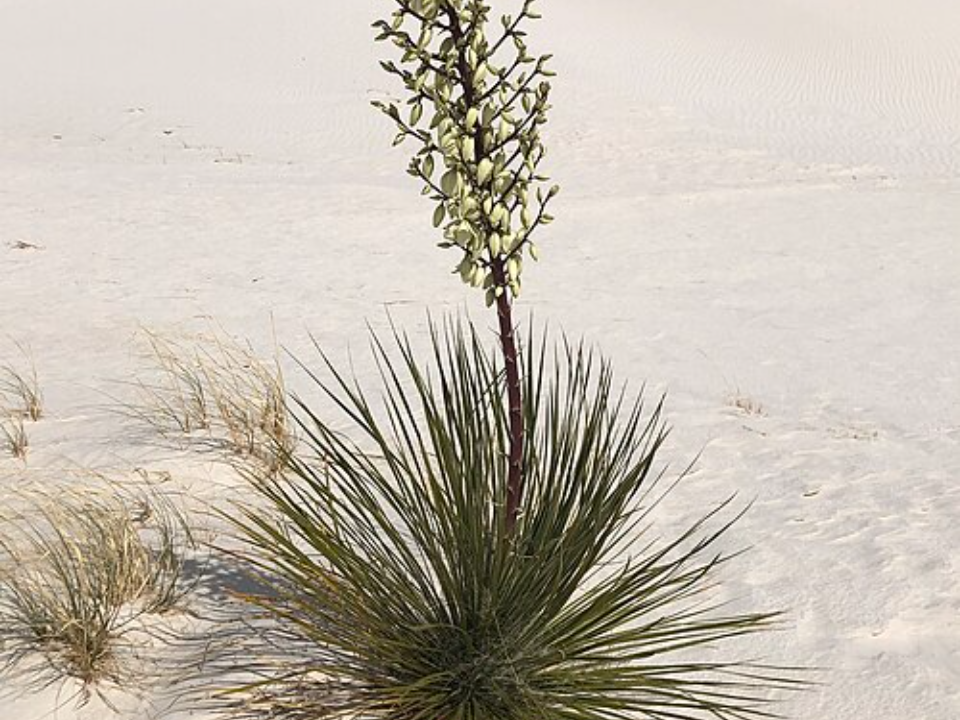
Yucca plants build strength through thick underground roots. These roots store water and nutrients in harsh environments. Surface growth remains steady but slow. Flowering may not occur for many years. Patience is required when growing yucca.
When blooming begins, a tall stalk rises from the center. Bell shaped flowers open along its length. Pollination depends on specific moth species. After flowering, some plants decline while others survive. The underground system determines what happens next.
Snow Trillium
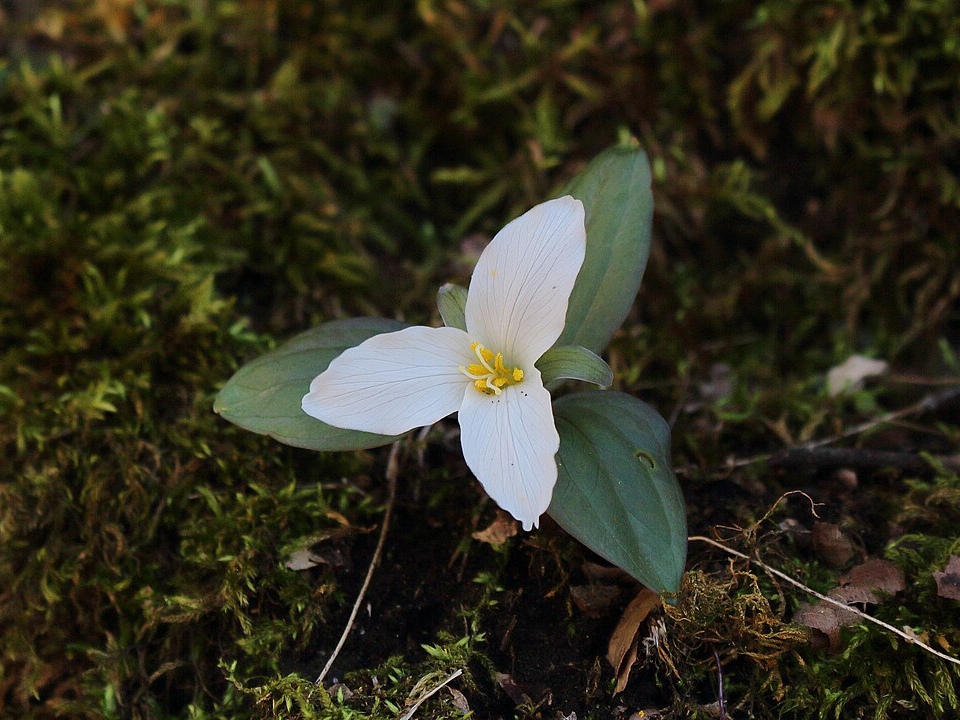
Snow trillium grows from rhizomes buried beneath forest floors. It may take many years before flowering begins. Seasonal snowmelt plays a major role in its life cycle. Underground growth continues quietly each winter. The plant waits for precise timing.
When flowering occurs, white petals open early in spring. Pollinators have a narrow window to visit. After blooming, the plant fades from view. Leaves wither and disappear. Underground growth resumes until the next chance to bloom.
Saffron Crocus
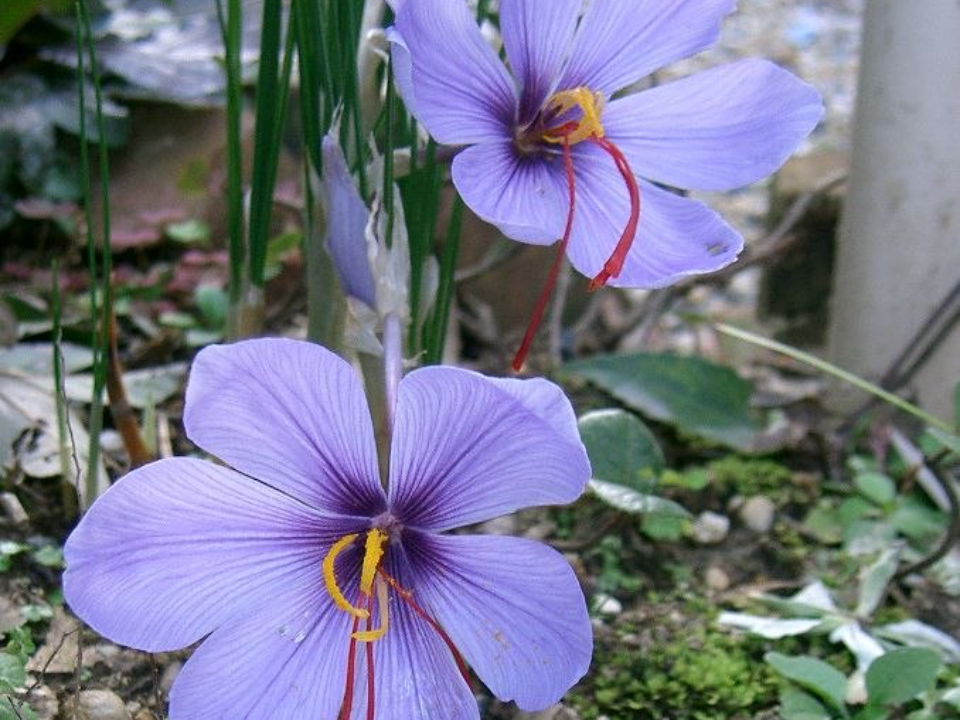
This plant spends most of its life underground as a corm. Surface growth appears briefly during the growing season. Several years may pass before flowering occurs. Underground energy storage determines bloom timing. Patience is essential for growers.
When the flower opens, delicate purple petals appear. Each bloom produces only a few red threads. Harvest must happen quickly before the flower fades. Afterward, the plant retreats below the soil. Another bloom may take years.
Meadow Saffron
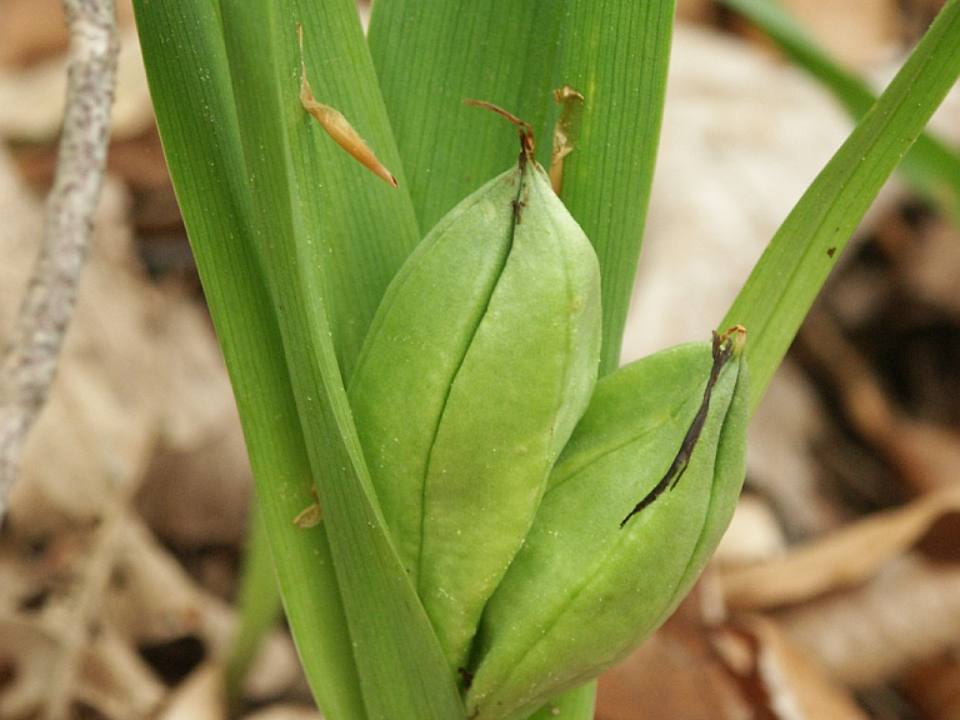
Meadow saffron grows from underground bulbs hidden beneath grasslands. Leaves and flowers emerge at different times of year. Several years of underground growth often pass before flowering. The plant remains unnoticed for long periods. Timing depends on soil conditions.
When flowers appear, pink blooms rise suddenly in autumn. Pollinators must act quickly. The bloom period is short. After flowering, the plant returns to dormancy. Underground growth continues quietly.
Death Camas
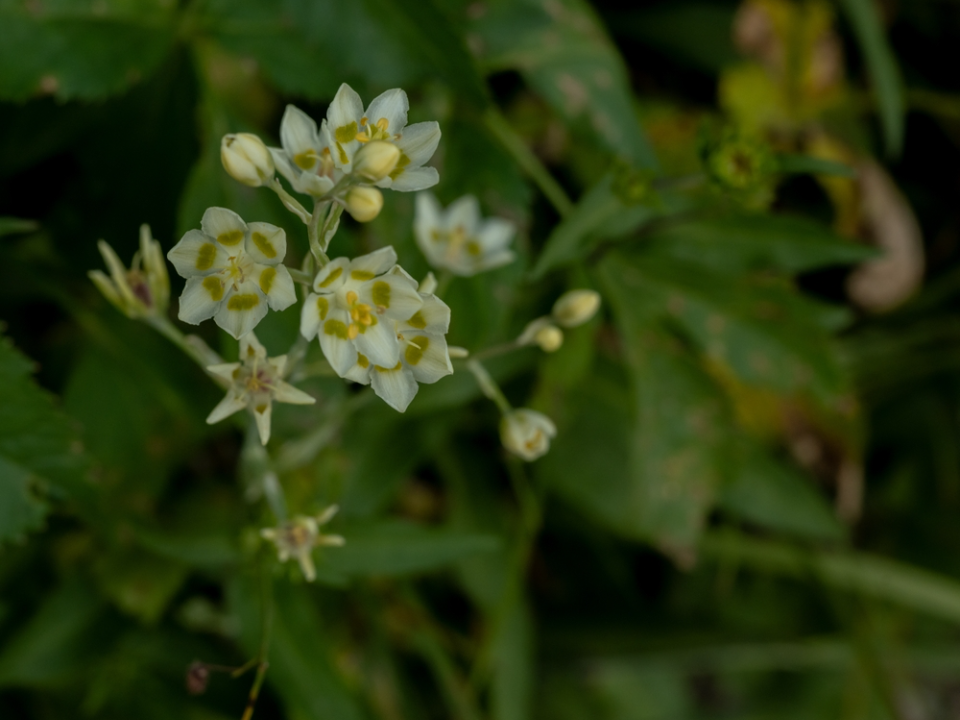
Death camas grows from bulbs hidden deep in grasslands. Several seasons pass before flowering begins. Underground growth continues without surface signs. The plant blends easily with surrounding vegetation. Its slow pace makes it easy to overlook.
When blooming occurs, clusters of white flowers appear in spring. Pollinators arrive during a short window. Seeds form quickly after flowering. The above ground plant fades soon after. The bulb remains underground.
Alpine Lily
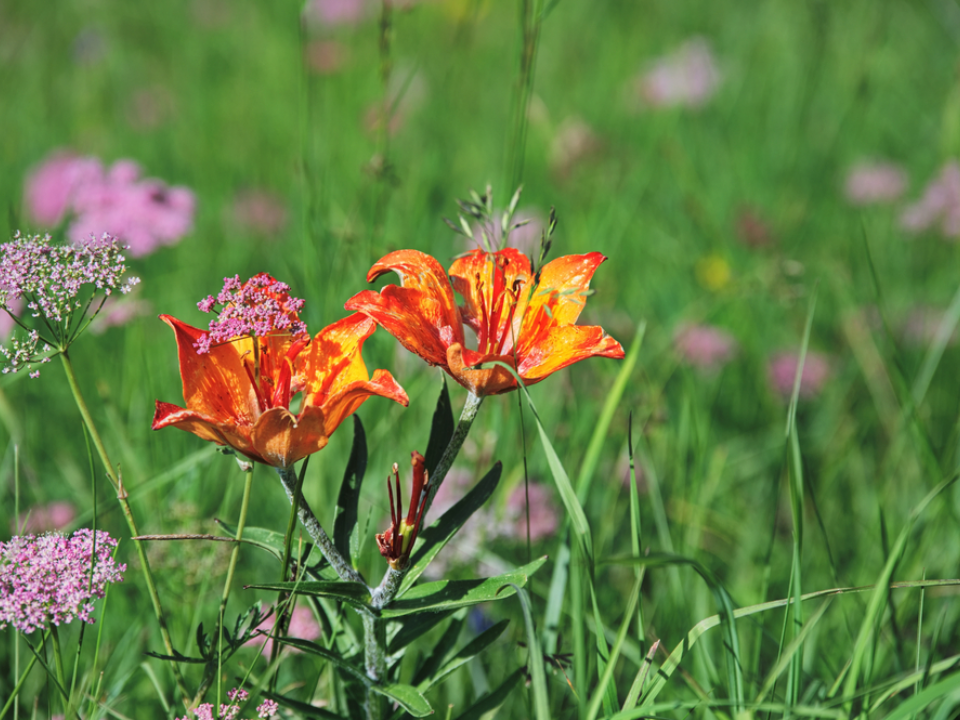
This lily survives harsh alpine winters underground. Bulbs store energy beneath rocky soil. Growth above ground is limited by short summers. Flowering may occur only once. Many plants do not survive long enough to bloom.
When it flowers, the bloom appears during a narrow seasonal window. Weather can end flowering quickly. Pollination opportunities are limited. Seed production is uncertain. The plant often declines after blooming.
Yellow Lady Slipper Orchid
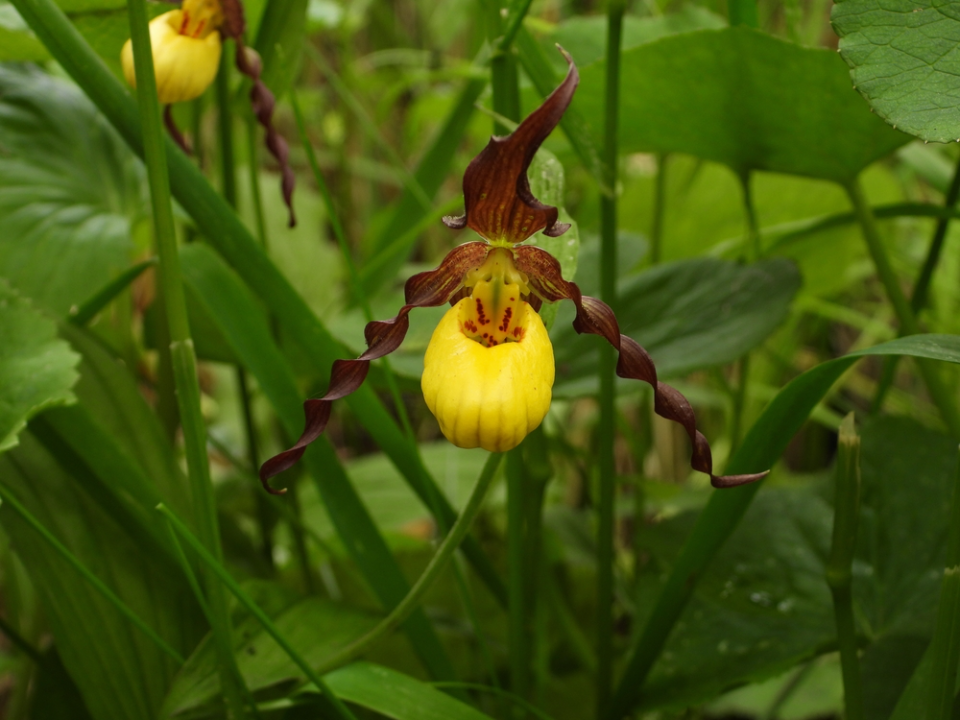
This orchid grows slowly beneath forest floors. Underground roots rely on soil fungi for nutrients. Several years may pass before flowering. The plant remains hidden during early life. Forest conditions must remain stable.
When it blooms, a yellow pouch shaped flower appears. Insects are drawn inside for pollination. Flowering does not last long. Afterward, the plant withdraws underground. Another bloom may take many years.
Desert Candle
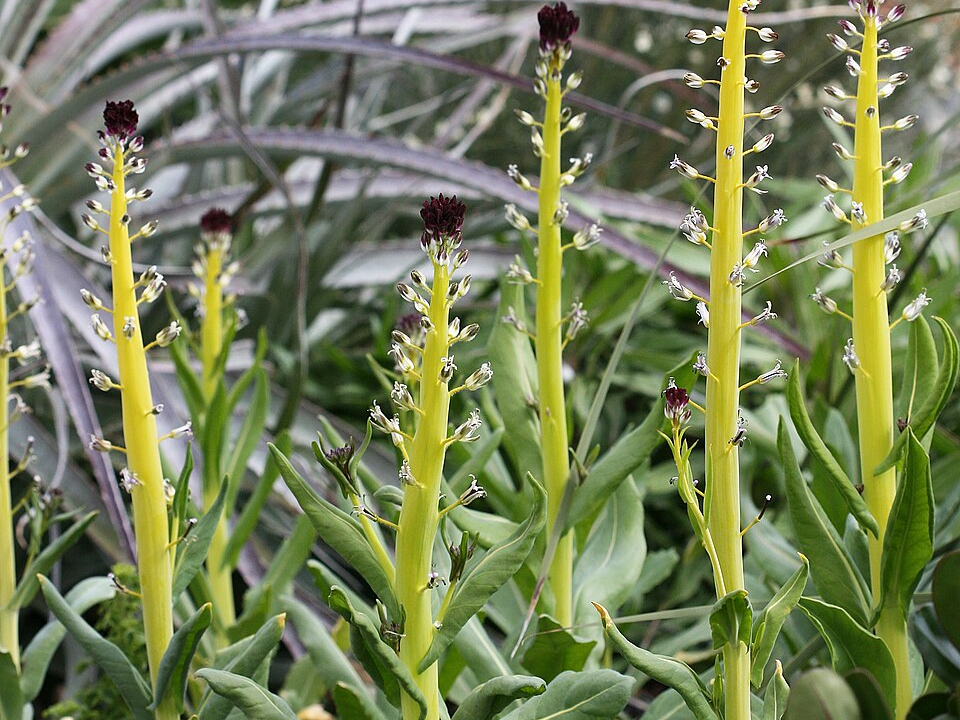
Desert candle plants grow quietly beneath arid soil. Underground roots collect limited moisture over time. Surface growth remains minimal for years. Flowering depends on rare rainfall. Many seasons may pass without blooms.
When conditions align, tall white blooms rise suddenly. Pollinators arrive quickly. The flowering phase ends fast. The plant completes its cycle quickly. Dormancy follows once more.
Star of Bethlehem
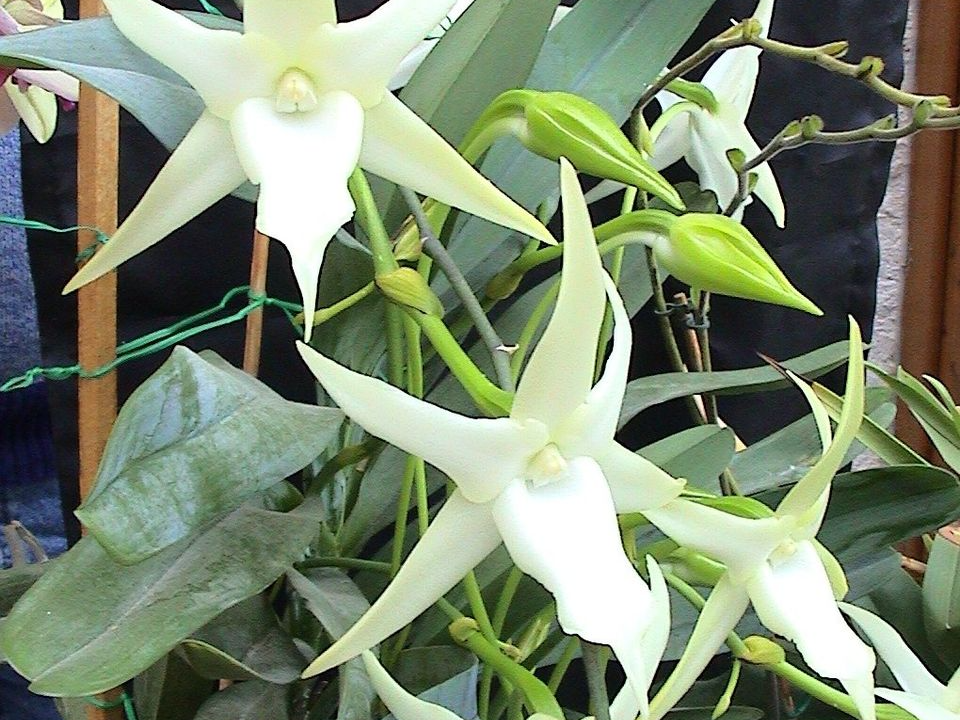
This plant develops from slow growing underground bulbs. Several seasons may pass without visible growth. Underground energy storage determines flowering readiness. The plant waits patiently beneath the soil. Timing varies by location.
When it blooms, star shaped flowers appear in spring. The display is brief but noticeable. Seed formation follows quickly. Above ground growth fades soon after. The bulb remains underground.
Prairie Gentian
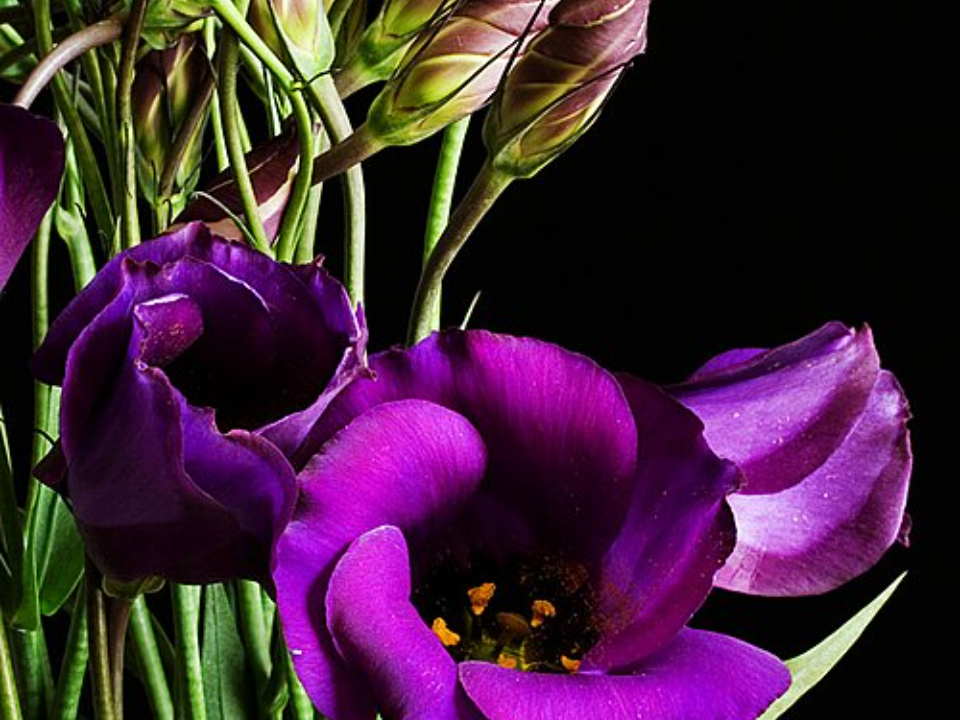
Prairie gentian builds underground strength for many years. Early growth remains subtle above ground. Flowering depends on precise seasonal conditions. Many plants fail to bloom at all. Patience defines its life cycle.
When flowering occurs, purple blooms appear late in the season. Pollinators arrive during a short window. After blooming, the plant weakens. Seed dispersal follows. Underground growth determines renewal.
Indian Pipe
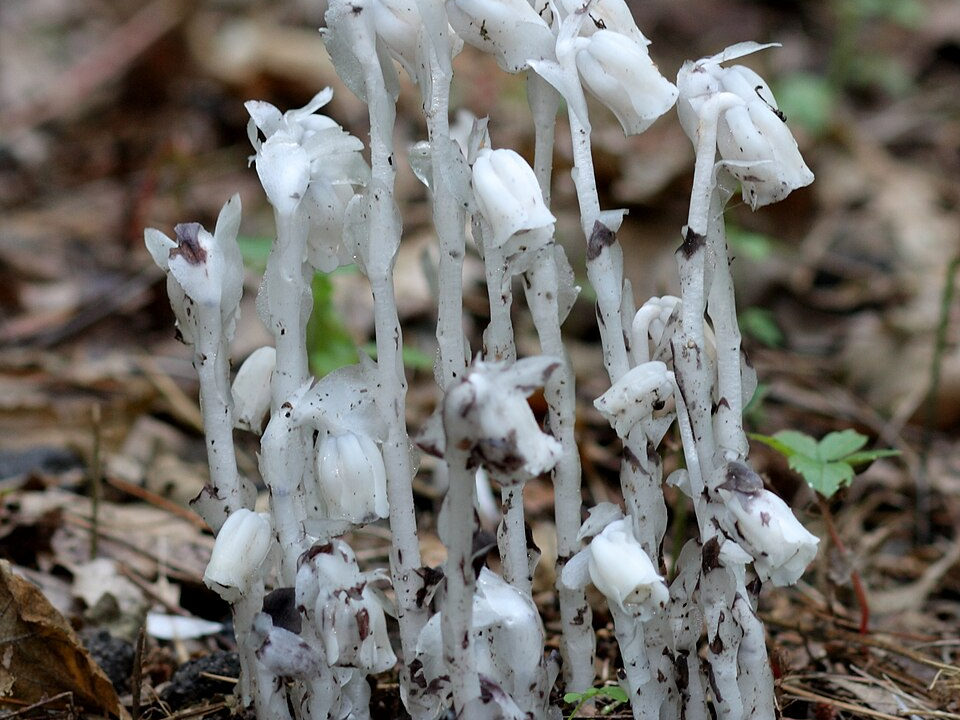
Indian pipe lives underground without producing chlorophyll. It depends on fungi connected to nearby trees. Most of its life remains unseen. Conditions must align for flowering. Sightings are uncommon.
When it blooms, a white stalk rises briefly. The flower initially nods downward. After pollination, it straightens. Seeds are released soon after. The plant disappears underground again.
This article originally appeared on Avocadu.