
13 Plants That Make Great Borders Even Before Spring Starts
A good border can make a yard look cared for even when winter still lingers. These plants hold their shape, color, or early blooms long before most beds wake up. Use them to edge paths, frame garden beds, and add neat definition while you wait for spring.
This post may contain affiliate links, which helps keep this content free. Please read our disclosure for more info.
Hellebore (Helleborus)
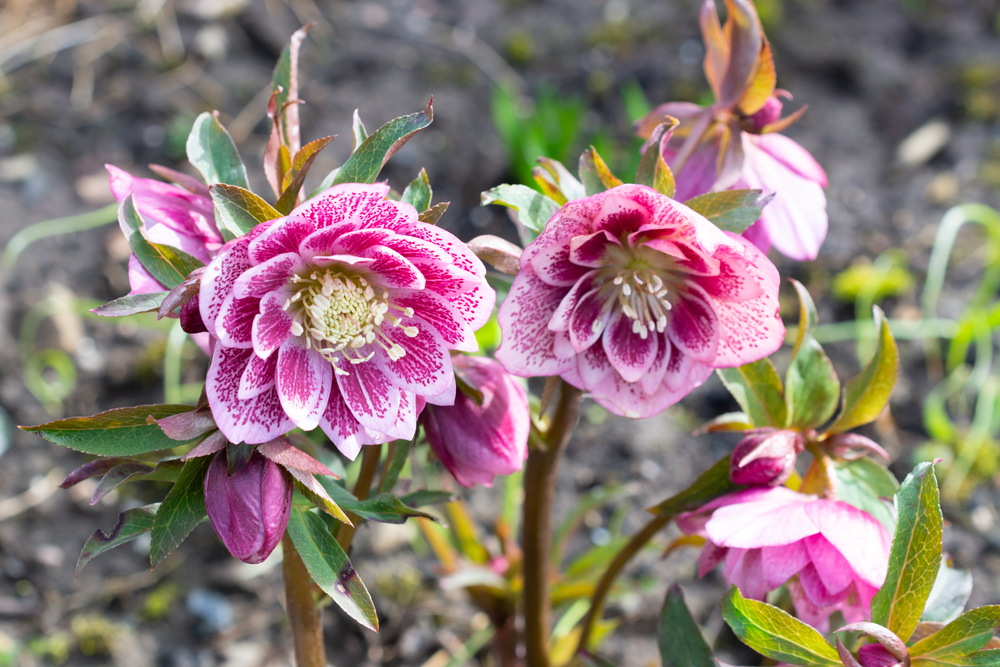
Hellebores are one of the first plants to look alive when the rest of the garden still feels quiet. Their thick, leathery leaves stay attractive in many climates, and the nodding flowers can show up while nights are still cold. Tuck them along a walkway where you can notice the blooms up close. They do best in part shade with soil that drains well and does not stay soggy.
For borders, plant them in small groups so the evergreen clumps read as one steady line. Old leaves can look tired by late winter, so trimming them back before buds open keeps the edge looking neat. Deer usually leave hellebores alone, which helps if your border runs near woods. Once established, they handle short dry spells better than many early bloomers.
Lenten Rose (Helleborus orientalis)
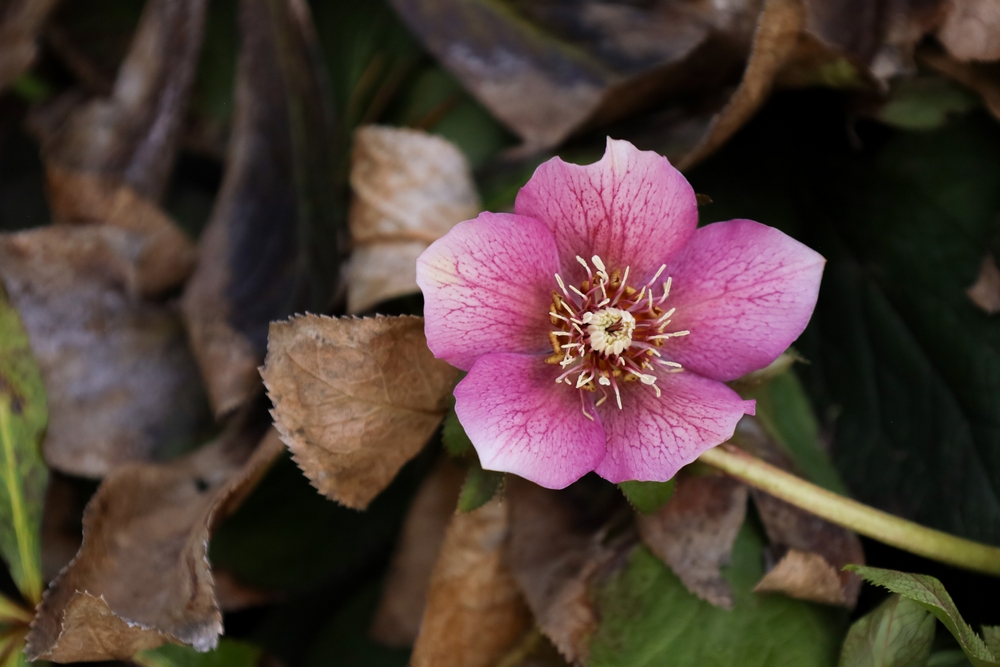
Lenten rose is a hellebore type that shines in mixed borders because it looks full and settled early in the year. The flowers come in soft shades like cream, pink, plum, and speckled blends, and they last a long time. Even after blooms fade, the stems keep a nice shape and still add interest. A spot with morning sun and afternoon shade is often a sweet place for it.
Use Lenten rose where kids and pets will not trample it, since the stems can snap if stepped on. It pairs well with bulbs because the clumps hide fading bulb leaves later on. Keep mulch a little away from the crown so it stays dry and healthy. If you want more plants, it can self-seed gently, and the seedlings often look a bit different than the parent.
Snowdrop (Galanthus)
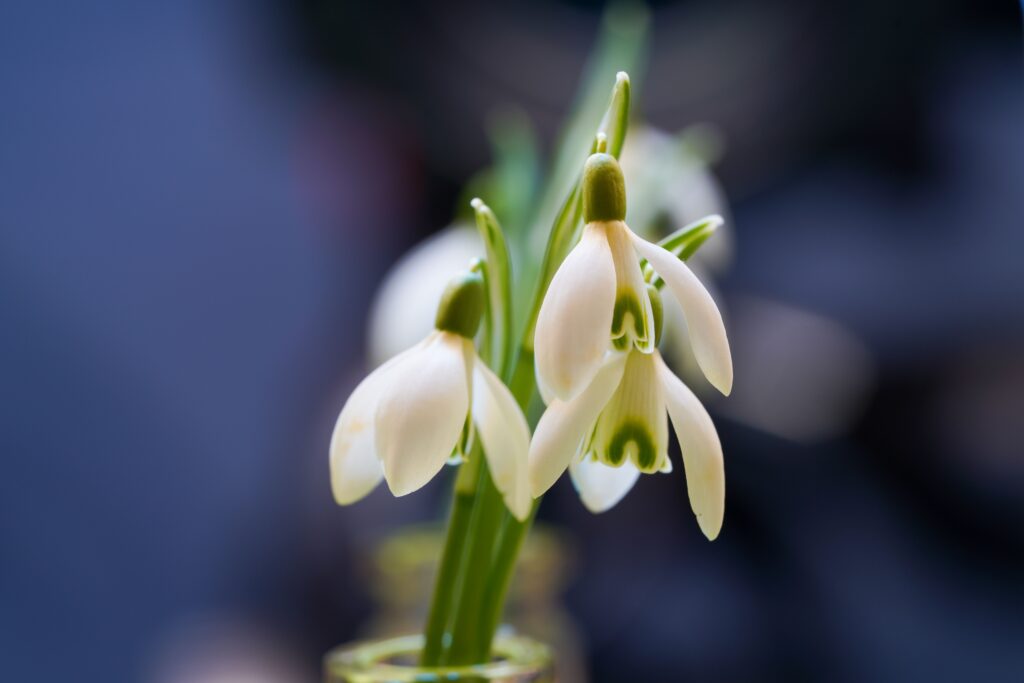
Snowdrops are tiny but powerful when you want a border to wake up early. The white bell flowers pop through cold soil and often bloom around the time you are still wearing a jacket outside. They look best when planted in drifts, because a few single plants can disappear from view. Put them at the front of a bed where you can see the blooms close to the ground.
After flowering, let the leaves stay until they yellow so the bulbs store energy for next year. Snowdrops do well under deciduous trees, since they finish early before the canopy fills in. They spread over time, so a narrow border can slowly turn into a soft white ribbon. If you need to move them, do it right after bloom while the leaves are still green.
Winter Aconite (Eranthis hyemalis)
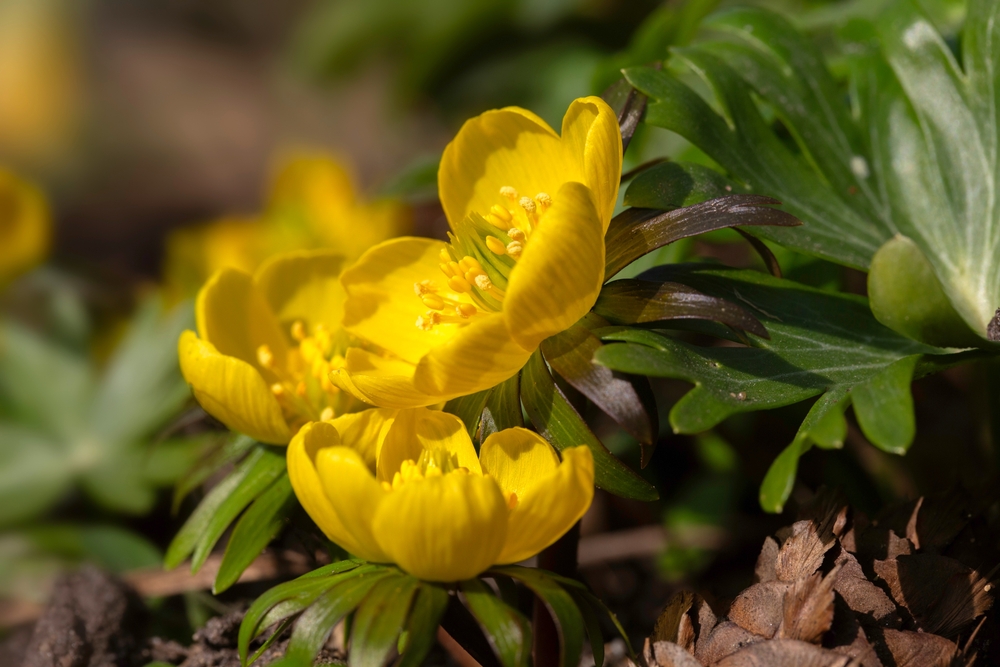
Winter aconite opens bright yellow flowers that look like little sun buttons in late winter. Because the blooms sit low, it works well as an edging plant that does not block sight lines. It likes soil that holds some moisture but still drains, especially in spring. A patch along a path feels cheerful on gray days.
Plant the tubers where they can settle and stay for years, since they can be slow to take off at first. Once happy, winter aconite can spread into a small colony that keeps coming back. The leaves fade not long after bloom, so pair it with later plants that fill space. If you have a lawn border, place it where mowing will not hit the foliage too early.
Crocus (Crocus)
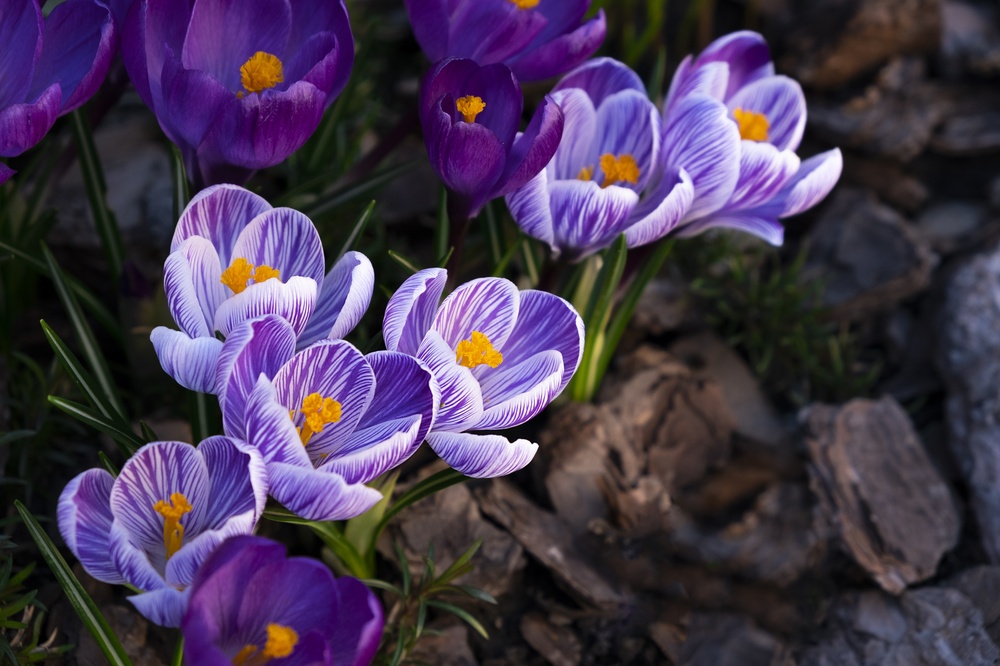
Crocus is a classic early bloomer that makes a border look awake fast. The cup shaped flowers come in purple, gold, white, and striped mixes, and bees often visit on the first warm days. Plant them along a sunny edge where the buds can open fully. They do best in soil that does not stay wet through winter.
For a fuller border, plant bulbs in clusters of five to ten rather than spacing them evenly. After bloom, the leaves look grassy for a while, so the border still has a tidy line. If you plant crocus in turf, wait to mow until the leaves yellow. Squirrels can dig bulbs, so a thin layer of gravel or a bit of wire protection can help in problem areas.
Dwarf Mondo Grass (Ophiopogon japonicus ‘Nana’)
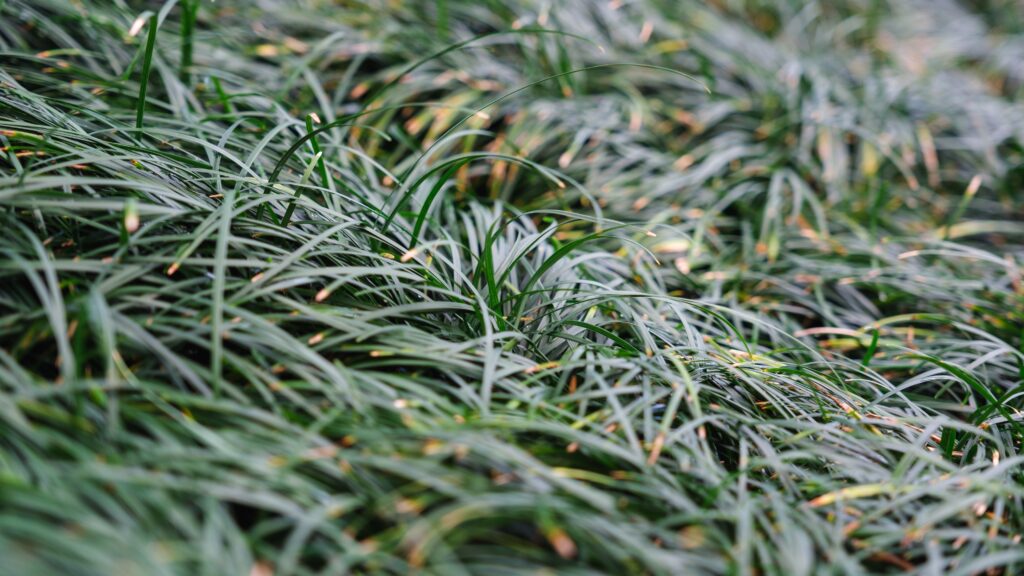
Dwarf mondo grass makes a clean, dark green edging that looks steady all year. The clumps stay low and tight, so they work well along paths, stepping stones, or the front of a shrub bed. It handles shade better than many edging plants, which helps under trees or on the north side of a house. The texture is neat, almost like a soft fringe.
Once established, it needs little work beyond occasional weeding between clumps. Water it during long dry stretches, especially in its first season, so roots can spread. In colder areas it may brown a bit in harsh winter weather, yet it often rebounds when temperatures lift. If the edge starts to look uneven, you can divide clumps in mild weather to fill gaps.
Liriope (Liriope muscari)
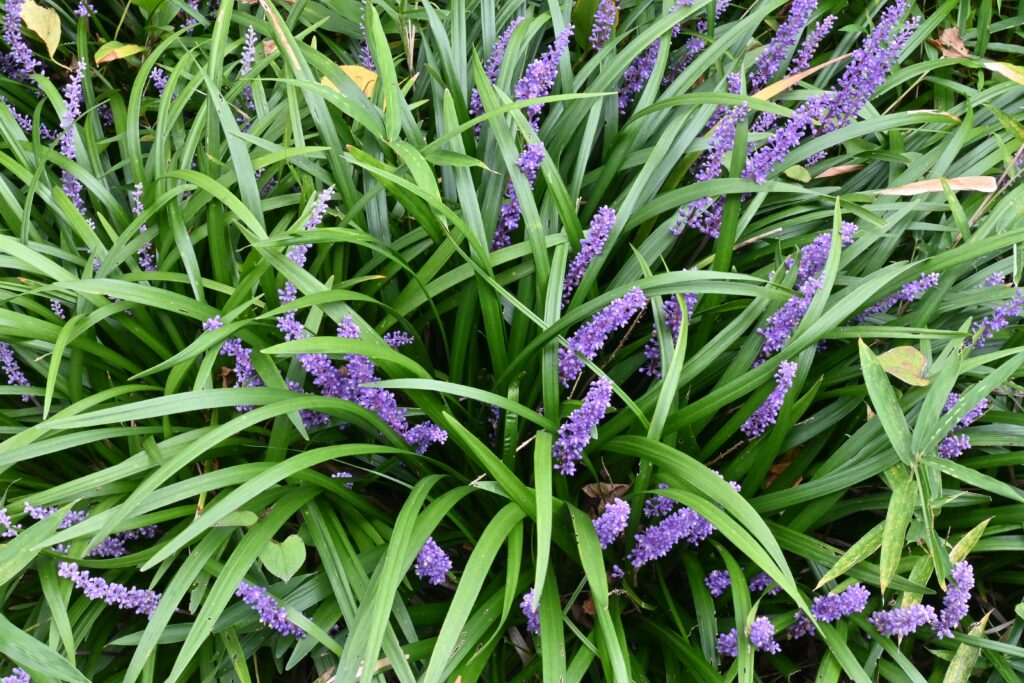
Liriope is a sturdy border plant with arching, grassy leaves that keep their form in cooler months. Many types stay green through winter in mild climates, and even when tips brown, the clumps still hold the line of a bed. It tolerates sun or part shade, which makes it flexible for long borders with mixed light. In late summer, it also sends up purple flower spikes that add an extra bonus.
For the cleanest look, trim old leaves near the end of winter before new growth starts. It spreads slowly, so it can fill space without taking over too quickly in most yards. Liriope is a good choice beside driveways or sidewalks because it handles heat and reflected light. If you want a more formal edge, plant it closer together so the clumps knit into one band.
Heuchera, Coral Bells (Heuchera)
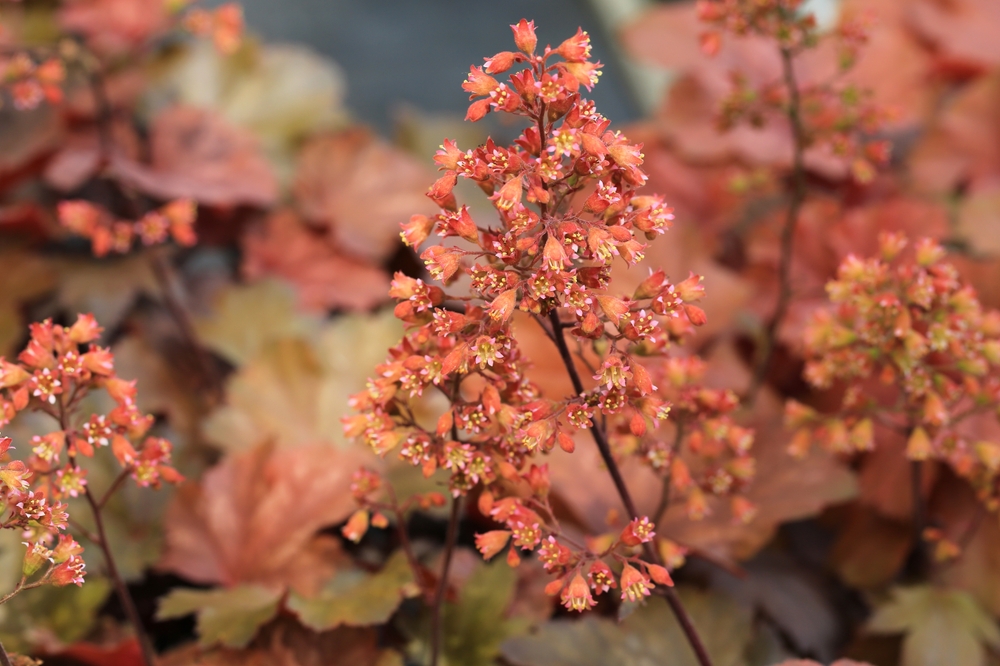
Heuchera brings color even when flowers are not the point, since the leaves come in shades like lime, caramel, burgundy, and smoky purple. Many types stay evergreen or semi evergreen, so the border still looks lively before spring starts. The ruffled leaves give a softer feel than hard edged shrubs. It prefers part shade, especially where afternoons get hot.
Set heuchera where soil drains well, because soggy winter ground can cause trouble. In cold climates, the crowns can heave up during freeze and thaw, so a light mulch helps keep roots covered. The plants look best when you remove tired leaves and let fresh ones take over. Along a path, mix a few leaf colors for a border that looks intentional without being fussy.
Evergreen Candytuft (Iberis sempervirens)

Evergreen candytuft forms a low, spreading mound that stays green through much of the year. It is a strong border choice for sunny spots where you want a tidy edge without constant clipping. In early to mid spring it blooms with bright white clusters that can look like fresh snow. Even before flowers, the foliage makes a clean outline along the front of a bed.
Give candytuft sharp drainage, especially in winter, because wet soil can cause dieback. After it blooms, a light trim keeps the plant compact and helps prevent it from getting woody. It is a nice fit near stone paths and rock borders since it drapes slightly over edges. If you live where winters are harsh, a sheltered spot can help it stay greener.
Bergenia, Pig Squeak (Bergenia)
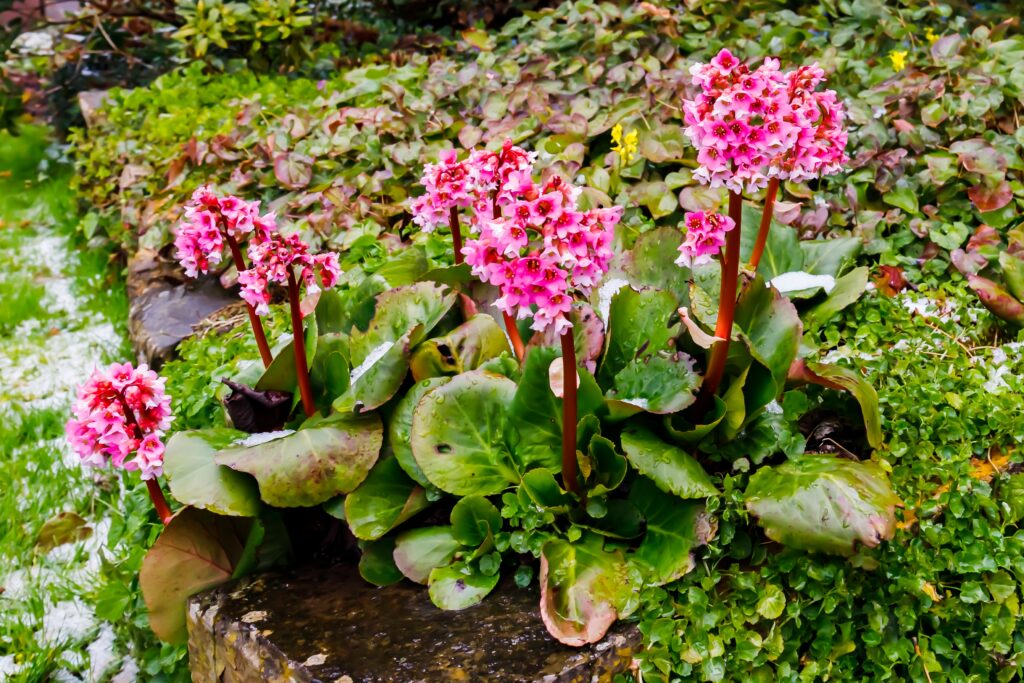
Bergenia is famous for its big, glossy leaves that look strong even in cold weather. In many climates, the foliage turns red or purple tones in winter, which adds color when most beds are dull. It works well at the front of a border because the leaves sit low and spread outward. Spring flowers rise on sturdy stems and bring pink or magenta color.
Bergenia handles shade, but it can also take sun if the soil stays evenly moist. The thick leaves can get torn by heavy wind, so placing it near a wall or hedge can protect it. Old leaves sometimes look rough by late winter, and removing them makes the border look fresh. It is also a good plant for families because it is not delicate and can handle a little bumping.
English Lavender (Lavandula angustifolia)
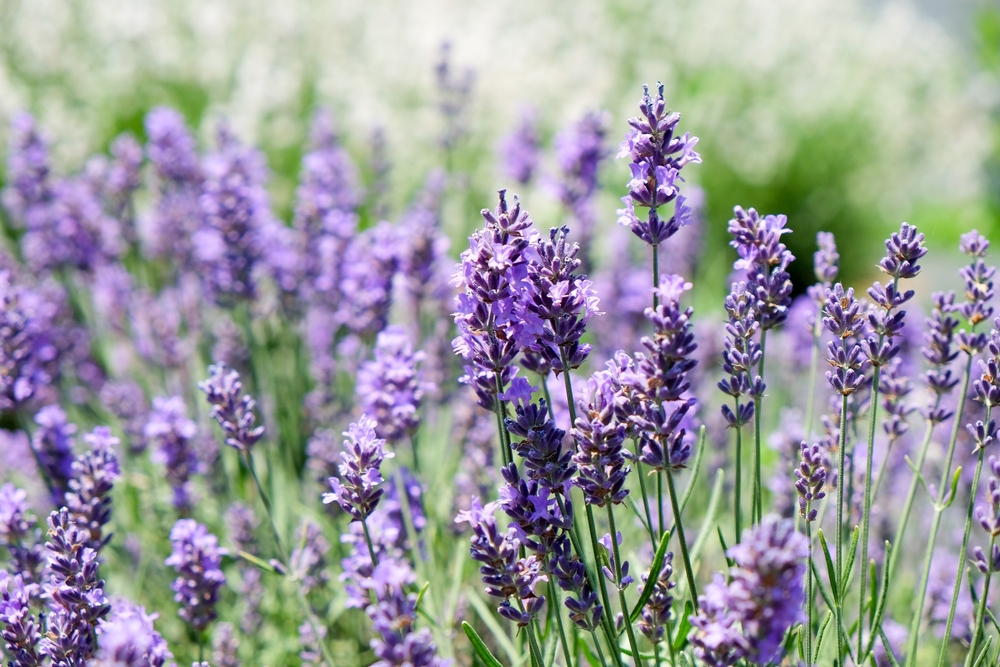
English lavender is a great border plant when you want structure and a clean, silvery green look. In milder winters, it stays evergreen and keeps a low mound that outlines beds well. The scent is a bonus along paths, especially when you brush past it. It needs full sun and soil that drains fast, since wet roots are its main problem.
Prune lightly after flowering and again in early spring if needed, but avoid cutting into old woody stems. Lavender fits well near driveways and walkways because it likes heat and does not mind dry air. If your winter is humid or rainy, planting it on a slight slope can help. For a fuller edge, space plants close enough that they will touch as they mature.
Creeping Thyme (Thymus serpyllum)
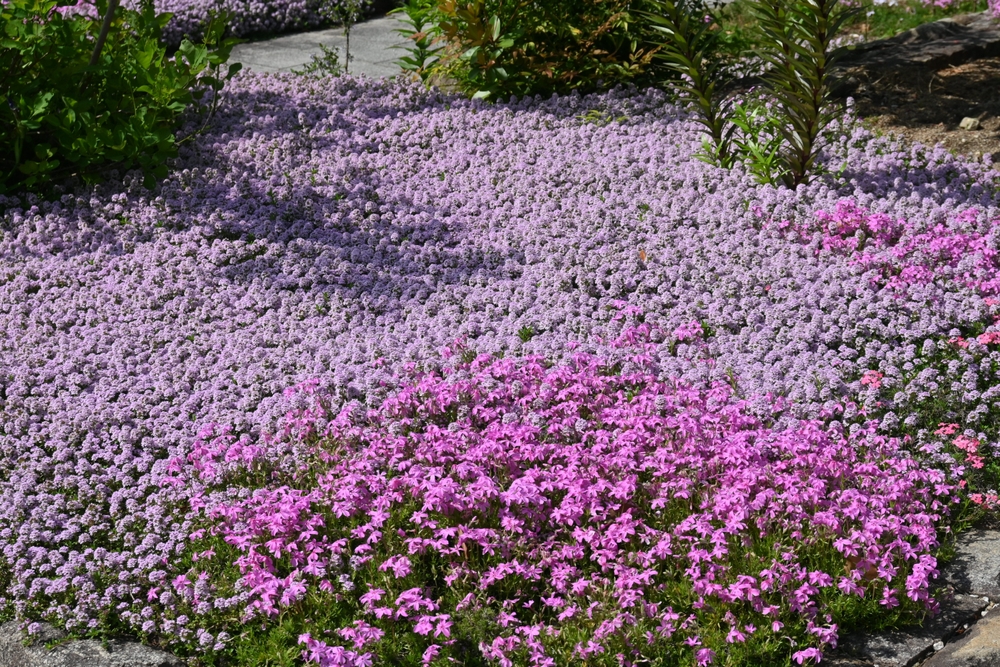
Creeping thyme makes a low, spreading mat that can soften the edge of a path or fill gaps between stepping stones. The tiny leaves often stay green into winter in many areas, so it does not vanish when cold weather hits. In late spring and early summer it blooms with small pink or purple flowers that bring in bees. It likes full sun and lean soil that drains quickly.
This plant works best where feet might brush it, since the scent releases when it is touched. Keep it away from spots that stay wet, because winter moisture can cause thin patches. If the border starts to look uneven, a quick trim after flowering encourages fresh growth. It is also a smart choice for families who want less mowing or fewer bare spots near patios and paths.
Sedum, Stonecrop (Sedum)
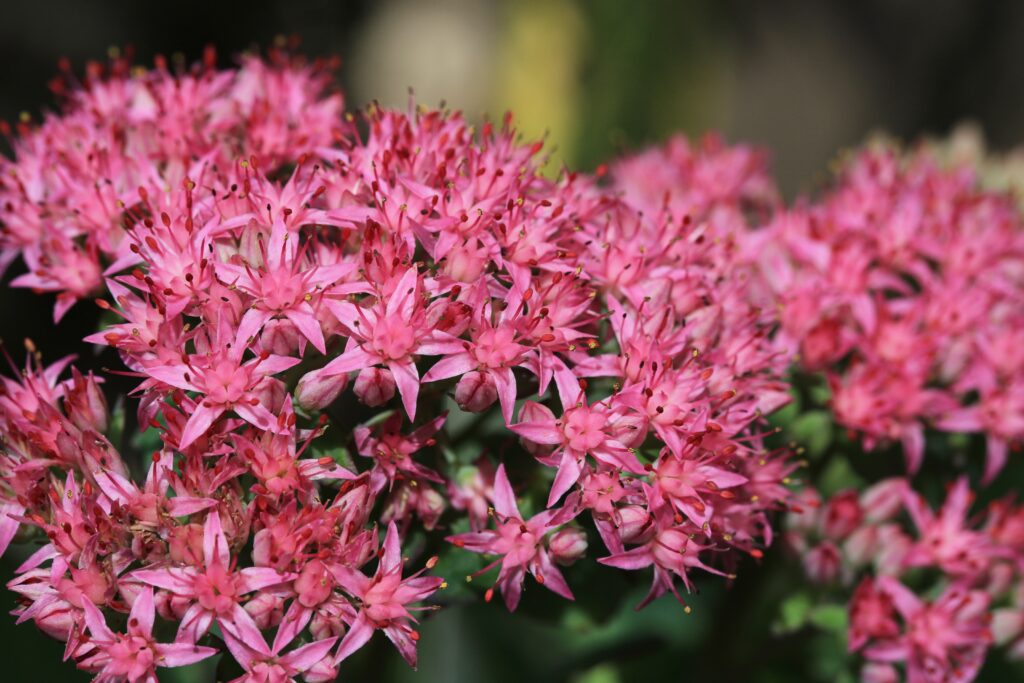
Sedum is a reliable border plant because many types hold strong stems and interesting texture before spring arrives. Some stay evergreen in mild areas, while others leave neat seed heads that still look good in winter. Low growing sedums are especially useful at the front of sunny beds where you want a clean, dry tolerant edge. They thrive in poor soil as long as it drains well.
Avoid rich soil and heavy watering, since sedum can flop if it grows too soft. For a mixed border, combine a low sedum with taller plants behind it so the edge stays clear. The plants are easy to divide, so you can fill gaps without buying more. They also handle hot spots near pavement, which makes them handy for borders along driveways and sidewalks.
This article originally appeared on Avocadu.