
14 Plants That Like Wet Late Winter Soil and Still Grow Well
Wet late winter soil can change how a garden behaves. Many plants struggle when roots sit in damp ground for too long. Others, however, continue growing with little stress. Choosing the right plants makes a noticeable difference. Stick around to learn which ones handle wet conditions best.
This post may contain affiliate links, which helps keep this content free. Please read our disclosure for more info.
Marsh Marigold
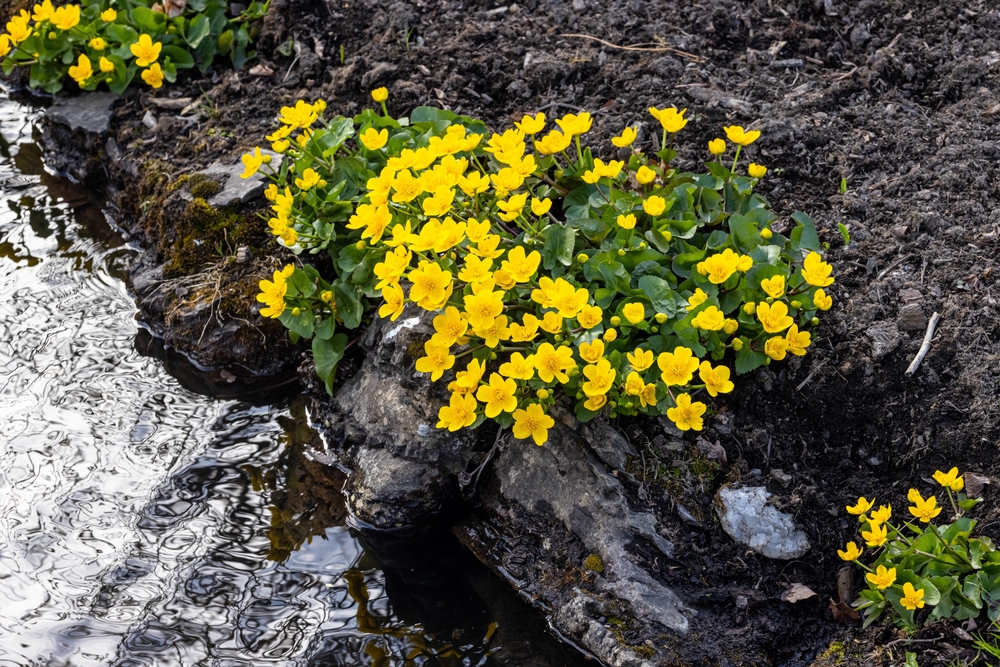
Marsh marigold often appears while winter still lingers, especially in gardens where water collects and refuses to drain quickly. It grows naturally along streams and marshy ground, which explains why cold, saturated soil does not slow its early growth. The rounded leaves rise first, followed by bright yellow flowers that bring early color to otherwise quiet beds. This early activity makes it a reliable presence when many plants are still dormant.
Consistent moisture matters more to this plant than perfect drainage, especially during late winter when roots stay cool. It forms steady clumps rather than spreading wildly, which helps it stay manageable in small wet areas. Marsh marigold works well near ponds or in low spots that remain damp after heavy rain. Once established, it settles into a predictable seasonal pattern.
Skunk Cabbage
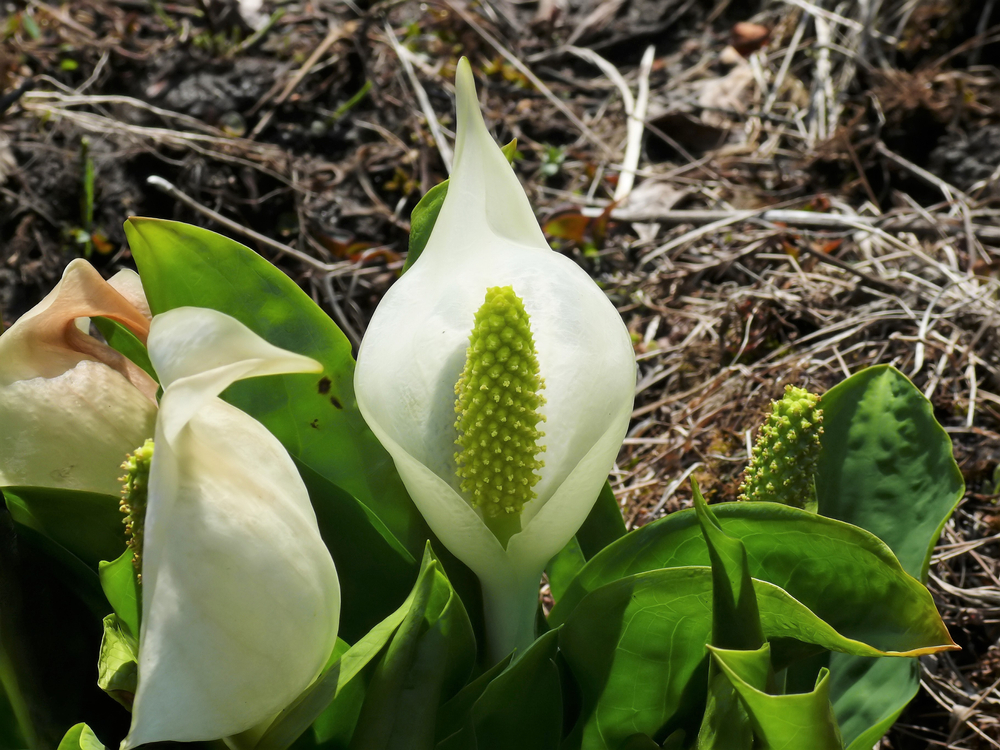
Skunk cabbage is known for growing straight through frozen, muddy soil when few plants can handle those conditions. Large leaves push upward early, even when water still pools on the surface. This plant naturally lives in swamps and wet woodlands, so heavy soil does not cause stress. Its early presence often surprises gardeners, seeing growth while winter still feels close.
Shaded locations suit skunk cabbage best, especially where soil stays rich and moist year-round. Over time, it grows into a large plant that needs space to develop fully. It works best in naturalized areas rather than formal beds. Wet late winter soil supports its early leaf growth without intervention.
Sweet Flag
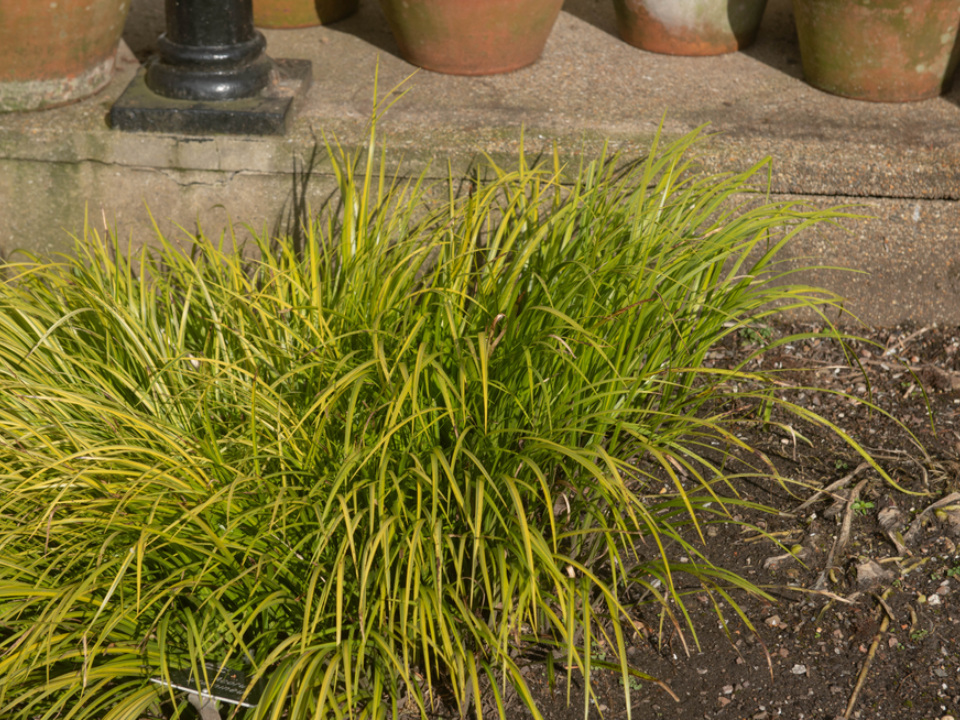
Sweet flag is a grasslike perennial that remains upright even when the soil stays cold and wet for weeks. It grows naturally along pond edges and shallow water, which makes it comfortable in late winter conditions that worry many gardeners. The narrow leaves add structure when other plants have not yet filled in. Early growth continues steadily as temperatures slowly rise.
This plant handles shallow standing water as well as consistently damp soil. It spreads through underground growth but does so at a manageable pace. Sweet flag fits well into rain gardens and low borders where moisture levels fluctuate. Late winter moisture helps it establish strong roots early in the season.
Japanese Iris
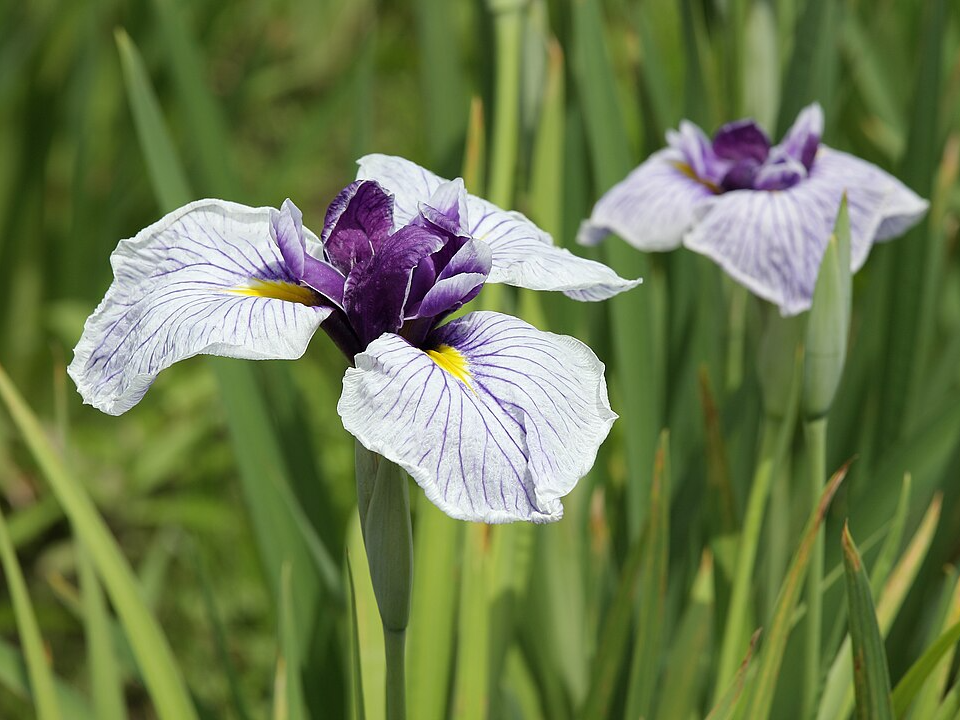
Japanese iris prefers wet soil more than many other iris types, particularly during cooler months. It handles late winter saturation without leaf damage, even in areas where water drains slowly. Tall, swordlike leaves appear early and remain upright despite cold conditions. Early moisture supports later flower development once warmer weather arrives.
Rich soil paired with steady moisture suits this plant best. It grows well near water features or in rain gardens designed to hold runoff. Dry conditions during early growth often lead to weaker plants. Wet late winter soil supports healthy leaf formation.
Winterberry Holly
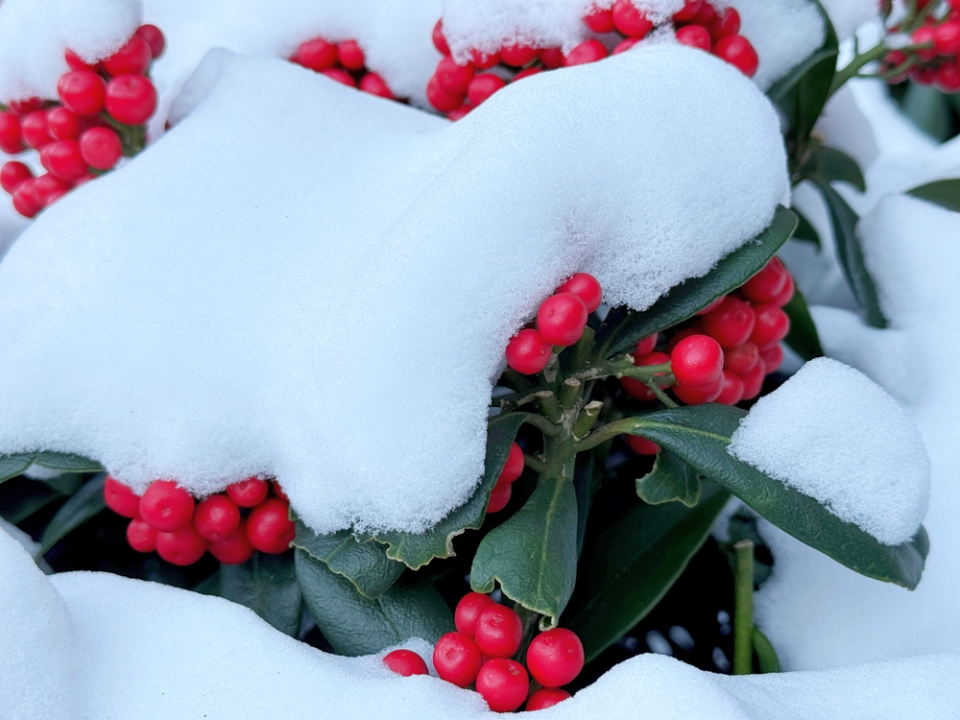
Winterberry holly is well-suited to wet late winter soil because it naturally grows in swamps, floodplains, and low woodlands where water often lingers for weeks. During the colder months, its bare branches stand out thanks to clusters of red berries that remain long after leaves have dropped. As temperatures slowly shift, new growth begins without stress, even when the ground stays heavy and saturated. Long periods of moisture do not harm the roots, which makes this shrub dependable in problem areas.
Acidic soil and open light help encourage berry production, though planning is needed since both male and female plants are required. Wet late winter conditions help roots settle before spring growth increases. This shrub fits naturally into landscapes where water collects seasonally rather than draining away quickly. Once established, it handles fluctuating moisture without decline.
Red Twig Dogwood
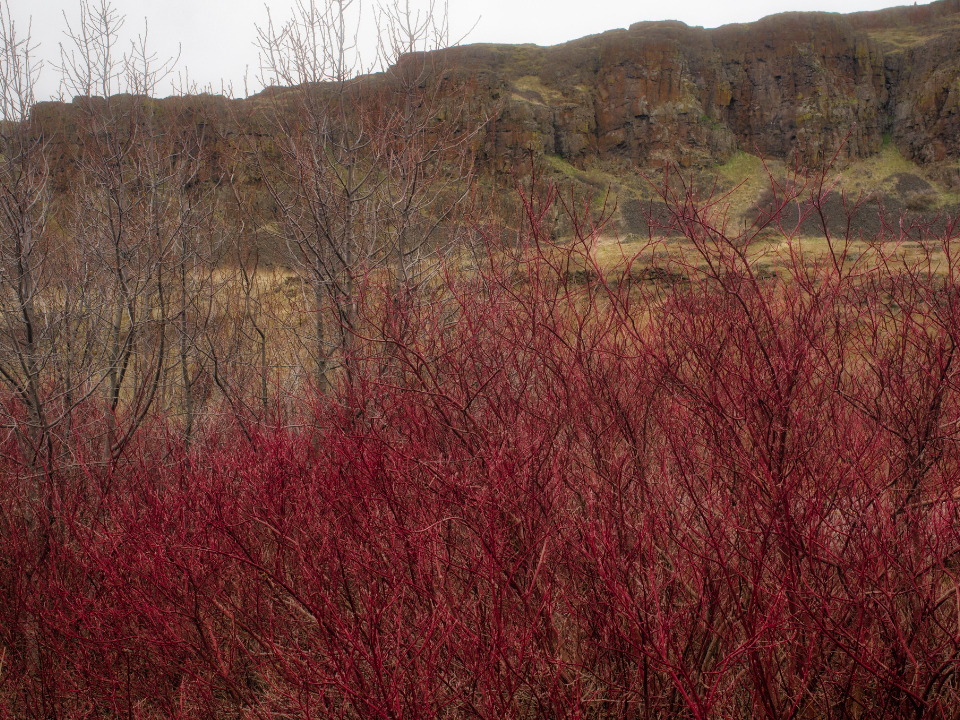
Red twig dogwood handles cold, wet soil reliably, which makes it a strong choice for late winter landscapes. Once the leaves drop, the vivid red stems become a focal point against muted surroundings. As soil temperatures rise, new growth begins even if the ground remains damp. Moist conditions support strong stem development without harming the root system.
Full sun encourages the most noticeable stem color throughout the season. This shrub spreads gradually through roots, allowing it to fill larger spaces over time. Wet late winter soil does not interfere with its health or growth cycle. Occasional trimming helps maintain shape and color.
Cardinal Flower

Cardinal flower grows naturally along streams and damp clearings, making consistently moist soil ideal during late winter. Basal leaves appear early while temperatures remain cool, showing strong tolerance for saturated ground. Early root growth benefits from steady moisture, setting the stage for later flowering. The plant shows little stress even when water remains present.
Partial shade and rich soil help support steady development. Dry conditions often weaken growth, especially early in the season. Late winter moisture allows roots to establish before flowering begins. This plant fits well into rain gardens and damp borders.
Blue Flag Iris
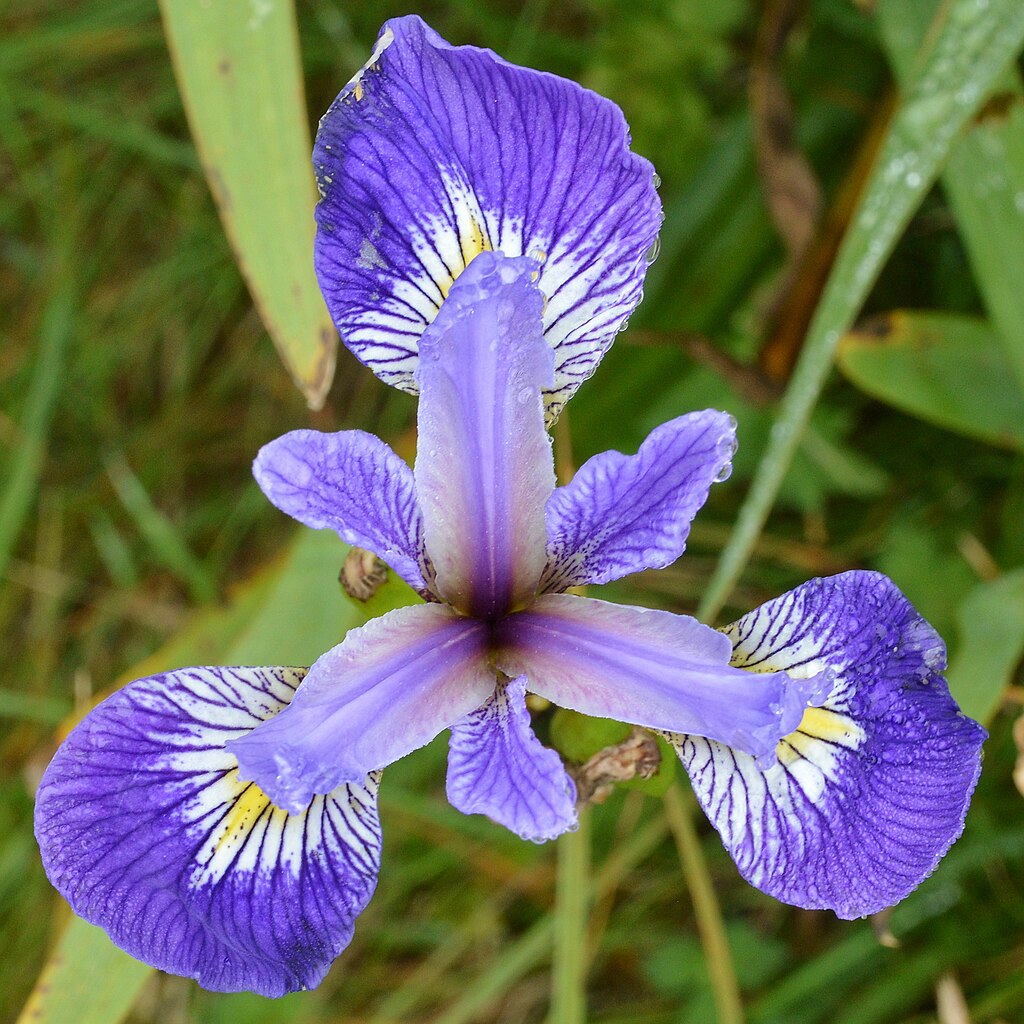
Blue flag iris thrives in marshy soil and shallow water, which makes wet late winter conditions favorable for early growth. Leaves emerge while cold weather still lingers and remain upright despite poor drainage. Unlike many ornamentals, this plant does not suffer when soil stays heavy. Growth continues at a steady pace as spring approaches.
The plant spreads slowly through underground growth and fills space over time. It works especially well along pond edges and low garden areas. Moist soil helps prevent early stress and leaf damage. Blue flag iris brings structure to damp landscapes.
Astilbe
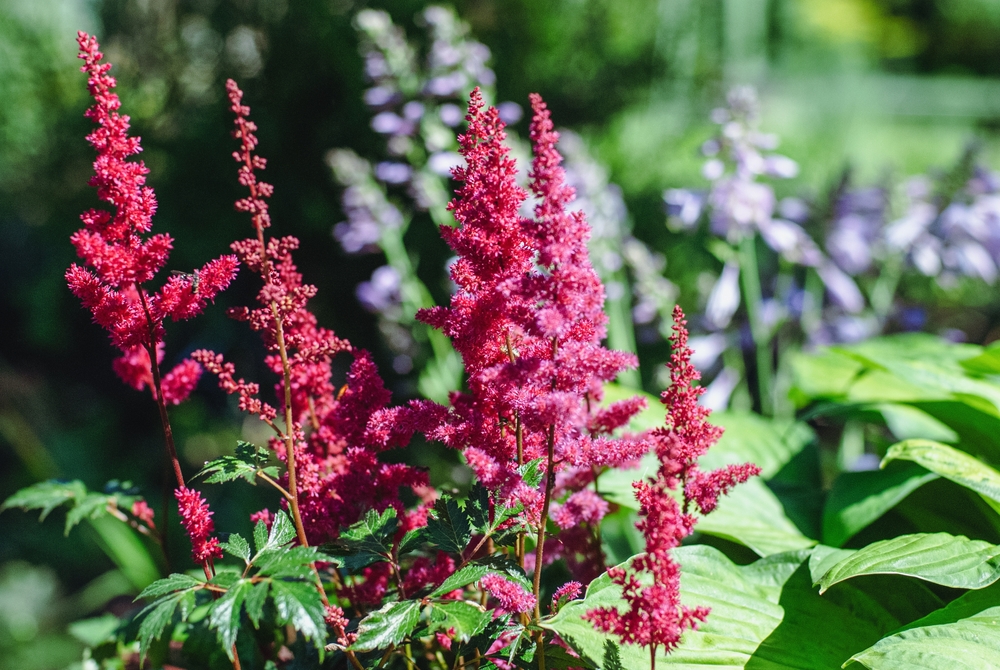
Astilbe prefers damp soil and often struggles when conditions dry out too early in the season. New shoots appear while moisture levels remain high and temperatures stay cool. Late winter water supports leaf development that later leads to fuller plants. Early growth benefits greatly from consistent moisture.
Partial shade and rich soil help maintain healthy growth patterns. Wet late winter soil allows roots to strengthen before flowering begins. Astilbe fits well near downspouts or low areas where water naturally collects. Steady moisture improves overall plant performance.
Cinnamon Fern
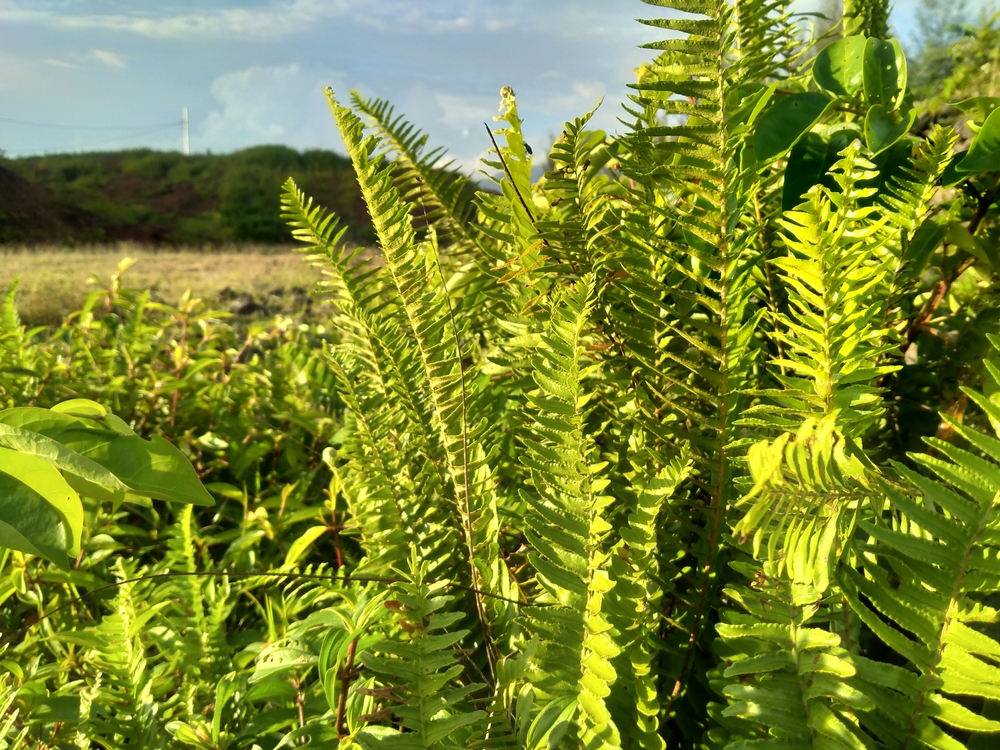
Cinnamon fern thrives in shaded areas where the soil remains swampy through late winter. Fiddleheads push through cold, damp ground without hesitation. As temperatures rise, large fronds unfurl gradually and fill space with layered texture. Moist soil supports steady growth from the earliest stages.
This fern works well in woodland gardens and shaded borders. Dry soil often causes stress, especially early in the year. Late winter moisture supports strong frond development. The plant adds height and depth to damp areas.
Meadow Rue
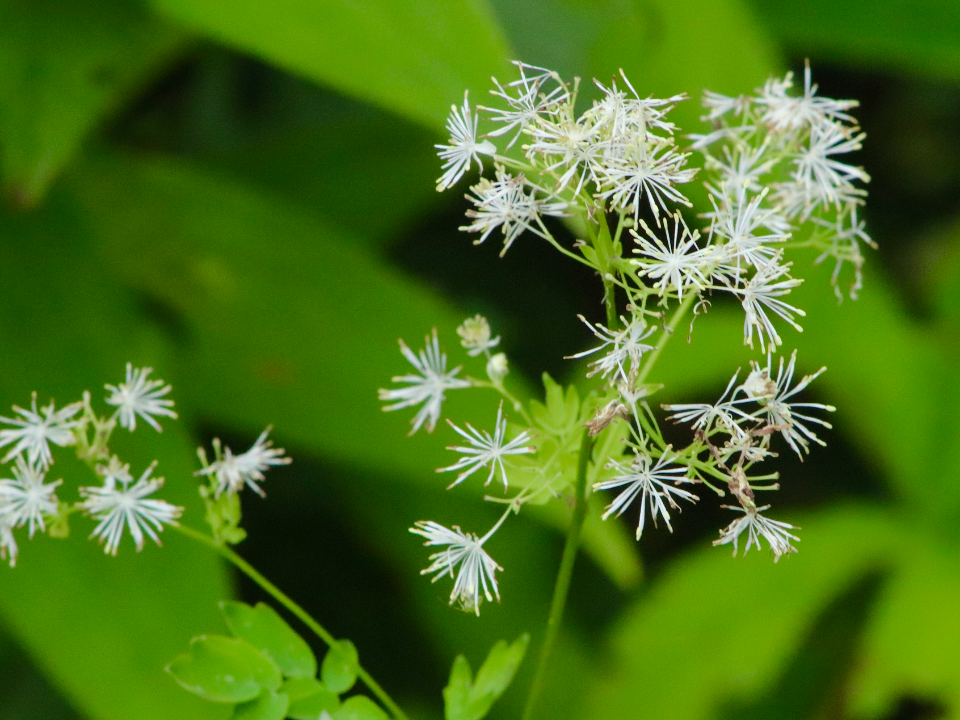
Meadow rue grows comfortably in moist soil and tolerates brief flooding during late winter. Early foliage appears while conditions remain cool, showing resilience in poor drainage. Fine leaves contrast with sturdy stems that remain upright in heavy soil. Growth continues without interruption.
Partial shade and nutrient-rich soil suit this plant well. Early moisture supports later flowering and stem strength. Meadow rue fits naturally into low areas where water gathers. Its soft appearance balances heavier plants nearby.
Swamp Milkweed
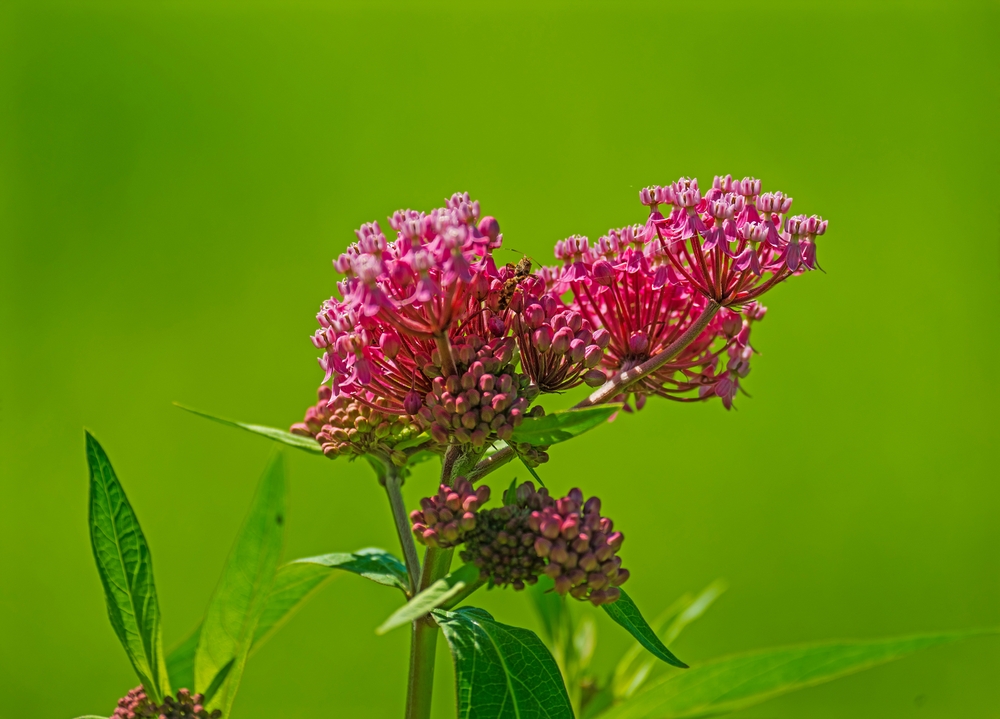
Swamp milkweed is well-suited to late winter gardens where soil stays wet after steady rain, since it naturally grows in low areas that remain saturated for long periods. Growth begins early, with sturdy stems emerging even when drainage is poor, and temperatures are still cool. Consistent moisture during this stage supports deep root development that carries the plant through the rest of the season. Heavy ground does not slow its progress, which makes it dependable in rain-prone spaces.
Full sun encourages stronger stems and taller growth as the season moves forward. Compared to plants grown in drier soil, swamp milkweed often develops a fuller shape when moisture is consistent. Wet late winter conditions help young plants settle without stress. It fits naturally into rain gardens and other low spots where water collects.
Golden Ragwort
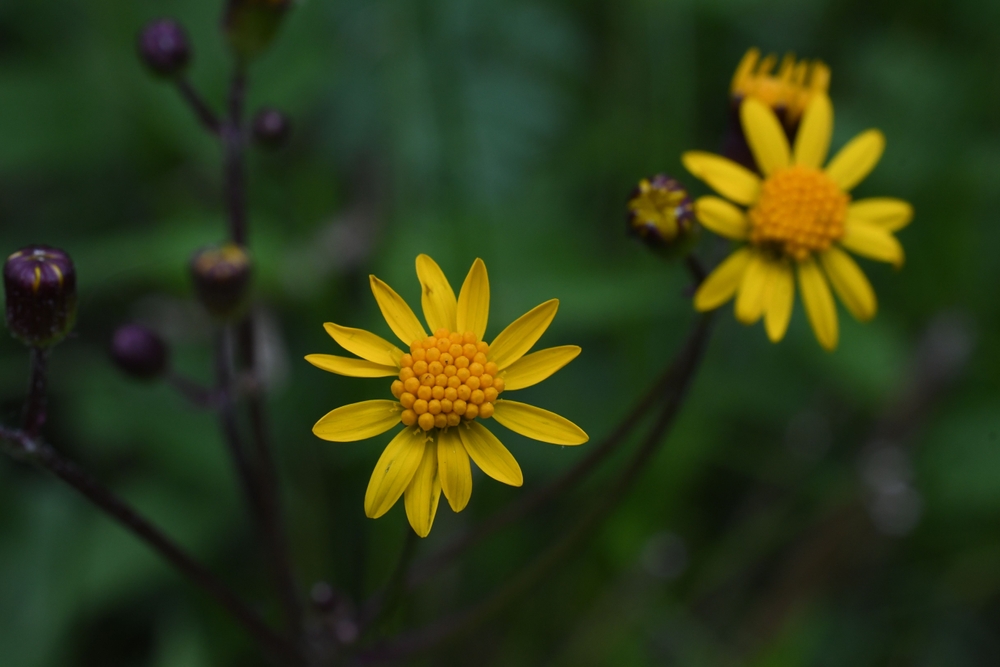
Golden ragwort handles wet soil and cool temperatures with little trouble, allowing it to remain active when many plants stay dormant. Its basal leaves often stay green through winter, providing steady ground cover while the garden is still quiet. As late winter comes to an end, early flowers begin to appear before most plants wake up. Moist soil supports steady growth without causing decline.
This plant spreads slowly across damp ground, forming loose colonies over time. It works especially well in shaded borders and woodland areas where soil stays cool and moist. Late winter moisture plays a role in encouraging early flowering. Golden ragwort adds soft color during months when little else is in bloom.
Horsetail
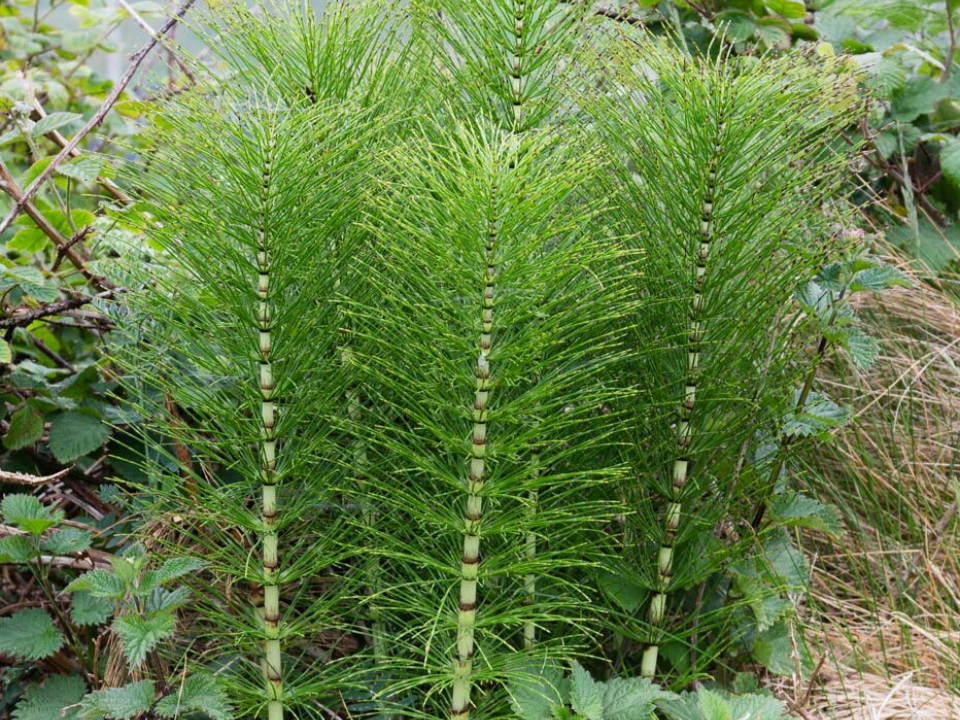
Horsetail thrives in saturated soil and shallow water, even during the cold and unsettled conditions of late winter. Hollow stems rise easily from muddy ground, showing little reaction to standing water or poor drainage. This plant grows naturally in wetlands and ditches, which explains its comfort in heavy soil. Early growth continues steadily as temperatures begin to shift.
Underground runners allow horsetail to spread over time, sometimes covering more ground than expected. For this reason, it performs best in contained areas where growth can be managed. Wet soil supports consistent development from late winter into spring. Its upright form adds strong visual structure to damp landscapes.
This article originally appeared on Avocadu.