
15 Plants That Handle Low Humidity Well During Winter
When winter arrives, low humidity can be a challenge for many indoor plants. However, some plants thrive in these dry conditions, making them perfect for the colder months. Whether you have a cozy home or a dry office, these plants can handle the winter air. Read on to discover which plants are the best at surviving in low-humidity environments.
This post may contain affiliate links, which helps keep this content free. Please read our disclosure for more info.
Snake Plant (Sansevieria / Dracaena trifasciata)
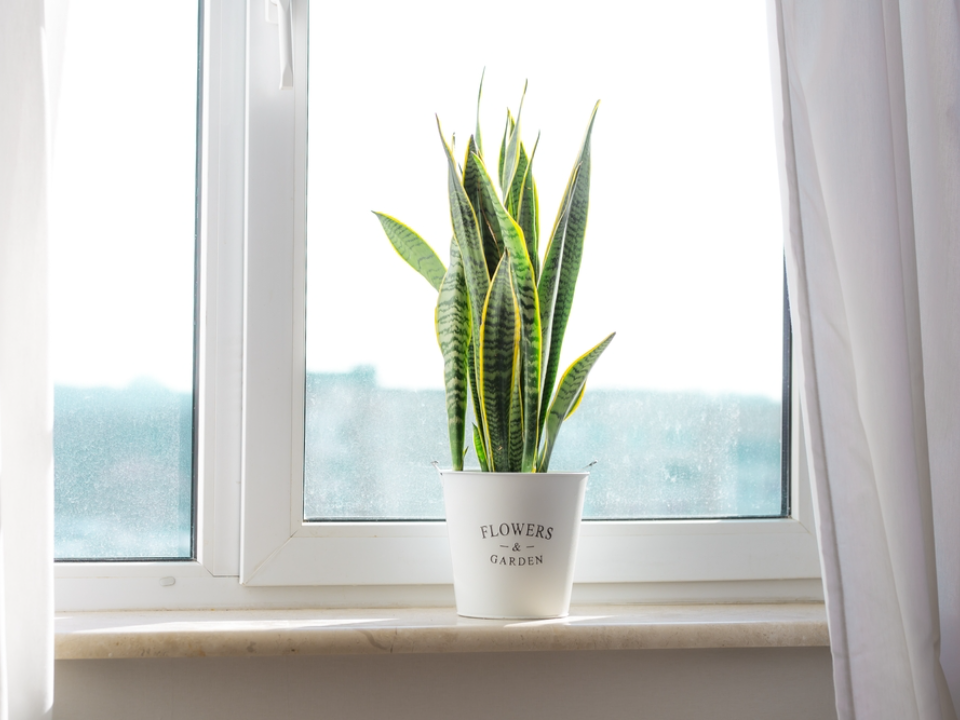
The snake plant is well known for its ability to tolerate dry air and irregular watering, making it a reliable choice for winter months when indoor humidity drops. Its upright, sword-like leaves are thick and waxy, which helps the plant conserve moisture even under central heating conditions. This species does not need daily attention, though it thrives best in medium to bright indirect light when available. It is a popular option for both new and experienced plant fans because it continues to grow and add greenery in spaces with dry air.
During winter, misting the leaves is not required because the plant’s natural structure guards against moisture loss. Occasional watering only when the soil feels dry to the touch is ideal for keeping roots healthy. Place the plant in a spot where it receives consistent light throughout the day to support slow growth into the colder months. This hardy houseplant works well in living rooms, bedrooms, and offices with forced-air heating.
ZZ Plant (Zamioculcas zamiifolia)
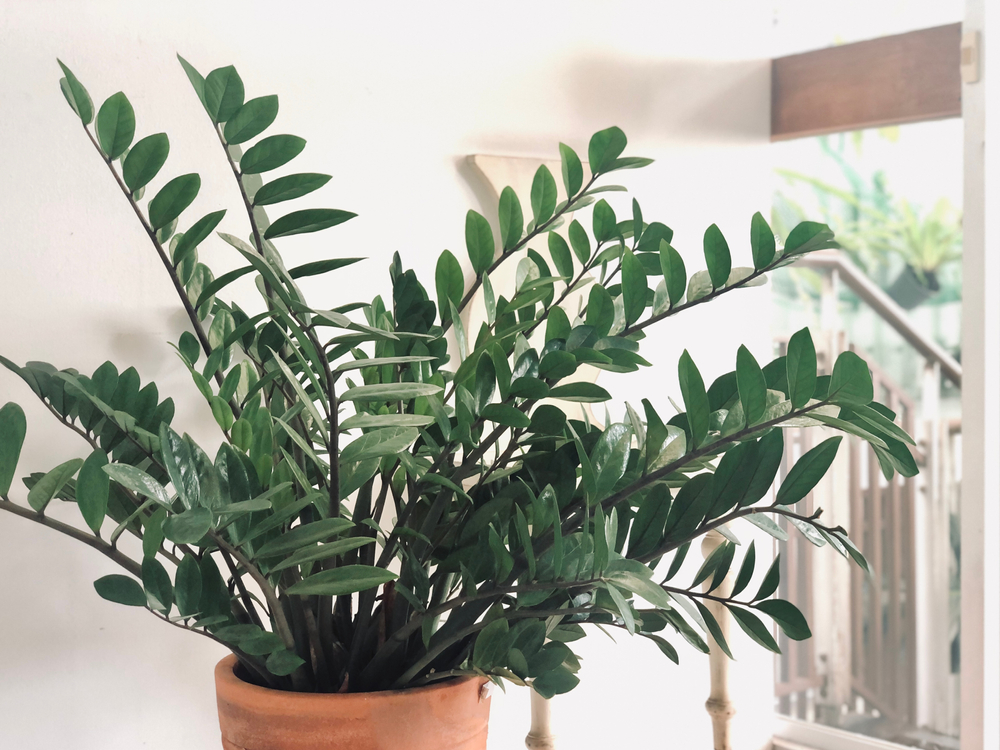
The ZZ plant is a popular indoor species that tolerates dry conditions and low humidity with ease, making it suited to winter climates indoors. Its glossy, dark green leaves arise from thick rhizomes that store water, so the plant can go long periods without watering while maintaining a healthy appearance. ZZ plants grow well in various light levels, from low to bright indirect light, which gives flexibility for different indoor spaces.
Winter care for a ZZ plant means resisting the urge to water too often, as excess moisture can lead to root problems. Water only after the soil surface feels dry, which may be weeks apart in low-humidity air. Keep the plant away from drafty windows where cold air could stress its foliage. With minimal care, a ZZ plant provides long-lasting structure and lush foliage throughout the season.
Aloe Vera
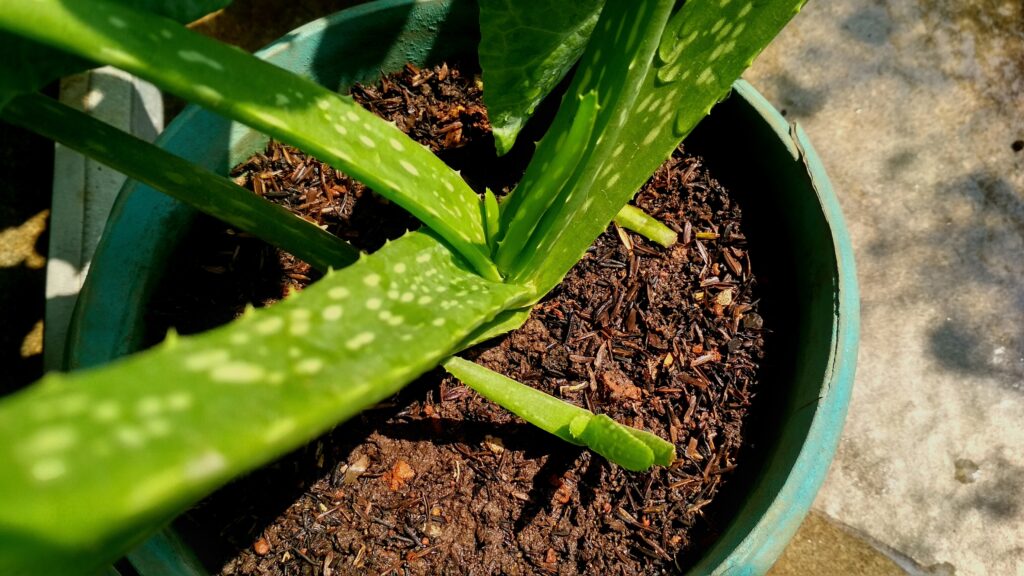
Aloe vera is a succulent that thrives in dry environments, storing water in its thick leaves so it can cope with low indoor humidity common in winter. It prefers bright light, making a sunny windowsill an ideal winter home where it absorbs indirect sunlight throughout the day. Watering should be infrequent and only when the soil is dry deep down, which helps protect the roots from rotting. The plant’s fleshy leaves not only hold moisture but also offer a useful gel that can soothe skin irritations when harvested responsibly.
Because it is adapted to arid conditions, aloe vera performs well without humidifiers or misting in heated rooms. It is crucial to use a well-draining potting mix to prevent water from sitting around the roots. Positioning aloe away from harsh drafts keeps its leaves firm and upright in the colder months. This resilient succulent brings a sculptural, green presence to any indoor collection.
Jade Plant (Crassula ovata)
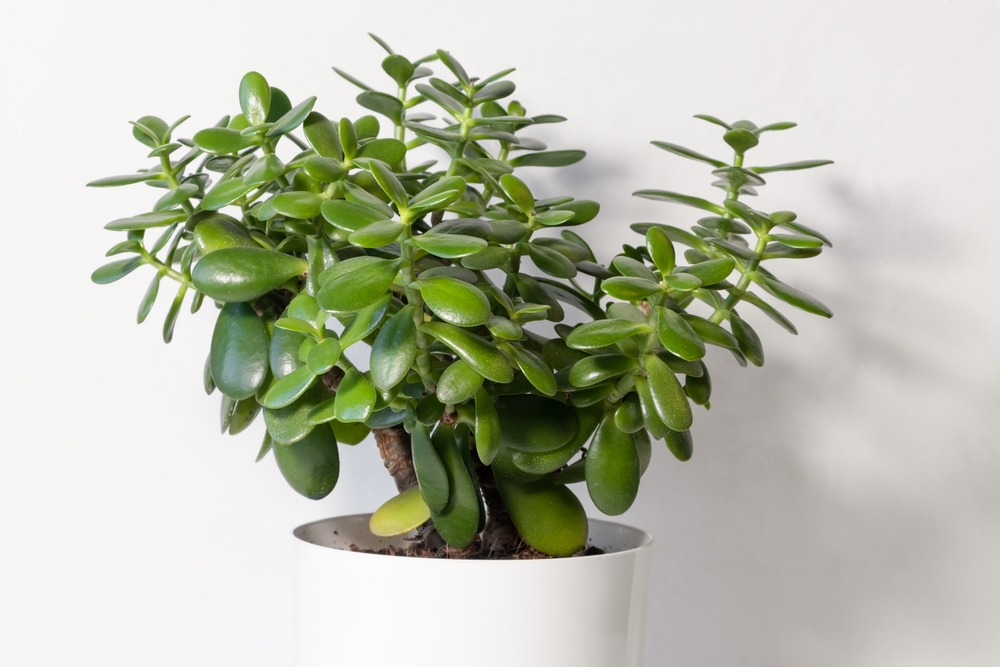
The jade plant has thick, glossy leaves that form a dense, succulent canopy able to hold water against the drying effects of heated indoor air. It is native to arid regions, where moisture in the air is low and the ability to store water is necessary for survival, so indoor winter settings are comfortable for this species. A bright spot near a window helps the jade plant continue slow growth through the colder season. Watering only when the soil is dry encourages a strong root system and prevents common issues with soggy soil.
This plant can grow into a small, tree-like shape with age, making it a standout feature in interior plant arrangements. Its tolerance for low humidity makes it a good fit for homes where central heating is running. The jade plant also appreciates occasional rotation to keep its foliage balanced toward the light source. With modest care, it stays a long-term companion in dry winter conditions.
Haworthia
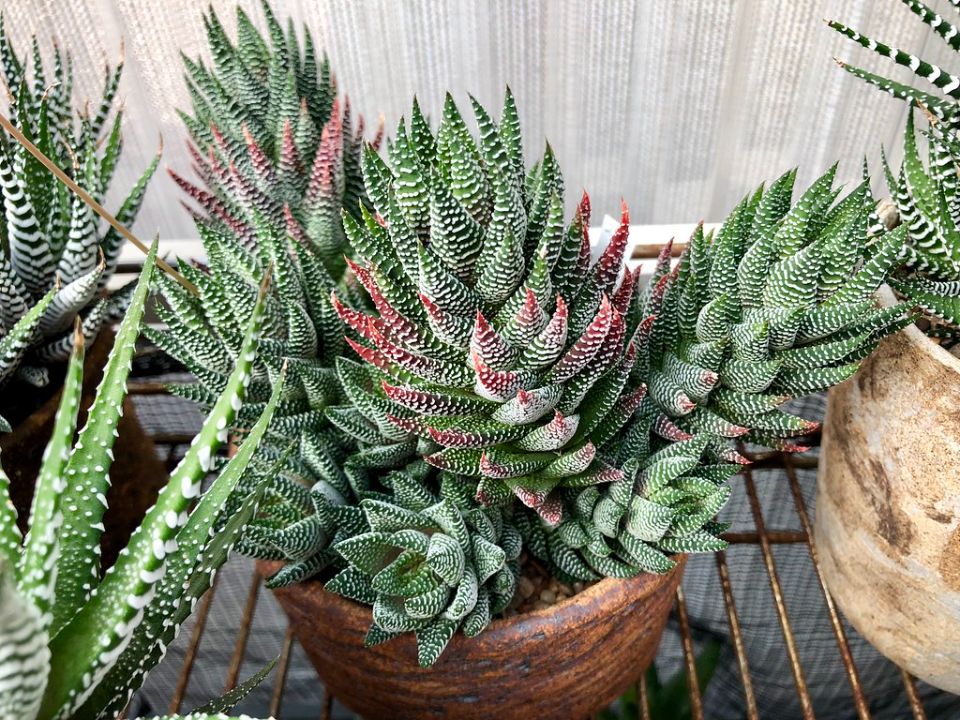
Haworthia species are compact succulents with fleshy leaves that store water, which helps them thrive in dry indoor settings where humidity is low. These plants are suitable for smaller spaces because they remain relatively small while offering intriguing leaf patterns that add visual interest to a shelf or windowsill. Haworthia prefers bright to moderate light but should be shielded from harsh direct sun that could scorch its leaves. Watering only when the top portion of soil is dry supports a healthy root system and prevents overwatering.
In winter, letting the soil dry out more than during active growth seasons supports the plant’s natural cycle and prevents rot. The thick leaves are adapted to arid conditions and retain moisture well, so they stay plump and vibrant. Because they require only occasional watering, Haworthia plants fit into busy routines without demanding constant care. Including one in a collection brings a drought-friendly option to dry indoor air spaces.
Cacti (Various Species)
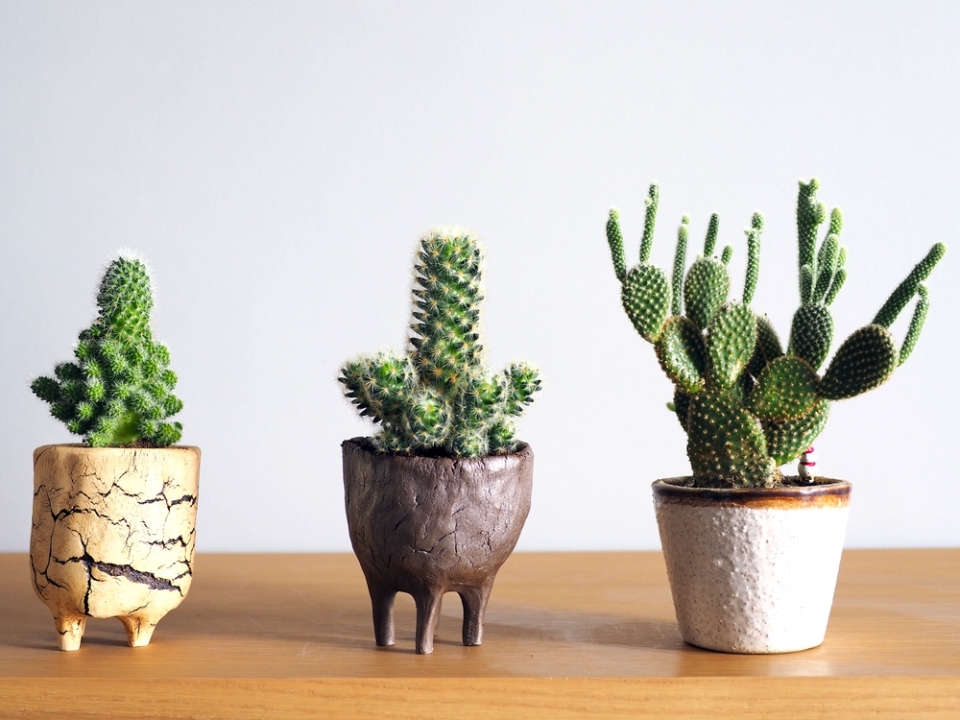
Cacti are desert plants that are naturally adapted to thrive in environments with low humidity and limited water, making them ideal for dry winter air. Their stems and spines are efficient at storing water, letting them survive extended periods without moisture. Many cacti also feature unique shapes and textures, adding bold form to an indoor plant grouping. These plants perform best in bright light, so placing them near sunlit windows during winter helps maintain their growth.
Because cacti store water so effectively, watering should be very sparing, especially in cold months when growth slows. Allow the soil to dry completely between watering sessions to protect roots from decay. Monitor light levels and rotate cacti occasionally to keep their form even. In rooms with heated air, these plants remain healthy and visually striking through the winter months.
Cast Iron Plant (Aspidistra elatior)
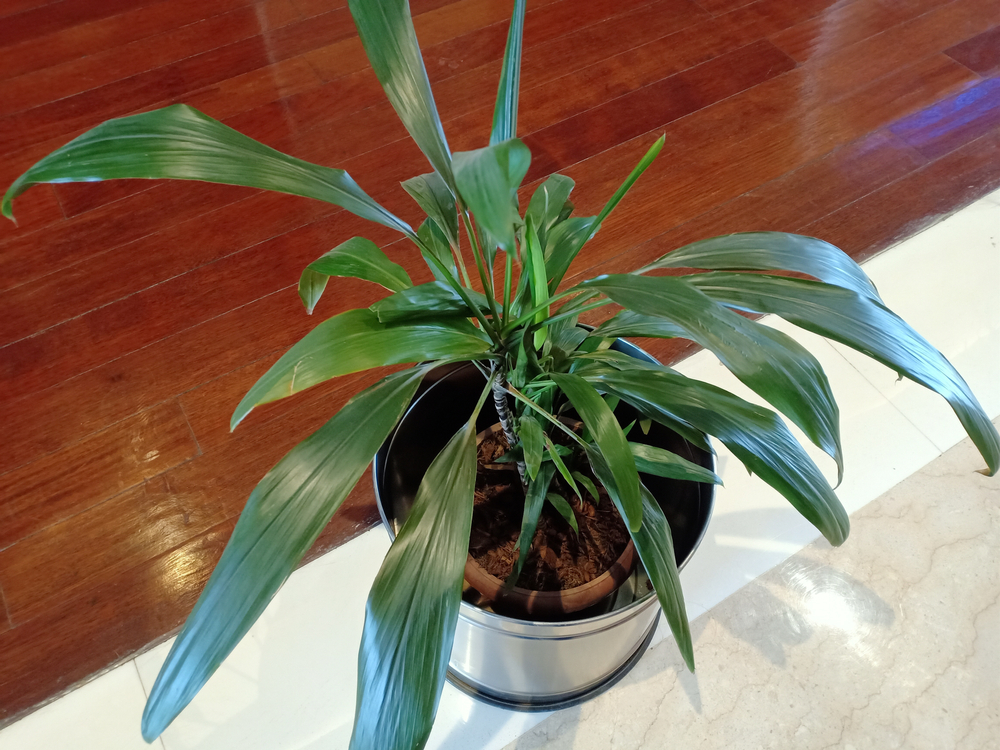
The cast iron plant is admired for its ability to survive in conditions that many other houseplants find challenging, including dry indoor air with low humidity. Its broad, dark green leaves emerge from the soil in a way that resists wilting even when humidity dips below comfortable levels for tropical species. While it tolerates low light, medium indirect light encourages more consistent growth. This plant’s common name reflects its unassuming strength, making it a good choice for winter spaces with forced-air heat.
Cast iron plants require only occasional watering, allowing the top layer of soil to dry before adding a little more moisture. They do not demand humidity trays or frequent misting, so they work well in typical home conditions during the cold season. Keeping them away from direct heat vents preserves their foliage from drying out prematurely. With minimal fuss, cast iron plants bring reliable greenery to low-humidity rooms.
Spider Plant (Chlorophytum comosum)
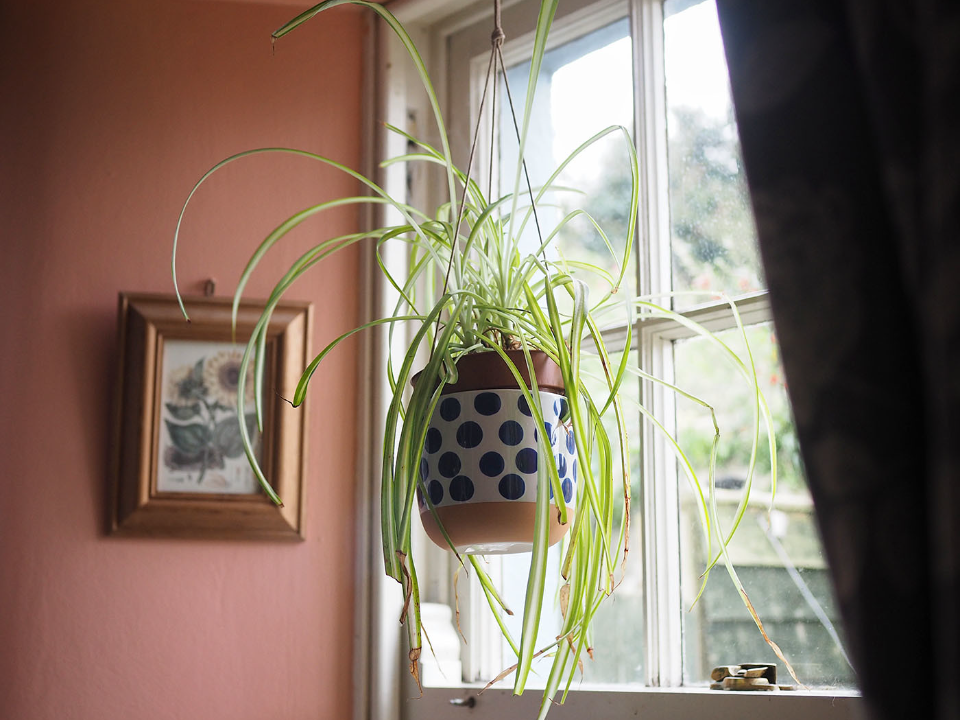
The spider plant remains popular partly because it tolerates less-than-ideal indoor conditions, including dry air from winter heating systems. Its arching leaves grow from a central rosette and often produce cascading plantlets that can brighten shelves or hanging baskets. Although spider plants appreciate moderate humidity, they function well in standard home air that becomes dry in winter. Providing bright, indirect light will help maintain vigorous growth and encourage plantlets to form on long stems.
Watering should match the plant’s cycle, allowing the soil surface to dry out slightly between sessions while keeping roots from sitting in water. Regular watering patterns in winter prevent prolonged drought stress in the plant. Adjusting placement away from direct heat sources keeps leaves from yellowing at the tips. Spider plants offer lively green foliage that stays resilient in dry indoor climates.
Pothos (Epipremnum aureum)
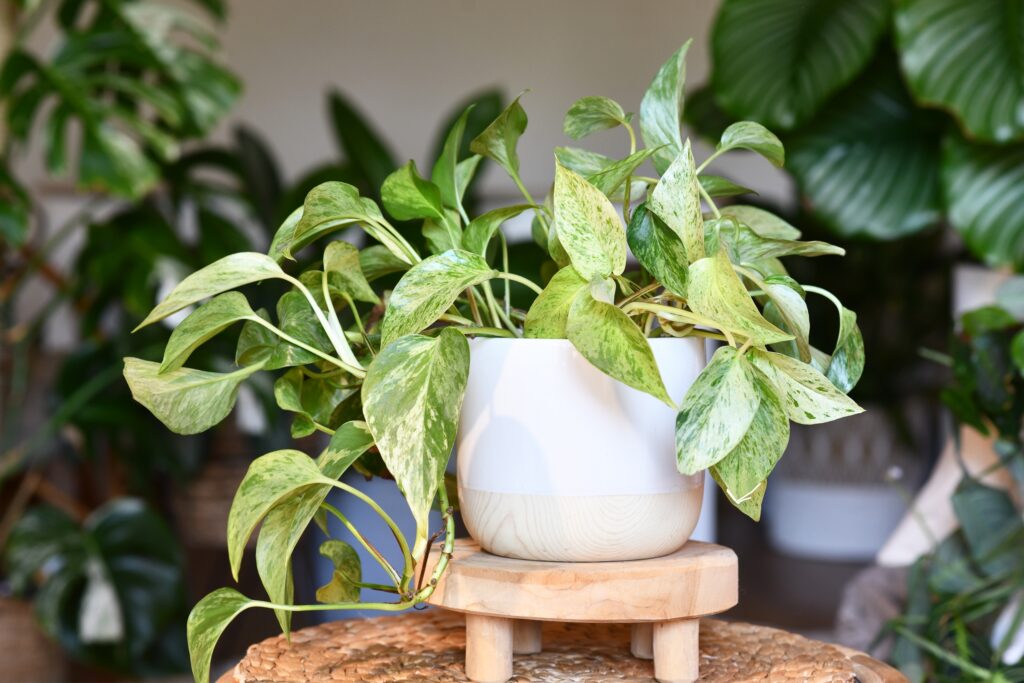
Pothos is a popular trailing houseplant that manages low humidity with ease, making it ideal for winter rooms with dry air. Its heart-shaped leaves and trailing stems offer graceful lines that fill shelves and corners while requiring simple care. Although the plant enjoys bright, indirect light, it will grow steadily in medium light conditions too. Pothos tolerates occasional dry spells between watering without harm, making it forgiving for many indoor settings.
Water when the top layer of soil dries, and avoid overwatering, which can lead to root issues. In winter, letting the plant experience slight dryness mimics the lower humidity it handles well. Regular trimming of long vines encourages fuller growth toward the light source. This resilient plant stays green and full through the colder months in most home conditions.
Yucca
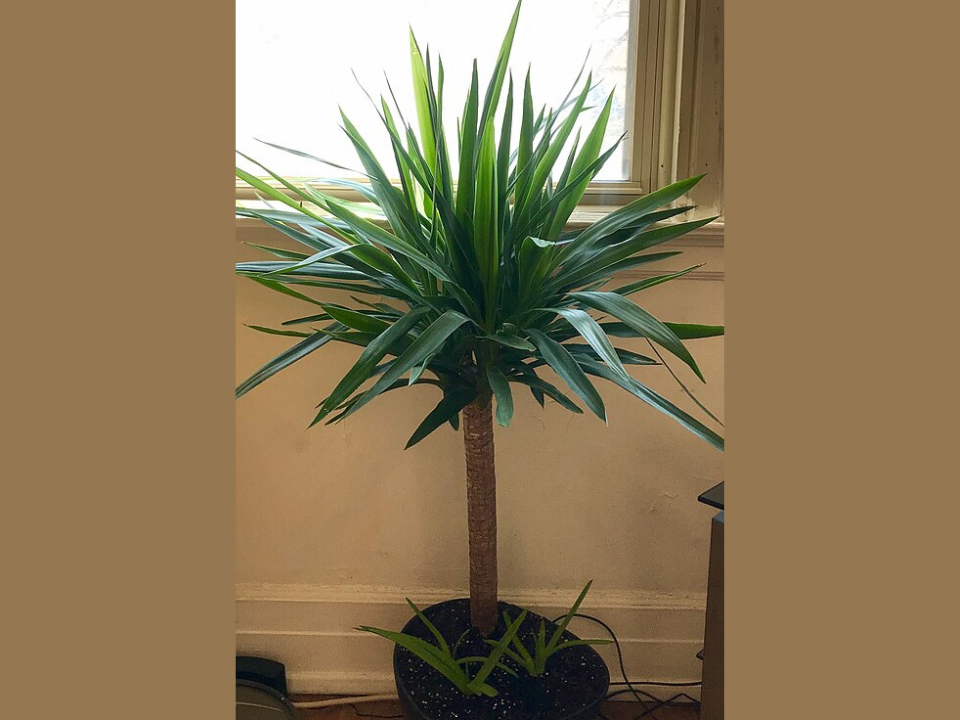
Yucca plants are drought-tolerant and adapted to grow in arid climates, which makes them suitable for dry indoor air typical of winter in heated spaces. Their sword-like foliage arises from thick stems that conserve water, enabling the plant to cope with low humidity and infrequent watering. Yuccas prefer bright light, so positioning them near a sunny window helps keep growth active through winter. Their sculptural appearance adds visual height and architectural interest to interior plant collections.
Watering should be deep but infrequent, allowing the soil to dry thoroughly before watering again. Excess moisture around the roots can cause rot, so good drainage is essential. Removing any dead leaves at the base helps maintain a clean appearance and reduces potential pest issues. In homes with dry air, yucca plants remain robust and striking through winter.
Hoya (Wax Plant)
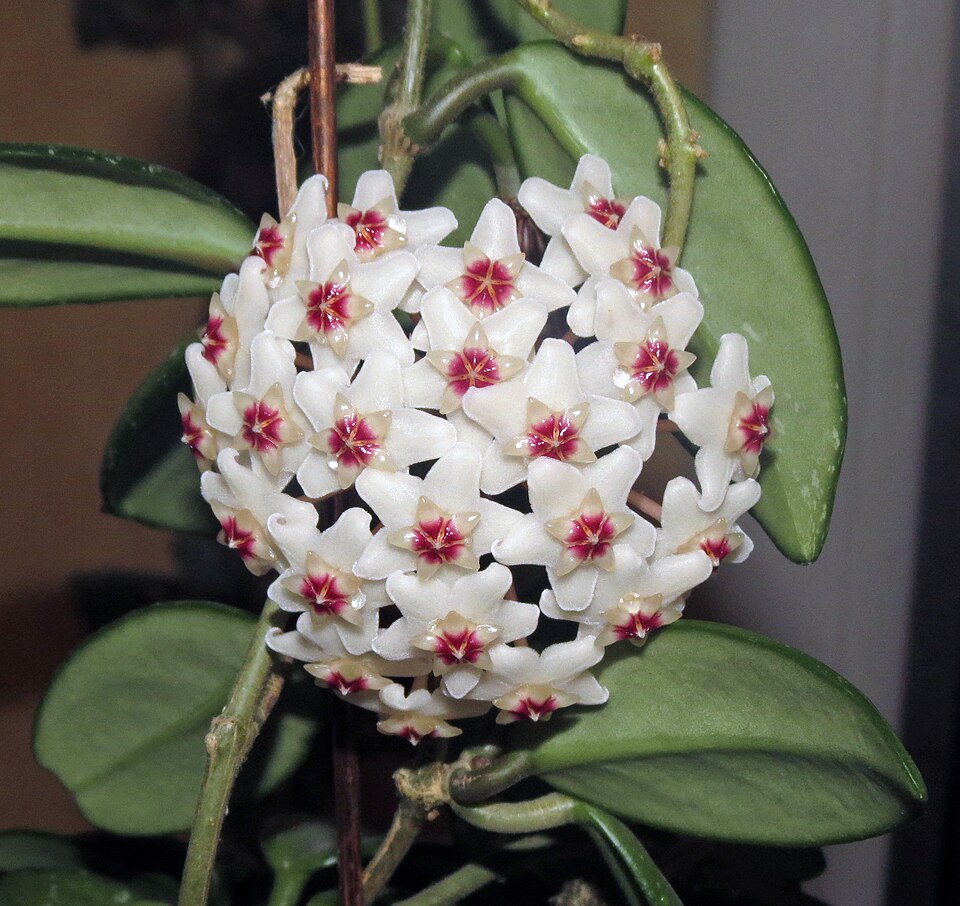
Hoyas are succulent-like vines with thick, waxy leaves that store moisture and help the plant tolerate dry indoor environments. These trailing plants can produce clusters of star-shaped blooms if light levels are adequate, which adds color to winter décor without demanding extra humidity. Hoyas prefer bright, indirect light, though they will adapt to medium light areas comfortably. Watering only when the top portion of soil is dry supports a healthy root system and prevents overwatering.
Because of their water-storing leaves, hoyas are forgiving when indoor humidity dips in winter. They are ideal for hanging baskets or high shelves where air movement is gentle. Pruning long vines encourages branching and fuller growth toward the light. These plants bring a blend of form and gentle blooms to dry indoor air spaces.
Ponytail Palm (Beaucarnea recurvata)
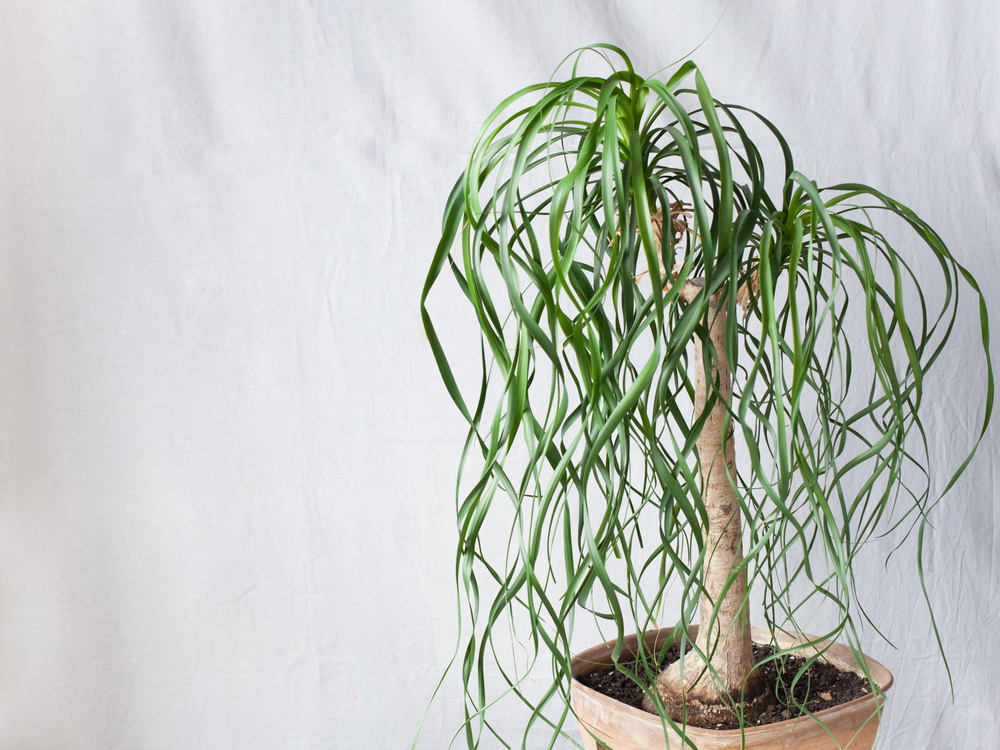
Ponytail palms have a bulbous trunk that stores water, which helps them tolerate dry indoor conditions with low humidity without stress. Their long, arching leaves emerge from the top of the trunk, giving them a fountain-like appearance that suits bright corners and windowsills. These plants prefer plenty of light, so placing them near a sunlit window helps keep growth active through winter. Infrequent watering is best, with soil allowed to dry deeply between waterings.
Their drought-resistant nature makes ponytail palms forgiving in heated rooms where air humidity drops. They do not require frequent misting or humidity trays to stay green. Occasional rotation ensures even light exposure for all leaves. With their distinctive shape, they add structural interest to dry interior environments.
Corn Plant (Dracaena fragrans)
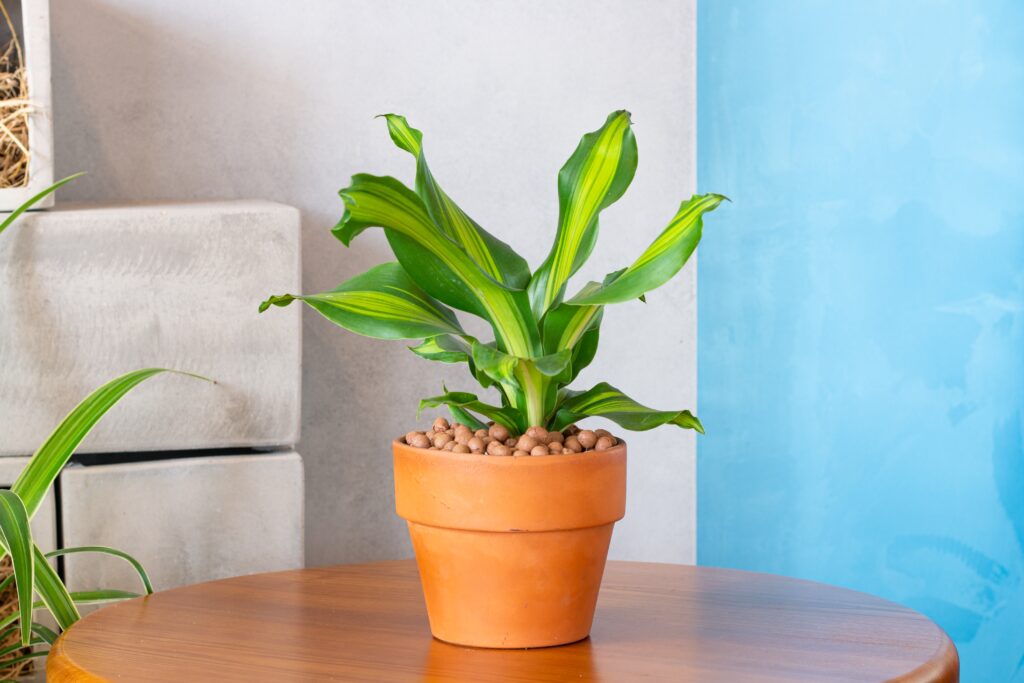
The corn plant, a type of Dracaena, stands out for its ability to endure lower humidity levels, making it suitable for winter rooms with dry heating systems. Its arching leaves are broad and green, often with variegation, and form a thick canopy that adds lushness to interior spaces. While it prefers bright, indirect light, it will grow steadily in medium light conditions and adjust to fluctuating indoor climates. Corn plants do not need constant misting, and moderate watering that allows the top soil to dry keeps them healthy.
In winter, let the plant experience the lower humidity typical of indoor air without worry, but avoid placing it right next to heat sources. Consistent light exposure supports leaf color and growth habit. Trimming yellow or damaged leaves helps maintain an attractive shape. This dracaena adds a tropical feel that stands up to dryness in heated homes.
Rubber Plant (Ficus elastica)
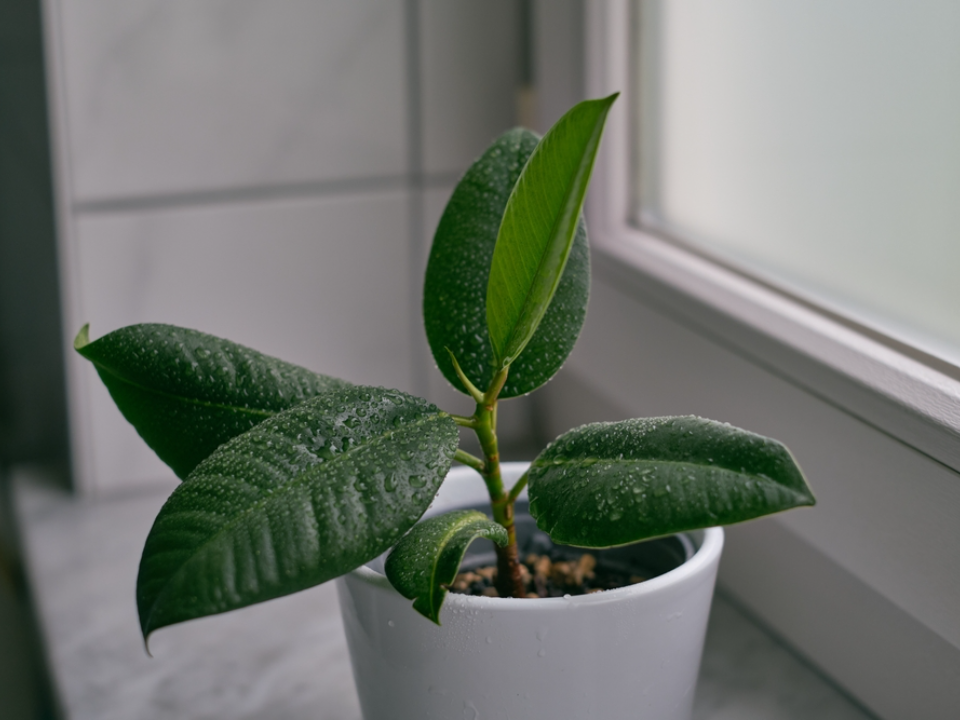
The rubber plant has thick, glossy leaves that tolerate drier indoor air better than many tropical species, so it adapts well to winter conditions where humidity is lower. Its shiny foliage can grow quite large, adding significant greenery to living rooms, halls, or offices. Rubber plants do best in bright, indirect light, though they handle medium light situations without major issues. For watering, letting the top portion of soil dry before adding more moisture prevents root stress.
Because they tolerate lower humidity, rubber plants remain leafy and strong in heated interior spaces without extra humidity measures. Wiping leaves occasionally removes dust and helps the plant photosynthesize efficiently. Avoid cold drafts, which can cause leaf drop in winter. With proper placement and care, rubber plants bring bold foliage to dry indoor air.
String of Pearls (Senecio rowleyanus)
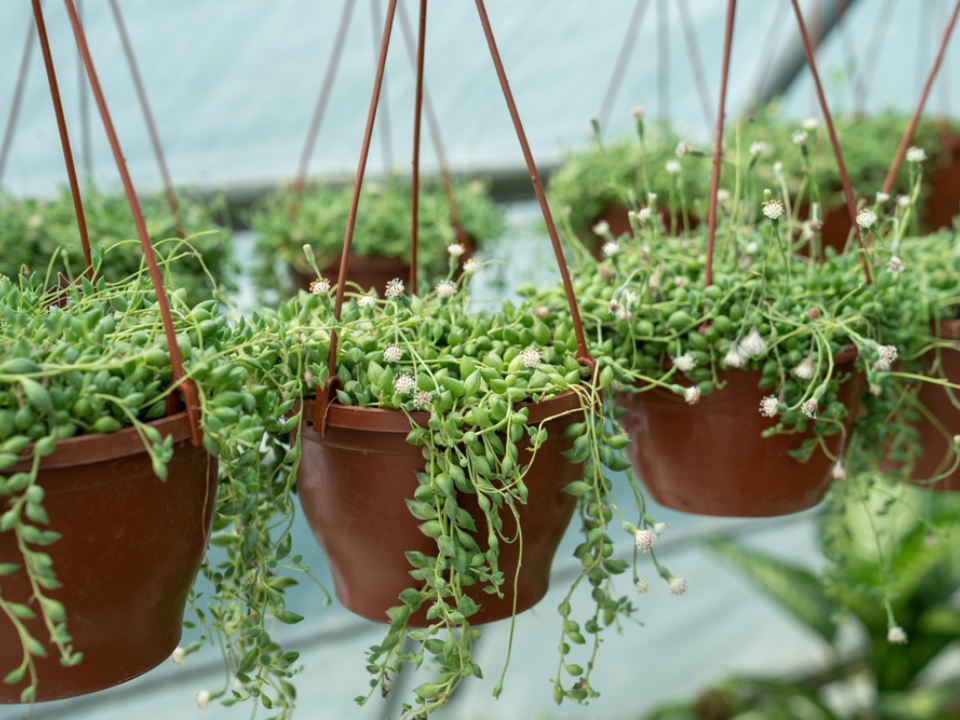
String of pearls is a unique succulent that has small, spherical leaves filled with stored water, which supports survival in dry indoor air common in winter months. Its long, thin stems make it ideal for hanging planters where the pearls can cascade and catch light playfully. These plants thrive in bright light, and positioning them where they receive ample indirect light helps keep them plump and healthy. Water only when the soil is completely dry, as overwatering can lead to root issues.
The structure of the leaves gives string of pearls a forgiving nature in heated rooms where humidity drops. It does not need frequent misting or humidity trays, making care simpler in dry seasons. Rotate the planter occasionally to prevent uneven stem growth. This succulent brings a distinctive look that handles dry air with little fuss.
This article originally appeared on Avocadu.