
15 Plants That Handle Late Winter Frost and Wind Better Than Most
Late winter can feel rough on the garden, with cold nights and gusty days that dry plants out fast. The good news is that some flowers and greenery keep going through frost and wind with far less fuss than others. Here are sturdy picks to help your beds and pots look lively until spring.
This post may contain affiliate links, which helps keep this content free. Please read our disclosure for more info.
Hellebore
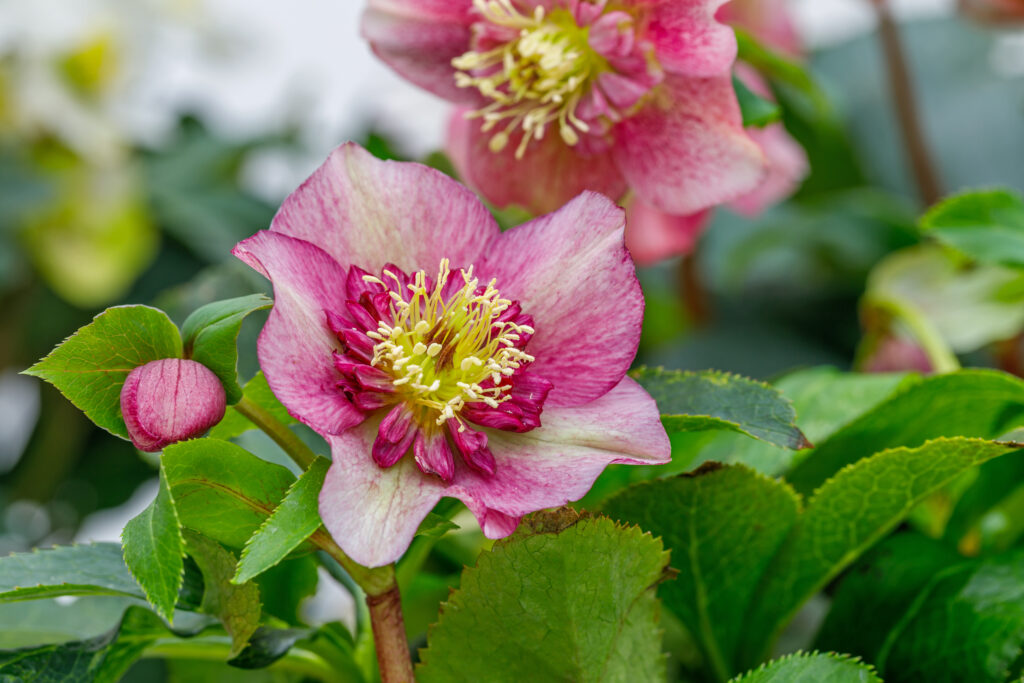
Hellebores often keep their thick, leathery leaves through cold snaps, and the nodding blooms can show up while the rest of the garden still looks asleep. Plant them where they get morning sun and a bit of shelter from the harshest afternoon wind. A layer of mulch helps steady the soil temperature and keeps roots from heaving during freeze and thaw cycles. If late frost nips the flowers, the plant usually keeps pushing new buds as the weather settles.
Once established, hellebores handle dry winter air better than many shade plants, but they still appreciate a deep watering during long dry stretches. Trim off battered leaves in late winter so the flowers are easier to see and air can move around the crown. They do best in well drained soil that stays slightly moist rather than soggy. Deer often leave them alone, which is a nice bonus when fresh growth is limited.
Pansy
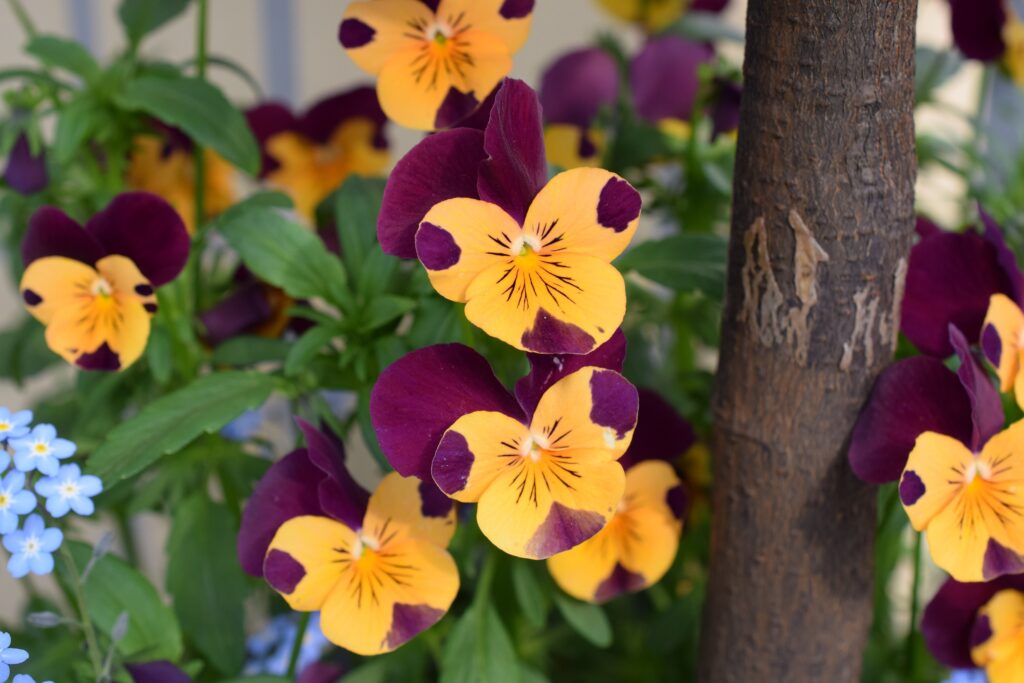
Pansies are famous for bouncing back after a frosty night, especially when the daytime sun warms them up again. Their low growth habit keeps them from snapping in wind, and the plants can keep blooming in cool weather. Tuck them into a spot with good drainage so cold, wet soil does not rot the roots. If you expect a hard freeze, a light cover at night can protect the buds and keep flowers looking nicer.
Wind can dry pansies quickly, so watering on milder days matters more than people think. Pinch off spent blooms to keep the plant producing new flowers instead of focusing on seed. In containers, group pots together or place them near a wall to cut down on gusts. A slow release fertilizer used lightly can keep color coming without pushing soft growth.
Violas
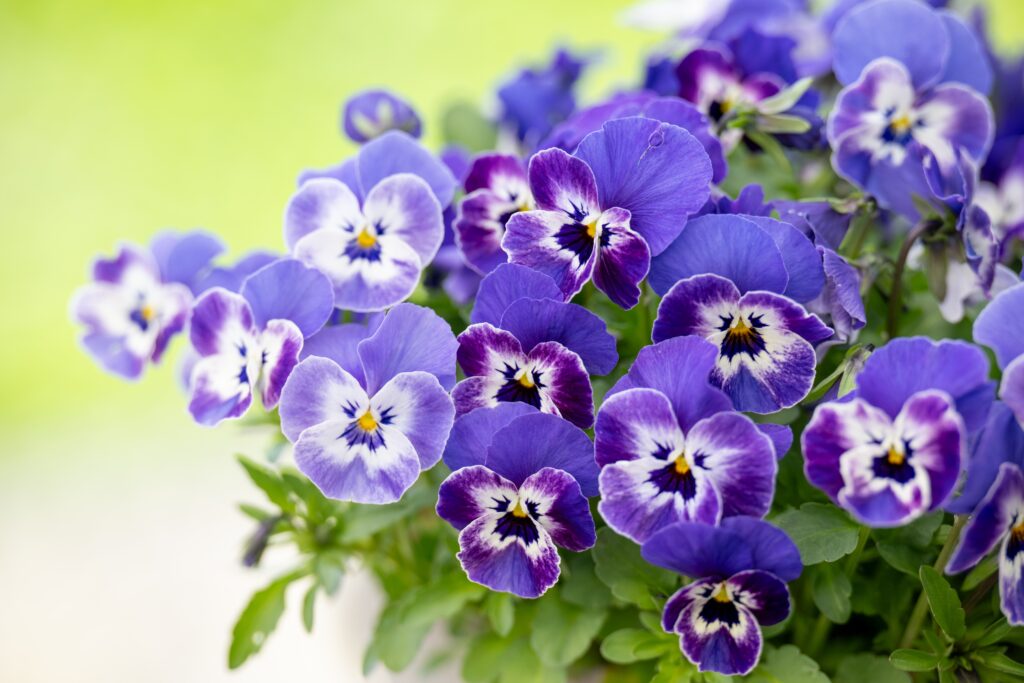
Violas have smaller flowers than pansies, but they often handle rough weather even better and keep blooming longer in cool spells. Because they stay compact, they ride out wind without getting floppy. They like sun in late winter, though they can take partial shade if the spot is bright. When planted in beds, mixing a little compost into the soil helps them settle in fast.
During late winter, the biggest threat is soggy roots, so keep the soil lightly moist and never water if the ground is frozen. Deadheading is quick because the stems are short, and it makes a real difference in how many blooms you get. If a cold blast flattens them, give them a day or two and they usually stand back up. Violas are also easy to tuck into gaps between larger plants for instant color.
Snowdrop
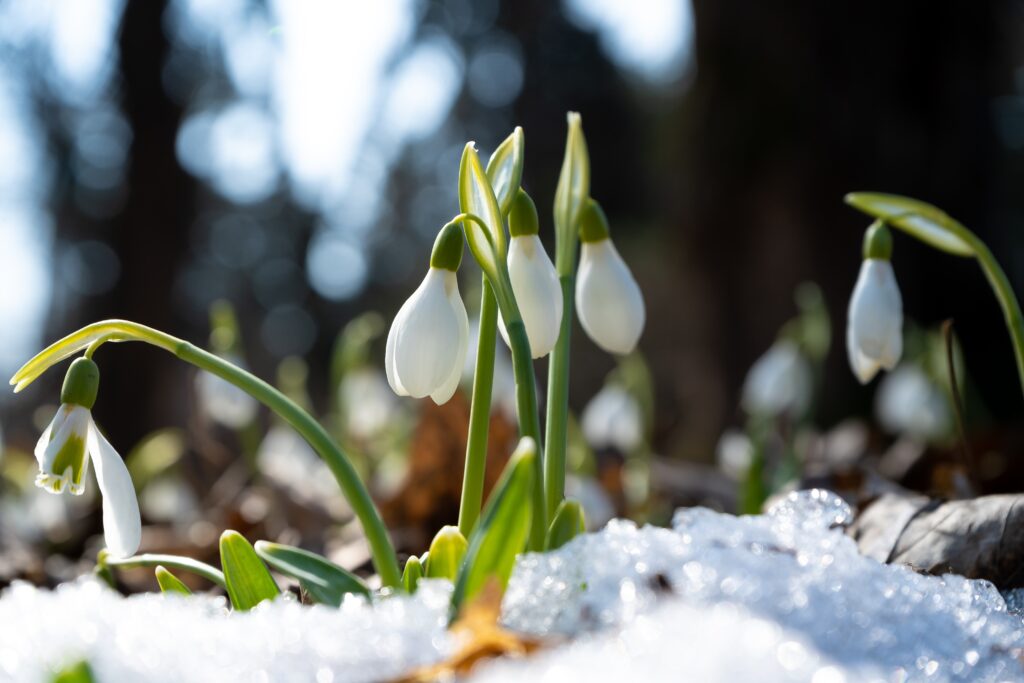
Snowdrops are one of the first bulbs to pop through cold ground, and their narrow leaves and small blooms are built for chilly, windy days. They often bloom while snow still lingers, especially in spots that warm early in the day. Plant the bulbs in fall in well drained soil, and they will return for years with very little attention. A sheltered edge near shrubs or along a fence can help the flowers last longer during gusty weather.
After flowering, let the foliage yellow naturally so the bulb can store energy for next year. Snowdrops do not need much water in late winter because the soil is usually moist, but avoid soggy spots that stay wet for weeks. Over time they can form drifts, and those clumps look especially pretty in a bare garden. If you want quicker spread, divide clumps just after bloom while leaves are still green.
Winter Aconite
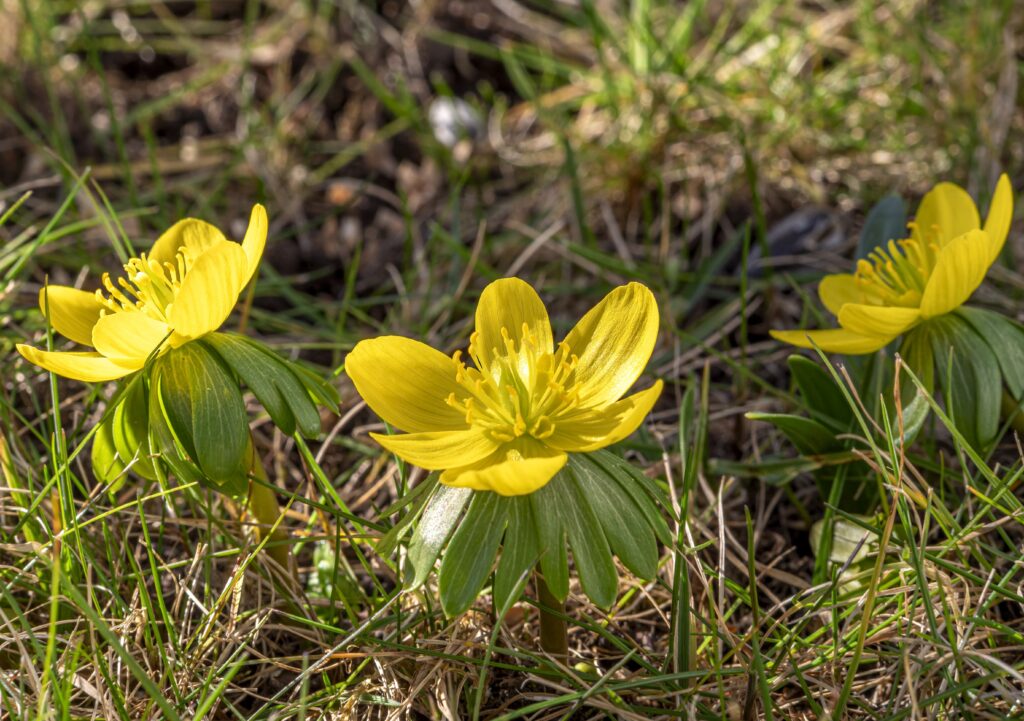
Winter aconite is another early bloomer that can handle cold nights, sending up bright yellow flowers that look like tiny lanterns. The plant stays low, so wind rarely damages it, and the blooms often open on sunny days then close when it turns cold. It does best in soil that drains well and does not crust over, since the small tubers need oxygen. Plant in groups for the best show because individual plants can be easy to miss.
Once it finishes flowering, the leaves keep working for a while, so avoid cutting them back early. In late winter, you usually do not need to water unless the season is unusually dry and mild. A thin layer of leaf mulch can protect the tubers and also keeps soil from splashing onto blooms during rain. Over time, it can naturalize under deciduous trees where spring light is strong.
Primrose
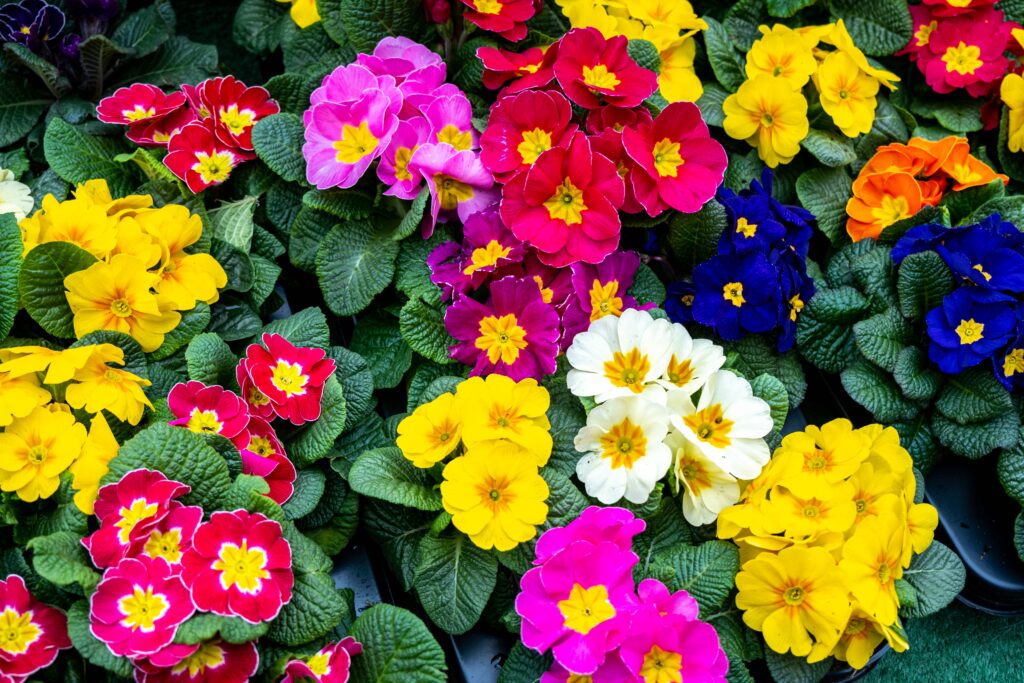
Primroses bring cheerful color in cool weather, and many types handle light frost well when they are not pushed into soft growth. Their leaves form a rosette close to the ground, which helps them cope with wind. Give them rich, well drained soil and steady moisture so the roots do not dry out during cold, sunny days. If you plant them in a protected spot, blooms can last a surprisingly long time.
In containers, primroses dry out faster than you expect in winter wind, so check the soil on warmer afternoons. Remove spent flowers to keep the plant tidy and encourage more buds. Too much water in cold soil can cause rot, so aim for damp, not wet. When temperatures swing, a simple mulch layer helps keep the crown from stressing.
Sweet Alyssum
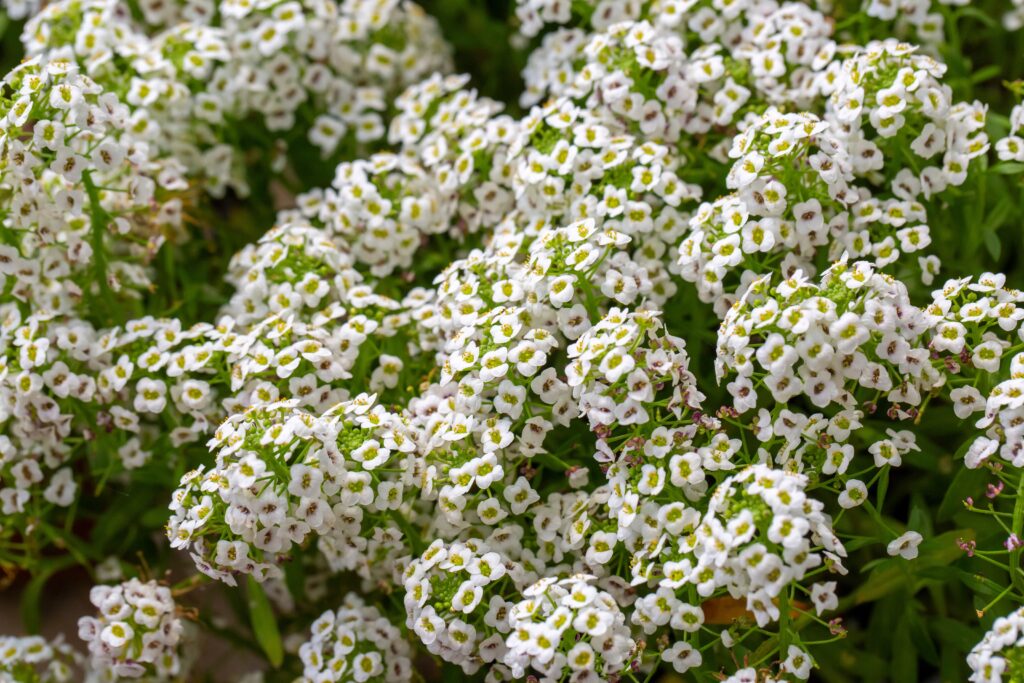
Sweet alyssum is a tough little plant that can handle cool temperatures, and in many places it keeps flowering into late winter when the days are mild. The small leaves and low habit make it less likely to tear in wind. Plant it where it gets sun and where water does not pool after rain. Its honey scent is a bonus when you get a warm spell.
Because it grows fast, it can get leggy, so a light trim keeps it dense and flowering. Water deeply but less often, especially if nights are cold, so roots stay healthy. In pots, it pairs well with pansies and violas because it fills the edges and softens the look. If a freeze browns a few tips, new growth usually comes quickly once the temperature rises.
Ornamental Cabbage
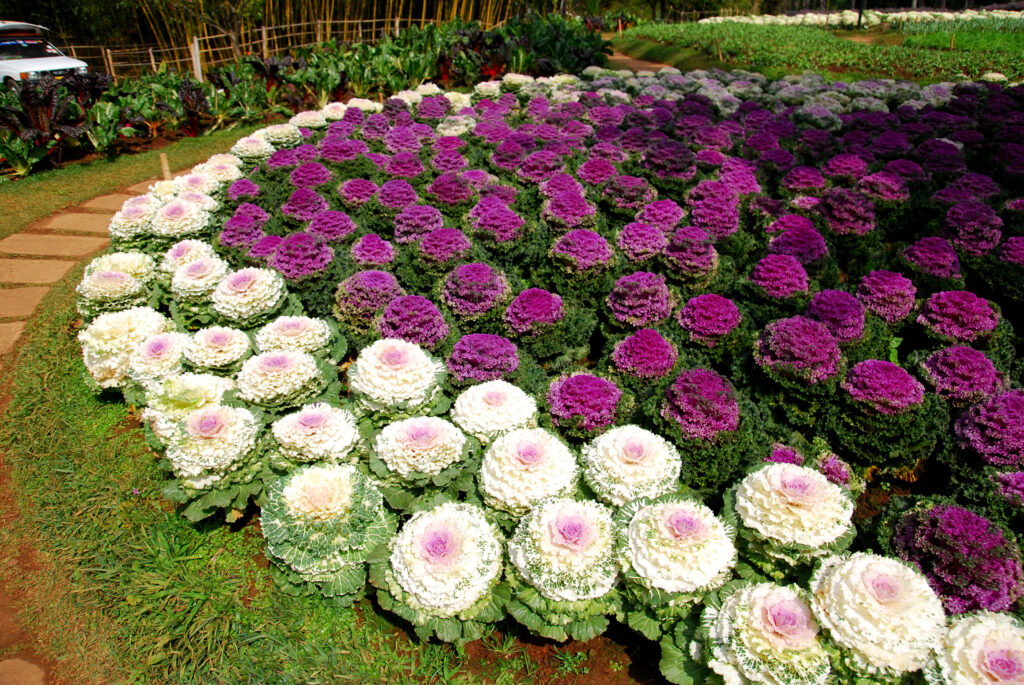
Ornamental cabbage loves cold weather, and the leaf color often looks better after a few frosts. The thick, ruffled leaves hold up in wind far better than tender annuals, especially if the plant is set firmly in the soil. Give it full sun for the best color and plant it in a spot with strong drainage. It can handle cold rain and chilly nights without collapsing.
In containers, keep the pot from tipping in wind by using a heavier container or placing it where it is shielded. Water when the top inch of soil is dry, since soggy roots are the main problem in cold weather. Remove lower leaves if they get muddy or torn to keep the plant looking fresh. It is also a handy way to add texture when flowers are limited.
Kale
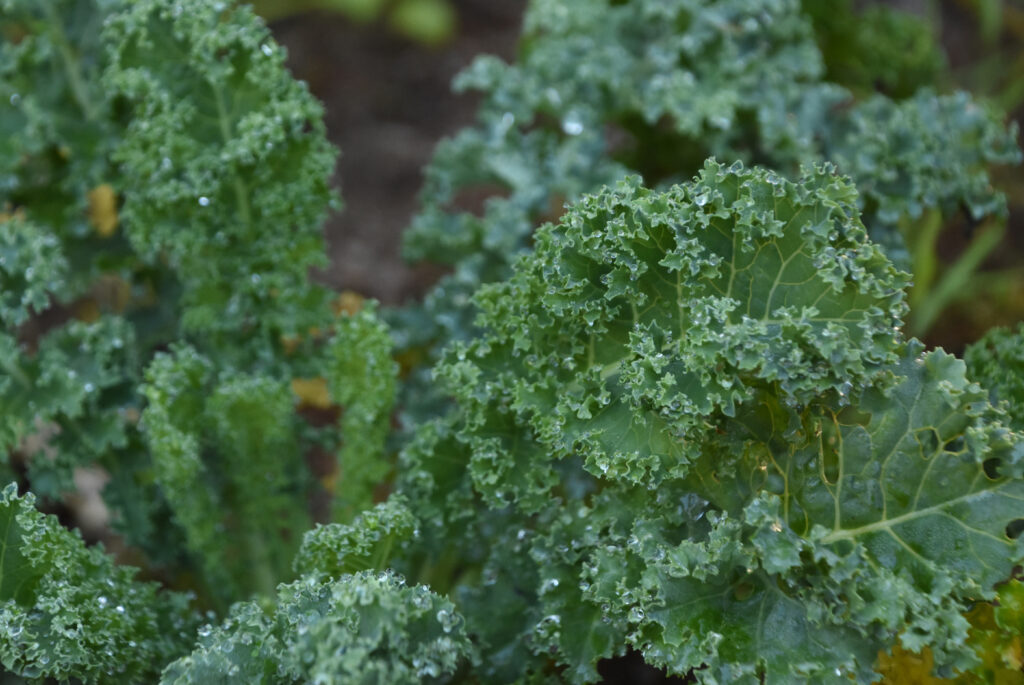
Kale is one of the best edible plants for late winter because frost can make the leaves taste sweeter. The sturdy stems and textured leaves hold up well in wind, especially when plants are spaced so air can move through without whipping them around. Plant kale in full sun if you can, and use mulch to keep the soil from freezing and thawing too quickly. A simple row cover can protect leaves from harsh wind and keeps them cleaner.
Harvest the outer leaves first and let the center keep growing, which gives you a longer season of picking. Water on milder days if the soil is dry, since winter wind can dry beds even when it feels cold. If you get heavy snow, brush it off gently so stems do not bend. Kale often keeps producing until spring warmth makes it bolt.
Dianthus
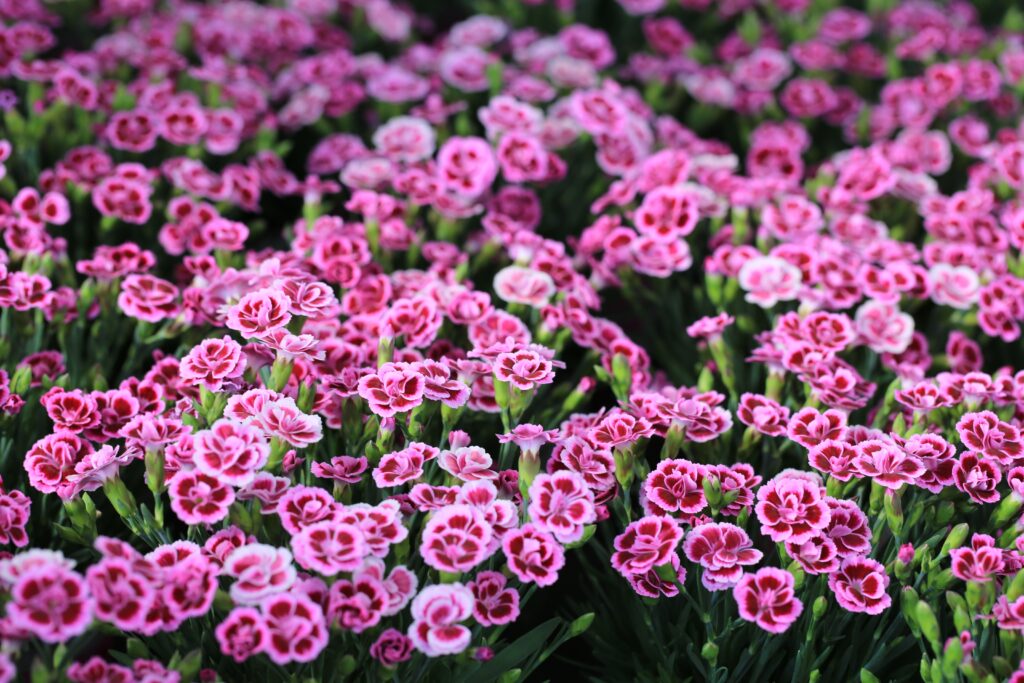
Many dianthus types handle cool weather well, and their narrow leaves are less likely to shred in wind than broader foliage plants. In late winter, they can start to bud early, especially in sunny spots near pavement or stone that holds heat. Plant them in gritty, well drained soil so the crown stays dry through cold, wet stretches. Once they settle in, they can handle a surprising amount of chill.
Deadheading helps keep the plant neat and can lead to more blooms as temperatures rise. Avoid heavy feeding in late winter because soft growth can get damaged by cold nights. A light mulch around the plant helps, but keep it off the crown so moisture does not sit there. Dianthus also works well along edges where the soil warms faster.
Heuchera
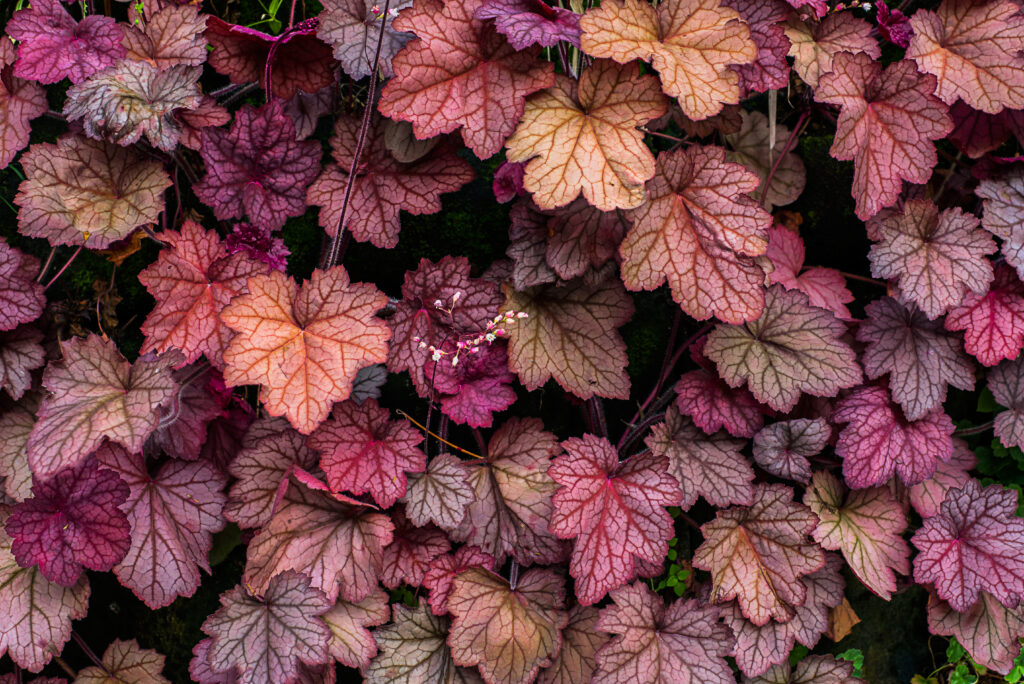
Heuchera, often called coral bells, is prized for tough, colorful leaves that stay present through winter in many climates. The leaves sit on sturdy stems and can handle wind, though strong gusts may dry them out if the soil is too dry. Plant heuchera in well drained soil and give it some protection from the harshest afternoon sun in late winter. If the ground heaves, press the crown back into place on a mild day.
Old leaves can look tired by late winter, so trimming a few makes room for fresh growth without stressing the plant. Water during dry spells, especially in windy sites where moisture disappears quickly. Heuchera does not like sitting in cold, wet soil, so drainage matters more than extra fertilizer. It pairs nicely with early bulbs because the foliage adds color before flowers open.
Sedum
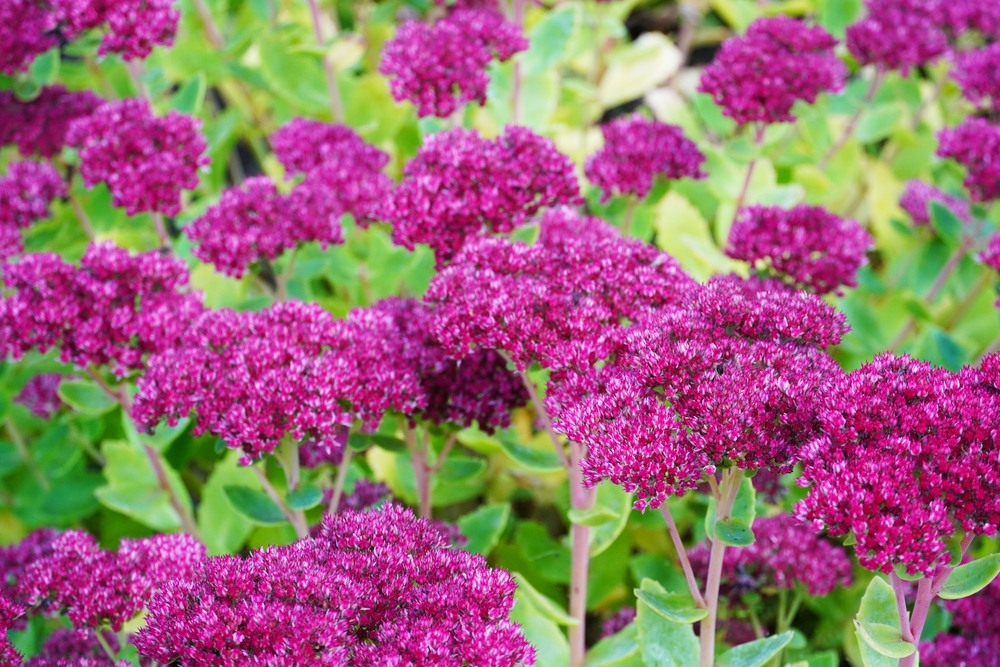
Many sedums are built for tough conditions, and their succulent leaves and stems handle wind and cold better than thin leaved plants. Upright types look great in beds even after frost, while low groundcover types spread into tight mats that resist drying wind. Plant sedum in full sun and lean, well drained soil so the roots stay healthy through winter. Too much moisture is usually the real enemy, not cold.
Leave upright sedum stems standing through winter for structure, then cut them back in late winter before new shoots stretch. In windy sites, sedum rarely needs extra care beyond making sure the soil is not waterlogged. Groundcover sedums can fill bare patches where other plants struggle in the off season. Once established, they are very forgiving if you forget to water.
English Ivy
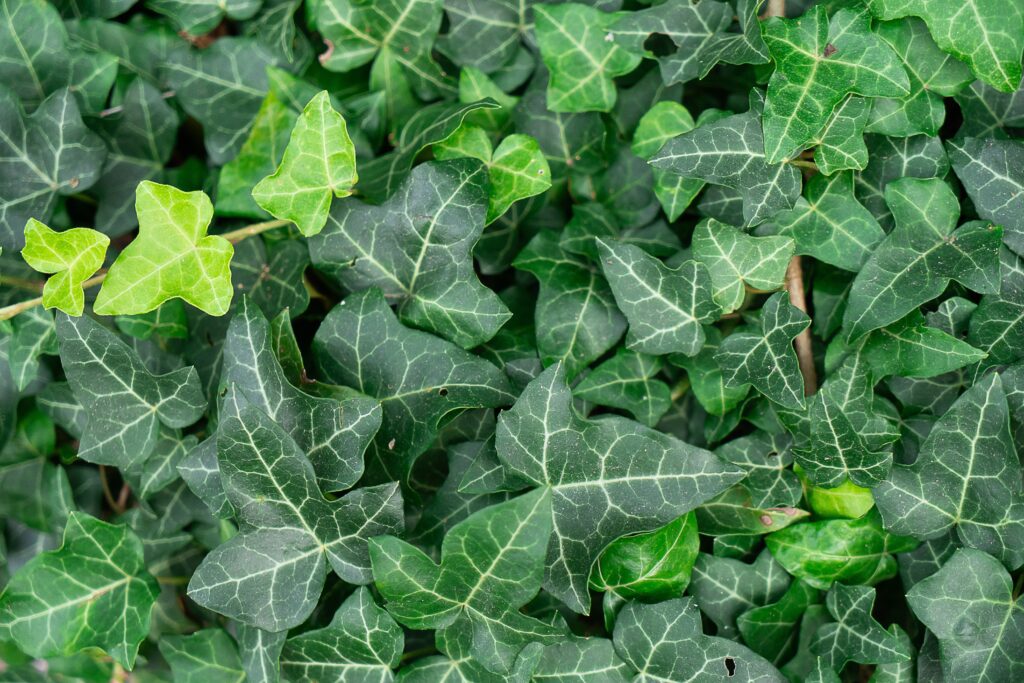
English ivy is an evergreen groundcover that keeps its leaves through cold weather, and the trailing stems are flexible enough to handle wind. It can cover bare soil fast, which helps reduce winter erosion and protects roots of nearby plants. Ivy does best in partial shade, though it can handle sun if the soil does not dry out too much. In exposed spots, it can still look good when other groundcovers go flat.
Keep an eye on it because it can spread aggressively, especially in mild areas where growth continues through winter. Trim back runners so it stays where you want it, and pull any stems that try to climb trees or walls. Water during extended dry spells since winter wind can dry the top layer of soil quickly. If leaves brown after a hard freeze, new growth often fills in once temperatures ease.
Blue Fescue
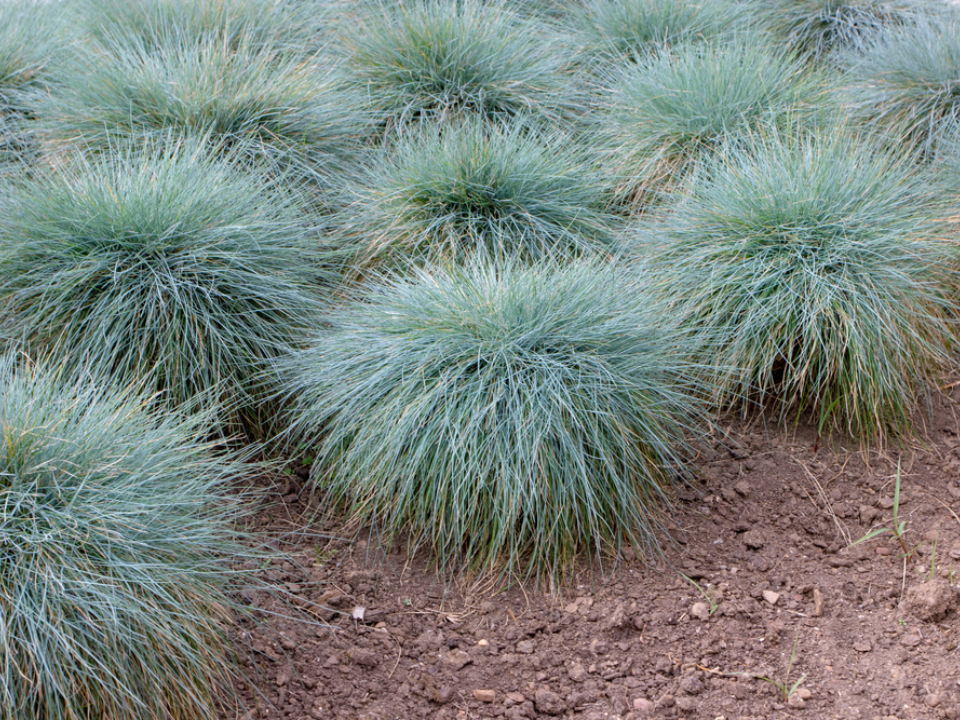
Blue fescue forms a tight clump of narrow, blue toned blades that handle wind extremely well. Because the leaves are fine and upright, they do not catch gusts the way broader plants do. Plant it in full sun and sharp draining soil, and it will stay tidy through cold weather. It also looks great as a border plant when most flowers are gone.
In late winter, comb out dead blades with gloved hands or trim lightly to freshen the clump. Avoid heavy watering because wet soil can rot the crown, especially in cold stretches. Blue fescue is a good choice for slopes and windy corners where other plants struggle. Once it is established, it needs very little attention.
Creeping Thyme
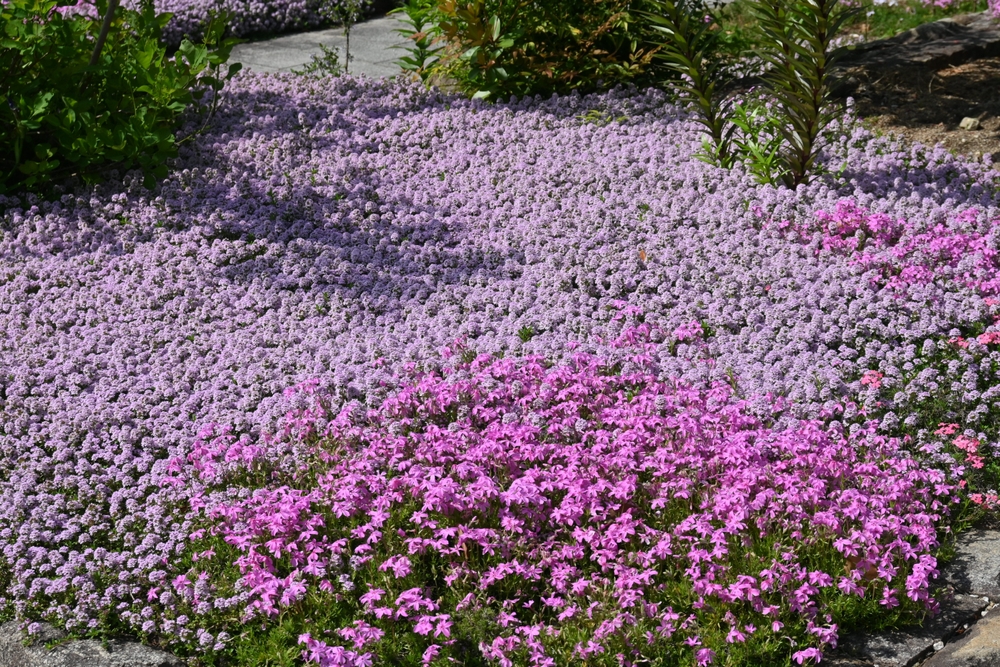
Creeping thyme is a low, woody groundcover that hugs the soil, making it naturally suited to wind. Many types stay green through winter, and the plant can handle light frost without much damage. Give it full sun and gritty, well drained soil, and it will spread into a fragrant mat over time. It also works between stepping stones where it avoids foot traffic in muddy seasons.
In late winter, keep it on the dry side so the stems do not rot, especially in heavy soil. Trim lightly after the worst weather to remove any dead tips and encourage fuller growth. When it flowers later on, it attracts pollinators and adds a soft look to edges. It is a great pick for spots where you want greenery without constant care.
This article originally appeared on Avocadu.