
14 Plants That Grow Well in Dry Heated Homes
Dry, heated homes often lead to challenges for plant lovers, but there are plants that not only survive but thrive in such conditions. With the right choices, you can enjoy beautiful indoor greenery year-round. These plants are low-maintenance and can handle the heat, making them ideal for homes with dry air. If you are looking to green up your space, there are many great options to choose from. Let’s dive into the best plants for your home.
This post may contain affiliate links, which helps keep this content free. Please read our disclosure for more info.
Snake Plant (Sansevieria)
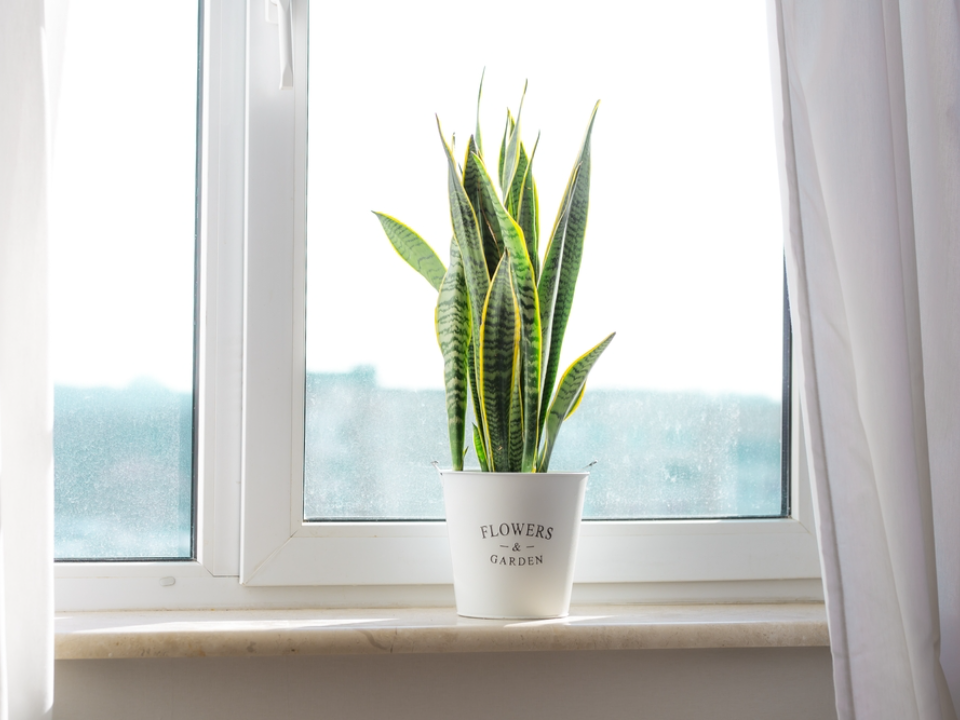
The Snake Plant is a hardy plant that thrives in dry environments. It is known for its ability to withstand neglect and survive in low humidity and low light. This plant can go for weeks without water, making it perfect for dry, heated homes. Its upright, sword-like leaves add a modern touch to any room, and it purifies the air as well.
Snake Plants are also very easy to care for, requiring only occasional watering. They prefer indirect light but can adapt to low light conditions. Overwatering is one of the few ways to harm this plant, so make sure the soil is dry before watering. Its resilience and air-purifying qualities make it a top choice for indoor spaces with dry heat.
Aloe Vera
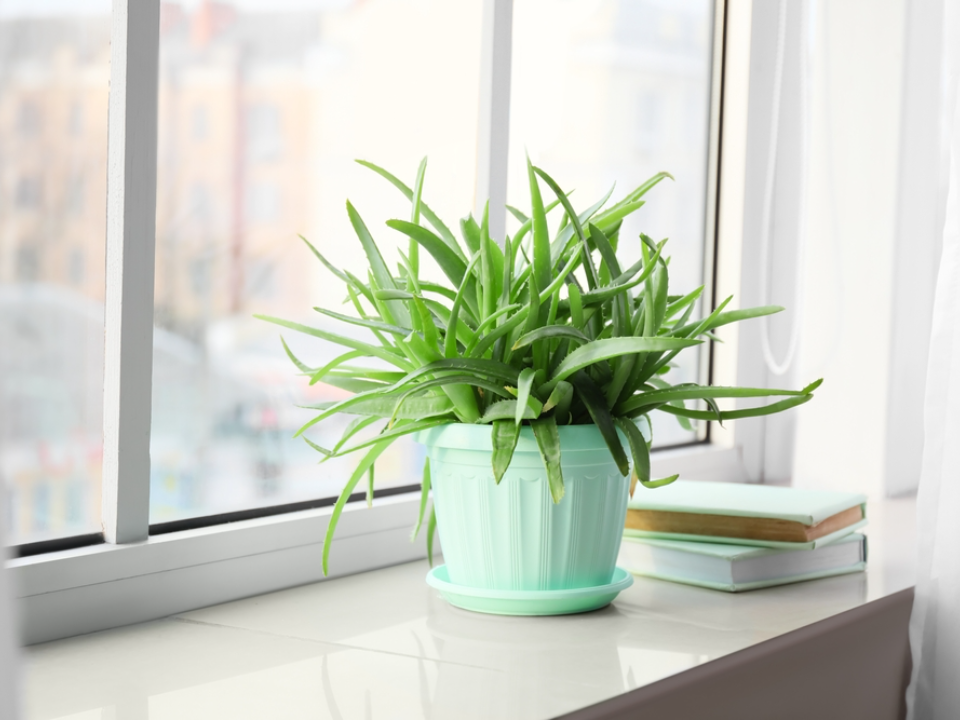
Aloe Vera is not only known for its soothing properties but also for being a tough plant in dry conditions. This succulent thrives in warm, dry environments and requires minimal care. It stores water in its thick, fleshy leaves, making it perfect for homes with low humidity. Its green, spiky leaves make it an attractive addition to your indoor garden.
Aloe Vera needs bright, indirect light and only occasional watering. Allow the soil to dry out completely between waterings to prevent root rot. Its natural gel is also a great remedy for minor burns and skin irritations, adding a practical aspect to its beauty. Aloe Vera is an excellent choice for anyone looking for a low-maintenance yet beneficial plant.
ZZ Plant (Zamioculcas zamiifolia)
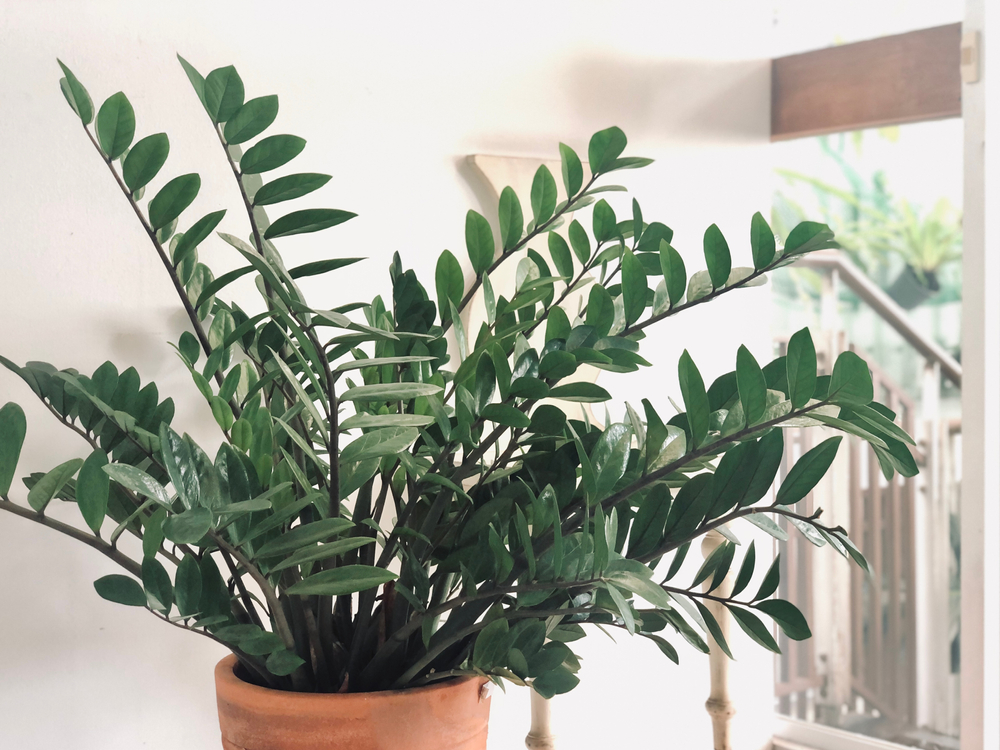
The ZZ Plant is an ideal option for dry, heated homes. It is known for its tolerance to neglect and its ability to thrive in low humidity. The glossy, dark green leaves are not only attractive but also drought-resistant. This plant is perfect for beginners because it does not require much attention to flourish.
ZZ Plants grow best in bright, indirect light but can also tolerate low light. They need very little water, so be sure to let the soil dry out between waterings. Overwatering can be harmful, so less is more when it comes to this plant. Its low-maintenance nature makes it a popular choice for homes with dry, heated air.
Spider Plant (Chlorophytum comosum)
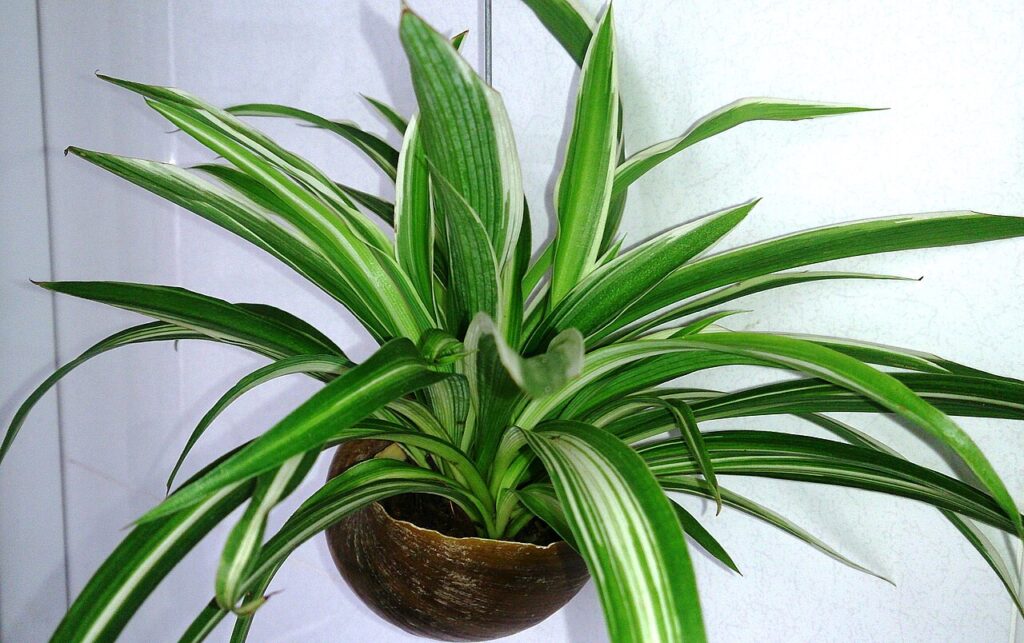
The Spider Plant is an adaptable houseplant that thrives in dry conditions. It can tolerate dry air and periods of neglect, making it ideal for heated homes. This plant is known for its cascading green leaves and the small “babies” that grow on long stems. It is also great for improving indoor air quality.
Spider Plants prefer bright, indirect light but can also grow in low light. Water them only when the top inch of soil is dry to avoid root rot. This plant is easy to propagate, as the “babies” can be clipped and replanted. With minimal care and effort, the Spider Plant is a great addition to any indoor space.
Pothos (Epipremnum aureum)
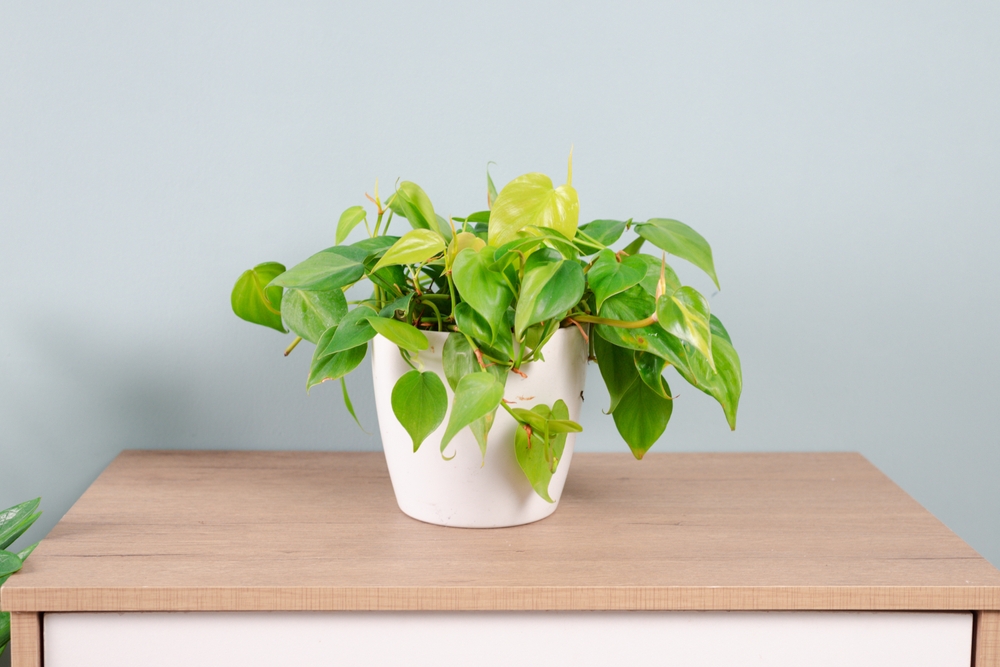
Pothos is a resilient plant that thrives in dry, heated homes. It is known for its heart-shaped leaves and trailing vines, which make it an attractive addition to any room. Pothos can handle low humidity and dry air, and it can survive with minimal watering. This plant is perfect for those looking for low-maintenance greenery.
Pothos grows best in bright, indirect light but will also tolerate lower light levels. It is important to allow the soil to dry out between waterings to prevent overwatering. Pothos can be easily propagated, making it a fun and rewarding plant to care for. Its trailing vines can be trained to grow along a trellis or left to cascade in a hanging basket.
Cactus
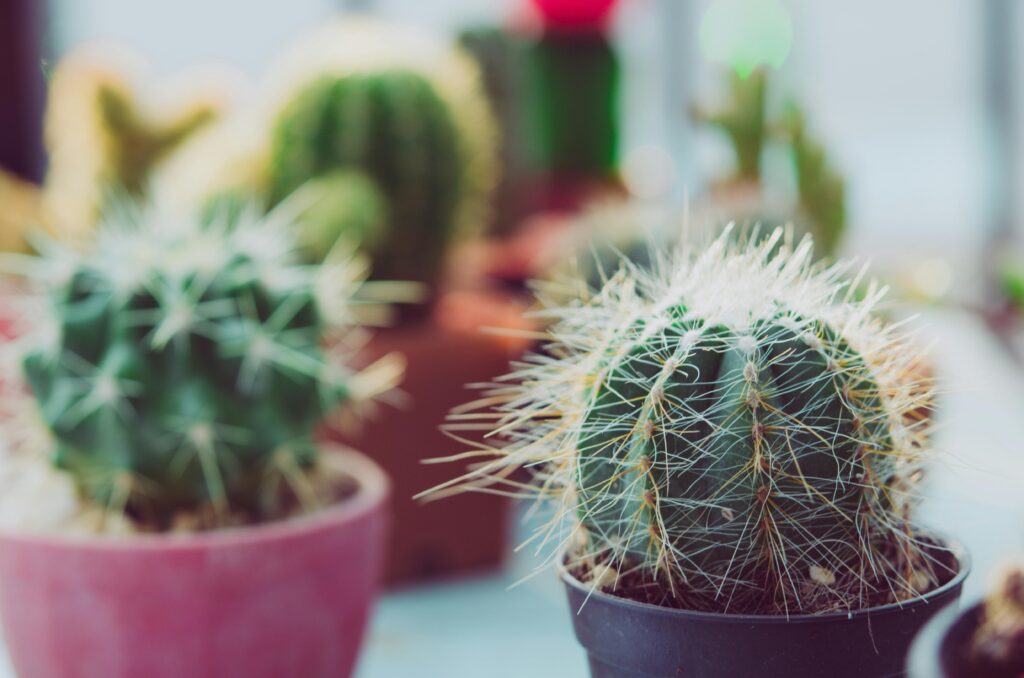
Cacti are synonymous with dry environments, making them perfect for homes with dry heat. These desert plants are well adapted to low humidity and minimal water. Their thick, fleshy stems store water, allowing them to survive long periods without watering. With their unique shapes and textures, cacti bring an interesting visual element to your space.
Cacti require bright, direct sunlight, so placing them near a sunny window is ideal. They need to be watered sparingly, allowing the soil to dry out completely between waterings. Be careful not to overwater, as cacti are highly susceptible to rot. Their ability to thrive on neglect makes them perfect for dry, heated homes.
Jade Plant (Crassula ovata)
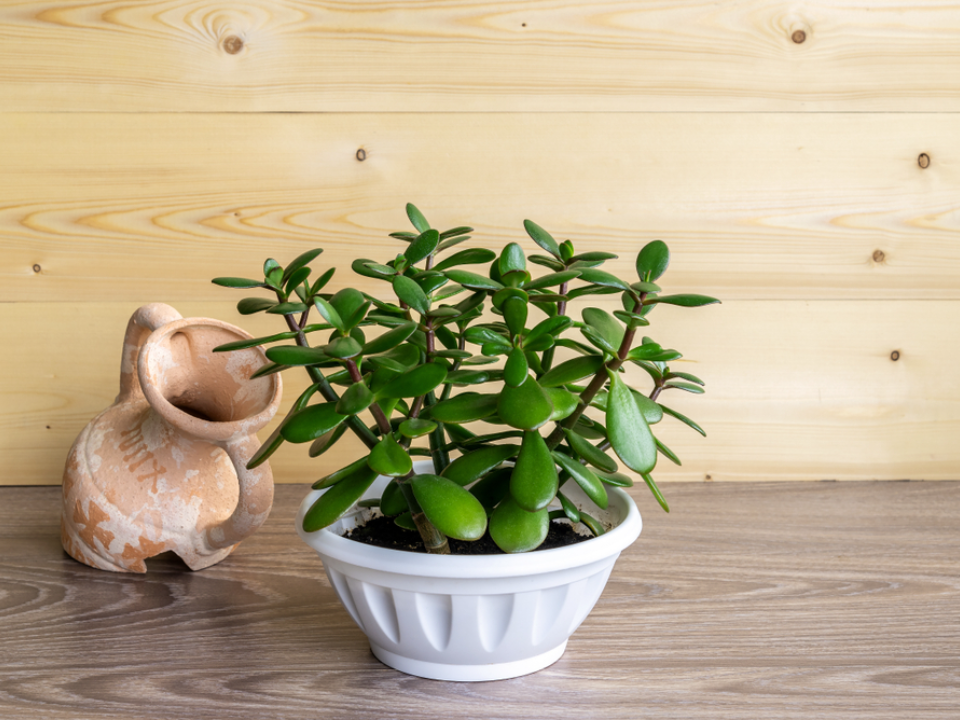
The Jade Plant is another succulent that thrives in dry conditions. Its thick, fleshy leaves store water, making it well-suited for homes with low humidity. Known for its attractive green leaves and woody stems, the Jade Plant adds a touch of elegance to any room. It is also thought to bring good luck, making it a popular choice for home décor.
Jade Plants need bright, indirect light and should be watered only when the soil is completely dry. They are slow-growers, but their longevity and low-maintenance care make them rewarding to keep. Ensure that the pot has good drainage to prevent waterlogging. The Jade Plant’s resilience makes it an excellent choice for dry, heated homes.
Rubber Plant (Ficus elastica)
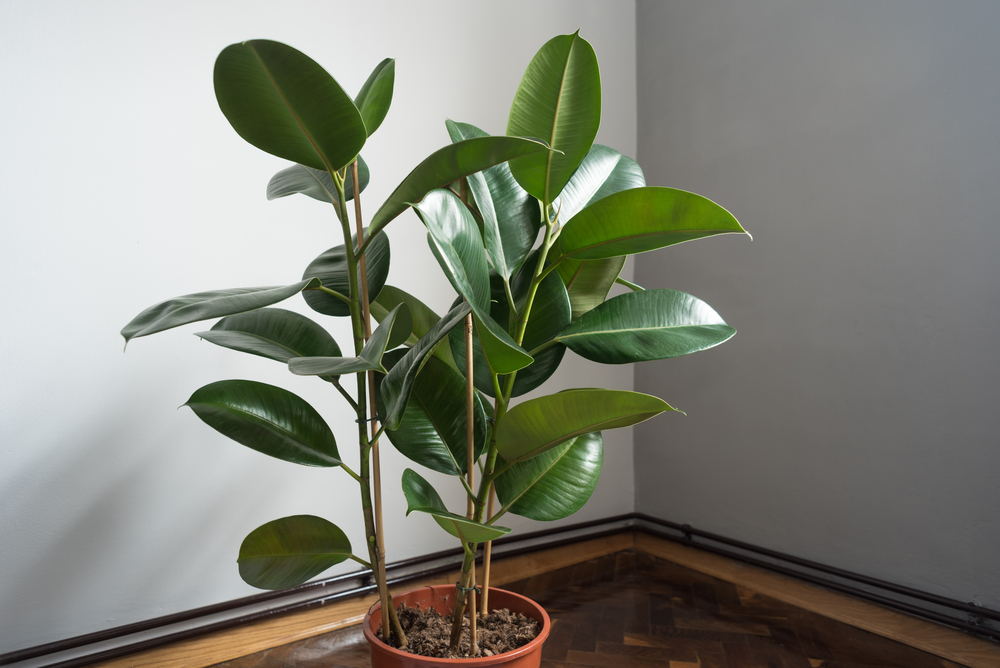
The Rubber Plant is a popular choice for indoor spaces with dry air. Its large, glossy leaves are not only visually striking but also capable of tolerating low humidity. This plant is known for its ability to adapt to different conditions, including dry, heated homes. It can grow tall, making it a statement piece in your home.
Rubber Plants prefer bright, indirect light but can also tolerate lower light levels. Water them when the top inch of soil is dry, ensuring the soil is well-draining. They can grow relatively quickly, and pruning can help maintain their shape. The Rubber Plant is a great way to add greenery to your space with minimal care.
Lavender
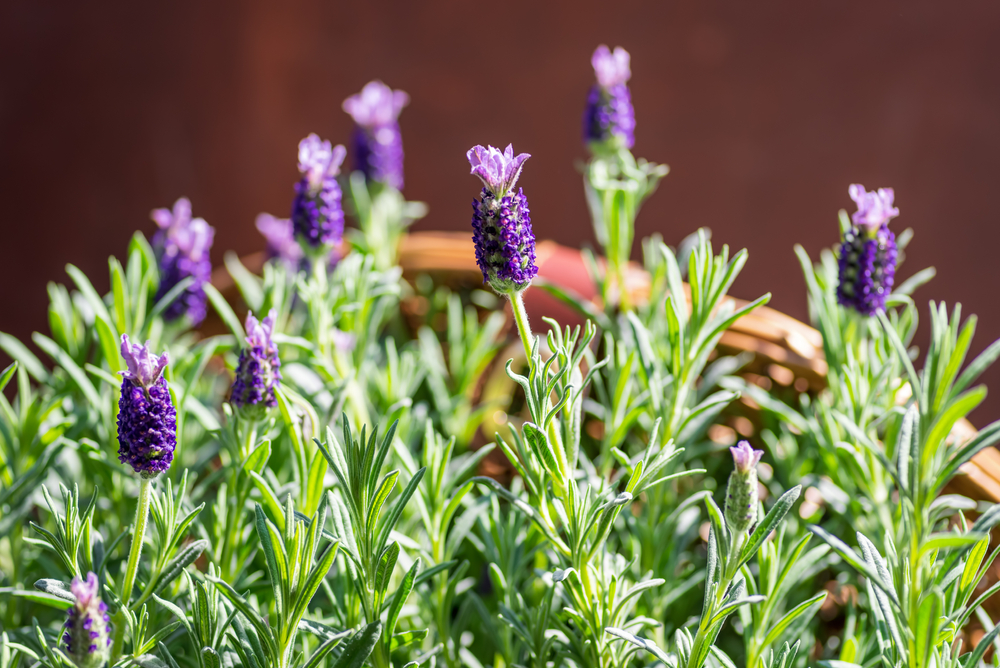
Lavender is a fragrant herb that grows well in dry, heated environments. Known for its beautiful purple flowers and soothing scent, this plant can thrive in homes with dry air. Lavender prefers well-draining soil and bright sunlight, making it perfect for a sunny windowsill. Its pleasant aroma can help create a calming atmosphere.
Lavender does not need frequent watering, and it is best to let the soil dry out between waterings. It prefers slightly cooler temperatures, so placing it near a window with indirect sunlight is ideal. This herb also attracts pollinators like bees, making it a great addition to any indoor garden. Lavender’s scent and beauty make it a wonderful plant for dry, heated homes.
Cast-iron Plant (Aspidistra elatior)
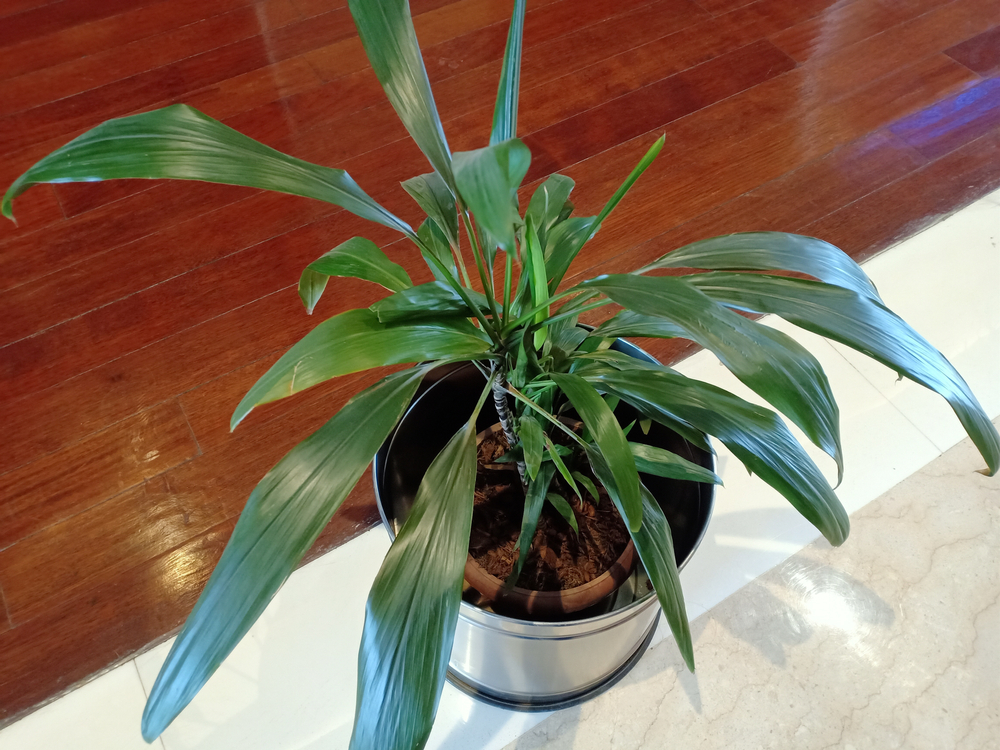
The Cast-iron Plant is perfect for homes with dry heat. This plant is known for its resilience and can survive in a variety of conditions, including low humidity. Its glossy, dark green leaves add a touch of elegance to your home, and it requires very little attention. The Cast-iron Plant can thrive even in less-than-ideal conditions, making it a great choice for busy plant owners.
This plant does best in indirect light but can tolerate low light as well. It only needs watering when the soil is dry, and it is highly resistant to pests and diseases. The Cast-iron Plant’s ability to adapt to dry environments and low light levels makes it an ideal addition to your home. Its hardiness is why it remains a popular indoor plant.
Pilea (Pilea peperomioides)

Pilea, also known as the Chinese money plant, is an attractive plant that does well in dry, heated environments. Its round, coin-shaped leaves make it a unique addition to your indoor garden. This plant is easy to care for and can survive in homes with low humidity. It thrives in bright, indirect light and does not require constant attention.
Pilea plants need to be watered only when the top inch of soil is dry. They prefer well-draining soil and should not be overwatered. This plant grows best in pots with drainage holes to avoid waterlogging. Pilea’s resilience and attractive leaves make it a great choice for dry, heated homes.
Fiddle Leaf Fig (Ficus lyrata)
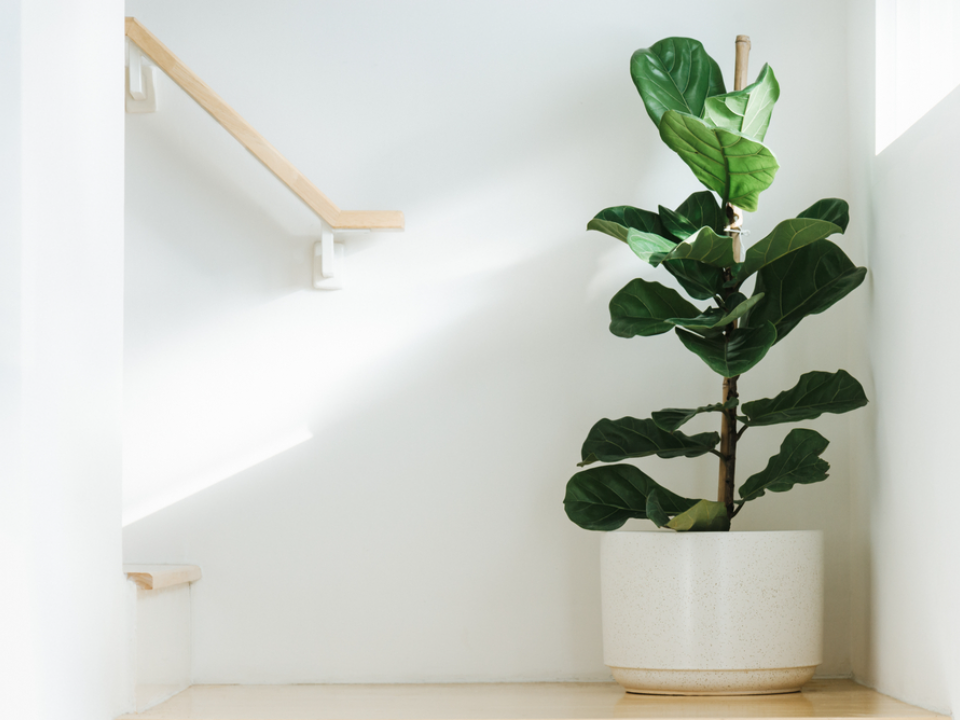
The Fiddle Leaf Fig is a popular indoor plant that can thrive in dry, heated homes. Its large, glossy leaves make it an eye-catching addition to any room. This plant prefers bright, indirect light and can tolerate dry air. While it does best in humid conditions, it can adapt to the lower humidity levels found in heated homes.
Fiddle Leaf Figs should be watered when the top inch of soil is dry. They prefer well-draining soil and benefit from regular dusting of their leaves. These plants can grow quite tall, making them perfect for adding a touch of drama to your space. Their ability to adapt to dry environments makes them a great choice for homes with heated air.
English Ivy (Hedera helix)
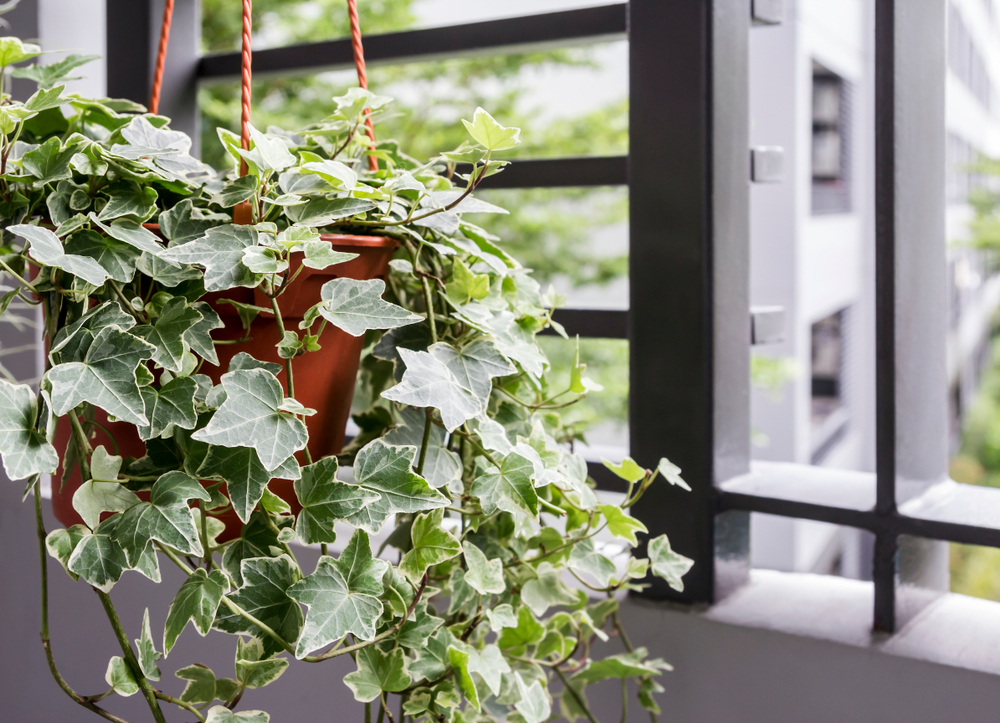
English Ivy is a versatile plant that does well in dry, heated homes. Its trailing vines can be used to create beautiful green displays, either in hanging baskets or as ground cover. English Ivy is known for its ability to tolerate a variety of growing conditions, including low humidity. It adds a classic touch to any home while requiring minimal care.
This plant does best in bright, indirect light but can tolerate lower light levels. Water it when the top inch of soil is dry, and make sure it has good drainage. English Ivy is great for indoor spaces with dry heat because it can adapt to these conditions. Its trailing vines are perfect for adding a natural, lush feel to your home.
Peace Lily (Spathiphyllum)

The Peace Lily is an elegant plant that thrives in dry, heated homes. It is known for its white flowers and glossy green leaves, making it a popular choice for home décor. While it prefers higher humidity, it can still do well in homes with dry air, making it suitable for heated spaces. It is also an excellent air purifier, improving the air quality in your home.
Peace Lilies require bright, indirect light and should be watered when the top inch of soil is dry. They can tolerate low light but will bloom more prolifically with adequate light. Overwatering can harm the plant, so it is best to let the soil dry out between waterings. Its air-purifying qualities and beauty make it a perfect plant for dry, heated homes.
This article originally appeared on Avocadu.