
15 Plants That Feed Early Pollinators When Choices Are Few
As spring begins to stir, many pollinators start to emerge from their winter rest, eager to find food after months of scarcity. While most flowers are still waiting for warmer weather to bloom, a few hardy plants step up to provide that much-needed nectar and pollen. These early blooms are crucial for bees, butterflies, and other pollinators that rely on them to build strength for the season ahead. Whether you are looking to support wildlife or add beauty to your garden, choosing plants that flower early can make all the difference. From delicate crocuses to fragrant hellebores, these plants offer a helping hand when nature’s food sources are few.
This post may contain affiliate links, which helps keep this content free. Please read our disclosure for more info.
Snowdrop (Galanthus nivalis)
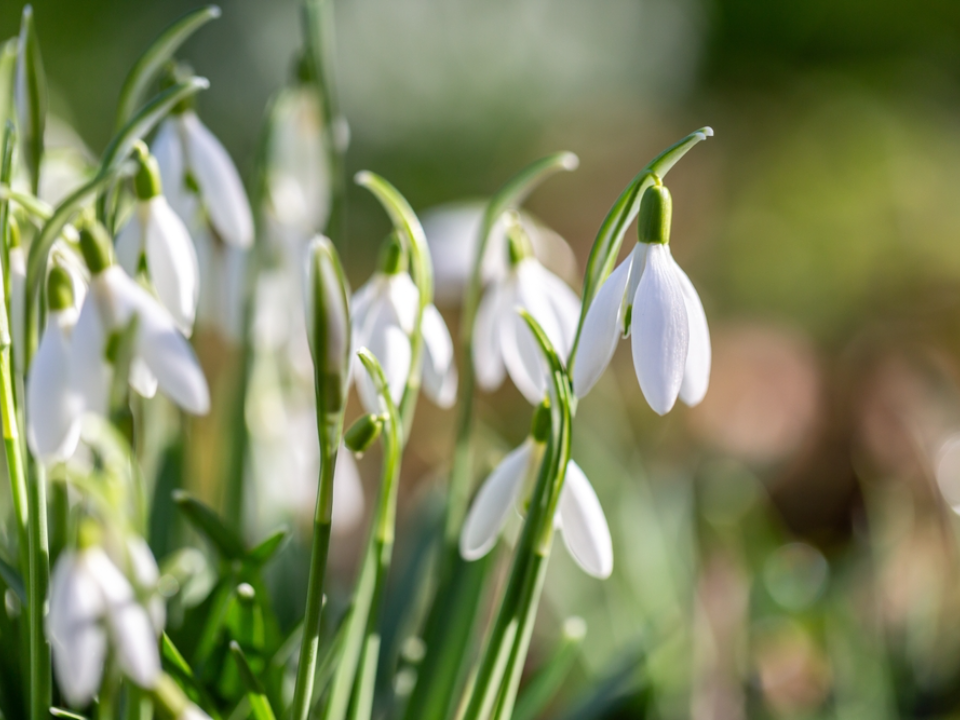
Snowdrops are one of the first flowers to bloom in early spring, often pushing through the last remnants of snow. These delicate white flowers are a vital early source of nectar for pollinators such as bees that emerge from hibernation. Snowdrops thrive in cool temperatures, making them an ideal choice for early pollination. Their early bloom time means they fill a gap when other food sources are scarce, offering sustenance to struggling pollinators.
Despite their small size, snowdrops provide a powerful punch of nutrition. Bees are drawn to their simple, yet abundant nectar, which gives them much-needed energy. Snowdrops are also relatively easy to grow, requiring well-drained soil and some shade. They often naturalize in garden spaces, spreading year after year to benefit local ecosystems.
Crocus (Crocus spp.)
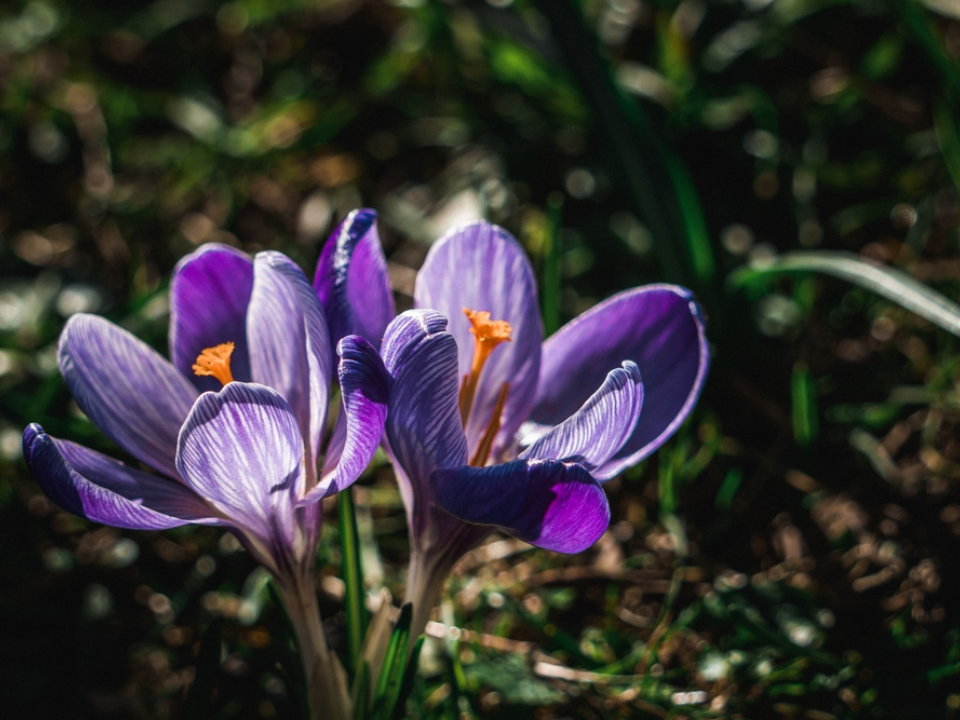
Crocuses are a common and beloved sight in gardens, heralding the arrival of spring. With their vivid colors, they attract early pollinators such as honeybees, bumblebees, and even butterflies. These hardy bulbs bloom early, typically in late winter or early spring, offering much-needed pollen and nectar when few other flowers are available.
Crocuses grow well in full sun to partial shade and are an excellent addition to any garden looking to support early pollinators. Their flowers, which can be purple, yellow, or white, are easy to spot and provide a dependable food source. In addition to feeding pollinators, crocuses help in naturalizing spaces, growing larger over time. As the temperatures warm up, these flowers will naturally fade, allowing other plants to take over the pollinator support role.
Hellebore (Helleborus spp.)
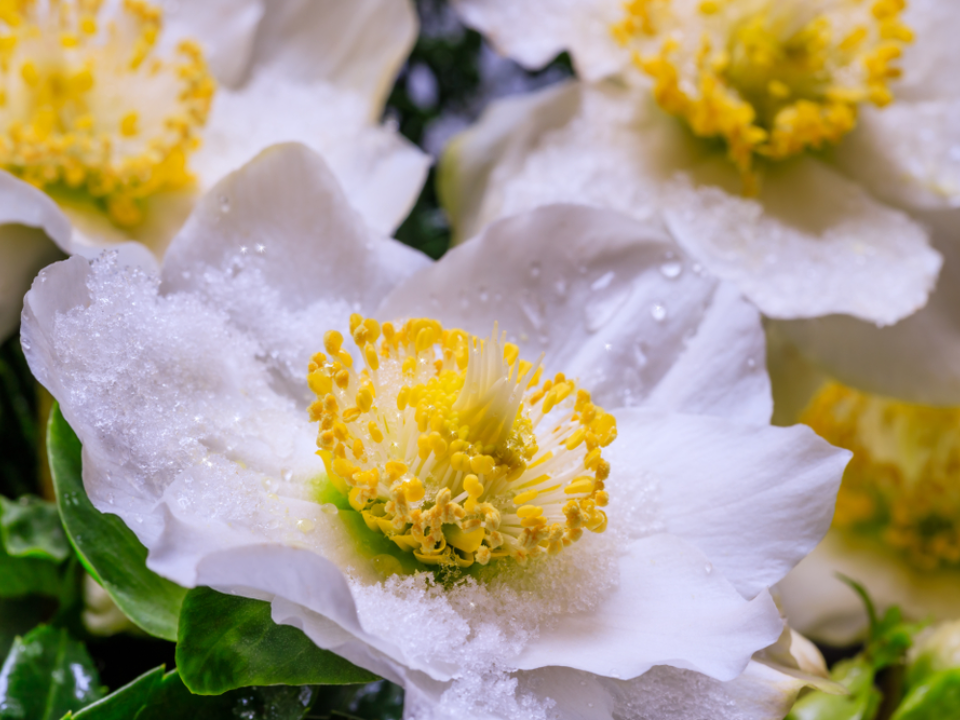
Hellebores are perennial plants that bloom in late winter to early spring, making them a favorite among early pollinators. Their nodding flowers, which come in shades of white, pink, purple, and green, are rich in nectar. Pollinators such as honeybees and early bumblebees are drawn to these blooms, which provide food when many other plants are still dormant.
Hellebores grow well in partial to full shade, making them ideal for woodland gardens or shaded areas. They are also hardy plants that can tolerate cold weather, often blooming while snow is still on the ground. These plants do well in well-drained, moist soil and are relatively low-maintenance, requiring little attention once established. Hellebores are an excellent addition to any garden looking to support early-season pollinators.
Lungwort (Pulmonaria spp.)
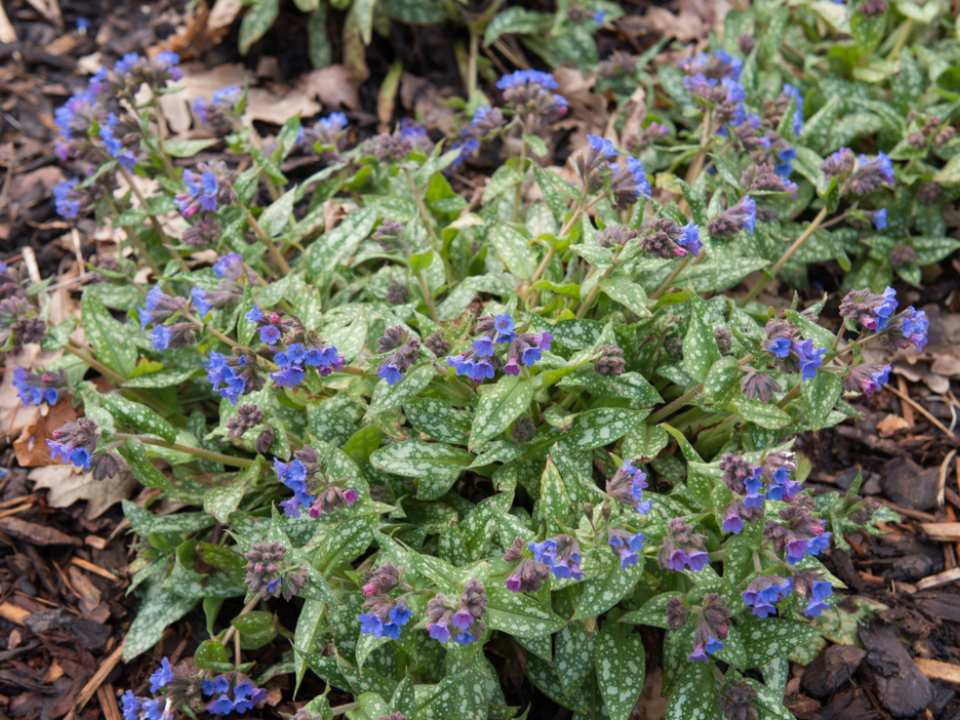
Lungwort is an early spring-blooming plant that provides an important food source for bees and other pollinators when few options are available. Its strikingly speckled leaves and small clusters of pink, purple, or blue flowers are a visual treat. Lungwort is a great choice for shaded areas, as it thrives under trees or shrubs where it will be protected from the direct sun.
The flowers produce both nectar and pollen, attracting pollinators looking to replenish their energy after months of dormancy. Lungwort is known for its ability to thrive in cool, moist conditions, and its early flowering helps fill the gap before other flowers begin to bloom. It is also a low-maintenance plant that adds beauty and value to any garden. As a bonus, lungwort can be used as ground cover in areas where other plants may struggle.
Forsythia (Forsythia spp.)
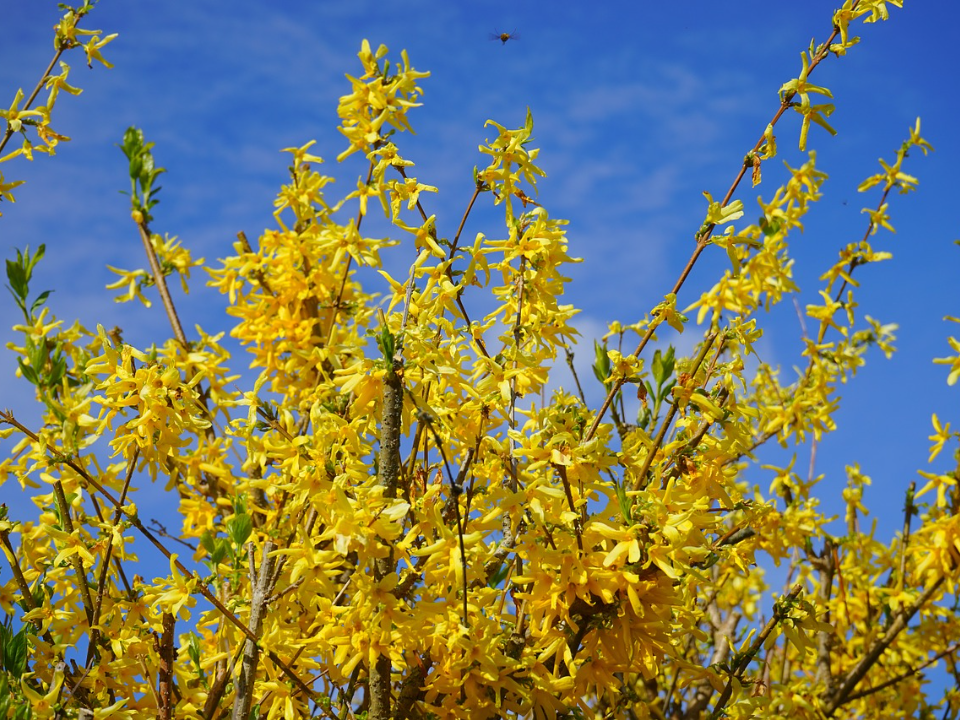
Forsythia is a popular early-blooming shrub with bright yellow flowers that stand out during the last days of winter and early spring. These flowers attract bees, butterflies, and other early pollinators looking for a source of nectar. Forsythia grows quickly, and its early blooms signal the arrival of spring. This plant thrives in full sun and well-drained soil, making it an easy addition to many garden styles.
Forsythia is a resilient plant that tolerates a range of growing conditions, from drought to occasional frost. While its flowers only last a short time, the shrub’s vibrant blooms are among the first to brighten up gardens. Forsythia is ideal for gardeners looking to support early pollinators and add a splash of color to their landscapes.
Winter Aconite (Eranthis hyemalis)
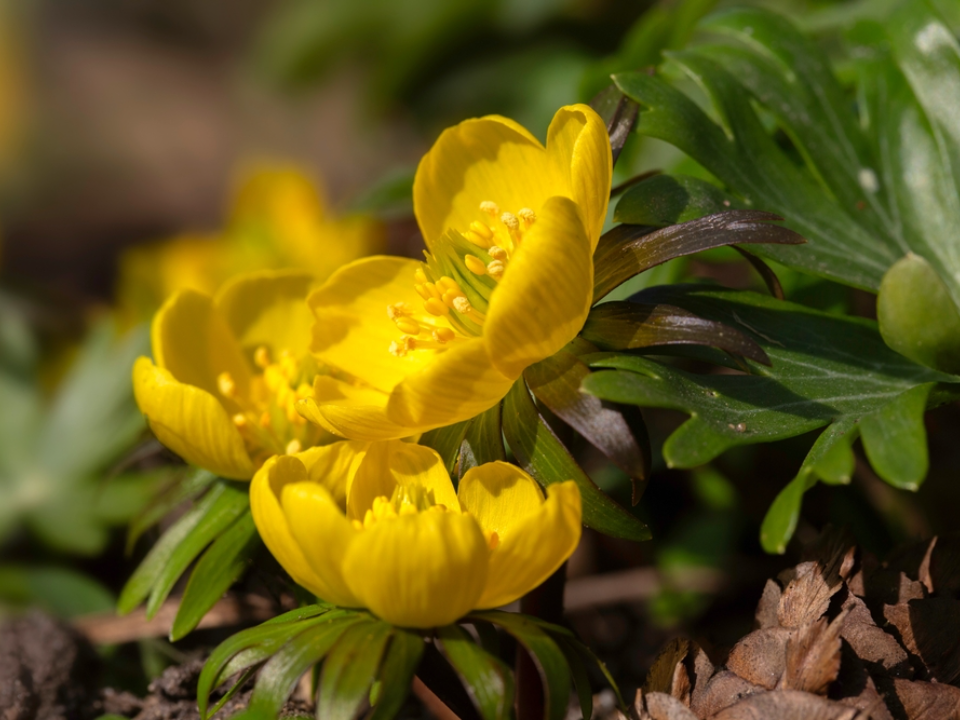
Winter aconites are small, bright yellow flowers that bloom in late winter to early spring, often while snow is still on the ground. These flowers are one of the earliest sources of nectar and pollen for pollinators emerging from hibernation. Winter aconites grow best in well-drained, moist soil and partial shade, making them ideal for woodland gardens. Their bright flowers are not only a welcome sight for early pollinators but also add color to the otherwise dull landscape.
Though small in stature, these flowers attract a wide range of early bees, which are eager to collect the nutrients needed after months of dormancy. Winter aconites are easy to grow and naturalize well in gardens, spreading over time. Their resilience and early blooming period make them an excellent choice for helping early-season pollinators.
Primrose (Primula spp.)
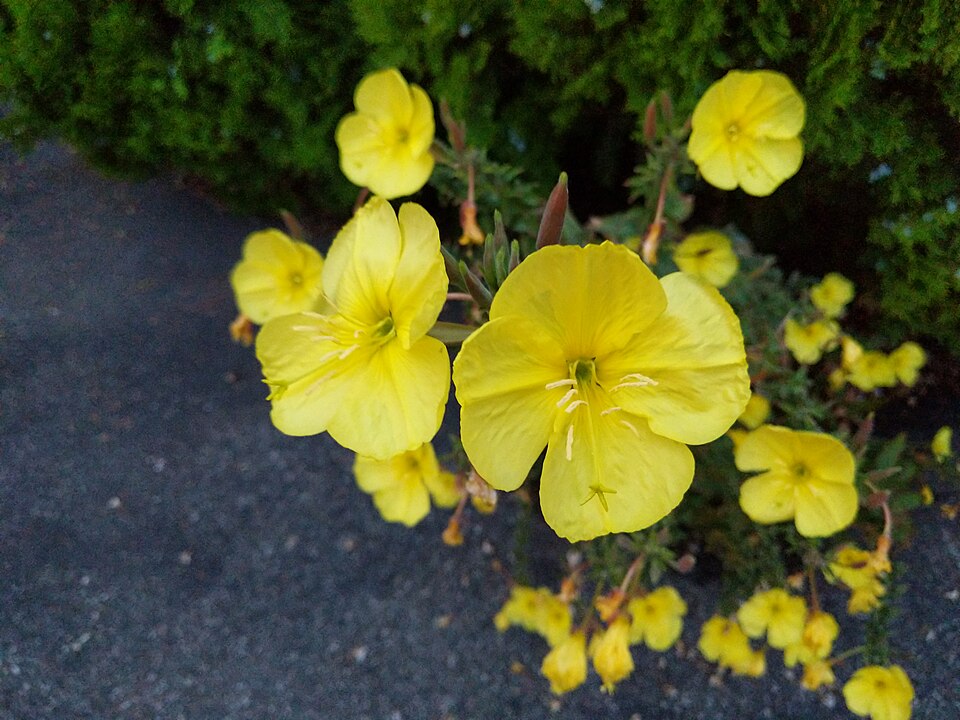
Primroses are early-blooming perennials that provide an excellent food source for pollinators as they emerge from hibernation. These flowers, available in a variety of colors, attract bees and other early pollinators looking for nectar. Primroses prefer cool temperatures and partial shade, making them ideal for gardens in spring when the weather is still cool.
The flowers are rich in both nectar and pollen, offering pollinators a much-needed source of energy. Primroses can thrive in a variety of soil types, as long as it is well-drained and moist. These plants are hardy and low-maintenance, making them an easy addition to any garden. Primroses are also a great option for ground cover in shaded areas, adding both beauty and functionality to the landscape.
Daphne (Daphne spp.)
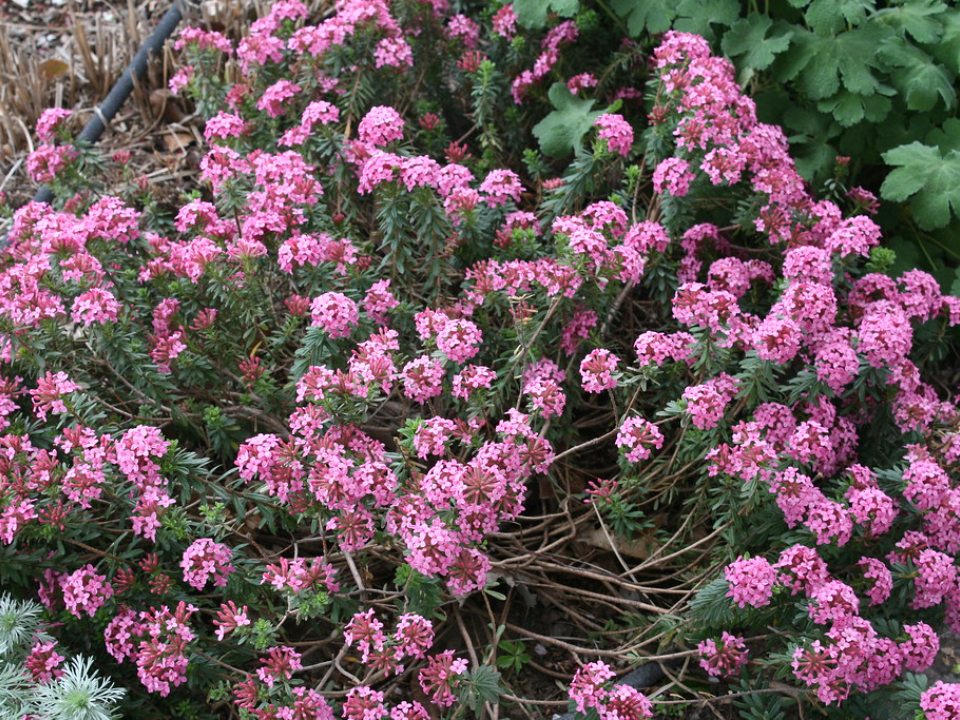
Daphne is an early spring-blooming shrub known for its fragrant, small flowers that attract bees and butterflies. The flowers typically appear in late winter or early spring, providing much-needed nectar when other sources are few. Daphne thrives in well-drained soil and partial shade, making it ideal for shaded garden spaces or woodland edges. Its fragrant blossoms are highly attractive to pollinators, offering both nectar and pollen.
While the plant’s growth is relatively slow, it is long-lived, making it a great investment for gardeners looking to support pollinators for years to come. Daphne is also resistant to many pests, which makes it relatively low-maintenance. In addition to its pollinator benefits, this shrub offers attractive foliage and a sweet fragrance, adding charm to any garden.
Vinca (Vinca minor)
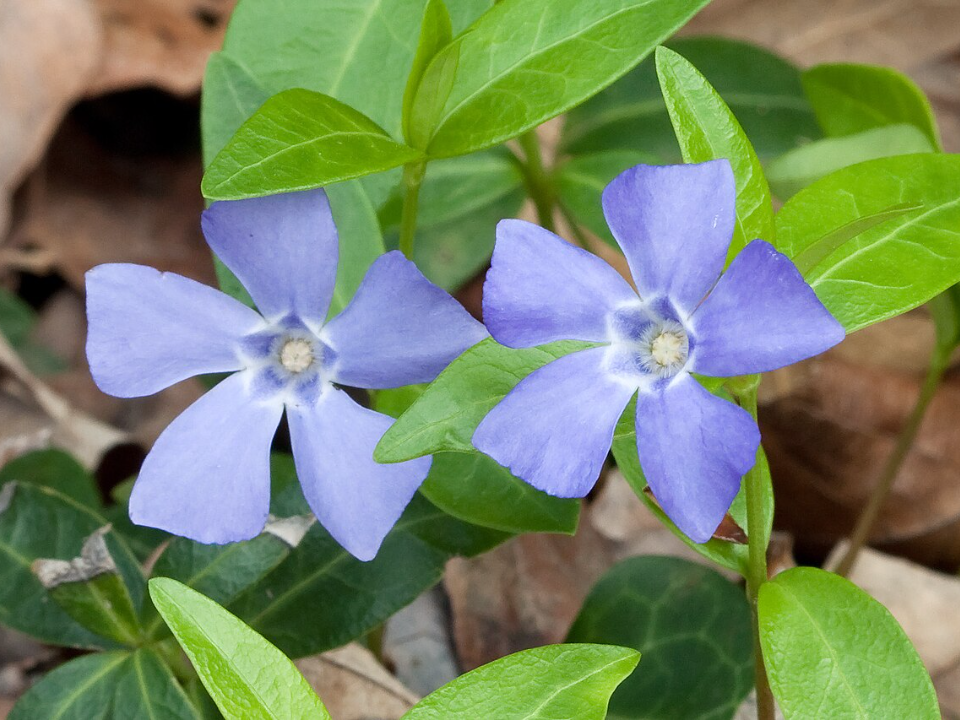
Vinca, also known as periwinkle, is an evergreen ground cover that blooms early in spring with small blue or purple flowers. These early blooms provide a valuable nectar source for bees and other pollinators in search of food after their winter dormancy. Vinca thrives in partial to full shade and grows well in a variety of soil types, making it an excellent choice for woodland gardens or shaded areas.
The flowers are rich in nectar, making them highly attractive to early pollinators. Vinca is also a fast-growing ground cover, helping to prevent soil erosion while providing an early spring food source. It is a low-maintenance plant that spreads quickly, creating a carpet of flowers that help nourish bees and butterflies. Vinca blooms for several weeks, offering a reliable food source through the early part of the season.
Hepatica (Hepatica nobilis)
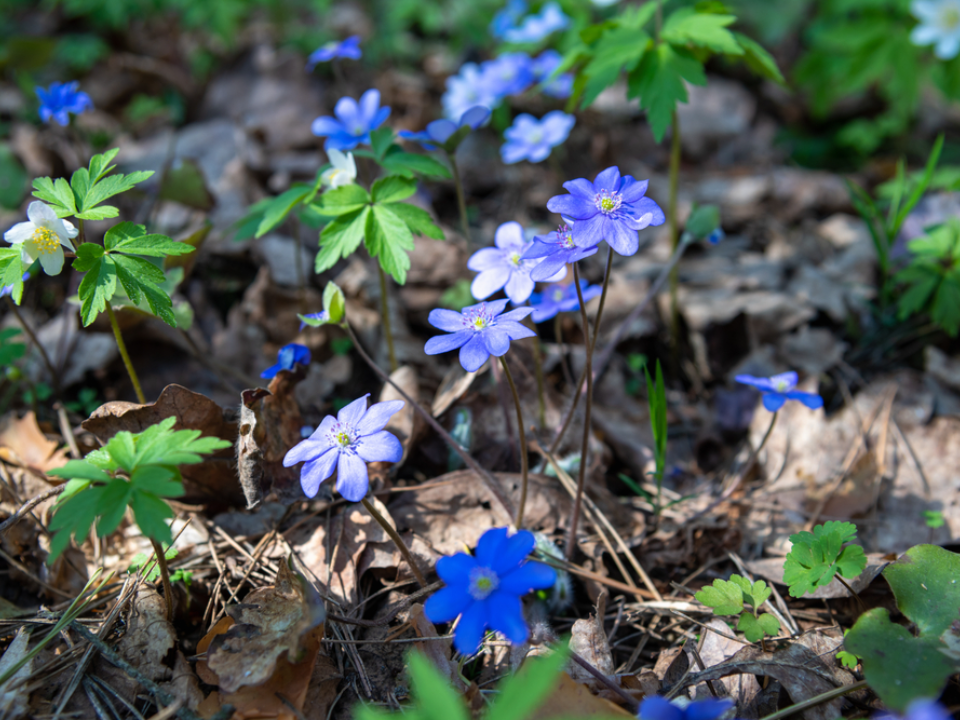
Hepatica, also known as liverwort, is an early-blooming wildflower that grows in woodland areas. Its small, colorful flowers in shades of purple, pink, or white are among the first to appear in spring, providing early pollinators with much-needed nectar. Hepatica thrives in well-drained, slightly acidic soil and prefers partial to full shade. The plant’s early blooms make it an essential food source for bees, especially during the cool early months when few other flowers are available.
Hepatica is a perennial that can be slow to establish but, once established, it spreads and thrives in shaded garden areas. Its delicate flowers provide not only nectar but also an attractive visual element to garden spaces. Hepatica is a great choice for gardeners seeking to support pollinators and add natural beauty to shaded areas.
Almond (Prunus dulcis)
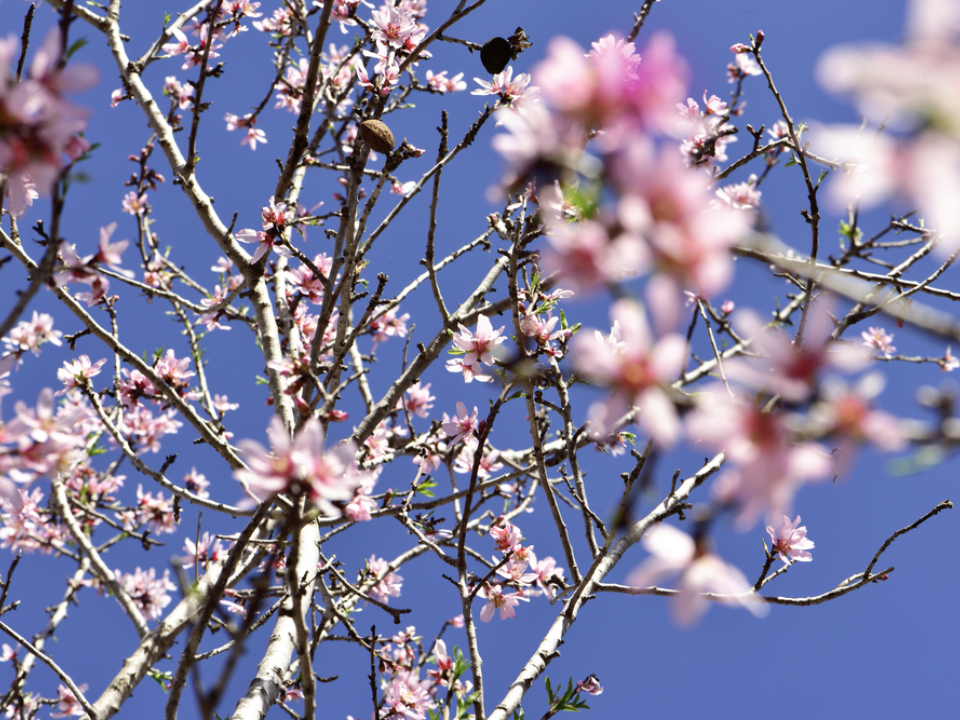
The almond tree is well known for its early spring blossoms, which appear in shades of white or pink. These delicate flowers provide a vital nectar source for early pollinators such as bees, especially in areas where other flowers are still dormant. Almond trees thrive in full sun and well-drained soil, making them an excellent addition to warmer climates. In addition to feeding pollinators, almond trees provide beautiful blossoms that add to the spring garden’s aesthetic.
Almond trees require a bit of care, including regular watering and maintenance, but once established, they offer a reliable and bountiful food source for pollinators. As the tree matures, it also produces almonds, which are a valuable crop. Almond trees are a wonderful choice for gardeners who want to support pollinators and enjoy the beauty and bounty of their harvest.
Daphne Odora (Daphne odora)
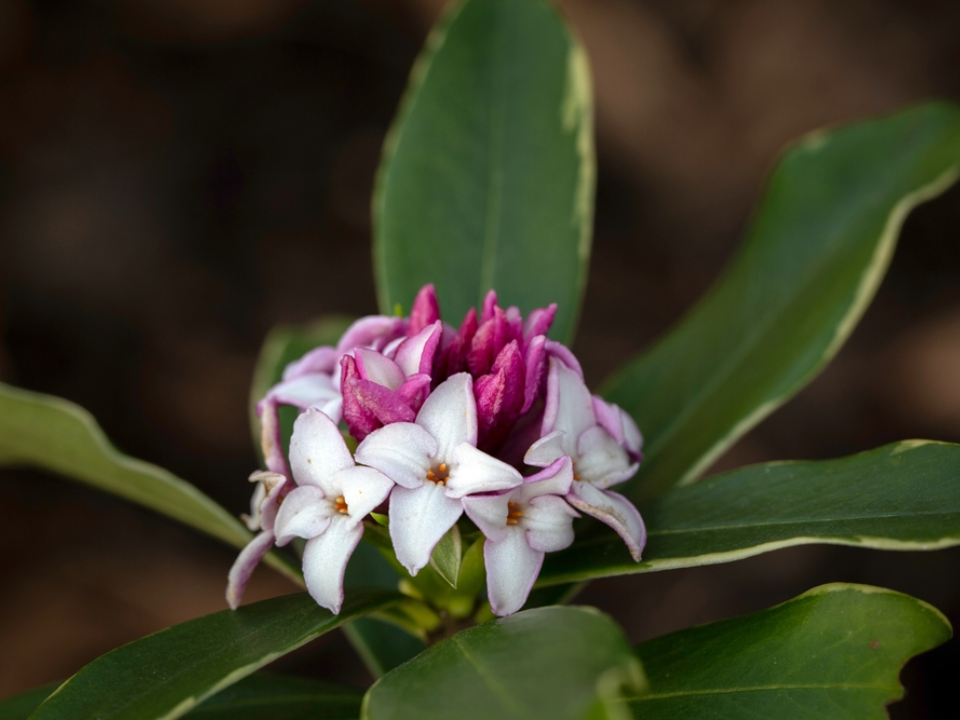
Daphne odora, commonly known as winter daphne, is a fragrant shrub that blooms in late winter or early spring, offering early pollinators a much-needed source of nectar. The small clusters of pink or white flowers have a strong fragrance, attracting bees and other early pollinators. This shrub grows best in partial to full sun and well-drained soil, making it an excellent choice for garden beds and borders.
Winter daphne is a hardy shrub that is relatively easy to grow and maintain, providing year-round interest with its attractive foliage and fragrant blooms. The early flowers of Daphne odora are vital for pollinators that emerge from hibernation and need a food source. This shrub’s ability to thrive in both cool and warm climates makes it a versatile addition to many gardens. It also offers the added benefit of providing beautiful winter flowers that can help brighten up the garden during colder months.
Skimmia (Skimmia japonica)
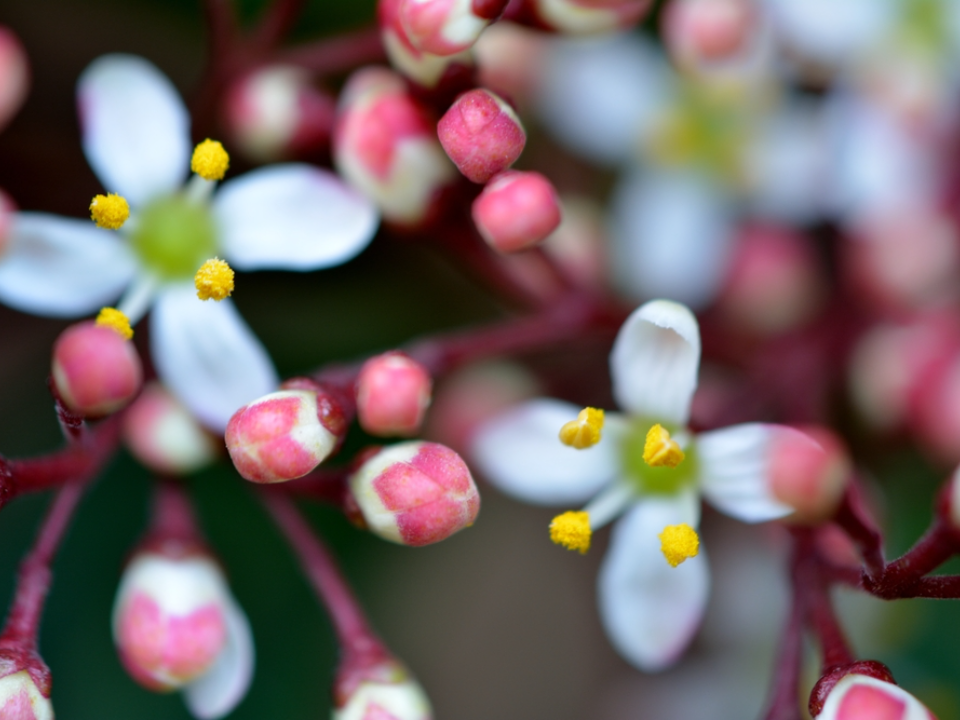
Skimmia is an evergreen shrub that produces small, fragrant flowers in late winter or early spring, offering an early source of nectar for pollinators. These flowers, often white or pink, bloom in clusters and attract bees, butterflies, and other early pollinators looking for food after a long winter. Skimmia thrives in partial to full shade, making it perfect for shaded garden areas or woodland settings. The plant is tolerant of a variety of soil types, though it prefers slightly acidic, well-drained soil.
Skimmia is a low-maintenance shrub that provides both visual and ecological benefits to any garden. Its long-lasting, fragrant flowers are valuable to early-season pollinators, and the plant’s evergreen nature ensures that it remains a fixture in the garden year-round. Skimmia is also relatively pest-resistant, making it a good choice for low-maintenance landscapes.
Celandine (Chelidonium majus)
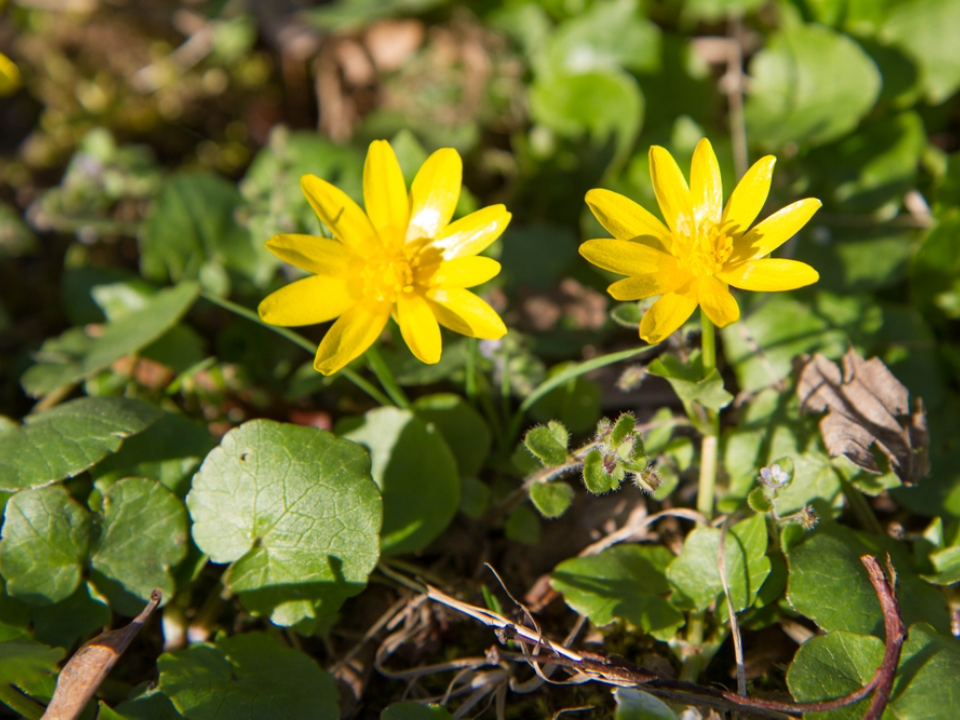
Celandine is a perennial herb that blooms in early spring with bright yellow flowers, providing early pollinators with much-needed nectar. This plant is often one of the first to bloom in the season, offering food for bees and other pollinators before most other plants come into bloom. Celandine grows best in partial shade and moist, well-drained soil, making it suitable for woodland gardens or areas with higher moisture.
The flowers, though small, are rich in nectar and attract pollinators that are eager for nourishment. Celandine is a hardy plant that spreads easily, making it an excellent choice for naturalizing garden spaces. Its bright yellow blooms add a cheerful touch to early spring gardens, and it also offers some medicinal properties. This plant is a valuable food source for early-season pollinators, helping to sustain them until other flowers bloom.
Mahonia (Mahonia aquifolium)
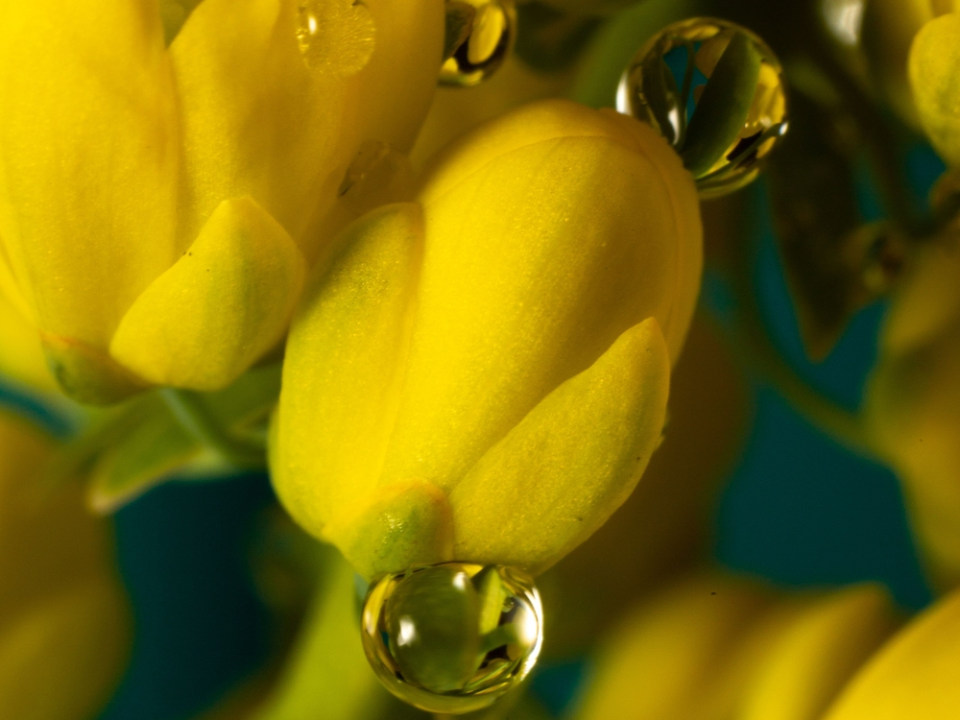
Mahonia, also known as Oregon grape, is a hardy evergreen shrub that blooms in late winter to early spring, providing an early food source for pollinators. The yellow flowers appear in clusters and offer both nectar and pollen to bees, which are often the first visitors to these blooms. Mahonia thrives in partial to full shade, making it perfect for woodland gardens or areas with limited sunlight.
The plant’s ability to bloom early in the season helps fill the gap before other plants start flowering. Mahonia is also a versatile shrub, tolerating a range of soil types and growing conditions. Its attractive foliage, which is often purple in the winter, adds visual interest to the garden. Mahonia is a low-maintenance shrub that provides reliable pollinator support during the early spring months.
This article originally appeared on Avocadu.