
11 Plants So Rare They Have Fewer Than 1,000 Left in the Wild
Some plants exist so quietly that most people never realize how close they are to disappearing. Hidden in remote forests, wetlands, and mountains, these species survive in very small pockets of land. Their rarity is often tied to habitat loss, climate pressure, or very specific growing needs. Many rely on delicate relationships with soil, water, or wildlife that are easily disturbed. Once those conditions change, recovery becomes difficult. Learning about these plants helps show how fragile certain parts of nature really are and why protection matters now.
This post may contain affiliate links, which helps keep this content free. Please read our disclosure for more info.
Wollemi Pine
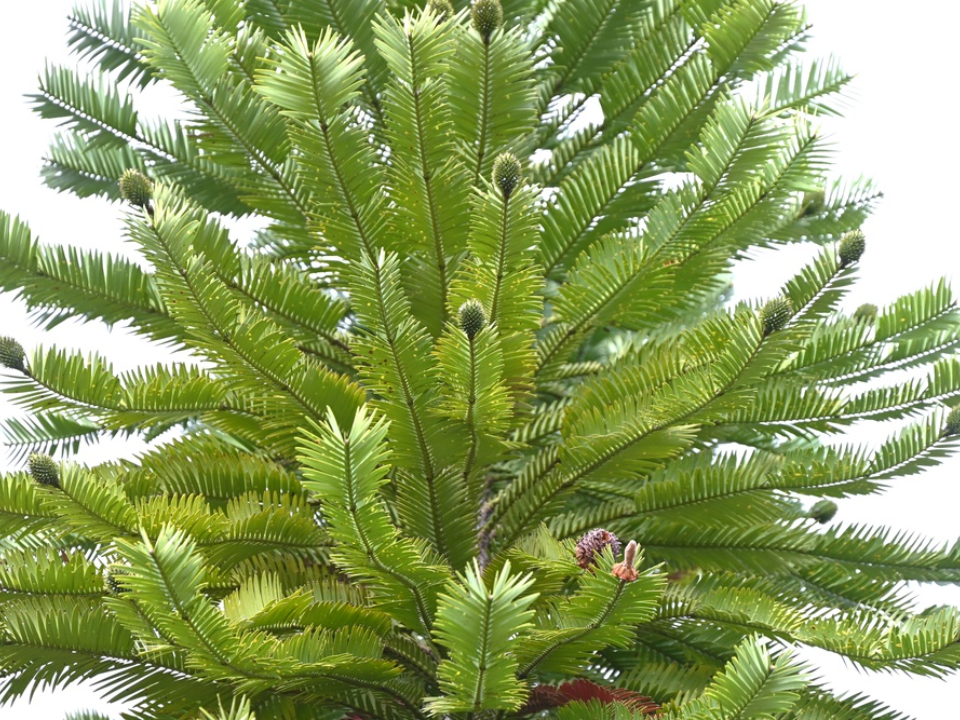
The Wollemi Pine feels almost unreal because it survived unseen for millions of years before being found in a hidden Australian canyon. Its small wild population lives in an area so restricted that even researchers must follow strict access rules. The tree has dark, textured bark and soft needle-like leaves that set it apart from modern pines. Bushfires pose one of the greatest dangers since a single event could damage much of the remaining population. Climate shifts add pressure to an already fragile existence.
Conservation teams focus on keeping the natural site as undisturbed as possible. Seeds and cuttings are grown elsewhere to protect the species as a backup measure. Even with careful monitoring, recovery in the wild remains slow. The tree grows steadily but does not spread easily on its own. Its survival depends on patience and long-term protection.
Wood’s Cycad
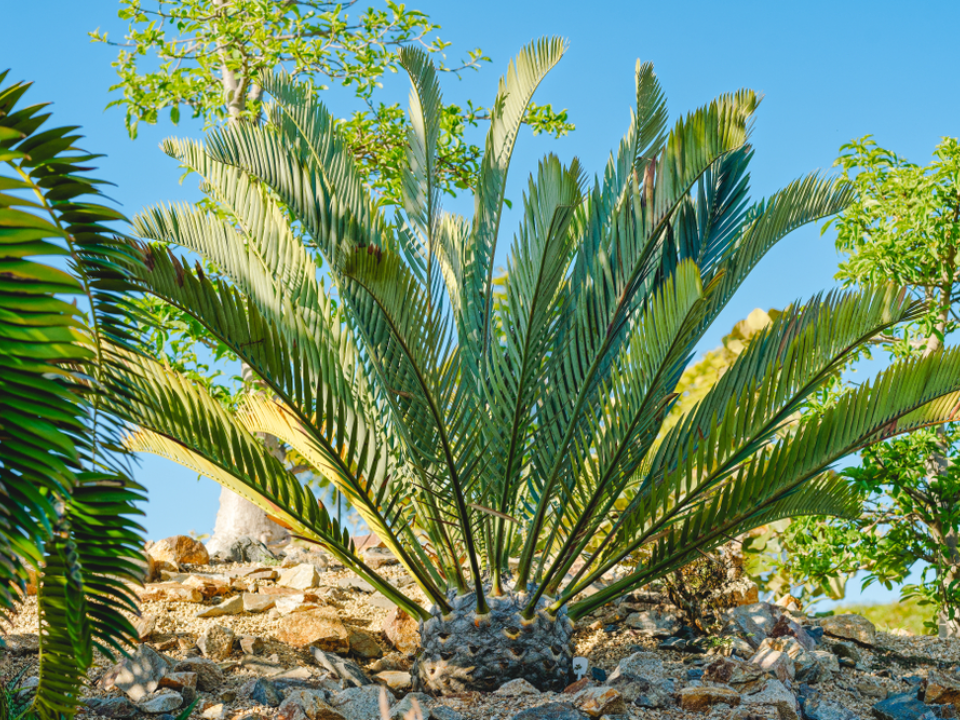
Wood’s Cycad stands out because it exists only as male plants. The entire living population comes from one plant discovered in South Africa over a century ago. Since no female plants are known, natural reproduction cannot occur. Habitat destruction and illegal collecting contributed to its disappearance in the wild. What remains today is a biological dead end.
Botanical gardens maintain cloned plants to keep the species alive. These efforts preserve its form but cannot restore natural balance. Researchers continue searching for a female plant, though hopes are fading. Each surviving specimen represents a copy of the same genetic material. Without a breakthrough, the species remains frozen in time.
Ghost Orchid
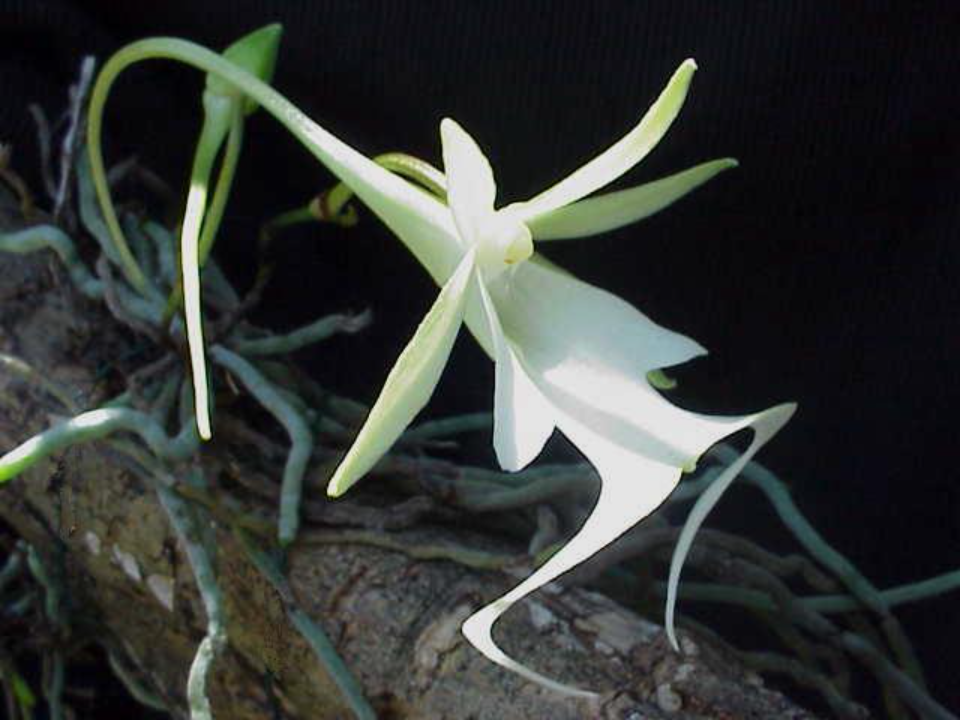
The Ghost Orchid draws attention with flowers that seem to float in midair. It grows without leaves, relying on tree trunks and humid swamp conditions. Fewer than one thousand remain in the wild, mainly in Florida wetlands. The orchid depends on specific fungi underground, making it extremely sensitive to change. Water levels that shift too much can cause entire colonies to fail.
Poaching has further reduced its already limited numbers. The plant blooms irregularly, sometimes skipping years entirely. This makes tracking population health difficult. Preservation depends on keeping swamp ecosystems intact. Even small disturbances can have lasting effects.
Jellyfish Tree
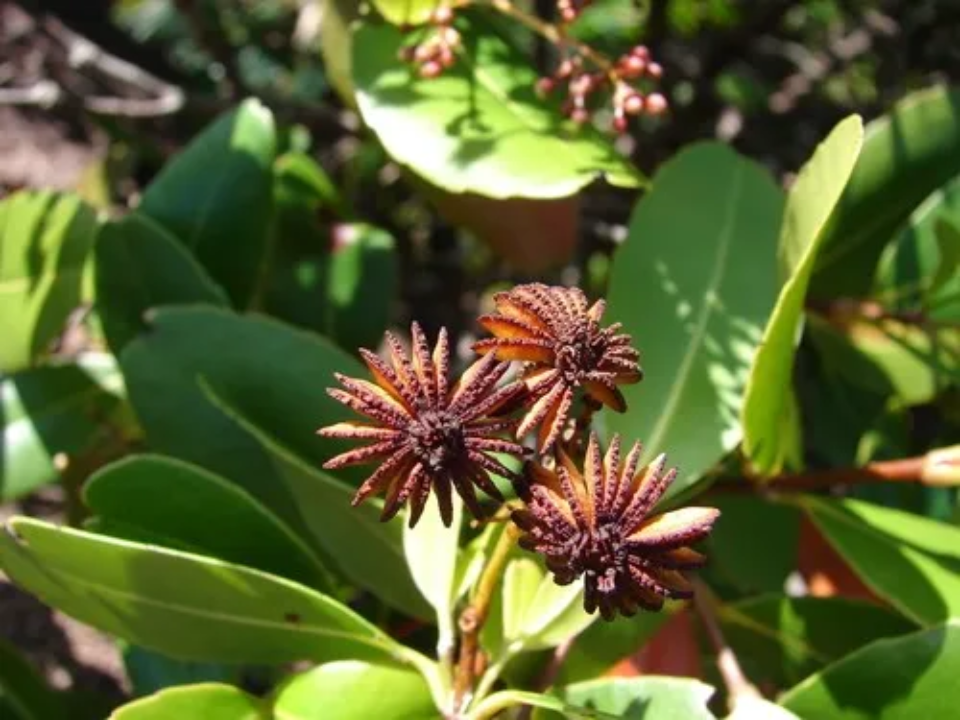
The Jellyfish Tree grows only on a few islands in the Seychelles. Its unusual seed shape gives the tree its striking name. Natural pollinators are rare, limiting reproduction in the wild. Habitat disturbance further reduces its chances of recovery. Each remaining tree is closely watched by conservationists.
Manual pollination has helped produce some new seedlings. Growth is slow, which means progress takes many years. Storms and soil erosion add further risks. Protecting its island habitat remains essential. Without intervention, numbers could decline further.
Middlemist Red
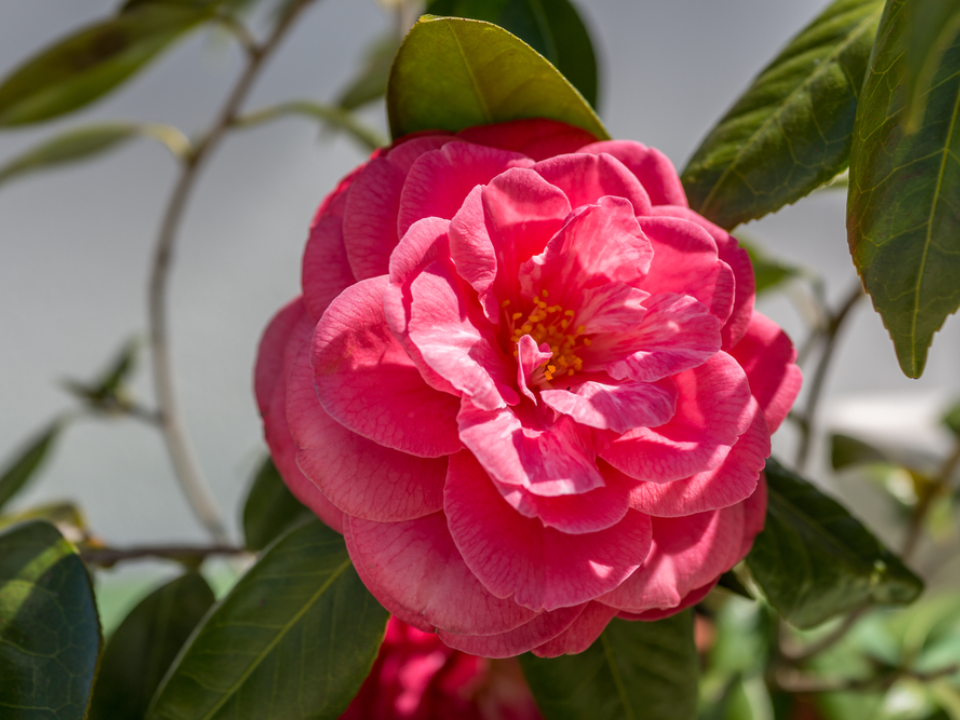
Middlemist Red is one of the rarest flowering plants on Earth. Only two known plants exist today, both grown far from their original home. The plant produces deep pink flowers that resemble camellias. It disappeared from the wild in China centuries ago. Its continued existence depends entirely on cultivation.
Because there are only two plants, genetic diversity is nonexistent. Any disease or accident could erase the species forever. Caretakers monitor growth closely throughout the year. Flowering is celebrated as a rare event. Its survival rests on constant attention.
Pennantia baylisiana
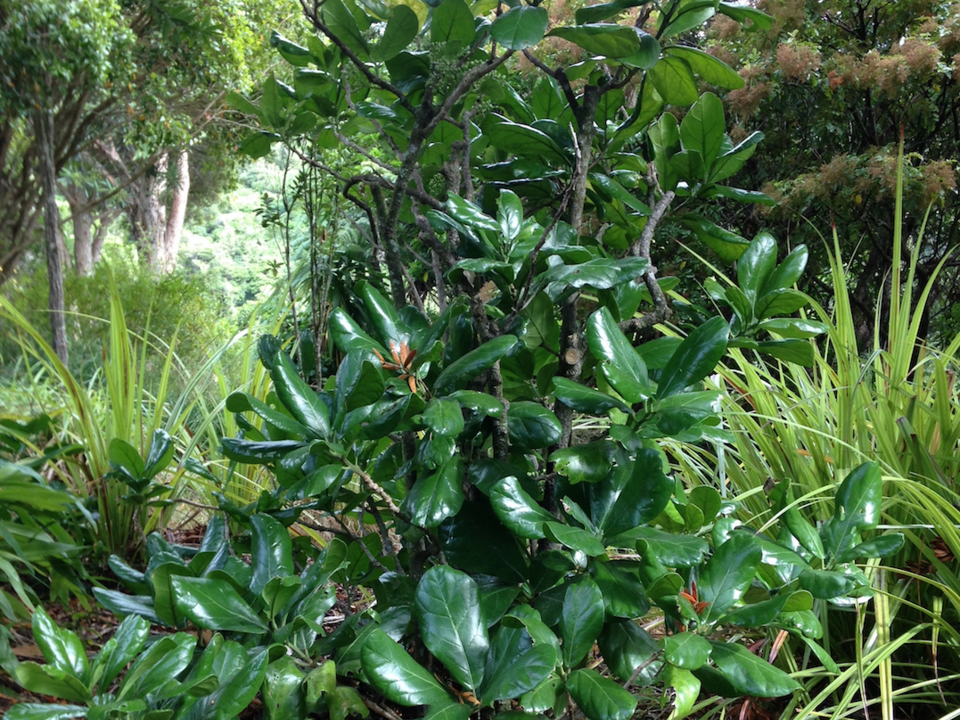
Pennantia baylisiana was once known from a single wild tree growing on a rocky island near New Zealand. That lone tree struggled to reproduce naturally for many years. Harsh winds and poor soil limited growth. Botanists eventually stepped in to support controlled propagation. Even today, wild numbers remain extremely low.
New plants grown from cuttings offer some hope. However, returning them to natural settings remains difficult. Storm damage continues to threaten existing trees. Each specimen requires monitoring. The species remains one of the rarest trees in the world.
Neelakurinji
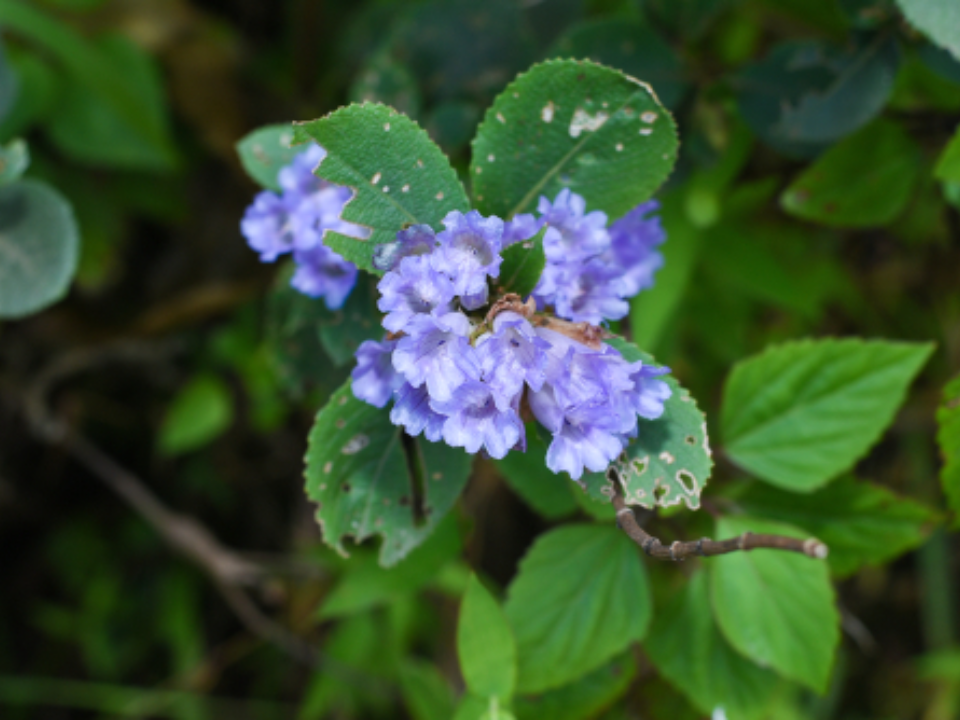
Neelakurinji grows in limited mountain regions of southern India. It is famous for blooming only once every twelve years. Habitat loss has reduced wild populations significantly. When flowering occurs, entire hillsides turn blue. Long gaps between blooms slow natural recovery.
Urban growth and farming have fragmented its environment. Protection efforts focus on preserving mountain grasslands. The plant depends on stable conditions over many years. Any disruption during its growth cycle can reduce flowering. Safeguarding its habitat remains critical.
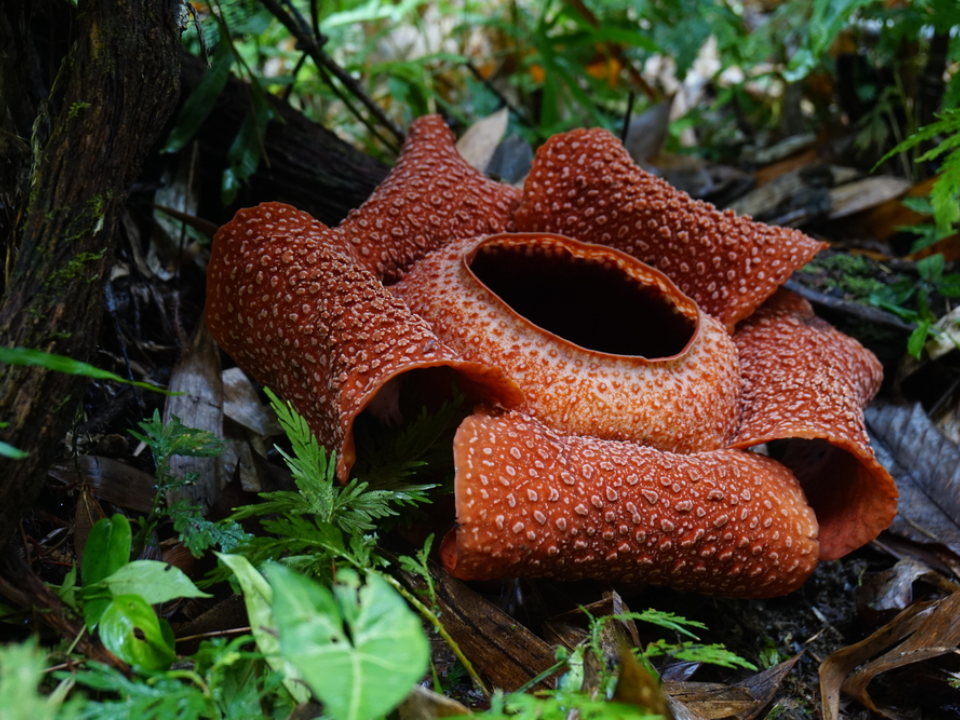
Rafflesia arnoldii is known for producing the largest single flower in the world. It grows only in small rainforest areas of Southeast Asia. Fewer than one thousand plants are believed to survive in the wild. The plant has no leaves or stems and lives entirely inside its host vine. Habitat destruction continues to reduce suitable growing areas.
The flower blooms for only a few days before collapsing. Its strong odor attracts insects that aid pollination. Because blooming is rare and unpredictable, population tracking is difficult. Damage to host vines can destroy multiple plants at once. Protecting intact rainforest is the only way this species can survive.
Lady’s Slipper Orchid
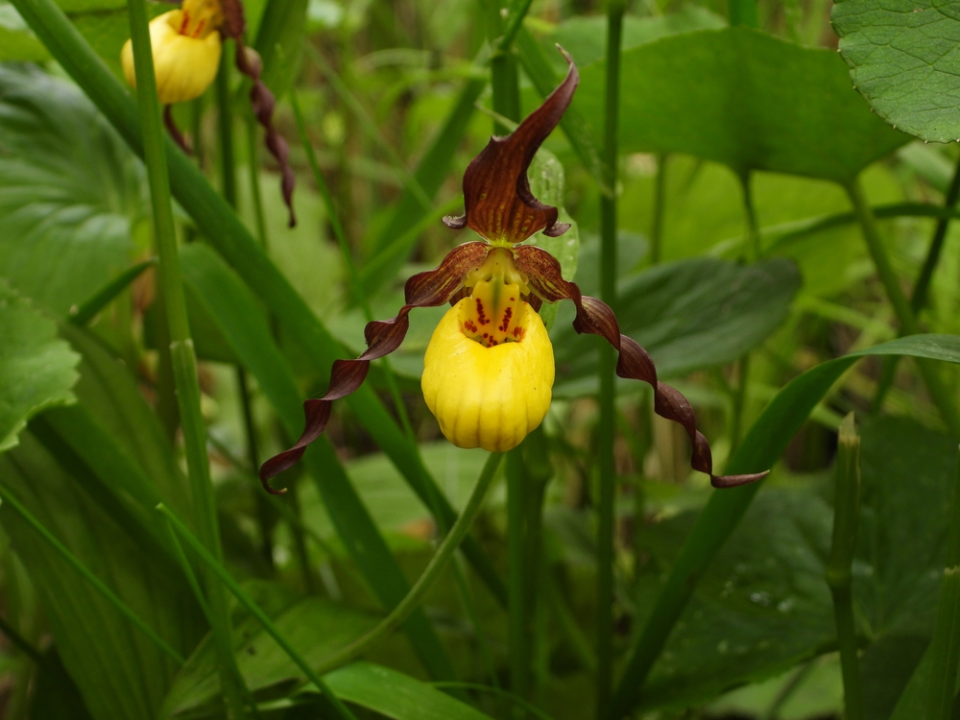
Several Lady’s Slipper Orchid species have fewer than one thousand plants remaining. These orchids rely on very specific soil fungi to grow. Changes to forest floors can prevent seedlings from forming. Illegal collection has caused serious population decline. Wild plants grow slowly and do not recover quickly.
Conservation groups work to protect remaining forest habitats. Replanting efforts face challenges due to complex soil needs. Even careful relocation often fails. Each surviving plant represents decades of growth. Long-term habitat protection remains essential.
Western Underground Orchid

The Western Underground Orchid grows entirely below the soil surface. It relies on underground fungi for nutrients. Fewer than one thousand plants exist in Western Australia. Because it never emerges above ground, locating plants is difficult. Disturbance to soil can destroy entire colonies.
The orchid produces flowers underground that are pollinated by insects. Habitat damage poses the greatest risk. Fire and land clearing reduce suitable areas. Monitoring requires careful excavation techniques. Preservation depends on protecting undisturbed land.
Kokia cookei
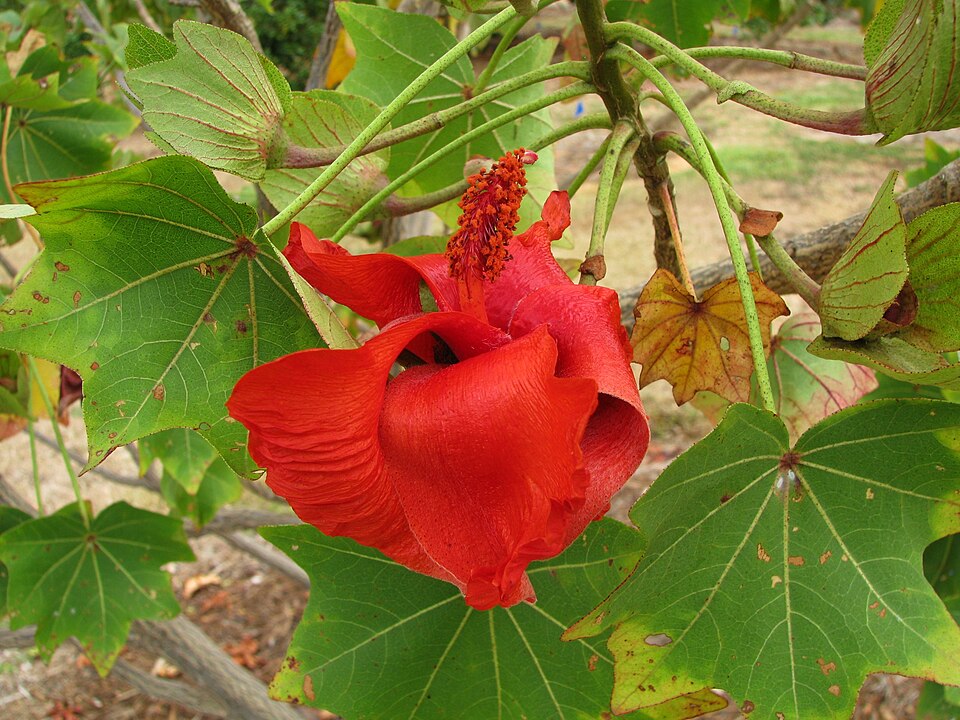
Kokia cookei is native to Hawaii and no longer exists in the wild. All living plants come from grafted cuttings. Fewer than one thousand specimens survive worldwide. The tree produces bright red flowers when conditions allow. Disease and habitat loss caused its decline.
Propagation requires specialized techniques. Young plants need careful monitoring to prevent failure. Genetic diversity remains extremely limited. Any widespread disease could threaten remaining plants. Continued cultivation remains the only option.
This article originally appeared on Avocadu.