
10 Pinball Machines With Weird Layouts That Play Beautifully
Back around the early 1930s, simple mechanical pinball games began catching the attention of players who wanted quick fun for a single coin. Over time, some designers took big risks with unusual layouts that defied the usual left and right flipper formula. These tables may look confusing at first, yet they often deliver a graceful flow once your hands learn the rhythm. As you move through this article, imagine which of these machines you would love to track down and play for yourself.
This post may contain affiliate links, which helps keep this content free. Please read our disclosure for more info.
Haunted House
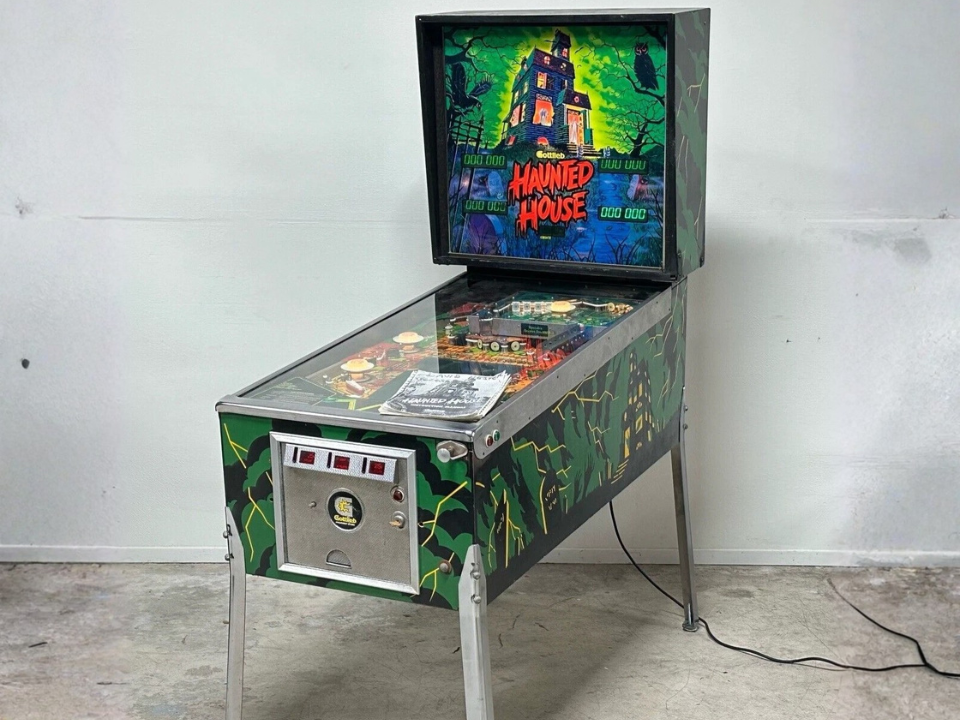
Haunted House was released in 1982 and became famous for its three separate playfields stacked in layers. There is a main level, an attic at the top, and a dungeon below, all linked by trapdoors and scoops that send the ball between floors. Eight flippers and spooky artwork tie the whole haunted mansion theme together. With roughly 6,800 units built and steady collector interest, prices often sit in the $3,400 to $5,500 range.
People who enjoy Haunted House often point out that the strange multi level design still offers smooth shot paths once you learn the feeds. The lower dungeon feels tight and tense, while the top attic rewards soft control and careful aim. When set up well, the layout feels weird in appearance yet very satisfying to play.
Orbitor 1
Orbitor 1 came out in 1982 and looks strange before you even plunge the ball thanks to its molded concave playfield. Instead of flat wood, the entire surface is sculpted plastic, so shots roll uphill, dip, and curl back toward the flippers. The unusual geometry sends the ball into looping orbits that feel closer to a marble run than a standard game. With fewer than 900 units produced, collectors treat it as a showpiece, and prices often land around $3,700 to $4,000 for a nice example.
Fans who stick with Orbitor 1 usually find that the odd layout hides a surprisingly smooth rhythm once they learn the ball paths. You learn to nudge early, read the curved walls, and use the strange bounces to set up controlled returns to the flippers. The rule set is simple, which keeps the focus on pure ball control instead of complicated modes.
Black Hole
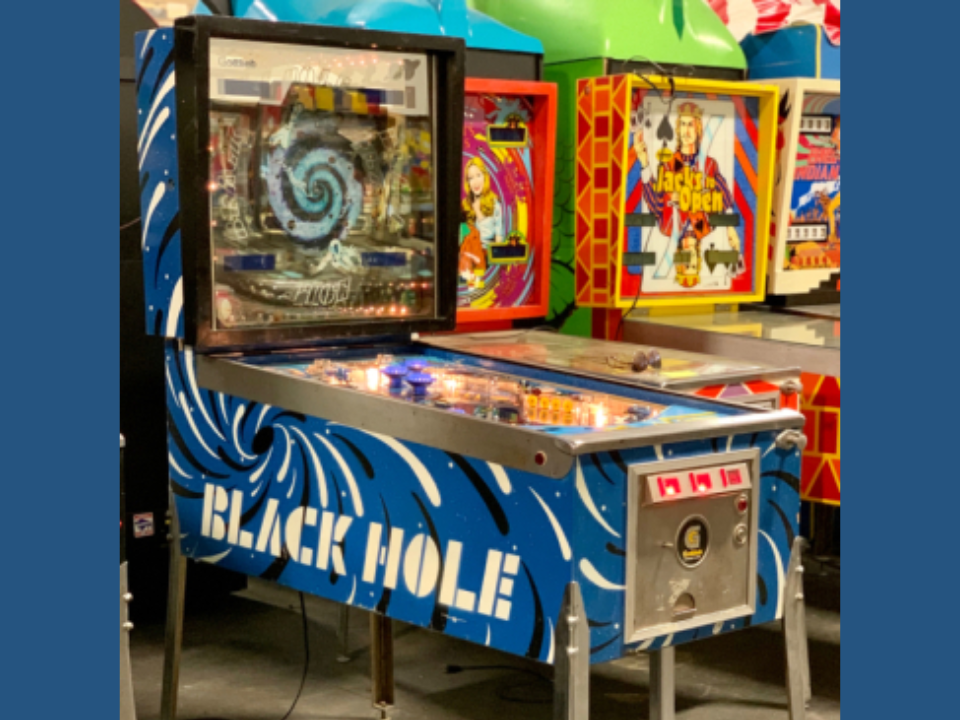
Black Hole arrived in 1981 and surprised players with its dramatic lower playfield that sits behind a window and runs in reverse. Instead of a single surface, the game drops the ball into an underworld section where the flippers are flipped and the ball heads toward the top of the machine. The main field mixes speech, multiball, and mirrored art, so the whole package feels unusual and moody. Around 8,700 units were made, and current values often fall around $2,300 to $3,800 depending on condition.
Players who spend time on Black Hole talk about how the upper and lower fields blend into one smooth experience. You must shoot carefully to open the lower playfield, then keep calm while flipping in reverse to earn your way back to safety. The game rewards deliberate shooting rather than random flailing, which makes improvement feel satisfying.
Blackwater 100
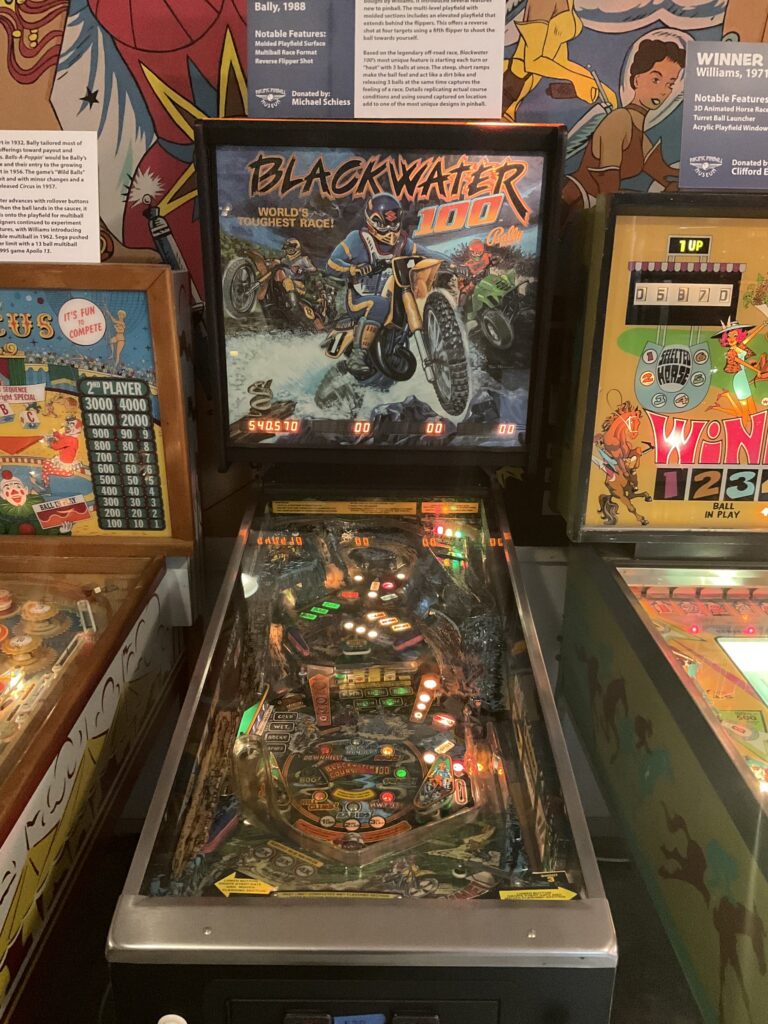
Blackwater 100 came onto the scene in 1988 and turned off road motorcycle racing into a wild multi tier pinball layout. The playfield uses upper sections that act like jumps, staggered ramps, and sudden returns that mimic racing laps. Instead of standard three ball play, you compete in heats, so games have a different tempo and scoring rhythm. About 3,000 units were produced, and many sales land around $3,600 to $4,900 for clean examples.
Players who click with Blackwater 100 enjoy how the upper playfields can be chained together for fast flowing combos. Shot timing matters more than aiming for a single jackpot, which helps the game feel like you are planning a racing line.
Hercules
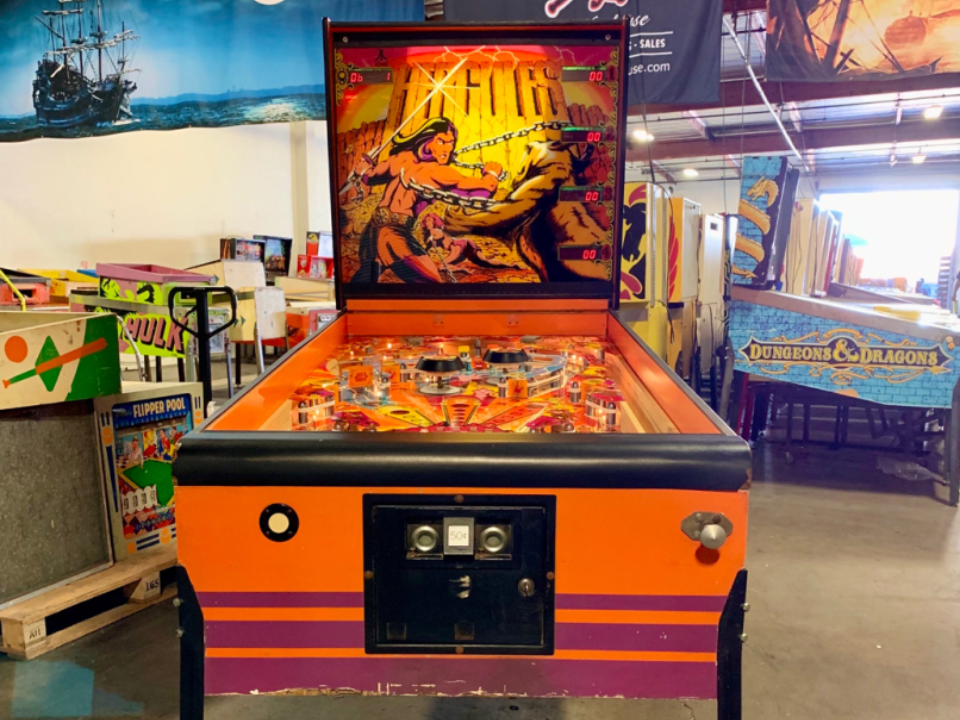
Hercules rolled out in 1979 and immediately stood out as the largest commercial pinball machine ever built. Instead of a normal ball, it uses one about the size of a cue ball on a massive playfield, so everything feels oversized. The layout itself is fairly simple, which lets players focus on controlling the heavy ball as it lumbers around. Current estimates for good examples often fall between $5,300 and $6,200 since it feels more like a showpiece than a regular home game.
You must flip earlier than usual and think about momentum because the big ball does not change direction quickly. Maintenance centers on giving the coils enough power and watching playfield wear from the heavier ball.
Twilight Zone
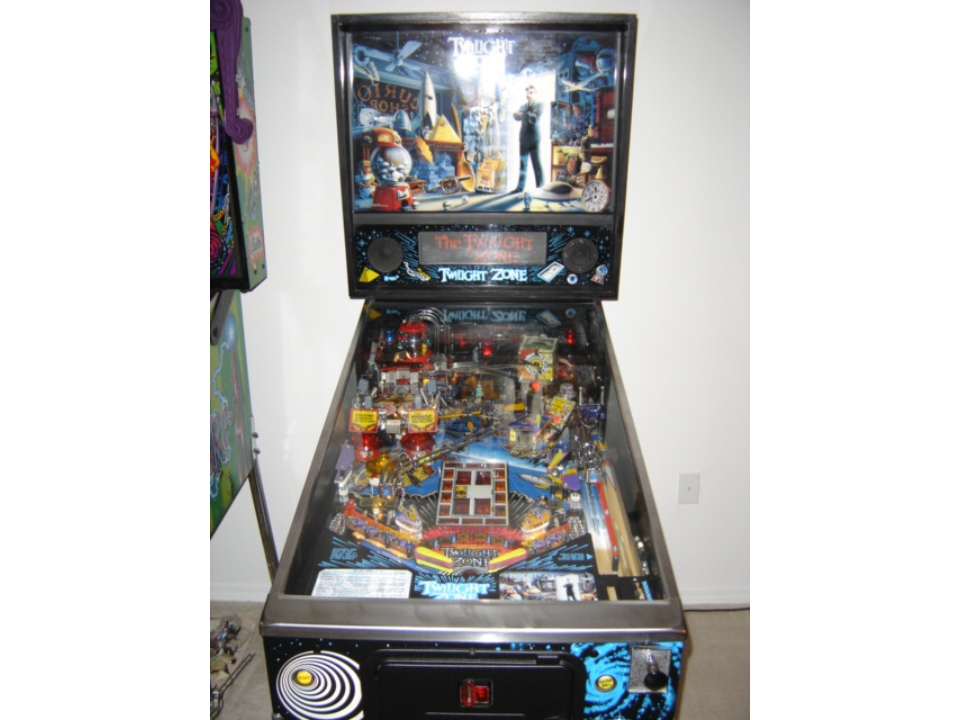
Twilight Zone appeared in 1993 with a widebody layout packed with toys that still manage to flow together smoothly. The upper Powerfield uses tiny flippers and magnets to push the ball around, while the main playfield features a clock, ramps, and a working gumball machine. This mix could feel crowded, yet the layout funnels the ball into repeatable shots and graceful orbits. With more than 15,000 units produced and strong demand, values often sit around $8,300 to $10,000.
Players who learn the angles on Twilight Zone often praise how the flow rewards controlled shooting. The left ramp, right orbit, and inner loops can be linked into long strings that keep the ball in motion. Owners keep an eye on the clock, magnets, and gumball assemblies, since those parts see a lot of use.
Theatre of Magic
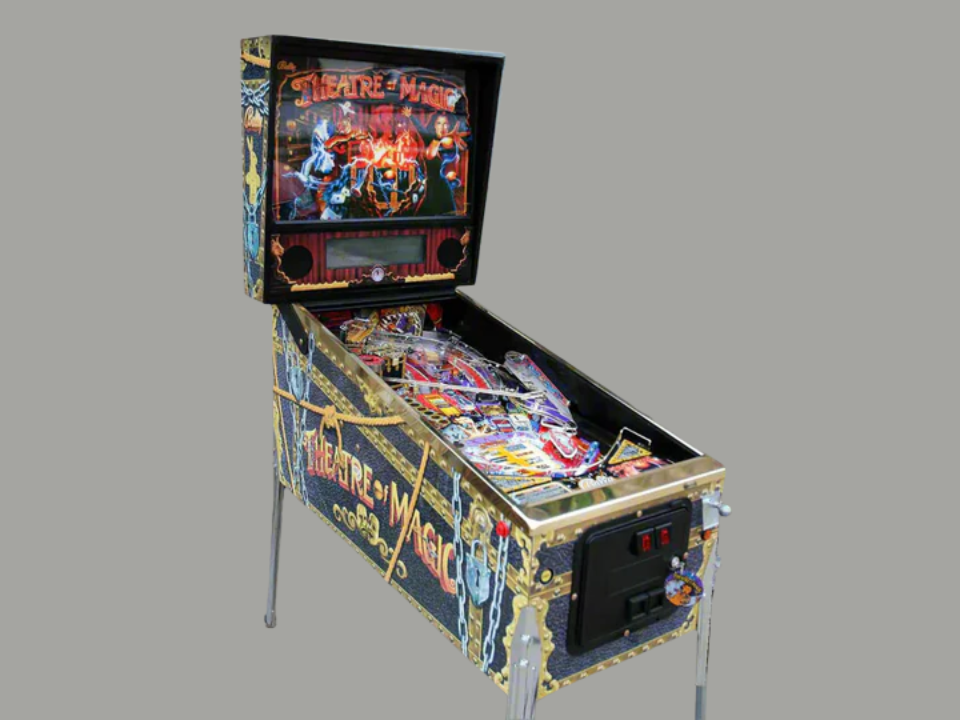
Theatre of Magic launched in 1995 and draws people in with swirling orbits, looping ramps, and a central magic trunk. Shots often feed cleanly back to the flippers, and the inner orbit can be hit again and again once you find the timing. The spinning and vanishing trunk gives the center of the field plenty of character without stopping the game too often. Around 6,600 units were produced, and many sell today in the $8,000 to $9,000 bracket.
Fans of Theatre of Magic talk about how graceful the layout feels even though the game looks packed. With good flippers, clean plastics, and stable electronics, the game becomes a flowing stage show of multiball and looping shots.
Safe Cracker
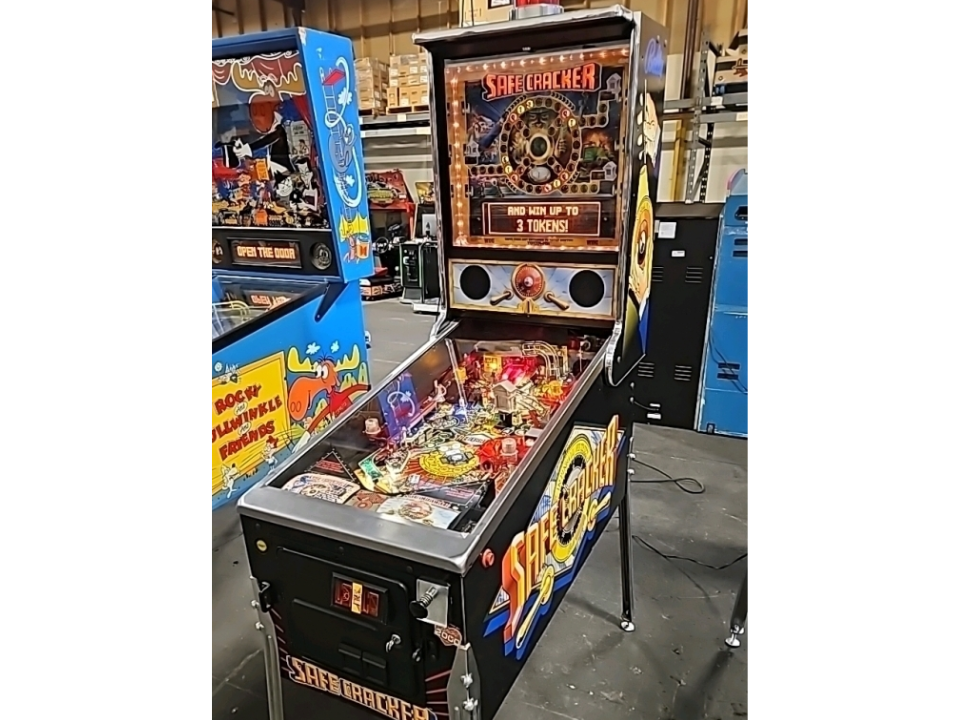
Safe Cracker arrived in 1996 and broke convention with a shorter cabinet and timed play instead of standard ball counts. The circular central layout sends the ball spiraling around a board game style path as you try to crack a bank. A backbox feature even spits real tokens when you win certain goals, which gives it a playful arcade feel. With only about 1,148 units produced and strong collector interest, prices often land near $9,000 to $10,500.
Players who enjoy Safe Cracker usually appreciate how tight yet smooth the layout feels. Shots whip quickly back toward the flippers, and the timer encourages you to keep the ball moving rather than holding it for long.
Doctor Who
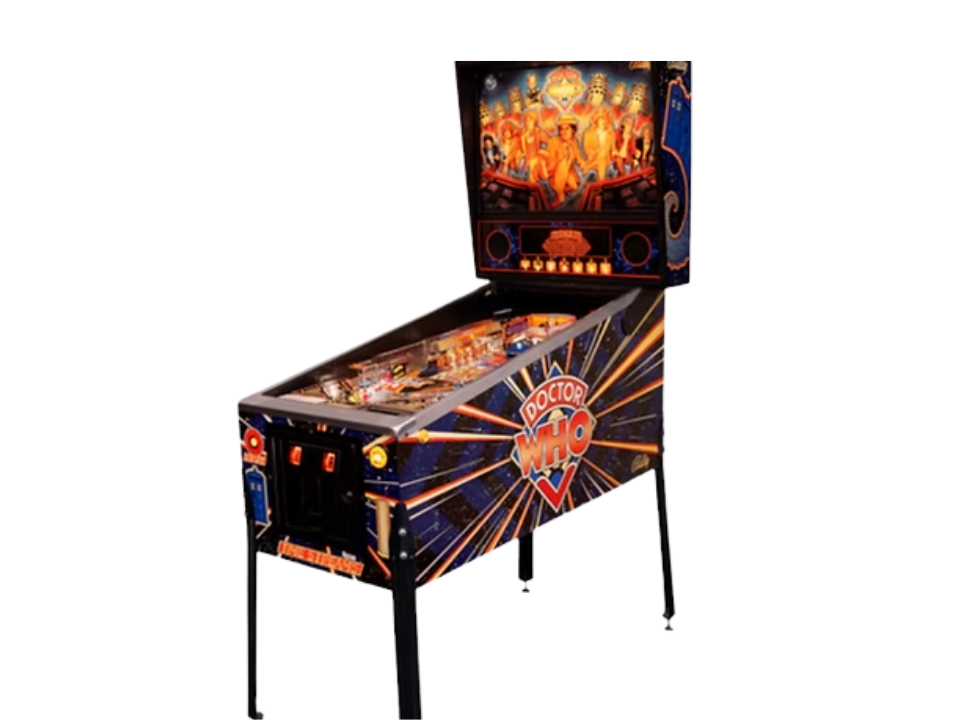
Doctor Who was released in 1992 and is best known for its Time Expander mini playfield that rises and lowers in stages. As it moves, new targets appear, turning the center of the playfield into a changing upper world. The rest of the layout mixes ramps and orbits that can be looped quickly once you learn the shots. Clean restored machines from trusted sellers often reach values in the $6,000 to $8,000 range.
Fans of Doctor Who say that the moving playfield adds depth while still keeping ball flow smooth. You shoot the center to advance the Time Expander, then switch to ramps and loops once jackpots are ready. Owners focus on keeping the Time Expander aligned and the electronics healthy, since that mechanism is central to the game.
White Water
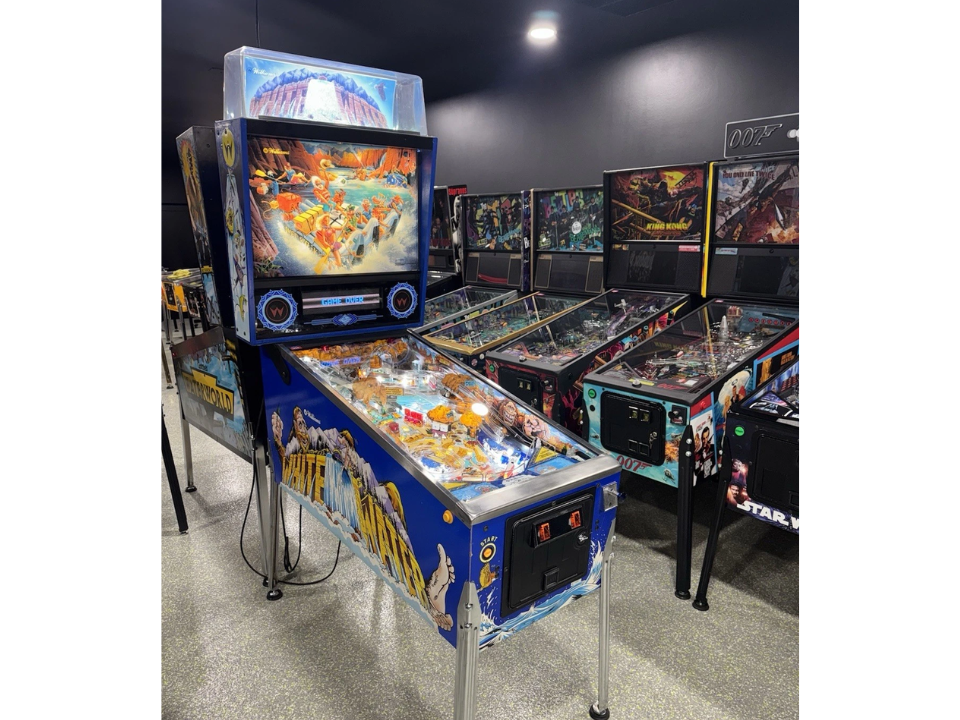
White Water came out in 1993 and throws players into a white water rafting theme with a towering mountain of ramps and upper playfields. The ball races up and around plastic boulders, then drops down wireforms that feel like rapids. A whirlpool bowl and a small upper playfield keep the ball in motion with barely any pauses. Many collectors place its value in the $7,000 to $11,000 range depending on condition and cosmetic work.
Players who fall in love with White Water often talk about how naturally the shots link together. Once you learn the lock shots and ramp angles, the game rewards calm aiming with long multiballs and looping flows. Strong flippers, a clean playfield, and helpful lighting keep the upper areas visible and the ball moving smoothly.
This article originally appeared on Avocadu.