
15 Phone Habits That Make Screen Time Feel Lighter
Many of us find ourselves spending more time on our phones than we intend. With the new year here, it’s the perfect time to rethink how we approach screen time. By establishing healthier habits, you can avoid burnout and enjoy your device more. Simple changes can help you stay connected while creating space for other activities.
This post may contain affiliate links, which helps keep this content free. Please read our disclosure for more info.
Set Screen Time Limits for Healthier Phone Habits
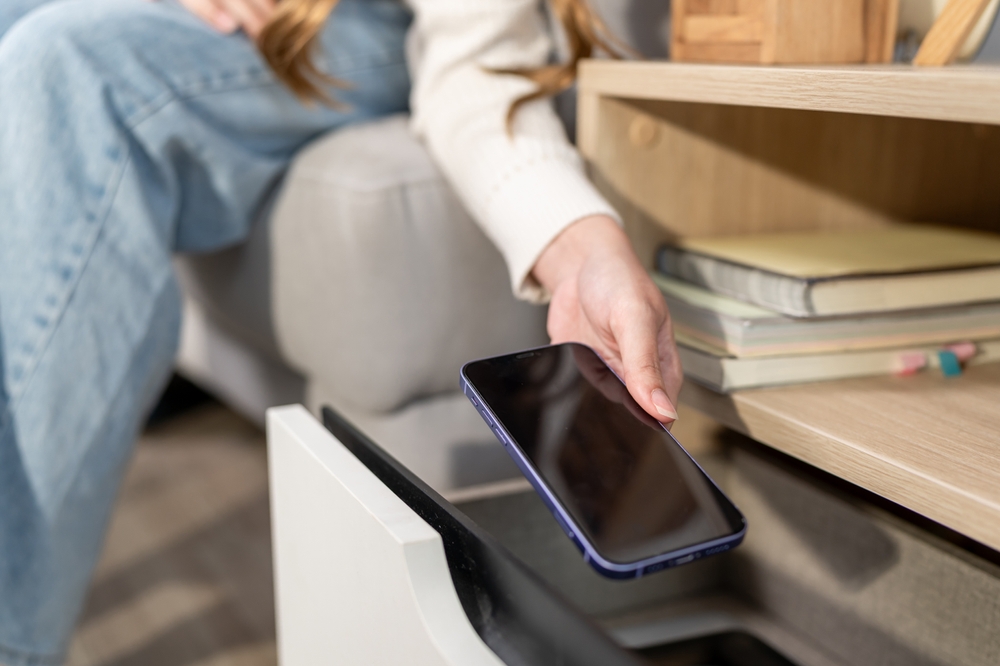
A great way to start the year is by setting screen time limits on your devices. This helps you become more aware of how much time you’re spending on your phone. By limiting your screen time, you can avoid spending hours on mindless scrolling. Many phones allow you to set daily usage limits for different apps, which can help keep distractions in check. With a clear time limit, you can focus on other meaningful activities.
Once your screen time limits are set, try sticking to them consistently. It might be challenging at first, but having a daily cap on your phone usage can help reduce unnecessary screen time. You’ll start noticing more free time for hobbies, relaxation, or outdoor activities. This small change can make a big difference in how you feel at the end of the day. It’s an easy way to make your screen time feel less overwhelming and more intentional.
Declutter Your Phone for a Calmer Start to the Day

One of the simplest ways to improve your phone habits is by decluttering your device. Start the year by organizing your apps into categories or folders, which makes it easier to find what you need. A clutter-free phone helps reduce distractions and unnecessary notifications. When your phone is organized, you can use it more efficiently without getting sidetracked by things that don’t matter. It sets a calming tone for your phone use and helps prevent feeling overwhelmed.
You can also delete apps you no longer need or use. This makes it easier to stay focused on the essentials. Without excess apps or notifications pulling your attention, you’ll likely find yourself spending less time scrolling. Keeping your phone’s home screen neat and minimal can help you stay focused. Decluttering your phone can quickly make your device feel less overwhelming and more in tune with your needs.
Use the Do Not Disturb Feature to Manage Interruptions

Managing distractions is crucial for making your screen time feel lighter. Using the Do Not Disturb feature on your phone can help you take control of interruptions. This allows you to silence notifications while still staying focused on the task at hand. Whether you’re working, reading, or relaxing, this feature ensures you’re not constantly pulled away by your phone. It helps you enjoy a quiet, more productive environment.
Consider scheduling specific Do Not Disturb periods throughout your day. For example, during meals or before bed, turn off notifications to create a peaceful break from your phone. You can also adjust settings to allow certain contacts or apps to still send alerts. By making this habit a part of your routine, you can enjoy moments of undisturbed time. This simple step will make your screen time more intentional and less stressful.
Use Focus Mode for Increased Productivity
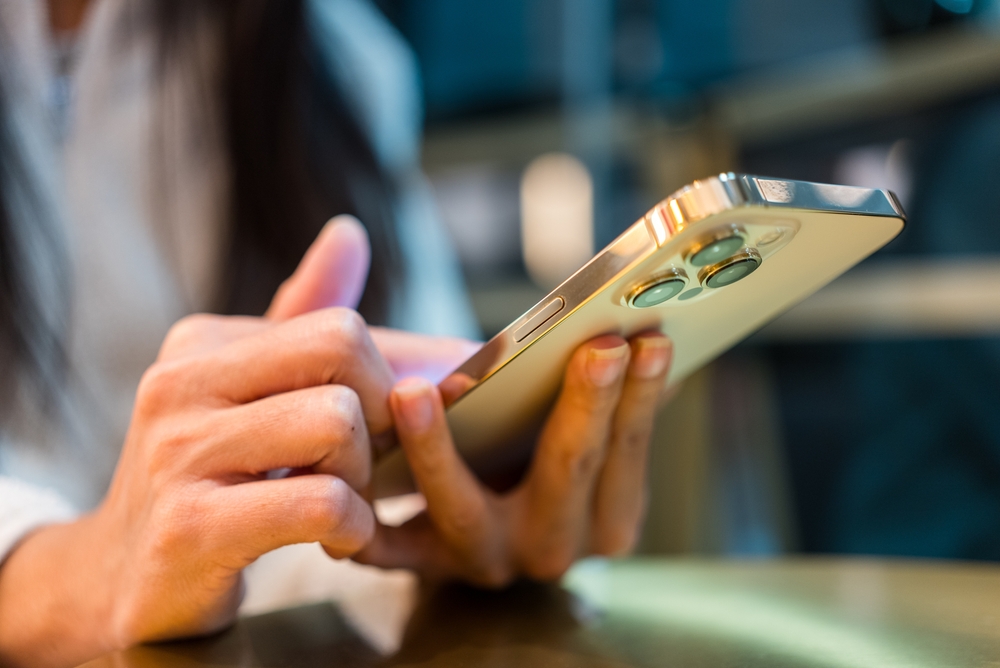
If you find yourself getting distracted by apps during work or study time, try using the Focus Mode feature on your phone. This feature blocks access to distracting apps for a set period, helping you stay focused. Whether you’re working on a project or simply need to focus on a task, Focus Mode helps you stay productive. It’s an effective way to avoid the temptation of endless scrolling or checking social media. With Focus Mode, you can maintain a sense of control over your phone.
In addition, Focus Mode can help you create healthy boundaries with your phone. You can schedule specific hours where distractions are minimized, such as when working on important tasks. This habit will improve your phone use by ensuring it serves your goals rather than disrupts them. Over time, you’ll start to notice a more balanced relationship with your device. It’s a great way to prevent phone distractions from overwhelming your day.
Turn Off Non-Essential Notifications for Peace of Mind

Turning off unnecessary notifications can be a game-changer for lighter phone use. Constant pings and alerts can make it hard to stay focused or relaxed. Start by reviewing your app notifications and disable those that aren’t important. This reduces the constant buzzes and dings that draw your attention away from other tasks. By limiting notifications, you can reclaim control over your phone usage.
You can go a step further by enabling notifications only for crucial apps like messages or calendar reminders. This helps you stay updated on what matters without feeling overwhelmed. With fewer distractions, you’ll experience a calmer approach to your phone habits. Over time, you’ll realize that you don’t need to check every notification that pops up. It’s a small change that can make a huge impact on how you engage with your phone.
Set Time for Phone-Free Activities to Reconnect
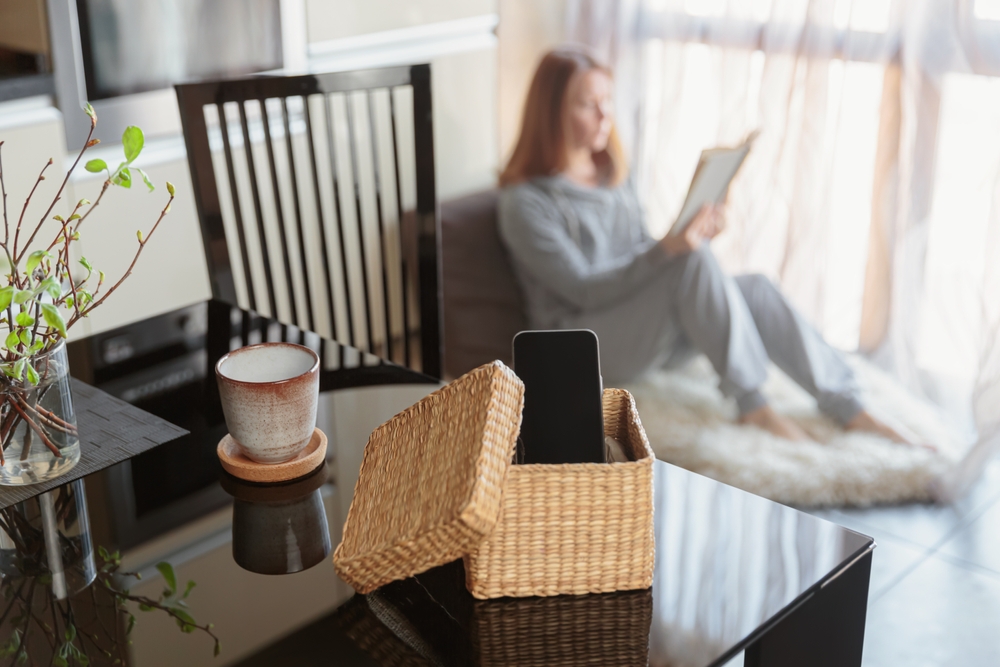
One of the best habits you can adopt is setting aside time for phone-free activities. Whether it’s reading, exercising, or spending time with loved ones, these moments allow you to reconnect without the distractions of your device. Start by setting a daily or weekly phone-free block to focus on activities that bring you joy. This helps prevent the feeling of constant digital overstimulation. With regular phone-free time, you’ll find it easier to enjoy simple moments without screen-related distractions.
Creating phone-free zones, like the dinner table or your bedroom, can also help improve your daily routine. These spaces allow you to unwind and engage in meaningful activities without being interrupted. The more you practice these phone-free habits, the easier it becomes to feel present in the moment. It’s a great way to ensure your phone use stays purposeful. By limiting phone time, you can embrace a healthier balance in your life.
Try Using a Black and White Screen for Less Stimulating Use
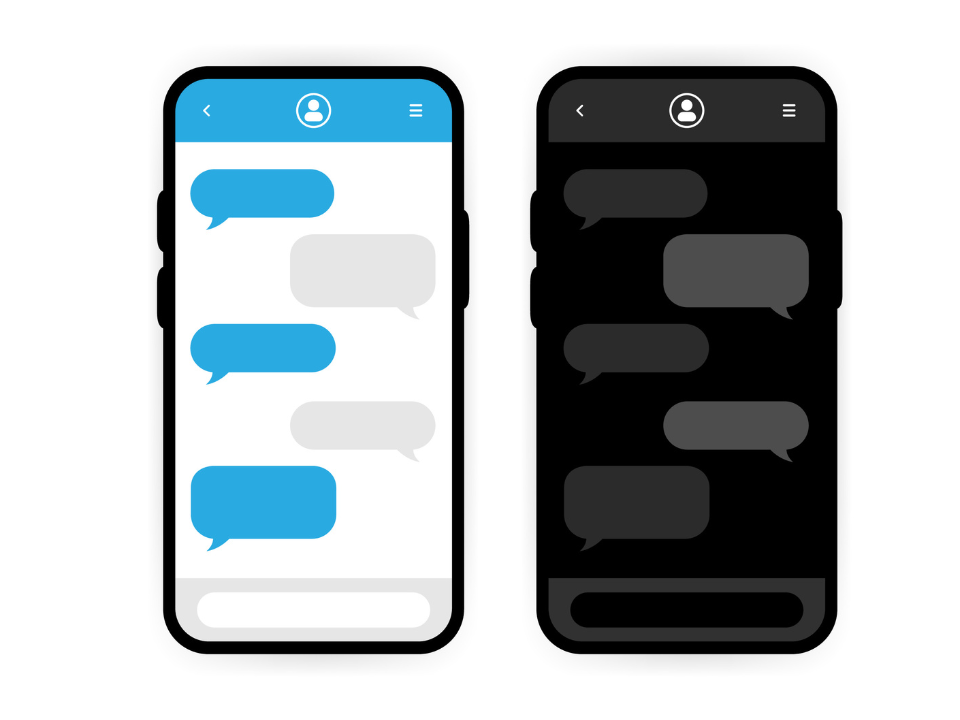
If you find yourself mindlessly scrolling, consider switching your phone’s screen to black and white mode. This reduces visual stimulation and can help lessen the urge to endlessly check social media. Many people find that their phone use becomes less frequent when they remove the vibrant colors and notifications. It’s a simple yet effective trick to create a more relaxed phone experience. Your phone will feel less like a source of constant entertainment and more like a tool for important tasks.
Switching to black and white mode can also help reduce screen time by making apps less appealing. Without the colorful displays, your phone becomes more utilitarian. This can be a helpful step toward creating healthier screen habits, especially when you need a break from visual overload. It’s a small change that can have a surprisingly positive impact. Over time, it may help you use your phone with more intention and less distraction.
Establish a Nighttime Phone Curfew for Better Sleep

Setting a phone curfew can help improve your sleep and reduce late-night screen time. Avoid using your phone at least an hour before bedtime to allow your mind to wind down naturally. The blue light emitted from screens can interfere with your ability to fall asleep, making it important to create this boundary. By setting a phone curfew, you’ll establish a healthier evening routine and enjoy more restful sleep. This simple habit will make your evenings feel more peaceful and less rushed.
You can also use the time before bed for reading, journaling, or simply relaxing without the distractions of your device. Many people find that this practice helps them fall asleep faster and wake up feeling more refreshed. A nighttime phone curfew helps prevent late-night scrolling, which can disrupt your sleep schedule. Over time, this habit will allow you to be more mindful of your phone use, especially at night. It’s a great step toward healthier habits in the new year.
Schedule Phone Breaks to Avoid Burnout

Taking scheduled phone breaks throughout the day can help manage your screen time effectively. Instead of spending hours on your phone, break up your day with short, intentional breaks. For example, set a timer to remind yourself to take a 10-minute break every hour. During this time, step away from your phone and engage in something physical or creative. These small breaks can refresh your mind and prevent digital burnout.
When you schedule phone breaks, you are more likely to be mindful of your screen time. These breaks give you the opportunity to recharge and enjoy a little distance from your device. It can also help you focus better during your phone sessions by preventing constant checking. With consistent breaks, your phone time will feel more manageable and less overwhelming. It’s a simple habit that can greatly improve your phone habits in the new year.
Limit Social Media Time for More Balanced Use
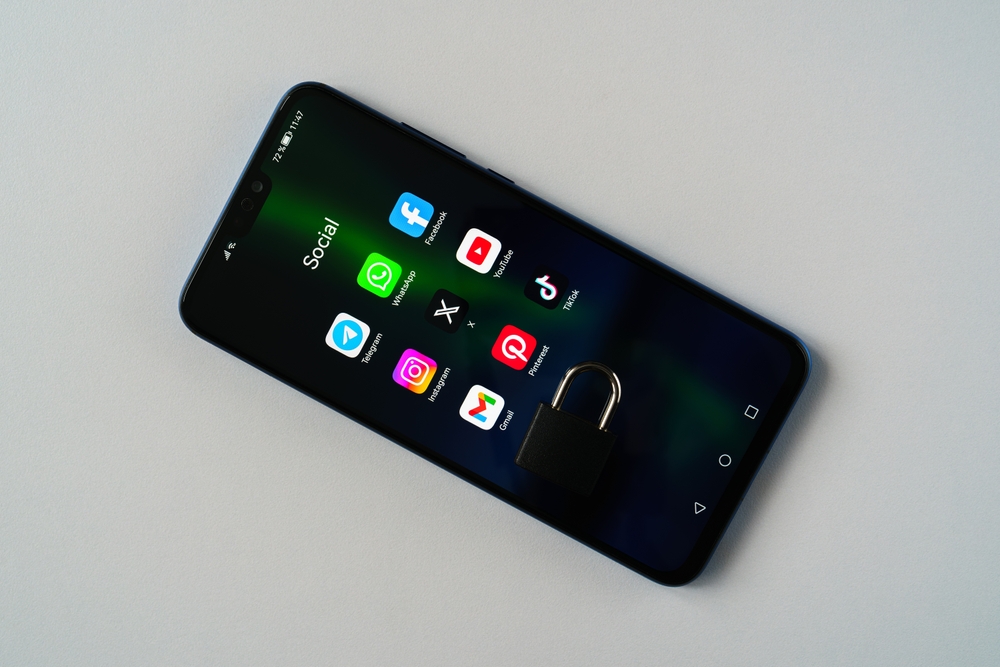
Reducing your social media time can help make your screen time feel lighter and more purposeful. Start by setting limits on how long you spend on apps like Instagram, Twitter, or Facebook each day. Most phones allow you to track and restrict social media usage, which can help curb mindless scrolling. Limiting time on these platforms can also help you feel more present in the real world, without the distractions of constant notifications. It’s a great way to establish balance in your phone habits.
By using social media in smaller doses, you can enjoy it without feeling overwhelmed. Focus on specific times to engage with your social media accounts, rather than checking them throughout the day. This habit can reduce the pressure to constantly update or respond to notifications. Over time, you may find yourself more mindful of how much time you spend on social platforms. Reducing your social media exposure can create a more balanced relationship with your phone.
Set Phone-Free Zones to Improve Focus

Creating phone-free zones can help make your phone use feel more intentional. These zones could be the dining room, bedroom, or any space where you want to minimize distractions. By setting clear boundaries, you’ll find it easier to stay focused on other activities without the temptation of your phone. This habit can help you create healthier boundaries between phone time and personal time. It’s a great step toward maintaining balance in your daily routine.
When you establish phone-free zones, you start to prioritize other areas of your life, like spending quality time with family or enjoying a quiet moment alone. It’s easy to get distracted by your phone, but removing it from certain spaces helps reduce the urge to check it constantly. Over time, this practice will help make your phone feel like a tool rather than an ever-present distraction. It’s a small habit with big results. This year, make phone-free zones a regular part of your routine.
Use Airplane Mode for Focused Time
Switching your phone to airplane mode can be an effective way to limit distractions during focused tasks. By turning off notifications and calls, you give yourself the space to fully concentrate on what’s in front of you. Airplane mode allows you to use your phone for specific purposes, such as listening to music or watching a video, without the interruption of alerts. This helps you feel more present and in control of your phone usage. It’s a quick and easy way to make your screen time more intentional.
Using airplane mode can also improve your productivity by removing the urge to check notifications every few minutes. Whether you’re working, studying, or enjoying a quiet moment, this feature lets you disconnect from constant digital noise. It allows you to be more mindful of your phone habits, leading to less stress and a more productive day. Over time, you may find yourself using your phone with more focus and intention. Try incorporating airplane mode into your daily routine and see how it transforms your screen time.
Turn Off Autoplay for a More Relaxed Viewing Experience

Turning off autoplay for videos is a simple way to control your screen time. Without autoplay, you’re less likely to mindlessly watch videos for hours. Instead, you’ll have to make a conscious decision to play the next video, which helps you stay in control of your phone usage. This change can make your phone feel less like an endless stream of content and more like a tool for purposeful viewing. You’ll start to enjoy your phone without feeling overwhelmed by constant video suggestions.
Autoplay often leads to hours of watching videos, especially when you’re caught up in an interesting series. By turning off this feature, you can prevent this from happening and avoid wasting time. With autoplay disabled, you’ll also feel more present when you do choose to watch something. It encourages you to be more selective with your content. This small change can make a big difference in how you engage with your phone.
Mute Group Chats for a Calmer Day

Group chats can be a source of constant phone buzzing and distractions. Muting these chats helps reduce the pressure to constantly check your phone. It allows you to engage with conversations at your own pace, without feeling overwhelmed by notifications. By muting notifications, you can focus on other important tasks without interruption. It’s a simple way to make your phone feel more manageable and less stressful.
Muting group chats can also improve your relationships by allowing for more thoughtful and less rushed responses. Without the constant pinging, you’ll have more control over when to engage with these conversations. This can lead to more meaningful interactions and less screen time. It also frees up your phone for other important alerts or calls. This year, consider muting group chats for a quieter, more focused phone experience.
Use Widgets for Quick Access Without Opening Apps
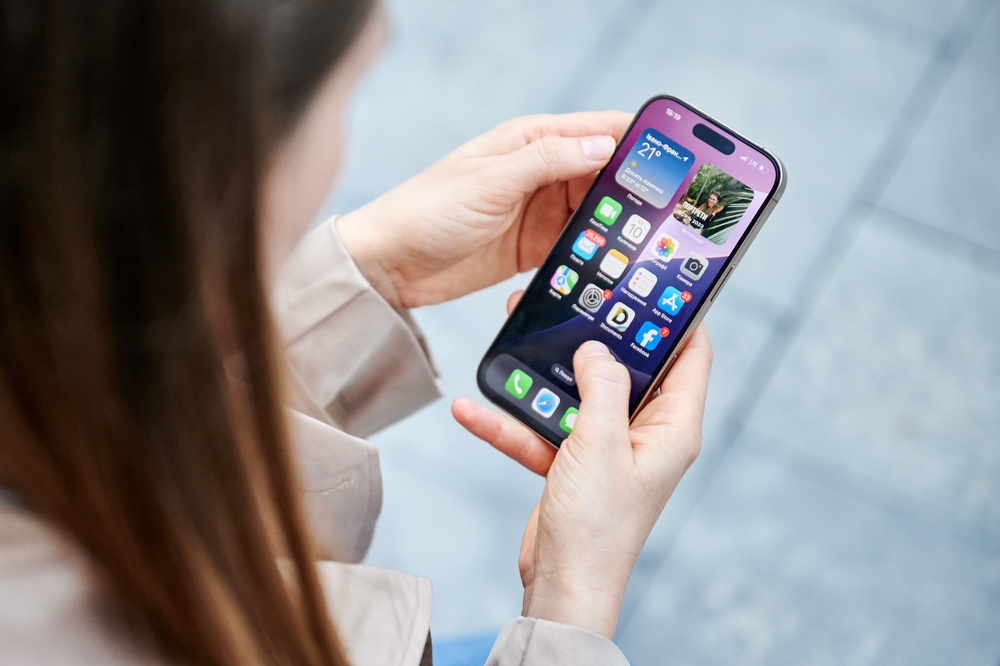
Using widgets on your phone’s home screen can help reduce time spent in apps. By adding weather, news, or calendar widgets, you can access important information without opening apps that might lead to distractions. This allows you to check what you need at a glance, rather than getting pulled into endless notifications or updates. With widgets, you can stay informed while keeping your screen time in check. It’s a small, efficient way to make your phone usage lighter and more intentional.
Widgets help streamline your phone experience by providing quick access to useful information. This reduces the temptation to open apps unnecessarily. By keeping your home screen organized with widgets, you can quickly find what you need without getting sidetracked. This simple practice makes your phone feel less cluttered and overwhelming. It’s an effective way to reduce time spent scrolling and refocus your phone habits.
This article originally appeared on Avocadu.