
12 Phone Boundaries That Stick Even When You’re Bored
We all know how easy it is to grab our phones when there is nothing else to do. But mindlessly scrolling can quickly take up more time than we intend. That is where setting boundaries with your phone comes into play. Even in moments of boredom, creating simple rules for phone use can lead to more intentional habits.
This post may contain affiliate links, which helps keep this content free. Please read our disclosure for more info.
Set Screen Time Limits

One of the easiest ways to create a boundary is by setting screen time limits on your phone. Most smartphones offer built-in tools that allow you to track and limit the amount of time you spend on certain apps. By restricting the time spent on social media or entertainment apps, you create a healthier phone routine. These limits force you to step away and engage in other activities, even during moments of boredom.
Taking time away from your phone can lead to greater focus and productivity. It is also helpful to set different limits for weekdays and weekends, as the demands on your time can vary. By customizing these limits, you can ensure that your phone use does not take over your day. The key is consistency, because if you stick to the limits, you will gradually build healthier phone habits.
Turn Off Non-Essential Notifications

Turning off notifications for non-essential apps is a simple yet effective way to control phone use. Constant notifications can disrupt your focus and lead to unnecessary screen time, especially when you are bored. By disabling notifications for social media apps or games, you limit the temptation to check your phone every time it buzzes. This allows you to be more present in the moment and less distracted by your phone.
You can also customize your notification settings for different times of the day. For example, silencing notifications at night can help you sleep better, while muting work-related notifications during personal time allows you to unwind. This boundary keeps your phone from becoming a constant distraction, ensuring that it only interrupts you when absolutely necessary. It is a small change that can make a big difference in your daily routine.
Designate Phone-Free Zones

Creating phone-free zones within your home or work environment can help you set clear boundaries with your phone. These zones, such as the dining room or bedroom, are places where phone use is limited or completely banned. The goal is to reduce distractions and encourage more face-to-face interaction or focus on other activities. By leaving your phone outside these spaces, you can create boundaries that promote healthier habits.
This phone boundary works well during meals or when spending quality time with family and friends. It is important to set clear expectations with those around you, so everyone respects these boundaries. Not only does this help reduce screen time, but it also creates a designated space where you can focus on what matters most. Over time, it will become easier to leave your phone in these areas and be more present in your daily life.
Use “Do Not Disturb” Mode

The “Do Not Disturb” mode is a valuable tool when you need to disconnect from your phone during specific times. By enabling this feature, you can silence calls and notifications without having to manually check your phone. This is particularly helpful when you are trying to focus on a task or need a break from constant interruptions. Even if boredom strikes, the “Do Not Disturb” mode keeps you from mindlessly checking your phone.
You can customize this feature to allow certain calls or notifications through, such as from family members or colleagues. This gives you flexibility while still maintaining your boundaries. You may also want to schedule automatic “Do Not Disturb” times, such as during your work hours or when you are winding down for the evening. This ensures that your phone does not disrupt your routine at unwanted times.
Keep Your Phone Out of Reach
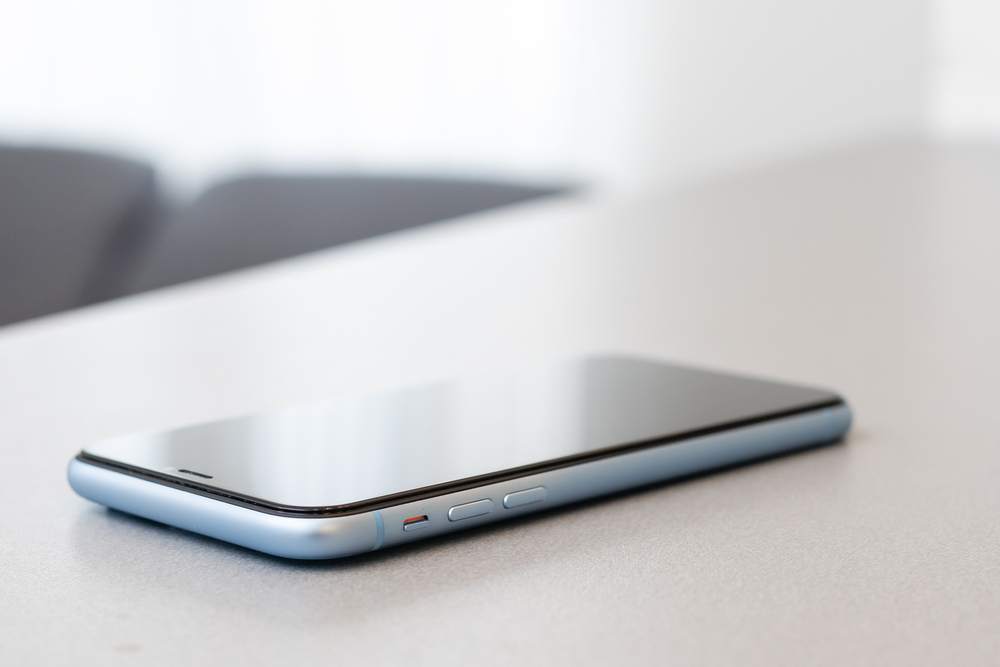
Keeping your phone out of reach can be a simple yet effective way to reduce its hold on you, especially when you are bored. If you are working, eating, or relaxing, place your phone in another room or at least out of arm’s reach. This way, you are less likely to instinctively grab it when you have a free moment. It can be helpful to use a drawer or a designated place in your home to store it while you engage in other activities.
When your phone is not within easy reach, you are more likely to be present and focus on the task at hand. This boundary works especially well when trying to avoid distractions during meals or while spending time with others. It also encourages you to engage in activities that do not require a screen, such as reading, exercising, or simply relaxing. The distance between you and your phone creates a physical reminder to stick to your boundaries.
Set Intentional Phone Use

Being intentional about how and when you use your phone can help establish healthier habits. Rather than scrolling through social media or jumping from app to app, set specific times to check your phone. This could mean checking your messages only once in the morning and once in the evening or limiting your time spent on entertainment apps. By creating a clear purpose for each phone session, you avoid wasting time and become more mindful of how much you are using your phone.
Intentional phone use also means being aware of the apps that waste your time. If you find yourself spending too much time on a particular app, it may be worth reconsidering how you interact with it. Limit the hours you spend on non-essential apps, and use the extra time to focus on more meaningful activities. This boundary gives you control over your phone use and ensures it does not dominate your day.
Use App Blockers
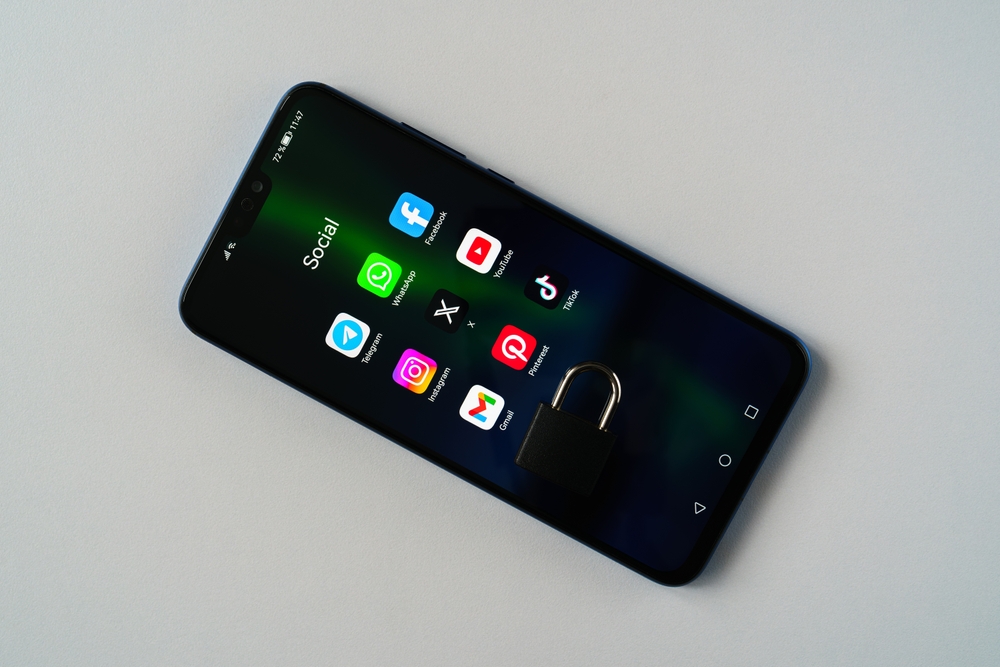
App blockers are a useful tool when it comes to managing screen time and preventing excessive phone use. These apps allow you to block access to certain apps during specific times, helping you stick to your phone boundaries. For example, you can set an app blocker to prevent access to social media or games during work hours or when you need to focus on a task. This takes the decision-making out of the equation and ensures that you stay focused.
There are many app blockers available for both iPhone and Android, allowing you to customize the settings according to your needs. You can also use these tools to create “off-limits” periods, such as during meals or when spending time with family. By using app blockers, you are taking a proactive approach to managing your phone use. This boundary helps you avoid the temptation to mindlessly scroll when boredom strikes.
Limit Social Media Use

Limiting social media use is a powerful way to reduce phone distractions. Social media can quickly become a time sink, especially when you feel bored. Set boundaries around how often you check social media apps and stick to those limits. For instance, you can restrict yourself to checking social media only in the morning or evening, allowing you to avoid constant interruptions throughout the day.
You can also consider unfollowing accounts that do not add value to your life, reducing the temptation to scroll aimlessly. If you are trying to limit your time on social media, it may be helpful to track your usage. Many phones have built-in tools that can show how much time you spend on each app. By setting these boundaries, you can create a healthier relationship with social media and ensure it does not consume your time.
Set Expectations with Others

When it comes to phone boundaries, it is important to set expectations with the people in your life. Let your family, friends, or colleagues know when you are unavailable or prefer not to be interrupted by phone notifications. This creates mutual respect for each other’s time and ensures that your boundaries are honored. For example, you can let people know you will be off your phone during certain hours or while engaging in important activities.
Setting these expectations also helps reduce pressure to be constantly available. When you communicate your boundaries clearly, others are more likely to respect them. This boundary helps you maintain a healthy work-life balance and reduces stress. It also gives you the space to enjoy phone-free moments without feeling guilty or distracted.
Unsubscribe from Unnecessary Emails

Unsubscribing from unnecessary emails is a great way to reduce the temptation to check your phone out of boredom. Many of us receive dozens of emails every day, many of which are not relevant to our lives. By unsubscribing from unwanted lists, you can reduce the clutter in your inbox and prevent unnecessary distractions. This boundary helps you stay focused and avoids the constant urge to check your phone for new emails.
You can also set up filters to categorize important emails from less relevant ones. This makes it easier to prioritize your inbox and ensure that your phone only alerts you about important messages. The fewer distractions you have in your inbox, the less likely you are to check your phone out of habit. Unsubscribing is an easy step toward a more organized and intentional phone routine.
Schedule Regular Breaks from Your Phone

Scheduling regular breaks from your phone throughout the day can help maintain a healthy balance. During these breaks, step away from your device and engage in other activities, such as stretching, taking a walk, or chatting with a friend. This gives your eyes and mind a rest and prevents the feeling of being constantly tethered to your phone. You can set alarms to remind yourself to take breaks every hour or two.
By incorporating these breaks into your routine, you will naturally spend less time on your phone. It also allows you to focus on other tasks and responsibilities without distractions. Taking breaks from your phone will improve your mental well-being and help you feel more grounded throughout the day. Over time, these breaks will become part of your regular habits, leading to healthier phone use.
Prioritize Face-to-Face Interactions

Whenever possible, prioritize face-to-face interactions over phone communication. While texting and calling can be convenient, nothing beats the quality of a real conversation. Setting boundaries around phone use encourages you to engage more with the people around you. This can lead to stronger relationships and better overall communication.
In social settings, try to leave your phone in your bag or pocket to focus on the conversation at hand. This boundary helps you stay present and fully engaged with others. Not only will you build deeper connections, but you will also reduce the temptation to check your phone when you are in a group. Prioritizing face-to-face interactions adds value to your time spent with others and makes those moments more meaningful.
This article originally appeared on Avocadu.