
14 Pet Safe Houseplants That Are Popular Right Now
Having pets should not mean giving up the joy of having houseplants. There are many plants that are both pet-friendly and easy to care for. These plants can be a wonderful addition to your home, adding greenery without posing any danger to your furry friends. Choosing the right plants is key to creating a pet-safe environment.
This post may contain affiliate links, which helps keep this content free. Please read our disclosure for more info.
Spider Plant (Chlorophytum comosum)
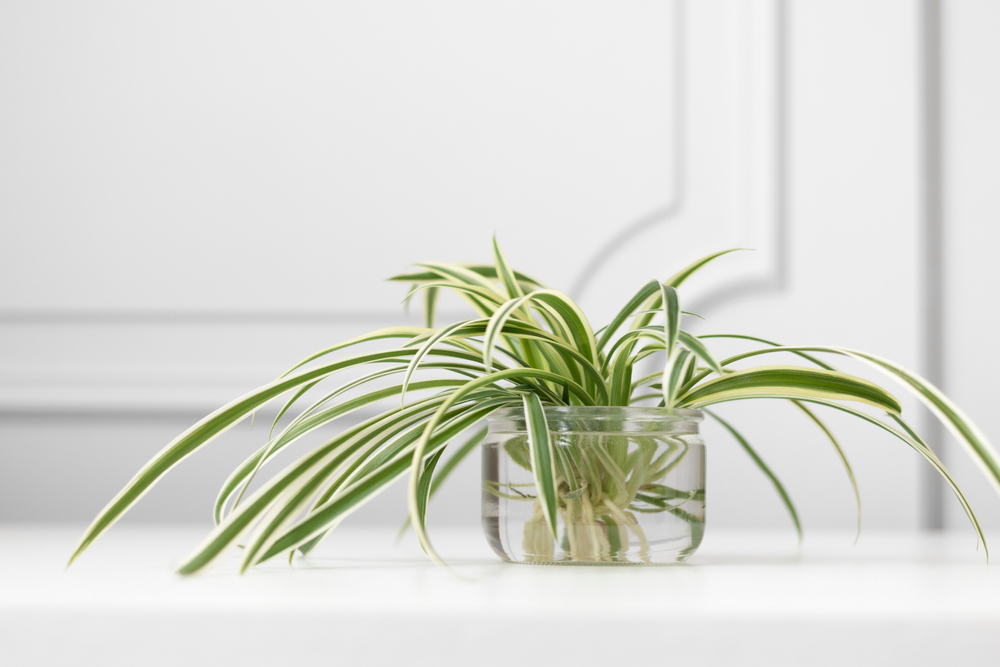
Spider plants are easy to care for and one of the most popular choices for pet owners. These plants are non-toxic to both cats and dogs, making them a great addition to any home. Known for their long, arching leaves and small white flowers, spider plants thrive in indirect light and are fairly low-maintenance. Their air-purifying qualities also make them an excellent choice for indoor spaces.
These plants prefer slightly moist soil and can tolerate some neglect in watering. Spider plants will grow best when placed in a spot with bright, indirect sunlight. They can even tolerate occasional over-watering, though it is best to let the soil dry between waterings. Additionally, their baby plantlets, or “pups,” can be propagated easily, allowing you to expand your collection.
Boston Fern (Nephrolepis exaltata)
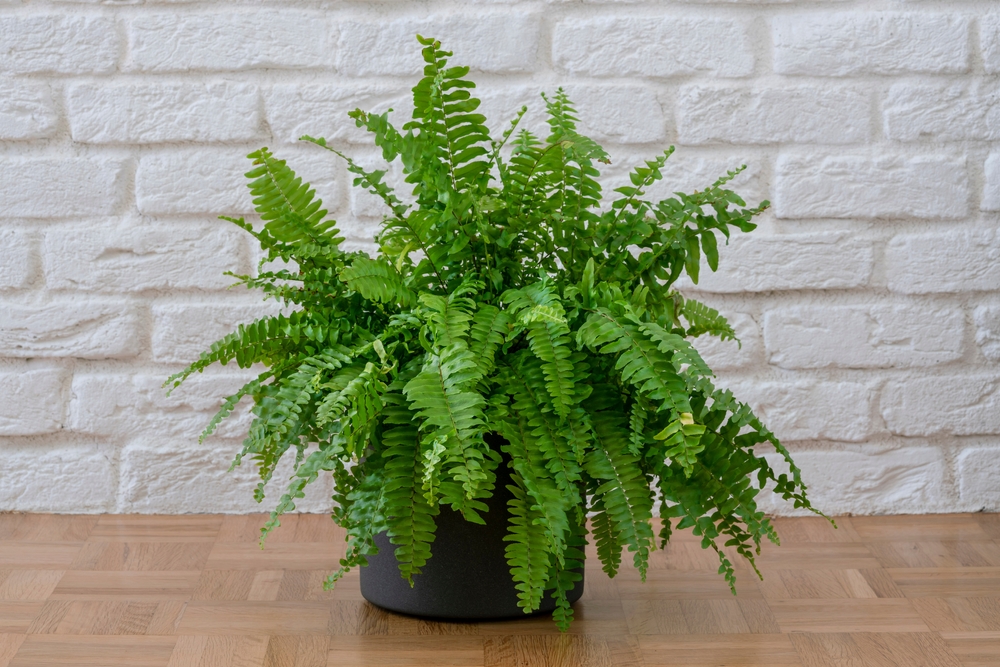
Boston ferns are safe for pets and add a touch of lush greenery to your home. Their delicate, feathery fronds make them a favorite for people looking for a statement plant in their space. They thrive in high humidity, so placing them in a bathroom or near a humidifier can help them flourish. They are also known to remove toxins from the air, improving the overall air quality in your home.
Boston ferns prefer indirect light and moist soil to stay healthy. Regular misting is recommended to maintain the humidity levels that they thrive in. While they do require consistent watering, it is important not to over-water, as this can cause root rot. With the right conditions, Boston ferns can grow quite large and be a stunning focal point in your home.
Areca Palm (Dypsis lutescens)
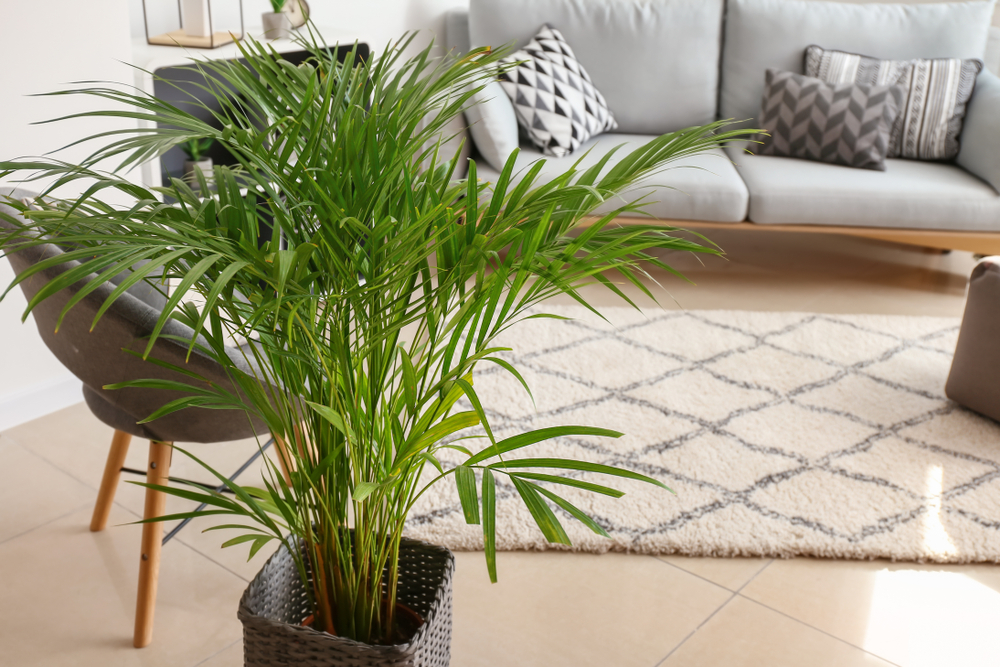
Areca palms are pet-friendly and a stylish way to bring a tropical vibe into your home. Their long, feathery fronds and ability to grow in lower light make them an appealing option for people with pets. Not only are they safe for your furry friends, but they are also excellent at purifying the air, making them a health-conscious choice for your home.
This plant prefers bright, indirect light and will grow well when watered consistently but not excessively. Areca palms need well-draining soil, so make sure the pot has drainage holes. They also benefit from occasional misting to maintain humidity, especially in drier environments. As they grow, these palms can add a beautiful touch of greenery to your indoor space.
Calathea (Calathea spp.)
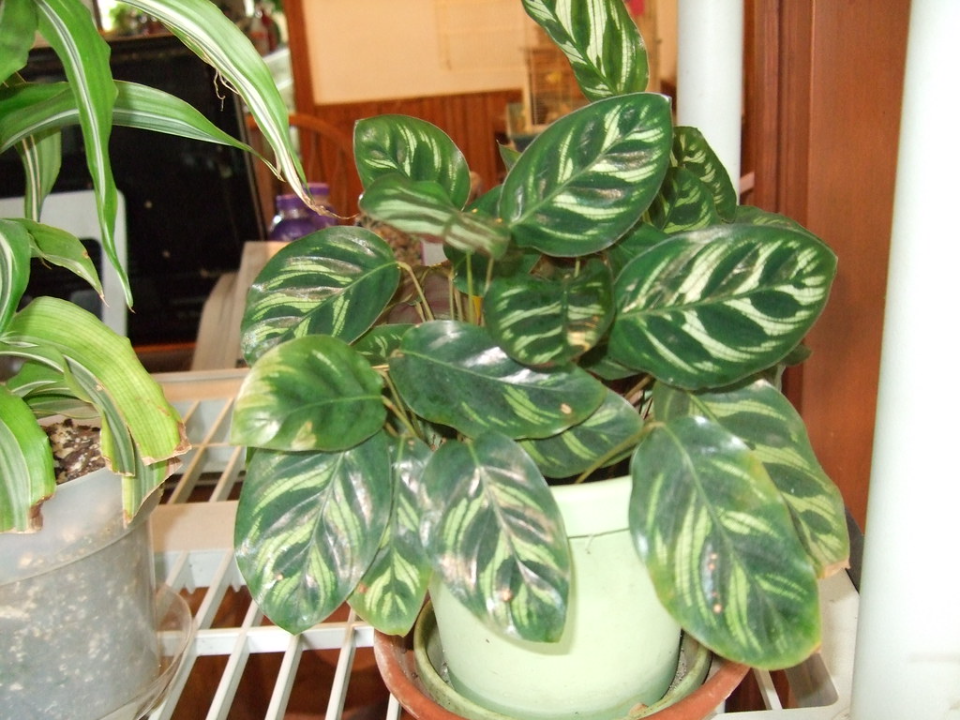
Calatheas are known for their stunning, colorful foliage and pet-safe status. With patterns and colors that range from deep greens to purples and pinks, they bring beauty to any room. These plants are non-toxic to pets, so you can enjoy their aesthetic appeal without worry. Calatheas also thrive in low light, making them ideal for spaces that do not receive direct sunlight.
Calatheas prefer to be kept in moist, well-draining soil, and they benefit from high humidity. It is important to water them regularly, but make sure to let the soil dry slightly between waterings to avoid root rot. They also appreciate a little extra humidity, so consider placing them in a bathroom or using a humidifier. With the right care, these plants will thrive and remain a standout feature in your home.
Parlor Palm (Chamaedorea elegans)
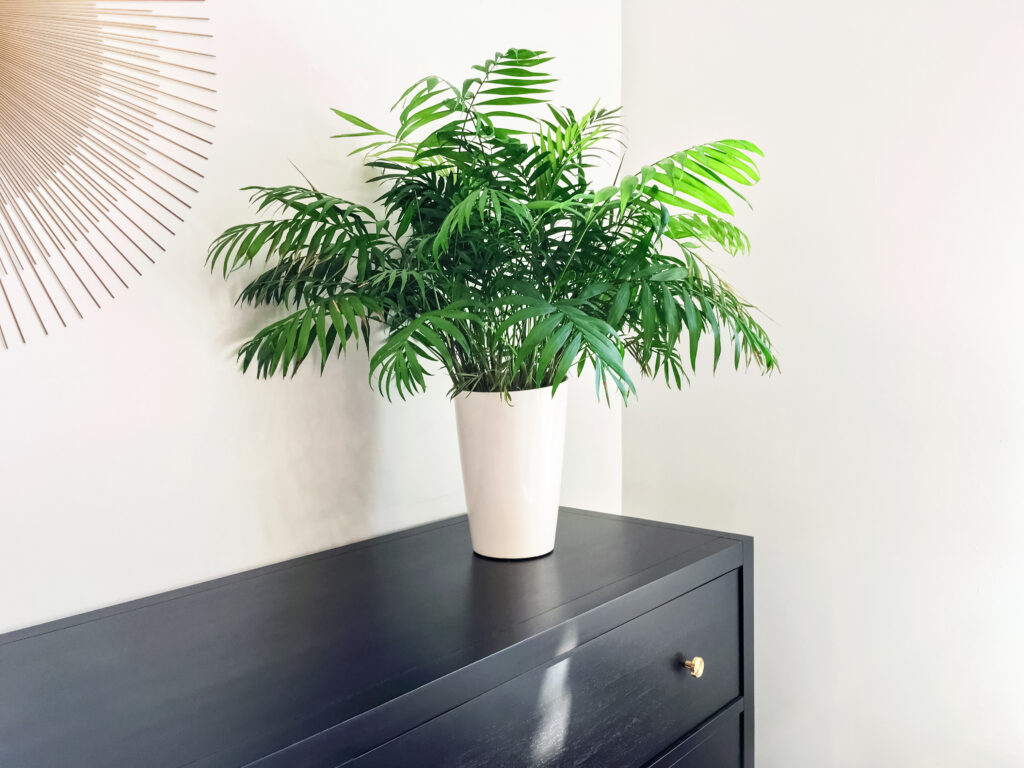
Parlor palms are another great pet-safe houseplant that adds elegance and a touch of sophistication to any room. They are known for their deep green fronds that arch gracefully, and they are small enough to fit in a variety of spaces. Parlor palms thrive in low to medium light and are not demanding when it comes to watering. This makes them an ideal choice for beginners or those with busy lifestyles.
These palms do best when placed in indirect light, and they prefer consistently moist soil. However, be careful not to over-water, as this can lead to root rot. Parlor palms are also relatively pest-resistant, which makes them an easy-maintenance plant. They make a wonderful addition to any pet-friendly home due to their non-toxic nature.
Prayer Plant (Maranta leuconeura)
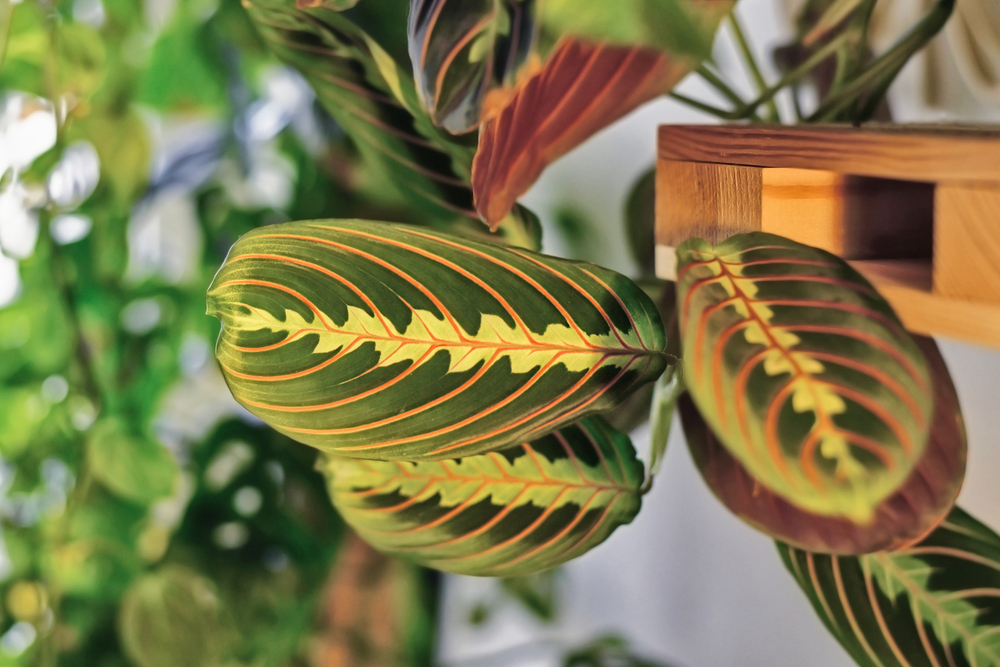
Prayer plants are known for their unique leaf patterns and their ability to “pray” by folding their leaves up at night. They are safe for pets and bring a vibrant, artistic touch to any indoor space. These plants are a bit more finicky than some others but are well worth the effort due to their stunning appearance. The color variations in their leaves, from deep greens to bright reds, make them stand out as a beautiful feature in your home.
Prayer plants thrive in low to medium light and appreciate high humidity. They prefer to have their soil kept moist but not waterlogged. To ensure they grow well, consider misting their leaves regularly or placing them in a humid environment, such as a bathroom. While they do need consistent care, the payoff is a beautiful, pet-safe plant that adds a touch of nature to your living space.
Bamboo Palm (Chamaedorea seifrizii)
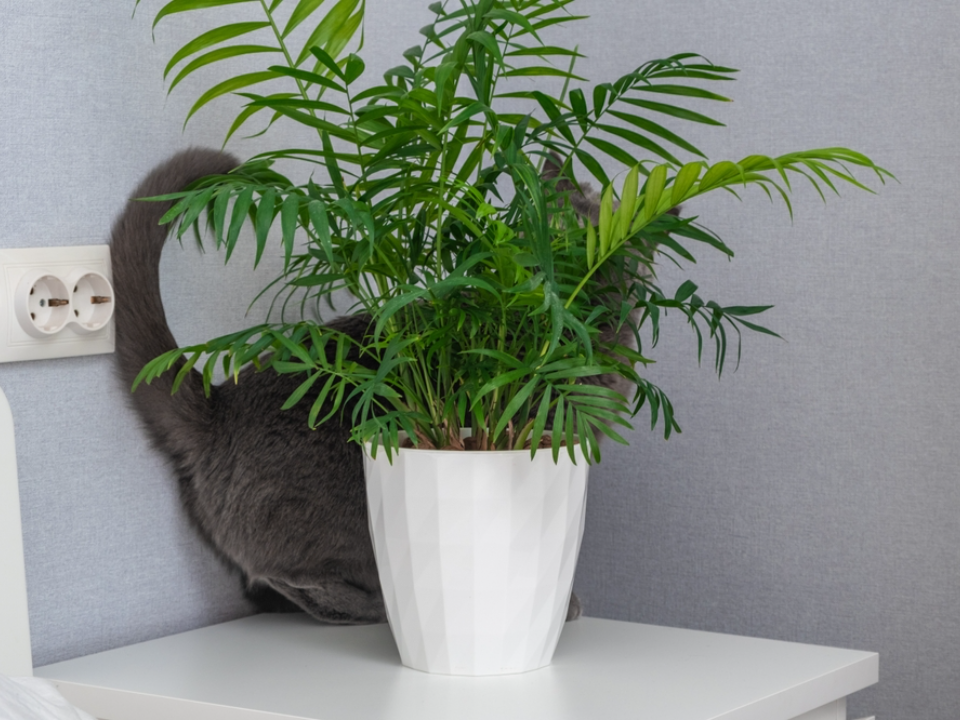
Bamboo palms are not only pet-friendly but also provide a tropical flair to your home. With their elegant, feathery fronds, they create a relaxed, laid-back atmosphere. Bamboo palms are great for those looking to fill a larger space with greenery without worrying about toxicity to pets. They are known for their air-purifying qualities and thrive in indirect light, making them ideal for indoor environments.
This palm prefers moist, well-drained soil and should be watered regularly. However, it is important to allow the soil to dry out slightly between waterings to prevent over-watering. Bamboo palms grow best in moderate to high humidity, so misting or placing them near a humidifier can help. These palms are easy to care for, and their elegant appearance makes them a favorite among plant enthusiasts.
Echeveria (Echeveria spp.)
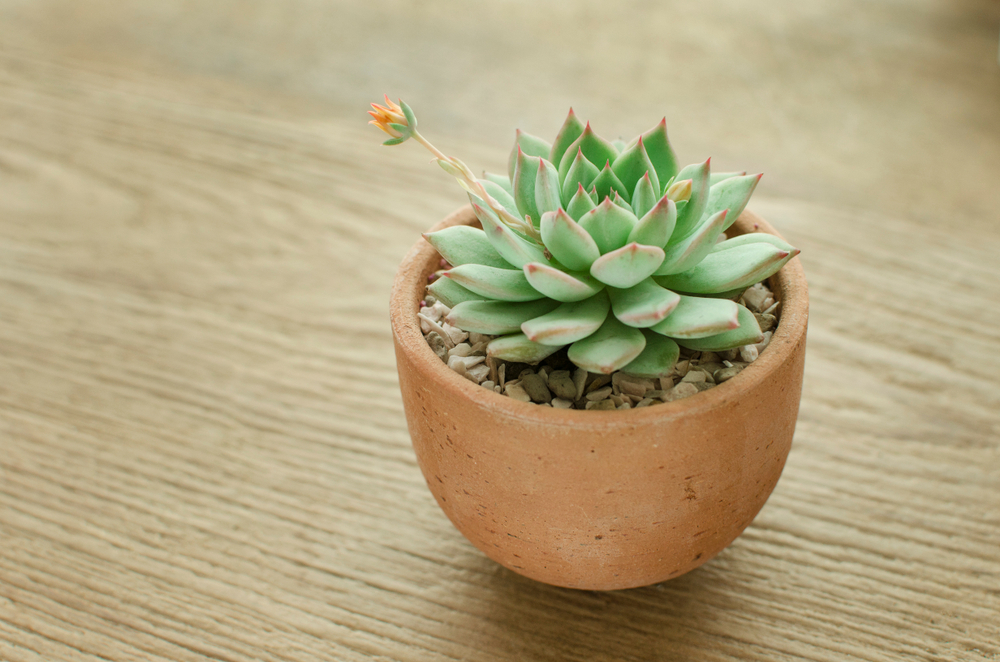
Echeveria, a type of succulent, is a great pet-safe option for those who want a low-maintenance plant. With its rosette-shaped leaves in shades of blue, green, and purple, Echeveria adds a pop of color to any room. Succulents like Echeveria are perfect for pet owners because they are non-toxic to both cats and dogs. These hardy plants require little attention, making them ideal for busy households.
Echeveria thrives in bright light and prefers to be watered only when the soil is completely dry. Over-watering can lead to root rot, so it is essential to ensure the soil is well-draining. This plant is perfect for those who may not have a green thumb, as it does not need constant attention. With minimal care, your Echeveria will grow into a beautiful, pet-safe addition to your home.
African Violet (Saintpaulia spp.)
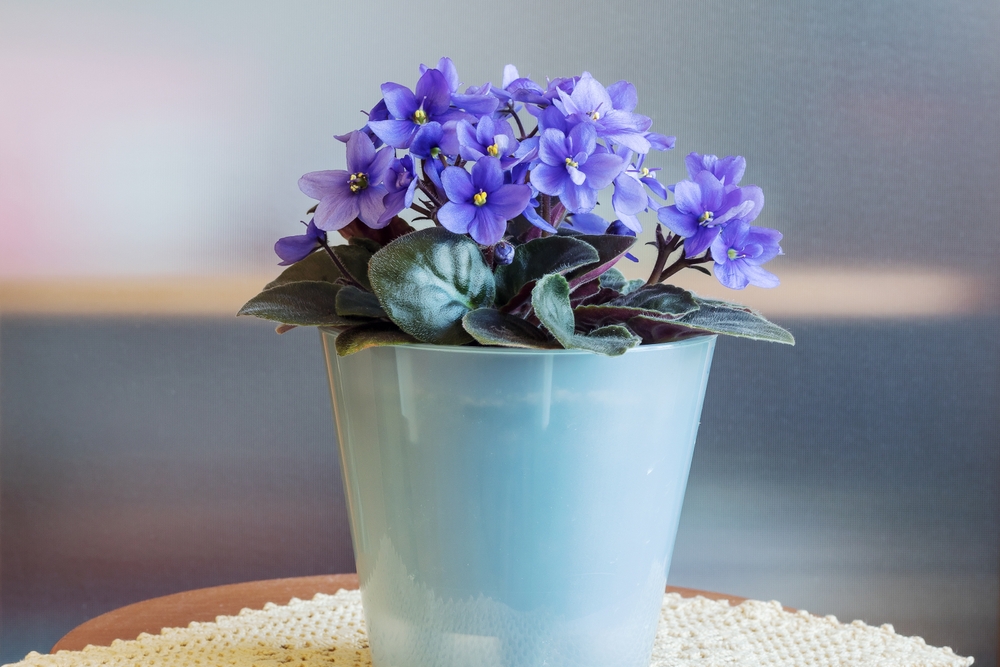
African violets are a pet-safe, colorful option that thrives indoors. Known for their vibrant flowers in shades of purple, blue, and white, these plants can brighten up any room. They are safe for pets and easy to care for, making them a favorite for pet owners. African violets enjoy bright, indirect light, and their flowers bloom continuously with proper care.
To keep your African violet healthy, water it from the bottom to prevent wetting the leaves, which can lead to rot. These plants like consistently moist soil but should not sit in water for long periods. They also benefit from regular feeding during the growing season to encourage flowering. With their long-lasting blooms and pet-safe nature, African violets are a delightful addition to any indoor space.
Cast Iron Plant (Aspidistra elatior)
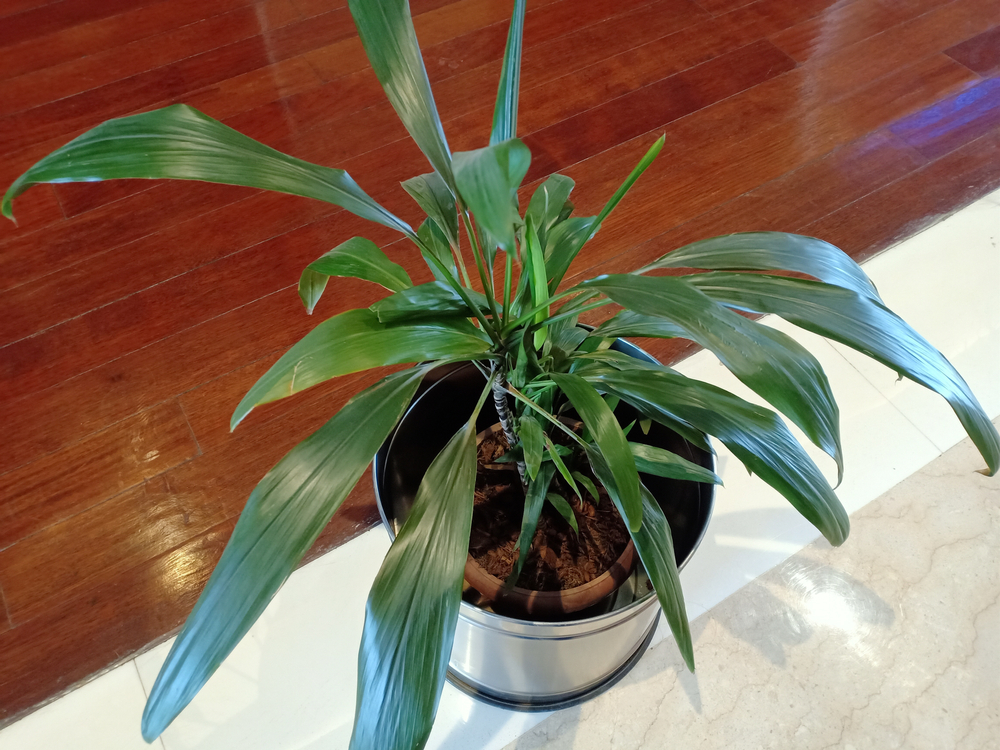
The cast iron plant is well-known for its resilience and ability to thrive in less-than-ideal conditions. This plant is pet-friendly, making it perfect for homes with curious pets. With its glossy, dark green leaves, the cast iron plant can grow in low light and does not require frequent watering. Its low-maintenance nature makes it an excellent choice for pet owners who want a plant that will thrive with minimal effort.
Cast iron plants prefer to be watered when the top inch of soil is dry, but they are not picky about humidity. They can handle a range of temperatures and light conditions, though they do best in indirect light. This plant can grow quite large and is an excellent addition to low-light spaces. If you want a pet-safe, hassle-free plant that still adds a touch of greenery, the cast iron plant is a great option.
Lavender (Lavandula spp.)
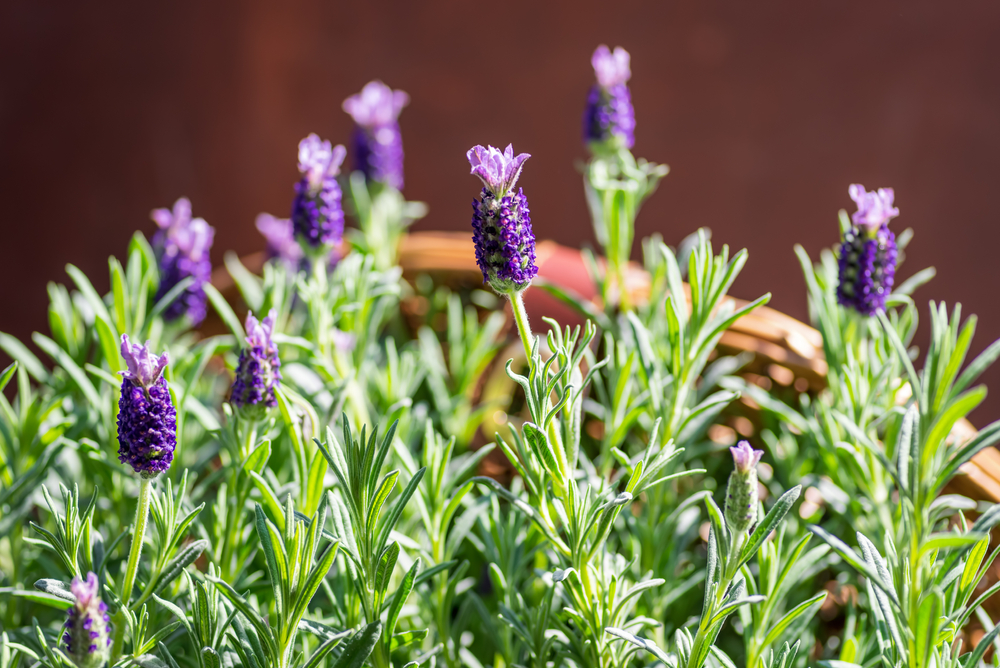
Lavender is a fragrant and pet-safe plant that adds beauty and a calming scent to your home. Known for its purple flowers and aromatic leaves, lavender is a favorite among gardeners. It is a hardy plant that thrives in bright sunlight and well-drained soil. In addition to its lovely scent, lavender can be used in a variety of ways, from freshening the air to being incorporated into DIY projects.
Lavender needs minimal watering, as it prefers dry conditions. It does best in full sunlight and can even tolerate heat, making it ideal for a sunny windowsill or outdoor garden. When grown indoors, lavender thrives in a pot with good drainage. This pet-safe plant also attracts pollinators like bees, making it a natural addition to any garden or home.
Pilea (Pilea peperomioides)
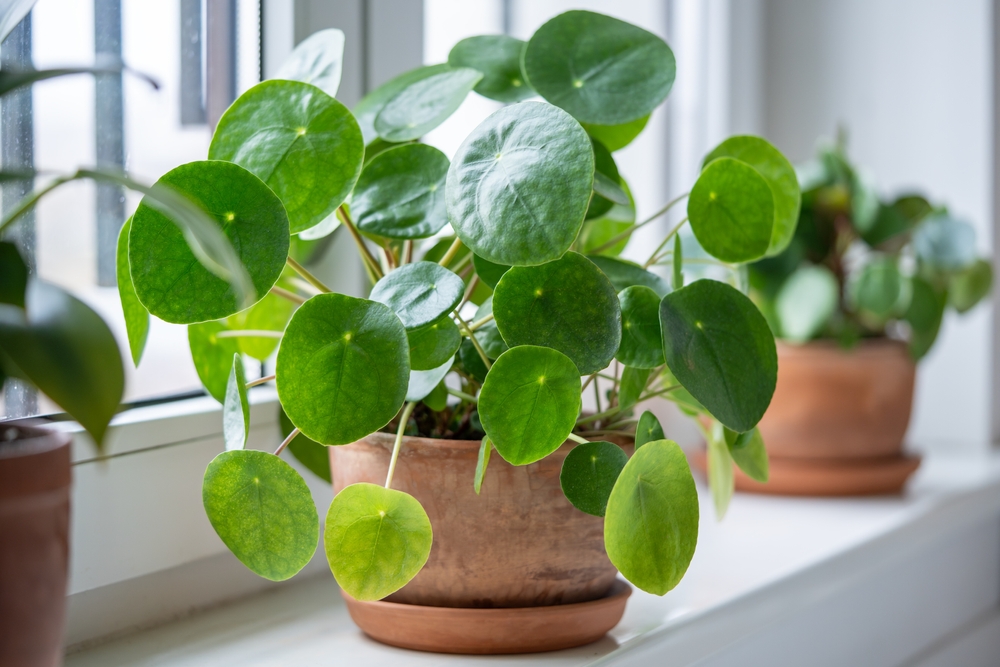
The Pilea, also known as the Chinese money plant, is an attractive, pet-friendly option for indoor gardeners. Its round, coin-like leaves make it a unique and eye-catching plant that adds personality to your space. Pilea is non-toxic to pets, so you can enjoy its beauty without worrying about your furry friends. This plant is easy to care for and thrives in bright, indirect light.
Pilea prefers to be watered when the soil is dry, but it is important not to over-water. It also benefits from occasional turning to ensure even growth. Pilea is known for producing “pups” or baby plants that can be propagated and shared with friends or family. With its unique appearance and pet-safe nature, Pilea is a fun and low-maintenance addition to your home.
Swedish Ivy (Plectranthus australis)
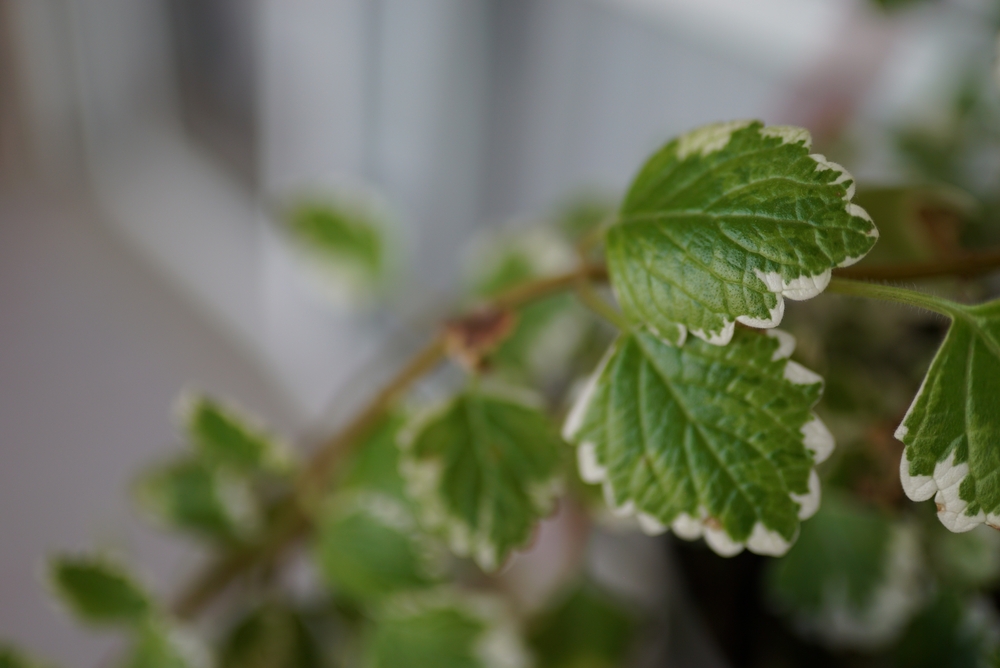
Swedish ivy is a pet-safe, easy-to-grow plant that is perfect for hanging baskets or as a trailing vine. Its soft, rounded leaves and cascading growth make it an attractive addition to any room. This plant is non-toxic to pets, so you can let it grow freely without worry. It thrives in bright, indirect light and enjoys moderate watering.
Swedish ivy is low-maintenance and grows quickly, making it ideal for people with busy schedules. It prefers moist soil but can tolerate short periods of dryness. Regular pruning helps keep it looking tidy and encourages new growth. With its vibrant appearance and pet-friendly status, Swedish ivy is a great choice for indoor gardeners.
Zamioculcas zamiifolia
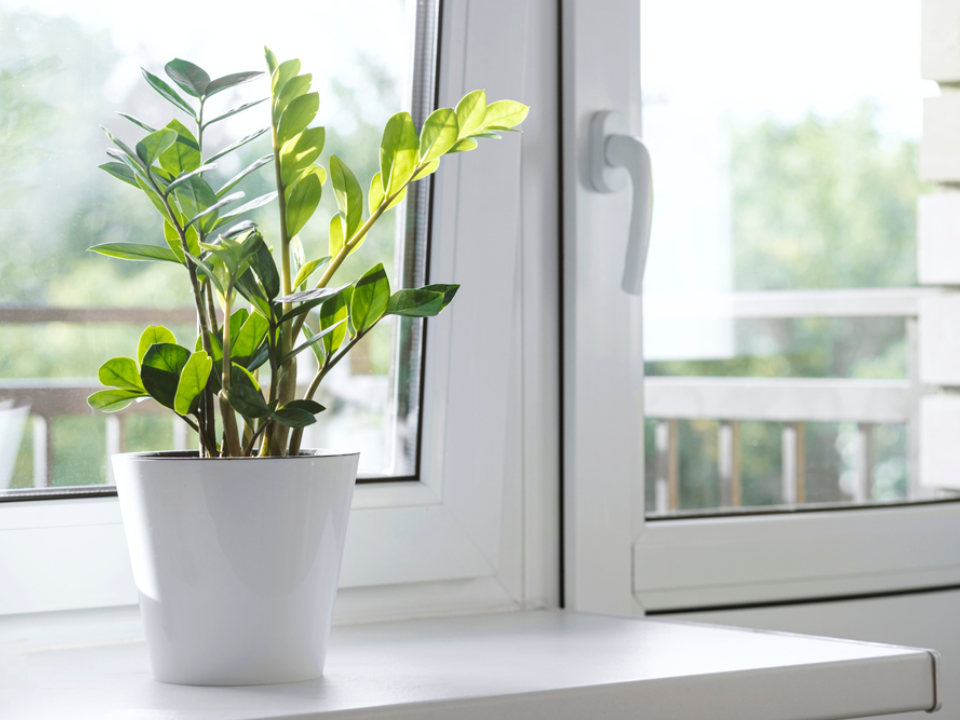
Zamioculcas zamiifolia, also known as the ZZ plant, is an attractive and pet-safe houseplant. Known for its glossy, dark green leaves, it can grow in a variety of lighting conditions. Whether placed in a brightly lit room or a low-light corner, the ZZ plant will continue to thrive. Its striking appearance and minimal care requirements make it a favorite for pet owners.
ZZ plants prefer to be watered only when the soil is dry to the touch, making them perfect for busy individuals. They also tolerate a range of temperatures and humidity levels, making them a versatile choice. The ZZ plant can be a wonderful addition to any home, offering beauty and low-maintenance care without worrying about your pets. Its ability to survive neglect while remaining attractive makes it a great option for many.
This article originally appeared on Avocadu.