
15 Perennials That Usually Show Up In Early March
Early March is when the garden starts giving small signs that winter is letting go. These are some of the first perennials people usually notice, and they can help you spot where color and new growth will show up first. If you are planning your beds now, this list gives you a simple place to start.
This post may contain affiliate links, which helps keep this content free. Please read our disclosure for more info.
Hellebores (Lenten Rose)
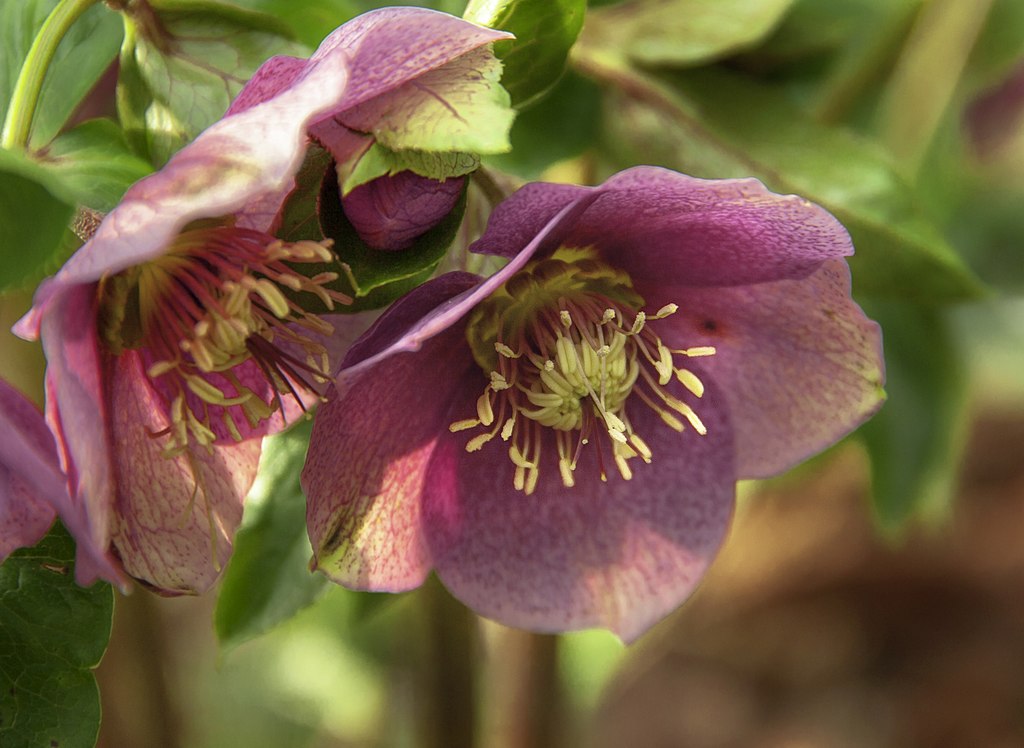
Hellebores are often among the first perennials to flower while the weather still feels cold and damp. Their nodding blooms can show up in late winter or early March, depending on your climate, and the flowers last a long time compared with many early bloomers. You will usually see shades of cream, pink, burgundy, green, or near black, which makes them stand out when most beds still look sleepy. The leathery leaves stay attractive too, so the plant does not look empty after the blooms fade.
These plants do best in part shade and rich soil that drains well, especially under trees or along the edge of a shaded path. Once settled in, they are pretty low work and can handle dry spells better than many spring flowers. It helps to trim old leaves near the end of winter so fresh blooms and new foliage are easier to see. If you want an early-season plant that looks good for months, this is a strong pick.
Creeping Phlox
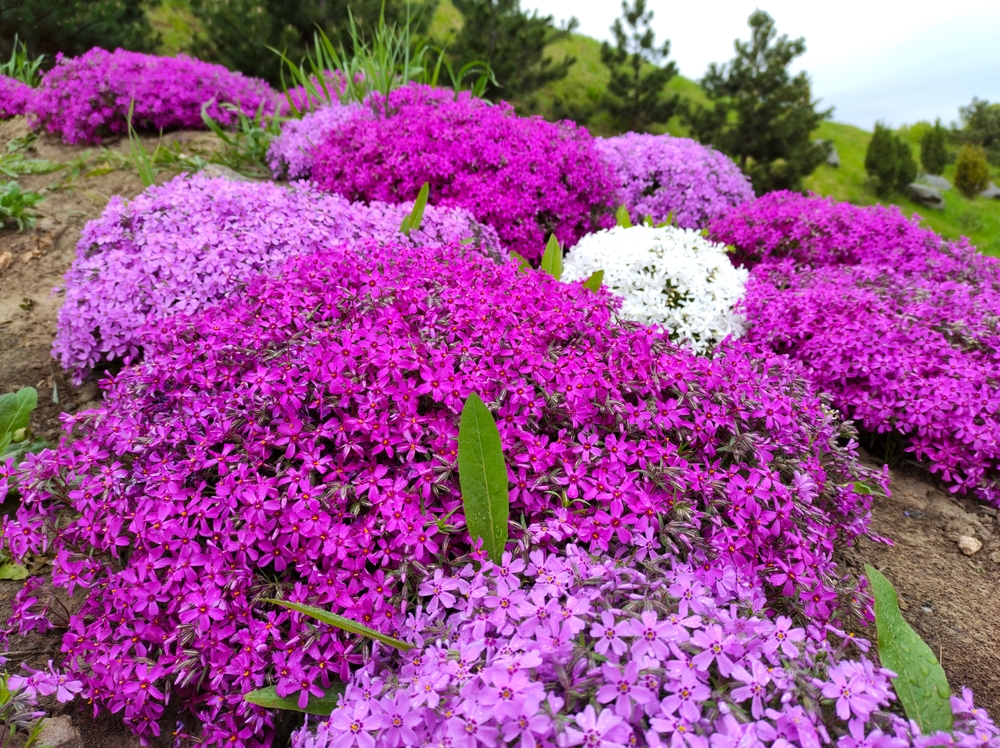
Creeping phlox starts as a low mat of needle-like foliage, then turns into a carpet of color when it blooms. In early spring, the flowers can cover the plant so fully that you barely notice the leaves underneath. Colors often include pink, purple, blue, and white, and the bloom show can be bright even on cool days. It is a favorite for slopes, borders, and spots where you want a soft spill over stone edges.
This perennial likes full sun and well-drained soil, and it usually performs best when it is not left in soggy ground. You can tuck it into rock gardens, along walkways, or between larger plants that fill in later. After flowering, a light trim can help keep the plant neat and encourage dense growth. It is a nice early choice when you want a lot of color from a plant that stays low.
Lungwort (Pulmonaria)
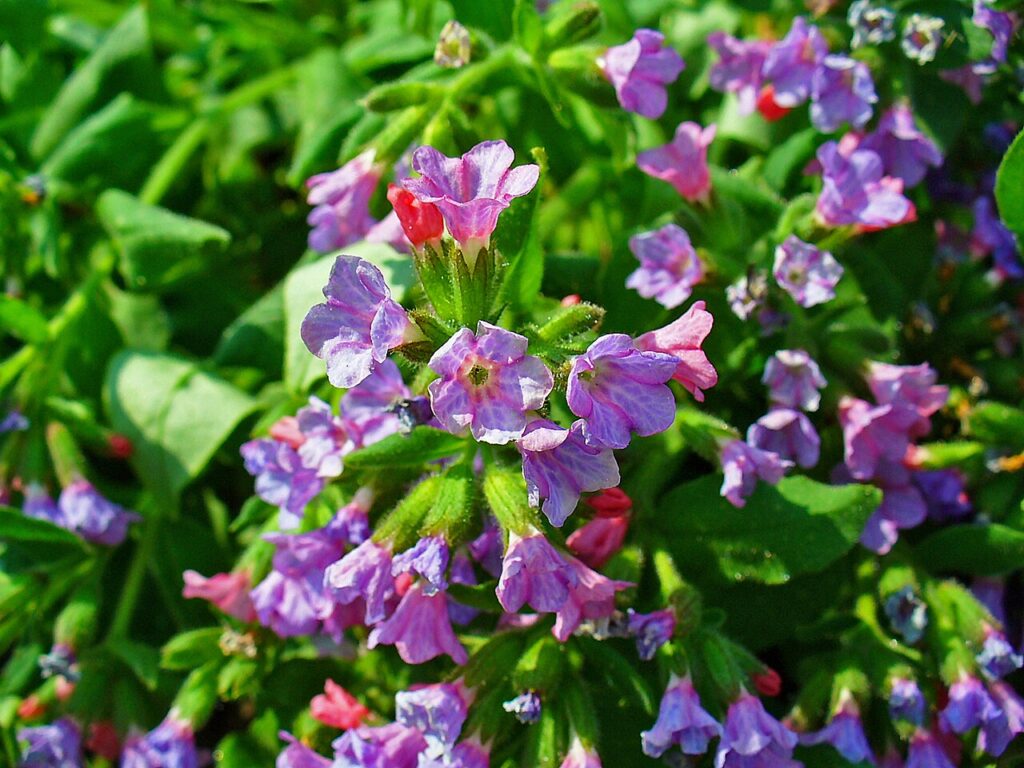
Lungwort is one of those early spring plants that catches your eye twice, first with flowers and then with leaves. The blooms often open pink and shift toward blue or violet, so one clump can look like it has multiple colors at the same time. Even before many plants wake up, lungwort starts pushing out fresh growth and flower stems. The speckled or silver-marked leaves stick around and give the plant a nice look after bloom season.
It grows best in part shade with soil that holds some moisture, which makes it a good fit for woodland-style beds. Hot afternoon sun can stress it, especially in warmer areas, so a cooler spot helps a lot. If the foliage gets rough later in the season, you can cut it back and fresh leaves usually come in again. For shady gardens that need early color, lungwort is a dependable plant to add.
Pasque Flower
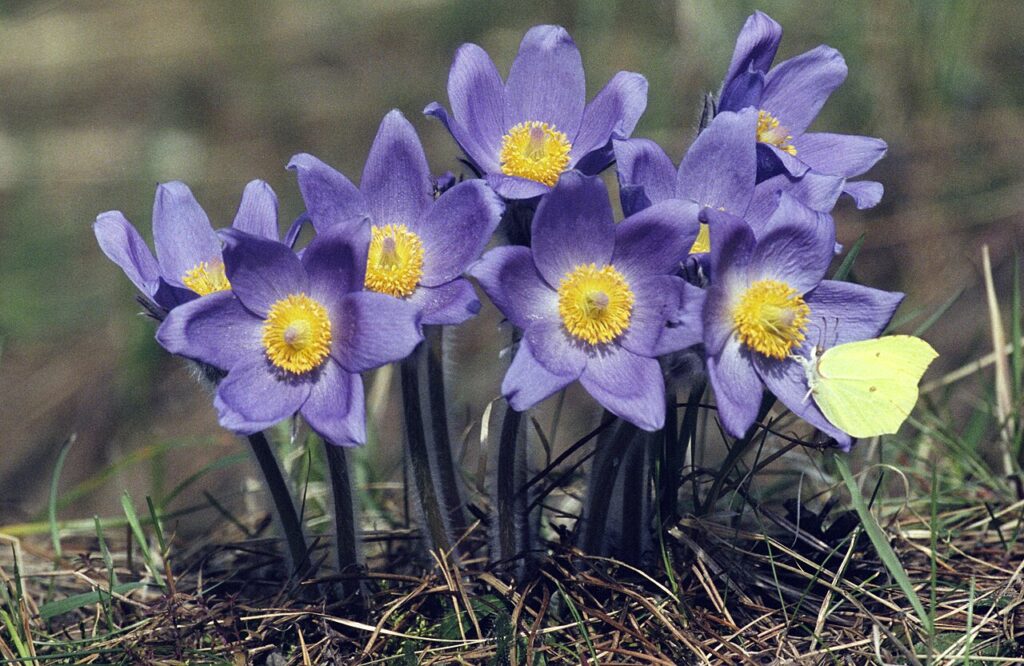
Pasque flower has a soft, fuzzy look that makes it feel a little different from many spring perennials. The buds, stems, and leaves all have fine hairs, and the blooms open in shades of purple, lavender, white, or red depending on the variety. It blooms early, often right when gardeners are hungry to see something besides brown mulch and bare stems. The flowers are followed by feathery seed heads that stay interesting for a while.
This plant likes full sun and very good drainage, so it works well in rock gardens or dry, open spots. Once planted, it does not love being moved, so it is worth picking the spot carefully. The leaves form a tidy clump and stay attractive through much of the growing season. If you want an early perennial with a wildflower feel, pasque flower is a great one to try.
Primrose (Primula)
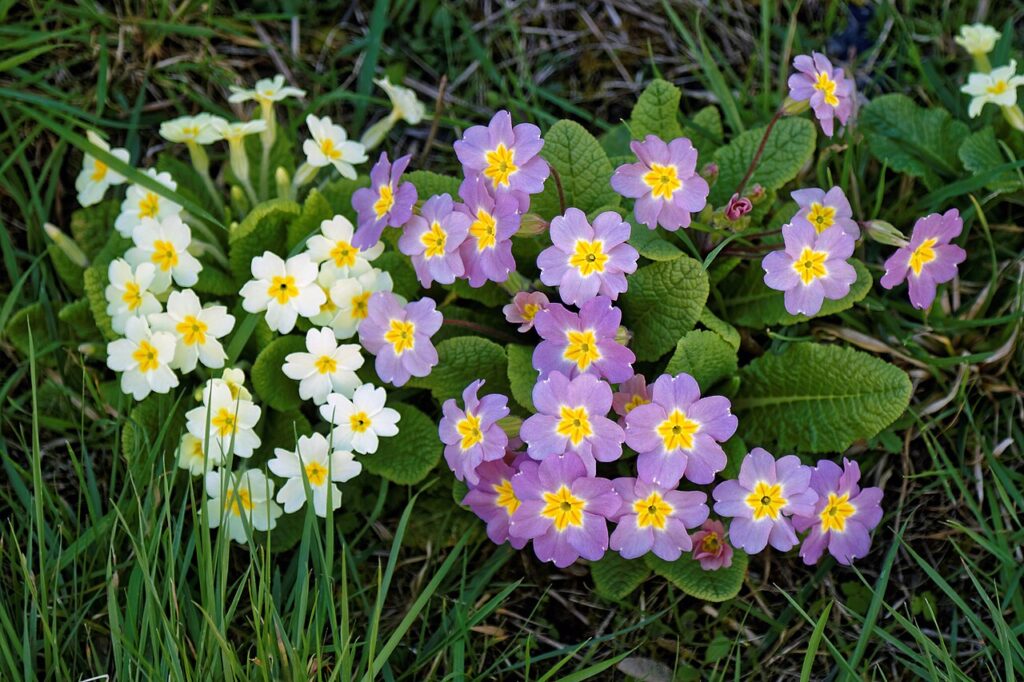
Primroses bring cheerful color right when spring starts to feel real, and they come in a wide range of shades. Many types bloom in early spring with bright yellow, pink, purple, red, blue, or white flowers held just above the leaves. The blooms have a friendly cottage-garden look, and they can brighten up a small space fast. In cool weather, they often look especially fresh and full.
Most primroses like part shade and soil that stays evenly moist, especially in spring. They are a good fit near paths, in front of shrubs, or in beds where you can enjoy their color up close. A little mulch helps keep the roots cool and the soil from drying out too quickly. If your springs are mild, primroses can be one of the nicest early patches of color in the yard.
Candytuft (Iberis Sempervirens)
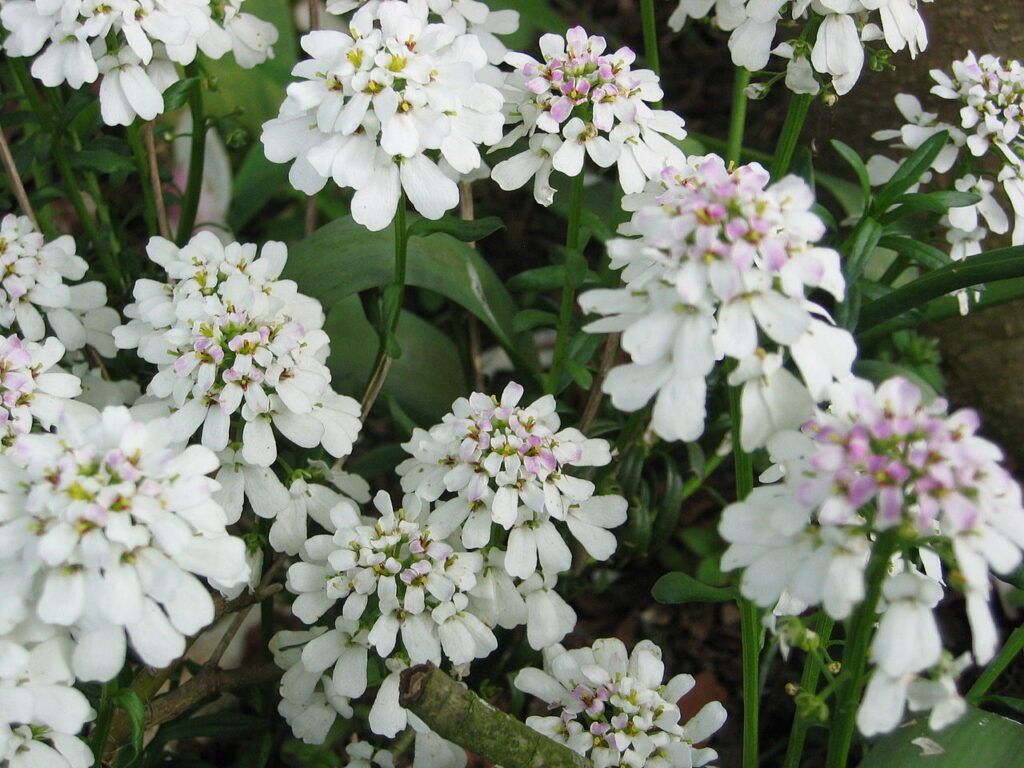
Candytuft is a low evergreen perennial that starts spring with clusters of crisp white flowers. When it blooms, the plant can look like a little mound covered in snow, which is a fun contrast to fresh green growth nearby. It usually flowers in spring and can begin early in milder areas, making it a nice bridge between winter and the fuller garden season. The dark green foliage helps it look tidy even when it is not blooming.
Full sun and well-drained soil are the main things candytuft wants, and it does especially well in borders or rock gardens. Because it stays fairly compact, it is easy to place near the front of a bed without blocking other plants. A light trim after blooming can help keep the shape neat and encourage fuller growth. If you want a clean white flowering plant for early spring, candytuft is an easy one to like.
Basket of Gold (Aurinia Saxatilis)
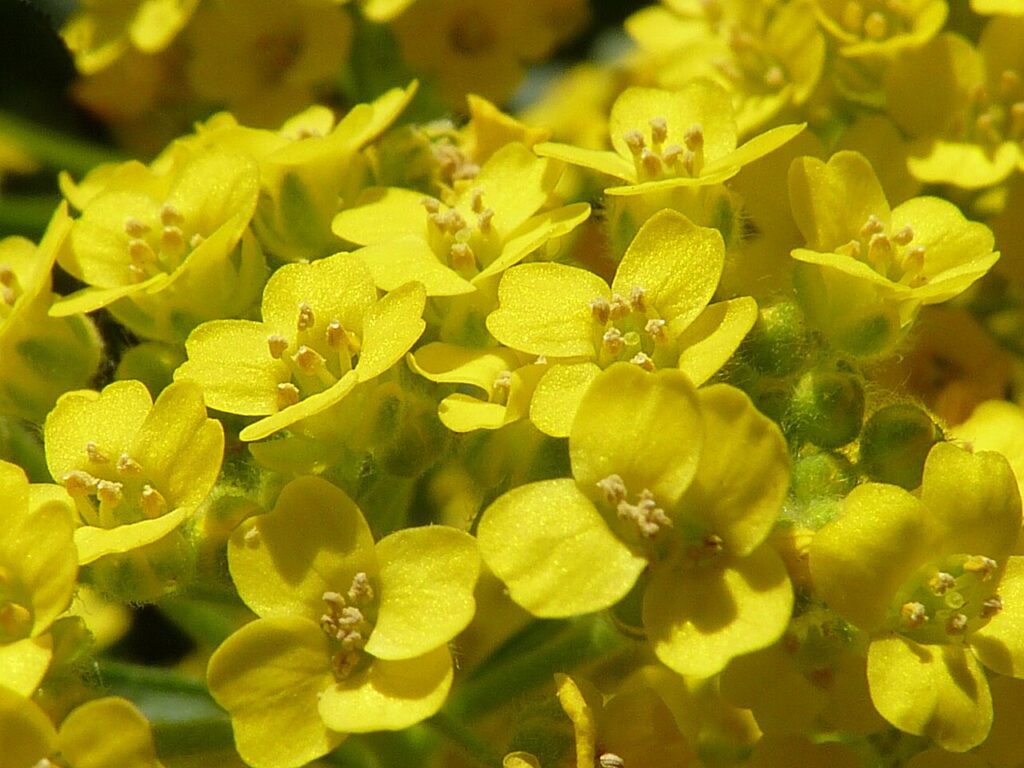
Basket of Gold lives up to its name when it blooms, with masses of small yellow flowers covering the plant. In early to mid spring, it can light up a border or stone wall with warm color while many other perennials are still just leafing out. The gray-green foliage gives it a soft look even before flowers appear. It is especially pretty spilling over rocks or edging a sunny path.
This plant likes full sun and sharp drainage, and it handles dry soil better than many spring bloomers once established. Heavy, wet soil can cause problems, so a raised area or rock garden spot is often best. After flowering, a trim helps keep it compact and prevents it from looking leggy. For gardeners who want early yellow without a lot of fuss, Basket of Gold is a solid choice.
Bleeding Heart (Old-Fashioned Types)
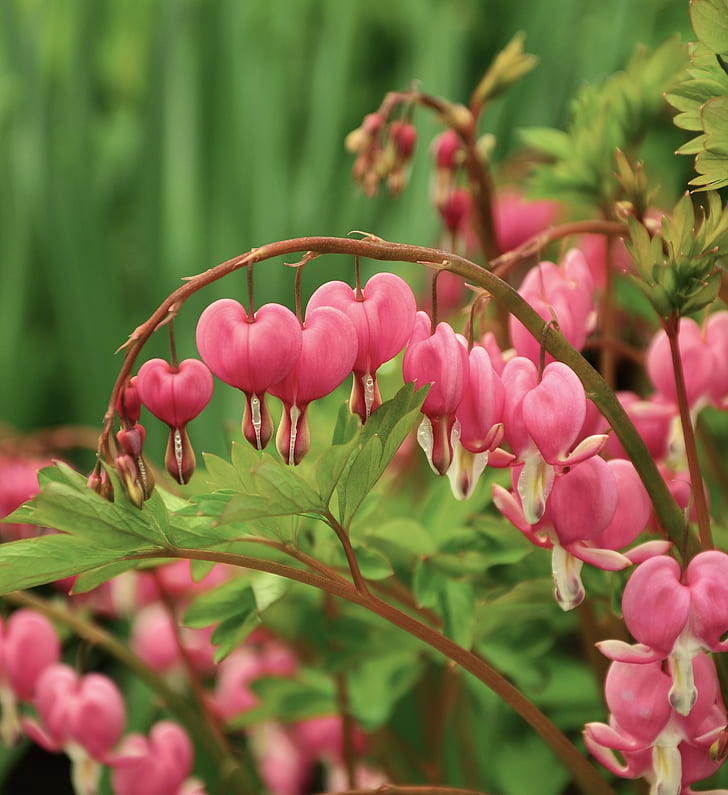
Old-fashioned bleeding heart is a classic spring perennial with arching stems and heart-shaped flowers that hang in rows. The blooms usually show in pink and white, and they have a soft, old garden look that a lot of people love. As the weather warms, the plant fills out into a graceful clump that looks full and lush in shady beds. It is one of those plants that makes a spring garden feel established and calm.
This type prefers part shade and soil that stays moist but drains well, especially during active growth in spring. In many gardens, it may go dormant by summer when heat arrives, so it helps to plant it near later-growing perennials that can fill the space. Compost in the soil gives it a good start and supports stronger growth. If you have a shady area and want a spring focal point, old-fashioned bleeding heart is hard to beat.
Brunnera (Siberian Bugloss)
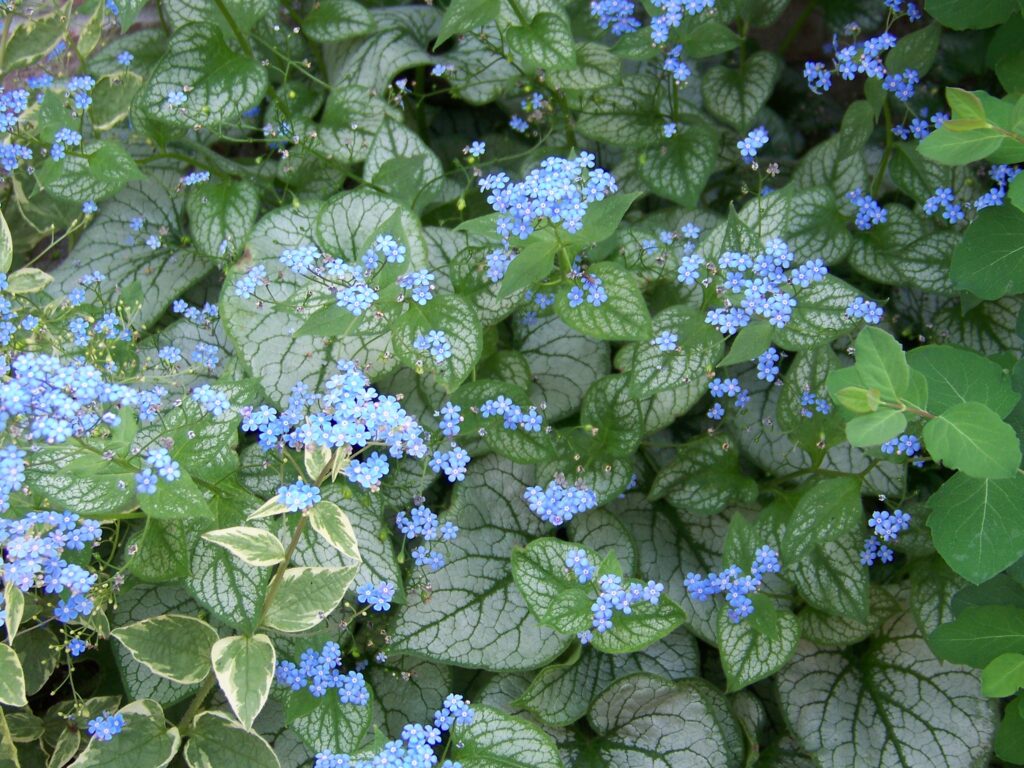
Brunnera is often grown for its leaves, though the tiny blue flowers in spring are a nice bonus and can look a bit like forget-me-nots. The blooms float above the foliage on airy stems and show up early enough to brighten shady beds when little else is happening. Many varieties have silver-patterned leaves that stay attractive long after flowering ends. That mix of early bloom and decorative foliage gives it a long season of interest.
Part shade is usually the sweet spot for brunnera, especially where mornings are bright and afternoons are cooler. It likes rich soil with consistent moisture, and it can struggle if the ground dries out too much. In the right place, the clump grows fuller each year and does not need much beyond basic cleanup. For a shade garden that needs both texture and early color, brunnera is a really useful plant.
Virginia Bluebells
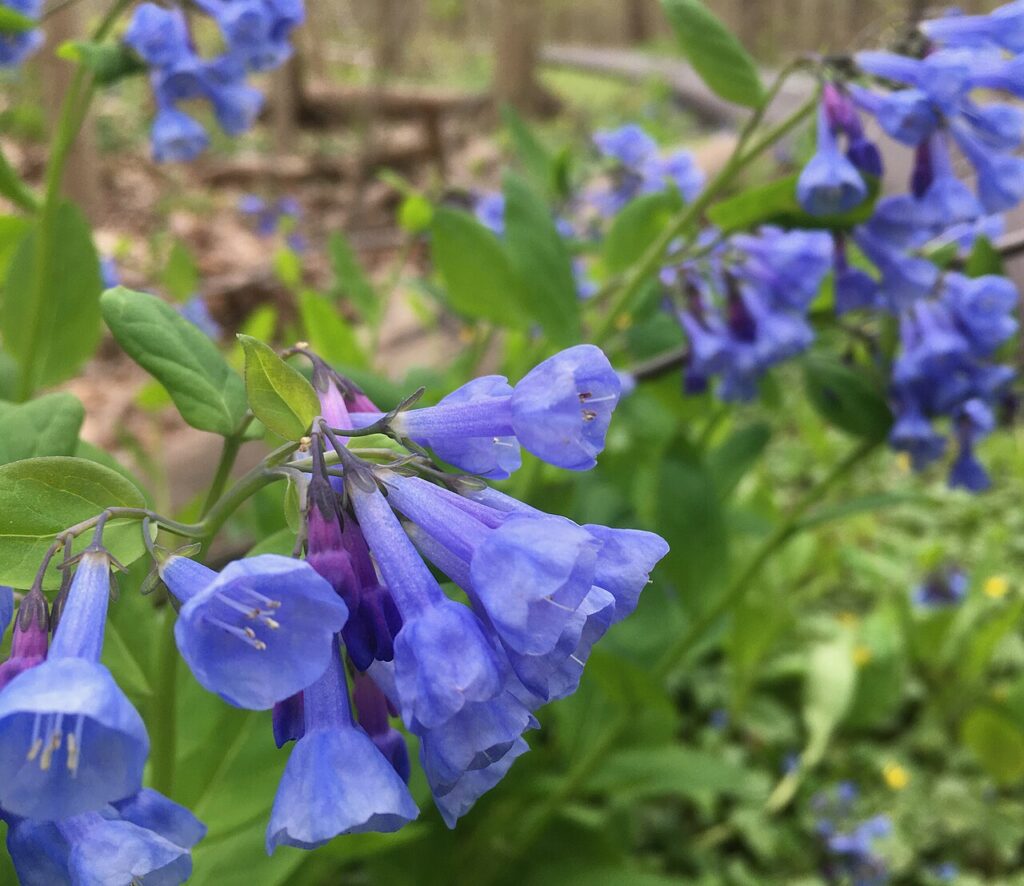
Virginia bluebells are one of the best signs that spring is moving along, especially in woodland gardens. The pink buds open into soft blue bell-shaped flowers that hang in clusters and bring a gentle look to the garden. They often bloom in early to mid spring and can make a shady area feel lively very quickly. The color is beautiful with ferns, hostas, and other shade plants that fill in later.
These plants like rich, moist soil and part shade, much like the conditions found in natural woodland settings. They are spring ephemerals, which means they bloom, set seed, and then die back as the season moves on. Because of that, it is smart to plant them near later perennials so the space does not look empty by summer. If you want a true spring woodland feel, Virginia bluebells are a lovely pick.
Woodland Phlox (Phlox Divaricata)
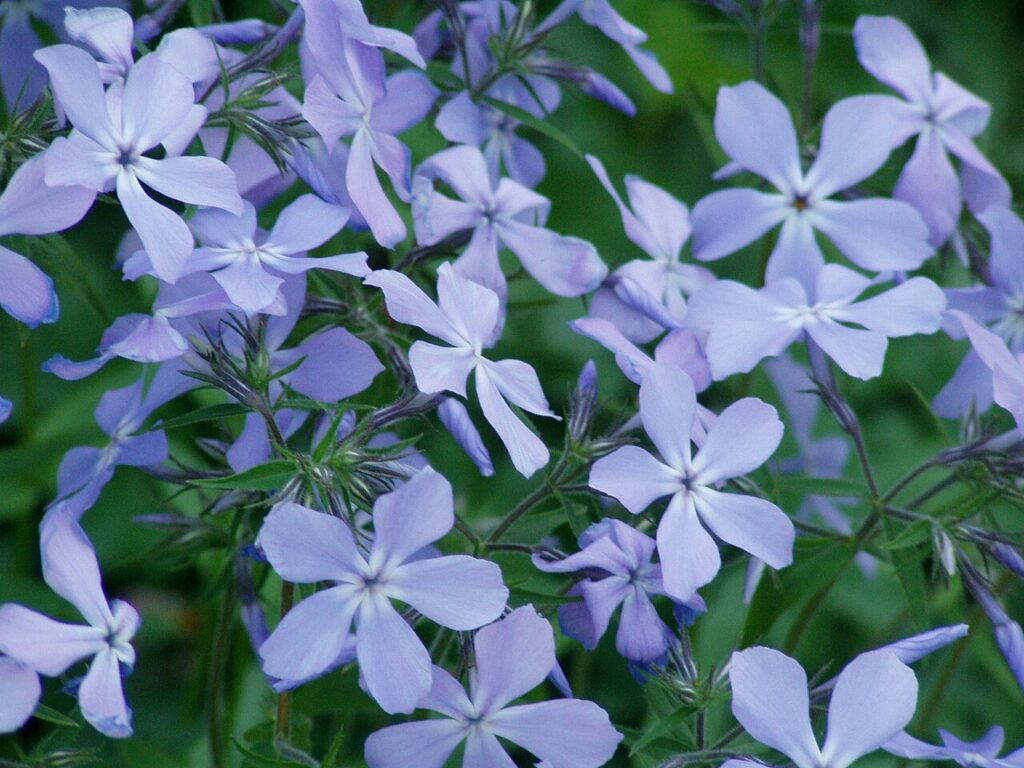
Woodland phlox has loose clusters of fragrant flowers that bring soft color to shady or lightly shaded spots in spring. The blooms are usually blue, lavender, or white, and they have a relaxed look compared with tighter flower clusters on some other plants. In early spring, it starts filling in just as the garden begins to wake up. It can spread gently over time, which helps create a natural look in woodland-style beds.
Part shade and moist, well-drained soil help woodland phlox look its best, especially in cooler spring weather. A spot with morning sun and afternoon shade often works well in many gardens. It pairs nicely with spring bulbs and other early shade perennials because the colors blend easily. If you like a softer, more natural spring planting style, woodland phlox fits right in.
Bergenia (Pig Squeak)
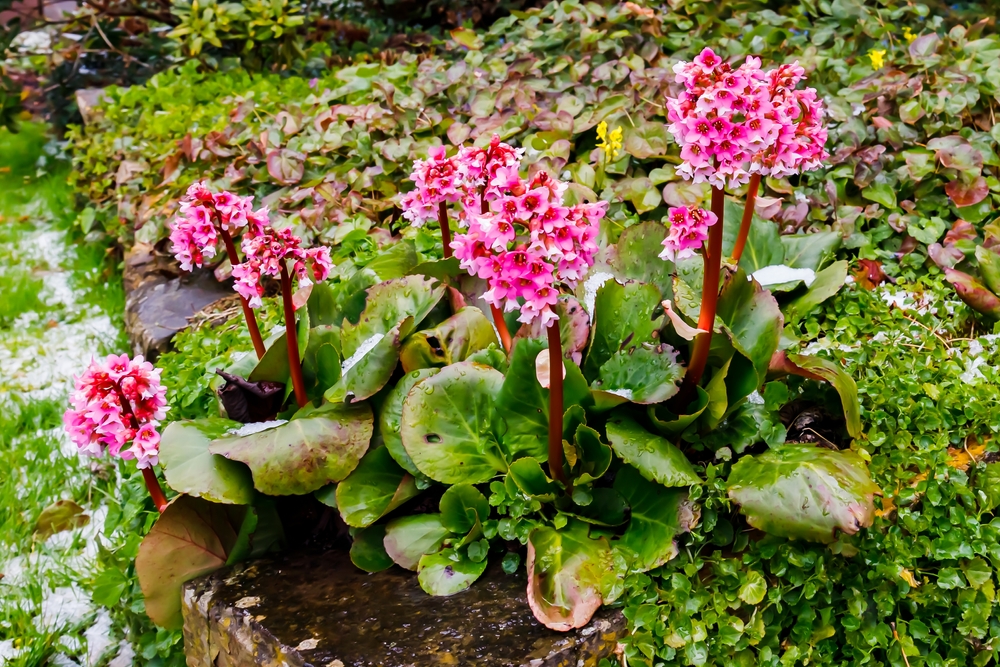
Bergenia is easy to spot in early spring because of its thick, rounded leaves and upright flower clusters. The leaves are large and glossy, and in some climates they can take on red or bronze tones during colder months. Pink, magenta, or white flowers rise above the foliage in spring and add color before many bigger perennials get going. It gives garden beds a sturdy look, which is helpful when other plants are still small.
This perennial grows well in part shade, though it can take more sun in cooler areas if the soil stays evenly moist. It is a good choice for edging, mass planting, or filling spaces under shrubs where smaller flowers may get lost. The common name comes from the squeaky sound the leaves can make when rubbed, which makes it a fun plant for kids to notice. For a durable early bloomer with strong foliage, bergenia is a practical pick.
Hardy Pansies and Violas
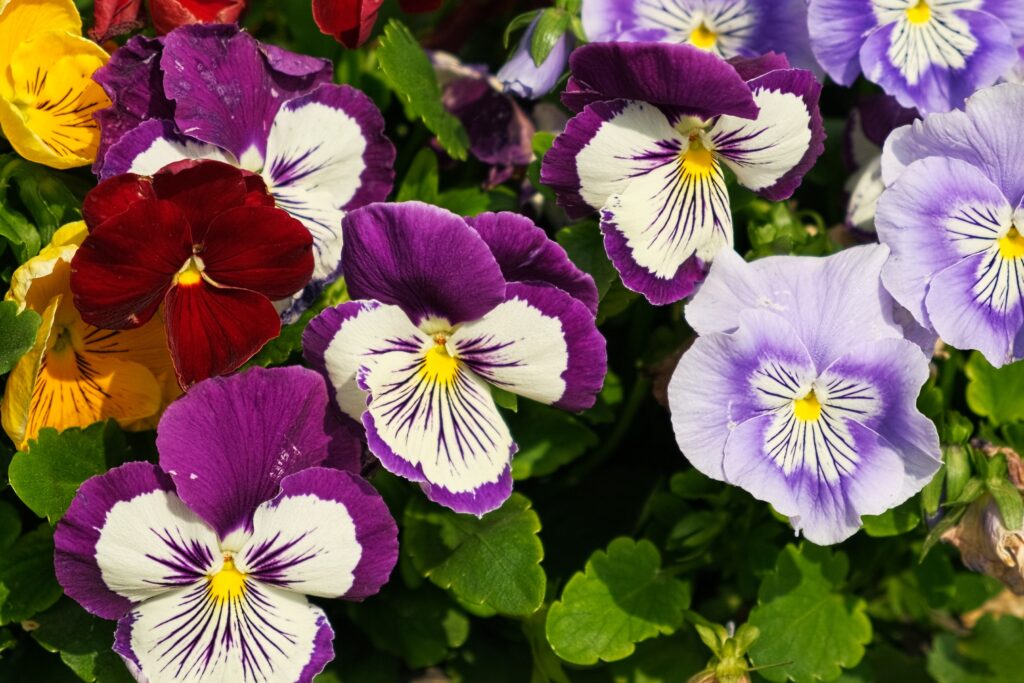
Hardy pansies and violas are often treated like cool-season bedding plants, but many gardeners use them like early perennial color because they show up so early and handle chilly weather well. Their faces come in almost every color mix you can think of, and they brighten containers, borders, and entry beds right away. In early March, they are often among the few flowers already putting on a show. Violas usually have smaller blooms and a lighter look, while pansies have bigger flowers and stronger color blocks.
They like cool weather and regular watering, and they usually perform best before hot days set in. Deadheading spent blooms keeps them looking fresh and can help extend flowering. You can mix them with spring bulbs and other early growers to make beds look finished sooner. For quick color while true warm-season plants are still waiting, these are hard to beat.
Jacob’s Ladder (Polemonium)
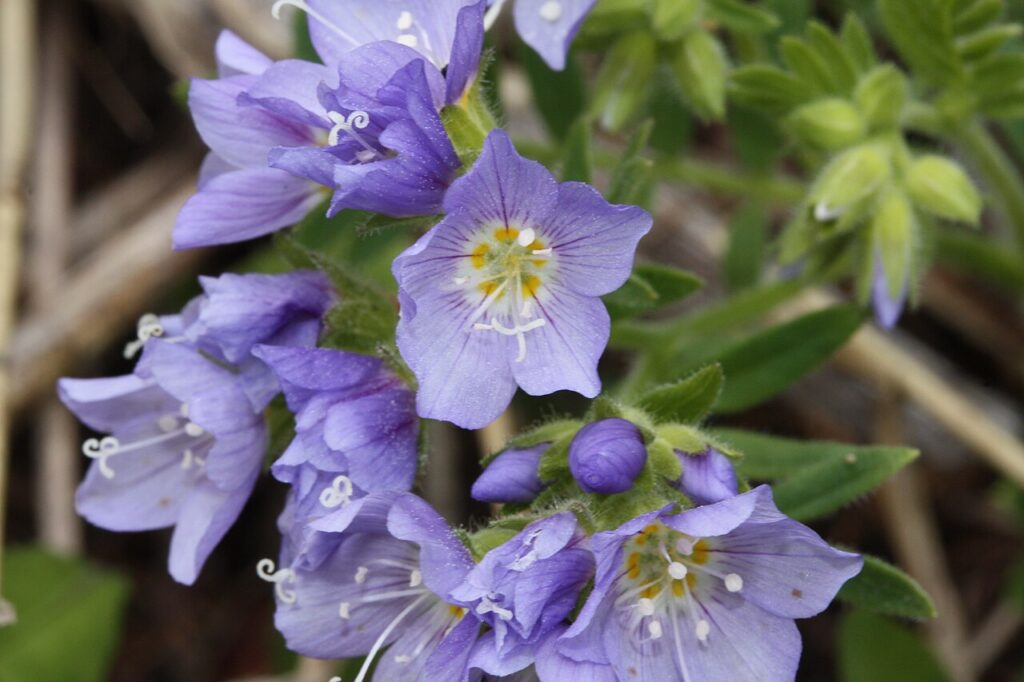
Jacob’s Ladder has delicate, ladder-like leaflets that give the plant a soft, ferny look even before it flowers. In spring, clusters of blue, purple, pink, or white blooms rise above the foliage and add gentle color to partly shaded beds. It is often one of those plants people notice up close because the leaf shape is so interesting. The whole plant has a light, airy feel that works well in cottage and woodland gardens.
This perennial likes part shade and soil that stays evenly moist, especially in spring when it is actively growing. Too much hot afternoon sun can cause stress, so a cooler spot helps the leaves stay nicer longer. If flowering slows, trimming old stems can tidy the clump and sometimes encourage fresh growth. Jacob’s Ladder is a nice option when you want early blooms and texture in the same plant.
Columbine (Aquilegia)
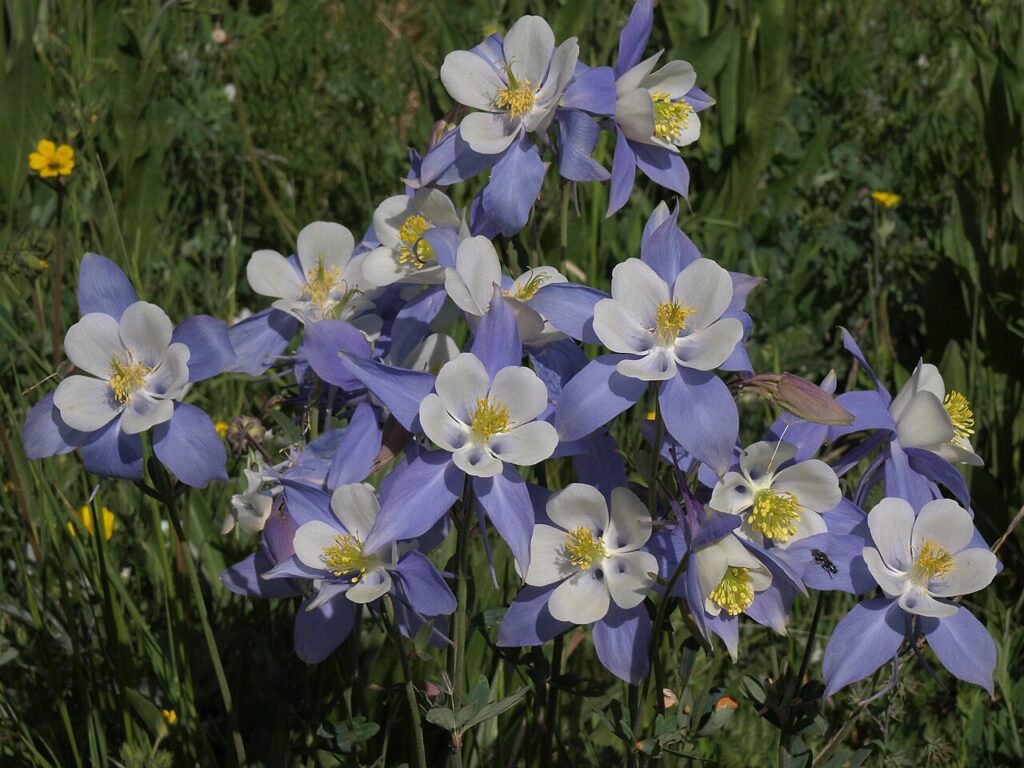
Columbine usually starts blooming in spring with nodding flowers that have a unique shape and a light, almost floating look. The flowers come in many color combinations, including blue, purple, pink, yellow, red, and white, so it is easy to find one that fits your garden. Even before full bloom, the rounded, divided leaves add a soft texture to the bed. It brings a relaxed cottage-garden feel and mixes well with many spring plants.
Columbine grows in sun or part shade, though many types do best with some afternoon shade in warmer areas. It likes soil that drains well and often reseeds gently, which can give you new plants in nearby spots. Pollinators visit the flowers often, so it adds movement to the garden in spring. If you want an early perennial that looks a little whimsical without being fussy, columbine is a great choice.
This article originally appeared on Avocadu.