
14 Perennial Plants Perfect for Reviving Your Garden in March
Spring is just around the corner, and March is the perfect time to start thinking about your garden’s next chapter. Perennials are a wonderful way to bring back beauty and color to your outdoor space year after year. They’re easy to care for, and with a little planning, you can enjoy them for seasons to come. If you’re ready to get your garden growing, these perennials will help you get started.
This post may contain affiliate links, which helps keep this content free. Please read our disclosure for more info.
Hellebore (Helleborus)
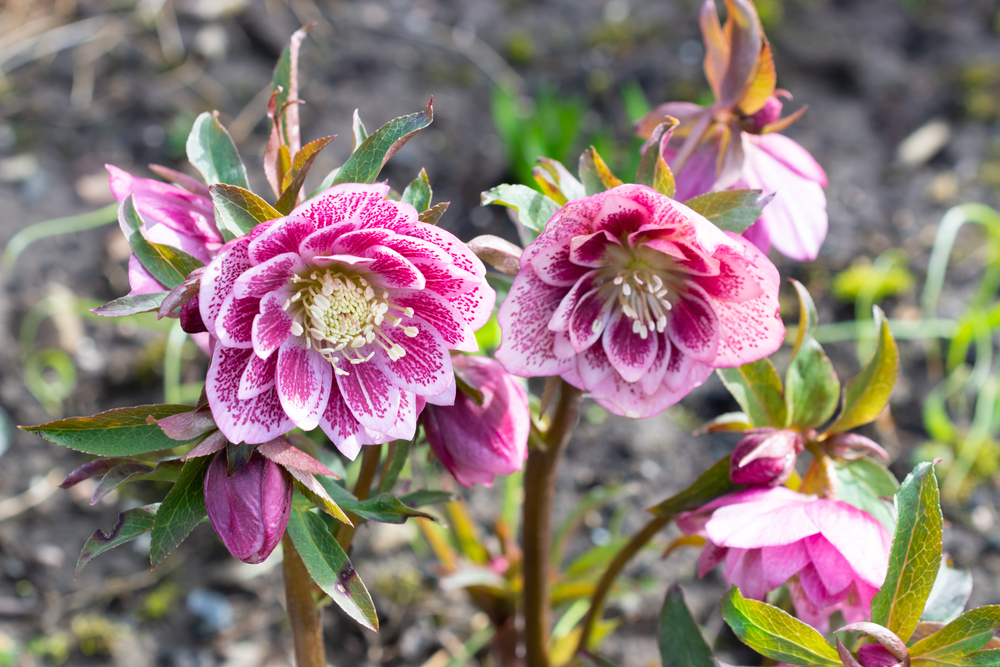
Hellebores, also known as Lenten roses, are one of the first perennials to bloom in early spring, often pushing through the last bits of snow. Their cup-shaped flowers come in a variety of shades, including white, pink, and purple. These plants thrive in partial to full shade and are perfect for woodland gardens or shady spots in your yard. With their ability to bloom early and survive the cold, they offer a lovely, early touch of color.
In addition to their beauty, hellebores are low-maintenance plants that can withstand harsh conditions once established. They prefer well-drained soil and should be watered regularly, especially during dry periods. These perennial plants spread slowly, creating a stunning carpet of flowers over time. Planting hellebores in March will allow them to establish their roots before the growing season fully begins.
Crocus
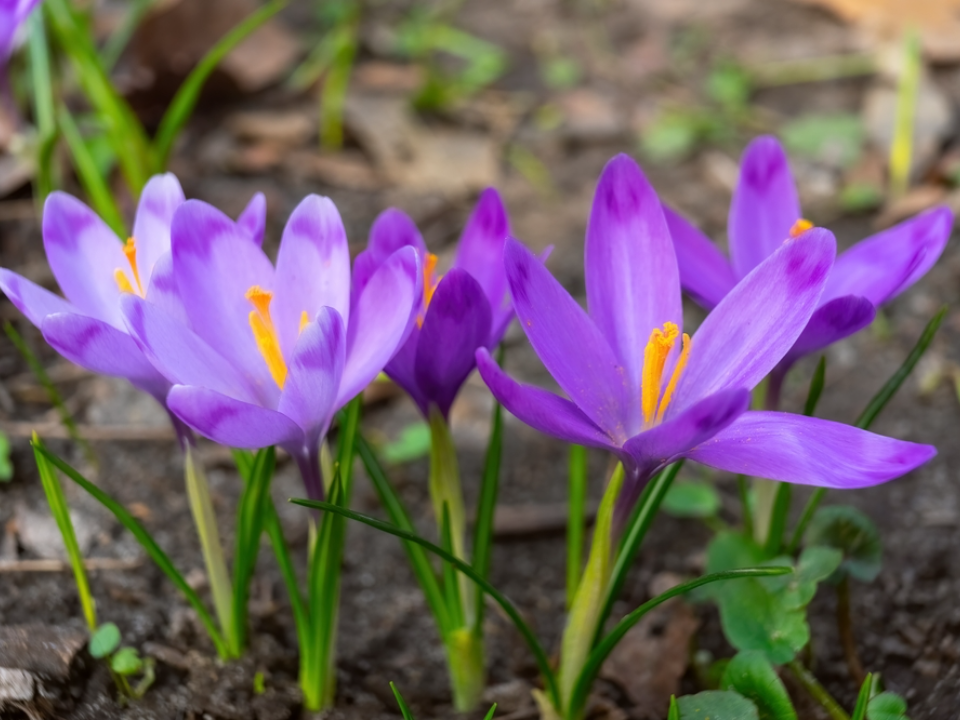
Crocus is one of the most recognizable and beloved early-blooming perennials, signaling the arrival of spring. These small, vibrant flowers come in shades of purple, yellow, and white and are perfect for planting in early March. Crocuses grow well in well-drained soil and thrive in full sun to partial shade. These cheerful flowers can be planted in garden beds or even in containers, adding a pop of color to any space.
Crocus bulbs multiply quickly, allowing you to enjoy larger displays of blooms year after year. They are an excellent choice for naturalizing in lawns or planting along garden borders. After blooming, their leaves die back, making them ideal companions for other plants that grow later in the season. With minimal care, crocus plants will reward you with beautiful flowers year after year.
Primrose (Primula)
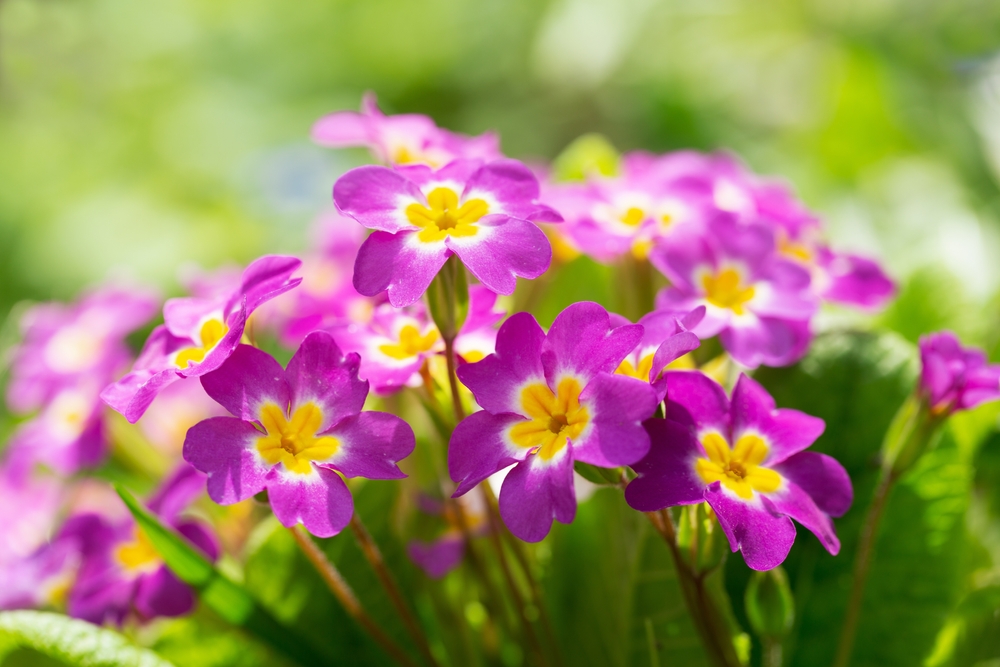
Primroses are early bloomers, often starting their display in late winter or early spring, making them perfect for March planting. These perennial flowers are available in a wide range of colors, including red, yellow, pink, and purple. Primroses prefer cool, moist conditions and thrive in partial shade, making them excellent for shaded garden beds or along the edges of woodlands. Their flowers are vibrant and appear in clusters, offering a delightful sight after a long winter.
Primroses are versatile plants that can be grown in both containers and in the ground. They perform well in slightly acidic, well-drained soil, and benefit from regular watering to keep the soil moist. Once established, primroses will continue to bloom for several weeks, creating a colorful patch in your garden. These perennials are easy to care for, making them a great addition to any gardener’s collection.
Astilbe
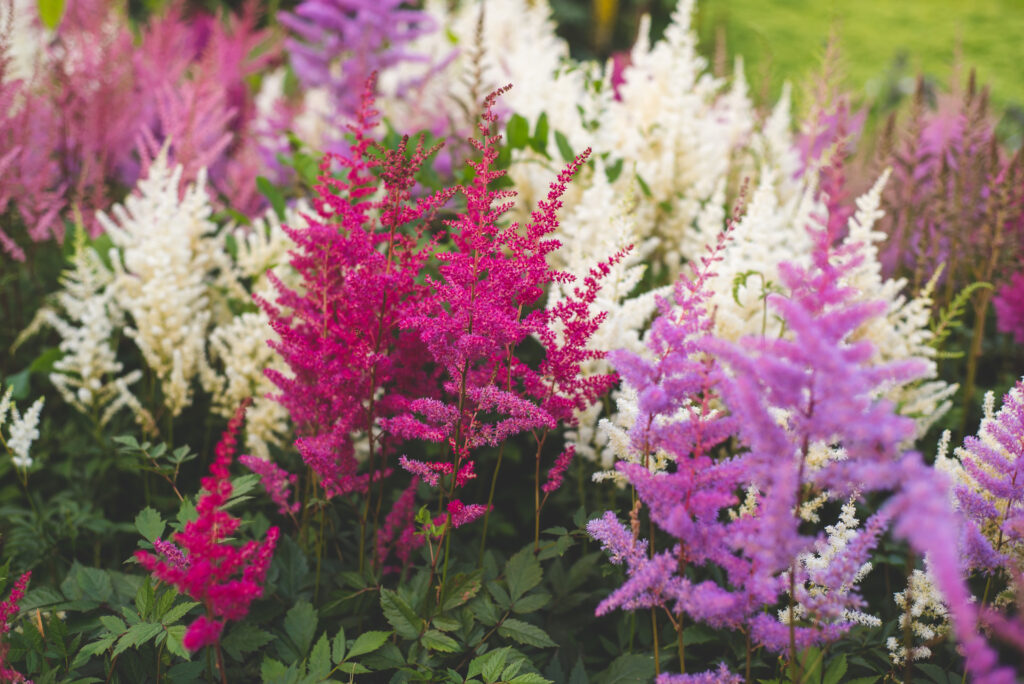
Astilbe is a perennial plant known for its striking, feathery flowers that bloom in a variety of colors, from soft pastels to rich pinks, reds, and whites. These plants thrive in moist, well-drained soil and are ideal for shaded areas of the garden. Astilbes are perfect for planting along streams, ponds, or in areas that receive indirect sunlight. Their fern-like foliage adds texture to gardens, even when the flowers are not in bloom.
Astilbes are relatively low-maintenance once established, though they require regular watering during dry spells. They tend to do well in zones with cooler summers but can adapt to warmer climates if they receive adequate moisture. With their elegant blooms and foliage, astilbes add a touch of sophistication to any garden. Planting them in March gives them ample time to grow strong and start producing beautiful blooms as the season progresses.
Bleeding Heart (Dicentra Spectabilis)
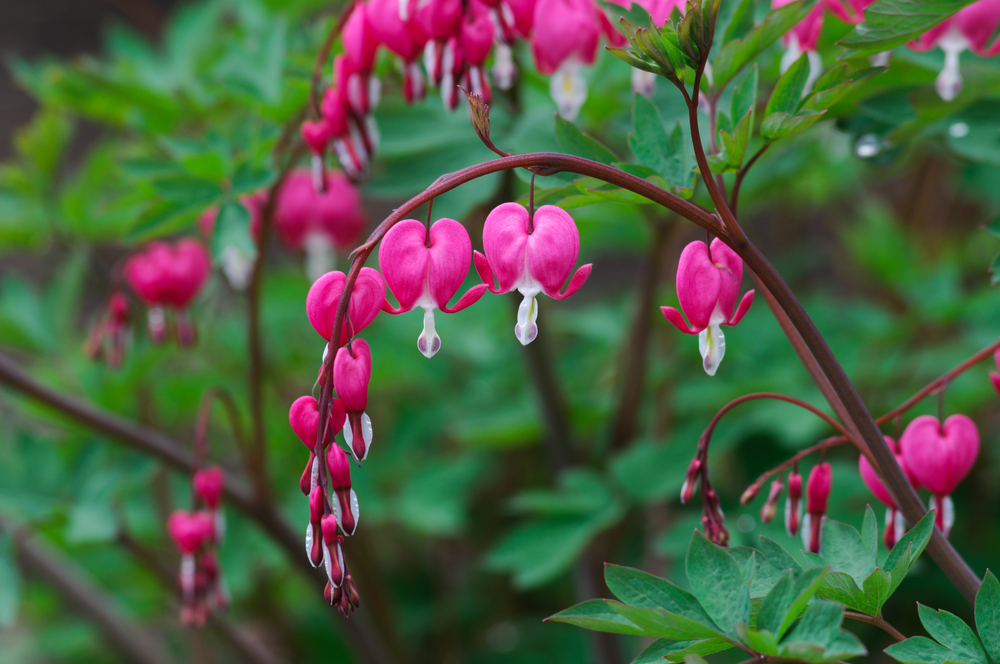
Bleeding Heart is a graceful perennial known for its unique, heart-shaped flowers that hang from arching stems. These plants typically bloom in early to mid-spring and are perfect for shady spots in your garden. The flowers, which can be pink, red, or white, contrast beautifully with the lush green foliage. Bleeding hearts prefer well-drained, slightly acidic soil and thrive in cool, moist environments.
After the flowers have faded, the plant’s foliage remains lush, offering a backdrop for other spring plants. Bleeding hearts are ideal for planting under trees or in woodland gardens where they can enjoy some shade. These plants are relatively low-maintenance and can live for several years when cared for properly. With their charming appearance, they make an excellent addition to gardens looking to revive early spring beauty.
Snowdrop (Galanthus Nivalis)
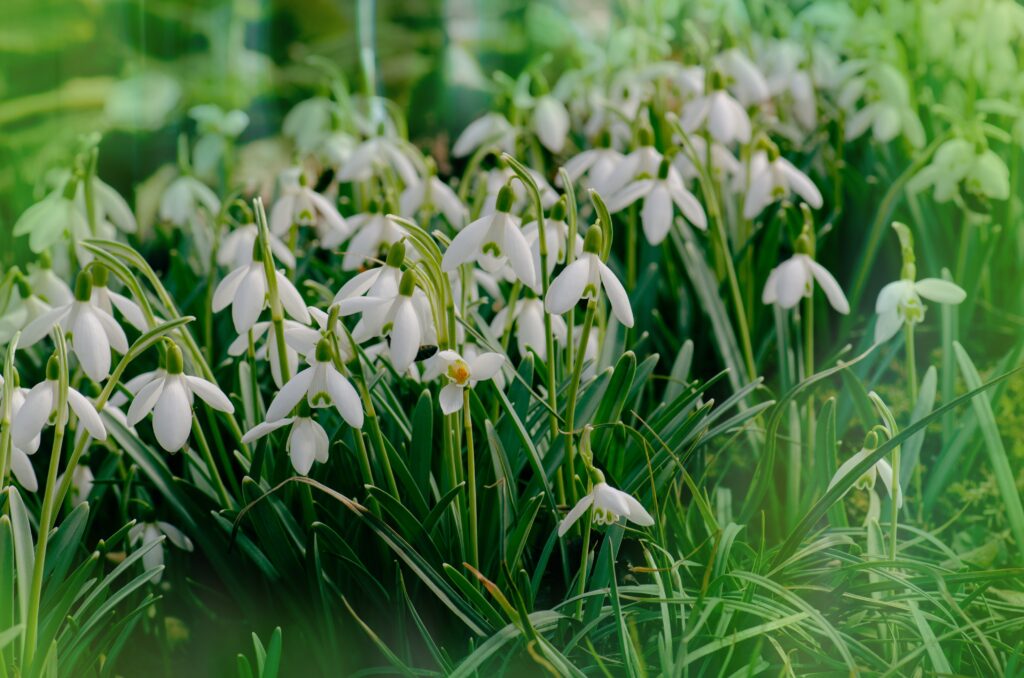
Snowdrops are among the earliest flowers to bloom, often pushing through the snow to greet the new season. These delicate white flowers appear in clusters and are a sign that spring is just around the corner. Snowdrops thrive in well-drained, slightly alkaline soil and are best planted in areas that receive partial shade. These hardy perennials can even grow under trees or in woodland gardens where the light is filtered.
Snowdrops multiply over time, forming charming clumps that will continue to spread. They are perfect for naturalizing in lawns or gardens and look especially lovely when planted in drifts. Once their flowers have faded, their green foliage remains until late spring, helping to fill in bare spots in the garden. These perennial plants offer a great way to revive your garden after the long winter months.
Siberian Iris (Iris Sibirica)
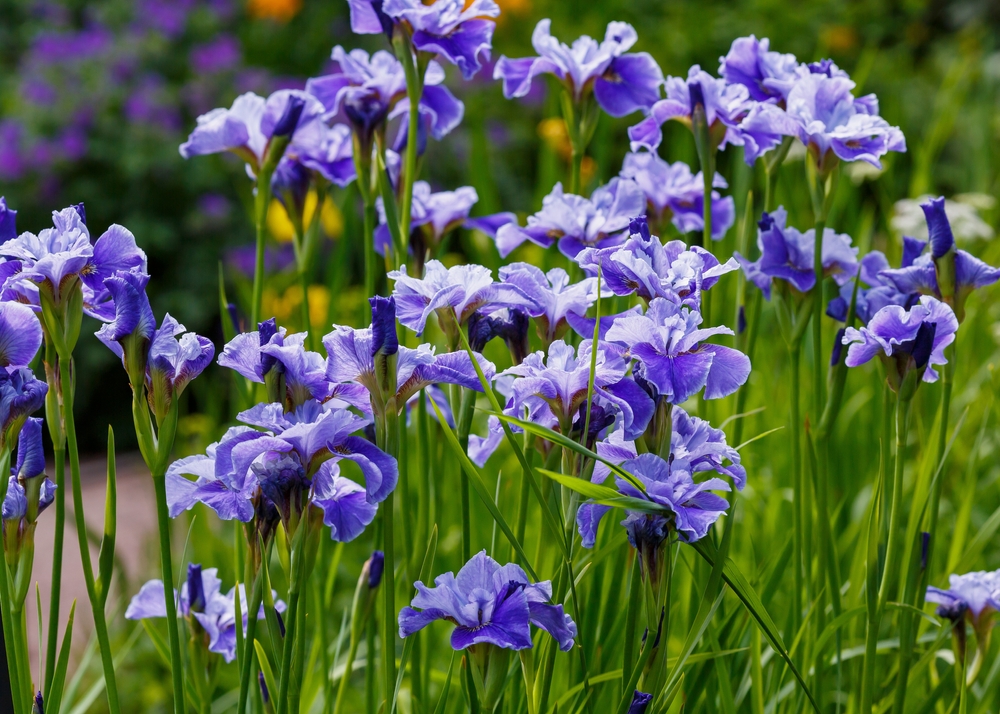
Siberian Irises are known for their striking, tall flowers that bloom in a range of colors, including deep purples, blues, and whites. These perennials grow well in well-drained soil, preferring sunny to partially shaded spots. The tall, elegant flower stalks make them stand out in any garden. Siberian Irises are perfect for adding vertical interest and are especially beautiful when planted in clusters.
Once established, Siberian Irises require little maintenance beyond occasional division. They are drought-tolerant once their roots are deep enough and can thrive in areas with regular moisture. Their blooms are long-lasting, often extending for several weeks during the spring. Planting them in March will give them a head start, ensuring they bloom beautifully as the season progresses.
Daylilies (Hemerocallis)
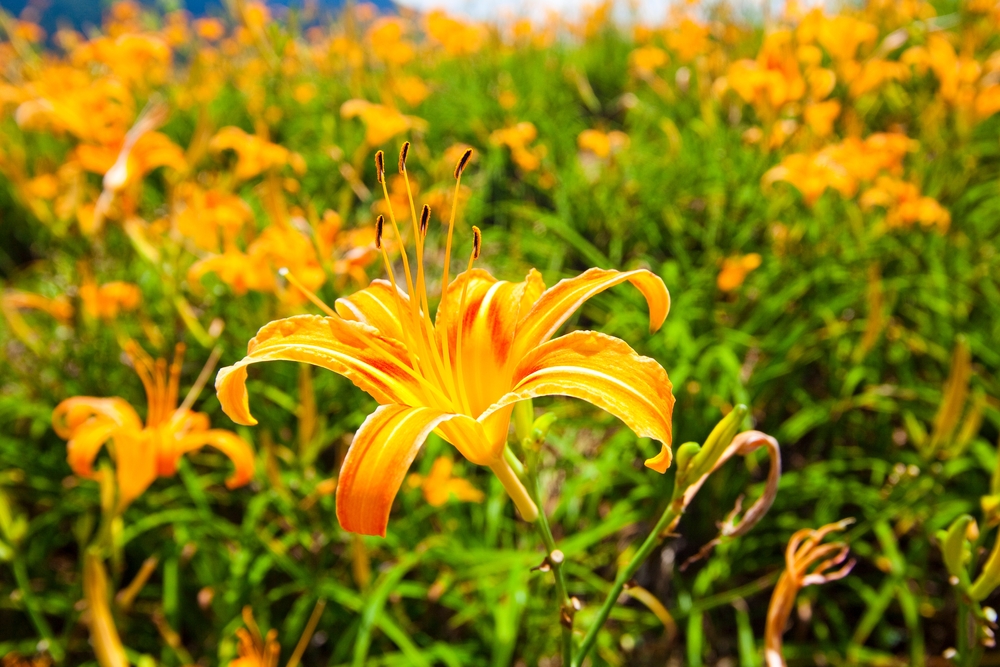
Daylilies are one of the easiest and most adaptable perennials for reviving your garden. These plants are known for their large, colorful flowers that bloom profusely in mid-spring to summer. With a wide variety available, daylilies come in almost every color imaginable. They grow well in full sun to partial shade and are tolerant of a wide range of soil types, making them ideal for nearly any garden.
Daylilies are low-maintenance and can be left to thrive with minimal care once they are established. They are great for filling gaps in your garden, as they grow quickly and form dense clumps. Their ability to bloom repeatedly throughout the season adds to their appeal. Daylilies are ideal for planting in March, as they give them plenty of time to establish themselves before they begin to flower in full force.
Phlox (Phlox Paniculata)
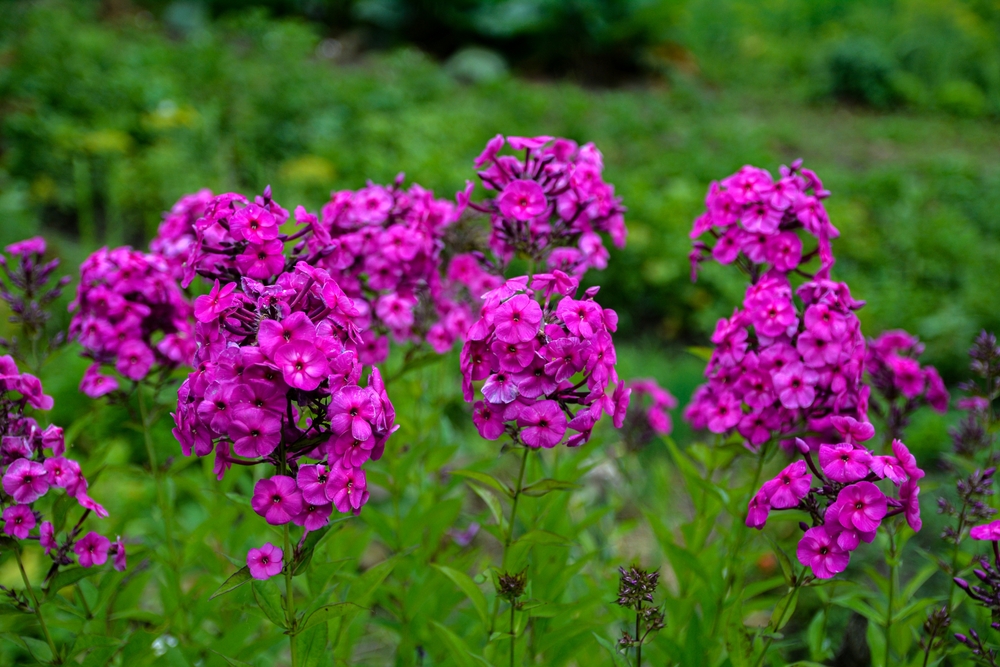
Phlox is a perennial that produces vibrant, fragrant clusters of flowers in shades of pink, red, white, and purple. It thrives in well-drained, moist soil and prefers full sun or partial shade. Phlox flowers bloom throughout the summer, making them an excellent choice for adding color to your garden after the early spring blooms fade. They are also a favorite of pollinators, making them a great addition for gardeners who want to attract bees and butterflies.
Phlox plants require moderate watering, especially during dry spells. They benefit from occasional pruning to keep the plants tidy and promote healthy growth. Once established, phlox will continue to grow and spread, offering a reliable source of summer color. These plants are a great way to add lasting beauty to your garden while encouraging a healthy ecosystem.
Pulmonaria (Pulmonaria Officinalis)
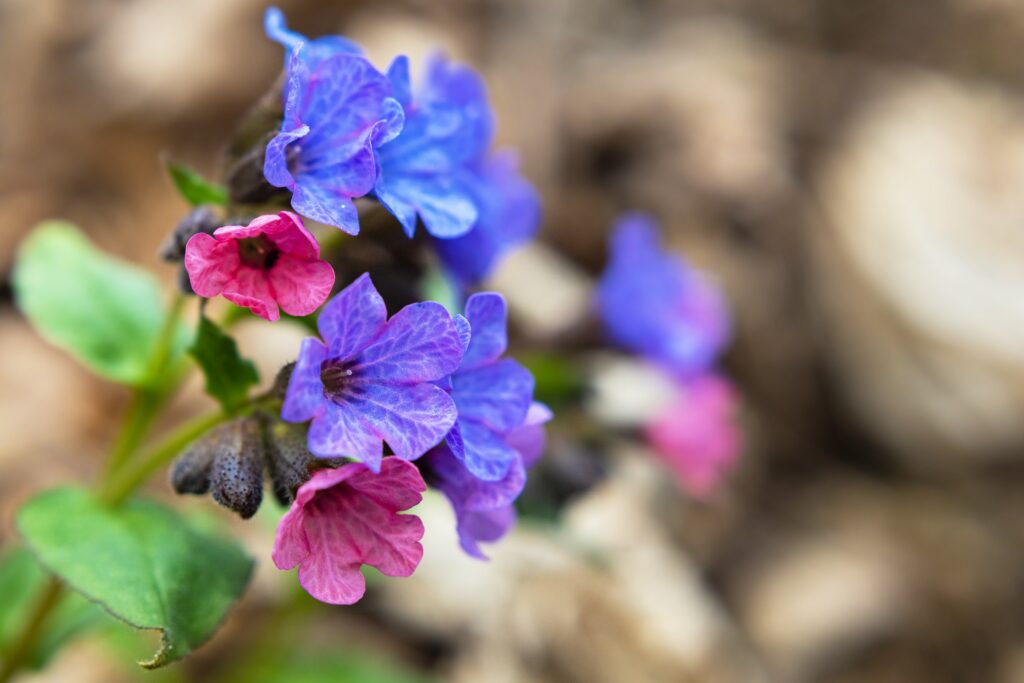
Pulmonaria, also known as lungwort, is a spring-blooming perennial that offers vibrant blooms in a mix of blue, pink, and purple hues. It thrives in moist, well-drained soil and prefers shaded to partially shaded areas, making it an ideal plant for woodland or shaded garden beds. Pulmonaria’s distinctive foliage is another highlight, with silver-spotted leaves that add texture even after the flowers have faded. These plants are perfect for filling in empty spaces in shaded corners.
Pulmonaria is relatively easy to grow, requiring only occasional watering to keep it thriving. It is especially appreciated for its early spring blooms, which can often start before many other plants in the garden. Once established, it spreads gently, forming a lovely ground cover. These plants are perfect for early spring gardening, offering both visual interest and color when many other plants are still dormant.
Foxglove (Digitalis Purpurea)
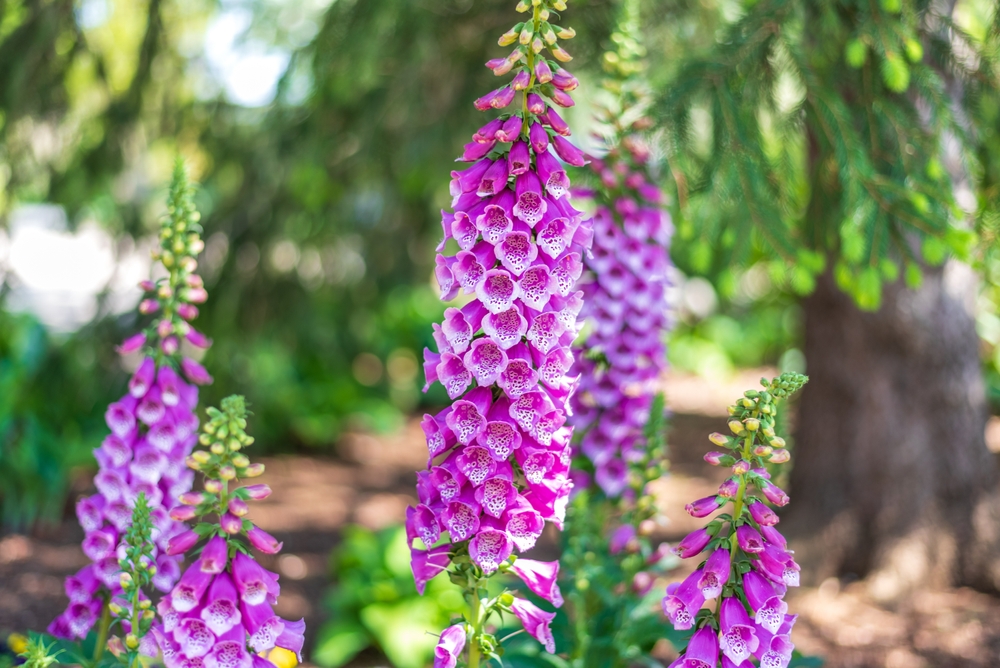
Foxglove is a striking perennial that produces tall spikes of tubular flowers, often in shades of purple, pink, and white. These plants thrive in well-drained soil and full sun to partial shade. Foxglove is known for attracting pollinators, making it a great choice for gardeners who want to encourage bees and butterflies. They bloom in late spring to early summer, adding height and elegance to any garden bed.
Foxglove plants can be short-lived but are easy to grow from seed or nursery-grown plants. They prefer slightly acidic soil and moderate watering, though they do not like to sit in waterlogged soil. Once established, foxglove plants will continue to grow and self-seed, creating new plants each year. Planting them in March gives them time to establish themselves before the summer heat sets in.
Shasta Daisy (Leucanthemum × superbum)
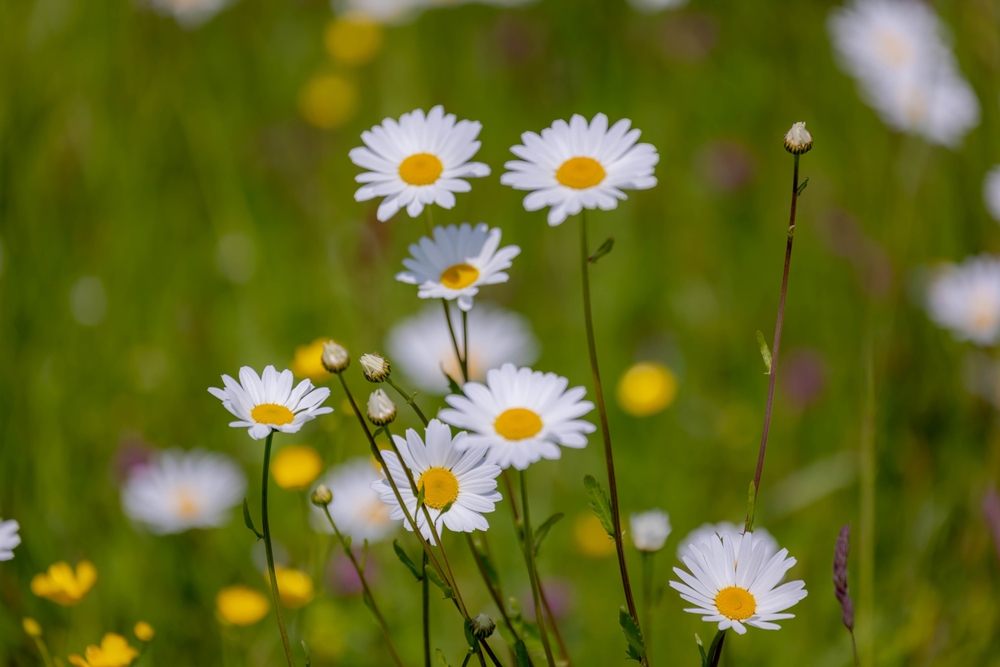
Shasta daisies are a beloved perennial, known for their cheerful white petals and yellow centers. These flowers bloom throughout the summer, making them a great addition to gardens that need a bit of brightness. Shasta daisies are tough plants that grow well in full sun and well-drained soil, making them perfect for a wide variety of garden types. They are easy to care for, requiring only occasional watering and occasional deadheading to keep them blooming.
Once established, Shasta daisies spread quickly, creating a cheerful display of flowers year after year. They are also excellent for attracting pollinators, especially bees and butterflies. These plants work well in flower beds, borders, or even in containers. Planting them in March gives them enough time to settle in and begin their vibrant summer show.
Lavender (Lavandula)
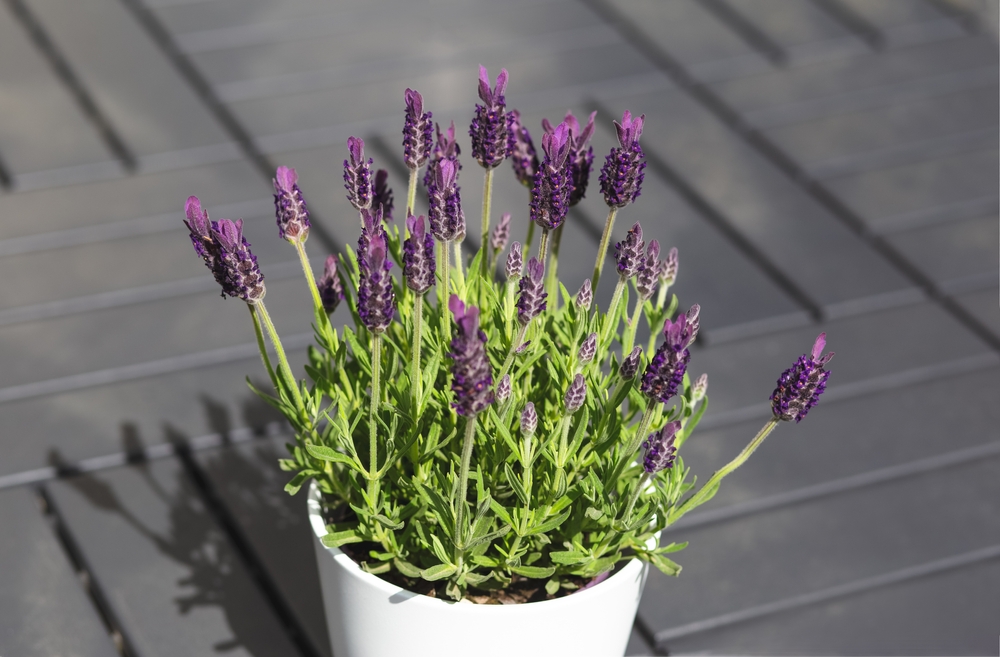
Lavender is a fragrant perennial known for its striking purple flowers and aromatic foliage. These plants thrive in well-drained soil and full sun, making them ideal for sunny garden spots. Lavender blooms in late spring to early summer, attracting pollinators while adding a delightful scent to the garden. It is perfect for both ornamental and functional uses, such as in herb gardens or as a border plant.
Once established, lavender is drought-tolerant and requires little maintenance beyond occasional pruning to maintain its shape. It can be used in culinary dishes, dried for crafts, or simply enjoyed in the garden for its calming scent. Lavender is also deer-resistant, making it a great addition to gardens in areas with high deer populations. Planting it in March will ensure a robust and fragrant display once the weather warms up.
Bergenia (Bergenia Crassifolia)

Bergenia, often referred to as “elephant ears” due to its large, leathery leaves, is a perennial plant that adds bold texture to the garden. It produces clusters of pink or white flowers in early spring, making it one of the first plants to bloom after winter. Bergenia prefers moist, well-drained soil and thrives in partial to full shade, making it perfect for garden beds or borders that do not receive direct sunlight. Its thick, glossy leaves provide year-round interest, and the flowers attract pollinators.
Bergenia is a low-maintenance perennial that requires little care once established. It is an excellent plant for filling in shady spots where other plants may struggle to grow. It can also tolerate a range of soil conditions, though it prefers slightly acidic soil. Bergenia is a great option for adding both color and structure to shady areas of the garden.
This article originally appeared on Avocadu.