
15 Old U.S. Coins With Short Lived Designs That Stand Out Today
The design of U.S. coins has evolved in fascinating ways over the years, often influenced by historical events and changing national sentiments. Many coin designs were only in circulation for a short time before being swapped out for something new. This quick turnover of designs has left us with coins that are unique and increasingly rare. Today, these coins capture a special place in history, making them stand out to collectors and history enthusiasts alike.
This post may contain affiliate links, which helps keep this content free. Please read our disclosure for more info.
1907 Saint-Gaudens Double Eagle
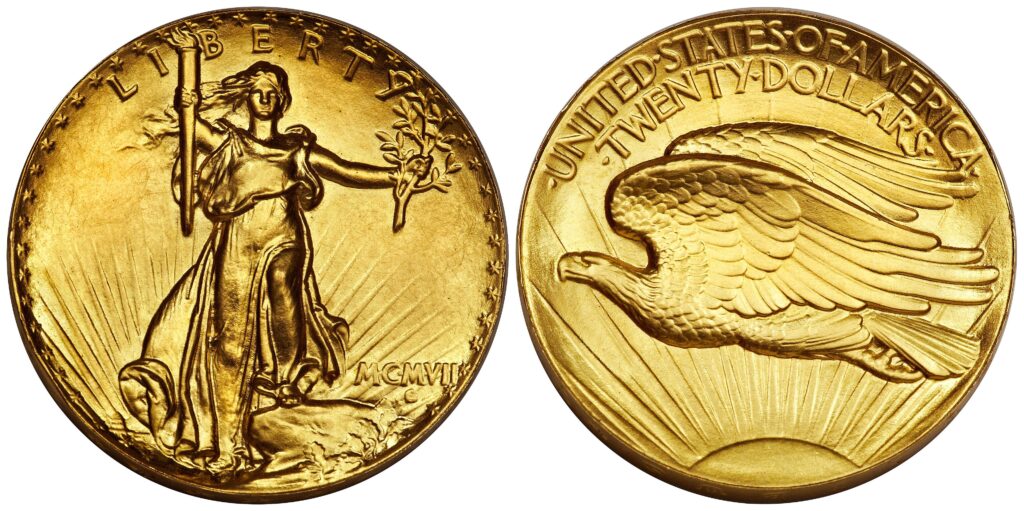
The 1907 Saint-Gaudens Double Eagle was introduced as a redesign of the U.S. $20 gold coin. The design was a departure from previous coins, featuring Lady Liberty on the front, with a bold, dynamic stance. Its production was short-lived due to a change in minting practices, making this coin rare today. Known for its artistic beauty and historical significance, the coin stands out among collectors. As of now, its market value can range from $1,500 to over $20,000, depending on its condition and rarity.
The coin was produced in limited quantities before it was replaced by a new design in 1933. Its popularity grew over the years, not just for its artistic merit, but because of its brief production run. It remains a symbol of American gold coinage, admired for its detailed design. Its value continues to rise as it becomes more scarce, especially in higher grades. This coin remains one of the most coveted in the world of numismatics.
1913 Liberty Head Nickel
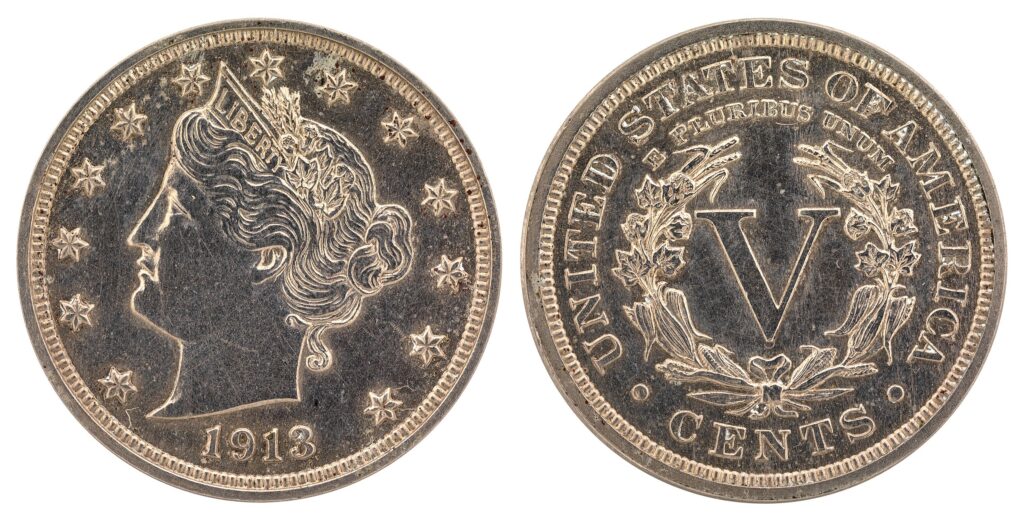
In 1913, a rare version of the Liberty Head nickel was struck, and its design quickly disappeared due to its unauthorized production. Only five of these coins were ever made, making it one of the most famous rare U.S. coins. The Liberty Head design, first minted in 1883, was replaced with the Buffalo Nickel just a year after these 1913 coins were made. These rare coins now stand out because of their exceptional history and extreme scarcity. The value of one of these rare coins can reach up to $4 million depending on its condition.
This unique nickel was not officially part of the U.S. Mint’s production run, which is why its rarity contributes to its high market value. The design on the coin features a classic representation of Liberty, but the unauthorized nature of its production gives it a fascinating backstory. With such a small number in circulation, each coin that resurfaces brings considerable attention and significant value. Collectors often seek these pieces for their rarity and their intriguing history within the U.S. Mint’s operations.
1796 Draped Bust Half Dollar
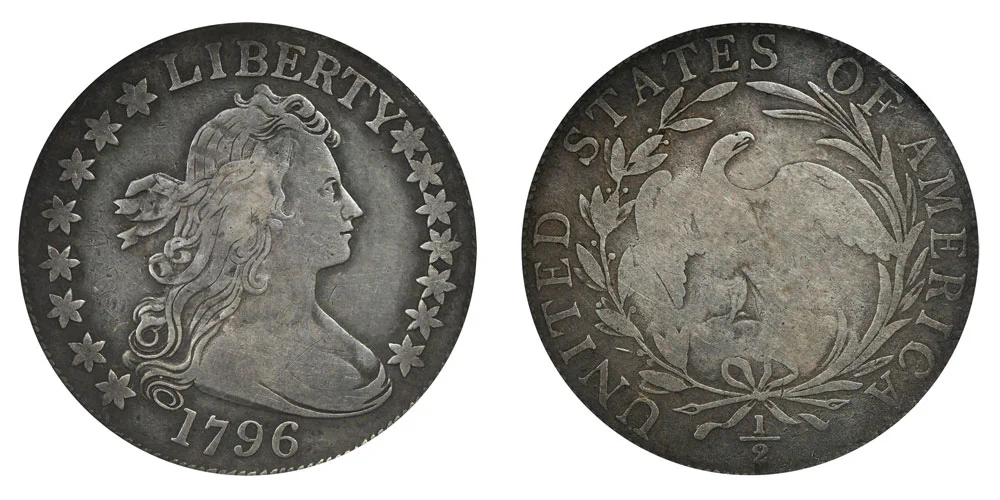
The Draped Bust Half Dollar was introduced in 1796 and remained in circulation until 1807, though its design was changed before long. The initial design was changed quickly due to public dissatisfaction with the coin’s size and the engraving of the liberty image. The 1796 version is particularly sought after due to its limited production and historical importance. Today, this coin can be worth anywhere from $5,000 to over $100,000 depending on its condition and rarity.
The coin’s design featured a bust of Liberty with flowing hair, which was not well received by the public. It was replaced by a more refined design, but the brief run of the 1796 Draped Bust coins makes them stand out today. The rarity of these coins makes them highly prized by collectors, especially those interested in early American coinage. Its historical significance as one of the earliest U.S. half dollars continues to attract attention.
1943 Steel Penny
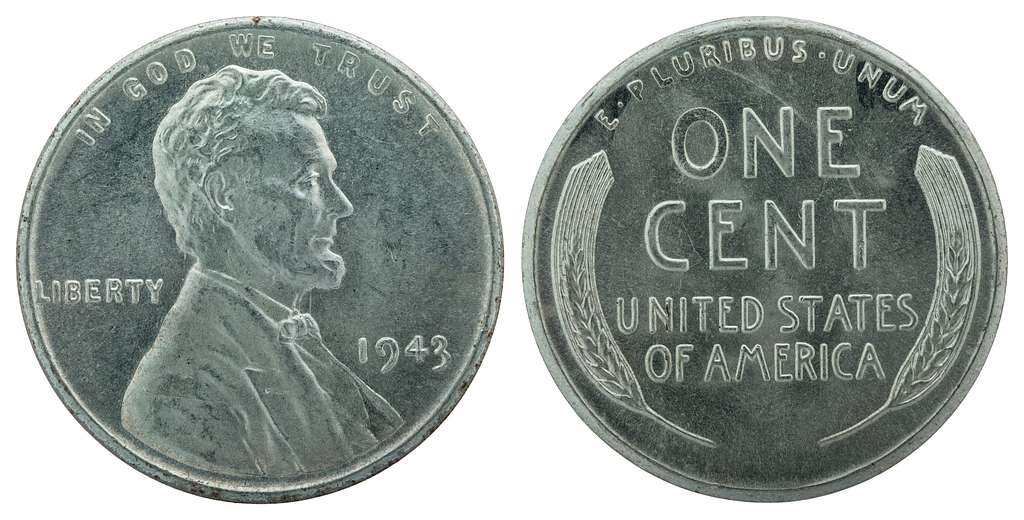
The 1943 steel penny is a result of World War II-era necessity, where copper was needed for ammunition. The U.S. Mint quickly switched the penny’s design and material to steel for just one year before returning to copper. The transition made this penny a fascinating anomaly in U.S. coin history. These coins are rare today, with market values reaching up to $1,500 for well-preserved examples.
The quick change in the design was driven by the need to conserve copper, but the steel penny was only produced in 1943. While many of these pennies were circulated, some were mistakenly struck with the wrong materials, leading to even greater rarity. Collectors value the steel penny because it’s an unusual and important piece of wartime history. Its value continues to rise, especially in mint-condition specimens.
1854-O Coronet Half Eagle
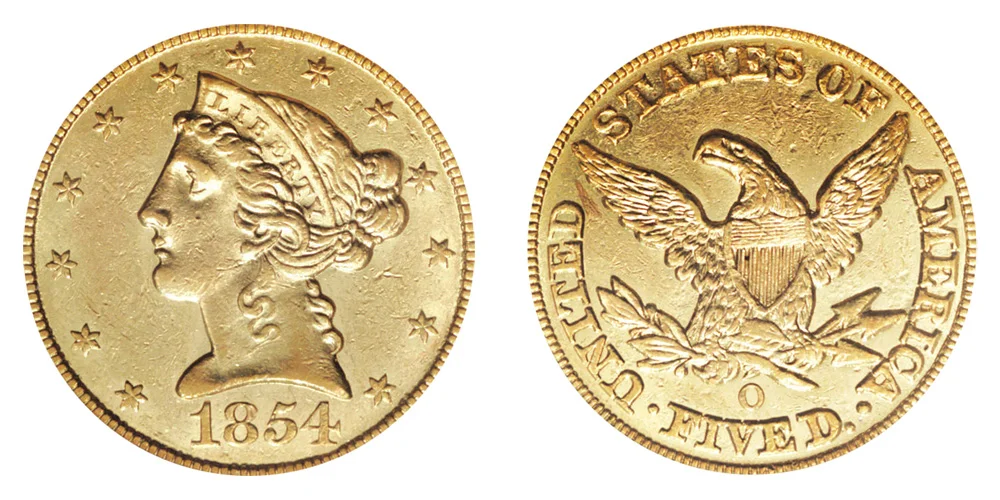
In 1854, the U.S. Mint in New Orleans produced a very limited number of Coronet Half Eagles with a distinctive design that quickly disappeared. This coin was replaced with an updated version shortly after due to changes in the U.S. Mint’s design requirements. The 1854-O features a classic Liberty image, but the few examples from this year are much rarer than those of other years. A single coin can fetch anywhere from $7,000 to over $50,000 depending on its preservation.
This rare coin was a part of a short-lived production run that contributes to its scarcity and high demand among collectors. As a piece of both historical and numismatic significance, it stands out because of the quick change in design and minting practices. Today, collectors seek out these pieces for their rarity and rich history, especially the coins minted in New Orleans. Their value continues to grow, making them one of the most desirable gold coins from this era.
1916 Standing Liberty Quarter
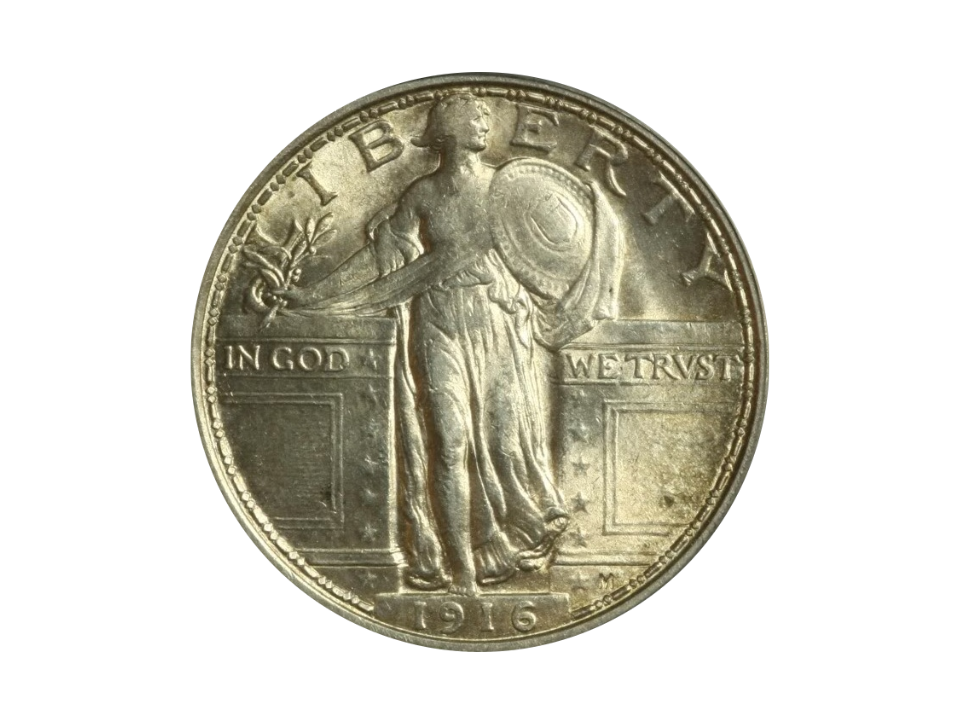
The 1916 Standing Liberty Quarter quickly replaced an earlier design, showcasing Lady Liberty standing proud and holding a shield. The design was changed soon after due to concerns about its legibility, particularly the lack of clarity in the date on earlier coins. The 1916 version is now highly coveted for its beauty and rarity. Depending on its condition, its current market value can range from $400 to $20,000 or more.
This coin’s design was refined in 1917, but the brief run of the 1916 version makes it one of the most valuable quarters today. The depiction of Liberty, holding a shield and standing boldly, symbolizes strength and resilience. The rarity of the 1916 coin and its quick transition to a new design make it a standout in American numismatics. Its market value continues to grow as more collectors seek out this iconic piece.
1938-1939 Jefferson Nickel
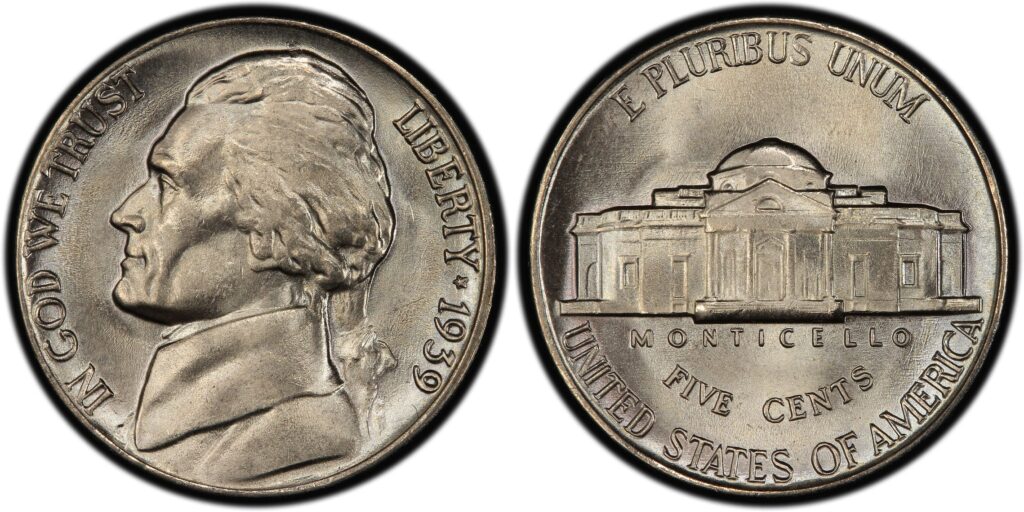
The 1938-1939 Jefferson Nickel had a quick and unexpected design change after public outcry about its likeness to the former coinage. The initial design was altered shortly after release, with a more refined version of Thomas Jefferson’s likeness on the obverse and a new reverse side. These early issues are now particularly valuable for collectors. Market values can range from $100 to $5,000 depending on the coin’s condition.
The initial 1938 design was replaced quickly due to dissatisfaction with the facial likeness of Jefferson. However, the brief production run of these coins makes them highly sought after today. As one of the first significant design changes of the 20th century, this coin marks a pivotal moment in U.S. coinage. Collectors admire it for its historical context and rarity, particularly those from the early years of the series.
1856 Flying Eagle Cent
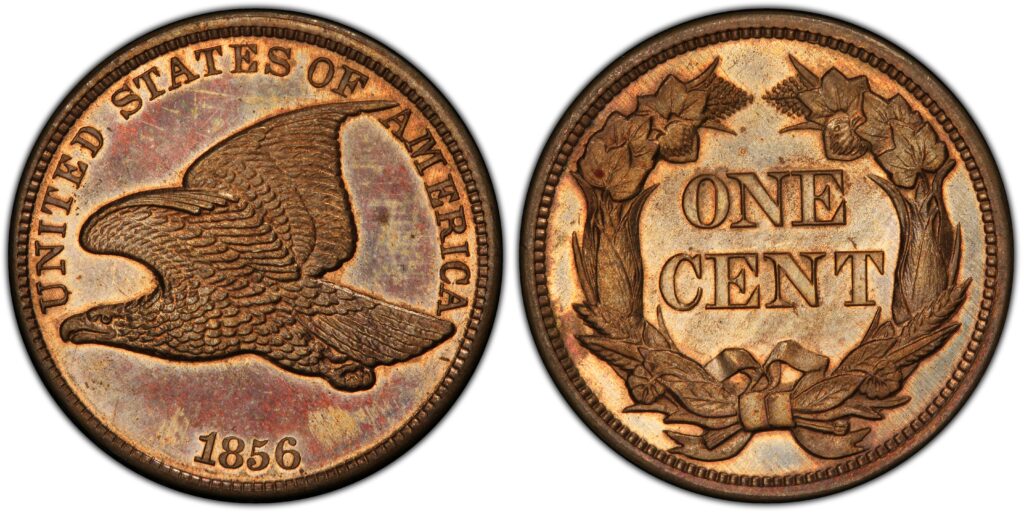
The 1856 Flying Eagle Cent was a short-lived design that only appeared for a brief period before being replaced with a different version. The coin was initially produced as part of an experiment to change the cent’s design and material. These coins are highly valuable today because of their rarity and significance in coin history. Depending on the condition, these coins can be worth anywhere from $10,000 to $200,000.
The Flying Eagle Cent was part of an effort to change the nation’s coinage to a smaller, more convenient design. After only a few years, the coin was replaced with a new design that would be used for decades. Today, the Flying Eagle Cent stands out for its historical role in American coinage. Its limited production and unique design contribute to its high value on the market.
1794 Flowing Hair Dollar
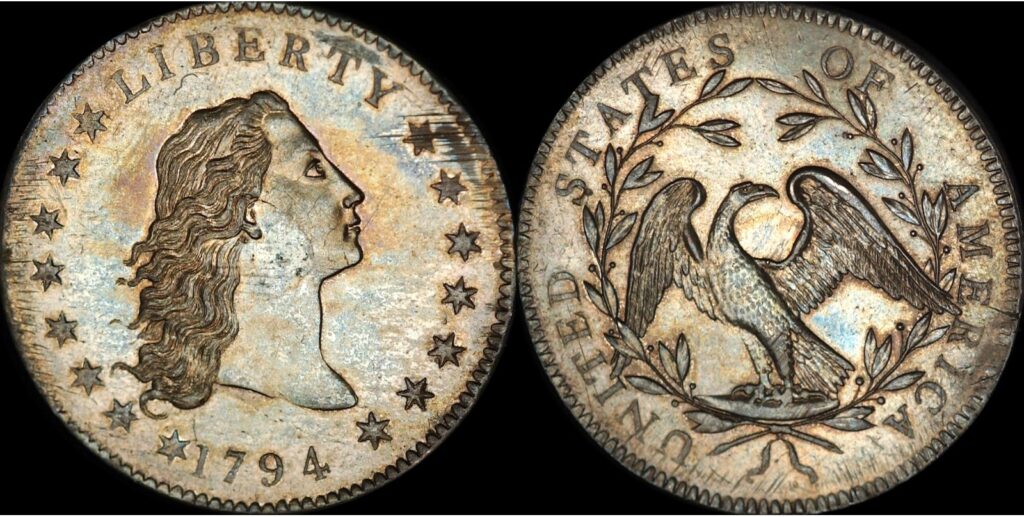
The 1794 Flowing Hair Dollar was the first silver dollar minted by the U.S. Mint, but its design was quickly revised due to issues with the depiction of Liberty. The coin was produced for just a year before a new design, the Draped Bust Dollar, replaced it. The rarity and historical significance of this coin make it highly desirable to collectors. Its market value has soared to over $10 million for the finest examples, making it one of the most expensive U.S. coins.
The coin’s design features a flowing-haired Liberty on the obverse, which was not well received. Due to its short production run, the 1794 Flowing Hair Dollar is one of the most coveted early American coins. It remains a symbol of the nation’s first efforts at producing large silver coinage. Collectors consider it one of the greatest treasures in the world of numismatics due to its historical and monetary value.
1911 Indian Head $2.50 Gold Coin
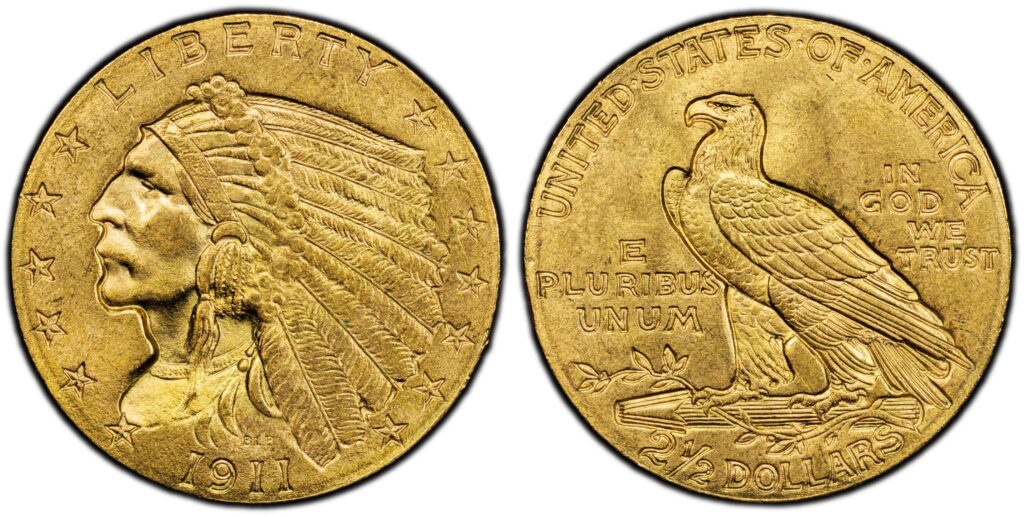
The 1911 Indian Head $2.50 Gold Coin is notable for its unique design, which quickly went out of production due to its complexity and difficulty in minting. The design, featuring a Native American chief on the obverse and an eagle on the reverse, was replaced by the more simplified versions in later years. This coin now stands out due to its limited production and striking design. The market value for well-preserved examples can range from $800 to over $20,000.
The quick shift in design was partly due to the challenges of minting the coin in such detail. The Indian Head Gold Coin continues to be highly sought after due to its bold, intricate artwork and limited availability. As one of the most beautiful gold coins in American history, it holds significant value in numismatic collections. Its rarity, combined with its stunning design, ensures its place as a standout in U.S. coin history.
1937-D Buffalo Nickel (Three-Legged Buffalo)
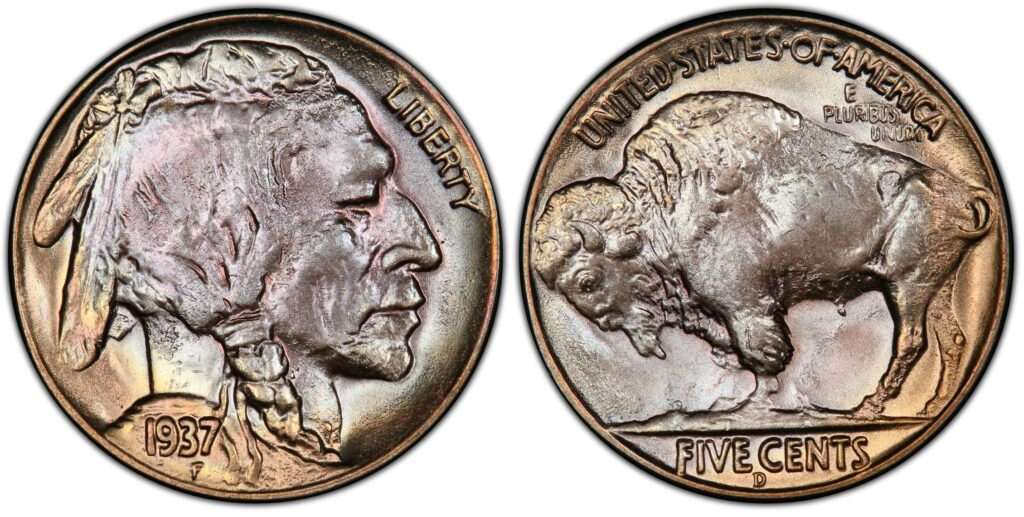
The 1937-D Three-Legged Buffalo Nickel is one of the most famous U.S. coins, notable for its accidental design flaw. The mistake occurred when one of the buffalo’s legs was missing from the reverse side of the coin. This error led to a very brief production run, making it incredibly rare and highly valued today. These coins can fetch prices anywhere from $1,000 to over $1 million depending on their condition.
This error was not intentional, and the design was quickly fixed, which is why only a handful of these coins were ever produced. Despite being a mistake, the coin’s rarity and uniqueness have made it a highly prized collectible. It is one of the most notable design flaws in American coinage. As a result, collectors pay a premium for this rare and highly sought-after coin.
1829 Capped Bust Half Dollar
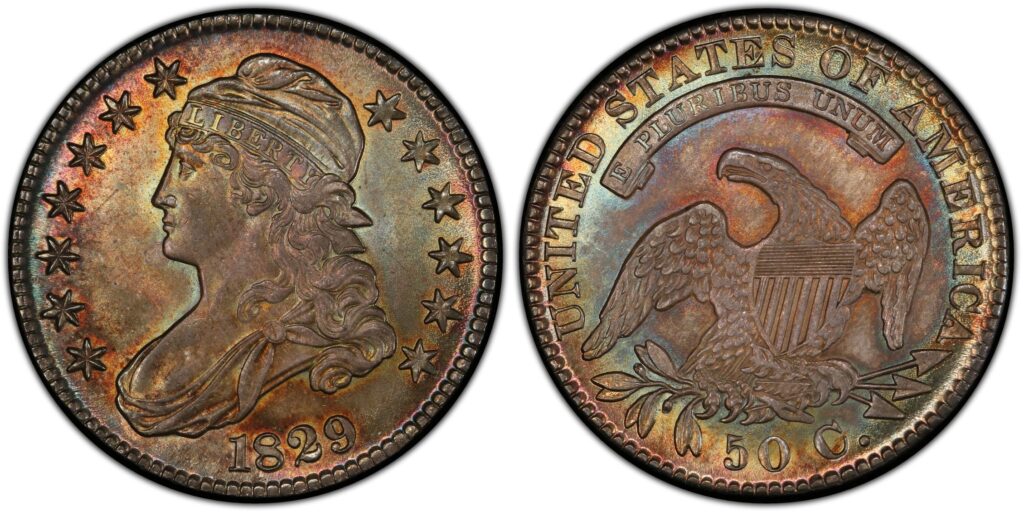
The 1829 Capped Bust Half Dollar is a key example of quick design changes in early American coinage. It was produced for a short period before being replaced with the next design in 1839. This half dollar features a distinctive design of Liberty wearing a cap, which was quickly changed after public feedback. These coins are highly valued, with prices ranging from $1,500 to $50,000 depending on the coin’s condition and rarity.
The design shift came as part of a broader effort to improve the accuracy and quality of U.S. coinage. The 1829 coin stands out for its historical role and its unique interpretation of Liberty. Its rarity and the historical significance of the coin contribute to its high value in the marketplace. Today, this coin is prized by collectors for its place in the evolution of U.S. coin designs.
1877 Indian Head Cent
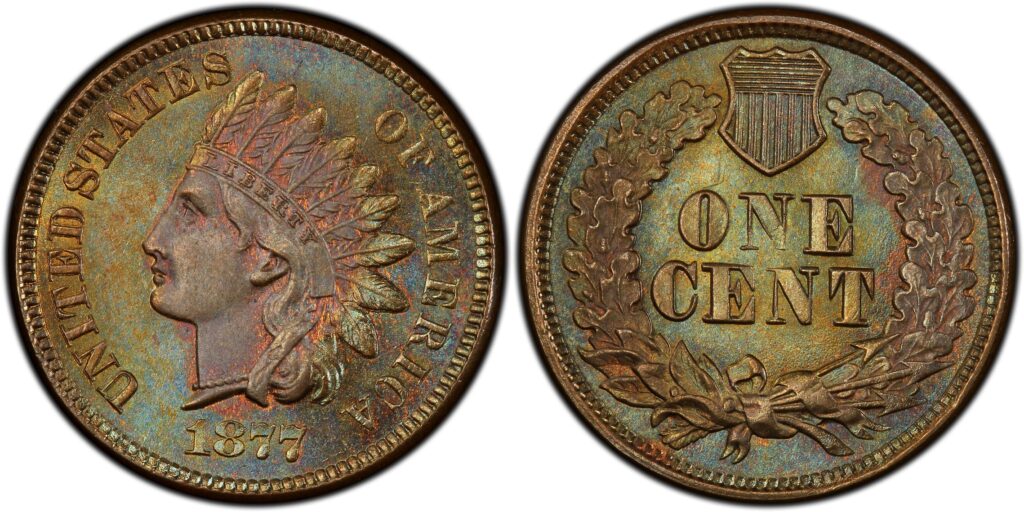
The 1877 Indian Head Cent was part of a brief run in the Indian Head series, with its design changing shortly afterward. The Indian Head design, featuring a profile of Liberty wearing a headdress, was replaced in 1909. The 1877 version of the cent stands out because it is among the first in the series and has become highly collectible. Prices for these coins can range from $500 to $10,000 or more, depending on the condition.
Though the Indian Head design was used for several decades, the 1877 coin is particularly sought after for its early production. The rarity of this specific year, combined with its significance in the series, makes it highly valuable today. Its iconic design and historical importance make it a key piece for any serious coin collection. The 1877 Indian Head Cent continues to attract numismatists who value its history and rarity.
1921 Peace Dollar
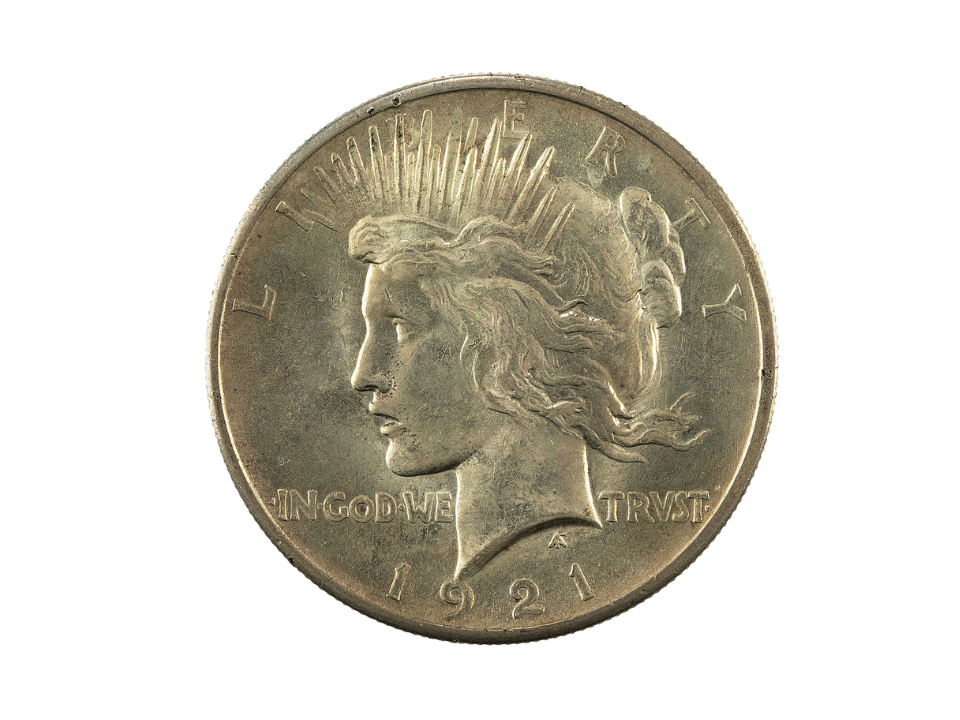
The 1921 Peace Dollar was a one-year-only design for this series of silver dollars, which was quickly replaced after a short run. The coin features a portrait of Liberty, and its design was intended to commemorate peace after World War I. Due to its brief production, this coin stands out among Peace Dollars, making it highly sought after by collectors. Its value can range from $500 to over $10,000 depending on the coin’s condition.
The 1921 Peace Dollar is particularly significant because it was the first coin of its kind to feature the word “Peace” on the reverse. Its design was only produced for a single year before being altered, adding to its rarity and importance. The coin’s connection to post-WWI peace and its distinct design makes it a standout in U.S. coinage history. Collectors often seek out this piece for its symbolism and limited production.
1909-S VDB Lincoln Cent
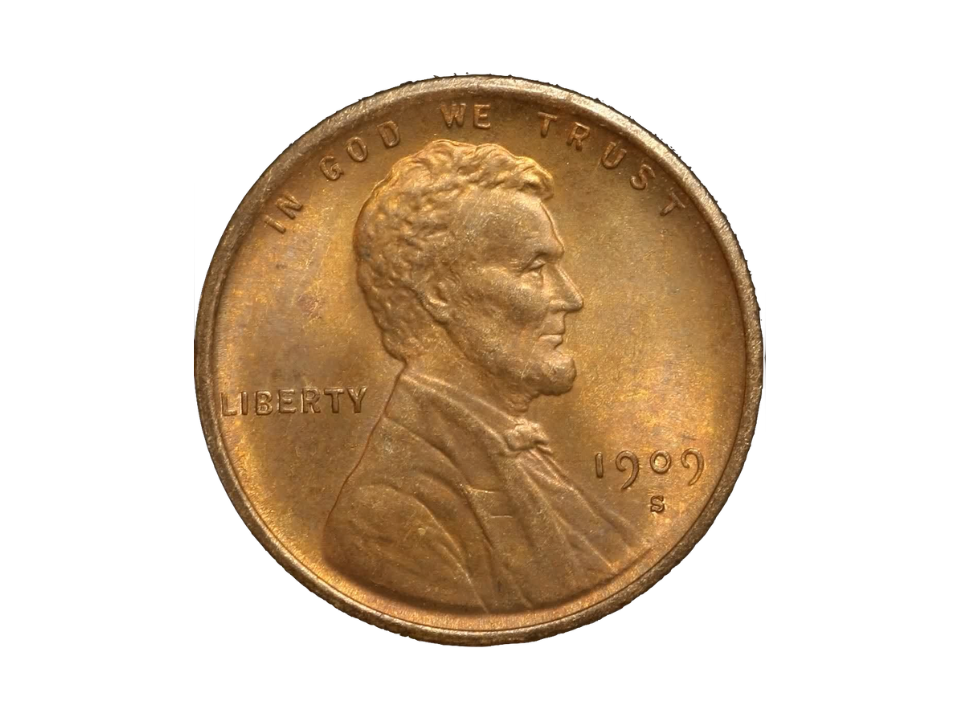
The 1909-S VDB Lincoln Cent is famous for its brief production run before the designer’s initials were removed from the coin. Created to commemorate the centennial of Abraham Lincoln’s birth, the design featured the initials of the engraver, Victor David Brenner, which caused controversy. The coins were quickly pulled from circulation and replaced with a different version. Today, this coin can fetch upwards of $100,000 for high-grade examples.
The 1909-S VDB Lincoln Cent was intended to honor Lincoln, but the public backlash against the initials led to its swift redesign. Despite its short circulation, the coin is now one of the most valuable and sought-after in American history. Its rarity and the controversy surrounding the design give it a unique place in coin collecting. This coin remains a prized possession for collectors who appreciate its historical significance and scarcity.
This article originally appeared on Avocadu.