
15 Old Typewriters Collectors Want and the Brands to Know
Old typewriters have a way of pulling you in with their clacking keys, metal frames, and worn logos that hint at long finished stories. When you start looking closer, you quickly see that certain brands come up again and again on collector wish lists. Names like Royal, Underwood, Hermes, and Olivetti show up at flea markets, estate sales, and online listings, each with its own style and quirks. Some machines feel like they belong on a writer’s desk, while others look more like small pieces of industrial art on a shelf. Learning which brands to watch for can help you spot a hidden gem instead of walking past it.
This post may contain affiliate links, which helps keep this content free. Please read our disclosure for more info.
Underwood Standard No. 5
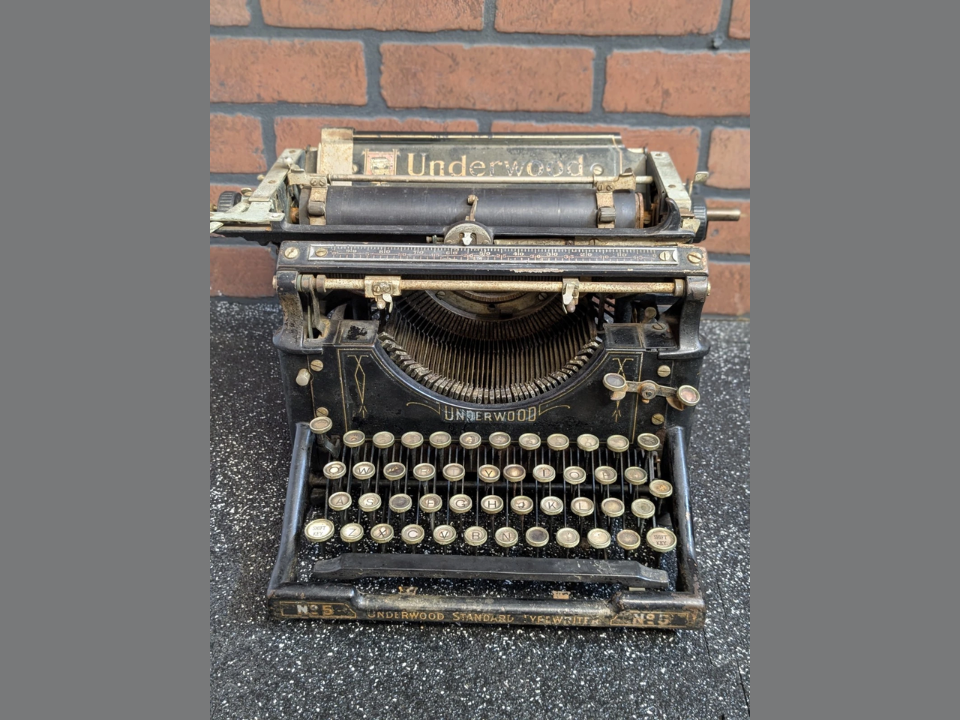
The Underwood Standard No. 5 is one of the classic office machines that collector’s picture when someone mentions an old typewriter. Built by the Underwood Typewriter Company, it introduced the front strike design that let typists see their words as they appeared on the page, which quickly became the industry standard in the early twentieth century. You can recognize it by the tall open frame, semicircle of type bars, and the big Underwood logo across the paper table, all of which create strong visual presence on a shelf or writing table.
Typical examples in average but presentable condition often sell in the range of about $50 to $150, especially if the keys work and the decals still show well. Fully serviced or near mint machines with glossy paint and clean cases can move toward $300 to $400, and exceptional showpieces sometimes reach higher when offered through specialty dealers.
Hermes 3000
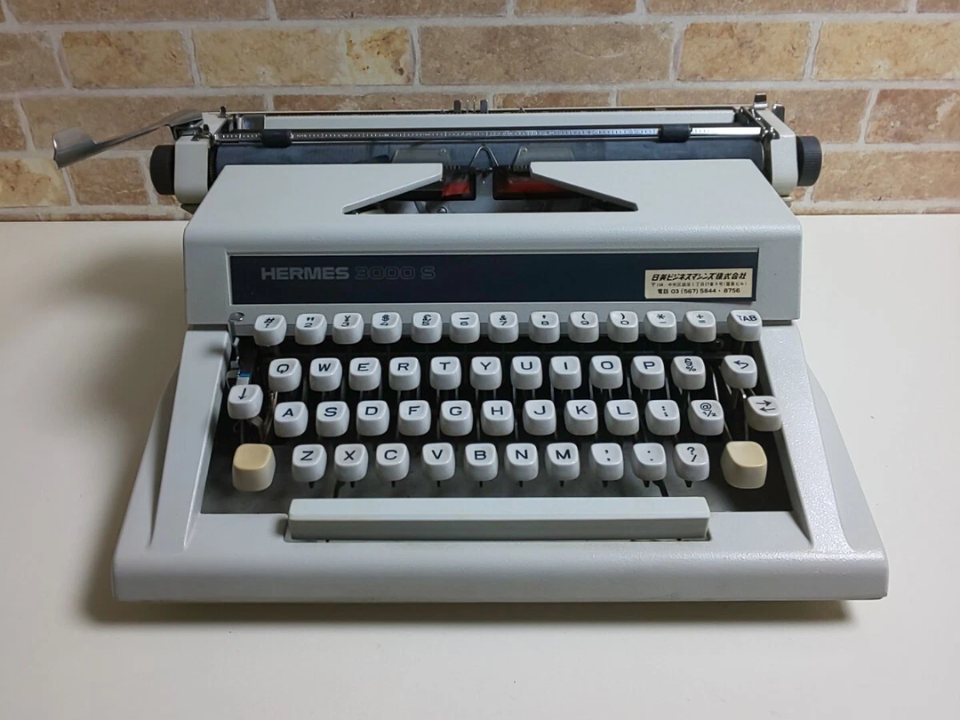
The Hermes 3000 from Switzerland has a reputation among collectors as one of the smoothest mid-century portable typewriters to use. Produced by Paillard from the late 1950s onward, it came in a soft green color with rounded lines that give it an instantly recognizable look in photos and on shelves. The keyboard has a light, springy feel that many writers enjoy for longer sessions, and the carriage return lever folds neatly for storage in its case. Collectors also like the clever touch controls such as adjustable key tension and paper guides, which show how much attention went into everyday usability.
Refurbished Hermes 3000 machines from specialist shops are frequently listed in the ballpark of $1,500 or more, especially when fully serviced and sold with a guarantee, while some retail in the high hundreds from other vendors. On general resale sites, you can still find working examples more in the range of about $300 to $700, with heavily used or serviced machines closer to the lower end. Because of that mix of writing feel, looks, and scarcity in some regions, collectors often treat a nice Hermes 3000 as a long-term keeper rather than a machine they flip.
Royal Quiet De Luxe
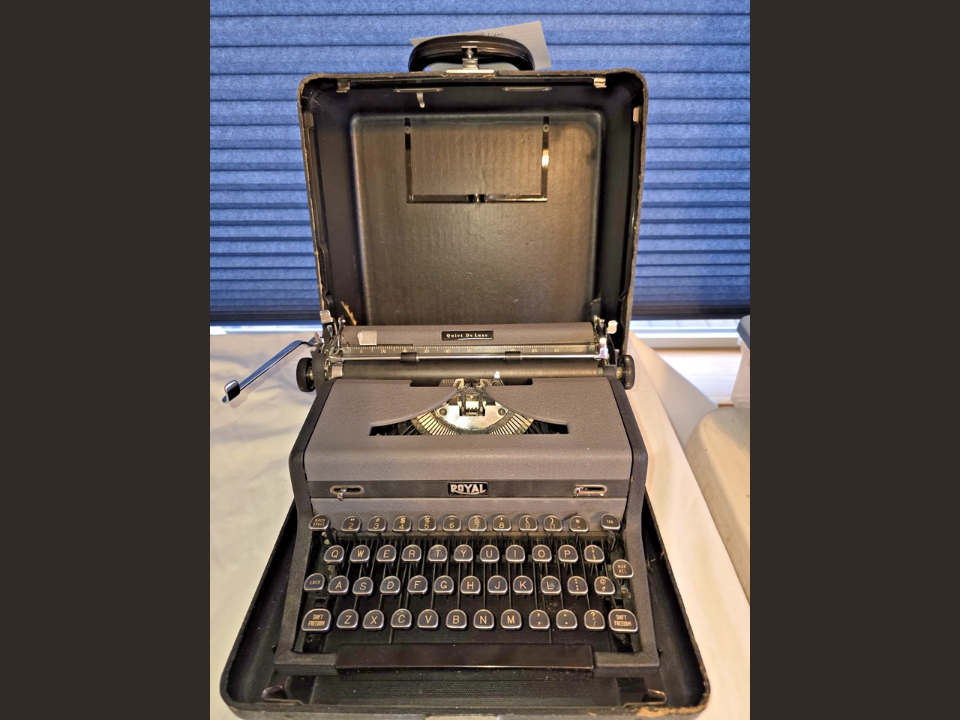
The Royal Quiet De Luxe is a portable model from Royal Typewriter Company that many collectors chase for both its celebrity connections and its workhorse build. It gained fame in part because author Ernest Hemingway is strongly associated with Royal portables, and the Quiet De Luxe line picked up that aura for later generations. The machine itself has a compact body with rounded corners, comfortable keys, and features like a paper support and margin release that make regular writing feel smoother.
On resale sites, it is common to see Quiet De Luxe machines priced around $100 to $250 when they are clean and working, with particularly desirable colors or professionally serviced examples reaching $300 or more. Rougher machines that need repair can show up closer to $60 to $100, which sometimes appeals to tinkerers who like learning basic adjustments.
Olivetti Lettera 22
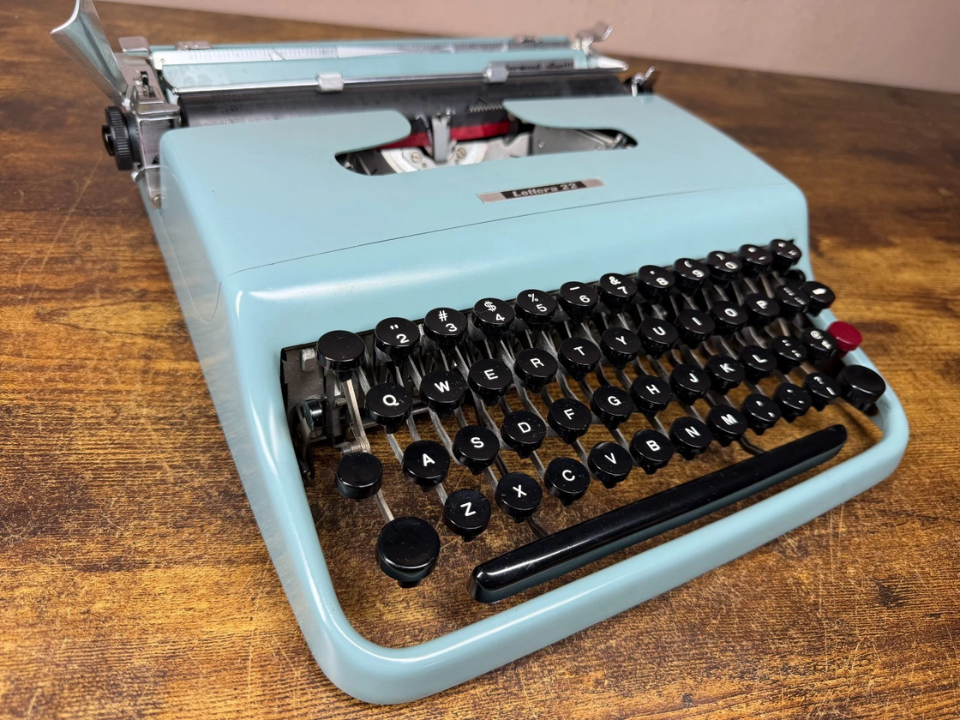
The Olivetti Lettera 22 is a light portable from Italy that combines modernist styling with practical travel size. Produced by Olivetti in the early 1950s, it won design awards and became a favorite companion for journalists and writers who needed a machine that could slip into a bag. Its low-profile body, rounded keytops, and soft color schemes give it a gentle look that still feels contemporary on a writing desk. Collectors like that it feels sturdy enough for regular use while remaining light and compact compared with older office standards.
Recent listings for Lettera 22 machines on major resale sites show working examples with cases in the rough range of $150 to $350, depending on condition, layout, and whether the seller has cleaned and tested the machine. Bargain hunters sometimes find fewer tidy examples under $150 that need new ribbons and internal cleaning, while fully refurbished units from specialist shops can climb higher.
Olympia SM3
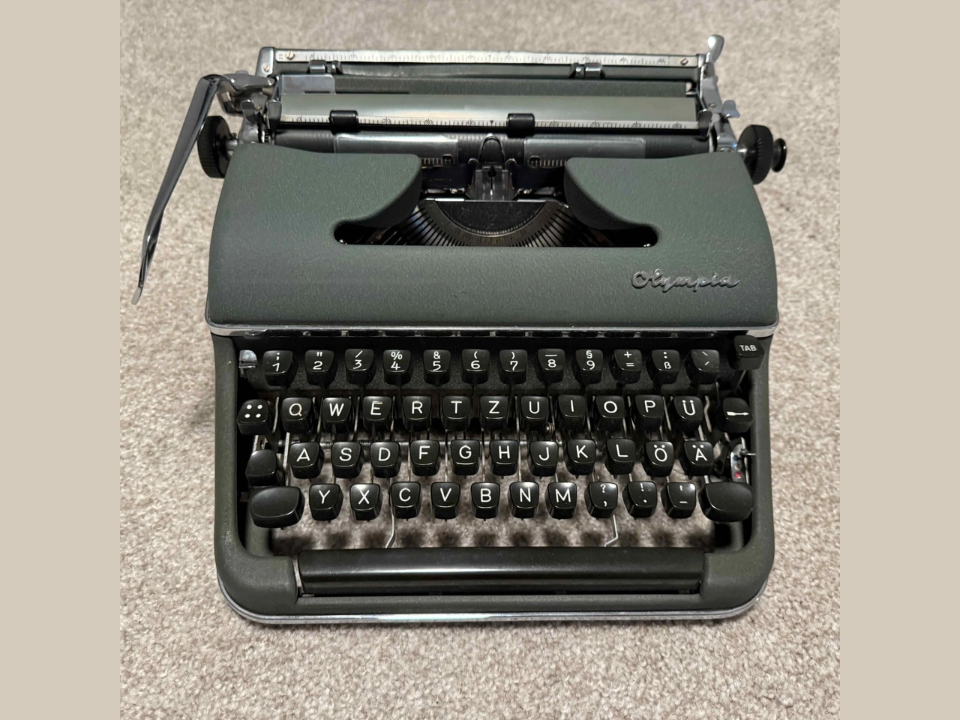
The Olympia SM3 from West Germany has built a reputation among collectors as a sturdy mid-century portable that feels almost like a small office machine. Produced by Olympia Werke in the 1950s, it has a heavy body, crisp key action, and a carriage that moves with a confident, solid glide. The segment shift design gives it a nice light touch despite its weight, which many daily typists appreciate for long sessions.
On auction platforms and resale sites, SM3 models in good working order commonly appear in the range of about $120 to $250, with nicely restored or especially clean examples sold by specialists sometimes going from roughly $300 upward. Machines that need more work or have rough cosmetic issues can sit closer to $80 to $120, which suits tinkerers who like a solid platform for learning repairs.
Smith Corona Silent Super
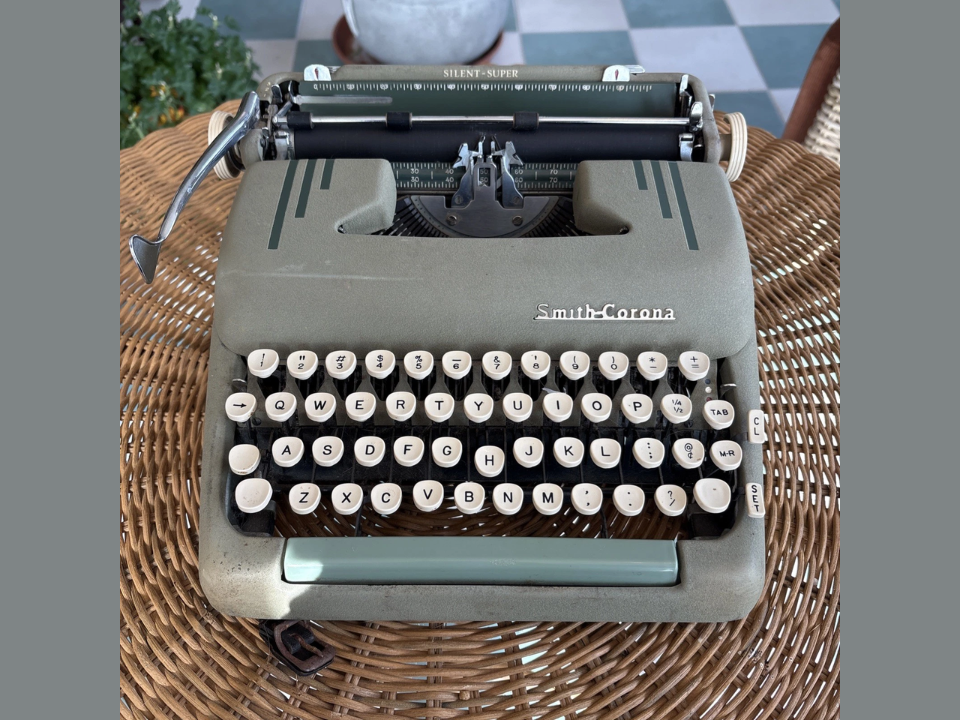
The Smith Corona Silent Super is a mid-century American portable that many people recognize by its soft green finish and rounded body. Built by Smith Corona in the 1950s, it was marketed to students and home users who wanted a quiet machine that could still handle serious writing. Collectors like the gentle touch of the keys, the pop up paper support, and the quiet sound compared with earlier clattering standards.
The Silent Super also comes in a variety of color combinations, and unusual shades or two tone finishes can attract extra attention. On online marketplaces and in vintage shops, you will often see serviced or very clean Silent Super machines listed somewhere around $200 to $350, with some specialty dealers pricing outstanding examples even higher. Rougher unrestored units found at flea markets or estate sales can fall more in the $80 to $150 range, especially if the case is worn or the platen has hardened.
Olivetti Valentine
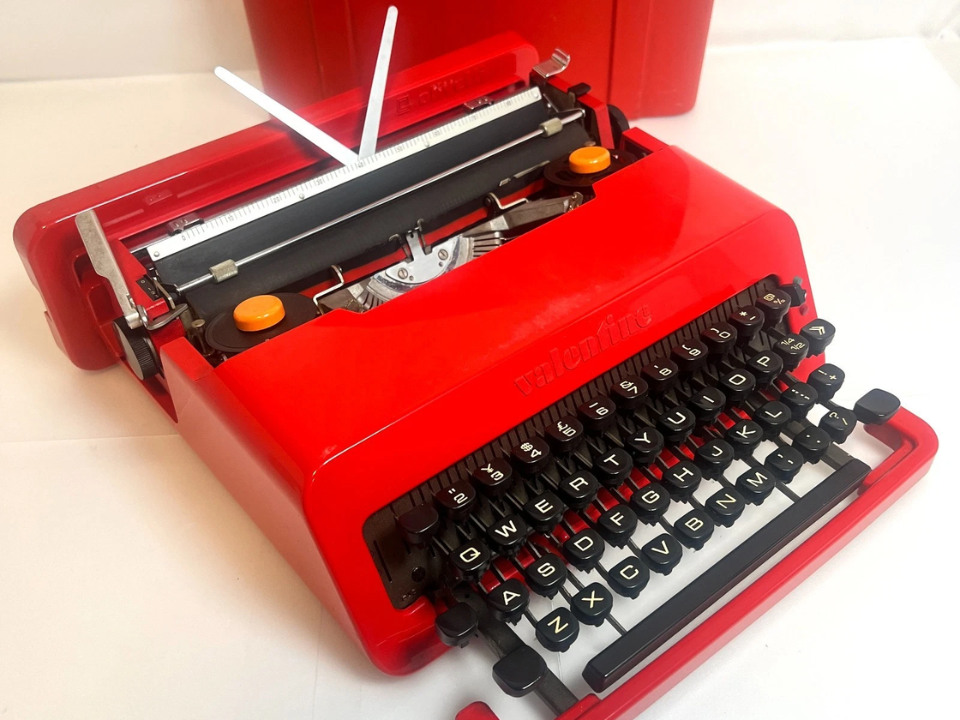
The Olivetti Valentine is a design icon that stands out immediately thanks to its bright red plastic body and matching carry case. Introduced in 1969 and designed by Ettore Sottsass and Perry King for Olivetti, it was meant as a fun portable machine that could be used anywhere, from a student dorm to a park bench. Functionally it is not the quietest or most refined writer, yet its looks and cultural presence keep demand strong among typewriter fans and design collectors.
On auction and vintage design sites, Valentine machines often appear in a rough range of $700 to $1,200 when they are complete, clean, and working, with some rare color variations and mint examples commanding even more. Machines that show yellowing, cracks, or missing parts can still sell around $400 to $600 because of the model’s name and design history.
Corona 3 Folding

The Corona 3 folding typewriter is an earlier portable that dates back to the 1910s and 1920s and still feels charming today. Made by Corona Typewriter Company, it features a folding carriage that swings over the keyboard so the machine can pack into a small case for travel. War correspondents and traveling salespeople used this model for letters and reports, which gives it extra historical flavor for collectors. The three bank keyboard with shift for numbers looks unusual compared with later four row designs, yet it remains very usable once you adjust.
On resale sites and in collector groups, functional Corona 3 machines with cases frequently change hands in the rough range of $150 to $300, with some very tidy examples or rare finishes reaching higher prices. Bargain finds below $150 do appear, especially when the machine needs new ribbon, platen work, or basic cleaning. For collectors who enjoy early portable engineering and want a compact machine with real historical stories behind it, the Corona 3 folding is a standout choice.
IBM Selectric I
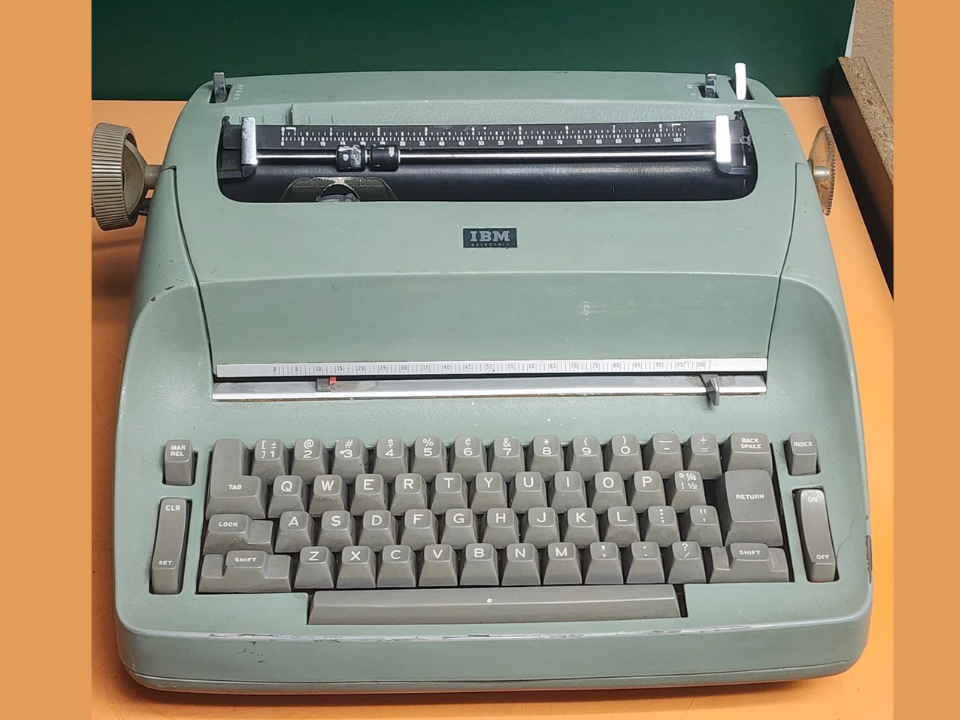
The IBM Selectric I is an electric office typewriter that changed how many businesses worked in the 1960s, and today it draws collectors who like mid-century office technology. Introduced by IBM in 1961, it replaced traditional type bars with a rotating typeball element that could be swapped to change fonts. The smooth electric action allowed fast, steady typing and made this machine a standard feature in offices around the world for decades.
On auction sites, working Selectric I machines often list around $150 to $300, while rare colors or professionally refurbished examples can go higher. Nonworking units meant mainly for display sometimes sell under $150, especially when shipping costs are high because of the machine’s weight. For someone building a collection that moves from manual to electric and then to early digital, a Selectric I provides a strong visual and mechanical link.
Olympia SM9
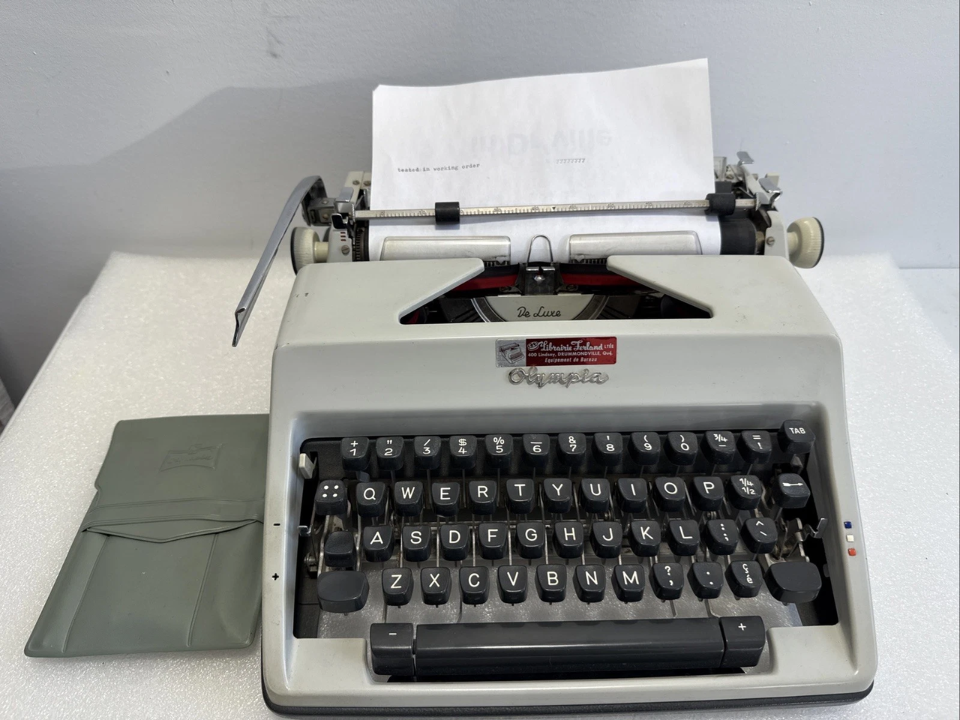
The Olympia SM9 is a later portable that shows how refined manual typewriters became by the 1960s. Built by Olympia as a successor to the earlier SM series, it kept the solid metal frame and crisp type action while adding small updates such as improved keytops and paper guides. Collectors praise its reliability and the clean typeface options that make pages look neat for long manuscripts or correspondence.
The carriage runs quietly and the segment shift system keeps the touch light, which suits writers who spend long hours at the keyboard. On resale sites, working SM9 machines with decent cases are often listed in the neighborhood of $150 to $300, with fully serviced or exceptionally clean examples sometimes offered higher. Rough or untested units that still power collectors’ curiosity but need work can appear closer to $100 or less.
Smith Corona Sterling
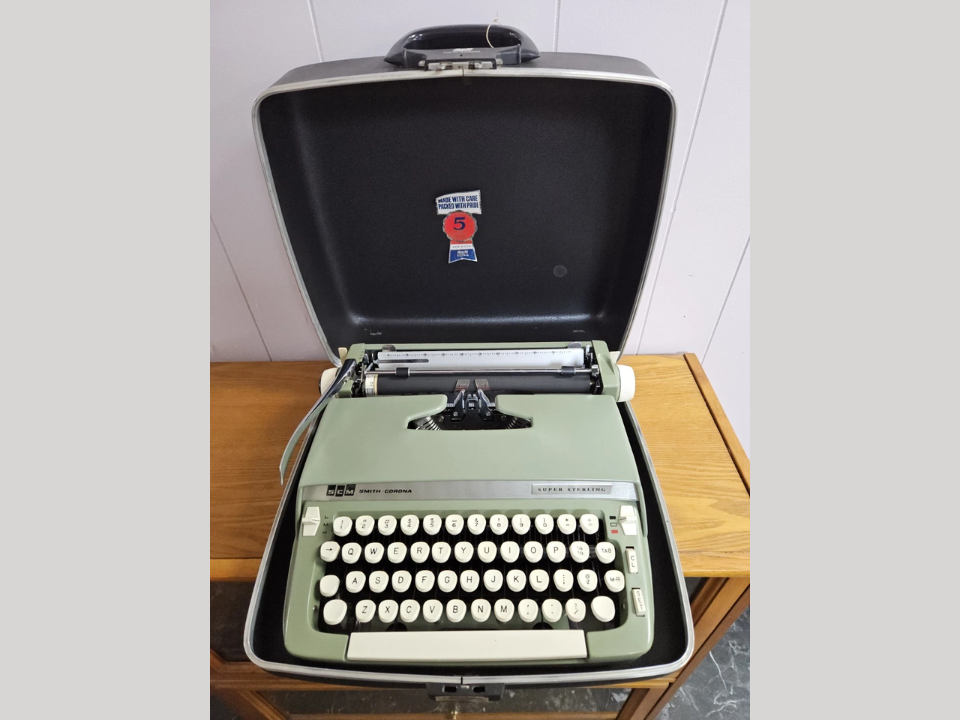
The Smith Corona Sterling is a portable line that spans several decades, though collectors often focus on the curvy mid-century models with glass keytops or smooth plastic shells. These machines show up frequently in classic black, maroon, or smoky gray finishes and share similar mechanics with the better known Silent and Silent Super lines. The Sterling usually has a lighter feel than some big office standards, which appeals to writers who want something easier to carry yet still solid on the table.
On the resale market, mid-century Smith Corona Sterling machines in nice cosmetic shape and working order commonly sell somewhere around $150 to $275, depending on color, keyboard layout, and whether they have been serviced. Earlier glass key examples or unusually clean pieces from specialty shops can push into the $300 to $400 range. Rough or dusty Sterlings with stiff keys or missing cases may still trade under $120 for those who enjoy restoring machines.
Remington Portable No. 5
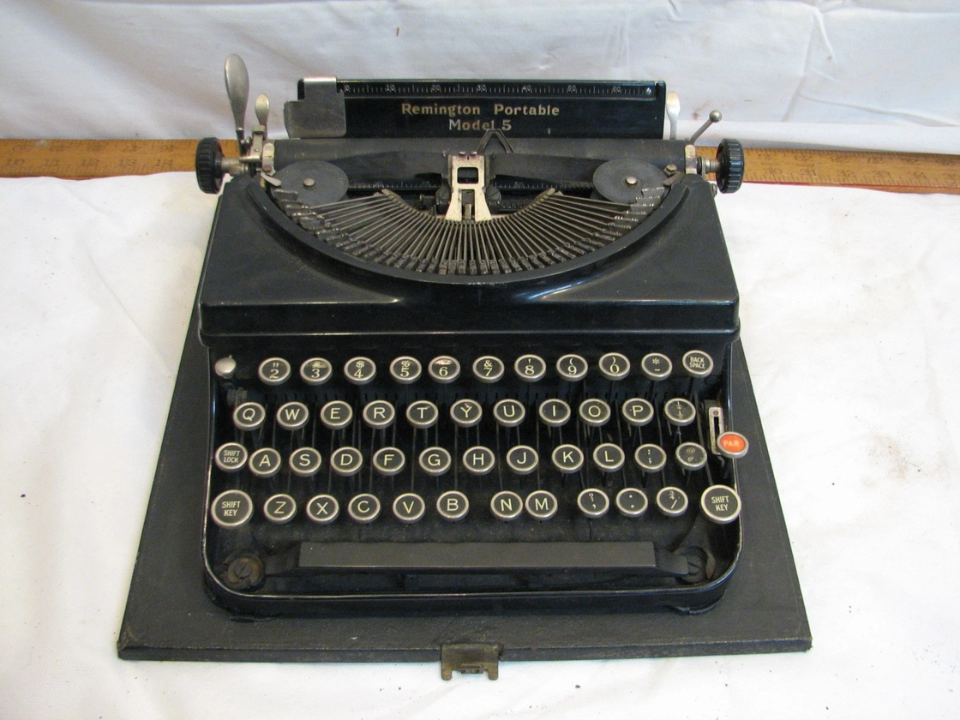
The Remington Portable No. 5 is a compact manual typewriter that carried the Remington name into the travel and student market during the 1930s. It continued the portable line that began with earlier Remington portables, offering a folding typebar mechanism that kept the machine low and easy to store in a case.
Some examples feature attractive color finishes or special decals, which can increase collector interest beyond the basic black models. On auction and resale sites, Remington Portable No. 5 machines in working condition often sit roughly in the $150 to $300 band, with special colors or fully serviced examples sometimes reaching $350 or more. Rougher machines that need mechanical work can sell under $150, which may still feel reasonable to collectors who want this specific design for their shelves.
Adler Tippa
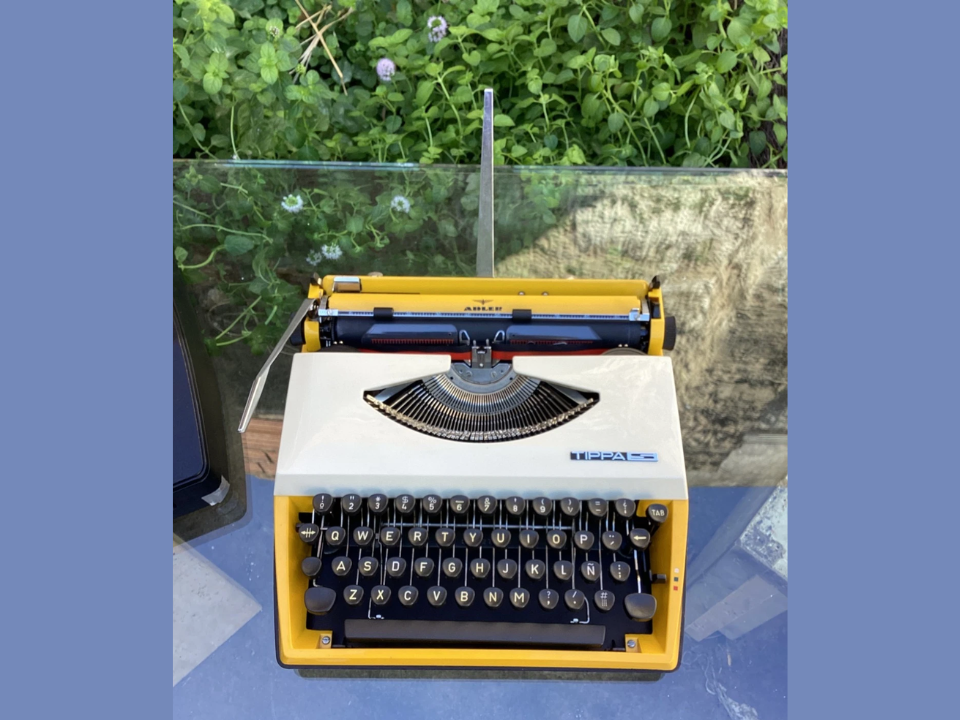
The Adler Tippa is a slim portable typewriter from Germany that was designed to be lightweight and easy to carry, perfect for students and travelers. Its flat body and simple key layout make it look almost like a mechanical laptop from an earlier era, which adds visual interest for collectors. The Tippa line went through several design updates, with some versions sold under the Triumph Adler name in later years, so collectors enjoy tracking different badges and shells.
On specialist typewriter retail sites, professionally serviced Adler Tippa machines can appear at prices from roughly $500 to $800 or more, especially for examples in excellent cosmetic condition and with fresh ribbons and cases. On general marketplaces, working but unrestored Tippa machines often land closer to $150 to $300, depending on layout and color.
Erika Model 5
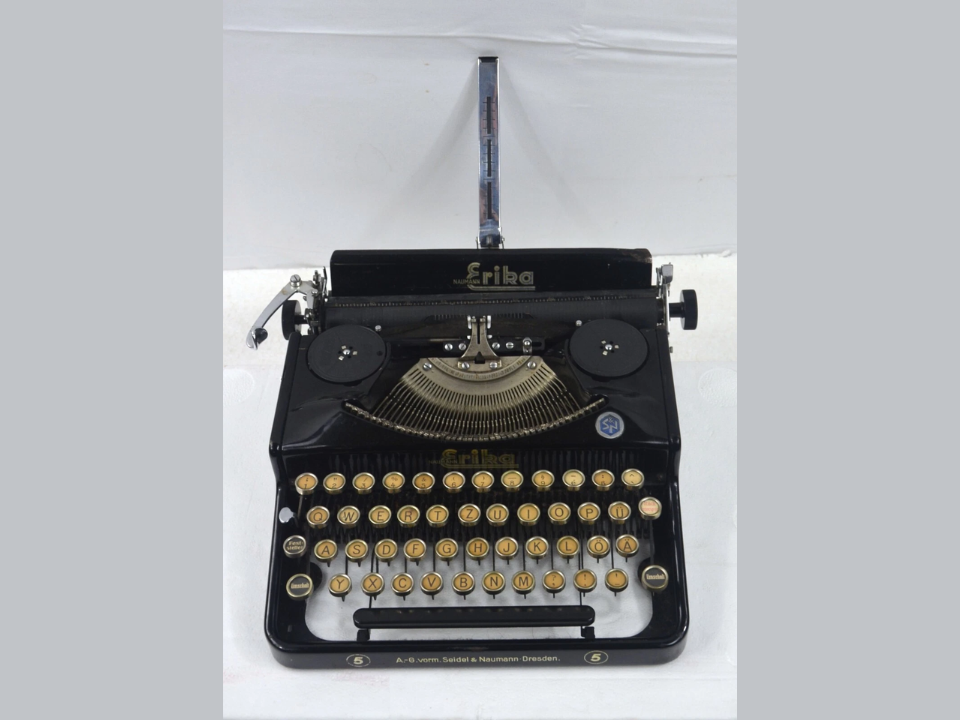
The Erika Model 5 from Seidel and Naumann in Germany has become a favorite among collectors who enjoy prewar European standards and portables. Made in the 1930s and 1940s, it often features glossy black paint, glass keytops, and a compact yet solid frame that looks elegant on a desk. Collectors talk about the smooth typing feel and the sense of quality that comes from the well finished metal parts and neatly printed key legends.
Some rare variants, such as gold painted versions or machines in special colors, generate intense interest and command high prices when they appear. On design and vintage retail sites, fully serviced Erika 5 machines often list from around $600 to $1,700, while some rare special finishes reach even higher. In enthusiast groups and casual listings, more ordinary but still functional examples sometimes sell closer to $200 to $400, especially if they show wear or need basic cleaning.
Royal Futura 800
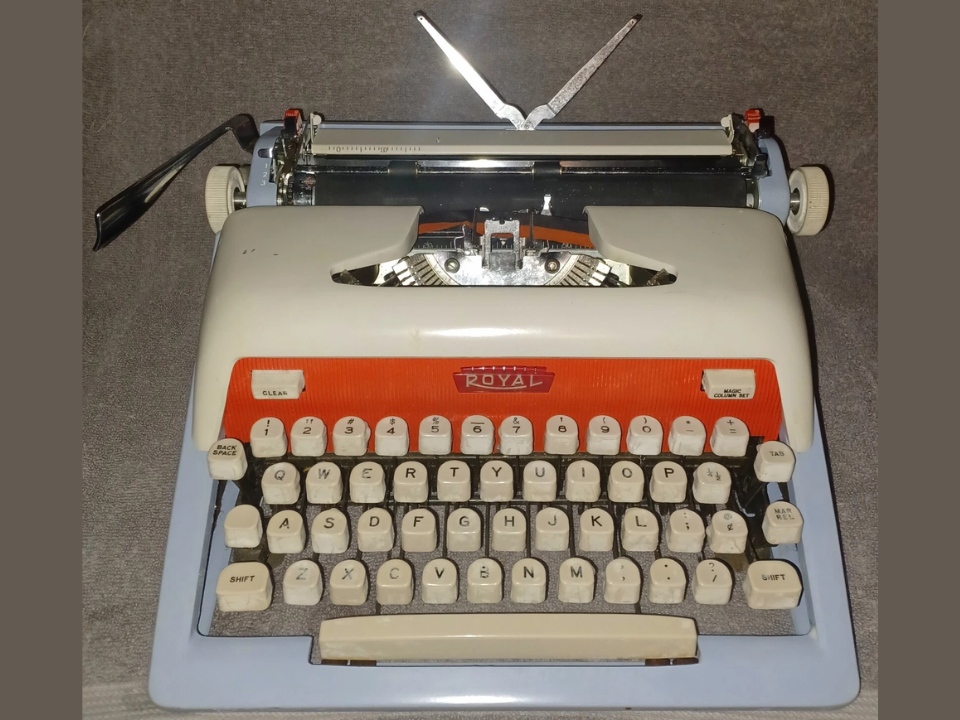
The Royal Futura 800 is a late 1950s portable that reflects the space age styling trends of that era with its rounded shell and pastel finishes. Produced by Royal from about 1958 to 1962, it was marketed heavily to students and families, appearing in print ads that stressed modern looks and convenience. Collectors like the curved plastic shell, comfortable keyboard, and the way the machine seems to float slightly above the table on its small feet.
Historical ads show the original selling price around $125 in 1960, and inflation calculators place that at roughly $1,000 in modern money, which helps explain why nicely preserved examples still feel special. On today’s market, Futura 800 machines in good working shape typically sell somewhere around $150 to $300, while recently serviced or especially clean examples from specialty shops can reach $400 or more.
This article originally appeared on Avocadu.