
10 Old Fishing Lures Collectors Still Pay For
Fishing lures are clever creations that help anglers catch their prey by imitating the behavior of fish food. Many vintage lures, with their intricate designs and craftsmanship, have become highly valuable to collectors. Some of these lures are prized for their rarity, age, and historical significance.
This post may contain affiliate links, which helps keep this content free. Please read our disclosure for more info.
Heddon Dowagiac Wood River Runt
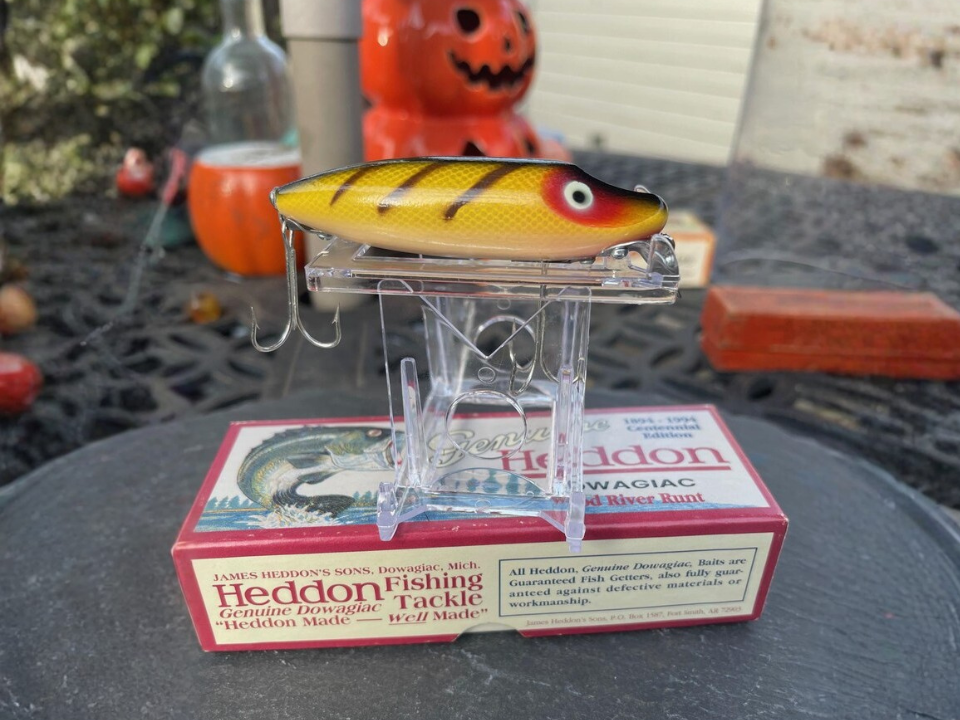
The Heddon Dowagiac Wood River Runt was made by the Heddon company in the 1930s from polished wood with metal hardware. Designed to imitate a small fish, this lure was built to offer a smooth swimming action that attracted a variety of fish species in both rivers and lakes. Collectors highly value this vintage lure for its rich patina, age, and role in the development of early sport fishing. Well-preserved examples with their original paint can typically be worth around $150 to $300.
When examining this lure, you’ll notice the fine wood grain underneath the original finish, and the sturdy metal split rings are still intact. Many of these lures were made in limited batches before the widespread use of modern plastics. Despite the years, the hooks and eyelets often remain unchanged, which adds to their collectible appeal. Rare versions with unique color patterns can fetch prices as high as $500 at auctions, especially among dedicated collectors.
Creek Chub Pikie
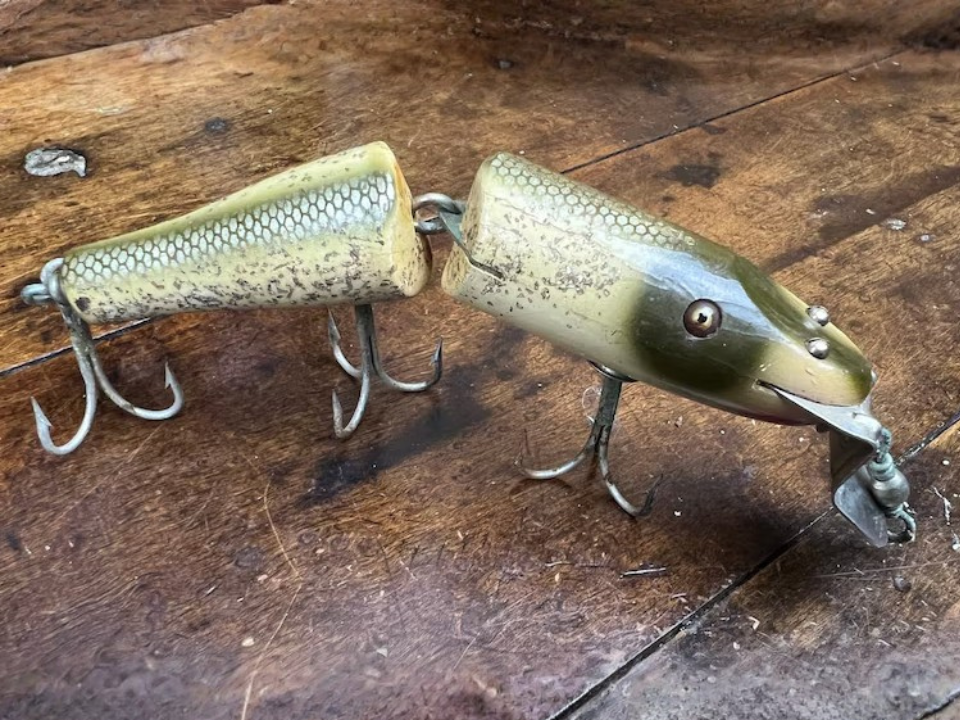
Creek Chub introduced the Pikie in the 1920s, and it became widely popular due to its carved wood body and distinctive flat tail design. This lure was intended for both casting and trolling, making it a versatile choice for anglers looking to catch various fish species. Its ability to swim with a lifelike action under the water’s surface made it a favorite among collectors. The value for well-preserved Pikies ranges from $80 to $200, with rarer versions fetching more at auctions.
The wood body of the Pikie gives it a warm appearance that continues to attract collectors due to its vintage look. The company’s name is often stamped on the belly, which helps verify authenticity. The original metal hardware and paint add to its allure, especially when the hooks are still intact. Certain rare color variants or sizes can command even higher prices, particularly those produced during the earlier runs.
Pflueger Pal O’ Mine Spoon
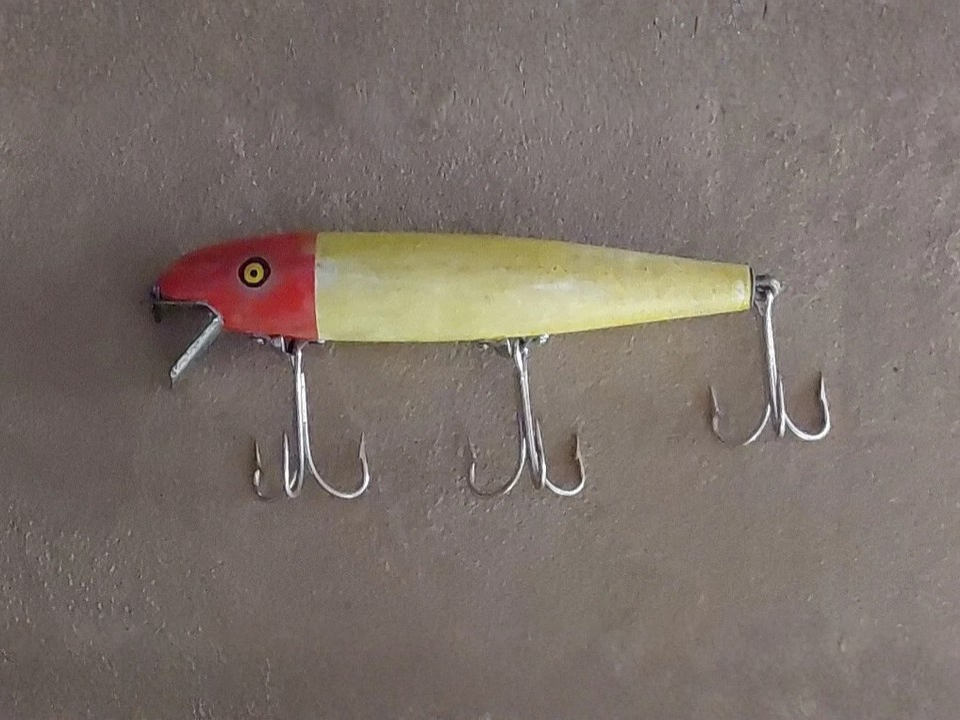
The Pal O’ Mine spoon, created by Pflueger in the 1930s, is a metal lure with a polished finish designed to flash enticingly in the water to attract fish such as trout and bass. The fluttering action it produces while being reeled in quickly gained popularity among anglers. Its design and durable construction make it a favorite among collectors, with a typical market value of $30 to $80 for a well-preserved version. The appeal lies in both its vintage look and its effectiveness in the water.
The stamped name on the back of the lure makes it easier to verify its authenticity and date of production. Many of these spoons were used extensively, which adds character and a sense of history. The value increases when the original hook is still intact and in good condition.
Lazy Ike Wooden Lure
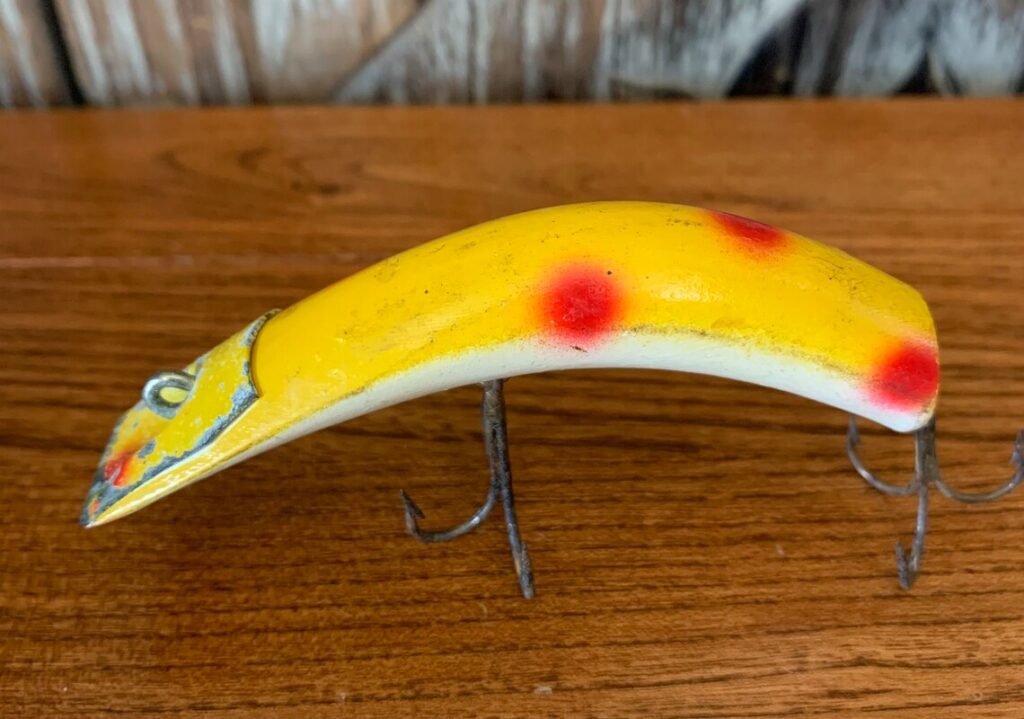
Produced by Ike’s Lure Company in the 1920s, the Lazy Ike was carved from hardwood and had a gentle rolling action that made it highly effective for attracting walleye and pike. The lure’s curved shape and reflective finish allowed it to move naturally through the water, enticing fish with its realistic action. Collectors appreciate the Lazy Ike for its nostalgic appeal and historical value, with prices typically ranging from $100 to $250 for well-maintained models.
The wood grain beneath the original finish is often visible, giving the lure a unique and rustic look. Many collectors seek examples with original paint that still shows depth of color, as this enhances the lure’s aesthetic appeal. The metal fittings, especially those showing age without corrosion, add to the lure’s charm. Some rare color schemes or versions from limited production runs can significantly increase its market value.
Paw Paw Bait
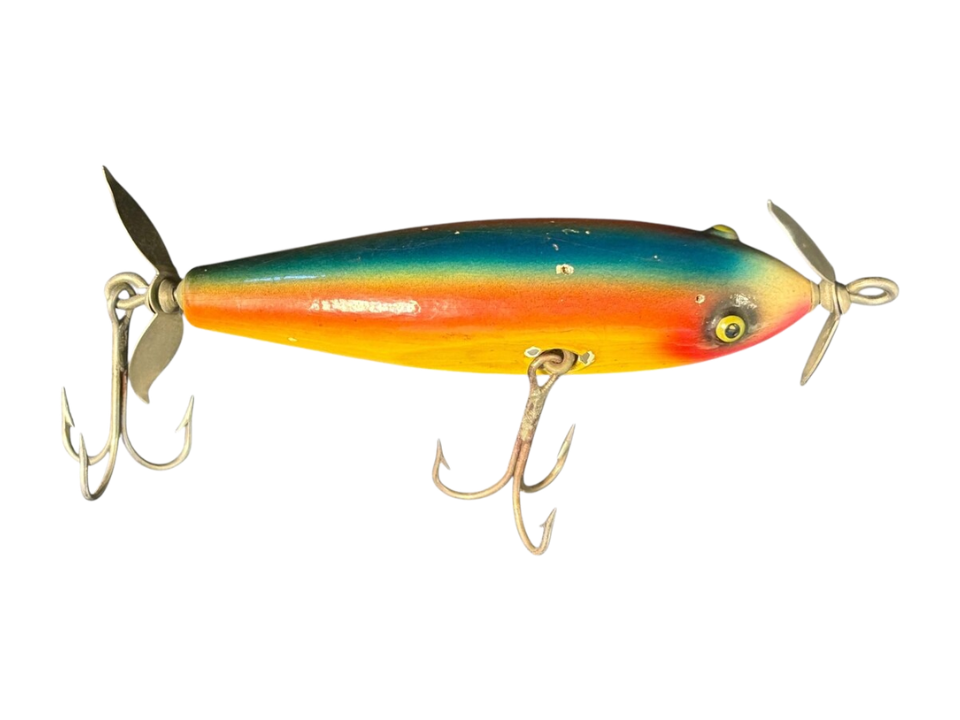
Made by the Paw Paw Bait Company in the early 1900s, the Rattle Bait is a metal lure designed to make noise and movement in the water, attracting fish with its sound and flutter. Its unique rattle and the construction from durable metal make it an interesting collectible for enthusiasts of vintage fishing gear. The price for good examples of the Rattle Bait typically ranges from $80 to $200, depending on the condition and originality.
Collectors enjoy seeing the original rattles inside the body, as the sound they create is still audible in many vintage pieces. The shiny metal body, even after decades, remains attractive, showing the durability of its construction. Many examples have survived due to careful storage by anglers who appreciated their effectiveness. Lures with intact sound chambers and hooks tend to fetch a higher price among collectors.
Arbogast Hula Popper
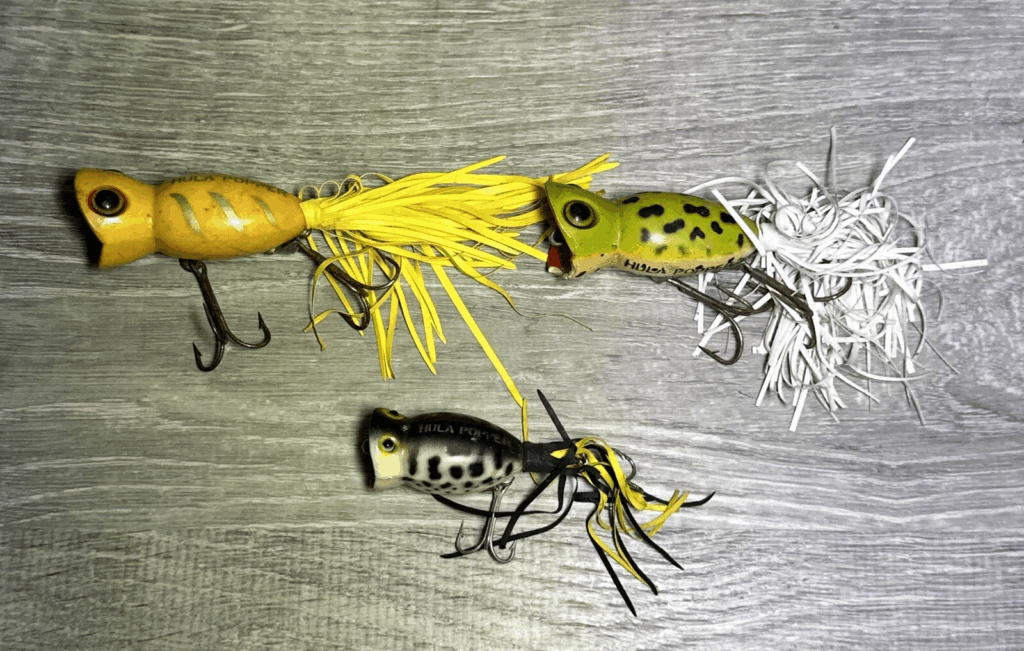
The Arbogast Hula Popper, introduced in the 1940s, was designed with a concave front that creates a popping sound on the water’s surface. This action made it highly effective for attracting topwater species such as bass. Collectors highly value the Hula Popper due to its unique design and effectiveness, with examples in good condition fetching prices between $120 and $300. The lure’s attractive sound and movement continue to make it a favorite in vintage lure collections.
The original design and bright colors make it a stand-out in any collection, especially when in good condition. Some early versions with rare color patterns can increase in value at auctions. The lure’s historical significance, combined with its continued effectiveness in fishing, makes it a desirable collectible.
Husky Jerk
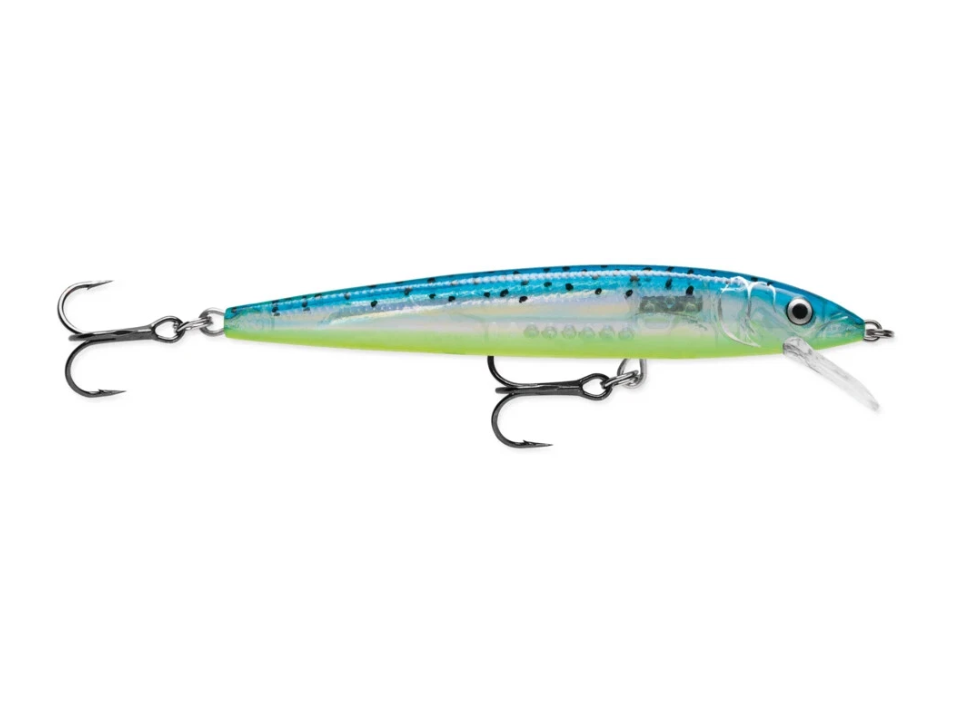
The Husky Jerk, produced by Creek Chub in the 1930s and 1940s, was designed with a lipless body to give it a darting action under the water. Its wood body and metal hardware helped it to attract fish, especially bass, and other large game species. Today, collectors highly value the Husky Jerk for its reliable performance and its collectible status, with good examples selling for $100 to $250. The lure’s durable construction and distinctive look continue to make it desirable among vintage lure collectors.
The lure’s unique shape and action are key features that set it apart from other models produced during the same time. Some rare colors or versions with limited production can increase its value in the market. The lure’s ability to still attract fish while being a prized collector’s item makes it a valuable find.
Pflueger Perch Jig
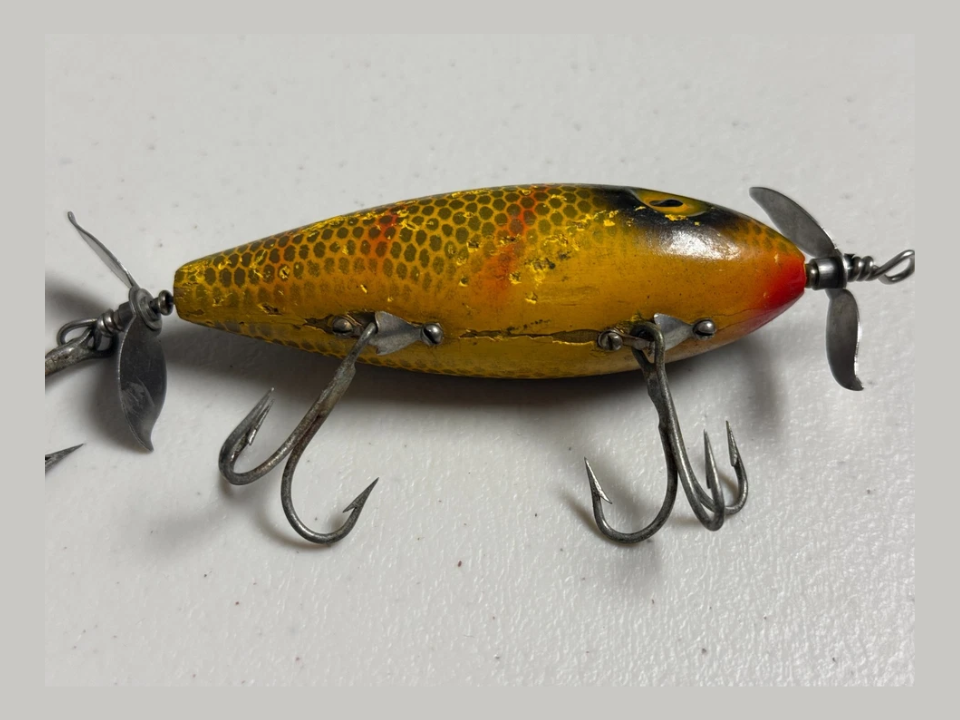
Pflueger’s Perch Jig, produced in the 1930s, is a small, brightly painted metal lure that was designed to mimic small baitfish or insects in the water. Its small size and lively action made it ideal for catching panfish and trout. Collectors value the Perch Jig for its vintage appeal and the variety of finishes it came in, with prices typically ranging from $30 to $70 for well-preserved examples.
The bright, colorful paint on these jigs often remains vibrant, even after decades of use. Many collectors look for the maker’s name stamped on the back of the lure to verify its authenticity. The simple yet effective design continues to be appreciated for its practicality and historical significance. Rare finishes or sizes from early runs can fetch higher amounts in the collectible market.
Creek Chub Darter
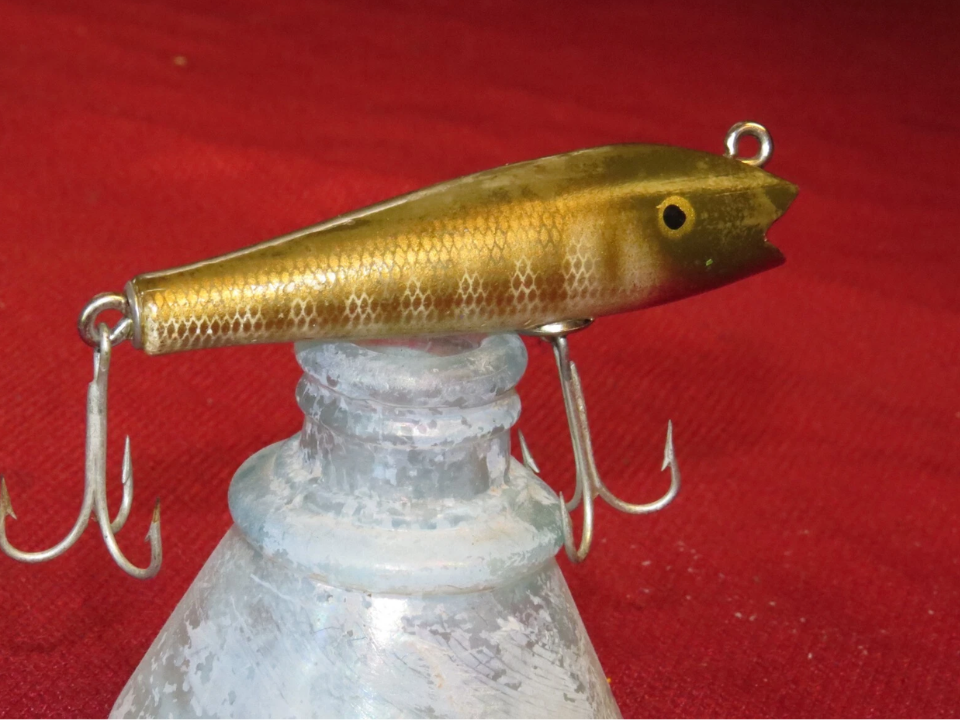
The Creek Chub Darter, produced in the 1920s, features a solid wood body with a metal lip that helps it swim strongly through the water. This lure was especially effective for casting and retrieving in various types of waters. Collectors today value it for its design and its long history in the world of fishing, with prices ranging from $90 to $200. The Darter’s ability to mimic natural prey makes it a favorite among anglers and collectors alike.
The smooth swimming action, coupled with the realistic look of the lure, has kept it in demand for decades. The rarity of the early models and limited production runs often increases its value. As with other vintage lures, those in excellent condition or with unique colors are particularly prized in the collector’s market.
Paw Paw Bait Company Frog Lure
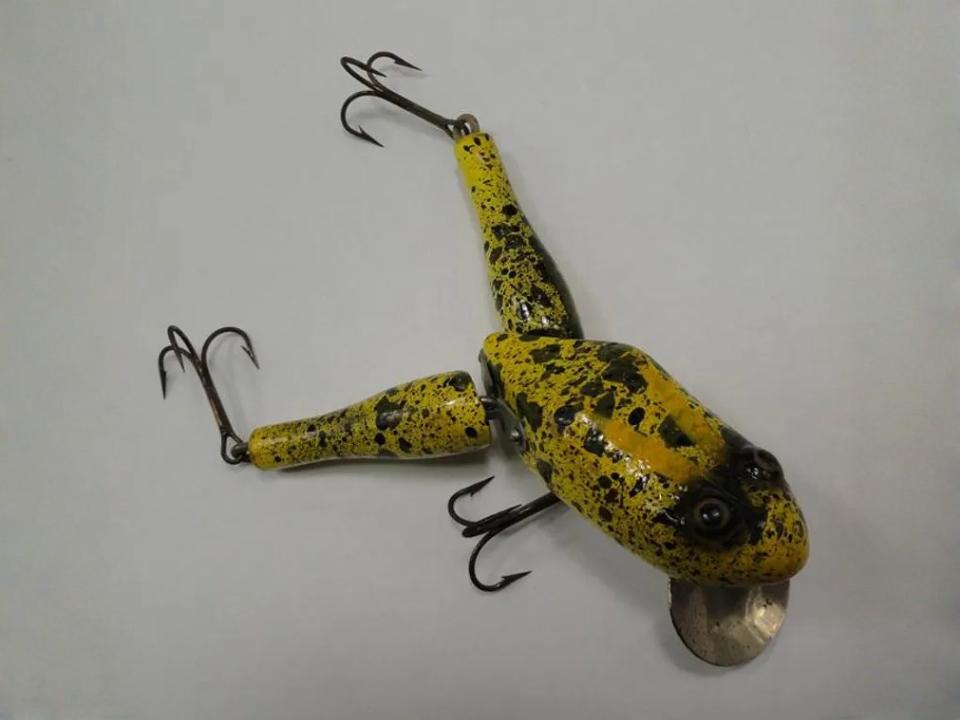
This frog-shaped lure was made by Paw Paw Bait Company in the early 1900s from carved wood and painted details. It was designed to resemble a frog on the surface, enticing bass and other fish to strike. Collectors pay for these due to their quirky shape, age, and the maker’s reputation. Well-kept examples often sell for $100 to $250.
The vividly painted details remain appealing even after decades. Many collectors enjoy the playful look of this lure when displayed. Original hooks that remain sharp add to its collectible charm. Rare versions from early production runs bring increased interest.
This article originally appeared on Avocadu.