
12 New Year Walking Habits That Feel Easy to Keep
Looking to stay active in the new year without overwhelming yourself? Incorporating walking into your daily routine is one of the simplest and most effective ways to improve your health. From short strolls to integrating movement into everyday tasks, making walking a habit is easier than you might think. These easy and enjoyable walking habits can help boost your energy, clear your mind, and keep you motivated throughout the year.
This post may contain affiliate links, which helps keep this content free. Please read our disclosure for more info.
Start with Short Walks

The key to making walking a sustainable habit is to start small. Instead of committing to long walks right away, begin with short 10-15 minute strolls around your neighborhood or local park. These mini-walks are easy to fit into your day and don’t feel overwhelming. You can gradually increase the time as you get used to the routine. For example, if you start with a 10-minute walk, aim to improve it by 5 minutes every couple of weeks. This slow build-up keeps you from feeling like you’re pushing yourself too hard, which can often lead to frustration or burnout.
Short walks are also easy to schedule, making it more likely you’ll stick to the habit. Whether it’s a morning walk before work, a lunchtime stroll, or a quick evening walk, these 10-15 minute sessions fit seamlessly into your daily routine. As you start to feel the benefits, such as improved mood and energy levels, you’ll likely look forward to these short walks, making them feel less like a task and more like a break. Starting small ensures that walking becomes an easy and enjoyable part of your lifestyle without feeling like a big commitment.
Walk During Breaks

One of the easiest ways to integrate walking into your routine is to use it as a break from your daily tasks. Whether you’re working from home or in an office, walking during breaks can provide a quick escape from your screen, reduce mental fatigue, and improve your focus. For instance, during a 15-minute coffee break, step outside for a brisk walk around your block. This small habit not only gives you a physical break from sitting, but it also clears your mind and refreshes your energy. If you’re working from home, you can take a stroll through your neighborhood or even walk around your garden to stretch your legs.
Walking during breaks is an easy habit to maintain because it doesn’t require extra time or planning. It naturally fits into the pockets of free time you already have throughout the day, whether it’s in the middle of a busy workday or after completing household chores. This habit is sustainable because it doesn’t feel like an additional task. Rather, it becomes part of your routine, allowing you to stay active and refreshed without disrupting your schedule. Plus, these walking breaks can enhance productivity by helping you stay mentally sharp and focused when you return to your work.
Walk While Listening to Podcasts or Music
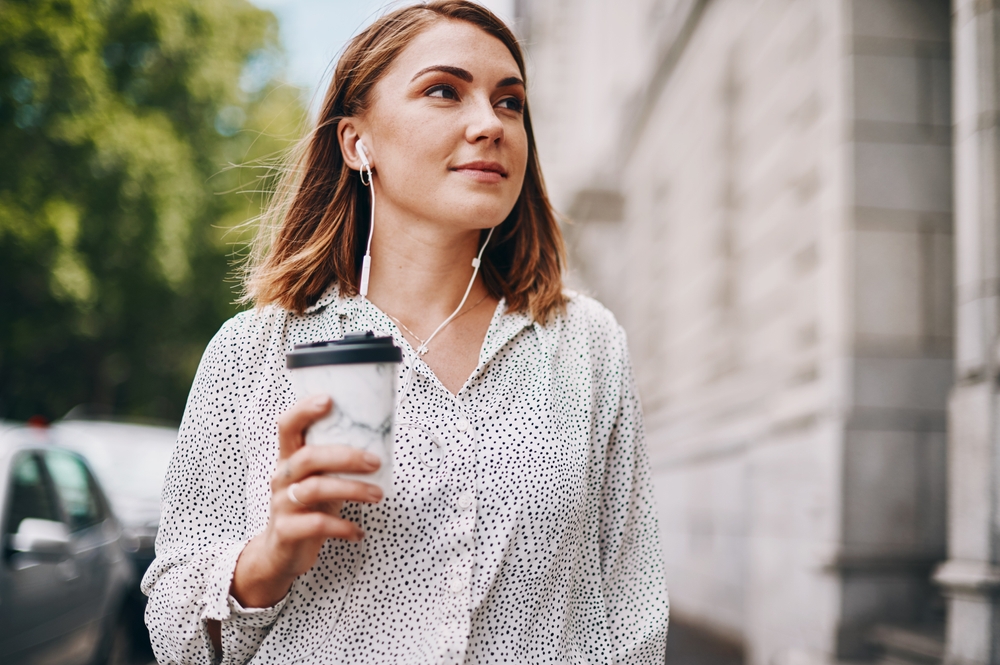
Making walking an enjoyable experience is one of the best ways to keep the habit going. Listening to your favorite podcasts or music while you walk can make the time fly by and turn an otherwise mundane task into something to look forward to. You could start with your favorite music playlists, audiobooks, or podcasts on topics that interest you. Not only will you be getting your body moving, but you will also be expanding your knowledge or indulging in entertainment. This makes each walk a productive and enjoyable experience, rather than something you feel you have to force yourself to do.
Choosing what you listen to during your walk can transform it into a rewarding part of your day. For example, if you’re listening to a podcast about a hobby or topic you’re passionate about, you’ll be eager to keep walking just to hear the next episode. If music is your preference, try creating walking-specific playlists that energize you, setting a fun and motivating tone for your walk. When walking becomes a time to unwind, learn, or jam out to music, it no longer feels like exercise; it becomes a form of self-care and entertainment.
Walk with a Friend or Pet
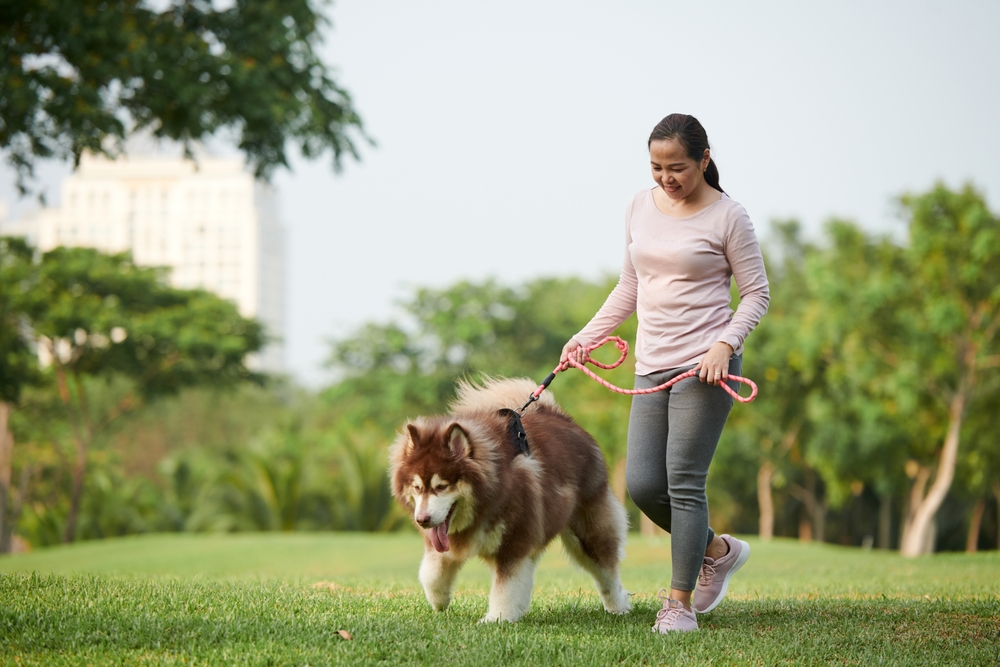
Walking with a friend or pet can turn a solo exercise session into a social experience, making it easier to stick to the habit. If you have a dog, you already have a built-in walking companion who will motivate you to get outside and stay active. Walking with your pet can be a bonding experience, and the exercise benefits both of you. On the other hand, if you don’t have a pet, walking with a friend or family member is just as beneficial. Having someone to chat with makes the time go faster and provides extra accountability.
When you walk with a friend, you can catch up on each other’s day, chat about shared interests, or simply enjoy the time spent together. This turns walking into an enjoyable activity that doesn’t feel like a workout. Instead of focusing on the distance or duration, you focus on the conversation and the time spent with someone you enjoy being around. This makes walking something you look forward to, and it becomes much easier to stick to a regular walking habit when you’re socializing or spending quality time with a loved one.
Make It Part of Your Commute

Another easy way to make walking a part of your day is to integrate it into your commute. If you live close to work, consider walking or biking part of the way instead of driving or using public transportation. Even if your commute is longer, you can park further away from your destination or get off the bus/train one stop early to add a walk into your routine. For example, instead of driving directly to work, park at a nearby store or in a nearby neighborhood and walk the rest of the way. This allows you to get your steps in while also saving on parking or transportation costs. Plus, walking in the fresh air can help reduce stress and set a positive tone for the day ahead.
If you rely on public transportation, this is also a great opportunity to add a walk. Walking from your bus stop to your office or station to your home gives you extra movement throughout the day without disrupting your routine. These small changes can help you build a walking habit without dedicating extra time to exercise. You’ll likely find that your body feels more energized after a walk and that your mind is more focused when you get to your destination. Making walking a natural part of your day will encourage you to keep it up long-term.
Walk While Doing Errands

Incorporating walking into errands can help you make the most of everyday tasks without adding extra time. Instead of driving to run quick errands, try walking to the grocery store, post office, or nearby shops. If you’re picking up something close to home, consider walking to the location instead of getting in your car. This way, you’re accomplishing your tasks while staying active. It might take a little longer to walk there, but you’ll be getting your steps in without taking any extra time out of your day. Plus, the fresh air and movement can make running errands feel less stressful.
Walking while running errands also has the added benefit of making your daily chores feel more enjoyable. You might find that you actually enjoy the time spent walking between stores, which gives you a moment to reflect or simply unwind. And if you have a dog, you can take them with you on your errands, turning a regular walk into a rewarding outing for both of you. As this becomes a habit, walking during errands won’t seem like a chore; it’ll simply feel like part of the daily routine, making it easier to stick with it.
Walk After Meals

A great way to help digestion and add movement to your day is by taking a walk after meals. Whether it’s breakfast, lunch, or dinner, a short walk can aid digestion and prevent sluggishness after eating. A 10-minute walk is all it takes to get the blood circulating and to help process your food. Walking after meals helps with maintaining energy levels and can even improve your mood by reducing any feelings of fullness or discomfort. It’s an easy habit to adopt because you’re already eating; adding a walk right afterward is a simple next step that can be done right after sitting down for a meal.
This habit can be especially helpful if you tend to feel sleepy or heavy after meals. Instead of retreating to the couch or falling into a nap, take a walk around the block. Walking will boost circulation and help avoid the fatigue often caused by overeating. As you continue this habit, you’ll notice it helps your overall health and gives you more energy throughout the day. Walking after meals can also become a comforting ritual, offering a peaceful moment to enjoy the outdoors and clear your mind before continuing with your day.
Set a Daily Step Goal

Setting a daily step goal, even a modest one, is a great way to track your walking progress. Start with a goal that feels achievable, such as 5,000 or 7,000 steps a day. You can use a fitness tracker or smartphone app to monitor your steps throughout the day, which makes it easier to stay motivated. When you set a clear, simple goal, it gives you something to work towards and helps you build consistency. Even if you’re unable to hit your goal every day, tracking your progress helps you stay on track and reinforces the habit. Over time, you can gradually increase your goal as walking becomes a bigger part of your daily routine.
The beauty of a daily step goal is that it doesn’t require setting aside a specific time to exercise. You can accomplish your goal by breaking it up into shorter walks throughout the day. Whether it’s walking to the store, taking a stroll after lunch, or walking your dog, these small efforts add up. Tracking your steps makes the goal feel tangible and achievable, providing a sense of accomplishment when you hit your target. Plus, it’s fun to watch your progress and challenge yourself to improve each week.
Walk in Nature

Taking your walks outside in nature is one of the most calming and enjoyable ways to get your steps in. Whether it’s a park, nature reserve, or even a nearby hiking trail, being surrounded by greenery can make the experience more enjoyable and less like a workout. The fresh air, natural scenery, and peaceful atmosphere contribute to mental relaxation, making it an experience you look forward to. Walking in nature can help you recharge, clear your mind, and reconnect with the outdoors. Additionally, the variety of terrains will challenge your body in different ways, enhancing your fitness level over time without feeling repetitive or dull.
Nature walks also have the added benefit of being stress-reducing. Studies have shown that being in green spaces can lower cortisol levels, reduce anxiety, and improve overall well-being. As you walk through nature, you can take in the beauty around you, listen to the sounds of birds or wind rustling through trees, and even enjoy a more meditative walking pace. These peaceful moments allow you to detach from the hustle and bustle of daily life, making walking a mindful activity that benefits both body and mind. Whether it’s a quiet stroll in the woods or a walk through a botanical garden, nature provides the perfect backdrop for your walking habit.
Walk with a Purpose
Walking with a purpose adds a layer of motivation to your daily walks. Instead of simply walking for exercise, tie your walk to a specific task or goal, such as walking to a meeting, running errands, or visiting a local café. Having a clear reason for your walk can make it feel less like an obligation and more like an enjoyable activity that contributes to something you need to accomplish. This way, walking doesn’t feel like “extra” time that you have to carve out for fitness; it’s just part of your day’s tasks.
When you walk with a purpose, you’re naturally more inclined to walk longer distances or make the walk part of your routine. For example, walking to a nearby grocery store or walking to a coffee shop on your lunch break gives you a goal that makes the walk feel more rewarding. This approach can help you stay consistent with your walking habit because it ties movement to something you already do, eliminating the need to set aside extra time for fitness. Whether it’s running errands or heading to a meeting, your walk becomes a functional, purposeful part of your day.
Use Walking as a Mindfulness Practice

Walking can be an excellent opportunity to practice mindfulness, which enhances your walking experience and helps you stay present in the moment. Instead of focusing on the number of steps or the distance, pay attention to the sights, sounds, and sensations around you. Focus on how your body moves with each step, the rhythm of your breath, and the feeling of your feet connecting with the ground. This mindfulness practice can reduce stress and increase your sense of well-being. It helps you disconnect from distractions and gives you a moment of calmness that can recharge your mental state.
Incorporating mindfulness into walking makes the activity more than just physical exercise; it becomes a form of meditation. As you walk, let go of negative thoughts and focus on the present moment. This simple act of being present can make walking something you look forward to, transforming it from a mundane task into a peaceful ritual. Not only will you benefit from the physical exercise, but you’ll also feel mentally refreshed and grounded after each walk, making it more likely you will continue the habit consistently.
Walk to Socialize

Combining social time with physical activity is a great way to keep walking enjoyable. Instead of meeting up with friends or family for coffee or sitting down for a meal, suggest a walk together. Whether it’s a stroll through the park, along a scenic route, or just around the block, walking provides an opportunity to catch up while staying active. Not only does it allow you to spend quality time with others, but it also helps keep the conversation flowing, making the walk feel more like a social outing than exercise. The more you associate walking with positive social experiences, the more likely you will make it a regular part of your routine.
Walking to socialize also provides an added layer of accountability. When you have a walking partner, you are less likely to skip out on your walk because you are both looking forward to spending time together. The conversations make the time go by faster, and before you know it, you’ve completed a walk without feeling like you’ve made an effort. This social aspect of walking makes it an enjoyable habit that is easy to keep, as it’s tied to both fitness and meaningful connections.
This article originally appeared on Avocadu.