
16 New Year Skin Barrier Habits That Make Everything Work Better
A lot of skin care frustration comes from skipping the barrier step altogether. Focusing on it can help products feel more comfortable and less irritating. Gentle habits often matter more than adding something new. This approach works well for anyone wanting fewer reactions and more consistency.
This post may contain affiliate links, which helps keep this content free. Please read our disclosure for more info.
Daily Moisturizing While Skin Is Slightly Damp
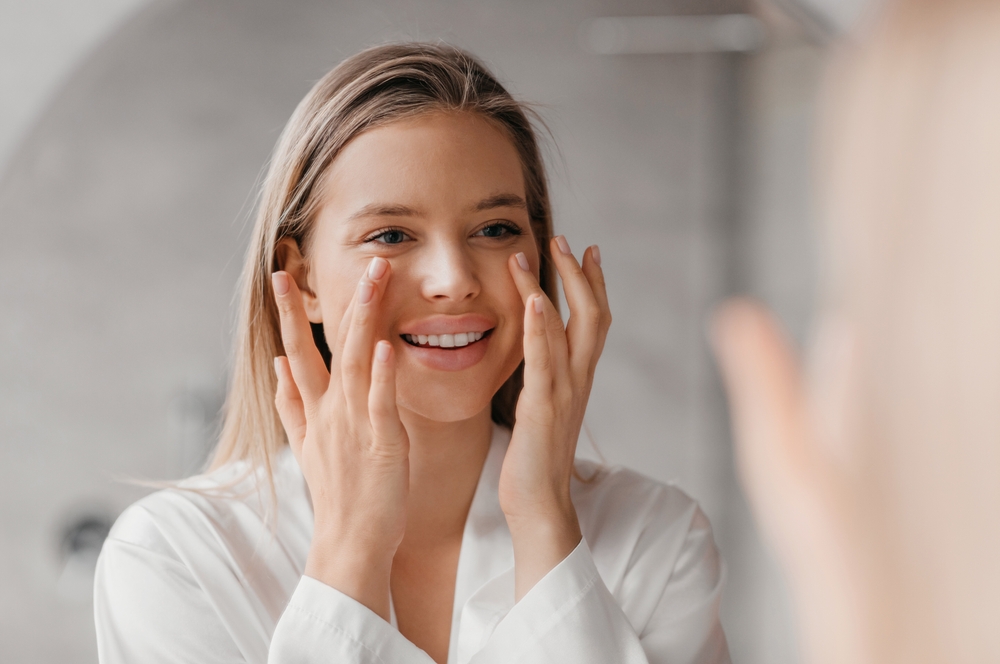
Moisturizing works best when done at the right moment. After cleansing, leave a bit of moisture on your skin rather than drying it fully. Apply moisturizer within one minute to lock in hydration. Use gentle upward motions without pressing hard. This habit supports softness and comfort throughout the day.
Look for formulas with simple ingredient lists. Thicker creams suit dry skin, while lotions fit combination skin better. Morning and evening use keeps results steady. If skin feels greasy, use less product rather than skipping the step. Regular timing helps skin feel more settled over time.
Limiting Hot Water on Face and Body

Hot water feels nice but can cause surface dryness over time. When washing your face, keep water warm instead of hot. Shorten showers to reduce prolonged exposure. Rinse quickly rather than standing under running water. These changes reduce stress on the outer layer.
For body care, use the same approach during bathing. Apply moisturizer right after stepping out. Avoid scrubbing tools that add friction. Softer towels also make a difference. Small adjustments like this support daily comfort.
Using Sunscreen Every Morning Without Skipping

Sun protection plays a key role in barrier care all year. Start by applying sunscreen as the last step in your morning routine. Use a full two finger length for face and neck coverage. Spread evenly without rushing. This habit supports long-term skin comfort and tone.
Even cloudy days call for this step. Indoor light exposure still affects the skin. Choose a formula that layers well under makeup or moisturizer. Reapply when outdoors for long periods. Daily use keeps results steady.
Gentle Cleansing to Protect the Skin Barrier

Starting with a mild cleanser sets the tone for barrier care at the beginning of the year. First, wet your face with lukewarm water to avoid temperature stress. Next, use a small amount of cleanser and massage lightly with fingertips only. Rinse slowly and pat dry with a soft towel rather than rubbing. This habit limits dryness and keeps the surface layer comfortable throughout the day.
Instead of washing often, stick to morning and night only. Overwashing can strip natural oils that support balance. If your skin feels tight after cleansing, switch to a cream or milk formula. Keeping this step simple often leads to fewer reactions. Consistency matters more than adding extra products here.
Avoiding Overuse of Active Ingredients

Using too many strong products can weaken surface balance. Begin by limiting exfoliating acids or retinoids to a few times per week. Watch how your skin reacts before adding more. Space out active nights with rest days. This pattern reduces irritation and dryness.
On rest days, stick to cleanser and moisturizer only. Let your skin recover without pressure. Redness or stinging signals a need to slow down. Fewer steps often feel calmer. Balance matters more than speed.
Applying Products From Thinnest to Thickest
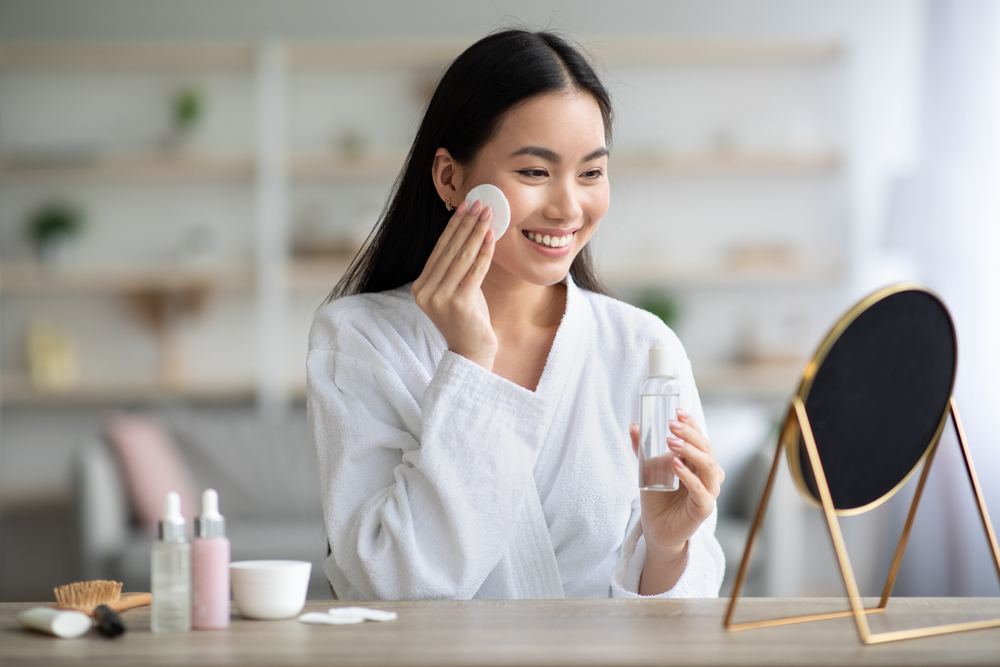
Order matters when layering skin care. Start with watery products like toners or essences. Follow with serums if you use them. Finish with cream or lotion to seal everything in. This method allows even coverage.
Wait a few seconds between layers. Rushing can cause pilling or uneven texture. Use gentle hands during application. This habit keeps products sitting comfortably on the skin. It also reduces wasted product.
Reducing Physical Exfoliation

Scrubs can cause small tears when used often. Switch to gentle exfoliation no more than once weekly. Use light pressure and short motions. Rinse thoroughly to avoid residue. This change helps maintain surface comfort.
If redness appears, pause exfoliation completely. Focus on moisture and sun protection instead. Softer skin often follows with less effort. Smoothness does not require frequent scrubbing. Listening to your skin guides better choices.
Using Lip Balm Throughout the Day
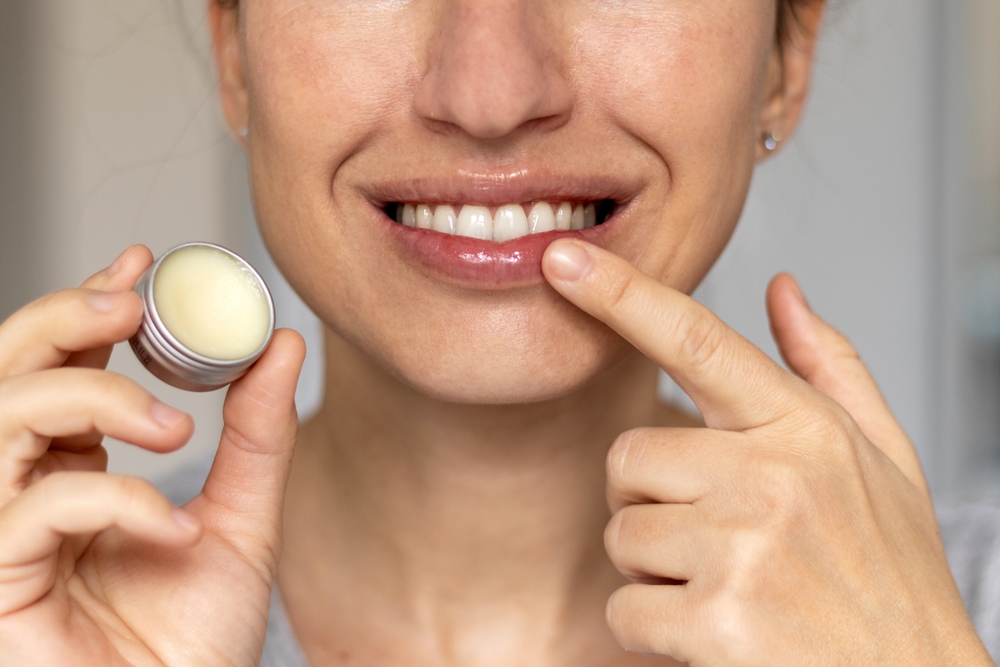
Lips need barrier care too. Apply lip balm after brushing teeth in the morning. Reapply before going outdoors or into dry spaces. Use a clean finger or tube application. This habit prevents cracking and discomfort.
Nighttime use matters just as much. Apply a thicker layer before bed. Avoid licking lips, which worsens dryness. Keep a balm nearby during the day. Regular use keeps lips feeling steady.
Switching to Fragrance Light Products

Strong scents can trigger irritation for many skin types. Choose products with mild or no added fragrance. Test new items on a small area first. Wait a full day before full use. This habit reduces unexpected reactions.
Pay attention to how your skin feels after application. Tingling or burning suggests a poor match. Simpler formulas often feel calmer. Over time, this approach supports better tolerance. Less scent often means less stress.
Keeping Hands Clean Before Touching the Face

Hands transfer dirt and oil easily. Wash your hands before applying any skin care. Avoid resting your face on palms during the day. Keep nails short to prevent scratches. These steps limit breakouts and irritation.
Phone screens should stay clean as well. Wipe them daily with a soft cloth. Touching the face less often helps overall comfort. This habit supports clearer looking skin. Clean contact makes a difference.
Using Humidifiers During Dry Seasons

Dry air affects the skin barrier quickly. Place a humidifier in your bedroom at night. Keep humidity at a comfortable level. Clean the device regularly to avoid buildup. This habit adds moisture to your environment.
Skin often feels less tight by morning. Combine this step with nighttime moisturizing. Even small units can improve comfort. Consistent use matters most. Indoor air quality plays a role in skin health.
Choosing Soft Fabrics for Face Contact

Rough fabrics can irritate sensitive areas. Use soft cotton towels for drying. Change pillowcases at least twice a week. Avoid fabrics that trap heat or rough textures. This habit supports calmer skin.
Sleeping surfaces touch your face for hours. Clean bedding reduces oil and residue buildup. Gentle materials feel more comfortable. Small changes here support nightly recovery. Texture matters more than people realize.
Keeping a Simple Night Routine

Night routines do not need many steps. Cleanse gently to remove the day buildup. Apply moisturizer while skin is slightly damp. Skip strong treatments on tired skin. This pattern allows rest overnight.
Consistency matters more than complexity. Late nights call for minimal steps. Skin repairs itself best during sleep. Calm routines support that process. Simpler nights often lead to better mornings.
Drinking Enough Water During the Day

Hydration supports skin from the inside. Sip water throughout the day instead of large amounts at once. Pair drinking water with meals as reminders. This habit supports overall comfort. Dry skin often reflects low intake.
While topical care matters, internal habits count too. Herbal teas can contribute to fluid intake. Balance matters without overthinking amounts. Steady hydration supports daily routines. Small sips add up.
Protecting Skin During Cold Weather Exposure
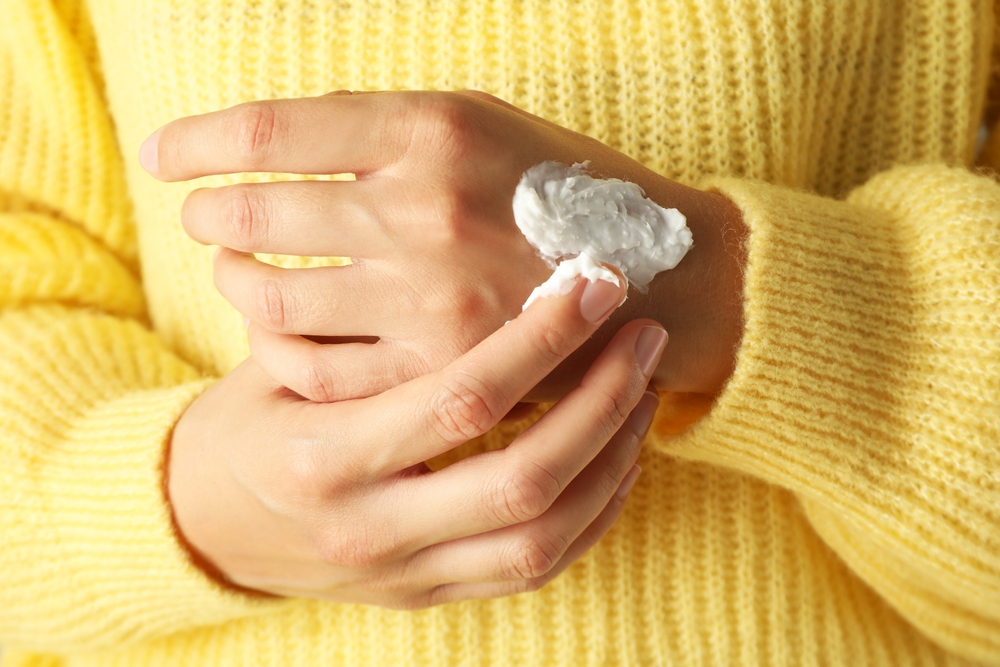
Cold air can cause dryness quickly. Apply moisturizer before heading outdoors. Cover exposed skin with scarves or gloves. Limit time outside during harsh conditions. These steps protect surface comfort.
Wind exposure can worsen irritation. Reapply moisturizer after returning indoors. Keep travel size products handy. Seasonal habits matter for barrier care. Preparation prevents discomfort.
Listening to Skin Signals and Adjusting

Skin changes with stress, weather, and routine shifts. Pay attention to redness, tightness, or flaking. Reduce product use when signs appear. Focus on cleansing and moisturizing only. This habit keeps reactions from worsening.
Flexibility matters in daily care. What works one week may feel different the next. Adjust slowly rather than all at once. Skin often responds well to patience. Awareness guides better decisions.
This article originally appeared on Avocadu.