
12 New Year Lip Care Tips That Actually Fix Chapped Lips
Many of us experience chapped lips, particularly when the weather turns cold or when we’re dehydrated. It’s easy to forget about our lips, but they need as much attention as the rest of our skin. With the new year here, it’s the perfect time to begin a new routine for lip care. Chapped lips can be uncomfortable and unsightly, but a few simple steps can help prevent and repair them.
This post may contain affiliate links, which helps keep this content free. Please read our disclosure for more info.
Use a Hydrating Lip Balm Daily
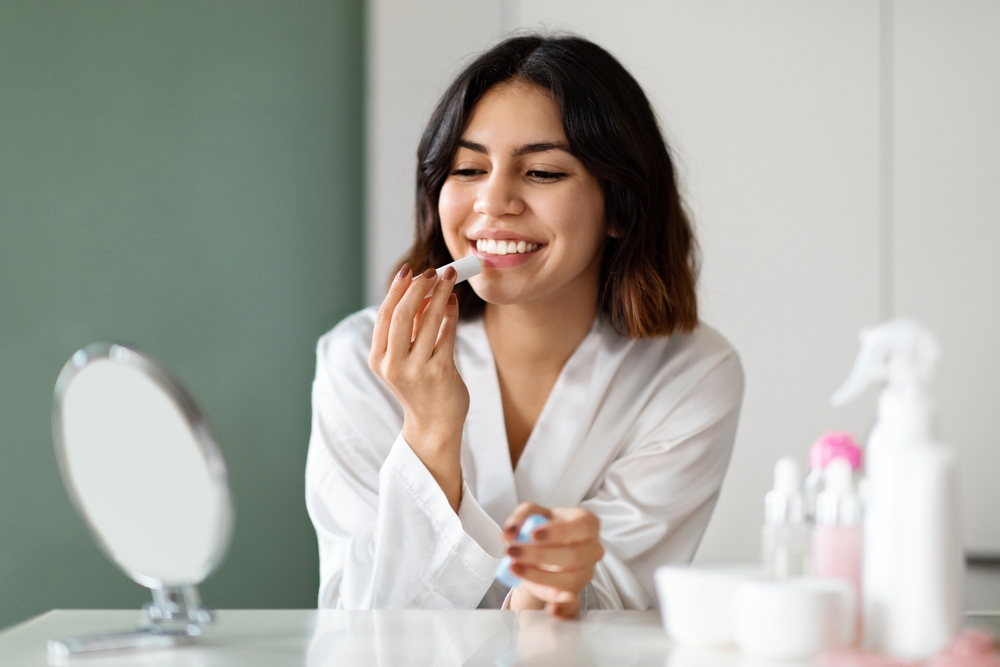
A good lip balm is essential to keeping your lips moisturized and protected. Look for balms that contain natural ingredients like beeswax, shea butter, or coconut oil, which help lock in moisture. Applying a lip balm regularly can prevent your lips from drying out, especially in cold or windy weather. Don’t forget to reapply throughout the day to keep your lips soft and smooth. Make it a habit to keep a lip balm in your bag for easy access whenever your lips feel dry.
By choosing a lip balm that’s free from harsh chemicals and fragrances, you can avoid irritating your skin. Opt for one that provides long-lasting hydration, ensuring your lips stay moisturized even after eating or drinking. A good lip balm can make a world of difference in preventing chapped lips from developing in the first place.
Exfoliate Your Lips Gently
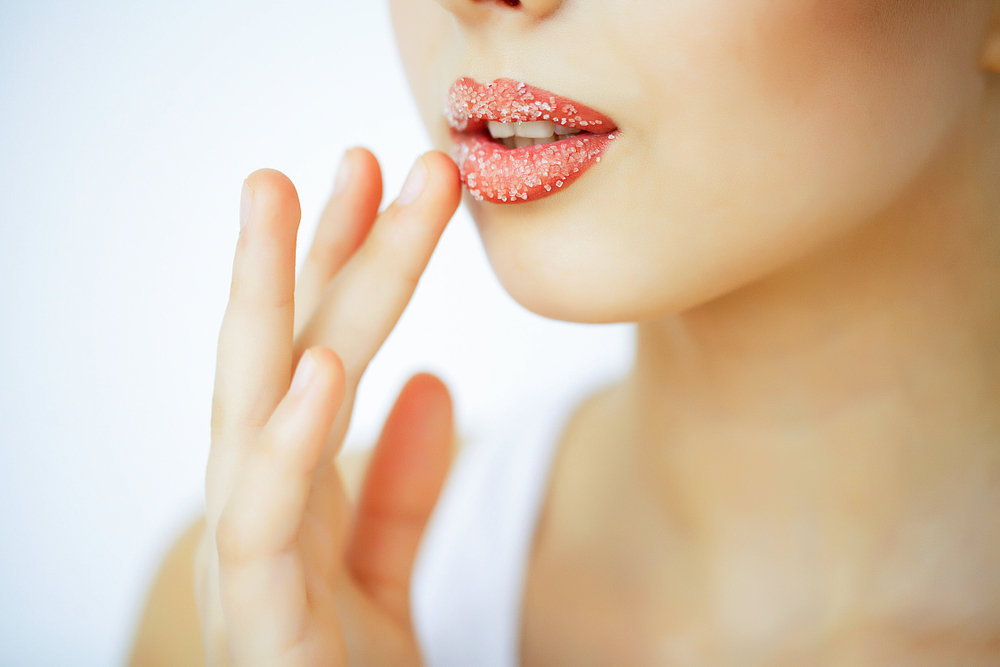
Exfoliating your lips removes dead skin cells and helps reveal smoother, softer lips. You can use a lip scrub or a homemade sugar and honey mixture for a gentle exfoliation. Gently rub in circular motions to avoid causing any irritation. Exfoliating once or twice a week can help prevent flaky skin and keep your lips looking fresh. Always follow up with a nourishing lip balm after exfoliating to maintain moisture.
If you prefer a DIY approach, a simple mixture of sugar and olive oil works wonders. Exfoliating is not only about improving appearance, but it also helps your lips better absorb hydration from lip balms or serums. Don’t overdo it, as too much exfoliation can cause irritation and dryness.
Stay Hydrated to Keep Your Lips Moist
Dehydration is one of the leading causes of chapped lips. Drinking enough water throughout the day helps keep your body-and lips-hydrated. If you’re not drinking enough fluids, your lips can dry out and become cracked. Water is your best friend when it comes to keeping your lips moisturized from the inside out. Make sure to sip water regularly to keep your skin, including your lips, in top condition.
In addition to water, hydrating beverages like herbal teas can also help. Try to avoid too many caffeinated or alcoholic drinks, as they can lead to dehydration. Keeping a water bottle on hand at all times ensures you stay on top of your hydration goals.
Use a Humidifier to Add Moisture to the Air
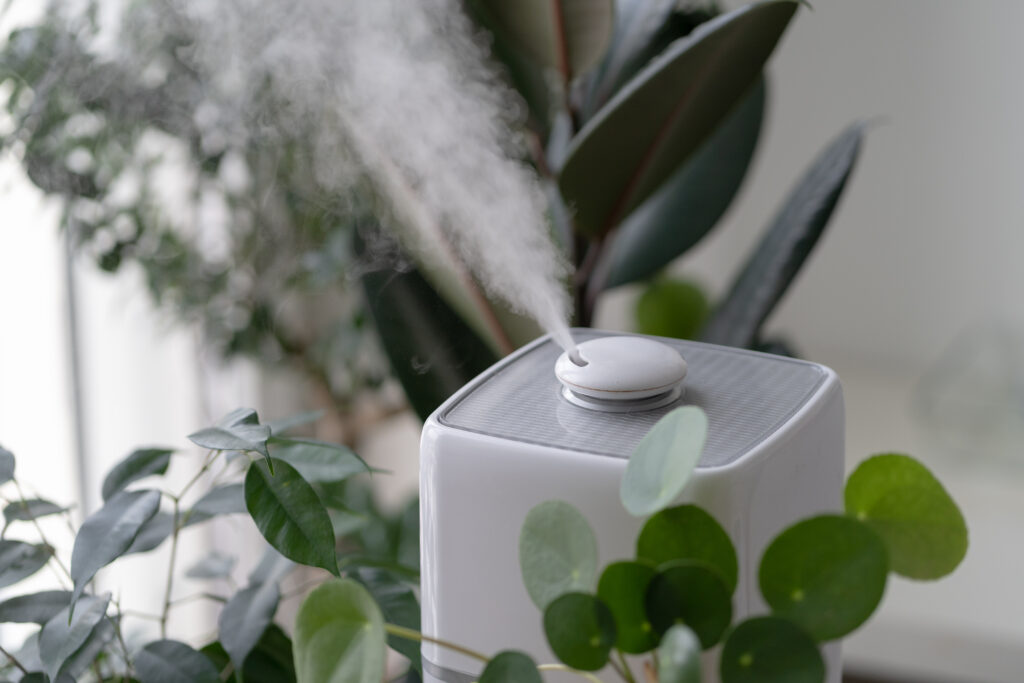
Indoor heating systems can dry out the air in your home, which can lead to chapped lips. A humidifier adds moisture to the air, creating a more comfortable environment for your skin and lips. Placing a humidifier in your bedroom at night helps prevent the air from becoming too dry while you sleep. This is especially useful during the winter months when heating is often running. A little extra humidity can make a significant difference in maintaining soft, hydrated lips.
Keep your humidifier clean to avoid spreading bacteria or mold. Additionally, use the humidifier in any room where you spend a lot of time, such as your living room or office. Your lips will thank you for the added moisture!
Avoid Licking Your Lips

It’s tempting to lick your lips when they feel dry, but this only makes the problem worse. Saliva evaporates quickly, leaving your lips even drier than before. This cycle can lead to irritation and chapped skin. Instead, use a lip balm to moisturize and protect your lips, preventing the need to lick them. Make it a habit to apply lip balm as soon as you feel your lips getting dry.
Licking your lips may feel like a quick fix, but it’s a short-term solution that can exacerbate dryness over time. Remember, the more you lick, the more likely you are to cause irritation. Keeping a lip balm nearby can help break this habit and keep your lips in better condition.
Protect Your Lips from the Sun

Just like your skin, your lips need protection from harmful UV rays. Apply a lip balm that contains SPF 15 or higher to shield your lips from the sun. The skin on your lips is sensitive and can burn easily, leading to painful dryness and peeling. Don’t skip this step, even on cloudy days, as UV rays can still cause damage. Protecting your lips with SPF helps maintain their health throughout the year.
Reapply sunscreen throughout the day, especially if you’re outdoors for extended periods. Look for a lip balm that offers broad-spectrum protection to block both UVA and UVB rays. Sun damage can contribute to premature aging and chapping, so it’s important to stay protected.
Apply Natural Oils for Extra Hydration
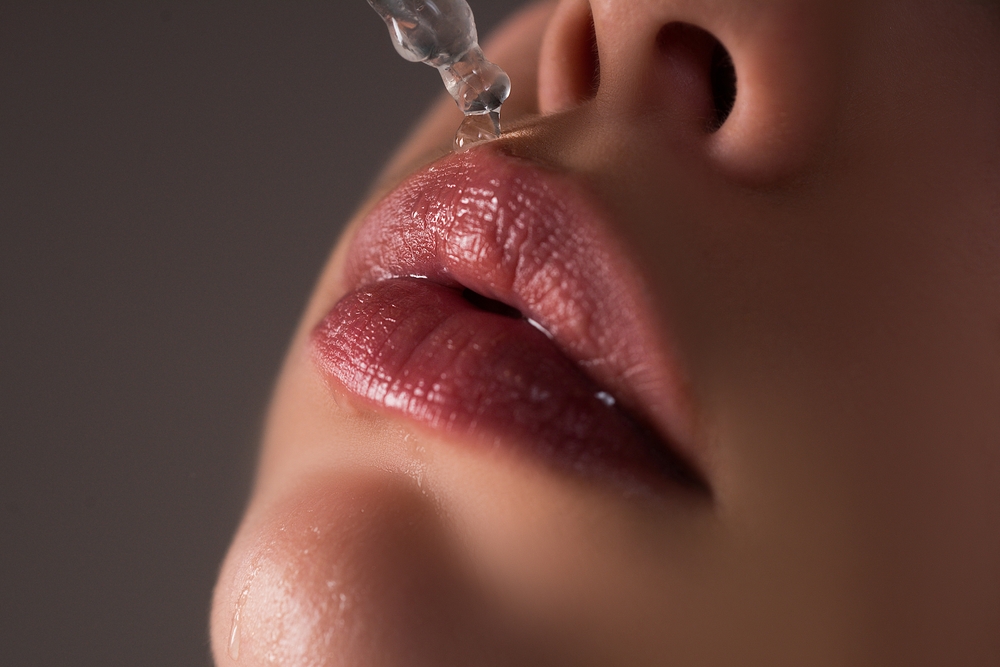
Natural oils, such as coconut oil or almond oil, are excellent for hydrating and nourishing dry lips. They are packed with nutrients that help restore moisture and keep your lips soft. Simply apply a small amount of oil directly to your lips before bed to lock in moisture overnight. These oils also have anti-inflammatory properties that can soothe irritated lips. Regular application will keep your lips nourished and prevent them from drying out.
Coconut oil, in particular, has antibacterial properties that can help prevent infections from cracked lips. If you prefer a thicker consistency, try shea butter or jojoba oil, which also provide long-lasting hydration. Use these oils as part of your nightly routine to keep your lips looking their best.
Use Aloe Vera to Soothe Irritated Lips
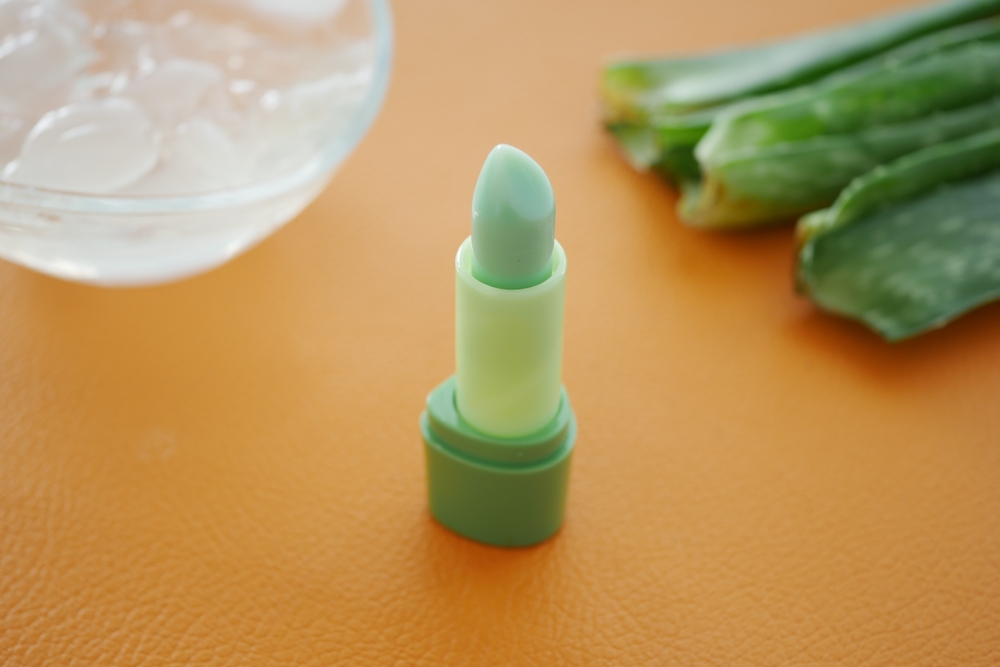
Aloe vera is known for its soothing and healing properties. If your lips are already chapped or irritated, apply fresh aloe vera gel directly to them for quick relief. Aloe vera helps to reduce redness, inflammation, and discomfort, promoting faster healing. It’s gentle enough to use on sensitive lips and provides instant moisture. Using aloe vera after exfoliating can help calm your lips and reduce any irritation caused by dryness.
You can also keep aloe vera gel in your skincare routine as a lip mask for deeper hydration. If you don’t have an aloe vera plant at home, store-bought aloe vera gel can work just as effectively. It’s an excellent remedy for those extra dry or cracked lips that need a little extra care.
Avoid Harsh Lip Products
Many lip products on the market contain chemicals and fragrances that can actually worsen dry lips. Choose lip products that are free from artificial dyes, fragrances, and alcohols, as these can irritate your lips. Opt for natural, hydrating formulas that nourish and protect your lips. Stick to lip balms or glosses that offer a gentle, moisturizing finish. Avoid matte lipsticks, as they tend to be drying and can contribute to chapping.
Check the ingredients list on your lip products before purchasing to make sure they contain hydrating ingredients like shea butter or vitamin E. Stay away from lip products with a heavy scent, as they can cause irritation. Simple, natural products are often the best choice for maintaining soft, healthy lips.
Don’t Pick at Flaky Skin

It’s tempting to peel away the dry, flaky skin from chapped lips, but this can make the problem worse. Picking at your lips causes further damage and irritation, leading to more dryness and even bleeding. Instead, apply a soothing balm or oil to help your lips heal naturally. Gently exfoliate your lips to remove flaky skin, rather than picking at them. This will ensure that your lips heal without becoming even more irritated.
Give your lips time to recover and resist the urge to touch or pick at them. Using a nourishing lip balm regularly can prevent further flaking. The key is to allow your lips to heal naturally without causing extra damage.
Use a Lip Mask for Overnight Hydration
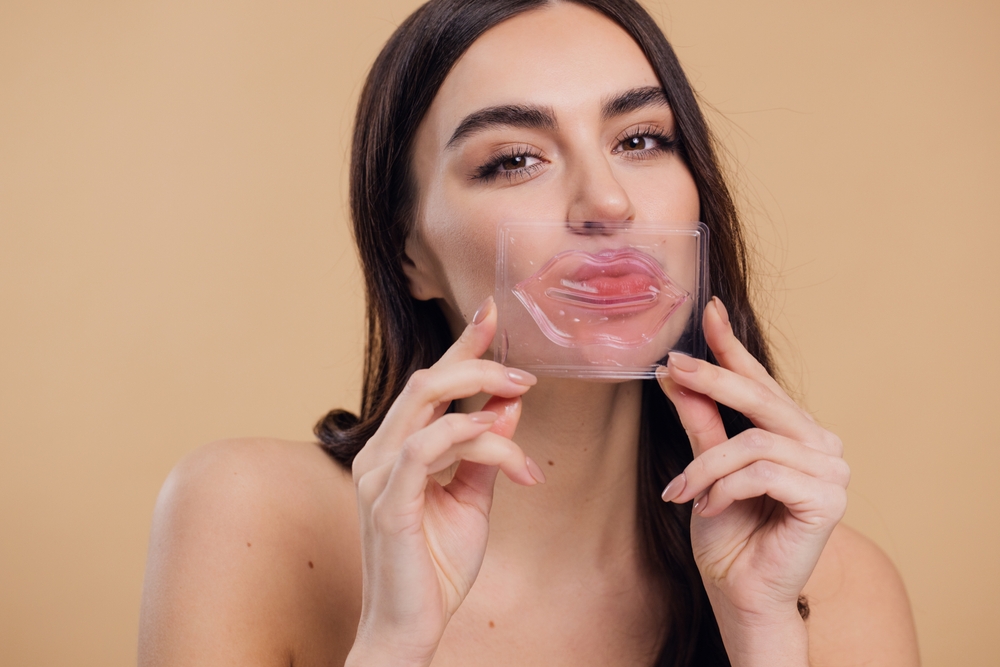
A lip mask is a great way to provide intense hydration while you sleep. These masks are designed to lock in moisture overnight, allowing your lips to recover from daily exposure. Look for lip masks that contain hydrating ingredients like hyaluronic acid or honey. Apply a generous amount before bed and wake up to smoother, more hydrated lips. These masks are perfect for combating severe dryness or for adding an extra layer of moisture.
Lip masks are especially useful in the winter when the air is drier. They can be a lifesaver if you’ve been experiencing persistent dryness or cracking. Use them as part of your nighttime routine for the best results.
Protect Your Lips from Wind and Cold

Wind and cold weather are some of the main culprits behind chapped lips. Protect your lips from the harsh elements by wearing a scarf or applying a thick layer of lip balm before heading outside. If you’re skiing or hiking in the cold, make sure to keep your lips covered with a scarf or neck gaiter. This will shield your lips from drying winds and extreme temperatures. By taking these small precautions, you can prevent your lips from becoming cracked and sore during winter.
Always apply a moisturizing lip balm that provides a protective barrier before heading outdoors. If you’re spending a lot of time outside, reapply your lip balm regularly to keep your lips protected. These simple steps can make a huge difference in keeping your lips healthy and hydrated.
This article originally appeared on Avocadu.