
15 New Year Hair Habits That Make Ends Look Healthier
New year, new hair habits! If you want to improve the health of your hair, focusing on your ends can make all the difference. Simple habits can go a long way in maintaining healthy, shiny strands that feel soft to the touch. It’s all about being consistent with your care routine, and small tweaks can help you achieve healthier-looking hair.
This post may contain affiliate links, which helps keep this content free. Please read our disclosure for more info.
Trim Your Hair Regularly for Healthy Ends
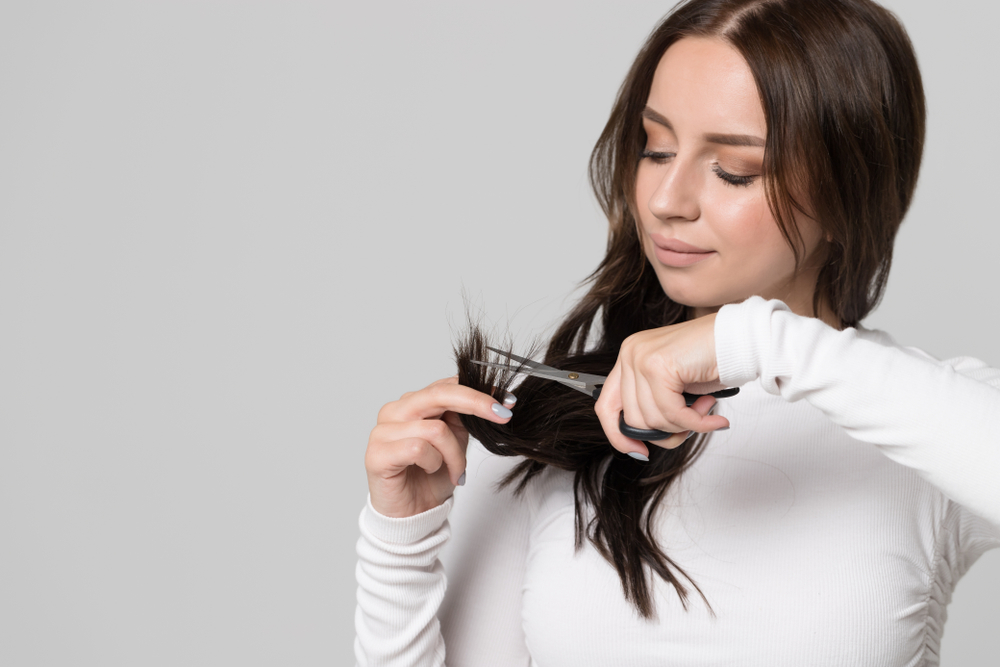
Regular trims are one of the easiest ways to keep your hair healthy. Cutting off split ends before they can travel up the hair shaft is crucial for maintaining strong strands. You don’t need to go for a drastic cut-just a small trim every 6-8 weeks is enough. This habit helps your hair look fresher and avoids the build-up of damaged ends. Keeping up with trims will prevent further damage and give your hair a healthy, polished look.
A good haircut can also create volume and shape, giving your hair more movement. Over time, these trims make a significant difference in the overall appearance of your hair. Be sure to ask your stylist for tips on trimming based on your hair type. It’s one simple habit that can save you from dealing with dry, brittle ends. Stick to a schedule and watch your hair thrive!
Avoid Over-Washing Your Hair
Washing your hair too often strips it of natural oils that keep it moisturized. Ideally, washing your hair 2-3 times a week is enough to maintain healthy ends. Frequent shampooing can lead to dry, frizzy hair, especially if you use harsh products. Instead, try using a dry shampoo to freshen up between washes and protect your ends. This way, your hair can retain moisture and stay hydrated.
When you wash, make sure to use a sulfate-free shampoo to avoid stripping your hair. Conditioner is also essential, as it replenishes moisture and helps detangle your hair. You’ll notice a smoother, healthier texture over time when you limit washing. Your hair will thank you by looking shinier and more vibrant. Avoid over-washing and maintain a healthier routine for your hair!
Use a Wide-Tooth Comb for Gentle Detangling
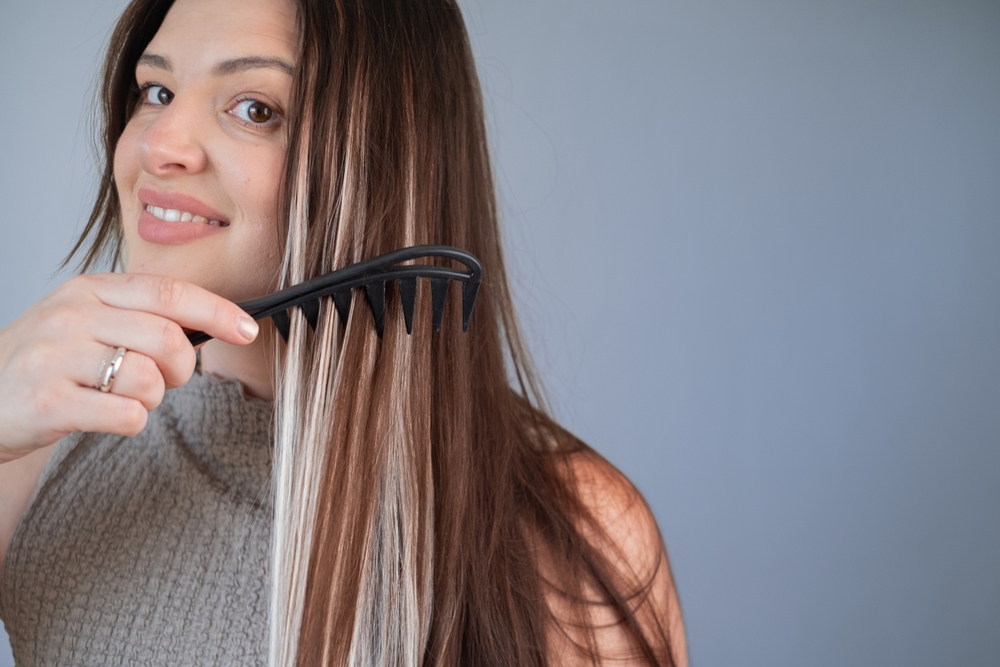
When your hair is wet, it’s more vulnerable to breakage. Using a wide-tooth comb instead of a fine-tooth comb reduces tension and minimizes the risk of split ends. Start detangling from the tips and work your way up to avoid pulling on your strands. This gentle approach prevents damage while keeping your hair smooth and soft. A wide-tooth comb also helps distribute natural oils from the scalp to the ends of your hair.
If you have particularly thick or curly hair, this step is especially important. It helps maintain your hair’s natural texture without causing breakage. For extra smoothness, consider using a detangling spray or leave-in conditioner before combing. Remember, the gentler you are with your hair, the better the results will be. Over time, your ends will appear healthier and stronger.
Deep Condition Once a Week for Moisture
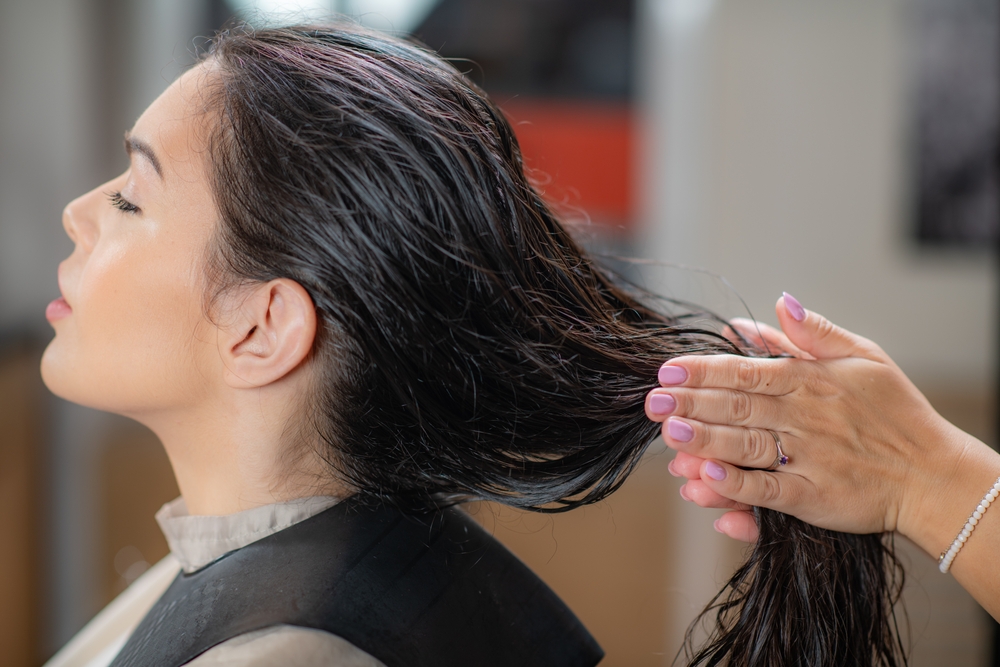
Deep conditioning treatments nourish and hydrate your hair, making it softer and shinier. Once a week, treat your hair to a deep conditioning mask to replenish moisture that’s been lost. These treatments help repair dry ends and protect hair from environmental damage. Apply the mask evenly from roots to tips, leaving it in for 15-20 minutes for maximum benefits. If you want an added boost, wrap your hair in a warm towel to help the conditioner penetrate better.
For a natural option, try using oils like argan or coconut oil to condition your hair. Deep conditioning once a week will significantly improve the look and feel of your hair. By restoring moisture to your ends, you’ll prevent dryness and frizziness. This habit is an investment in keeping your hair hydrated and vibrant. Make deep conditioning a part of your routine for long-term hair health.
Protect Hair from Heat Damage
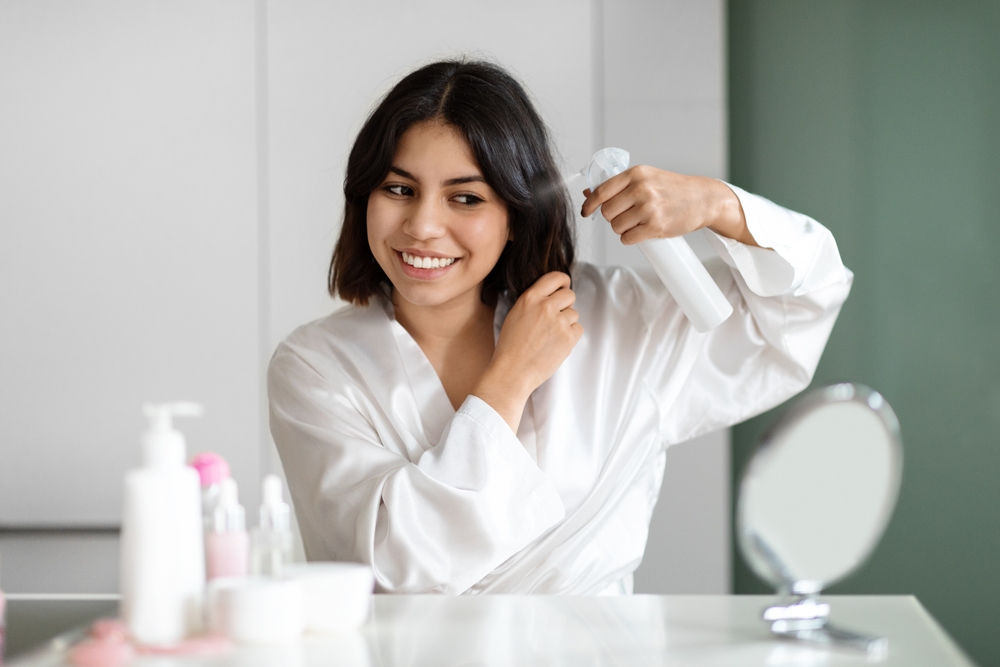
Excessive heat styling can lead to brittle hair, so it’s essential to protect your strands. Always use a heat protectant spray before styling to shield your hair from high temperatures. Additionally, limit the use of hot tools like straighteners, curling irons, and blow dryers to avoid damaging your ends. When using a blow dryer, make sure to set it to a low or medium heat setting to prevent excessive heat exposure. Heat protection is one of the simplest ways to keep your hair looking healthy and shiny.
Consider using heat-free styling methods whenever possible, like braiding your hair for waves or using rollers. Over time, these changes will prevent hair from becoming overly dry or split at the ends. Make sure to clean your styling tools regularly to avoid build-up of products and oils. Being mindful of heat styling will keep your hair’s texture intact and your ends nourished. Protect your hair now to enjoy healthier ends in the long run.
Choose the Right Shampoo for Your Hair Type

Using the right shampoo for your hair type can make a huge difference in maintaining healthy ends. If your hair is dry, look for moisturizing formulas that hydrate and add shine. For oily hair, choose a gentle clarifying shampoo that doesn’t strip natural oils but keeps your scalp clean. Shampoos with protein can strengthen weak strands, preventing breakage. Always avoid shampoos with harsh chemicals that can dry out or damage your hair.
Shampooing your hair with the correct product can also help keep the scalp balanced. By nourishing your hair from root to tip, you’ll keep your ends feeling soft and manageable. Don’t forget to adjust your shampoo choice according to the season, as your hair’s needs may change. When you use the right products, you create a foundation for healthier-looking hair. It’s an easy habit that makes a big difference in hair care.
Switch to a Silk Pillowcase for Less Friction
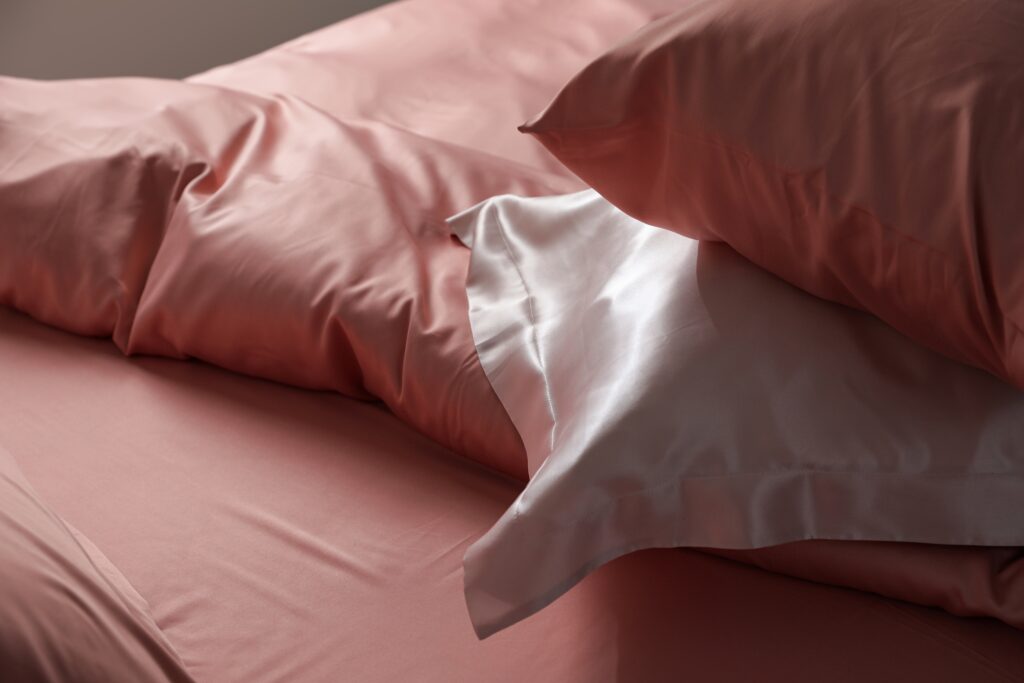
Sleeping on a silk pillowcase helps reduce hair breakage by minimizing friction. Cotton pillowcases can cause hair to snag and tangle, leading to split ends over time. Silk allows your hair to glide over the surface, preventing friction that can damage delicate ends. This simple switch can help your hair retain moisture and stay smooth overnight. It’s a gentle way to protect your hair while you sleep.
In addition to being kind to your hair, silk pillowcases also help reduce frizz. By preventing unnecessary stress on your strands, you’ll wake up with smoother, healthier ends. Choose a silk pillowcase that suits your hair type and sleep comfortably knowing you’re helping your hair stay in top shape. It’s a small change that can make a big impact on the health of your ends. Consider investing in silk for better hair care while you rest.
Incorporate Hair Oils for Extra Shine
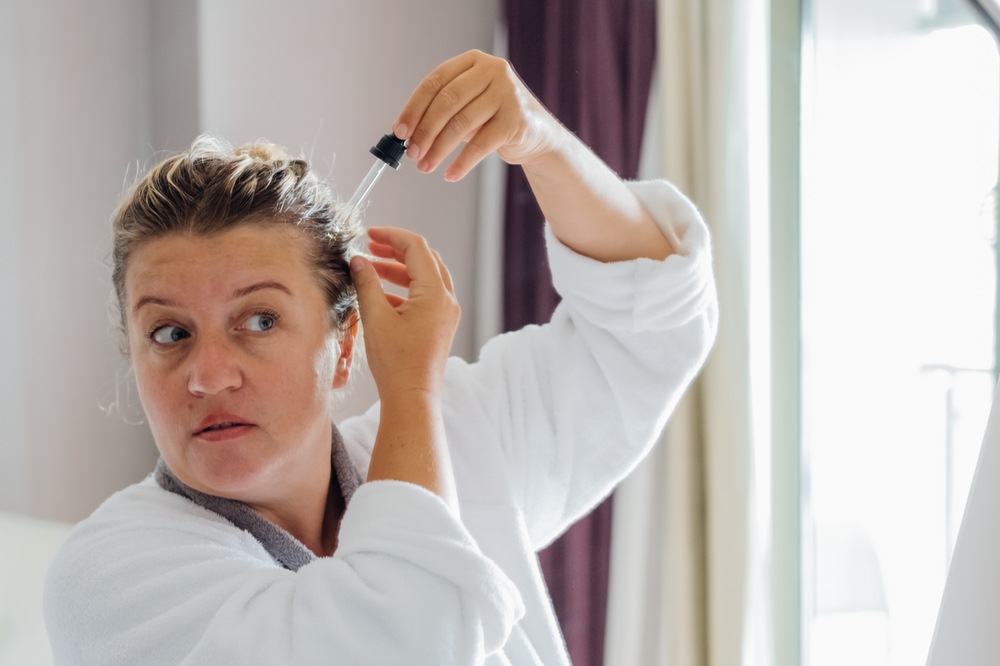
Hair oils provide essential nutrients that help nourish and moisturize your hair. Applying a few drops of hair oil to your ends can restore moisture and add a natural shine. Opt for lightweight oils like argan or jojoba to avoid weighing your hair down. These oils can also protect your hair from environmental damage, keeping it looking healthier for longer. Apply oil after styling or on damp hair to lock in moisture and prevent frizz.
Over time, using hair oils will smooth your ends and improve overall hair texture. Be sure to focus on the tips of your hair where it tends to be drier. You can also try mixing hair oils with your favorite leave-in conditioner for extra hydration. Regular oil application is an easy habit that provides lasting benefits. If you want healthier, shinier hair, make oils a part of your daily routine.
Avoid Tight Hairstyles That Cause Tension

While tight hairstyles like ponytails and braids can look stylish, they often cause tension at the roots and ends. This constant pulling can lead to breakage and split ends. Instead, opt for looser styles that don’t stress your hair. If you do wear a ponytail, use a soft hair tie to avoid unnecessary strain on your strands. This simple habit helps your hair stay healthy without the risk of damage from tight hairstyles.
Taking breaks from tight hairstyles gives your hair a chance to recover and grow stronger. Try wearing your hair down or in a loose bun to give your strands a rest. Your ends will thank you for treating them with more care, and you’ll notice less breakage. Loose hairstyles not only reduce stress on your hair, but they also help your ends stay intact. A little flexibility in your hairstyle choices can go a long way in protecting your hair.
Stay Hydrated for Healthier Hair

Hydration plays a key role in the health of your hair, especially when it comes to the ends. Drinking plenty of water helps keep your hair hydrated from the inside out. Dehydration can lead to dry, brittle hair that’s more prone to breakage and split ends. Aim to drink at least 8 glasses of water a day to keep your hair nourished and healthy. Staying hydrated also supports the overall health of your scalp, promoting stronger hair growth.
In addition to drinking water, consider adding hydrating foods to your diet. Foods rich in vitamins and healthy fats, like avocados, nuts, and salmon, can provide your hair with extra moisture. The healthier your body is, the healthier your hair will be as well. This simple habit supports your hair’s long-term health and helps maintain soft, manageable ends. By focusing on hydration, you’re investing in the overall wellness of your hair.
Limit Chemical Treatments and Coloring
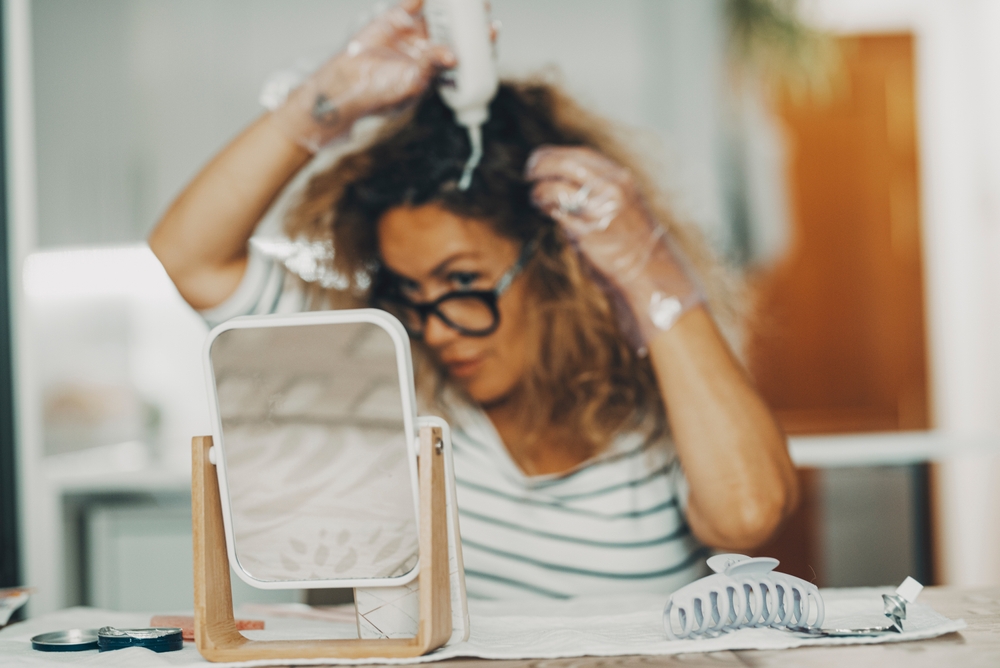
Constant chemical treatments like coloring, perming, or straightening can dry out your hair and damage the ends. While it’s fine to experiment with your hair, it’s important to give it breaks between treatments. Overuse of chemicals weakens the hair shaft, leading to split and dry ends. If you do color your hair, be sure to use products designed for colored hair to protect it from further damage. Taking time off from chemical treatments allows your hair to recover and grow stronger.
Consider embracing your natural texture or opting for gentler alternatives to chemical treatments. When you allow your hair to rest from these processes, you’re giving it the chance to regain its strength and vitality. Regular deep conditioning treatments also help restore the moisture lost during chemical processes. By limiting chemicals, you prevent additional stress on your hair and reduce the chances of breakage. Treat your hair to a break and watch your ends stay healthier.
Use a Leave-In Conditioner for Extra Moisture

A leave-in conditioner can provide an extra layer of protection and moisture for your hair. This product works by locking in hydration and preventing your ends from drying out throughout the day. Apply a small amount to your damp hair, focusing on the ends where dryness often occurs. Leave-in conditioners are lightweight, so they won’t weigh your hair down or leave it feeling greasy. They are an easy way to keep your hair soft and manageable all day long.
Leave-in conditioners are especially useful during the winter months when hair tends to lose moisture more quickly. They can also help detangle hair, making it easier to comb through without causing breakage. Look for a leave-in conditioner that’s formulated for your hair type to get the best results. This habit provides lasting moisture and helps your hair stay healthy between washes. It’s a quick step that has big benefits for your ends.
Eat a Balanced Diet for Strong Hair

What you eat directly impacts the health of your hair, especially the ends. A balanced diet rich in vitamins, minerals, and protein promotes stronger, more resilient hair. Foods like eggs, leafy greens, and berries are full of nutrients that support hair health. Healthy fats from avocados, nuts, and fish help keep your hair hydrated and shiny. Eating well helps your body produce the essential oils and nutrients your hair needs for growth and repair.
By focusing on a nutrient-dense diet, you’ll see improvements in both the strength and appearance of your hair. Incorporating these foods into your daily meals supports hair health from the inside out. A well-rounded diet also benefits your overall well-being, which in turn helps your hair thrive. It’s not just about what you put on your hair, but what you put in your body. For stronger, healthier ends, make sure your diet includes plenty of nutrient-rich foods.
Use a Cold Water Rinse to Seal the Cuticle
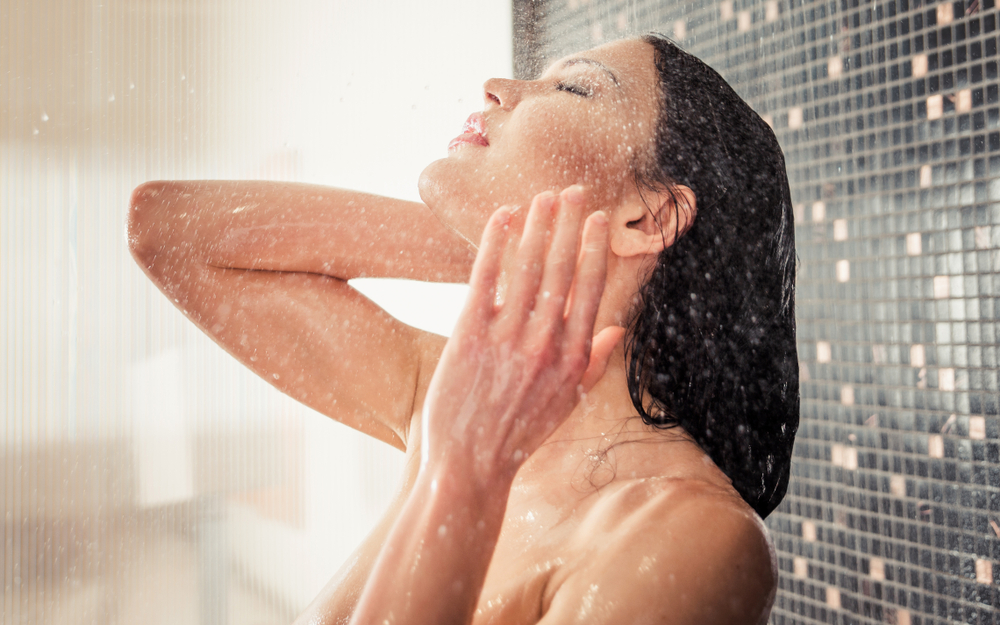
Rinsing your hair with cold water after shampooing and conditioning helps seal the hair cuticle. This step locks in moisture and keeps your hair smooth and shiny. Cold water helps reduce frizz and minimizes split ends by keeping the moisture locked inside your strands. A cold water rinse also gives your hair a healthy shine and makes it look more vibrant. It’s a simple way to boost your hair care routine without much effort.
This method is especially effective when combined with a nourishing conditioner. The cold water helps to keep the conditioner’s moisture sealed into your hair, reducing the risk of dry ends. While it may feel chilly, the results are worth it for smoother, healthier hair. After just a few cold rinses, you’ll notice a shinier, softer texture. It’s an easy habit to incorporate that will make a noticeable difference in your ends.
Be Gentle When Towel Drying

Towel drying your hair can cause damage if done too roughly. Instead of rubbing the towel on your hair, gently blot it to remove excess moisture. Vigorous rubbing can cause friction that leads to split ends and breakage. Opt for a soft, microfiber towel or an old t-shirt to absorb water without damaging your strands. The gentler you are with your hair, the healthier it will look in the long run.
This habit is especially important for individuals with curly or textured hair, as it can help reduce frizz. Microfiber towels help reduce moisture retention and decrease drying time. Blotting is a great alternative to aggressive drying that can keep your ends looking smooth and frizz-free. Incorporating this simple change into your routine will lead to healthier, shinier hair. Treating your hair gently will help prevent unnecessary wear and tear.
This article originally appeared on Avocadu.