
11 New Year Budget Habits That Feel Realistic
The start of a new year often brings renewed interest in managing money in a way that actually fits everyday life. Many people want better control over their budget without feeling restricted or overwhelmed. Realistic budget habits focus on small changes that are easier to maintain over time. These habits support steady progress by building awareness, consistency, and confidence. When budgeting feels practical and flexible, it becomes part of daily life rather than a temporary resolution.
This post may contain affiliate links, which helps keep this content free. Please read our disclosure for more info.
Set One Clear Money Goal at a Time

Starting the year with one clear money goal keeps the process from feeling overwhelming. When attention is placed on a single target, such as paying off one balance or building a small savings cushion, progress feels easier to measure. This habit works because it removes the pressure to fix everything at once. Small steps tend to feel more manageable and less stressful. Over time, steady movement builds confidence and consistency.
Focusing on one goal also makes daily choices simpler. When spending decisions come up, it becomes easier to pause and think about whether they support that goal. This approach keeps budgeting connected to real life instead of strict rules. Each small success builds momentum without forcing major lifestyle changes. That momentum often makes the next goal feel less intimidating.
Start With a Monthly Spending Check Instead of a Full Budget
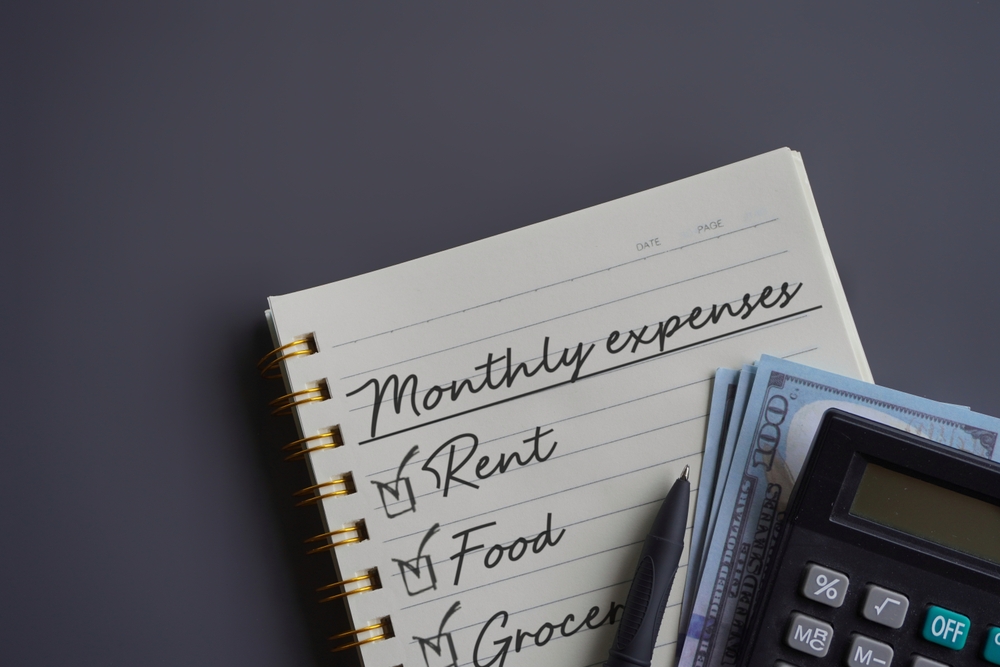
Reviewing spending once a month is a gentle way to build awareness. It allows people to see patterns without feeling judged by every purchase. Many expenses repeat quietly and go unnoticed until they are reviewed together. A monthly check brings clarity without pressure. This habit helps people understand their habits before trying to change them.
This approach keeps money planning flexible and realistic. It allows room for social plans, unexpected costs, and normal routines. Seeing spending clearly makes small adjustments easier to spot. Over time, those adjustments feel natural instead of forced. Awareness often leads to better decisions without strict tracking.
Save a Small Amount From Every Paycheck

Saving does not need to start with a large number to matter. A small amount set aside regularly can grow into meaningful progress. This habit removes the pressure of waiting for extra money that may never appear. It builds a rhythm that feels steady rather than stressful. Consistency is what creates lasting results.
Setting aside a small amount early helps savings feel like a normal part of income. It also reduces the urge to spend everything that comes in. Over time, saving begins to feel routine instead of optional. The amount can increase later when it feels comfortable. What matters most is building the habit itself.
Track Expenses for Awareness, Not Control

Tracking expenses works best when it is used to learn rather than restrict. Writing down spending shows where money actually goes instead of where it is assumed to go. This habit brings clarity without guilt. It allows people to notice patterns that quietly repeat each month. Awareness creates the opportunity for change without pressure.
Using tracking as a learning tool keeps the process realistic. It removes the feeling of being watched or judged. Over time, patterns become familiar and easier to adjust. Small changes often happen naturally once habits are visible. This keeps budgeting grounded in real behavior.
Build a Simple Emergency Cushion Slowly
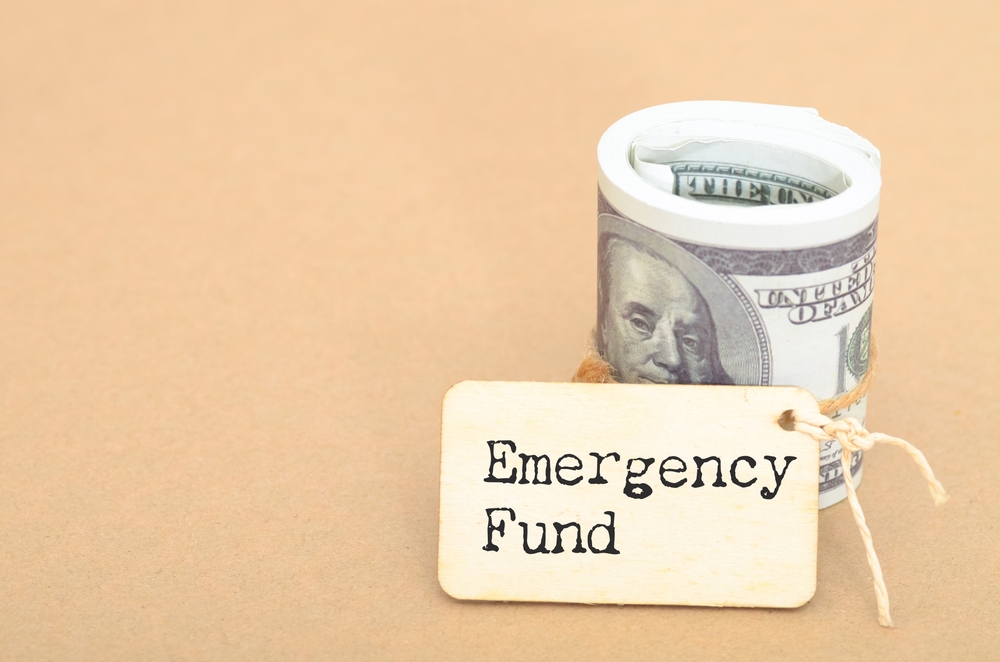
An emergency cushion does not need to be large to be helpful. Starting small makes the idea feel possible instead of overwhelming. Even a modest amount can soften the impact of unexpected expenses. This habit reduces financial stress over time. It creates a sense of stability without major sacrifice.
Adding to this cushion gradually keeps the process manageable. There is no pressure to reach a specific number right away. Each small contribution builds confidence. Over time, knowing there is a backup can change how money decisions feel. That sense of preparation supports calmer choices.
Limit Impulse Spending With a Short Pause

Impulse spending often happens quickly and without thought. Adding a short pause before buying creates space for reflection. This habit does not block spending but slows it down. It helps separate wants from immediate reactions. A pause makes spending more intentional.
Over time, this habit reduces regret after purchases. Many impulses fade after a short wait. When a purchase still feels right later, it feels more satisfying. This keeps spending aligned with priorities without strict rules. Small pauses lead to better long-term habits.
Plan for Fun Money Without Guilt
Allowing room for enjoyment makes budgeting feel sustainable. Fun money helps avoid burnout and resentment. This habit acknowledges that enjoyment is part of real life. It creates balance rather than restriction. Planning for enjoyment makes spending feel intentional.
Having a set amount for enjoyment reduces guilt around small treats. It also prevents overspending later due to frustration. Over time, this balance supports healthier habits. Enjoyment and responsibility can exist together. This makes budgeting easier to maintain.
Review Subscriptions Every Few Months

Subscriptions often continue quietly without attention. Reviewing them every few months brings clarity. This habit helps identify services that no longer fit current needs. Small monthly charges can add up over time. Awareness makes it easier to decide what still feels worth keeping.
Letting go of unused subscriptions creates quick savings without lifestyle changes. The process feels simple rather than restrictive. It keeps spending aligned with actual habits. Over time, this review becomes routine. Small savings add up naturally.
Use Cash or a Separate Account for Certain Spending
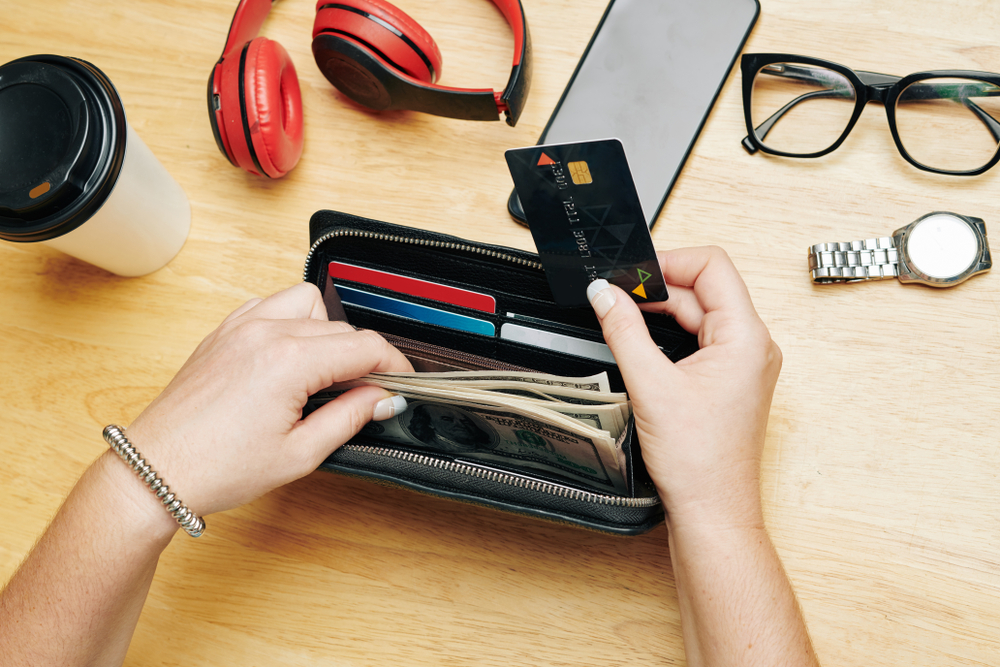
Separating certain spending categories can create clearer boundaries. Using cash or a separate account makes spending visible. This habit works because it adds awareness without tracking every purchase. It helps limit overspending in specific areas. Clear boundaries reduce stress.
This approach keeps spending intentional and controlled. It removes the guesswork around where money went. Over time, habits adjust naturally. This method feels practical rather than strict. It supports consistency without pressure.
Lower One Expense Instead of Cutting Everything

Trying to cut everything at once often leads to frustration. Choosing one expense to lower feels more manageable. This habit keeps change focused and realistic. It allows room for comfort while improving finances. Small adjustments are easier to maintain.
Lowering one expense builds confidence. It shows that progress is possible without drastic sacrifice. Over time, small changes create meaningful results. This keeps budgeting steady and realistic. Progress feels earned rather than forced.
Plan for Irregular Expenses Ahead of Time

Irregular expenses often cause stress when they appear unexpectedly. Planning for them spreads the cost over time. This habit helps avoid sudden financial strain. It keeps surprises from becoming emergencies. Preparation creates stability.
Setting aside small amounts for irregular costs feels practical. It reduces panic when those expenses arrive. Over time, this habit brings confidence. Planning supports calmer money decisions. It makes budgeting feel thoughtful rather than reactive.
This article originally appeared on Avocadu.