
15 Native Plants That Handle Late Winter Weather Swings
Late winter can be a tricky time for gardeners, with temperatures swinging from cold to mild in a matter of days. Luckily, there are native plants that thrive in this unpredictable weather. These hardy varieties are well-suited to handle the fluctuating conditions. Whether you are looking to add color to your garden or strengthen your landscape, native plants offer great solutions.
This post may contain affiliate links, which helps keep this content free. Please read our disclosure for more info.
Purple Coneflower (Echinacea purpurea)
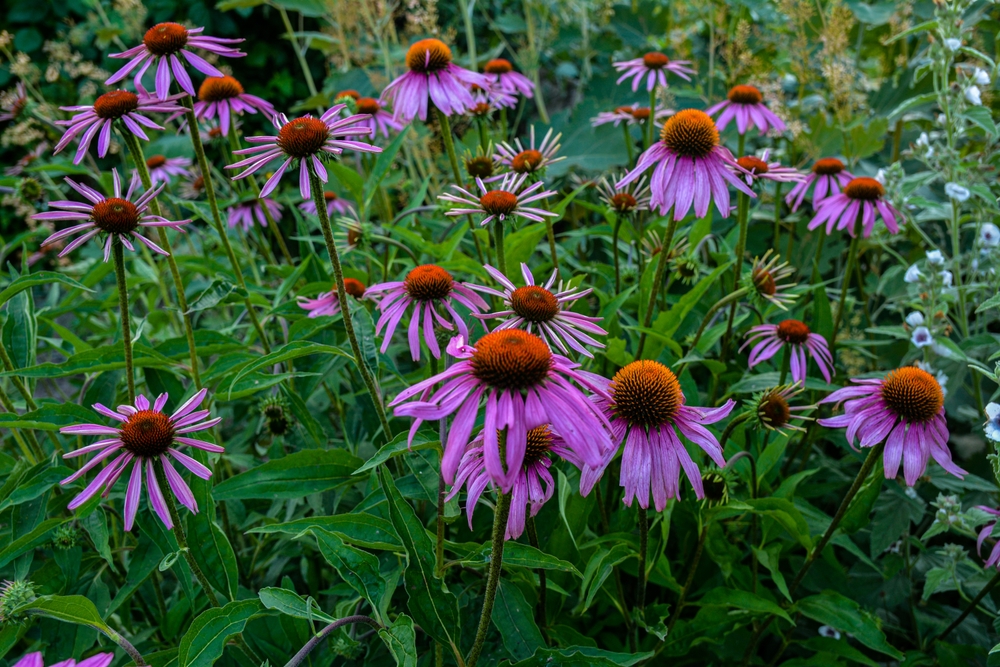
Purple coneflowers are a popular choice for gardens in areas with fluctuating temperatures. These hardy perennials can withstand cold snaps and return each year with vibrant, daisy-like blooms. They’re not only known for their beauty but also for their ability to attract pollinators like bees and butterflies, making them a great addition to any garden. Purple coneflowers thrive in full sun and well-drained soil, requiring minimal care once established.
Their deep taproots allow them to survive even in drought conditions, making them an ideal plant for fluctuating temperatures in late winter. Despite the cold, coneflowers can survive harsh conditions and continue to grow once the temperatures rise. In addition to their weather resilience, they are a valuable plant for native wildlife. For gardeners seeking low-maintenance plants with significant ecological benefits, purple coneflowers are an excellent option.
Black-eyed Susan (Rudbeckia hirta)
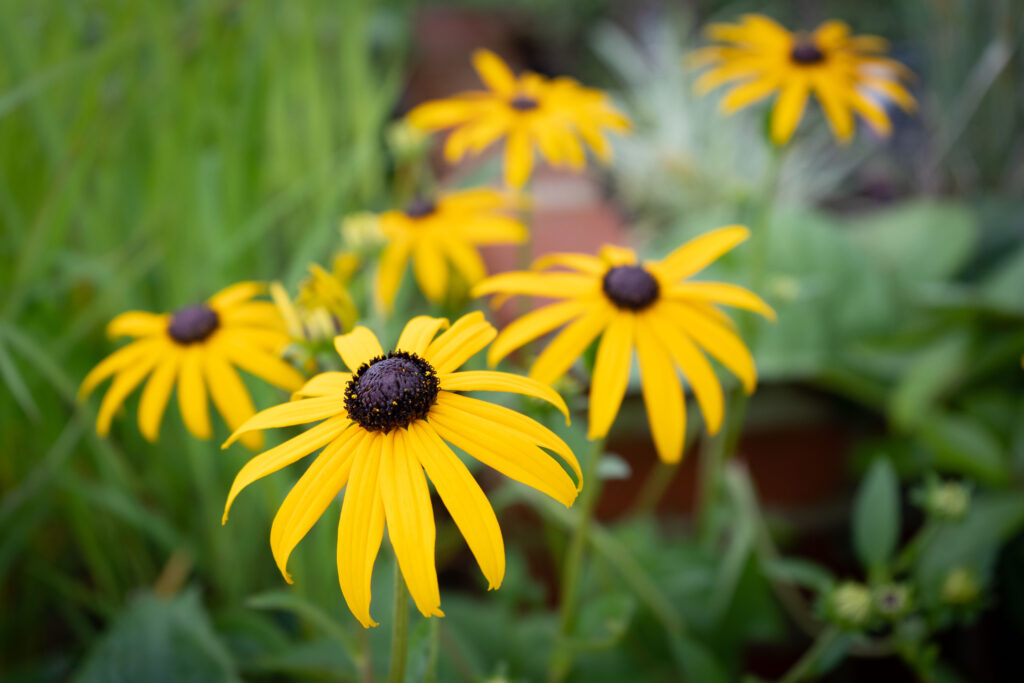
Black-eyed Susans are well-known for their bright yellow petals and dark centers, and they are a resilient plant that handles the ups and downs of late winter weather with ease. These native plants can tolerate both drought and frost, which makes them perfect for variable winter temperatures. Black-eyed Susans grow best in full sun and are well-suited to most soil types. They bloom in late summer and fall, but even during the winter months, their dried seed heads offer food for birds.
Once they establish themselves, these plants are low maintenance and require little care, making them ideal for gardeners who want reliable plants through changing temperatures. Their ability to handle frost and extreme cold comes from their deep root systems, which help them survive even the toughest winters. Black-eyed Susans not only add a pop of color to your garden but also provide valuable habitat for local wildlife. Their sturdy, weather-tolerant nature makes them a garden favorite in late winter months.
Switchgrass (Panicum virgatum)
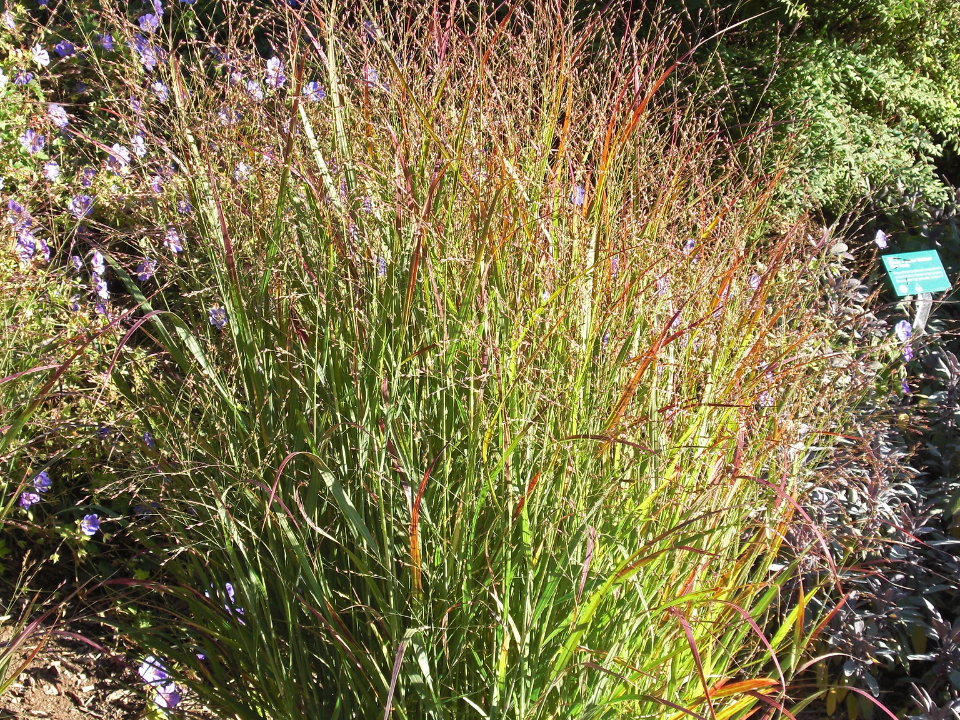
Switchgrass is a native ornamental grass that is known for its resilience in a variety of conditions, including late winter weather swings. This hardy plant grows well in full sun and is especially tolerant of dry soil conditions. Switchgrass is ideal for gardeners seeking a low-maintenance plant that can provide structure and texture to the garden throughout the seasons. It also offers visual interest with its airy, feathery plumes that persist into the winter months.
Switchgrass is particularly useful in creating windbreaks and erosion control areas. Its deep roots help it endure harsh winter temperatures and retain its form even after snow and frost. Not only does it withstand temperature fluctuations, but it also provides shelter for birds and small mammals during the colder months. Switchgrass is an excellent choice for adding both beauty and functionality to your late winter garden.
Serviceberry (Amelanchier canadensis)
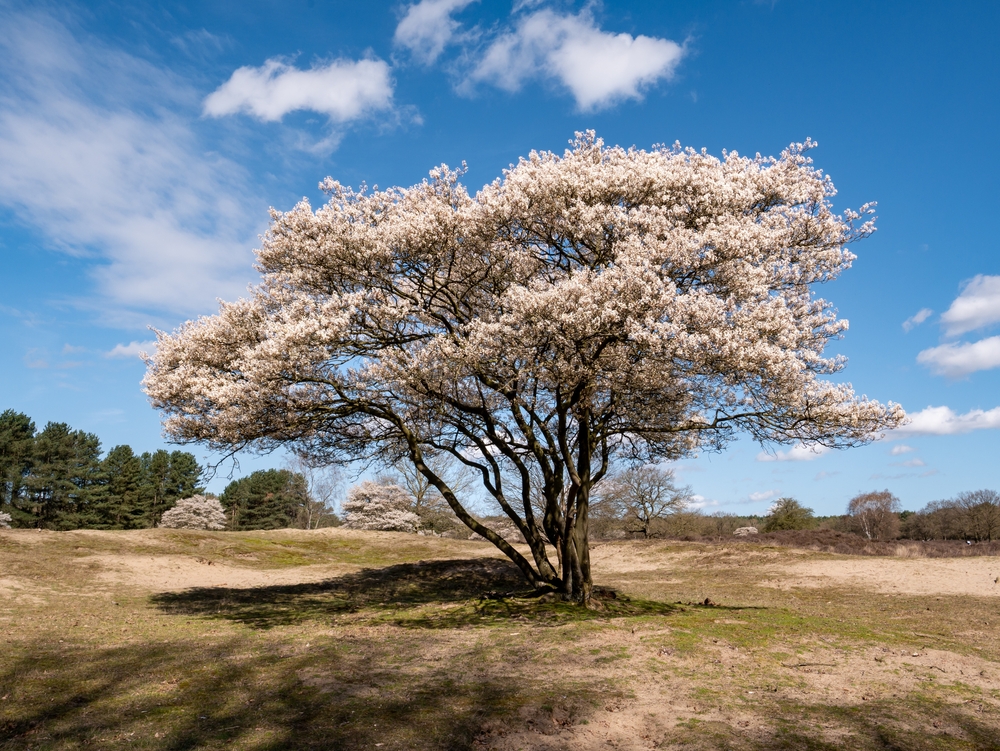
Serviceberry is a small tree or shrub that offers both beauty and resilience in the late winter months. This native plant thrives in a variety of conditions and is known for its early spring blooms and vibrant red-orange foliage in the fall. During the winter, serviceberries are able to withstand freezing temperatures due to their strong root system and ability to go dormant when needed. The branches often provide a striking visual element, with their smooth gray bark and delicate twigs.
Serviceberries are also a favorite among birds, as their berries provide food throughout the winter months. This plant prefers moist, well-drained soil and partial to full sunlight, but it is adaptable to various environmental conditions. The tree’s flowers in early spring are one of the first signs of life in the garden after a long winter. Its resilience to late-season weather makes it a must-have for any garden that experiences temperature swings.
Winterberry Holly (Ilex verticillata)
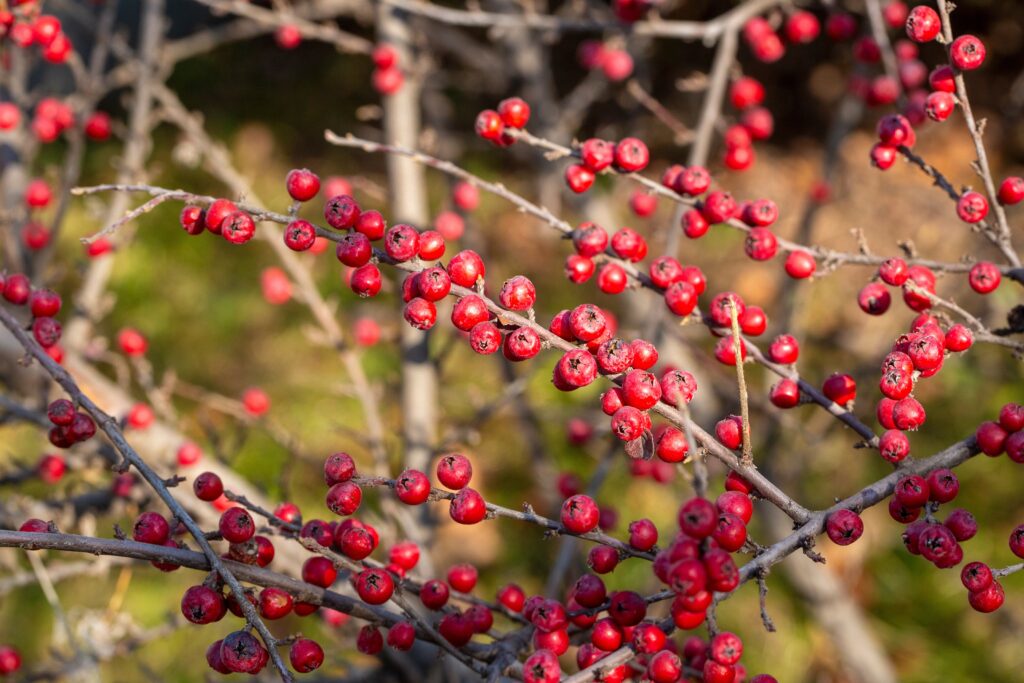
Winterberry holly is a deciduous shrub that remains a striking feature in the winter months due to its bright red berries. This native shrub thrives in cold climates and is well-suited for regions with unpredictable late winter temperatures. It does well in wet, acidic soil, often found near streams and wetlands, though it can also tolerate drier conditions once established. Winterberry holly requires full sun to partial shade and produces small, white flowers in the summer before its berries develop in the fall.
Not only does winterberry holly survive late winter weather, but its berries provide essential food for birds during the colder months. Its ability to withstand harsh conditions and add color to the winter landscape makes it a popular choice for gardeners. Even without its leaves, the bright red berries offer year-round interest. This plant is a great addition to any landscape that experiences seasonal temperature fluctuations.
Prairie Dropseed (Sporobolus heterolepis)
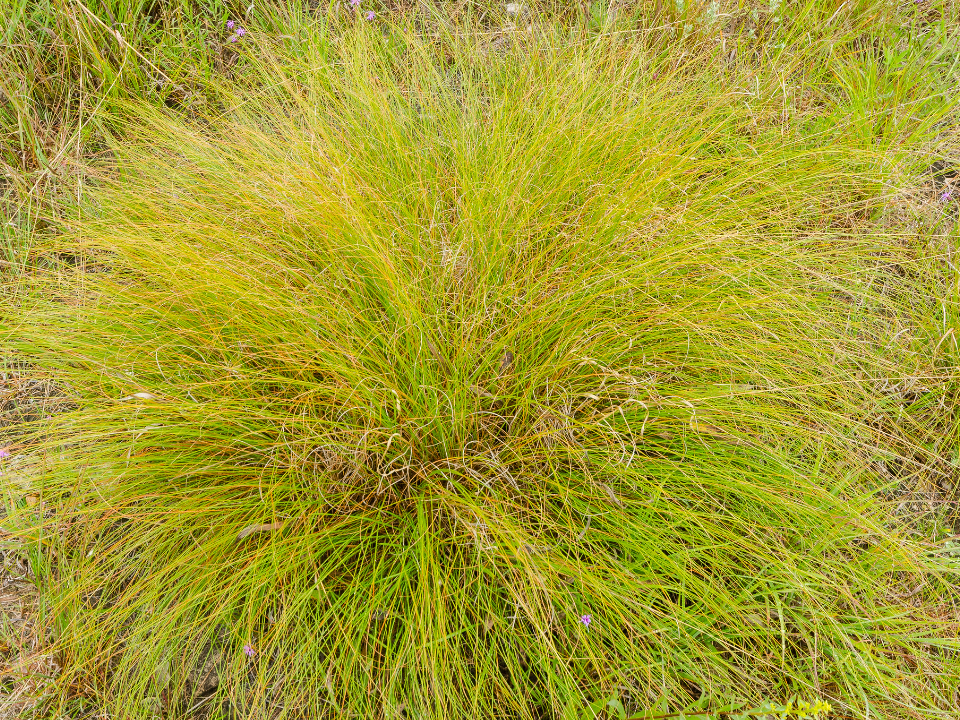
Prairie dropseed is a native grass that offers exceptional drought tolerance and thrives in full sun. It is particularly resilient to late winter temperature swings, making it a suitable choice for areas with fluctuating conditions. This grass creates a fine-textured mound that adds visual appeal and can be planted in gardens to provide texture throughout the year. In late winter, prairie dropseed stands upright, offering a visually interesting element that remains through the cold.
Prairie dropseed grows best in well-drained soil, and it adapts to various soil types, including sandy and rocky conditions. As a warm-season grass, it starts its growth later in the spring but is fully capable of withstanding the chillier months. The plant’s fine foliage also makes it an excellent ground cover, as it provides a natural barrier for weeds. Prairie dropseed’s resistance to late winter temperature swings and its ability to thrive in diverse environments make it a reliable choice for gardeners.
Blazing Star (Liatris spicata)
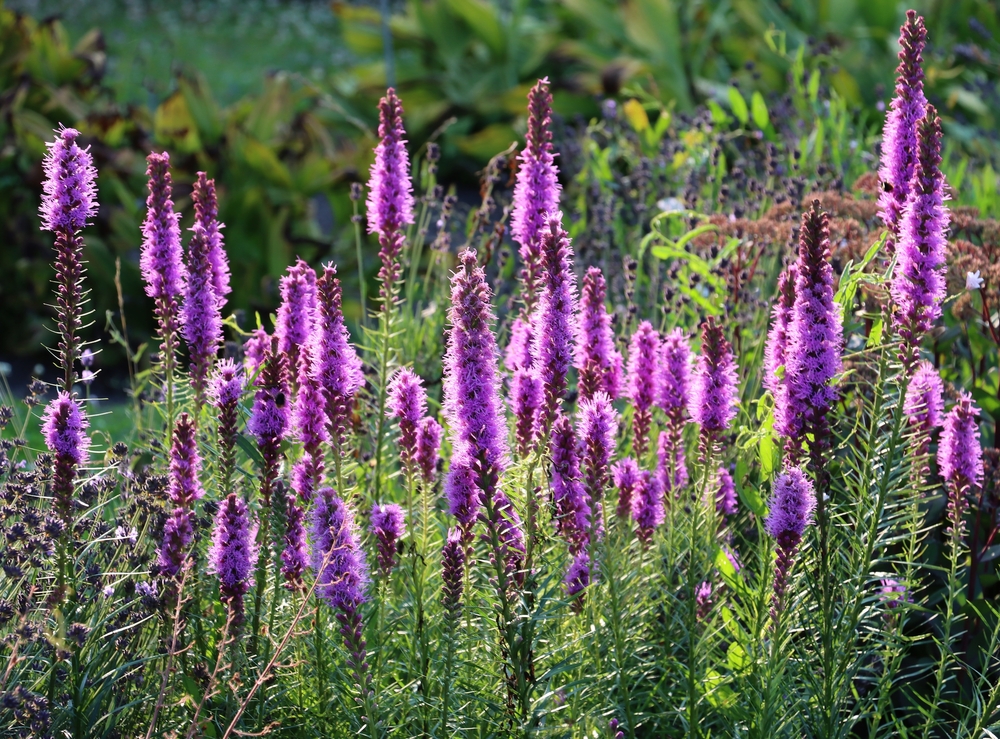
Blazing star is another native perennial that thrives in late winter conditions. This plant is known for its tall, spiky flowers that bloom in mid-summer, but its resilience to cold temperatures makes it a great addition to gardens experiencing fluctuating winter weather. Blazing star does well in full sun and moist, well-drained soil, making it perfect for areas that tend to have intermittent cold spells throughout late winter. It’s also a magnet for pollinators, attracting bees and butterflies during its blooming season.
The plant’s hardy nature allows it to handle both the extreme cold and unexpected warm spells typical of late winter. The flower spikes remain standing even through frost, providing visual interest in the garden. Additionally, blazing star is low maintenance and does not require frequent watering once established, making it a great choice for gardeners looking for a hardy yet attractive plant. Its ability to thrive in varying temperatures and soil conditions ensures its place in your late winter garden.
Snowdrop (Galanthus nivalis)
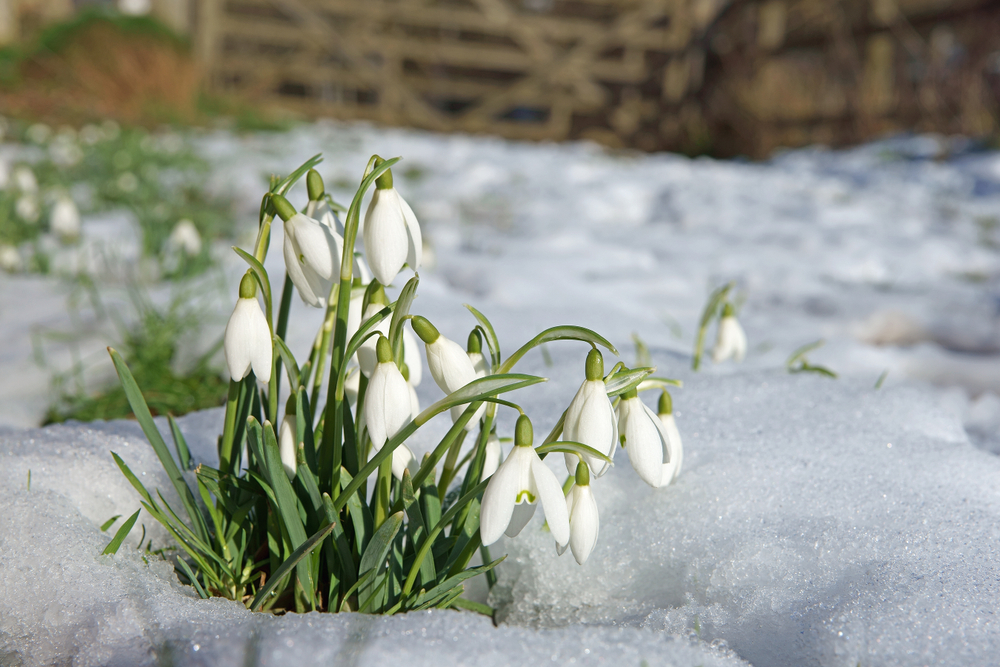
Snowdrops are one of the earliest flowering plants of the year, often blooming while snow is still on the ground. This native bulb is well-suited to late winter weather, as it thrives in cold conditions and is among the first to announce the arrival of spring. Snowdrops are low-growing plants with delicate, drooping white flowers that add a gentle touch to any winter garden. They do best in well-drained soil with partial to full shade, making them perfect for planting under trees or in woodland areas.
Despite the cold, snowdrops’ resilience allows them to bloom even during freezing temperatures. Their flowers often appear when most other plants are still dormant, providing a much-needed burst of color during the grey winter months. Snowdrops multiply year after year, and their spreading growth makes them ideal for naturalizing in gardens. These early bloomers are an excellent choice for gardeners looking to add life to their late winter landscapes.
American Elderberry (Sambucus canadensis)
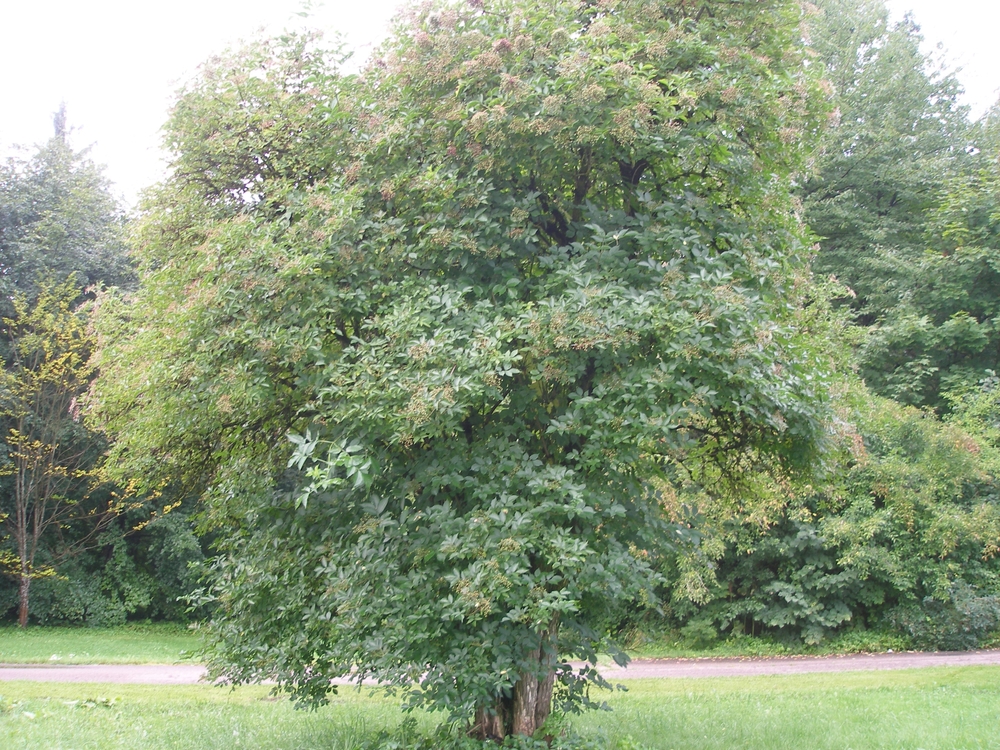
American elderberry is a fast-growing shrub that can tolerate a range of temperatures, including the swings that come with late winter weather. This native shrub produces large clusters of white flowers in late spring and early summer, followed by dark purple berries that ripen in late summer. Elderberries are known for their use in making jams, syrups, and wine, making them both a beautiful and practical plant. The plant grows best in full sun to partial shade and is tolerant of a variety of soil conditions, including wet, heavy soils.
This hardy plant is particularly useful for gardeners who want a plant that provides both aesthetic and practical benefits. American elderberry can survive the unpredictable temperature changes of late winter due to its deep root system. The berries attract birds and other wildlife, providing additional benefits for your garden’s ecosystem. It is an excellent choice for anyone looking for a hardy, multi-purpose plant that can withstand colder temperatures.
Little Bluestem (Schizachyrium scoparium)
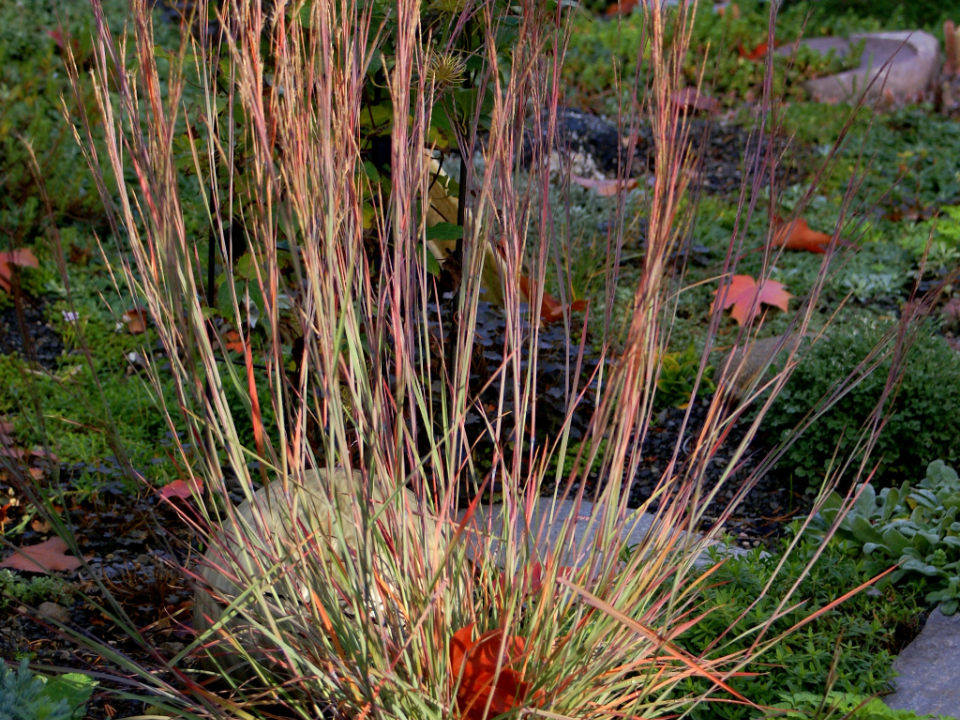
Little bluestem is a native grass that thrives in a variety of conditions, including the fluctuating temperatures typical of late winter. This grass features a blue-green color in the summer, turning shades of red and orange in the fall and winter, adding visual interest to the landscape. Little bluestem is drought-tolerant and grows best in full sun, making it well-suited for gardens that experience late winter swings in temperature. It requires little maintenance once established and provides year-round beauty.
This plant is resilient to cold weather and can handle light frost, making it perfect for gardens that experience unexpected temperature shifts. The grass is often used in natural landscaping due to its low-maintenance nature and attractive seasonal color changes. Its deep root system helps it withstand drought conditions, while its compact size makes it ideal for smaller spaces. Little bluestem is an excellent choice for gardeners looking for a versatile, cold-hardy grass.
Virginia Bluebell (Mertensia virginica)
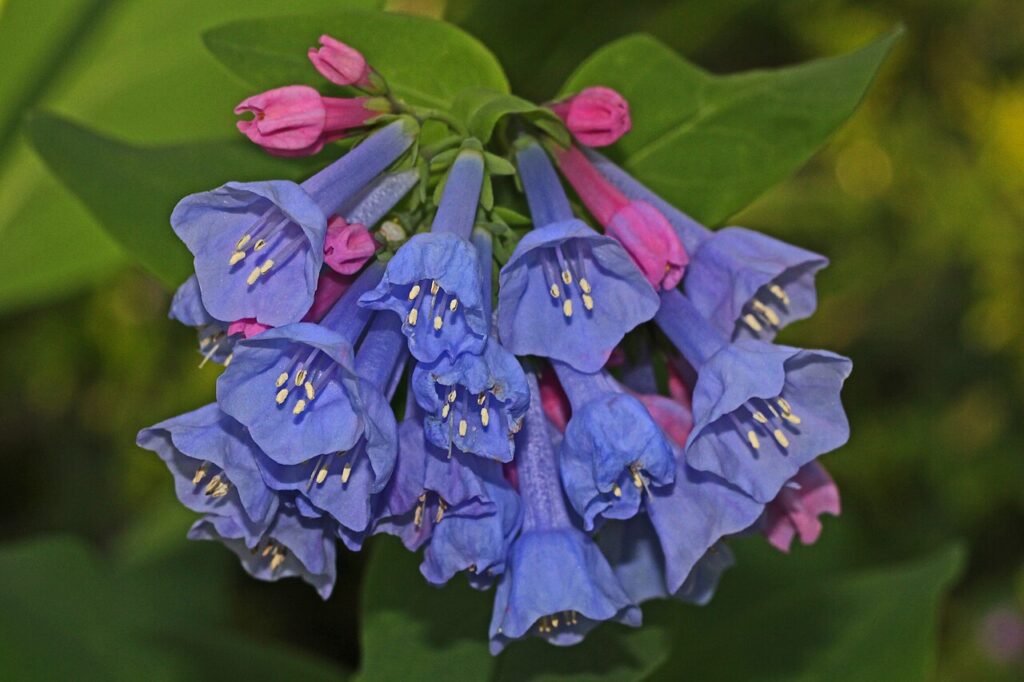
Virginia bluebells are native wildflowers known for their bell-shaped blue flowers that bloom in early spring. This perennial is perfect for late winter weather as it can withstand cold temperatures while waiting for the warmer spring days to arrive. It thrives in shaded areas with moist, well-drained soil, making it an excellent choice for planting under trees or in woodland gardens. The plant forms large clusters of blue flowers that attract pollinators, including bees and hummingbirds.
The bluebells bloom in early spring, making them one of the first signs of life after the winter chill. They die back in the summer, which means they will not require much attention once the flowers fade. Virginia bluebells are a wonderful addition to any garden, especially in areas that experience late winter temperature fluctuations. Their ability to thrive in shade and their stunning spring blooms make them a must-have for woodland gardens.
Northern Bayberry (Myrica pensylvanica)
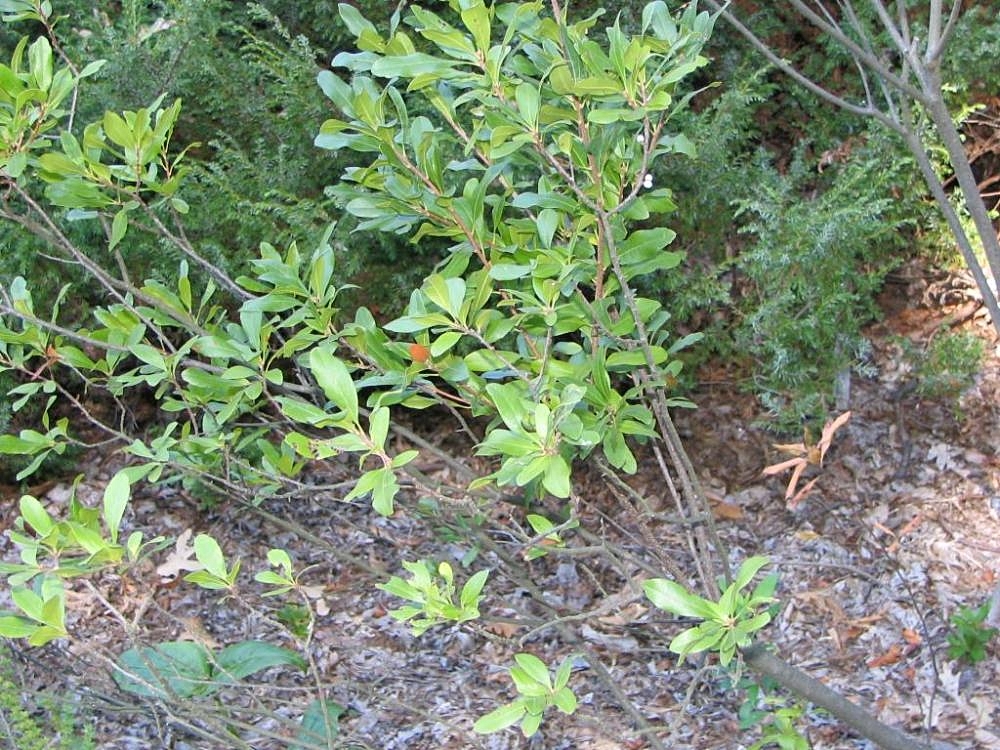
Northern bayberry is a hardy shrub that thrives in a wide range of conditions, including the cold, late winter weather. This plant produces aromatic, grayish-white berries that persist throughout the winter months. Known for its resilience, northern bayberry is perfect for gardens in colder climates that experience fluctuating temperatures. It does well in sandy, well-drained soils and tolerates both drought and cold weather, making it ideal for a low-maintenance garden.
The aromatic leaves of northern bayberry are often used in making candles, while the berries are consumed by various wildlife. Its evergreen nature makes it an attractive addition to the winter landscape, as it provides both visual appeal and shelter for birds. Northern bayberry is a perfect plant for anyone looking for a hardy, multi-functional shrub that can survive late winter weather swings. Its resilience to cold and its utility for both gardeners and wildlife make it an essential garden plant.
Spotted Touch-Me-Not (Impatiens capensis)
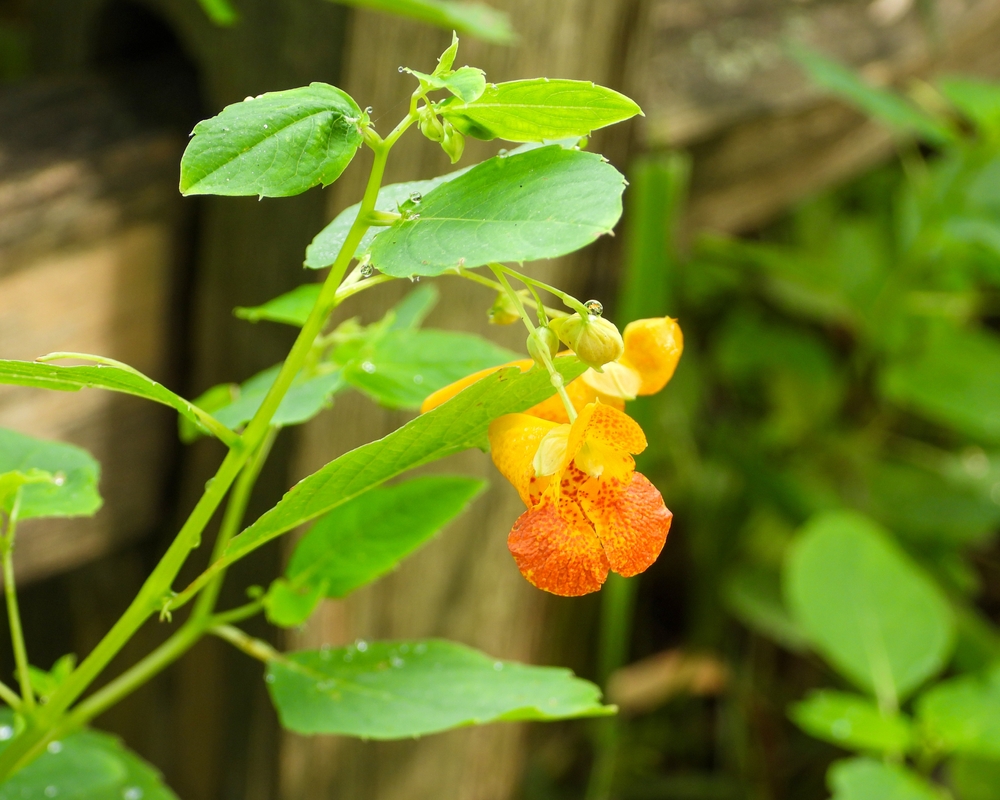
Spotted touch-me-not is a native annual that can thrive in moist, shaded areas and handle cold late winter temperatures. This plant is known for its unique orange flowers with red spots and its ability to bloom well into late fall. Spotted touch-me-not does best in moist, well-drained soil and will tolerate a variety of light conditions, from partial to full shade. The plant’s ability to grow in wetter environments makes it a perfect option for gardens that may experience colder temperatures combined with excess moisture.
This plant provides beauty and interest throughout the growing season, attracting pollinators like hummingbirds and bees. Although it’s an annual, spotted touch-me-not self-seeds, meaning it can return to gardens each year. Its bold, vibrant flowers stand out in any garden, making it a lovely addition even in late winter. The plant’s ability to handle varying weather conditions makes it an excellent choice for gardens with fluctuating temperatures.
Red Maple (Acer rubrum)
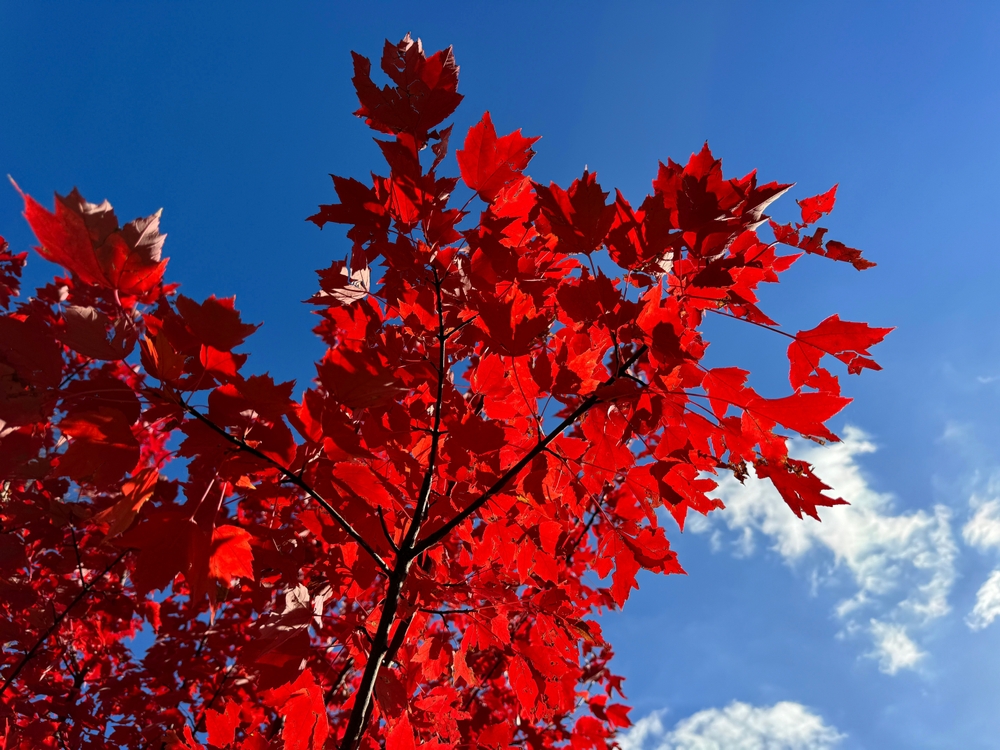
The red maple is one of the most common native trees in North America, known for its stunning red foliage in the fall. This tree is particularly resilient to late winter weather, as it can endure fluctuating temperatures and harsh conditions. Red maples thrive in a variety of soils, from acidic to alkaline, and grow best in full sun to partial shade. They are often found in wetlands and floodplains, but they are adaptable enough to grow in drier areas as well.
In the winter months, the red maple’s bare branches are a striking feature of the landscape. The tree provides shelter for birds and small mammals, adding value to any garden. Once the temperatures warm, the red buds bloom, signaling the start of spring. Its resistance to late winter weather swings and its striking seasonal color make it a favorite for gardeners across North America.
Woodland Sunflower (Helianthus divaricatus)
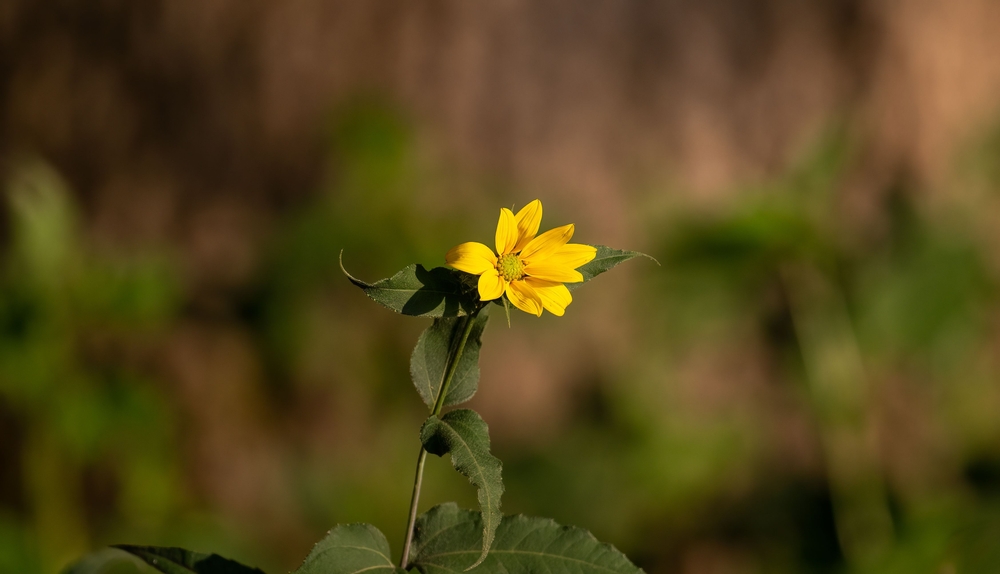
Woodland sunflower is a native perennial that thrives in a variety of growing conditions, including fluctuating late winter temperatures. This sunflower variety produces tall, branching stems topped with bright yellow flowers that bloom in mid-summer. It grows best in well-drained, slightly acidic soil and prefers partial to full sunlight. The woodland sunflower is a resilient plant that can survive both cold and hot temperatures with minimal care.
The plant’s sturdy nature and vibrant flowers make it an excellent choice for adding color and structure to a late winter garden. It can tolerate varying moisture levels and is often found in woodland gardens or meadows. Woodland sunflowers are especially valuable for their ability to attract pollinators, such as bees and butterflies. Their beauty and resilience to late winter weather make them a perfect addition to any garden.
This article originally appeared on Avocadu.