
13 National Parks That Helped Bring Back Lost Wildlife Populations
Wildlife recovery does not happen overnight, yet national parks have shown that progress is possible. Some parks have quietly become safe places where threatened animals can return and grow stronger. Years of protection and careful management have allowed these species to regain their place in the wild. Today, visitors may witness animals that once faced a serious fight for survival.
This post may contain affiliate links, which helps keep this content free. Please read our disclosure for more info.
Yellowstone National Park
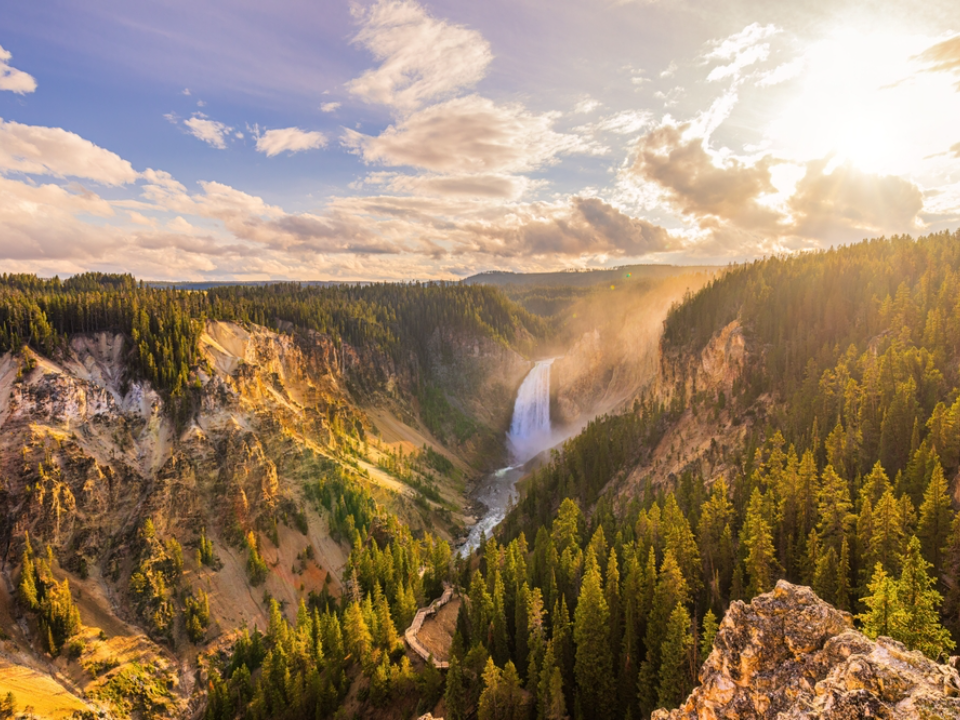
Yellowstone National Park in Wyoming, Montana, and Idaho has become one of the most widely discussed examples of wildlife recovery in North America. The park protects large areas of forest, open plains, and river valleys that once supported enormous herds of animals before settlement reduced their numbers. By the early twentieth century, several key species had nearly vanished from the region. Careful protection and wildlife management helped stabilize populations that were once in serious trouble. The most famous effort involved the return of gray wolves to the park in nineteen ninety five after the animals had been missing from the ecosystem for decades.
The return of wolves had a ripple effect across the park’s environment. Elk populations began to change their grazing habits, which allowed trees and shrubs to grow again along riverbanks. As vegetation recovered, animals such as beavers and songbirds found better habitat. Even the shape of some waterways began to shift as plant life returned to the edges of streams. Yellowstone today remains one of the most studied examples of how protected land can allow wildlife populations to rebuild over time.
Everglades National Park
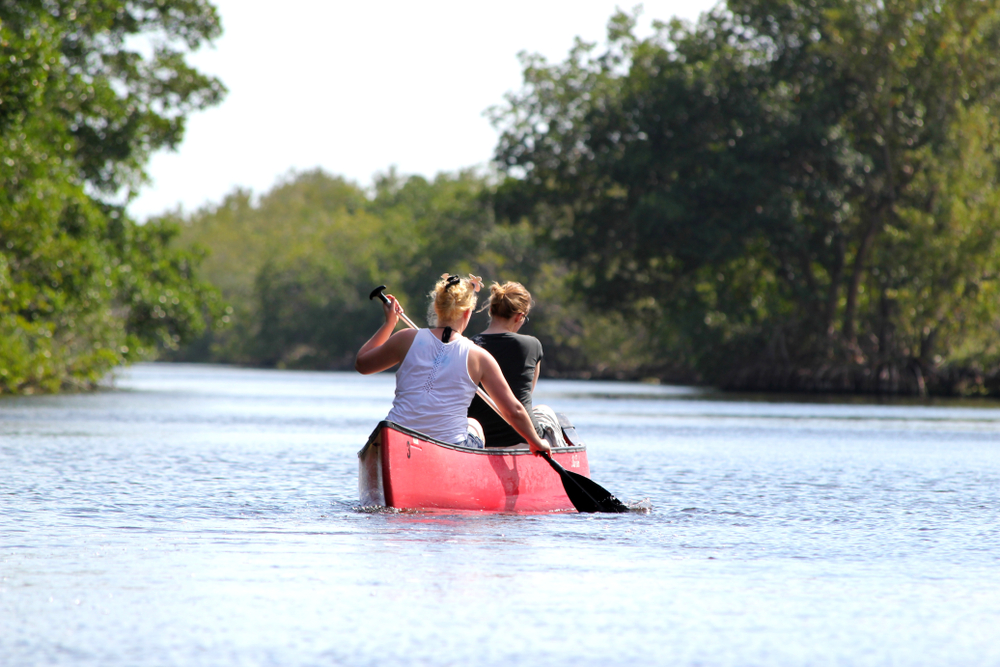
Everglades National Park in Florida protects one of the largest wetland systems in North America. This vast area of marshes, mangrove forests, and slow-moving waterways provides critical habitat for species that rely on warm coastal environments. Many animals once faced major population declines due to development and water changes across southern Florida. Protection of the Everglades gave wildlife a place where natural conditions could slowly return. Over time, several species that once struggled began to rebuild their numbers inside this protected environment.
The American alligator is one of the most well known recovery stories connected to the Everglades. Once threatened across much of its range, the species found safe breeding grounds within the park’s wetlands. The Florida panther also uses areas of the Everglades and nearby protected land as part of its remaining habitat. Large groups of wading birds such as herons, ibis, and wood storks have returned to nest in shallow marsh areas. The Everglades now stands as one of the most important wildlife refuges in the southeastern United States.
Channel Islands National Park
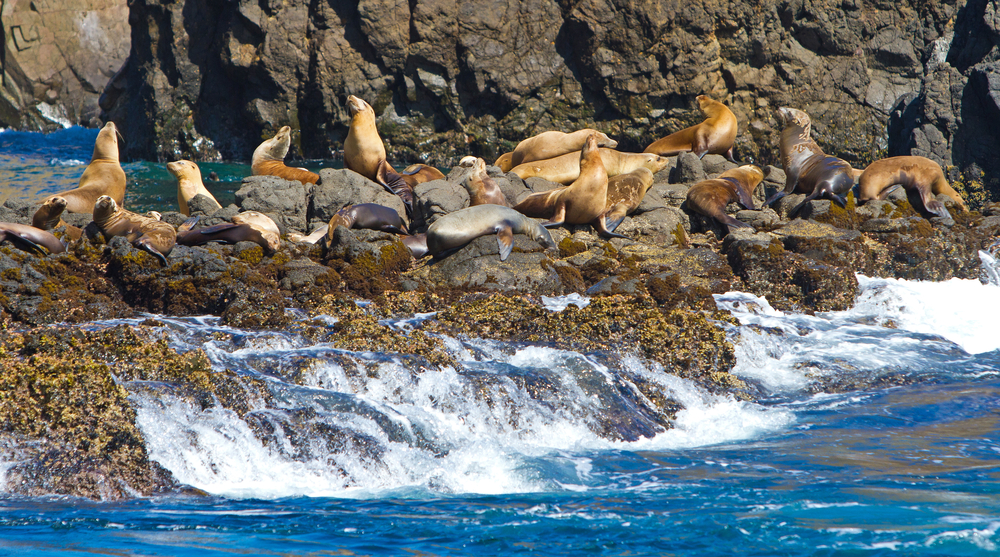
Channel Islands National Park protects several rugged islands off the coast of southern California. These islands contain ecosystems that developed in isolation over thousands of years. During the twentieth century, introduced animals and human activity damaged much of the natural habitat. Native plants were heavily grazed, and several local species began to decline rapidly. Conservation work focused on restoring native vegetation and removing animals that harmed the fragile island ecosystem.
One of the most remarkable recovery stories here involves the island fox. This small fox exists only on the Channel Islands and nowhere else on Earth. During the nineteen nineties, the population dropped dramatically due to disease and predation by golden eagles. Wildlife specialists began breeding programs and returned healthy foxes to the islands once conditions improved. Today, the island fox population has rebounded across several islands, making it one of the fastest recoveries for a mammal in North America.
Rocky Mountain National Park
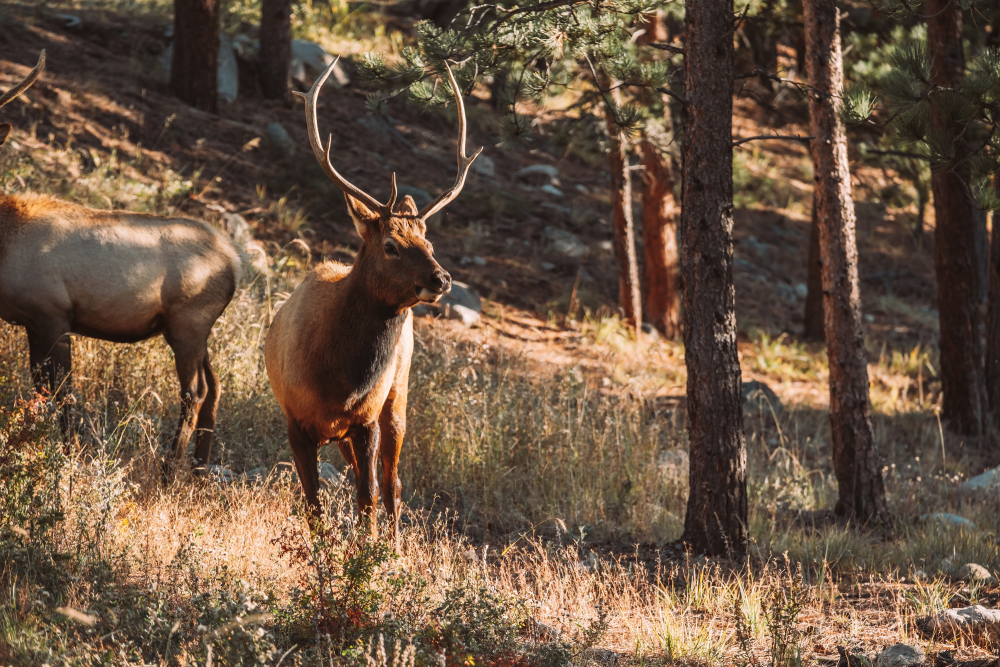
Rocky Mountain National Park in Colorado protects a wide range of habitats that stretch from dense forests to alpine tundra. These environments support animals that depend on mountain landscapes for food and shelter. During the early years of settlement, hunting and habitat loss caused declines in several wildlife populations. Protection inside the park allowed these animals to slowly return to stable numbers. Today, visitors often see large herds of elk moving through the open meadows and valleys.
Another important recovery story in the park involves the greenback cutthroat trout. This trout species is native to Colorado but nearly disappeared from many streams during the last century. Conservation programs helped restore the fish in protected waterways within the park. Scientists worked to remove non native fish that competed with the trout for habitat. These efforts allowed the species to return to several mountain streams where it had once been lost.
Grand Teton National Park
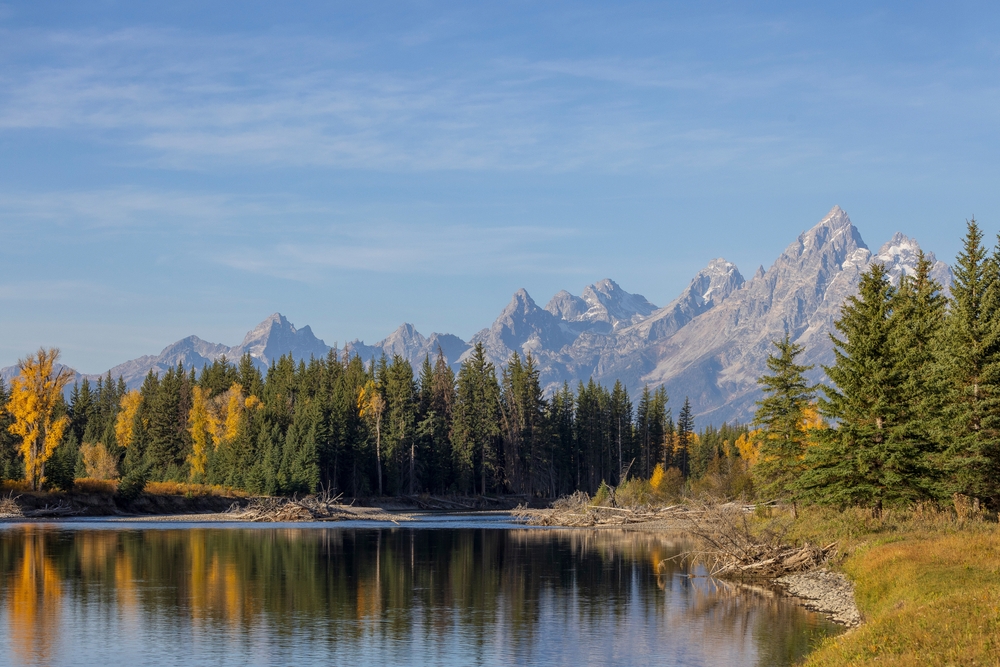
Grand Teton National Park lies just south of Yellowstone and shares a large wildlife corridor with that famous park. The area protects grasslands, forests, and wetlands beneath the towering Teton mountain range. These landscapes provide food and shelter for animals such as moose, elk, and pronghorn antelope. Protection within the park helped maintain healthy populations of these species even as surrounding regions changed. The park also plays a key role in one of the longest land migrations in the United States.
Pronghorn antelope travel hundreds of miles between seasonal feeding areas each year. Their route passes through parts of Grand Teton where open land remains protected. Wildlife corridors in and around the park allow these animals to continue their ancient migration path. Maintaining these travel routes is critical for the long-term survival of the species. Grand Teton remains a vital piece of the larger wildlife network across the greater Yellowstone ecosystem.
Biscayne National Park
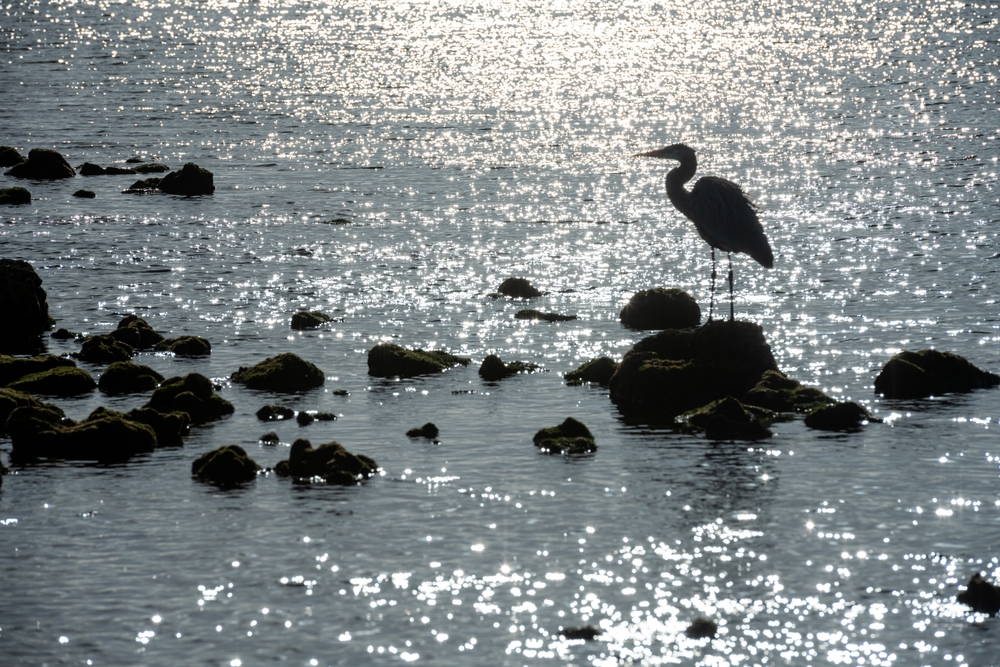
Biscayne National Park protects a large stretch of ocean, coral reef, and mangrove shoreline along the coast of southern Florida. Most of the park actually lies underwater, where marine life thrives among reefs and seagrass beds. Overfishing and coastal development once placed heavy pressure on these ecosystems. The park’s protected waters gave marine species a chance to rebuild their numbers. Coral reefs in the area now support a wide variety of fish that depend on healthy reef systems.
Sea turtles are another important species connected to the park’s recovery efforts. These animals feed in the seagrass beds that grow in the shallow coastal waters. Protection of these feeding grounds helps support turtle populations throughout the region. Manatees also travel through the warm waters near the park while searching for seagrass. Biscayne continues to play a valuable role in protecting wildlife across Florida’s coastal ecosystems.
Olympic National Park
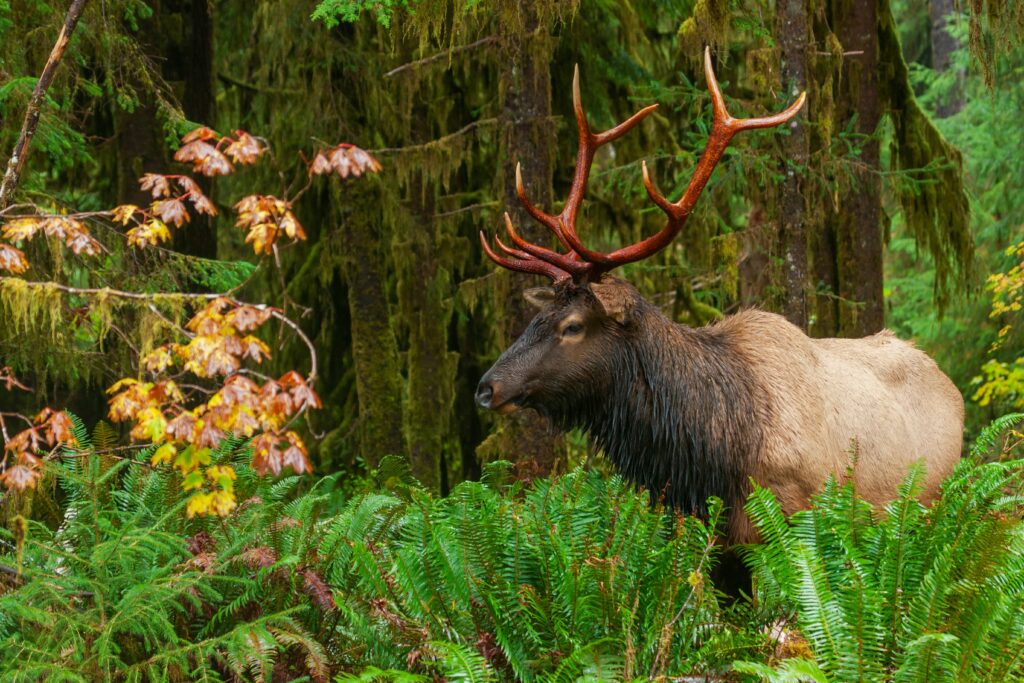
Olympic National Park in Washington protects one of the most diverse natural environments in the United States. Within its boundaries are temperate rainforests, rugged mountains, and a long stretch of wild coastline. These habitats support a wide variety of wildlife that depend on untouched wilderness. Roosevelt elk are among the most notable animals living in the park’s forests and valleys. Protection of these habitats allowed elk populations to remain stable over many decades.
The rivers flowing through the park also support salmon runs that are essential to the region’s ecosystem. Salmon travel from the ocean into freshwater rivers to spawn each year. This migration provides food for bears, birds, and other animals. Healthy river systems inside the park help keep these fish populations active. Olympic National Park continues to protect one of the richest wildlife environments in the Pacific Northwest.
Denali National Park
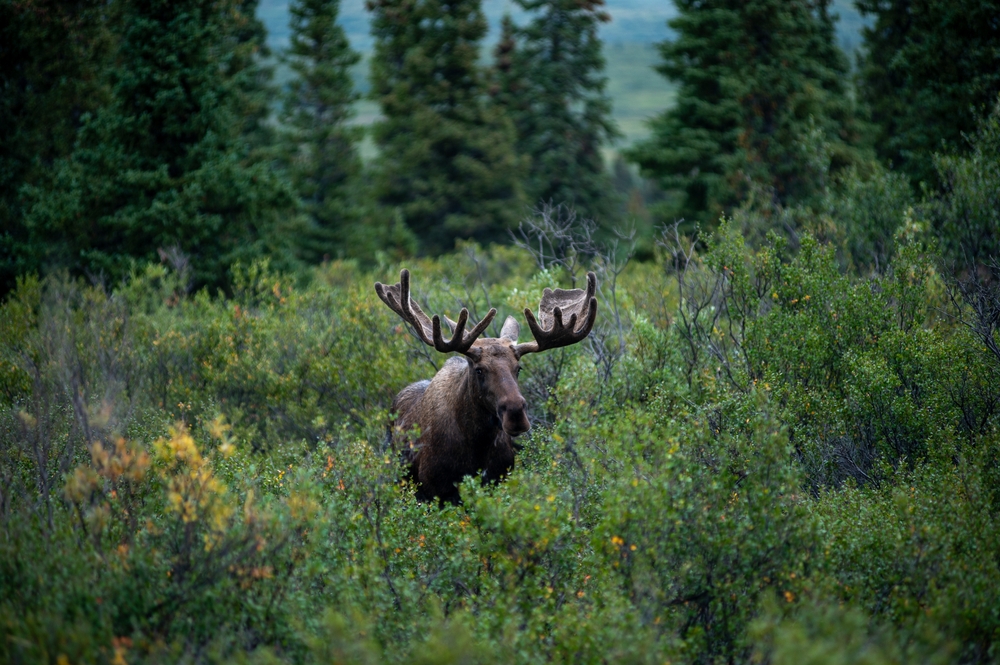
Denali National Park in Alaska protects millions of acres of wilderness surrounding North America’s tallest mountain. The park contains tundra, forests, and wide open valleys that allow animals to roam across great distances. Species such as wolves, caribou, and grizzly bears rely on this vast landscape for survival. Because the region remains largely undeveloped, these animals still move freely through their natural habitat. Protection of the area has helped maintain strong wildlife populations for generations.
Caribou herds in particular benefit from the park’s large protected territory. These animals travel long distances across the tundra while searching for food during different seasons. The open land inside the park keeps these migration paths intact. Scientists carefully observe wildlife populations to understand how they change over time. Denali stands as one of the most important strongholds for wildlife in North America.
Glacier National Park
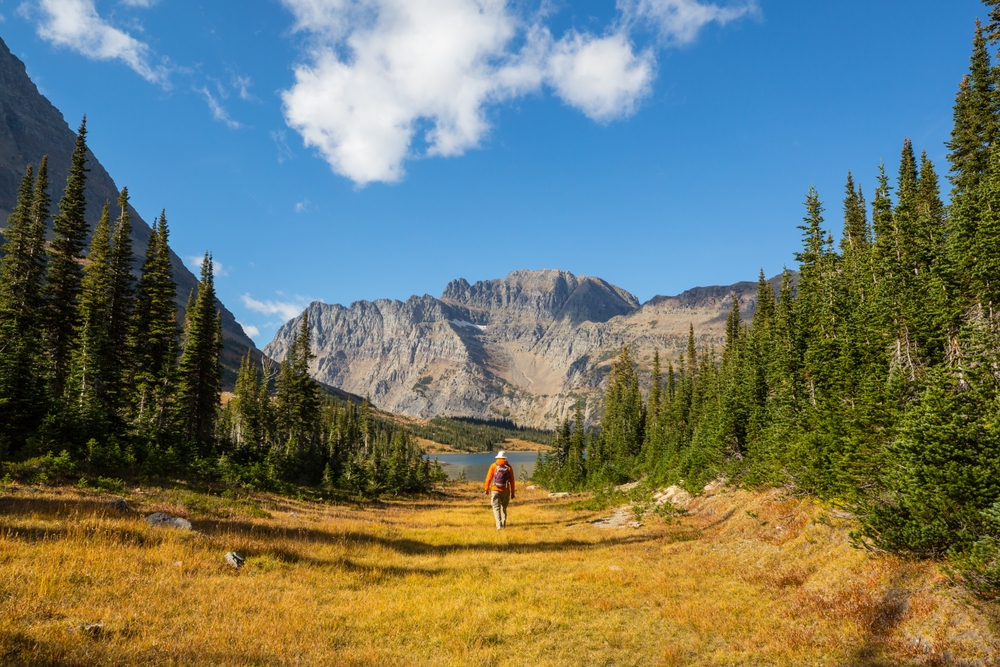
Glacier National Park in Montana protects towering mountain peaks, deep forest valleys, and glacial lakes. These rugged landscapes provide ideal habitat for animals that rely on wild mountain terrain. During earlier decades, hunting and settlement reduced several wildlife populations across the region. The creation of the park helped stabilize these species within a protected area. Grizzly bears and mountain goats are among the most recognized animals living in the park today.
Grizzly bears move across large territories that include both the park and surrounding wilderness areas. Protected land helps keep these animals safe while they search for food and raise their young. Mountain goats are often seen along steep rocky slopes high above the valleys. Visitors frequently travel to the park hoping to see these animals in their natural setting. Glacier National Park continues to protect a remarkable range of wildlife.
Redwood National and State Parks
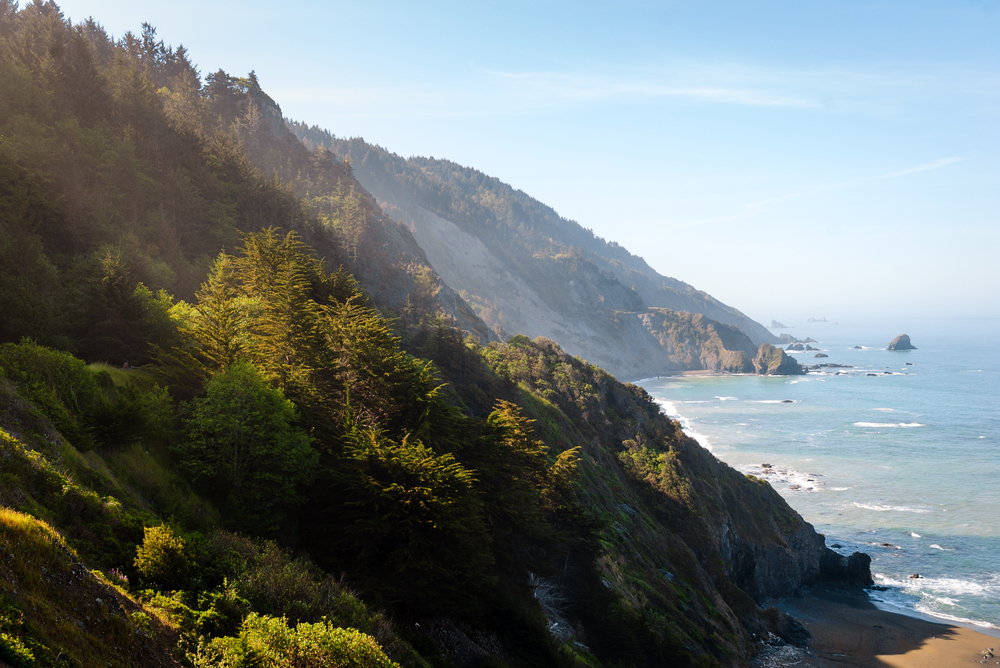
Redwood National and State Parks in California protect ancient forests filled with some of the tallest trees on Earth. These forests once faced heavy logging that reduced wildlife habitat across much of the region. Protection of the remaining forests allowed natural ecosystems to slowly rebuild. As the forest recovered, animals began returning to areas that had been disturbed in earlier decades. The towering redwood trees now shelter a wide range of birds and mammals.
Roosevelt elk are among the most visible animals living within these protected forests. Large herds graze in open meadows surrounded by the giant trees. Restoration work also helped native plants return to damaged areas. Healthy forests provide food and shelter for countless smaller species as well. The park system now protects one of the most unique forest environments in North America.
Great Smoky Mountains National Park
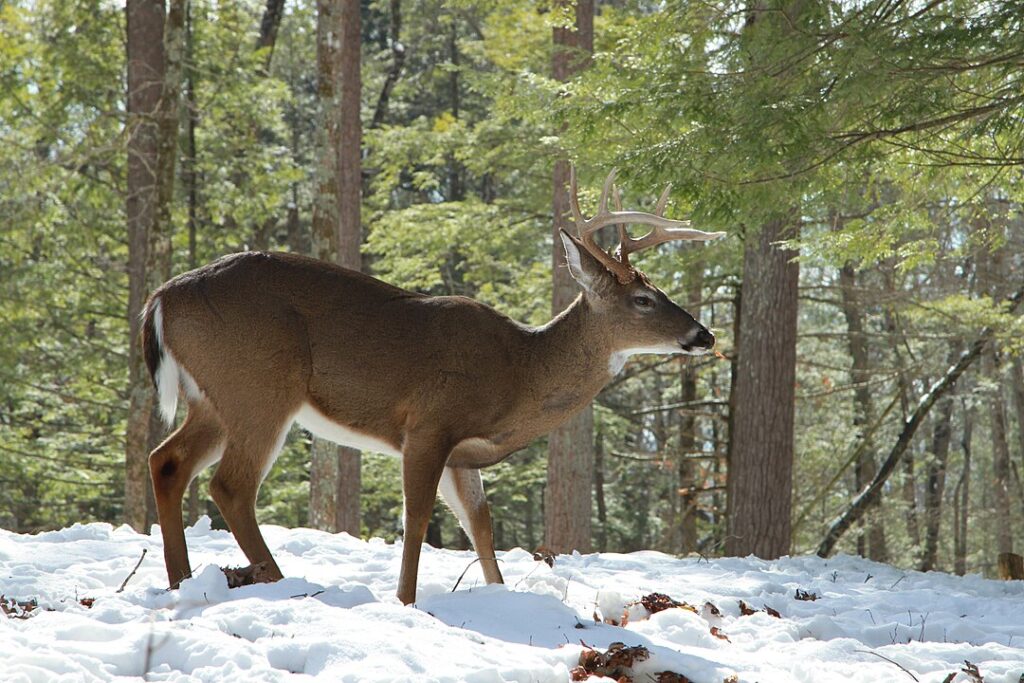
Great Smoky Mountains National Park stretches across the border between North Carolina and Tennessee. The park protects forests, streams, and mountain valleys that contain an extraordinary variety of plant and animal life. Several wildlife species once disappeared from this region due to hunting and habitat changes. Protection of the mountains allowed ecosystems to remain largely intact. As a result, many species have been able to return to the landscape.
Elk were reintroduced to the park after being absent from the region for more than a century. Wildlife specialists released animals into open valleys where they could find food and space to roam. Today, these elk herds have grown and are often seen grazing in grassy meadows. Visitors frequently gather at sunrise or sunset to watch them move across the landscape. Their return stands as one of the most celebrated wildlife stories in the eastern United States.
Zion National Park
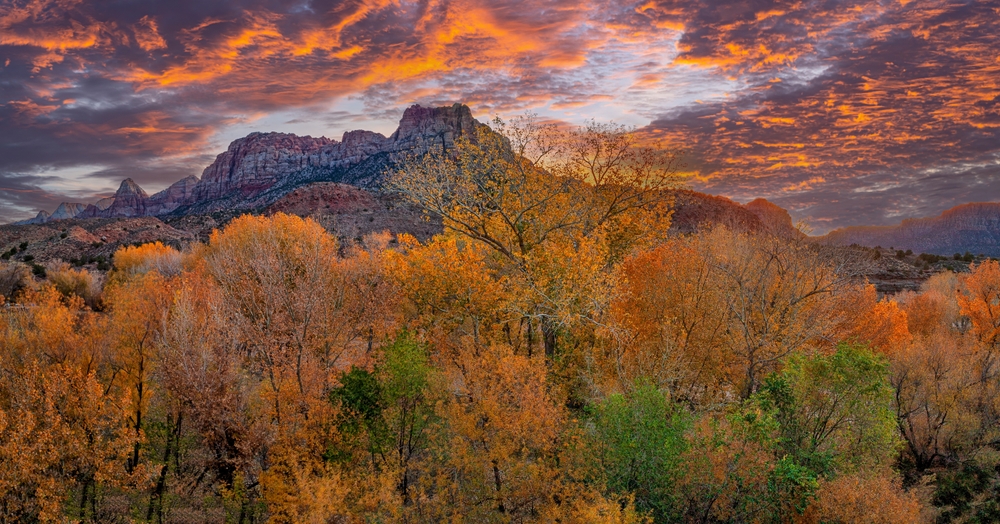
Zion National Park in Utah protects dramatic canyon landscapes filled with towering sandstone cliffs. These desert environments support animals that have adapted to rugged terrain and limited water. Bighorn sheep once disappeared from the area due to hunting and habitat pressure. Wildlife officials later began efforts to return the animals to their historic range. Over time, small groups of sheep were released into the park’s canyon system.
The sheep gradually rebuilt their numbers while living among the steep canyon walls. Their ability to climb narrow ledges helps them avoid predators in the harsh terrain. Visitors often spot them standing on rocky slopes high above the valley floor. Park protection gave the animals a chance to rebuild their population in a safe environment. Zion now supports one of the most visible bighorn sheep populations in the region.
Acadia National Park

Acadia National Park in Maine protects rocky coastlines, forests, and freshwater lakes along the Atlantic Ocean. These landscapes support wildlife that depends on both land and sea environments. During the twentieth century, bald eagles faced severe population declines across the United States. Habitat protection and careful conservation programs helped bring the species back. Acadia provides nesting areas and feeding grounds for eagles along the coast.
The birds rely on healthy fish populations found in nearby waters. Tall trees along the shoreline offer safe locations for nesting. Over time, eagle pairs returned to the area and began raising young again. Their presence signals the recovery of both wildlife and the coastal ecosystem. Acadia remains an important sanctuary for birds along the northeastern coast.
This article originally appeared on Avocadu.